

Langtang Valley Trek In March
Share:

 Read Time
This blog has 8405 words .This blog has 57024 characters.This blog take 28 minutes to read.
The Langtang Valley Trek in March marks the beginning of Nepal’s spring trekking season, making it one of the most popular times to explore the spectacular Langtang region. As winter gradually fades, warmer temperatures, blooming forests, and longer daylight hours create ideal trekking conditions for adventurers of all experience levels. The combination of pleasant weather, clear mountain views, and vibrant natural scenery makes the Langtang Valley Trek in March an unforgettable Himalayan experience.
The Langtang Valley Trek Weather in March is generally stable, with bright sunny days and cool, refreshing mornings. Compared to the colder winter months, temperatures become much more comfortable, particularly at lower and mid-elevations. Snow still covers the higher mountains, providing breathtaking views of Langtang Lirung, Gangchempo, Dorje Lakpa, Yala Peak, and many other Himalayan giants. These snow-capped peaks contrast beautifully with the emerging greenery of the valleys, creating some of the most picturesque landscapes in Nepal.
March is also the month when nature begins to awaken across Langtang National Park. Rhododendron forests start to bloom, alpine meadows become greener, and wildlife becomes more active after the winter season. As you trek through traditional Tamang villages, dense forests, and glacial valleys, you’ll experience a perfect blend of natural beauty and rich Himalayan culture. The pleasant weather also allows trekkers to spend more time exploring scenic viewpoints such as Kyanjin Gompa and Tserko Ri, where panoramic mountain vistas await.
Although March attracts more visitors than January and February, the Langtang region remains considerably less crowded than some of Nepal’s other famous trekking destinations. Whether you’re an experienced trekker or planning your first Himalayan adventure, the Langtang Valley Trek in March offers an ideal combination of comfortable weather, stunning landscapes, colorful spring scenery, and unforgettable mountain views, making it one of the best months of the year to discover the beauty of the Langtang Valley.
Why Choose the Langtang Valley Trek in March?
The Langtang Valley Trek in March is one of the best choices for trekkers who want to experience the Himalayas during the start of Nepal’s vibrant spring season. As winter comes to an end, March brings pleasant daytime temperatures, blooming forests, longer daylight hours, and consistently clear mountain views. These favorable conditions make the Langtang Valley Trek in March an ideal option for both first-time trekkers and experienced hikers seeking a memorable adventure in the Langtang region.
One of the main reasons to choose the Langtang Valley Trek in March is the beautiful transformation of the landscape. The forests within Langtang National Park begin to come alive with blooming rhododendrons, colorful wildflowers, and fresh green vegetation. The snow-covered Himalayan peaks remain brilliantly white, creating a stunning contrast against the colorful valleys below. This unique combination of spring blossoms and snowy mountains makes March one of the most photogenic months for trekking.
Another advantage is the excellent weather. The Langtang Valley Trek Weather in March is generally dry and stable, with comfortable daytime temperatures and cool, refreshing mornings. Moreover, longer daylight hours allow trekkers to enjoy relaxed hiking days, spend more time at scenic viewpoints, and explore the beautiful surroundings of Kyanjin Gompa without feeling rushed.
March also offers outstanding mountain visibility. On clear days, trekkers can enjoy breathtaking views of Langtang Lirung, Gangchempo, Dorje Lakpa, Yala Peak, and many other Himalayan summits. The fresh spring air and clear skies create ideal conditions for photography, allowing visitors to capture some of the finest mountain scenery in Nepal.
In addition to its natural beauty, the Langtang Valley Trek in March provides a wonderful cultural experience. Traditional Tamang villages become livelier as the trekking season begins, offering opportunities to interact with local communities, learn about Himalayan traditions, and enjoy authentic local hospitality. Although March is more popular than the winter months, the Langtang region remains less crowded than many other famous trekking destinations in Nepal.
Whether you’re drawn by blooming rhododendron forests, spectacular mountain panoramas, pleasant spring weather, or the rich cultural heritage of the Langtang Valley, the Langtang Valley Trek in March offers one of the most rewarding trekking experiences of the year. It perfectly combines comfortable trekking conditions with the breathtaking beauty of the Himalayas, making March one of the finest months to visit this remarkable region.
Langtang Valley Trek Weather in March
The Langtang Valley Trek Weather in March is one of the main reasons why this month marks the beginning of Nepal’s peak spring trekking season. As winter gradually gives way to spring, the weather becomes warmer, drier, and more stable, creating excellent conditions for trekking. Therefore, the Langtang Valley Trek in March offers comfortable hiking temperatures, longer daylight hours, and consistently clear views of the surrounding Himalayan mountains.
During March, most mornings begin with bright sunshine and crisp mountain air, providing ideal conditions for trekking. The skies are often clear, especially during the early part of the day, allowing trekkers to enjoy spectacular views of Langtang Lirung, Gangchempo, Dorje Lakpa, Yala Peak, and many other snow-capped peaks. As the month progresses, the temperatures gradually rise, bringing a refreshing spring atmosphere to the valleys and forests of Langtang National Park.
Although March is generally dry, occasional afternoon clouds may develop, particularly toward the end of the month. However, rainfall is still relatively uncommon, and heavy snowfall is usually limited to the highest elevations. Around Kyanjin Gompa and Tserko Ri, small patches of snow may still remain from the winter season, adding to the beauty of the mountain landscape without significantly affecting trekking conditions.
One of the biggest advantages of the Langtang Valley Trek Weather in March is the comfortable balance between warm daytime temperatures and cool evenings. Trekkers can enjoy pleasant hiking conditions during the day while experiencing refreshing mountain nights that are much milder than those of January and February. Nevertheless, warm clothing remains essential for overnight stays at higher elevations.
Overall, the Langtang Valley Trek Weather in March provides some of the best trekking conditions of the entire year. The combination of stable weather, excellent visibility, blooming spring landscapes, and snow-capped Himalayan peaks makes March an outstanding month to explore the breathtaking beauty of Langtang National Park and enjoy an unforgettable trekking adventure in Nepal.
Langtang Valley Trek Temperature in March
The Langtang Valley Trek Temperature in March is much more comfortable than during the winter months, making March one of the most popular times to visit the Langtang region. As spring begins, daytime temperatures gradually increase while the higher elevations retain their fresh mountain climate. This pleasant combination allows trekkers to enjoy comfortable hiking conditions without losing the beauty of the snow-covered Himalayan peaks.
At the starting point in Syabrubesi, daytime temperatures generally range between 15°C and 22°C, creating warm and pleasant conditions for trekking. During the night, temperatures usually fall to around 5°C to 8°C. As you continue climbing through Langtang National Park, temperatures become cooler with increasing altitude. Around Langtang Village and Kyanjin Gompa, daytime temperatures typically range from 8°C to 14°C, while nighttime temperatures often drop to approximately -4°C to -8°C.
Trekkers planning an early morning hike to Tserko Ri should still prepare for freezing conditions before sunrise. Temperatures at higher elevations can fall below -8°C, especially during windy mornings. Wearing layered clothing, including thermal base layers, an insulated jacket, gloves, and a warm hat, will help you stay comfortable while enjoying one of the most spectacular viewpoints in the Langtang region.

Starts from
USD 540
Langtang Valley Trek- 10 days
The Langtang Trek is one of the best short trekking adventures in Nepal. This 10-day journey takes you into...
Duration:
10 days
Max altitude:
4,800m at Kyanjin Ri
One of the biggest advantages of the Langtang Valley Trek Temperature in March is the comfortable daytime weather. The warmer temperatures make long hours of hiking more enjoyable, while the cool mountain breeze provides relief during steeper ascents. In addition, the longer daylight hours give trekkers more time to explore scenic attractions, photograph the surrounding Himalayan landscapes, and relax at teahouses after each day’s walk.
Overall, the Langtang Valley Trek Temperature in March creates ideal trekking conditions for both beginners and experienced hikers. With pleasant daytime warmth, cool mountain evenings, and breathtaking views of Langtang Lirung and the surrounding peaks, March offers the perfect balance between comfort and adventure in the Himalayas.
Langtang Valley Trek Trail Conditions in March
The Langtang Valley Trek Trail Conditions in March are among the best of the year, making this month a favorite for trekkers visiting the Langtang region. As spring begins, snow from the winter season gradually melts at lower and mid-elevations, leaving most trails dry, well-defined, and easy to navigate. Combined with stable weather and longer daylight hours, the Langtang Valley Trek in March provides excellent walking conditions throughout the journey.
The trail from Syabrubesi through the forests of Langtang National Park is generally in excellent condition during March. Well-maintained paths wind through bamboo groves, pine forests, rhododendron woodlands, suspension bridges, and traditional Tamang villages. Since rainfall is usually minimal during this month, muddy sections are uncommon, allowing trekkers to enjoy a comfortable and steady pace without major obstacles.
As you ascend toward Langtang Village and Kyanjin Gompa, you’ll notice that some higher sections of the trail may still have patches of snow remaining from the winter months. These snowy areas are usually limited to shaded sections or higher elevations and rarely create significant difficulties. However, trekkers planning to hike to Tserko Ri should expect occasional icy patches during the early morning, especially after cold nights. Walking carefully, using trekking poles, and wearing sturdy trekking boots with good grip will help ensure a safe and enjoyable ascent.
Another advantage of trekking in March is the increasing daylight, which provides more flexibility each day. Longer hours of sunlight allow trekkers to walk at a comfortable pace, take frequent breaks for photography, and spend additional time exploring viewpoints without feeling rushed. The combination of blooming spring vegetation and snow-capped peaks also makes the trail exceptionally scenic throughout the month.
Overall, the Langtang Valley Trek Trail Conditions in March are ideal for trekkers of all experience levels. With dry paths, stable weather, limited snow at higher elevations, and spectacular spring scenery, March offers one of the safest and most enjoyable trekking experiences in Langtang National Park.
Langtang Valley Trek Mountain Views in March
The Langtang Valley Trek Mountain Views in March are among the most spectacular of the entire year. As spring begins, the skies are generally clear, the air is crisp, and the snow-covered Himalayan peaks remain brilliantly white after the winter season. This combination of excellent visibility and comfortable weather makes the Langtang Valley Trek in March one of the best times for enjoying breathtaking mountain panoramas and capturing unforgettable photographs.
From the early days of the trek, magnificent Himalayan peaks begin to dominate the landscape. As you pass through Langtang National Park, you’ll be rewarded with incredible views of Langtang Lirung, the highest peak in the region, along with impressive mountains such as Gangchempo, Dorje Lakpa, Yala Peak, Langshisa Ri, and several other snow-capped summits. The contrast between the bright white peaks, blue spring skies, and blooming rhododendron forests creates some of the most stunning scenery found anywhere in the Himalayas.
The views become even more dramatic after reaching Kyanjin Gompa, where towering mountains surround the valley from every direction. This beautiful Himalayan village serves as the perfect base for exploring nearby viewpoints. If weather conditions are favorable, the hike to Tserko Ri offers one of the finest panoramic viewpoints in the Langtang region. From its summit, trekkers can enjoy sweeping 360-degree views of glaciers, alpine valleys, and endless Himalayan ranges stretching toward the Tibetan border.
March is also an excellent month for sunrise and sunset photography. Early mornings often provide crystal-clear skies, while the golden light of sunrise illuminates the snow-covered peaks, creating breathtaking scenes that attract photographers from around the world. During the evening, the mountains glow with soft golden and pink hues, adding another unforgettable dimension to the trekking experience.
Overall, the Langtang Valley Trek Mountain Views in March are one of the biggest highlights of the journey. With exceptional visibility, snow-capped Himalayan peaks, colorful spring landscapes, and world-class viewpoints such as Kyanjin Gompa and Tserko Ri, March offers an unforgettable visual experience that truly showcases the natural beauty of the Langtang region.
Langtang Valley Trek Landscapes in March
The Langtang Valley Trek Landscapes in March are among the most beautiful and colorful of the year. As spring arrives in the Himalayas, the Langtang region transforms from its quiet winter appearance into a vibrant landscape filled with blooming flowers, lush forests, and snow-capped mountains. This remarkable contrast between colorful valleys and towering white peaks makes the Langtang Valley Trek in March one of the most scenic trekking experiences in Nepal.
The journey begins in Syabrubesi, where terraced fields, traditional Tamang villages, and flowing rivers create a peaceful introduction to the trek. As you enter Langtang National Park, the forests become increasingly vibrant. Pine, oak, bamboo, and rhododendron trees line the trail, and by the middle to the end of March, many rhododendrons begin to bloom, adding brilliant shades of red, pink, and white to the surrounding hillsides. The fresh spring greenery combined with cool mountain air creates a refreshing trekking environment.
As you continue toward Langtang Village and Kyanjin Gompa, the landscape changes dramatically. Dense forests gradually give way to open alpine meadows, rocky cliffs, glacial rivers, and expansive mountain valleys. Towering above it all is Langtang Lirung, whose snow-covered slopes create a breathtaking backdrop throughout the journey. The blend of green valleys below and snow-covered peaks above is one of the defining features of the Langtang region during March.
For trekkers who continue to Tserko Ri, the scenery becomes even more spectacular. The route offers panoramic views of glaciers, rugged mountain ridges, alpine terrain, and endless Himalayan peaks extending toward the horizon. On clear days, the contrast between the bright blue sky, white glaciers, colorful prayer flags, and blooming spring vegetation creates unforgettable photographic opportunities.
Overall, the Langtang Valley Trek Landscapes in March showcase the perfect transition from winter to spring. With flowering rhododendron forests, lush valleys, pristine glaciers, traditional mountain villages, and magnificent Himalayan scenery, March offers one of the most visually rewarding trekking experiences in Langtang National Park and is an excellent time to discover the natural beauty of the Langtang Valley.
Langtang Valley Trek Crowds and Trekking Experience in March
The Langtang Valley Trek Crowds and Trekking Experience in March reflect the beginning of Nepal’s popular spring trekking season. As the weather becomes warmer and more stable, an increasing number of trekkers visit the Langtang region to enjoy its spectacular mountain scenery and blooming landscapes. Although March is busier than the winter months, the Langtang Valley Trek in March still offers a peaceful experience compared to some of Nepal’s more crowded trekking destinations, making it an excellent choice for those seeking both comfort and tranquility.
Throughout the trek, you’ll meet fellow adventurers from around the world, creating a friendly and lively atmosphere along the trail. However, the trekking route through Langtang National Park rarely feels overcrowded. The well-spaced villages and scenic walking paths provide plenty of opportunities to enjoy quiet moments surrounded by forests, rivers, and towering Himalayan peaks. This balance between social interaction and peaceful nature is one of the reasons why many trekkers consider March an ideal month to visit.
Teahouses also become more active during March as the spring season begins. Most lodges are fully operational, offering comfortable accommodation, freshly prepared meals, and warm hospitality. While popular villages such as Langtang Village and Kyanjin Gompa welcome more visitors than during January or February, finding accommodation is generally not difficult, especially if your trek is planned in advance. The lively dining halls also create a wonderful opportunity to exchange travel stories and trekking experiences with other hikers.
Another highlight of trekking in March is the vibrant atmosphere created by nature itself. Blooming rhododendron forests, colorful landscapes, and clear mountain views enhance every stage of the journey. Longer daylight hours allow trekkers to walk at a relaxed pace, spend more time enjoying scenic viewpoints, and fully appreciate the beauty of the Langtang region without feeling rushed.
Overall, the Langtang Valley Trek Crowds and Trekking Experience in March offer the perfect balance between an active trekking season and the peaceful charm for which Langtang is known. With comfortable weather, welcoming teahouses, stunning Himalayan scenery, and a friendly trekking community, March provides one of the most enjoyable and memorable experiences in Langtang National Park.
Pros of the Langtang Valley Trek in March
1. Excellent Spring Weather
One of the biggest advantages of the Langtang Valley Trek in March is the pleasant spring weather. The Langtang Valley Trek Weather in March is generally dry, stable, and comfortable, with warm daytime temperatures and cool mountain evenings. These favorable conditions make trekking enjoyable throughout the journey.
2. Spectacular Mountain Views
March offers some of the clearest mountain views of the year. Trekkers can enjoy breathtaking panoramas of Langtang Lirung, Gangchempo, Dorje Lakpa, Yala Peak, Langshisa Ri, and many other snow-covered Himalayan peaks. The crisp spring air provides excellent visibility, making March an ideal month for photography.
3. Beautiful Blooming Rhododendron Forests
As spring arrives, the forests within Langtang National Park begin to bloom with colorful rhododendrons and wildflowers. The vibrant reds, pinks, and whites of the blossoms create a stunning contrast against the snow-covered mountains, making the trek even more scenic.
4. Comfortable Trekking Temperatures
Compared to the winter months, the Langtang Valley Trek Temperature in March is much more comfortable for hiking. Warmer days, longer daylight hours, and pleasant weather allow trekkers to enjoy the journey without facing the extreme cold experienced during January and February.
5. Longer Daylight Hours
March provides more daylight than the winter season, giving trekkers extra time to walk at a relaxed pace, take photographs, and explore attractions around Kyanjin Gompa and Tserko Ri. The longer days also reduce the pressure of reaching each destination before sunset.
6. Active Teahouses and Better Facilities
As the spring trekking season begins, nearly all teahouses along the Langtang route are fully operational. Trekkers can enjoy a wider variety of meals, reliable accommodation, and improved services compared to the quieter winter months, making the overall trekking experience more comfortable and convenient.
Cons of the Langtang Valley Trek in March
1. More Trekkers on the Trail
As March marks the beginning of Nepal’s spring trekking season, the Langtang Valley Trek in March becomes noticeably busier than in January and February. Although Langtang is still quieter than the Everest Base Camp Trek or Annapurna Base Camp Trek, you’ll encounter more trekking groups, especially around Langtang Village and Kyanjin Gompa.
2. Accommodation Can Fill Up During Peak Dates
With the increase in visitor numbers, popular teahouses may become fully booked during holidays and the latter half of March. Trekkers planning to visit during this period should consider reserving accommodation in advance, particularly if traveling with a group.
3. Variable Spring Weather
While the Langtang Valley Trek Weather in March is generally stable, spring weather in the Himalayas can still be unpredictable. Afternoon clouds, occasional light rain at lower elevations, or brief snowfall at higher altitudes may occur, especially toward the end of the month. Remaining flexible with your daily itinerary is always a good idea.
4. Snow May Still Cover Higher Trails
Although lower sections of the trail are usually dry, patches of snow and ice can still be found around Kyanjin Gompa and on the route to Tserko Ri. Early morning hikes require extra caution, and sturdy trekking boots with good grip are highly recommended.
5. Higher Prices Than the Winter Season
As the spring trekking season begins, the demand for guides, porters, transportation, and accommodation gradually increases. While the Langtang region remains more affordable than some of Nepal’s other famous trekking destinations, overall trekking costs may be slightly higher than during January and February.
6. Altitude Remains a Challenge
Even though March offers warmer weather, altitude remains one of the biggest challenges of the trek. Reaching Kyanjin Gompa at approximately 3,870 meters and Tserko Ri at nearly 4,984 meters requires proper acclimatization. Trekkers should ascend gradually, stay well hydrated, and monitor themselves for symptoms of altitude sickness throughout the journey.
What to Pack for the Langtang Valley Trek in March
Packing the right gear for the Langtang Valley Trek in March will help ensure a comfortable and enjoyable trekking experience. Although March brings warmer temperatures and marks the beginning of Nepal’s spring season, the weather can still vary significantly between lower valleys and higher elevations. Warm days, cool evenings, and freezing temperatures near Kyanjin Gompa and Tserko Ri mean that a well-planned packing list remains essential.
Start with lightweight, moisture-wicking base layers that keep you dry while hiking. Add a fleece jacket for insulation and pack a lightweight down jacket for cold mornings, evenings, and higher-altitude sections of the trek. A waterproof and windproof outer shell is also recommended, as occasional spring showers or strong mountain winds are possible, particularly toward the end of March. Comfortable trekking pants, thermal leggings for the evenings, warm gloves, a wool hat, and a neck gaiter will help you stay comfortable throughout the journey.
Footwear is equally important during the Langtang Valley Trek in March. Waterproof trekking boots with good ankle support and reliable grip are ideal for navigating rocky trails and occasional snowy patches near higher elevations. Trekking poles provide additional stability on steep ascents and descents, especially if you’re planning to hike to Tserko Ri. It’s also wise to pack several pairs of moisture-wicking trekking socks to keep your feet warm and dry.
Other essential items include sunglasses with UV protection, sunscreen, lip balm, a reusable water bottle or hydration bladder, water purification tablets, a headlamp with spare batteries, a power bank, a personal first-aid kit, and basic toiletries. Since temperatures can still fall below freezing at higher elevations, carrying a sleeping bag rated to around -5°C to -10°C is recommended, even though most teahouses provide blankets.
Overall, packing for the Langtang Valley Trek in March is about preparing for a variety of mountain conditions. With the right clothing and equipment, you’ll be well prepared to enjoy blooming rhododendron forests, crystal-clear mountain views, and the unforgettable landscapes that make March one of the best months to trek in Langtang National Park.
Langtang Valley Trek Difficulty in March
The Langtang Valley Trek Difficulty in March is generally considered moderate, making it suitable for both first-time trekkers with good fitness and experienced hikers. Thanks to the pleasant spring weather, stable trail conditions, and longer daylight hours, March is one of the easiest and most comfortable months to complete the trek. However, the combination of daily walking, steep ascents, and high altitude still requires proper preparation and physical endurance.
During the Langtang Valley Trek in March, you’ll typically hike for 5 to 7 hours each day, passing through a variety of landscapes including dense forests, suspension bridges, stone staircases, alpine meadows, glacial valleys, and traditional Tamang villages. The trail is well established and easy to follow, but there are several uphill and downhill sections that require a reasonable level of stamina.
The biggest challenge of the trek is the altitude rather than the terrain itself. The journey gradually climbs from Syabrubesi at approximately 1,460 meters to Kyanjin Gompa at around 3,870 meters. Trekkers who continue to Tserko Ri will reach an elevation of nearly 4,984 meters, where oxygen levels are significantly lower than at sea level. Even though the weather is more comfortable in March, the risk of altitude sickness remains the same, making proper acclimatization essential.
Fortunately, the Langtang Valley Trek Weather in March provides excellent trekking conditions that help reduce many of the seasonal challenges experienced during winter. Dry trails, pleasant daytime temperatures, and minimal snow at lower elevations make walking easier and more enjoyable. Only a few higher sections near Kyanjin Gompa and Tserko Ri may still have patches of snow or ice, which can usually be crossed safely with proper footwear and careful footing.
Overall, the Langtang Valley Trek Difficulty in March is manageable for anyone who is reasonably fit and well prepared. Regular walking, hiking, or cardiovascular exercise before your trip will greatly improve your trekking experience. With a steady pace, proper acclimatization, and suitable equipment, March offers one of the safest and most rewarding opportunities to explore the breathtaking beauty of the Langtang region.
Altitude and Acclimatization for the Langtang Valley Trek in March
Although the pleasant spring weather makes trekking more comfortable, altitude remains one of the most important factors to consider during the Langtang Valley Trek in March. The trek begins in Syabrubesi at an elevation of approximately 1,460 meters and gradually climbs through Langtang National Park to Kyanjin Gompa at around 3,870 meters. If you choose to continue to Tserko Ri, you’ll reach nearly 4,984 meters, where the air contains significantly less oxygen. Proper acclimatization is therefore essential for a safe and enjoyable trekking experience.
One of the advantages of the Langtang Valley Trek in March is that the gradual ascent allows your body time to adjust to the increasing altitude. Most standard itineraries include an acclimatization day at Kyanjin Gompa, giving trekkers an opportunity to rest while exploring nearby attractions such as Kyanjin Ri, the local cheese factory, or shorter hikes around the valley. Spending this extra day at altitude greatly improves your body’s adaptation before attempting the climb to Tserko Ri.
During the trek, it’s important to maintain a slow and steady pace rather than rushing to your destination. Drink plenty of purified water, eat balanced meals, and avoid overexertion, even if the pleasant March weather makes you feel energetic. Watch carefully for early symptoms of altitude sickness, including headaches, dizziness, nausea, unusual fatigue, or difficulty sleeping. If symptoms become more severe, the safest solution is always to descend to a lower elevation and seek assistance if necessary.
The warmer temperatures of March do not eliminate the risks associated with high altitude. Regardless of your trekking experience, everyone responds differently to reduced oxygen levels. Listening to your body, following your guide’s advice, and allowing sufficient time for acclimatization will significantly improve your chances of completing the trek safely.
Overall, proper altitude management is the key to enjoying the Langtang Valley Trek in March. By following a well-paced itinerary, staying hydrated, and respecting the natural process of acclimatization, you’ll be able to experience the incredible mountain scenery of Langtang Lirung, Kyanjin Gompa, and Tserko Ri with confidence while minimizing the risks of altitude-related illness.
Langtang Valley Trek Permits in March
Before starting the Langtang Valley Trek in March, every trekker must obtain the required permits to enter the protected Langtang region. These permits are mandatory throughout the year and help support conservation efforts, maintain trekking trails, and protect the unique biodiversity of Langtang National Park. Since March marks the beginning of the busy spring trekking season, arranging your permits in advance can help ensure a smooth start to your adventure.
The primary permit required for the Langtang Valley Trek in March is the Langtang National Park Entry Permit, which grants access to the national park and its trekking routes. Depending on the latest regulations introduced by the Nepalese tourism authorities, trekkers may also be required to obtain a TIMS (Trekkers’ Information Management System) Card. Because trekking policies can occasionally change, it is always advisable to confirm the most up-to-date permit requirements before your trip.
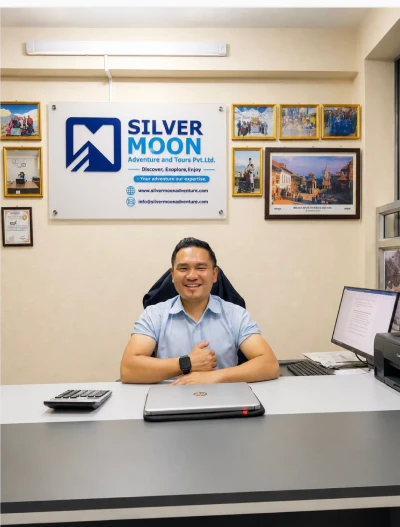
Independent trekkers can usually obtain the necessary permits from the appropriate tourism offices in Kathmandu before traveling to Syabrubesi. However, many visitors prefer trekking with a registered local operator to simplify the process and avoid unnecessary paperwork. At Silver Moon Adventure and Tours, we take care of all the required permit arrangements before your trek begins. Our team ensures that every document is completed accurately and on time, allowing you to focus entirely on preparing for your Himalayan adventure rather than dealing with administrative procedures.
When applying for trekking permits, you’ll generally need a valid passport, passport-sized photographs, and the applicable permit fees. During the trek, permit checkpoints are located at several points along the trail, so you should always carry your original documents and keep digital copies as a backup.
Overall, obtaining the necessary permits for the Langtang Valley Trek in March is a straightforward process when planned in advance. With your permits ready before departure, you can enjoy the spectacular mountain scenery, vibrant spring landscapes, and rich Tamang culture of Langtang National Park with complete peace of mind.
Langtang Valley Trek Accommodation in March
Accommodation during the Langtang Valley Trek in March is comfortable, reliable, and well prepared to welcome trekkers as the busy spring season begins. Most teahouses along the route are fully open during March, offering warm hospitality, freshly prepared meals, and basic yet comfortable facilities. As one of the most popular trekking months in Nepal, March brings more visitors to the Langtang region, so it’s a good idea to plan your overnight stops in advance, especially during the second half of the month.
The trek passes through several picturesque villages, including Lama Hotel, Langtang Village, and Kyanjin Gompa, where family-run teahouses provide simple twin-sharing rooms with beds, blankets, pillows, and shared bathroom facilities. While the accommodation is basic compared to city hotels, the clean rooms and welcoming atmosphere allow trekkers to rest comfortably after a full day on the trail.
As you climb to higher elevations, accommodation becomes more traditional, but the experience becomes even more memorable. The dining halls often serve as the heart of each teahouse, where trekkers gather around a warm stove in the evening, enjoy freshly cooked meals, and exchange stories with fellow hikers from around the world. The friendly hospitality of the local Tamang community adds a unique cultural experience that many visitors consider one of the highlights of the trek.
Because March is the start of the peak trekking season, booking accommodation in advance is highly recommended, particularly for private groups and families. At Silver Moon Adventure and Tours, we arrange carefully selected teahouses throughout the Langtang Valley, ensuring our guests enjoy clean rooms, quality meals, and dependable service at every overnight stop. Our local knowledge also helps secure accommodation during busier periods, allowing you to trek with confidence and peace of mind.
Although March temperatures are much milder than winter, nights at Kyanjin Gompa can still be cold. Carrying a warm sleeping bag is recommended for additional comfort, especially at higher elevations. Overall, accommodation during the Langtang Valley Trek in March offers an authentic Himalayan experience, combining traditional mountain hospitality, comfortable teahouses, and the opportunity to immerse yourself in the rich culture and natural beauty of the Langtang region.
Langtang Valley Trek Food in March
Food during the Langtang Valley Trek in March is fresh, nutritious, and varied, providing the energy needed for long days of hiking through the beautiful landscapes of the Langtang region. As March marks the beginning of the busy spring trekking season, most teahouses operate at full capacity and offer a wider selection of meals than during the quieter winter months. Whether you’re looking for traditional Nepalese cuisine or familiar international dishes, you’ll find plenty of options to keep you energized throughout your trek.
The most popular meal on the Langtang Valley Trek in March is Dal Bhat, Nepal’s traditional dish of steamed rice, lentil soup, seasonal vegetables, pickles, and curry. Rich in carbohydrates, protein, and essential nutrients, Dal Bhat provides sustained energy for trekking at high altitude. Many teahouses also offer free refills, making it both a filling and economical choice for hikers.
In addition to Dal Bhat, teahouse menus commonly include fried rice, noodles, pasta, momos (Nepalese dumplings), soups, Tibetan bread, pancakes, porridge, omelets, chapati, and a variety of potato dishes. Fresh seasonal vegetables become more available in March, adding more variety and flavor to many meals. Breakfasts are usually hearty and designed to prepare trekkers for a full day of hiking through Langtang National Park.
Hot drinks remain a favorite throughout the trek, particularly during cool mornings and evenings. Tea, coffee, ginger tea, hot lemon, honey lemon tea, and hot chocolate are widely available and provide warmth after a day on the trail. Staying hydrated is equally important, so trekkers should drink plenty of purified water throughout the journey to support acclimatization and overall health.
At Silver Moon Adventure and Tours, we carefully select teahouses that maintain high standards of cleanliness, food quality, and hospitality. Our goal is to ensure every guest enjoys freshly prepared meals, hygienic dining environments, and balanced nutrition throughout the Langtang Valley Trek in March, helping you stay healthy, energized, and ready for each day’s adventure.
Overall, the food available during the Langtang Valley Trek in March is one of the enjoyable aspects of the journey. With a wide variety of delicious meals, warm drinks, and welcoming teahouse dining experiences, you’ll have all the nourishment needed to fully appreciate the spectacular mountain scenery and vibrant spring landscapes of the Langtang region.
Langtang Valley Trek Transportation in March
The Langtang Valley Trek Transportation in March is generally reliable and convenient, thanks to the favorable spring weather and improved road conditions. March marks the beginning of Nepal’s peak trekking season, and transportation services between Kathmandu and Syabrubesi operate regularly. With dry roads and stable weather, reaching the starting point of the trek is usually straightforward, allowing trekkers to begin their adventure with minimal travel disruptions.
The trek officially starts from Syabrubesi, located approximately 122 kilometers north of Kathmandu. The drive typically takes 7 to 9 hours, depending on road conditions, traffic, and the type of vehicle you choose. Along the way, travelers can enjoy scenic views of rolling hills, terraced farmland, mountain rivers, and traditional villages, making the journey itself an enjoyable part of the overall trekking experience.
There are two main transportation options for the Langtang Valley Trek in March. Local buses depart daily from Kathmandu and offer the most budget-friendly way to reach Syabrubesi. While economical, these buses can become crowded during the busy spring season and may not provide the most comfortable ride on mountain roads. For greater comfort and flexibility, many trekkers choose a private jeep. Private transportation offers more space, shorter travel times, and the convenience of flexible departure schedules, making it an excellent option for families, couples, and private groups.
To make your journey as smooth as possible, Silver Moon Adventure and Tours arranges reliable transportation services for all Langtang trekking packages. Whether you prefer a comfortable private jeep or need assistance coordinating group transportation, our experienced team handles all travel logistics. Our trusted local drivers are highly familiar with the mountain roads, helping ensure a safe, comfortable, and hassle-free journey between Kathmandu and Syabrubesi.
After completing the trek, you’ll return to Syabrubesi and travel back to Kathmandu using the same route. Since March is a busy travel month, booking your transportation in advance is recommended, especially if you plan to travel during weekends or public holidays.
Overall, transportation for the Langtang Valley Trek in March is efficient and well organized. With good road conditions, multiple travel options, and careful planning, reaching the Langtang region is simple, allowing you to focus on enjoying one of Nepal’s most spectacular spring trekking adventures.

Starts from
USD 790
Langtang Gosainkunda Trek- 14 days
The Langtang Gosainkunda Trek is one of the most beautiful and diverse trekking experiences in Nepal. This 14-day Himalayan...
Duration:
14 days
Max altitude:
4,800m at Kyanjin Ri
Langtang Valley Trek Cost in March
The Langtang Valley Trek Cost in March is generally slightly higher than during the winter months because March marks the beginning of Nepal’s peak spring trekking season. As the demand for guides, porters, transportation, and teahouse accommodation increases, prices may rise modestly. However, the exceptional weather, blooming landscapes, and spectacular mountain views make March one of the best-value months for trekking in the Langtang region.
On average, the Langtang Valley Trek in March costs between USD 500 and USD 900 per person for a standard guided package. The final price depends on several factors, including the duration of the trek, group size, transportation preferences, accommodation choices, and whether you hire additional services such as a porter. Most trekking packages include transportation between Kathmandu and Syabrubesi, required trekking permits, teahouse accommodation, three daily meals during the trek, and the services of a licensed guide.
If you’re traveling independently, your overall expenses may be lower, but you’ll need to organize transportation, permits, accommodation, and meals on your own. Many trekkers choose guided packages because they simplify logistics and provide the added benefits of local expertise, improved safety, and cultural insights throughout the journey.
At Silver Moon Adventure and Tours, we offer transparent and flexible Langtang trekking packages designed to suit a wide range of budgets and travel styles. Whether you’re looking for a budget-friendly group trek, a private guided adventure, or a fully customized itinerary, our experienced team ensures excellent service, fair pricing, and outstanding value without compromising on safety or quality.
In addition to your package price, remember to budget for personal expenses such as travel insurance, snacks, bottled or boiled drinking water, hot showers, Wi-Fi, charging electronic devices, laundry services, and tips for guides and porters. Since there are no ATMs along the trekking route, carrying sufficient cash from Kathmandu is essential.
Overall, the Langtang Valley Trek Cost in March represents excellent value for one of Nepal’s finest spring trekking experiences. With pleasant weather, colorful rhododendron forests, clear Himalayan views, and well-established trekking services, March is an outstanding month to experience the beauty of the Langtang Valley while making the most of your trekking budget.
Langtang Valley Trek Cost in March
The Langtang Valley Trek Cost in March is generally slightly higher than during the winter months because March marks the beginning of Nepal’s peak spring trekking season. As the demand for guides, porters, transportation, and teahouse accommodation increases, prices may rise modestly. However, the exceptional weather, blooming landscapes, and spectacular mountain views make March one of the best-value months for trekking in the Langtang region.
On average, the Langtang Valley Trek in March costs between USD 500 and USD 900 per person for a standard guided package. The final price depends on several factors, including the duration of the trek, group size, transportation preferences, accommodation choices, and whether you hire additional services such as a porter. Most trekking packages include transportation between Kathmandu and Syabrubesi, required trekking permits, teahouse accommodation, three daily meals during the trek, and the services of a licensed guide.
If you’re traveling independently, your overall expenses may be lower, but you’ll need to organize transportation, permits, accommodation, and meals on your own. Many trekkers choose guided packages because they simplify logistics and provide the added benefits of local expertise, improved safety, and cultural insights throughout the journey.
At Silver Moon Adventure and Tours, we offer transparent and flexible Langtang trekking packages designed to suit a wide range of budgets and travel styles. Whether you’re looking for a budget-friendly group trek, a private guided adventure, or a fully customized itinerary, our experienced team ensures excellent service, fair pricing, and outstanding value without compromising on safety or quality.
In addition to your package price, remember to budget for personal expenses such as travel insurance, snacks, bottled or boiled drinking water, hot showers, Wi-Fi, charging electronic devices, laundry services, and tips for guides and porters. Since there are no ATMs along the trekking route, carrying sufficient cash from Kathmandu is essential.
Overall, the Langtang Valley Trek Cost in March represents excellent value for one of Nepal’s finest spring trekking experiences. With pleasant weather, colorful rhododendron forests, clear Himalayan views, and well-established trekking services, March is an outstanding month to experience the beauty of the Langtang Valley while making the most of your trekking budget.
Safety Tips for the Langtang Valley Trek in March
1. Dress in Layers for Changing Temperatures
Although March brings warmer weather, temperatures can still vary greatly between lower valleys and higher elevations. Wear moisture-wicking base layers, a fleece jacket, and a lightweight down jacket, along with a waterproof outer shell. Dressing in layers allows you to adjust comfortably as the temperature changes throughout the day.
2. Stay Hydrated and Acclimatize Properly
The pleasant Langtang Valley Trek Weather in March can make it easy to overlook the importance of hydration. Drink plenty of purified water throughout the day and follow a gradual ascent to help your body adapt to the increasing altitude. Spending an acclimatization day at Kyanjin Gompa is highly recommended before hiking to Tserko Ri.
3. Be Prepared for Variable Mountain Weather
While March is known for stable weather, mountain conditions can change quickly. Afternoon clouds, light rain at lower elevations, or occasional snowfall at higher altitudes are still possible. Carry a waterproof jacket, rain cover for your backpack, and extra warm clothing to stay prepared for unexpected weather changes.For a safer and more enjoyable trekking experience, many travelers choose to hike with experienced local guides. At Silver Moon Adventure and Tours, our licensed guides monitor daily weather forecasts, trail conditions, and your overall well-being throughout the trek. Their local knowledge and experience help ensure that every stage of your Langtang adventure is both safe and enjoyable.
4. Start Early to Enjoy Clear Views
Mornings in March usually offer the clearest skies and the best mountain visibility. Starting your trek early each day not only allows you to enjoy spectacular views of Langtang Lirung and the surrounding peaks but also helps you reach your destination before afternoon clouds become more common.
5. Use Quality Trekking Equipment
Reliable trekking gear makes a significant difference in both comfort and safety. Wear sturdy trekking boots with good grip, use trekking poles for stability on uneven terrain, and carry a basic first-aid kit, sunscreen, sunglasses, and a headlamp. Proper equipment helps you confidently handle the varied trail conditions found throughout Langtang National Park.
Our Expert Advice for the Langtang Valley Trek in March
The Langtang Valley Trek in March is one of the finest trekking experiences in Nepal, thanks to its ideal combination of pleasant spring weather, blooming rhododendron forests, and spectacular Himalayan views. As the spring season begins, the trails become more vibrant, the forests come alive with colorful flowers, and the longer daylight hours provide excellent conditions for exploring the Langtang region. However, careful planning is still essential to make the most of your adventure.
Our first recommendation is to book your trek early. Since March marks the start of the peak trekking season, accommodation, transportation, and experienced guides become increasingly busy, especially during the second half of the month. Planning in advance will help you secure better teahouses, reliable transportation, and a well-organized itinerary.
Although the weather is much warmer than in winter, you should still pack for changing mountain conditions. Layered clothing, waterproof trekking boots, a warm jacket, trekking poles, and a quality sleeping bag are recommended, particularly for overnight stays at Kyanjin Gompa and early morning hikes to Tserko Ri. Being properly equipped allows you to stay comfortable while fully enjoying the breathtaking mountain scenery.
Altitude should never be underestimated. Even with the pleasant Langtang Valley Trek Weather in March, the reduced oxygen levels above 3,500 meters remain the same throughout the year. Walk at a steady pace, drink plenty of water, eat nutritious meals, and include an acclimatization day in your itinerary to minimize the risk of altitude sickness.
Based on our years of experience leading treks in the Langtang region, the team at Silver Moon Adventure and Tours recommends choosing a well-balanced itinerary that combines comfortable daily walking distances with proper acclimatization. Our experienced local guides provide expert support throughout the journey, monitor weather and trail conditions, and ensure that every trekker enjoys a safe, comfortable, and memorable Himalayan adventure.
Finally, take time to appreciate more than just the mountain views. Explore the traditional Tamang villages, experience the warm hospitality of local communities, visit the historic monastery at Kyanjin Gompa, and immerse yourself in the natural beauty of Langtang National Park. The Langtang Valley Trek in March is not only a journey through the Himalayas but also an opportunity to experience the unique culture, landscapes, and traditions that make the Langtang region one of Nepal’s most rewarding trekking destinations.
Suggested Blog Post
- Langtang Valley Trek In January
- Langtang Valley Trek In February
- Langtang Valley Trek In March
- Langtang Valley Trek In April
- Langtang Valley Trek In May
- Langtang Valley Trek In June
- Langtang Valley Trek In July
- Langtang Valley Trek In August
- Langtang Valley Trek In September
- Langtang Valley Trek In October
- Langtang Valley Trek In November
- Langtang Valley Trek In December
Conclusion
The Langtang Valley Trek in March is widely regarded as one of the best times of the year to explore the breathtaking beauty of Nepal’s Langtang region. With the arrival of spring, trekkers are rewarded with pleasant temperatures, blooming rhododendron forests, crystal-clear mountain views, and longer daylight hours that create ideal trekking conditions. Whether you’re a first-time visitor to the Himalayas or an experienced trekker, March offers the perfect balance of comfort, adventure, and natural beauty.
Throughout the journey, you’ll pass through the lush forests of Langtang National Park, cross scenic suspension bridges, visit traditional Tamang villages, and eventually reach the peaceful settlement of Kyanjin Gompa. Along the way, you’ll be surrounded by spectacular views of Langtang Lirung, Gangchempo, Dorje Lakpa, and many other snow-covered Himalayan peaks. If you choose to hike to Tserko Ri, you’ll be rewarded with one of the most breathtaking panoramic viewpoints in the entire Langtang region.
March also provides a wonderful cultural experience as local villages become more active with the arrival of the spring trekking season. Friendly teahouses, warm hospitality, delicious local food, and the vibrant beauty of blooming rhododendron forests make every day of the trek memorable. Although visitor numbers increase compared to winter, the Langtang Valley still offers a more peaceful atmosphere than many of Nepal’s busier trekking destinations.
If you’re planning the Langtang Valley Trek in March, choosing an experienced local trekking company can make your adventure smoother and more enjoyable. At Silver Moon Adventure and Tours, we provide customized trekking packages, experienced licensed guides, permit assistance, private transportation, carefully selected teahouse accommodation, and personalized support throughout your journey. Our commitment is to deliver a safe, comfortable, and unforgettable trekking experience while helping you discover the very best of the Langtang region.
With excellent weather, colorful spring landscapes, incredible mountain scenery, and authentic Himalayan culture, the Langtang Valley Trek in March truly offers one of Nepal’s most rewarding trekking experiences. With proper preparation and a well-planned itinerary, you’ll create lifelong memories while exploring one of the most beautiful trekking destinations in the Himalayas.
FAQs
1. Is March a good time for the Langtang Valley Trek?
Yes, March is one of the best months for the Langtang Valley Trek. It marks the beginning of Nepal’s spring trekking season, offering pleasant temperatures, blooming rhododendron forests, clear mountain views, and stable weather.
2. What is the weather like during the Langtang Valley Trek in March?
The Langtang Valley Trek Weather in March is generally dry and stable. Days are sunny and comfortable for hiking, while mornings and evenings remain cool, especially at higher elevations.
3. What is the temperature during the Langtang Valley Trek in March?
At Syabrubesi, daytime temperatures typically range from 15°C to 22°C, while nighttime temperatures are around 5°C to 8°C. Around Kyanjin Gompa, daytime temperatures range from 8°C to 14°C, and nights usually fall between -4°C and -8°C.
4. Does it snow in Langtang during March?
Yes, light snowfall is still possible at higher elevations, particularly around Kyanjin Gompa and Tserko Ri. However, heavy snowfall becomes much less common than during January and February.
5. Are rhododendrons blooming in March?
Yes. March marks the beginning of the rhododendron blooming season in Langtang National Park. Depending on elevation and the time of the month, trekkers can enjoy colorful forests filled with red, pink, and white rhododendron blossoms.
6. Is the Langtang Valley Trek crowded in March?
March is busier than the winter months because it marks the start of the spring trekking season. However, the Langtang Valley remains considerably less crowded than the Everest Base Camp Trek and the Annapurna Base Camp Trek.
7. Are teahouses open during March?
Yes. Nearly all teahouses along the Langtang trekking route are fully open during March, offering accommodation, meals, hot drinks, and other essential services for trekkers.
8. Is March suitable for beginner trekkers?
Yes. The Langtang Valley Trek in March is an excellent choice for beginners who have a reasonable level of physical fitness. The stable weather, comfortable temperatures, and well-maintained trails make the trek more accessible than during winter.
9. Is altitude sickness still a concern in March?
Yes. Regardless of the season, altitude sickness remains a risk above 3,500 meters. Proper acclimatization, staying hydrated, and ascending gradually are essential for a safe trekking experience.
10. Can I hike to Tserko Ri in March?
Yes. March is one of the best months to hike to Tserko Ri. The weather is generally clear, offering spectacular panoramic views of Langtang Lirung, glaciers, and surrounding Himalayan peaks. Some snow may still remain near the summit, so proper footwear is recommended.
11. What are the main advantages of the Langtang Valley Trek in March?
The main advantages include pleasant spring weather, blooming rhododendron forests, clear mountain views, comfortable trekking temperatures, longer daylight hours, excellent photography opportunities, and fully operational teahouses.
12. How many days are needed for the Langtang Valley Trek in March?
Most trekkers complete the Langtang Valley Trek in March in 7 to 10 days, depending on their itinerary, fitness level, and acclimatization schedule. Adding an extra day at Kyanjin Gompa is recommended for both acclimatization and sightseeing.
13. What should I pack for the Langtang Valley Trek in March?
Pack layered clothing, a fleece jacket, a lightweight down jacket, waterproof trekking boots, trekking poles, gloves, a warm hat, sunglasses, sunscreen, a reusable water bottle, and a sleeping bag suitable for below-freezing temperatures at higher elevations.
14. Do I need a guide for the Langtang Valley Trek in March?
While experienced trekkers may choose to trek independently where regulations permit, hiring a licensed guide is highly recommended. A guide provides valuable local knowledge, assists with navigation, monitors your health at altitude, and enhances your overall trekking experience.
15. Can Silver Moon Adventure and Tours organize the Langtang Valley Trek in March?
Yes. Silver Moon Adventure and Tours offers professionally guided Langtang Valley Trek in March packages that include experienced local guides, permit arrangements, private transportation, quality teahouse accommodation, and customized itineraries. Whether you’re traveling solo, with friends, or in a private group, our team is committed to providing a safe, comfortable, and unforgettable trekking experience in the Langtang region.
Similar Blogs
View all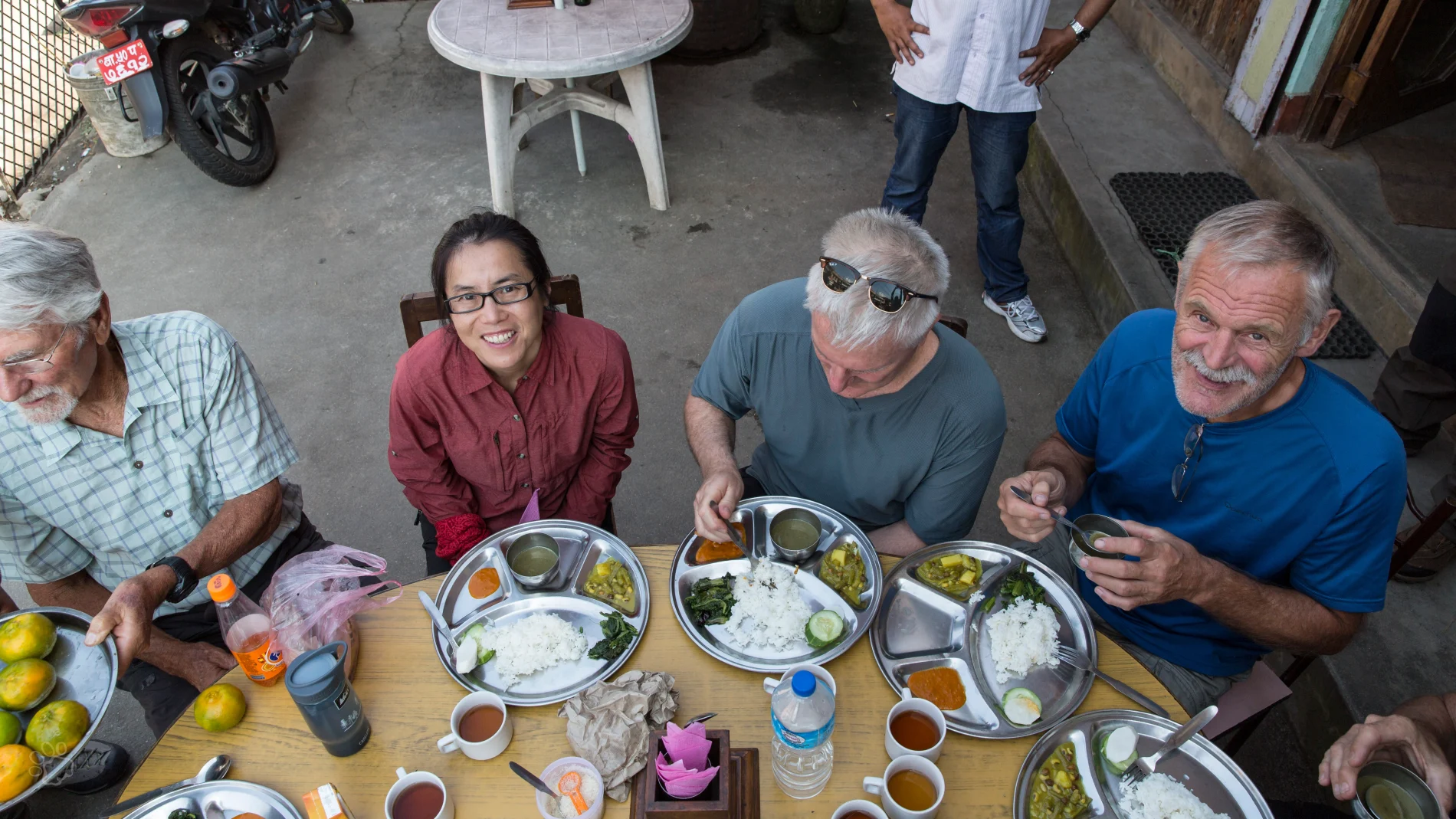
13/10/2026
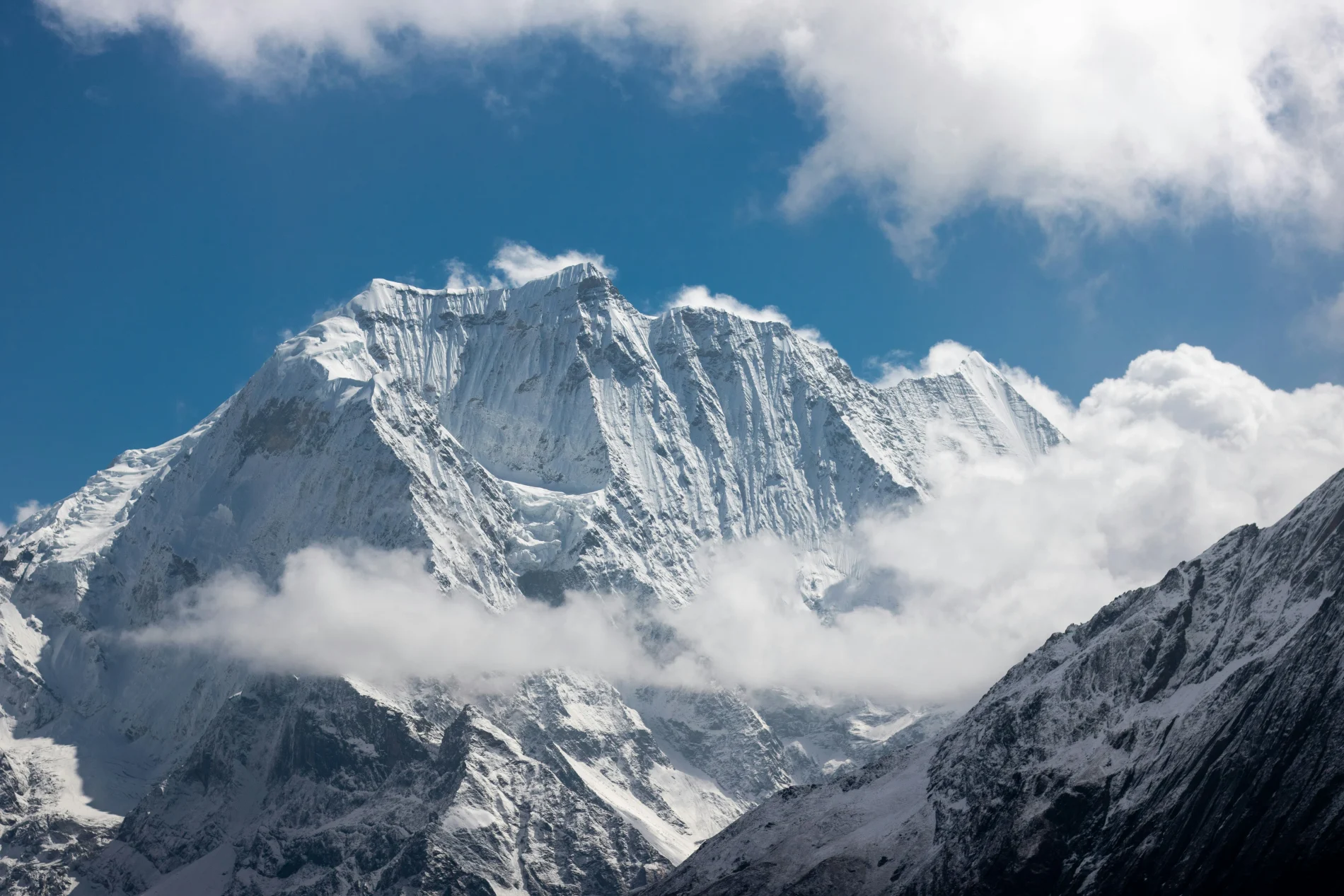
Manaslu Circuit Trek After the October 2026 Floods: Trail Conditions, Safety and Travel Updates
The Manaslu Circuit Trek is one of Nepal’s most rewarding Himalayan journeys, taking trekkers through traditional...
Read more
13/10/2026
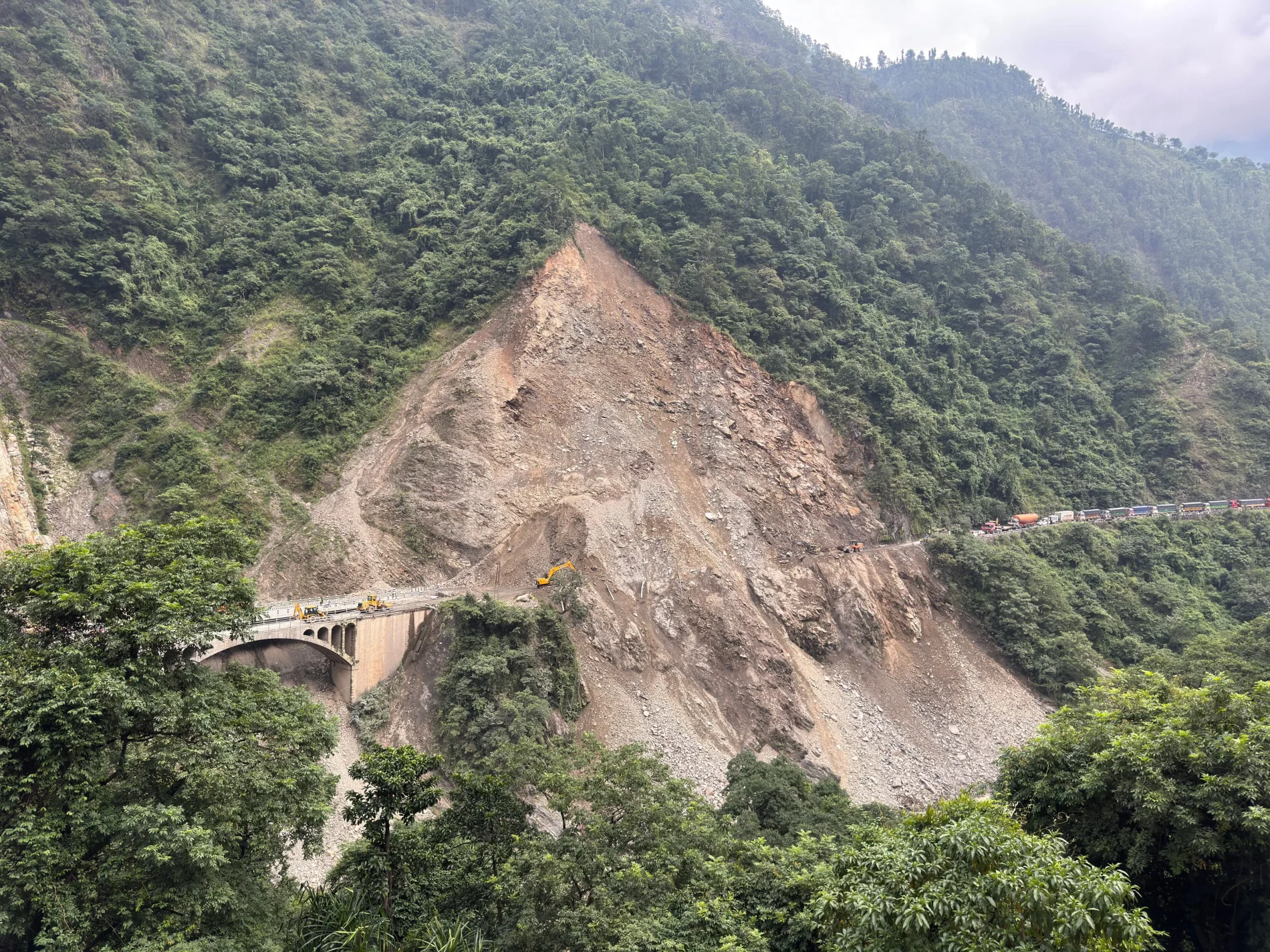
Your Nepal Trek Is Booked, but the Trail Is Closed: What Now?
Imagine arriving in Nepal with your trekking boots ready, your flights booked, your bags packed, and...
Read more