Mera Peak Climbing is a 15-day Himalayan adventure featuring scenic Lukla flights, remote Hinku Valley trekking, Zatrwa La Pass crossing, pre-climb training, and a thrilling summit of Mera Peak (6,476m) with breathtaking mountain views.
Mera Peak Climbing – 15 days
Why book with us?
- Local Guides & Porters
- 98% Success Trip Rate
- Comfort Priority and Saftey Trip
- Satisfied Client
Send Quick Email

Duration
15 Days

Max Alitiude
6,476 meters at Mera Peak summit

Transportation
Tourist Bus & Flight

Trip Grade
Challenging

Activity
Expeditions

Start/End Point
Lukla / Lukla

Best Season
Spring (April - May) & Autumn (October - November)

Meals
Full board during trek (Breakfast, Lunch, Dinner)

Accommodation
Hotels in Kathmandu, teahouses/lodges during the trek, and a tented camp at Mera High Camp.
Trip Overview
Mera Peak Climbing is a thrilling high-altitude adventure that combines classic Himalayan trekking with an exciting mountaineering experience. Standing at 6,476 meters (21,247 feet), Mera Peak is the highest trekking peak in Nepal and offers a perfect introduction to Himalayan climbing for those seeking a greater challenge beyond traditional trekking.
The journey begins with a scenic flight to Lukla, followed by a peaceful trek through the less-crowded and beautiful Hinku Valley. Unlike the busy Everest Base Camp route, this trail takes you through remote mountain landscapes, charming villages, dense rhododendron and pine forests, alpine valleys, and breathtaking Himalayan scenery. Along the way, you will experience the natural beauty and quiet atmosphere of the eastern Nepal Himalayas as you gradually gain altitude and allow your body to acclimatize.
The trail continues across the scenic Zatrwa La Pass (4,610m) before leading you through quiet mountain settlements and remote valleys toward Khare, the last village before the climb. This section of the journey offers a peaceful glimpse of the Himalayas while gradually preparing for the higher elevations ahead. At Khare, you will spend a day acclimatizing and taking part in pre-climb training, where you will learn basic mountaineering techniques and practice using essential climbing equipment such as crampons, ice axes, ropes, and harnesses with the support of your climbing team.
From Khare, the route heads toward Mera High Camp, where the surroundings become more rugged and dramatic with glaciers, snow-covered slopes, and towering Himalayan peaks. The summit day begins early with a climb across glacier terrain toward the top of Mera Peak. Standing on the summit, you will be rewarded with incredible views of some of the world’s highest mountains, including Everest, Lhotse, Makalu, Cho Oyu, and Kanchenjunga on a clear day.
After the successful summit attempt, you will descend back through the beautiful Hinku Valley and return to Lukla before flying back to Kathmandu. This expedition is ideal for physically prepared adventure enthusiasts who enjoy remote mountain environments and want to experience the excitement of Himalayan trekking combined with the achievement of climbing a high-altitude peak.
The Mera Peak Climbing expedition offers a truly memorable Himalayan adventure with incredible mountain scenery, meaningful cultural experiences, and the support of an experienced team throughout the journey. From walking through remote valleys to reaching the summit of a 6,476-meter peak, this journey gives you the chance to experience the beauty, challenge, and spirit of the Nepal Himalayas.
Trip Highlights
- Enjoy a scenic mountain flight to Lukla, one of the most memorable flights in the Himalayas, with beautiful views of surrounding peaks and landscapes.
- Trek through the peaceful and less-crowded Hinku Valley, exploring remote mountain trails, traditional Sherpa villages, and beautiful natural surroundings.
- Cross the scenic Zatrwa La Pass (4,610m) and experience stunning views of the Himalayan ranges.
- Walk through diverse landscapes, from lush rhododendron and pine forests to alpine valleys, glaciers, and rugged high-altitude terrain.
- Spend time in Khare for proper acclimatization and pre-climb training before beginning the Mera Peak ascent.
- Learn essential mountaineering skills and practice using climbing equipment, including crampons, ice axes, ropes, and harnesses, with guidance from your climbing team.
- Trek to Mera High Camp (5,780m) and experience the unique atmosphere of a high-altitude camp surrounded by glaciers and snow-covered peaks.
- Reach the summit of Mera Peak (6,476m) and enjoy breathtaking panoramic views of Everest, Lhotse, Makalu, Cho Oyu, Kanchenjunga, and other Himalayan peaks.
When to visit
J
F
M
A
M
J
J
A
S
O
N
D
- Average time to visit
- Best time to visit
- Good time to visit
Outline Itinerary
- Day 01: Arrival in Kathmandu and transfer to the hotel.
- Day 02: Drive to Ramechhap (Manthali) by public vehicle.
- Day 03: Fly to Lukla (2,860m) & trek to Chutanga.
- Day 04: Trek to Thuli Kharka via Zatrwa La Pass (4,610m).
- Day 05: Trek to Kothe.
- Day 06: Trek to Thangnak.
- Day 07: Trek to Khare.
- Day 08: Acclimatization & Pre-Climb Training.
- Day 09: Trek to Mera High Camp.
- Day 10: Summit Mera Peak (6,476m) and return to Khare.
- Day 11: Reserve / Contingency Day.
- Day 12: Trek to Thuli Kharka.
- Day 13: Trek to Lukla via Zatrwa La Pass.
- Day 14: Fly back to Ramechhap and drive to Kathmandu.
- Day 15: Departure from Nepal.
Trip Itinerary
-
Day 01
Arrival in Kathmandu and transfer to the hotel.
Welcome to Nepal, the gateway to the Himalayas!
Upon your arrival at Tribhuvan International Airport in Kathmandu, our friendly airport representative will greet you and transfer you to your hotel in the heart of the city. The drive takes around 20–30 minutes, depending on traffic, and offers your first glimpse of Nepal’s vibrant streets, ancient temples, and bustling local life.
After checking in at your hotel, take some time to rest and recover after your international journey. If you arrive early, you can explore the lively streets of Thamel, Kathmandu’s popular tourist area. Filled with trekking shops, cafés, restaurants, souvenir stores, and cultural sights, Thamel is a great place to experience the local atmosphere. It is also a convenient opportunity to check your trekking gear and buy or rent any last-minute equipment needed for your Mera Peak expedition.
In the evening, you’ll meet your trekking and climbing guide for a comprehensive pre-trip briefing. During this session, your guide will introduce the climbing team, explain the day-by-day itinerary, review the weather forecast, discuss altitude safety, and inspect your trekking and climbing equipment. This is also the perfect time to ask questions about the trek, acclimatization, or the summit climb.
Overnight in Kathmandu.
-

Max. Altitude: 1,400m (4,600 feet)
-

Accommodation: Standard Hotel
-
Meals: Dinner
-
-
Day 02
Drive to Ramechhap (Manthali) by public vehicle.
Your journey toward Mera Peak Climbing begins early this morning as you leave Kathmandu and drive east to Ramechhap (Manthali).
As you leave Kathmandu behind, the scenery slowly shifts from busy city streets to peaceful countryside, with green hills, terraced farmlands, traditional villages, and winding rivers. Along the way, you will pass local markets and small settlements, offering a glimpse into the daily life and culture of rural Nepal. On clear days, you may also catch distant views of the Himalayan foothills.
There will be several stops during the drive for refreshments, lunch, and short breaks before continuing toward Manthali. Located beside the Tamakoshi River, Manthali is an important gateway for trekkers heading toward the Everest region and Lukla.
After arriving in Manthali, you will check into your hotel and have time to relax. Since Lukla flights usually operate early in the morning, your guide will confirm the flight schedule, provide weather updates, and help you prepare your daypack and luggage for the exciting mountain flight ahead.
Overnight in Manthali.
Note: During the busy spring (April–May) and autumn (October–November) trekking seasons, flights to Lukla generally operate from Ramechhap Airport due to heavy air traffic at Kathmandu Airport. During the off-season, flights may depart directly from Kathmandu, depending on airline schedules and operational conditions.
-
Max. Altitude: 474m (1,555 feet)
-
Accommodation: Standard Hotel
-
Meals: Breakfast, Lunch, Dinner
-
Drive duration: 5-6 hours’ drive
-
-
Day 03
Fly to Lukla (2,860m) & trek to Chutanga.
Today, your Mera Peak adventure truly begins.
After breakfast, you’ll drive to Manthali Airport and take a scenic 20-minute flight to Lukla. If the weather is clear, you’ll enjoy your first views of the Himalayas before landing at the famous Tenzing-Hillary Airport.
In Lukla, you’ll meet the rest of the trekking crew, including the porters, and enjoy a hot cup of tea or coffee before setting off.
Unlike the busy Everest Base Camp trail, today’s route heads into the peaceful Hinku Valley. The path climbs gradually through beautiful forests of pine, fir, and rhododendron. Your guide will encourage you to keep a slow, steady pace—not because the trail is difficult, but to help your body adjust to the altitude and save energy for the days ahead.
There are plenty of opportunities to stop, take photos, and enjoy the quiet mountain scenery. In spring, blooming rhododendrons fill the forest with bright colors, while autumn brings crisp air and clear mountain views.
After about 3–4 hours of trekking, you’ll reach the small settlement of Chutanga, surrounded by alpine forest. You will settle into a cozy teahouse, enjoy a warm meal, and relax before tomorrow’s climb over the beautiful Zatrwa La Pass.
Overnight in Chutanga.
-
Max. Altitude: 3,020m (9,908 feet)
-
Accommodation: Teahouse or Lodge
-
Meals: Breakfast, Lunch, Dinner
-

Trek Duration: 3-4 hours trek
-

Flight Duration: 20 minutes
-
-
Day 04
Trek to Thuli Kharka via Zatrwa La Pass (4,610m).
Today brings one of the first major highlights of your Mera Peak trek as you cross the scenic Zatrwa La Pass (4,610m). After an early breakfast, you’ll begin a steady uphill climb and enter rugged alpine terrain.
The climb can feel challenging because of the altitude, so your guide will encourage you to keep a slow, steady pace. As you gain elevation, you’ll be rewarded with breathtaking views of the surrounding Himalayan peaks. On a clear day, you may even catch distant views of Everest and other towering mountains.
After spending some time at the pass, you’ll descend into the quiet Hinku Valley. The trail becomes more peaceful, with far fewer trekkers than the Everest region, giving you plenty of time to enjoy the untouched mountain scenery.
After around 5–6 hours of trekking, you’ll reach the small settlement of Thuli Kharka. Then, you will settle into a cozy teahouse, enjoy a warm meal, and get a good night’s rest.
Overnight in Thuli Kharka.
-
Max. Altitude: 4,610 m (15,124 feet)
-
Accommodation: Teahouse or Lodge
-
Meals: Breakfast, Lunch, Dinner
-
Trek Duration: 5-6 hours trek
-
-
Day 05
Trek to Kothe.
Today’s trek is a little easier, which helps your body adjust to the altitude. After breakfast, you’ll descend from Thuli Kharka into the peaceful Hinku Valley. The trail is scenic, and you will walk through rhododendron forests and pine forests, and along the Hinku River.
The overall trek is comfortable, as most of the path is downhill with a few gentle ups and downs. As you continue deeper into the valley, you’ll notice the landscape becoming more remote, with fewer trekkers and beautiful mountain scenery all around. You will notice local wildlife and colorful Himalayan birds along the way.
After around 4–5 hours of trekking, you’ll arrive at the small riverside village of Kothe. This quiet settlement is an important stop for trekkers heading toward Mera Peak and offers a peaceful place to relax.
Overnight in Kothe.
-
Max. Altitude: 3,600 m (11,811 feet)
-
Accommodation: Teahouse or Lodge
-
Meals: Breakfast, Lunch, Dinner
-
Trek Duration: 4-5 hours trek
-
-
Day 06
Trek to Thangnak.
Today, you’ll continue deeper into the beautiful Hinku Valley as you make your way to Thangnak (4,350m). After breakfast, the trail follows the Hinku River, passing through peaceful alpine landscapes with stunning views of the surrounding mountains.
The trek begins with a gradual walk along rocky paths, through open valleys, and past beautiful mountain scenery. Along the way, you’ll pass grazing areas where local herders bring their animals during the warmer months.
After around 6–7 hours of trekking, you’ll arrive at Thangnak, a small mountain settlement surrounded by impressive peaks and glaciers.
Overnight in Thangnak.
-
Max. Altitude: 4,350 m (14,272 feet)
-
Accommodation: Teahouse or Lodge
-
Meals: Breakfast, Lunch, Dinner
-
Trek Duration: 6-7 hours trek
-
-
Day 07
Trek to Khare.
Today is an important day as you continue your climb toward Khare (5,045m), the highest settlement on the Mera Peak trail.
After breakfast, you’ll begin the trek through a beautiful, high-altitude landscape, with rocky trails, glacial valleys, and incredible Himalayan views. The trail gradually climbs past the stunning Charpate Himal and offers impressive views of Mera Peak and the surrounding mountains.
As you gain elevation, the scenery becomes more dramatic, with fewer trees and wide-open views of snow-covered peaks. Your guide will help you maintain a comfortable rhythm and take regular breaks along the way.
After around 6–7 hours of trekking, you’ll reach Khare. Khare is a small mountain village surrounded by impressive peaks and glaciers. This is the final settlement before heading toward Mera Peak Base Camp.
Overnight at Khare.
-
Max. Altitude: 5,045 meters (16,676 feet)
-
Accommodation: Teahouse or Lodge
-
Meals: Breakfast, Lunch, Dinner
-
Trek Duration: 6-7 hours trek
-
-
Day 08
Acclimatization & Pre-Climb Training.
Today is an important acclimatization and preparation day in Khare, which will help you get ready for the Mera Peak climb ahead.
After breakfast, you’ll take a short hike around the Khare area to help your body adjust to the high altitude. The trail climbs gradually toward higher viewpoints, with incredible views of Mera Peak, glaciers, and the surrounding Himalayan peaks. This short uphill hike helps improve your fitness and allows your body to adapt before the climbing days begin.
Later, you’ll take part in pre-climb training with your guide. You will learn and practice essential mountaineering skills, including using climbing equipment such as crampons, ice axes, ropes, and harnesses. Your guide will also explain climbing techniques, safety procedures, and how to move safely on snow and ice.
After the training session, you’ll return to the teahouse in Khare to rest and prepare your gear for the upcoming summit attempt.
Overnight in Khare.
-
Max. Altitude: 5,350 m (17,552 feet)
-
Accommodation: Teahouse / Lodge
-
Meals: Breakfast, Lunch, Dinner
-
Trek Duration: 5-6 hours trek
-
-
Day 09
Trek to Mera High Camp.
After breakfast, you’ll begin the climb across rocky trails and glacial terrain toward Mera High Camp (5,780m).
The trail becomes steeper as you gain altitude, and the landscape changes into a dramatic high-altitude environment with snow, ice, and incredible views of the surrounding Himalayan peaks.
The trek requires a slow and steady pace due to the elevation. Along the way, you’ll enjoy breathtaking views of Mera Peak, the Hinku Valley, and distant mountain ranges. Your guide will help you maintain a comfortable rhythm and ensure you are properly prepared for the summit attempt.
After around 4–5 hours of trekking, you’ll reach Mera High Camp, located above the glaciers with spectacular views of the Himalayas. The team will set up the tented camp, and you’ll have time to rest, hydrate, and prepare your climbing gear for the early morning summit push.
Overnight in Mera High Camp.
-
Max. Altitude: 5,780m (18,963 feet)
-
Accommodation: Tented Camp
-
Meals: Breakfast, Lunch, Dinner
-
Trek Duration: 4-5 hours trek
-
-
Day 10
Summit Mera Peak (6,476m) and return to Khare.
Today is the most exciting and challenging day of your Mera Peak adventure, the summit day. You will wake up early, usually before sunrise, and begin your climb toward the summit of Mera Peak (6,476m).
After a light breakfast, you’ll put on your climbing gear and start the ascent with your guide and team. The climb begins on the glacier, where you’ll use crampons, ropes, and other mountaineering equipment under the guidance of your climbing team.
The pace will be slow and steady, allowing you to manage the high altitude and conserve energy for the final push. As you climb higher, you will witness a spectacular sunrise over the Himalayas.
As you reach the summit of Mera Peak, your eyes will be filled with breathtaking panoramic views of some of the world’s highest mountains, including Everest, Lhotse, Makalu, Cho Oyu, and Kanchenjunga on a clear day.
After spending time and fully enjoying the moment at the summit, you’ll begin the long descent back to Khare. The return journey requires careful footing, but it becomes much easier as you lose elevation.
After around 10–12 hours of trekking and climbing, you’ll arrive back at Khare. At your teahouse, enjoy a well-deserved meal, relax, and celebrate this incredible Himalayan achievement.
Overnight in Khare.
-
Max. Altitude: 6,476 m (21,247 feet)
-
Accommodation: Teahouse / Lodge
-
Meals: Breakfast, Lunch, Dinner
-
Trek Duration: 10-12 hours trek
-
-
Day 11
Reserve / Contingency Day.
Today is kept as a reserve day in case of unexpected weather, delays, or other challenges during the summit attempt. Since mountain weather can change quickly, this extra day provides flexibility to complete the Mera Peak climb safely.
If the summit was completed as planned, you can use the day to rest and recover in Khare after the long summit push. Enjoy a relaxed morning, explore the surrounding area, take photographs, and admire the incredible Himalayan views.
If the climb did not go as planned, your climbing team may use this day for another summit attempt, depending on weather conditions and your physical readiness. Your guide will make the best decision to ensure a safe and successful climb.
Overnight in Khare.
-
Max. Altitude: 5,045 m (16,552 feet)
-
Accommodation: Teahouse / Lodge
-
Meals: Breakfast, Lunch, Dinner
-
-
Day 12
Trek to Thuli Kharka.
Today, you’ll begin your return journey through the beautiful Hinku Valley towards Thuli Kharka. After breakfast, you’ll leave Khare behind and follow the trail through rugged mountain landscapes, crossing rocky paths and high alpine terrain.
The trail follows a mix of gradual descents and gentle climbs, passing through rocky landscapes, alpine valleys, and peaceful mountain surroundings. As you lose elevation, you’ll notice more vegetation returning to the trail, with forests and greener landscapes appearing along the way.
The trek is a long day, around 8–9 hours, so maintaining a steady pace and taking regular breaks will help you stay comfortable. Your guide will support you throughout the journey and ensure you have enough time to enjoy the scenery.
By late afternoon, you’ll arrive at Thuli Kharka, where you’ll rest at a cozy teahouse, enjoy a warm dinner, and relax.
Overnight in Thuli Kharka.
-
Max. Altitude: 4,300 m (14,108 feet)
-
Accommodation: Teahouse / Lodge
-
Meals: Breakfast, Lunch, Dinner
-
Trek Duration: 8-9 hours trek
-
-
Day 13
Trek to Lukla via Zatrwa La Pass.
Today marks the final trekking day of your Mera Peak adventure as you make your way back to Lukla via the scenic Zatrwa La Pass (4,610m).
After breakfast, you’ll leave Thuli Kharka and begin the climb toward Zatrwa La Pass. The trail gradually ascends through beautiful mountain landscapes, offering one last chance to enjoy the incredible views of the Himalayas. From the pass, you can look back at the valleys and peaks that surrounded you throughout your journey.
After crossing the pass, you’ll begin a long descent toward Lukla. The trail passes through forests, small settlements, and familiar landscapes as you return to the lower elevations.
In the evening, you’ll arrive in Lukla, where you can relax and celebrate the completion of your Mera Peak adventure.
Overnight in Lukla.
-
Max. Altitude: 4,610m (15,124 feet)
-
Accommodation: Teahouse / Lodge
-
Meals: Breakfast, Lunch, Dinner
-
Trek Duration: 7 hours trek
-
-
Day 14
Fly back to Ramechhap and drive to Kathmandu.
Today, you’ll leave the mountains behind and return to Kathmandu. After breakfast, you’ll take a scenic 20-minute flight from Lukla to Ramechhap. On the flight, you will enjoy one last aerial view of the beautiful Himalayan landscape.
Upon arrival at Ramechhap Airport, you’ll begin the drive to Kathmandu. The journey takes about 5–6 hours, passing through winding mountain roads, rivers, hills, and local villages.
Once you arrive in Kathmandu, you’ll be transferred to your hotel and can relax. Also, you can stroll around the vibrant streets of Thamel, where you can buy souvenirs or any other handicrafts, or enjoy the nightlife of Kathmandu.
Overnight in Kathmandu.
Note: During the peak trekking seasons (April–May and October–November), flights between Lukla and Kathmandu are usually operated via Ramechhap Airport due to increased air traffic at Kathmandu Airport. In the off-season, flights may operate directly between Lukla and Kathmandu, depending on airline schedules, weather, and operational factors.
-
Max. Altitude: 1,400m (4,600 feet)
-
Accommodation: Standard Hotel
-
Meals: Breakfast, Lunch, Dinner
-
Drive duration: 5-6 hours’ drive
-
Flight Duration: 20 minutes
-
-
Day 15
Departure from Nepal.
Today marks the end of your unforgettable Mera Peak adventure in Nepal.
After breakfast, you’ll have some free time depending on your flight schedule. You can use this time for last-minute shopping, exploring nearby areas, or simply relaxing at your hotel before your departure.
When it is time to leave, you’ll be transferred to the airport for your flight home. As you leave Nepal, you will be carrying wonderful memories of the Himalayas, the summit experience, and the incredible journey you completed.
-
Meals: Breakfast (Lunch depending on the schedule)
-


Trip notes
Mera Peak is a challenging high-altitude expedition, and travelers should be prepared for changing weather, basic mountain facilities, and physically demanding trekking days. The itinerary may be adjusted if needed due to weather, trail conditions, or safety concerns.
During peak seasons (April–May and October–November), Lukla flights generally operate via Ramechhap Airport, requiring a 5–6 hour drive between Ramechhap and Kathmandu.
Proper trekking gear, good fitness, and travel insurance with high-altitude emergency coverage are highly recommended.
Cost Includes
- Airport picks up and drops off.
- All necessary trekking permits (Sagarmatha National Park Entry Permit, Pasang Lhamu Rural Municipality fee, Mera Peak Climbing Permit).
- Round-trip domestic flights between Ramechhap (Manthali) or Kathmandu and Lukla (depends on seasonal flight operations).
- Hotel accommodation in Kathmandu (Standard, twin sharing)
- Teahouse/lodge accommodation during the trek and tented accommodation at Mera High Camp.
- Three meals a day (breakfast, lunch, dinner) during the trek.
- Professional trekking guide and porter (1 porter for two trekkers).
- Professional climbing guide(s) for the summit attempt
- Group climbing equipment (ropes, ice screws, snow stakes, and other required technical equipment).
- Guide and porter insurance, salary, food, and lodging.
- Comprehensive first-aid kit and oximeter carried by the guide.
- Certificate of successful Mera Peak summit achievement.
- All government and local taxes.
Cost Excludes
- International airfares.
- Nepal entry visa fees.
- All personal expenses, including alcohol & other beverages, trekking equipment, travel and mountaineering insurance, personal trekking equipment, and other personal expenses.
- Extra expenses during the trek, like hot shower charge, battery charging, Wi-Fi, and any others.
- Personal climbing gear and clothing (unless specifically included)
- Tips for the trekking guides and porters.
- Extra accommodation and meals due to flight delays, bad weather, itinerary changes, or early return.
- Costs arising from unforeseen events such as natural disasters, political unrest, or airline disruptions.
- Any expenses not mentioned in the “Includes” section.
Additional information
Mera Peak Permits and Documentation
Mera Peak requires more than a standard trekking permit because you are undertaking a peak-climbing expedition.
The current package includes the Sagarmatha National Park Entry Permit, Pasang Lhamu Rural Municipality fee, and Mera Peak Climbing Permit. We arrange the required permits based on the expedition package and applicable regulations.
Carry your passport and important travel documents throughout the expedition. It is also useful to keep digital copies of your passport, insurance policy, emergency contacts, and other important documents.
Mountain authorities or local officials may check permits during the journey, so keep them accessible when required.
Physical Preparation Before Mera Peak
Good physical preparation is one of the most important parts of a successful Mera Peak expedition.
You will walk for several hours on multiple consecutive days before reaching the climbing section. The route includes steep ascents, descents, uneven terrain, high-altitude trails, and a demanding summit day.
Before arriving in Nepal, focus on building:
- Cardiovascular endurance
- Leg and core strength
- Uphill walking ability
- Stamina for consecutive walking days
- Balance and stability
- General endurance at a steady pace
Long-distance hiking, stair climbing, uphill walking, running, cycling, and strength training can all help you prepare.
The goal isn’t to become extremely fast. You need to maintain a controlled pace for a long period while carrying your daypack.
The Journey to Ramechhap and Lukla
During the main trekking seasons, the itinerary uses Ramechhap/Manthali for the Lukla flight because of increased air traffic at Kathmandu Airport.
The drive from Kathmandu to Manthali takes approximately 5–6 hours according to the current itinerary. You will then take a short mountain flight toward Lukla. Flight arrangements can vary according to the season, airline schedules, weather, and operational conditions.
Keep your schedule flexible around these flights. Mountain weather can cause delays, and additional accommodation or transportation expenses caused by delays may not be included in the package.
Trekking Through the Hinku Valley
One defining feature of the Mera Peak route is its quieter, more remote character.
Instead of following the busy Everest Base Camp trail, the route enters the Hinku Valley, where you will pass through forests, mountain settlements, rivers, alpine landscapes, and increasingly rugged terrain.
The lower sections feature pine, fir, and rhododendron forests. As you climb higher, the trees gradually disappear, and the landscape becomes more open and alpine.
The quieter surroundings offer a chance to experience a less crowded side of the Khumbu region.
Crossing Zatrwa La Pass
Zatrwa La is one of the expedition’s first major challenges.
At approximately 4,610 meters, crossing the pass involves a significant uphill climb followed by a descent toward the Hinku Valley. Because you reach substantial elevation relatively early in the expedition, maintaining a slow and controlled pace is important.
Weather around the pass can change quickly. Wind, cloud, snow, or poor visibility can make the crossing more demanding.
Your guide will assess the conditions and help determine the safest way to cross.
Kothe and Thangnak
After descending into the Hinku Valley, you continue through Kothe toward Thangnak.
Kothe sits beside the Hinku River and provides a quieter overnight stop surrounded by mountain scenery. From there, the route gradually moves into a more alpine environment.
Thangnak, at approximately 4,350 meters, marks another important stage of the altitude progression. By this point, the effects of elevation can become more noticeable.
Stay hydrated, eat properly, walk slowly, and give your body time to adjust.
Reaching Khare
Khare is one of the most important locations on the Mera Peak expedition.
At approximately 5,045 meters, it is the final major settlement before the climbing section. You will spend a day acclimatizing and doing pre-climb training here before heading toward Mera High Camp.
Khare gives you a chance to check your equipment, review climbing techniques, and prepare mentally and physically for the summit attempt.
Do not underestimate the importance of this rest and preparation period. Your condition at Khare can greatly affect how you handle the higher sections.
Acclimatization at Khare
The acclimatization day at Khare is designed to help your body adjust to the high elevation.
The itinerary includes a short hike to a higher elevation, then back to Khare. This follows the basic principle of gaining altitude during the day while returning to a lower sleeping elevation.
Use the day to rest, hydrate, organize your equipment, and communicate with your climbing team.
If you develop symptoms of altitude sickness, tell your guide immediately. Do not hide symptoms because you are worried about missing the summit.
Pre-Climb Training
The pre-climb training session is an essential part of the expedition.
You will practice using equipment such as:
- Crampons
- Ice axe
- Climbing harness
- Ropes
- Other required climbing equipment
The climbing team will also explain movement techniques, rope procedures, glacier travel, safety practices, and how to move efficiently on snow and ice.
Take the training seriously, even if you already have some climbing experience. Altitude conditions can make basic movements more physically demanding than they seem during practice.
Altitude and Acclimatization
Altitude is one of the most serious considerations on Mera Peak.
The expedition moves from lower elevations to more than 6,000 meters, where the amount of available oxygen is significantly reduced.
Possible symptoms of altitude sickness can include:
- Headache
- Dizziness
- Nausea
- Loss of appetite
- Unusual tiredness
- Difficulty sleeping
- Shortness of breath
More serious symptoms require immediate attention.
Tell your guide if you feel unwell. Do not assume that pushing harder will make symptoms disappear. Descending to a lower elevation may be necessary in serious situations.
Reserve and Contingency Day
The itinerary includes a reserve day after the planned summit attempt.
This is particularly important for a peak such as Mera because mountain weather can change quickly. Strong winds, snowfall, poor visibility, or unsuitable climbing conditions can make a summit attempt unsafe.
The reserve day provides some flexibility to adjust the summit schedule if conditions prevent the original plan from going ahead.
However, a reserve day does not guarantee a summit. Final decisions depend on weather, route conditions, health, and the climbing team’s professional judgment.
Weather and Mountain Conditions
Weather becomes increasingly important as you move toward Mera High Camp and the summit.
Conditions can change quickly from comfortable trekking weather to freezing temperatures, strong winds, snowfall, or poor visibility.
Spring and autumn are the recommended climbing periods according to the current itinerary, particularly April–May and October–November. Even during these periods, Himalayan weather cannot be guaranteed.
Your climbing team may change the schedule if conditions are unsafe.
Accommodation Along the Route
Accommodation changes as you move higher. In Kathmandu and Manthali, the itinerary uses standard hotel accommodation. During the trekking section, you stay in local teahouses or lodges.
At Mera High Camp, accommodation changes to a tented camp because no conventional mountain lodges exist at that elevation.
Facilities become increasingly basic as you climb. Some lower lodges may offer hot showers, Wi-Fi, electricity, and charging facilities, but these can become limited or unavailable at higher elevations.
Food and Hydration
Three meals a day are included during the trekking section. Typical mountain meals include dal bhat, rice, noodles, pasta, soups, potatoes, vegetables, eggs, bread, and other simple foods.
At high altitude, eating enough can become difficult because appetite may decrease. Try to maintain regular meals and choose foods that provide sufficient energy for long trekking and climbing days.
Hydration is equally important. Carry sufficient water and use properly treated, filtered, or purified water.
High-Altitude Equipment
Mera Peak requires more specialized equipment than a normal trek.
Confirm the exact personal equipment you need with the climbing company before departure. Depending on the arrangement, you may need to bring or rent personal climbing gear separately.
Important equipment can include:
- Mountaineering boots suitable for the conditions
- Crampons
- Ice axe
- Climbing harness
- Helmet
- Carabiners
- Ascender or other required climbing equipment
- Warm/down jacket
- Waterproof outer layers
- Thermal base layers
- Warm gloves
- Goggles or suitable eye protection
- Headlamp
- Sleeping bag suitable for very cold conditions
- Trekking poles
- Sunglasses
- Sunscreen and lip protection
The current package includes group climbing equipment such as ropes, ice screws, snow stakes, and other required technical equipment, while personal trekking and climbing equipment is listed separately as an exclusion. Confirm the exact equipment arrangement before departure.
Porter and Climbing Support
Porters are an important part of the expedition, especially when traveling with both trekking and climbing equipment.
The current package includes one porter for every two trekkers, along with a professional trekking guide and professional climbing guide support for the summit attempt. Guide and porter salary, food, lodging, and insurance are also included.
Keep essential daily items in your own daypack, and leave heavier baggage with the support team according to the agreed baggage arrangements.
Electricity, Charging and Connectivity
Electricity becomes less reliable as you move higher into the mountains.
Some teahouses may offer charging and Wi-Fi for an additional fee. At higher camps, facilities are much more limited.
Carry a good power bank and conserve battery whenever possible. Download important documents, maps, and information before leaving Kathmandu.
During the summit climb, don’t treat your phone as your primary source of navigation or emergency communication. Follow your climbing team’s instructions.
Money and Personal Expenses
Carry enough Nepali cash before heading deep into the Mera Peak region.
Additional expenses may include:
- Hot showers
- Battery charging
- Wi-Fi
- Snacks and drinks
- Personal purchases
- Extra accommodation
- Additional transportation caused by delays
Banking access is limited once you are deep in the trekking region, so prepare your trekking cash in advance.
Travel and Mountaineering Insurance
Insurance is particularly important for Mera Peak because the expedition reaches 6,476 meters and involves mountaineering activities.
A standard travel insurance policy may not automatically cover peak climbing or high-altitude activities.
Before departure, check that your policy specifically covers:
- High-altitude trekking
- Peak climbing/mountaineering
- Emergency medical treatment
- Helicopter evacuation where applicable
- Trip interruption
- Relevant rescue expenses
The policy should cover the maximum altitude and activities involved in your expedition.
Carry your insurance documents and emergency contact information throughout the journey.
Safety During Glacier Travel
Glacier travel requires careful attention to the climbing team’s instructions.
Stay with the group and follow the rope-system procedures established by your climbing guide. Do not move independently across glaciated terrain simply because a section appears easy.
Crampons, ropes, harnesses, ice axes, and other equipment must be used correctly.
Your pre-climb training is designed to prepare you for these conditions, so ask questions if you are uncertain about any technique or equipment.
Responsible Climbing and Environmental Care
High-altitude environments are fragile and difficult to clean once waste is left behind.
Carry personal waste until it can be disposed of properly. Avoid unnecessary plastic, do not leave food packaging on the trail, and follow the waste-management instructions provided by your expedition team.
Do not remove rocks, plants, religious objects, or other natural or cultural materials.
Responsible mountaineering helps protect Mera Peak and the surrounding Hinku Valley for future climbers.
Respecting Local Communities
The Mera Peak region is home to Sherpa and other Himalayan communities whose lives are closely connected to the mountain environment.
Treat local people, homes, monasteries, prayer flags, mani walls, and other cultural elements respectfully.
Ask permission before photographing people, especially during religious ceremonies or private activities.
Supporting local teahouses, shops, guides, and other community businesses also helps distribute tourism benefits within the region.
Photography at High Altitude
Mera Peak offers exceptional photography opportunities, from the forests and valleys of the lower route to glaciers, high camps, and the panoramic summit.
However, photography should never interfere with safety.
At high altitude, keep cameras and batteries protected from cold and moisture. Cold temperatures can reduce battery performance, so carry a power bank or spare batteries.
During the summit climb, only stop for photographs when your guide considers the location and conditions safe.
Tipping for Guides and Porters
Guides, porters, climbing staff, and other members of the expedition team play a major role in the success of the journey.
Tipping is not a mandatory expedition fee, but it is a common way to show appreciation for good service in Nepal’s trekking and mountaineering industry.
The appropriate amount can depend on the length of the expedition, group size, responsibilities, and quality of service.
It is useful to discuss tipping arrangements with your trekking company before the end of the expedition.
Lukla Flights and Itinerary Flexibility
Flights to and from Lukla are highly dependent on weather and operating conditions.
During the busy spring and autumn periods, flights generally operate through Ramechhap/Manthali according to the current itinerary, although arrangements can change depending on airline schedules and operational conditions.
Flight delays can affect the trekking schedule, so avoid making tightly timed international flight connections immediately after the planned return.
Extra accommodation, meals, or transportation resulting from flight delays may involve additional costs if they are not included in the package.
Best Time for Mera Peak Climbing
The current itinerary recommends spring (April–May) and autumn (October–November) as the main seasons for the expedition.
Spring generally provides favorable climbing conditions, longer daylight hours, and warmer conditions compared with winter. Rhododendrons are also in bloom at lower elevations.
Autumn follows the monsoon season and often brings clearer mountain views and stable trekking conditions.
Winter brings much colder temperatures and potentially more demanding snow and ice conditions. The monsoon season can create wet trails, cloud, rain, and unpredictable conditions at lower elevations.
Whatever season you choose, prepare for cold and rapidly changing weather at high altitude.
What Makes Mera Peak Different from a Normal Trek?
A normal Himalayan trek focuses primarily on walking through mountain landscapes and reaching trekking destinations.
Mera Peak adds a mountaineering component. You will learn how to use technical climbing equipment, travel across glacier terrain, stay at a high-altitude camp, and make a summit attempt above 6,000 meters.
This means preparation and decision-making are particularly important.
The goal should not simply be to reach the summit at any cost. A successful expedition is one where the team manages altitude, weather, equipment, and physical condition responsibly.
A Few Things to Keep in Mind
Mera Peak is a challenging high-altitude expedition, not a casual trekking holiday.
Be prepared for:
- Long trekking days
- High-altitude environments
- Steep and uneven terrain
- Cold and rapidly changing weather
- Glacier travel
- Technical climbing equipment
- Basic mountain facilities
- A demanding summit day
- Possible flight delays
- Possible changes due to weather or safety conditions
Listen carefully during the pre-climb training, communicate honestly with your guide, and never hide symptoms of altitude sickness or exhaustion.
The journey through the Hinku Valley, the crossing of Zatrwa La, the quiet mountain settlements, the preparation at Khare, the overnight stay at Mera High Camp, and the summit attempt all form part of the experience.
Reaching 6,476 meters is a significant achievement, but the expedition should always be approached with patience, preparation, respect for the mountains, and a strong focus on safety.
FAQs for this trip
General
-
How many days is the Mera Peak Climbing expedition?
The expedition lasts 15 days, including arrival and departure in Kathmandu. The itinerary includes trekking through the Hinku Valley, acclimatization and climbing training, the Mera Peak summit attempt, a contingency day, and the return to Lukla and Kathmandu.
-
What are the main highlights of Mera Peak Climbing?
Major highlights include the scenic flight to Lukla, remote Hinku Valley, Zatrwa La Pass at 4,610 m, Khare acclimatization, pre-climb training, Mera High Camp at 5,780 m, and the summit of Mera Peak at 6,476 m. On a clear day, the summit provides views toward Everest, Lhotse, Makalu, Cho Oyu, Kanchenjunga, and other Himalayan peaks.
-
Is Mera Peak suitable for beginners?
Mera Peak is not a casual trekking destination and is graded as challenging. You don’t necessarily need extensive peak-climbing experience, but you do need good physical fitness, proper preparation, and the ability to handle high altitude and demanding trekking days. The itinerary includes pre-climb training to help participants learn essential climbing techniques and equipment use.
Difficulty and Physical Fitness
-
How difficult is Mera Peak Climbing?
Mera Peak Climbing is a challenging high-altitude expedition. The route includes long trekking days, steep sections, high elevations, glacial terrain, and a summit day that can take around 10–12 hours.
-
How physically fit do I need to be?
You should have good cardiovascular fitness, endurance, and strength. Regular hiking, uphill walking, stair climbing, running, or similar training before the expedition can help prepare you for long days at altitude.
-
Do I need previous mountaineering experience?
Previous climbing experience is helpful but is not necessarily essential for every participant. The itinerary includes pre-climb training at Khare, where you practice using crampons, ice axes, ropes, and harnesses with the climbing team.
-
How long is the summit day?
The summit day is one of the most demanding parts of the expedition and is listed at approximately 10–12 hours of trekking and climbing. The climb begins early, usually before sunrise, and involves glacier travel before reaching the summit and descending to Khare.
-
Can I turn back if I cannot continue the climb?
Safety should always come before reaching the summit. If you are struggling physically, experiencing altitude-related symptoms, or conditions become unsafe, your climbing guide may recommend stopping or descending. The reserve day also provides some flexibility if the summit attempt cannot be completed as scheduled.
Altitude and Health
-
What is the highest altitude reached during Mera Peak Climbing?
The highest point is 6,476 meters at the summit of Mera Peak. The itinerary also reaches Mera High Camp at 5,780 m and Khare at around 5,045 m, so significant altitude preparation is essential.
-
Is altitude sickness a concern on Mera Peak?
Yes. Altitude sickness is a serious consideration because the expedition reaches above 6,000 meters. The itinerary includes acclimatization at Khare and a reserve day, while maintaining a slow and steady pace is important throughout the climb.
-
How does the itinerary help with acclimatization?
The itinerary gradually gains elevation from Lukla through Chutanga, Thuli Kharka, Kothe, Thangnak, and Khare. Day 8 is specifically reserved for acclimatization and pre-climb training before moving toward Mera High Camp.
-
What should I do if I feel sick at high altitude?
Inform your guide immediately if you experience unusual headache, dizziness, nausea, extreme fatigue, breathing difficulties, or other concerning symptoms. Do not attempt to hide symptoms in order to continue climbing. Your climbing team can assess the situation and decide whether you should rest, descend, or receive further assistance.
-
Is travel insurance required?
High-altitude travel and mountaineering insurance is strongly recommended for this expedition. Your insurance should be appropriate for the elevation and activities involved and should include emergency evacuation coverage where possible.
Route and Itinerary
-
What is the route for Mera Peak Climbing?
The journey begins in Kathmandu and continues to Ramechhap before flying to Lukla. The trekking route then passes through Chutanga, Zatrwa La, Thuli Kharka, Kothe, Thangnak, and Khare before reaching Mera High Camp and the summit. After the summit attempt and reserve day, the route returns through Thuli Kharka and Zatrwa La to Lukla before flying back toward Kathmandu.
-
What is the Hinku Valley?
The Hinku Valley is a remote and scenic Himalayan valley in the Mera Peak region. Compared with the busy Everest Base Camp trail, the route offers a quieter trekking experience with forests, alpine landscapes, mountain villages, and fewer trekkers.
-
What is Zatrwa La Pass?
Zatrwa La is a high mountain pass on the route to Mera Peak, reaching approximately 4,610 meters. Crossing the pass is one of the early challenging sections of the expedition and provides views of the surrounding Himalayan landscape.
-
What is Khare?
Khare is a high-altitude settlement at around 5,045 meters and an important preparation point before the Mera Peak climb. The itinerary includes an acclimatization and pre-climb training day here before continuing toward Mera High Camp.
-
What happens at Mera High Camp?
Mera High Camp is located at approximately 5,780 meters and serves as the final overnight camp before the summit attempt. The climbing team prepares the camp and equipment while climbers rest, hydrate, and prepare for the early summit push.
Accommodation
-
What type of accommodation is provided?
The expedition uses standard hotels in Kathmandu and Manthali, teahouses or lodges during the trek, and a tented camp at Mera High Camp. Accommodation becomes increasingly basic as you move into the high mountain environment.
-
Where do I stay at Mera High Camp?
You stay in a tented camp at Mera High Camp, located at approximately 5,780 meters. The climbing team prepares the camp for the overnight stay before the summit attempt.
-
Will I have a private room during the trek?
Teahouse accommodation generally depends on availability and is commonly arranged on a shared basis. Room conditions become more basic at higher elevations, while the High Camp uses tented accommodation.
-
Are blankets or sleeping bags provided?
Mountain accommodation may provide basic bedding, but climbers should bring an appropriate sleeping bag and personal cold-weather equipment suitable for high-altitude conditions. Your trekking company can provide the detailed equipment list before departure.
Food and Drinks
-
Are meals included during Mera Peak Climbing?
Yes. The package includes breakfast, lunch, and dinner during the trek. The itinerary also lists meals at the Kathmandu and Manthali stages according to the daily schedule.
-
What food can I expect during the expedition?
Meals are generally simple, filling, and designed to provide energy for trekking. Common options in the region include dal bhat, rice, noodles, pasta, potatoes, soups, eggs, bread, and other basic teahouse meals.
-
Can vegetarian meals be arranged?
Yes. Vegetarian food is commonly available along the trekking route. If you have allergies or specific dietary requirements, inform the trekking company before departure.
-
Is food available at Mera High Camp?
The expedition team arranges meals at the high camp. Because conditions are more remote and facilities are basic at this altitude, food options are more limited than in Kathmandu or lower-altitude teahouses.
-
Can I buy snacks during the trek?
Some snacks and drinks can be purchased in lower villages and teahouses, but options become increasingly limited as you gain altitude. Carrying preferred energy snacks from Kathmandu is recommended.
Weather and Best Time
-
What is the best time for Mera Peak Climbing?
The recommended seasons are spring, particularly April–May, and autumn, particularly October–November. These periods generally provide more favorable trekking and climbing conditions, although Himalayan weather can change quickly.
-
Can I climb Mera Peak during winter?
Winter climbing is possible for experienced and properly equipped teams, but conditions can be significantly colder and more demanding. Snow, freezing temperatures, and changing mountain conditions require careful planning.
-
Can Mera Peak be climbed during the monsoon?
The monsoon season can bring rain, clouds, wet trails, and reduced visibility at lower elevations, while higher sections can have different snow and weather conditions. Climbing conditions can therefore be less predictable, and the itinerary may need adjustment.
-
Can weather affect the summit attempt?
Yes. Weather is one of the most important factors in high-altitude climbing. The summit attempt may be delayed or changed if wind, snowfall, visibility, or other mountain conditions make climbing unsafe.
-
Why is a reserve day important?
Mountain weather cannot always be predicted accurately. The reserve day gives the climbing team additional flexibility to attempt the summit if poor weather or other unexpected conditions prevent the planned summit attempt.
Permits and Regulations
-
What permits are required for Mera Peak Climbing?
The package includes the necessary Sagarmatha National Park Entry Permit, Pasang Lhamu Rural Municipality fee, and Mera Peak Climbing Permit. We arrange these as part of the expedition package.
-
Is a climbing permit different from a normal trekking permit?
Yes. Mera Peak is a climbing peak, so the expedition requires the applicable peak-climbing permit in addition to other trekking or conservation-area requirements. The climbing company handles the required permits under current regulations.
-
Are permit fees included in the package?
Yes. The current package includes the necessary trekking and Mera Peak climbing permits.
-
Do I need to follow special rules while climbing?
Yes. Climbers must follow the climbing guide’s instructions and applicable mountain regulations. Respect safety procedures, environmental rules, climbing equipment requirements, and local permit conditions throughout the expedition.
Flights and Transportation
-
How do I get to Lukla for the Mera Peak expedition?
The itinerary uses a flight to Lukla after traveling to Ramechhap/Manthali. The flight from Manthali to Lukla is listed at approximately 20 minutes.
-
Why do flights operate from Ramechhap instead of Kathmandu?
During busy trekking seasons such as April–May and October–November, flights to Lukla generally operate from Ramechhap Airport because Kathmandu Airport has increased air traffic. This requires a road journey between Kathmandu and Manthali.
-
Are Lukla flights included in the package?
Yes. The package includes round-trip domestic flights between Ramechhap/Manthali or Kathmandu and Lukla, depending on seasonal flight operations.
-
Can weather delay the Lukla flight?
Yes. Flights to and from Lukla depend heavily on weather and operating conditions. Delays or cancellations can occur, so keeping some flexibility in your travel schedule is important.
-
What happens if my flight is delayed?
The itinerary may need to be adjusted if flights are delayed. Additional accommodation, meals, or transportation caused by flight delays or other unforeseen circumstances may incur extra costs, depending on the package terms.
Equipment and Packing
-
What equipment do I need for Mera Peak Climbing?
You need suitable high-altitude trekking and mountaineering equipment, including warm clothing, trekking boots, waterproof layers, gloves, a sleeping bag, sunglasses, headlamp, backpack, and other personal climbing gear. Your climbing team will provide guidance on the complete equipment list before departure.
-
Are climbing ropes and technical equipment provided?
Yes. The package includes group climbing equipment such as ropes, ice screws, snow stakes, and other required technical equipment.
-
Are crampons and ice axes provided?
The expedition includes pre-climb training in using crampons, ice axes, ropes, and harnesses. However, the cost-exclusion section states that personal climbing gear and clothing are excluded unless specifically included, so you should confirm which individual items are supplied before departure.
-
What clothing should I bring?
Pack warm base layers, fleece or insulating layers, a waterproof outer shell, warm gloves, a hat, trekking trousers, and suitable high-altitude clothing. Conditions become extremely cold near Mera High Camp and the summit, so your clothing system should suit severe mountain conditions.
-
Do I need trekking poles?
Trekking poles are optional but can be useful on steep, rocky, and uneven sections. They can also reduce stress on your knees during long descents.
-
What should I pack for the summit day?
Your summit-day pack should include essentials such as water, snacks, warm layers, sunglasses or goggles, gloves, a headlamp, personal medication, and any other equipment recommended by your climbing guide. Keep the load as light as practical while carrying everything required for safety.
Connectivity and Electricity
-
Is mobile network available during Mera Peak Climbing?
Mobile connectivity can be available in some villages and lower sections, but coverage becomes limited and unreliable as you move deeper into the remote mountain region. You should not depend on continuous mobile service throughout the expedition.
-
Is Wi-Fi available during the trek?
Some teahouses may offer Wi-Fi, but availability and reliability decrease at higher elevations. Wi-Fi and other charging services are listed as additional expenses rather than standard inclusions.
-
Is electricity available at the teahouses?
Electricity and charging facilities may be available in some settlements, but access can be limited at higher elevations. Charging can also involve additional fees, so carrying a high-capacity power bank is recommended.
-
Can I charge my camera and phone at High Camp?
Charging options at Mera High Camp are very limited compared with lower villages. Bring sufficient batteries and a power bank so that you are not dependent on electricity during the summit period.
Guides and Porters
-
Do I need a climbing guide for Mera Peak?
Yes. A professional climbing guide is included for the summit attempt. A qualified climbing team supports route decisions, equipment, climbing techniques, and safety during the ascent.
-
Is a trekking guide included?
Yes. The package includes a professional trekking guide as well as professional climbing guide support for the summit attempt.
-
Are porters included?
Yes. Porter support is included, with the package specifying one porter for two trekkers. The package also includes guide and porter insurance, salary, food, and lodging.
-
What does the climbing guide help with?
The climbing guide provides pre-climb training, helps you use technical equipment correctly, supports you on glacier and climbing sections, monitors the conditions, and helps manage the summit attempt safely.
-
Can solo climbers join the expedition?
Solo travelers can arrange a Mera Peak expedition with the required guide and climbing support. The final cost and team arrangement may differ depending on whether you travel alone or as part of a group.
Cost and Booking
-
What is included in the Mera Peak Climbing package?
The package includes airport transfers, round-trip domestic flights to Lukla, Kathmandu hotel accommodation, teahouses/lodges during the trek, tented accommodation at Mera High Camp, three meals daily during the trek, trekking and climbing guides, porter support, required permits, group climbing equipment, staff costs, a first-aid kit with oximeter, the summit certificate, and government/local taxes.
-
What is excluded from the Mera Peak Climbing cost?
International airfare, Nepal visa fees, personal expenses, alcoholic beverages, personal trekking and climbing equipment, travel and mountaineering insurance, Wi-Fi, battery charging, hot showers, tips, and expenses caused by delays or unforeseen circumstances are excluded.
-
Do I need to pay extra for personal climbing equipment?
Yes, personal climbing gear and clothing are excluded unless specifically included in your arrangement. Confirm the exact equipment provided and the items you need to bring or rent before departure.
-
Is a summit certificate provided?
Yes. The package includes a certificate of successful Mera Peak summit achievement.
-
Can I customize the Mera Peak itinerary?
We can discuss the itinerary based on your experience, travel dates, group size, and climbing requirements. Any changes should take altitude, acclimatization, weather, and permit requirements into consideration.
-
How far in advance should I book Mera Peak Climbing?
Advance booking is recommended, particularly for spring and autumn climbing seasons. Early booking gives the company enough time to arrange permits, flights, guides, porters, accommodation, climbing equipment, and other logistics.
Photography and Experience
-
Is Mera Peak Climbing good for photography?
Yes. The expedition offers excellent photography opportunities throughout the journey. You can photograph the Hinku Valley, forests, traditional settlements, Zatrwa La Pass, glaciers, Mera High Camp, and panoramic Himalayan scenery.
-
What mountains can I see from Mera Peak?
On a clear day, the summit provides views toward some of the world’s highest mountains, including Everest, Lhotse, Makalu, Cho Oyu, and Kanchenjunga. Visibility depends on weather and atmospheric conditions.
-
Can I take photographs during the summit climb?
Yes, but photography should never interfere with safety or the instructions of the climbing team. Keep cameras and electronic devices protected from cold, snow, and moisture, and use them only when the guide considers the situation safe.
-
What is the most memorable part of Mera Peak Climbing?
For many climbers, the summit push is the most memorable part because it combines physical effort, high-altitude climbing, sunrise, and panoramic Himalayan views. The journey through the quieter Hinku Valley and the preparation at Khare also make the expedition different from a standard Himalayan trek.
-
What makes Mera Peak Climbing different from a normal trek?
Mera Peak Climbing combines multi-day Himalayan trekking with an actual high-altitude peak summit attempt. Unlike a standard trek, you spend time learning and using mountaineering equipment, cross glacial terrain, stay at a high camp, and attempt a 6,476-meter summit with a professional climbing team.







Why book with us?
- Local Guides & Porters
- 98% Success Trip Rate
- Comfort Priority and Saftey Trip
- Satisfied Client
Send Quick Email
Similar trips
View all trips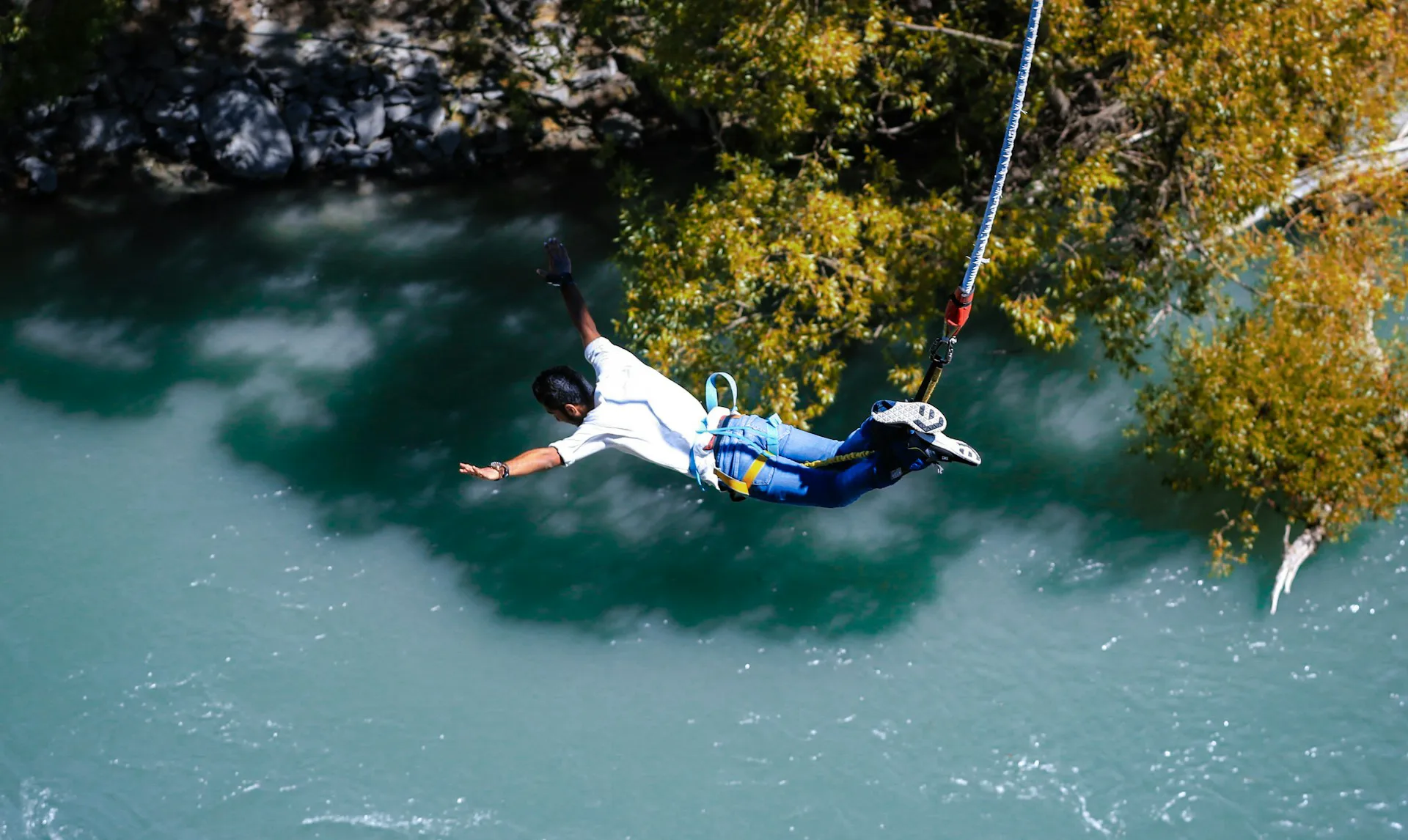
1 Day /
Expeditions
in
Nepal
Bungee Jumping
Experience thrilling bungee jumping adventures in Pokhara or Kushma with safety and excitement.
1 Day Days /
Expeditions
in
Nepal
One Day Biking Trip in Kathmandu
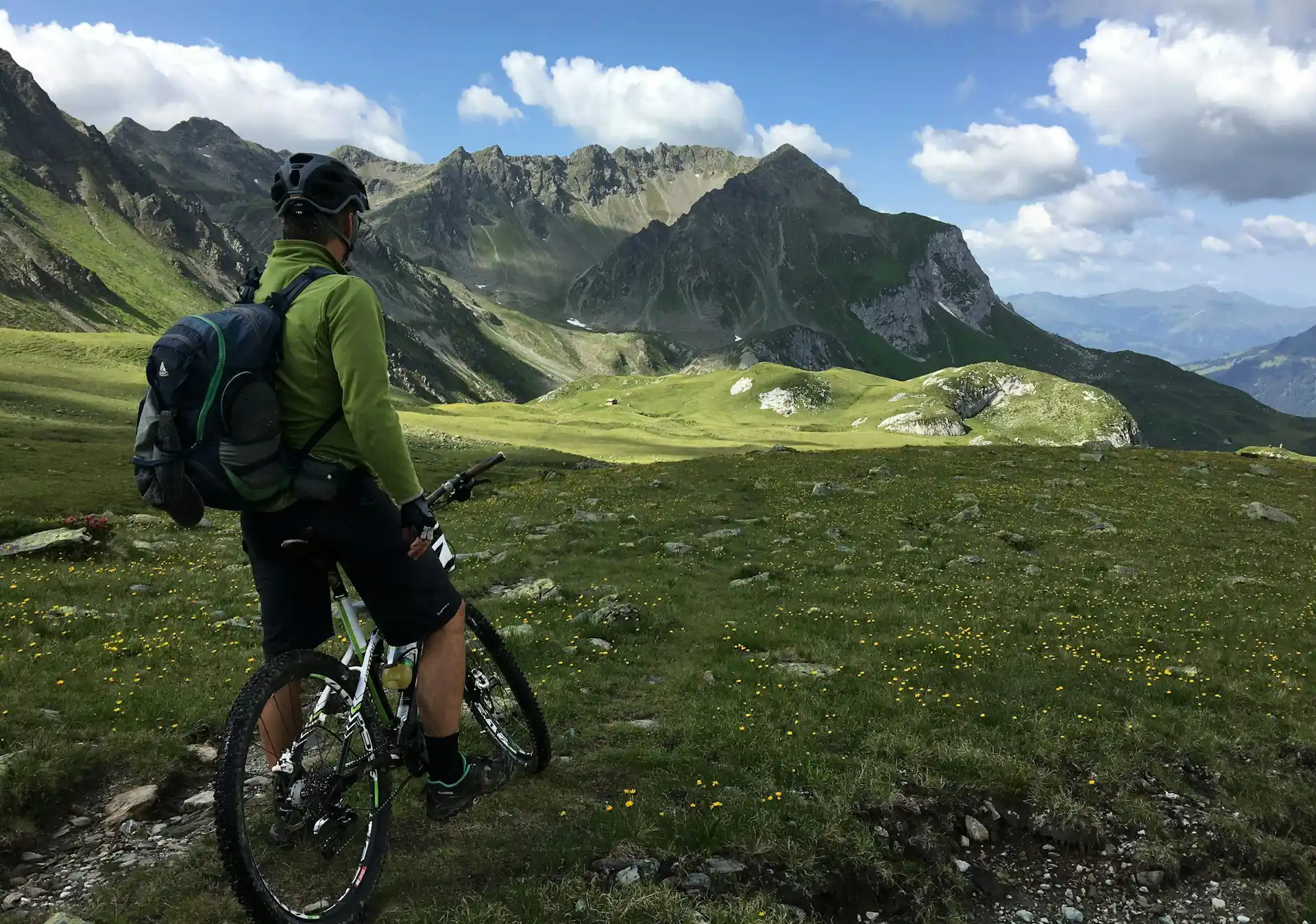
This Kathmandu Valley biking tour offers an exciting day adventure for riders of all levels, combining scenic trails, local culture, and beautiful landscapes.