The Ghorepani Ghandruk Trek is one of the most popular trekking routes in the Annapurna region of Nepal, providing the ideal balance of scenery and adventure.
OverviewGhorepani Ghandruk Trek- 09 days


USD 550PP
Why book with us?
- Local Guides & Porters
- 98% Success Trip Rate
- Comfort Priority and Saftey Trip
- Satisfied Client
-
Group Size Discounts
Discounts are solely based on your group size. We don’t add anyone to the group.
No. of people Price per person 1 pax USD 770 2-6 pax USD 550 7+ pax USD 490
Send Quick Email

Duration
09 Days

Max Alitiude
2,874 meters at Ghorepani

Transportation
Tourist Bus & Shared Jeep

Trip Grade
Moderate

Activity
Trekking

Start/End Point
Hille / Killu

Best Season
Spring (March–May) & Autumn (September–November)

Meals
Full board during trek (Breakfast, Lunch, Dinner)

Accommodation
Hotels (Kathmandu & Pokhara), Teahouses during trek
Trip Overview
The Ghorepani Ghandruk Trek is one of the most popular trekking routes in the Annapurna region of Nepal. This 9-day journey provides the ideal balance of scenery and adventure. You will enjoy stunning views of the Himalayas as you stroll through verdant woods and picturesque Gurung settlements. Along the route, you’ll explore the local way of life in addition to the breathtaking scenery. The trail offers a complete taste of both nature and culture as it passes through a range of landscapes, including high meadows, terraced fields, lush woodlands, and medieval villages.
Ghorepani Ghandruk Trek Path
Your journey starts with a drive from Kathmandu to Pokhara. Pokhara is a peaceful lakeside city known as the Gateway to the Himalayas and the Annapurna Region. The trek actually begins in Nayapul, so you will drive to the trek start point from Pokhara.
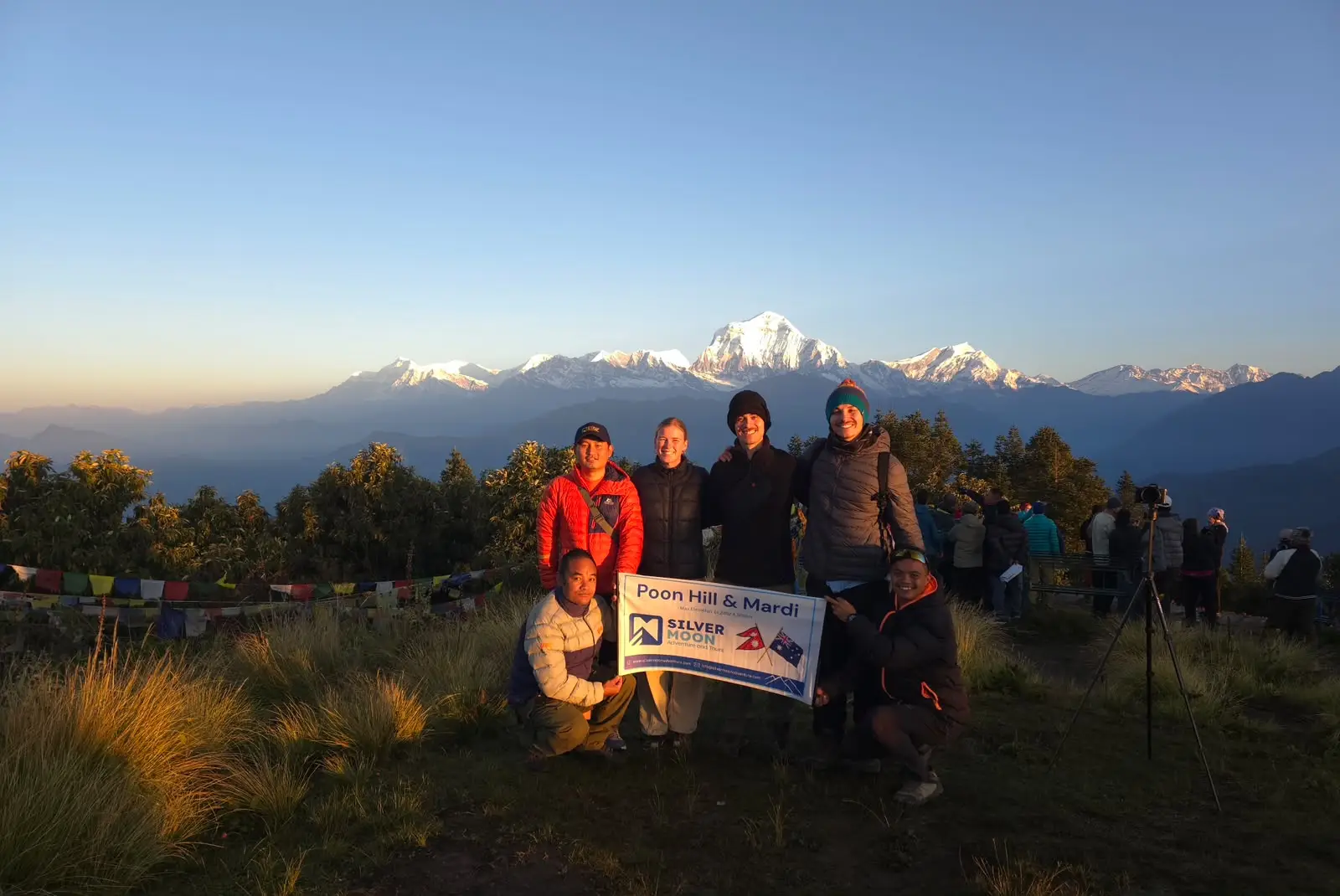
As you continue the trek, you’ll descend to Ghorepani, a Gurung village that will be a great spot to hold on during the trek. One of the major highlights of the trek is Poon Hill Viewpoint (3,210 meters). The early morning hike to PoonHill will let you witness a stunning sunrise over the Annapurna range, Dhaulagiri, and Machhapuchhre.
You will pass through Tadapani and eventually arrive at Ghandruk, a quaint Gurung village renowned for its stone homes and rich culture. You will get the opportunity to see a variety of birds, deer, and monkeys as you hike through lush rhododendron woods. Trekkers with a decent level of fitness can enjoy the path, as it is mild and features modest altitude gains.
In Ghandruk, you’ll explore the village, which offers excellent views of the Annapurna range and is a great place to learn about the traditions and culture of the Gurung people. This ethnic group primarily inhabits this region. The villages you visit are steeped in history, and you’ll notice the traditional architecture, with stone houses and steep, narrow streets that wind through the village. Many locals are descendants of soldiers from the British Gurkha regiments, and the village’s proud heritage is evident in its architecture and customs.
Ghandruk is the final destination, and now you have to leave it behind and head back to Pokhara. In Pokhara, you’ll have a bit of downtime to relax by the calm waters of Phewa Lake, or you can explore more of the city, like the World Peace Pagoda or the nearby caves. Then, you’ll take a scenic drive back to Kathmandu.
The Ghorepani Ghandruk trek is not just for the experienced; anyone who wants to explore the Himalayas and is physically fit can do it. You will find a great mix of adventure, culture, and stunning natural beauty during your journey.
This 9-day Ghorepani Ghandruk trek is sure to leave you with unforgettable memories, a deeper understanding of Nepali culture, and a connection to one of the most stunning parts of the world.
Trip Highlights
- Witness the spectacular sunrise panoramic view of the Annapurna I, Annapurna South, Machapuchare (Fishtail), Dhaulagiri, and other peaks.
- Explore the culture and people in Gurung villages like Ghorepani and Ghandruk, known for their warm hospitality and rich heritage.
- Trek through diverse landscapes, including rhododendron and oak forests, terraced fields, and traditional villages.
- Observe local flora, fauna, and birdlife along the trail.
When to visit
J
F
M
A
M
J
J
A
S
O
N
D
- Average time to visit
- Best time to visit
- Good time to visit
Outline Itinerary
- Day 01: Arrive at Tribhuwan International Airport and transfer to the hotel.
- Day 02: Drive to Pokhara by tourist bus.
- Day 03: Drive to Hille by jeep and trek to Ulleri.
- Day 04: Trek to Ghorepani.
- Day 05: Early in the morning, hike to Poon Hill viewpoint (3210M) and trek to Tadapani (2,630m).
- Day 06: Trek to Ghandruk.
- Day 07: Trek down to Killu and drive to Pokhara by private vehicle.
- Day 08: Drive to Kathmandu by tourist bus
- Day 09: Departure
Trip Itinerary
-
Day 01
Arrive at Tribhuwan International Airport and transfer to the hotel.
You will arrive at Tribhuwan International Airport in Kathmandu, where our representative will welcome you and drive you to the hotel.
Depending on your arrival time, you can either rest at your hotel for the remainder of the day or stroll around the lively spots of Kathmandu, like Thamel and Durbar Marg.
You will be informed of route details, safety guidelines, and preparation tips in the evening. Also, make sure you pack everything for the trek, and if you forgot anything, don’t worry, you can buy it in Pokhara too.
Overnight in Kathmandu.
-

Max. Altitude: 1,400m (4,600 feet)
-

Accommodation: Standard Hotel
-
Meals: Dinner
-
-
Day 02
Drive to Pokhara by tourist bus.
After breakfast, you leave Kathmandu early and begin your drive towards Pokhara. The road gradually descends out of the Kathmandu Valley and follows the Trishuli River. Along the way, you will pass through terraced hillsides, roadside settlements, and well-known places like Mugling.
As the journey continues, the landscape becomes greener and more open, with views of farmland, forests, and distant hills. Continuing the drive, you will reach Pokhara.
Upon arrival in Pokhara, the city feels fresh and calm. You will be dropped off at your hotel, where you can rest the rest of the day or take a peaceful walk along the lakeside.
Overnight in Pokhara.
-
Max. Altitude: 822m (2,697 feet)
-
Accommodation: Standard Hotel
-
Meals: Breakfast, Lunch, Dinner
-
Drive duration: 6-7 hours’ drive
-
-
Day 03
Drive to Hille by jeep and trek to Ulleri.
After breakfast, you will drive north toward Nayapul, which is the traditional gateway to the Annapurna region. Then, the drive continues along the Modi Khola river valley, passing through Birethanti. Here, you will have to stop to check for the permits. Continuing the drive, you will cross Tikhhedhunga and reach Hille. Hille is the place where your trek will start.
From Hille, you begin walking on a stone-paved trail that climbs gradually through farmland and small settlements. Later, you have to ascend thousands of stone steps, which can be challenging. This trail leads you to the Ulleri, a hillside village with wide views over the valley below. Along the way, you will get to see views of hills, forests, and traditional stone houses.
Overnight in Ulleri.
-
Max. Altitude: 2,050m (6,725 feet)
-
Accommodation: Teahouse or Lodge
-
Meals: Breakfast, Lunch, Dinner
-
Drive duration: 2:30 hours’ drive
-

Trek Duration: 2-3 hours trek
-
-
Day 04
Trek to Ghorepani.
Today, you will trek towards Ghorepani, one of the elite destinations of the whole trek. From Ulleri, the trail continues uphill but more gradually. After leaving the village, you enter a dense forest of rhododendron and oak. Along this forested path, you pass through Banthanti, a small resting point where trekkers often stop for tea and snacks.
As you climb through the forest, you’ll reach Nangethanti before heading up to Ghorepani. From there, you can enjoy spectacular views of the Annapurna and Dhaulagiri ranges when the weather is clear. Ghorepani is a popular stop for trekkers, with plenty of spots to rest and grab a bite.
Overnight in Ghorepani.
-
Max. Altitude: 2,874m (9,429 feet)
-
Accommodation: Teahouse or Lodge
-
Meals: Breakfast, Lunch, Dinner
-
Trek Duration: 4 hours trek
-
-
Day 05
Early in the morning, hike to Poon Hill viewpoint (3210M) and trek to Tadapani (2,630m).
Today, you will start early to reach the Poon Hill viewpoint before sunrise. The mountains come to life with a golden light as the sun rises. Once the first light touches the snow-capped peaks of Annapurna, Dhaulagiri, Machapuchare, and Hiunchuli, their rough edges are highlighted, casting long shadows. The walk takes 45 to 60 minutes to ascend slowly up stone stairs. At the summit, take in the magnificent morning view of towering hills.
You will spend a few times at the viewpoint, admiring the moment, clicking pictures, and collecting memories. Then, you descend back to Ghorepani for breakfast.
After breakfast, you will head towards the Tadapani, a settlement residing in a forest. The trail first climbs slightly to Deurali Pass and then follows a forested ridge. You walk through dense forests, and along the way, you will get to witness the clear view of the distant mountains and reach Tadapani.
Overnight in Tadapani.
-
Max. Altitude: 3,210m (10,531 feet)
-
Accommodation: Teahouse or Lodge
-
Meals: Breakfast, Lunch, Dinner
-
Trek Duration: 6-7 hours trek
-
-
Day 06
Trek to Ghandruk.
After breakfast, you will begin your trek towards Ghorepani, the trek’s final destination. From Tadapani, the trail descends through dense forest, over moss-covered stone steps and narrow footpaths. As you lose elevation, the forest thins, and you will see the terraced farmland and small houses.
Later, you reach Ghandruk. Ghandruk is one of the most scenic Gurung villages in the Annapurna Region. The village spreads across a hillside, offering panoramic views of Annapurna South and Machapuchare. You will walk through stone-paved alleys and traditional houses, and the whole village is fully immersed in Gurung culture.
Also, you will have the chance to wear their traditional dress and take photos for the memory. At every step in the village, you get to know the culture, people, and food closely.
Overnight in Ghandruk.
-
Max. Altitude: 2,012m (6,601 feet)
-
Accommodation: Teahouse or Lodge
-
Meals: Breakfast, Lunch, Dinner
-
Trek Duration: 3-4 hours trek
-
-
Day 07
Trek down to Killu and drive to Pokhara by private vehicle.
Today you will leave Ghandruk and trek down to Killu, from where we will drive to Pokhara. From Ghandruk, you will descend along stone paths through terraced fields, small villages, and flowing streams, and reach Killu.
At Killu, you will find your private vehicle and drive back to the hotel in Pokhara. You can rest in the hotel, stroll around the city’s famous spots like Lakeside, buy any souvenirs, or sit peacefully somewhere, admiring the journey.
Overnight at Pokhara.
-
Max. Altitude: 2,920 meters (9,580 feet)
-
Accommodation: Teahouse or Lodge
-
Meals: Breakfast, Lunch, Dinner
-
Drive duration: 2 hours drive
-
Trek Duration: 3 hours trek
-
-
Day 08
Drive to Kathmandu by tourist bus
You leave Pokhara after breakfast and begin the return journey to Kathmandu along the same highway. The road follows rivers and passes through hills, forests, and roadside settlements.
Once you reach Kathmandu, you will be dropped off at your hotel, where you can rest for the remainder of the day. Also, you can do last-minute shopping or enjoy the nightlife of Kathmandu.
Overnight in Kathmandu.
-
Accommodation: Standard Hotel
-
Meals: Breakfast, Lunch, Dinner
-
Drive duration: 6-7 hours’ drive
-
-
Day 09
Departure
Today is the last day of the journey in Nepal. Depending on your flight schedule, you may have a little time to relax or do some last-minute shopping in Kathmandu. Afterward, you will be transferred to Tribhuvan International Airport for your departure.
As you leave, you carry with you the memories of mountain trails, forests, villages, and the stunning Himalayan landscapes you experienced along the way.
-
Meals: Breakfast (Lunch depending on the schedule)
-


Trip notes
The Ghorepani – Ghandruk Trek is moderate, with some steep sections, so a basic level of fitness is required. Weather changes quickly, so pack layers, rain gear, and sturdy shoes. Teahouses provide simple accommodation and meals, but bring a power bank and cash for extras. Follow your guide, respect local culture, and enjoy the Himalayan views safely.
Cost Includes
Accommodation
- 2 Nights 3-star hotel accommodation in Kathmandu on a twin-sharing basis with breakfast.
- Teahouse and lodge accommodation throughout the trekking period on a sharing basis.
- 2 Nights accommodation in Pokhara (Hidden Kingdom or similar) on a twin-sharing basis with breakfast.
- Complimentary secure luggage storage facility at Silver Moon Adventure Trek office in Kathmandu or hotel during the trek.
- Sleeping bag provided for the trekking duration (to be returned after the trek).
Food & Drinks
- Full board meals during the trek: Breakfast, Lunch, and Dinner (one main course as per menu).
- Tea/Coffee: 3 cups per person per day during the trek.
- Buffet lunch during Kathmandu to Pokhara tourist bus journey.
- Complimentary seasonal fresh fruits served every evening during the trek.
- Farewell dinner in Kathmandu featuring authentic Nepali cuisine with live cultural dance performance.
- Water purification tablets provided daily for safe drinking water during the trek.
Transportation
- Private airport transfer to and from Tribhuvan International Airport, Kathmandu.
- Kathmandu to Pokhara and Pokhara to Kathmandu tourist bus transportation with sofa seats.
- Lunch included during both-way Kathmandu–Pokhara bus journeys.
- Private transportation to the trek starting point (Hile).
- Private transportation from the trek ending point (Kilu).
Permits & Entry Fees
- All necessary trekking permits.
- Annapurna Conservation Area Project (ACAP) permit.
- All government taxes, local fees, and company service charges.
Guide & Staff Services
- Certified and experienced English-speaking trekking guide.
- Guide’s salary, insurance, food, accommodation, and transportation.
- Assistant guide for groups of 5 or more trekkers.
- Emergency rescue and medical evacuation arrangement if required (cost covered by travel insurance).
Equipment & Trekking Support
- Comprehensive first-aid kit.
- Duffle bag provided for every trekker (carried by porter if hired).
- Silver Moon Adventure Trek cap and T-shirt.
- Nepal Telecom SIM card with 10 GB data valid for 28 days.
Additional Services
- Trip completion Silver Moon Adventure Certificate.
- One-hour complimentary trekkers massage in Pokhara (if required).
Cost Excludes
Flights & Visa
- International flights to and from your home country or next destination.
- Nepal Entry Visa fee (payable upon arrival at Tribhuvan International Airport, Kathmandu).
Accommodation
- Extra hotel nights in Kathmandu or Pokhara outside the planned itinerary (due to early arrival, late departure, flight delays, or personal reasons).
Food & Drinks
- Lunch and dinner in Kathmandu and Pokhara before and after the trekking portion.
- Alcoholic beverages, soft drinks, bottled mineral water, and specialty coffees.
- Personal snacks and extra food items during the trek.
Insurance
- High-altitude trekking insurance covering up to 5,500 meters.
- Emergency medical helicopter evacuation insurance coverage.
Personal Expenses
- Souvenirs and personal shopping.
- Laundry services.
- Personal trekking gear and equipment.
- Hot shower during the trek.
- Any other personal expenses not mentioned in the Cost Includes section.
Tips & Gratitude
- Tips and gratuities for trekking guides, porters, drivers, and support staff.
Additional Costs
- Any extra expenses caused by itinerary changes, weather conditions, natural events, flight delays, or unforeseen circumstances.
- Any services or items not specifically mentioned in the Cost Includes section.
Gears and Equipment
You are seeing the list of gears and equipment needed for this trip. Please check the items carefully and make sure you pack everything required for the journey.
The equipment may vary depending on the weather, location, altitude, and activities included in the itinerary. Some special gear may be provided or available for rent if needed.

Head & Face Protection
- Sun cap or hat
- Warm beanie (wool/fleece)
- Neck gaiter/buff
- UV-protection sunglasses (Category 3 or 4)
- Headlamp with spare batteries

Upper Body Clothing (Layer System)
- Moisture-wicking base layer (2–3 sets)
- Fleece or light warm mid-layer
- Insulated down jacket (cold-weather essential)
- Waterproof + windproof outer shell jacket
- Quick-dry trekking t-shirts

Lower Body Clothing
- Trekking pants (lightweight, stretchable)
- Thermal base layer leggings
- Waterproof rain pants

Backpack & Carrying Gear
- Main backpack (40–50L) with rain cover
- Daypack (optional if using porter)
- Dry bags / plastic bags for organization

Hand Protection
- Lightweight inner gloves
- Warm insulated gloves (preferably waterproof)

Footwear & Socks
- Waterproof trekking boots (ankle support, broken-in)
- Camp shoes/sandals
- Warm trekking socks (2–4 pairs)
- Liner socks (blister prevention)

Hygiene & Personal Care
- Sunscreen (high SPF)
- Lip balm with SPF
- Wet wipes
- Hand sanitizer
- Quick-dry towel
- Toilet paper/tissues
- Toothbrush & basic toiletries

Trekking Essentials
- Trekking poles
- Reusable water bottles (2–3L total) or hydration bladder
- Sleeping bag (-5°C to -10°C comfort rating)
- Power bank (10,000–20,000 mAh)
- First aid kit (basic medicines + blister care)
- Water purification tablets or filter

Seasonal Add-ons (Only if needed)
- Winter / High Altitude Treks
- Thicker down jacket
- Warmer sleeping bag (-15°C recommended)
- Microspikes (icy trails)
- Monsoon Season
- Extra rain covers or poncho
- Quick-dry everything
- Waterproof shoe protection

Extra Useful Items
- Snacks/energy bars/electrolytes
- Cash (Nepalese rupees only in most places)
- Phone + camera + charger cables
- Zip-lock bags / dry bags
- Small notebook (optional)
- Earplugs (useful in teahouses)
Trip Map

Additional information
Ad ons
One porter is provided for every two trekkers at a cost of 140 USD, with a maximum weight allowance of 24 kg (12 kg per person).

Starts from
USD 69
1 Day Pokhara Paragliding Adventure
Experience the thrill of flying above one of Nepal’s most beautiful destinations with our 1 Day Pokhara Paragliding Adventure....
Duration:
1 days
Max altitude:
1,600 m (Sarangkot)
Starts from
USD 79
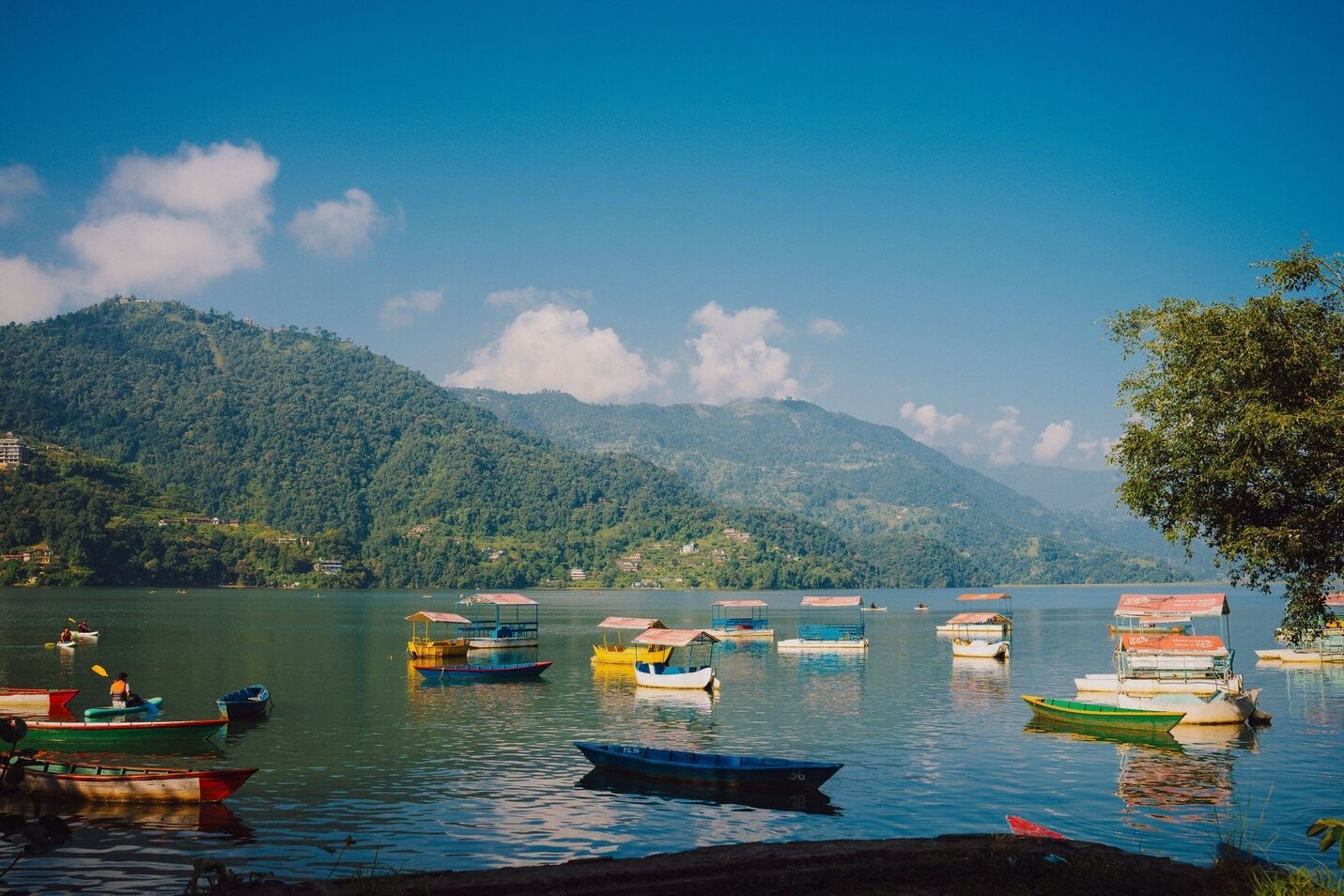
Pokhara Day Tour-1 Day
Pokhara is one of Nepal’s most beautiful travel destinations, famous for its peaceful lakes, Himalayan views, natural wonders, and...
Duration:
1 days
Max altitude:
1,500m
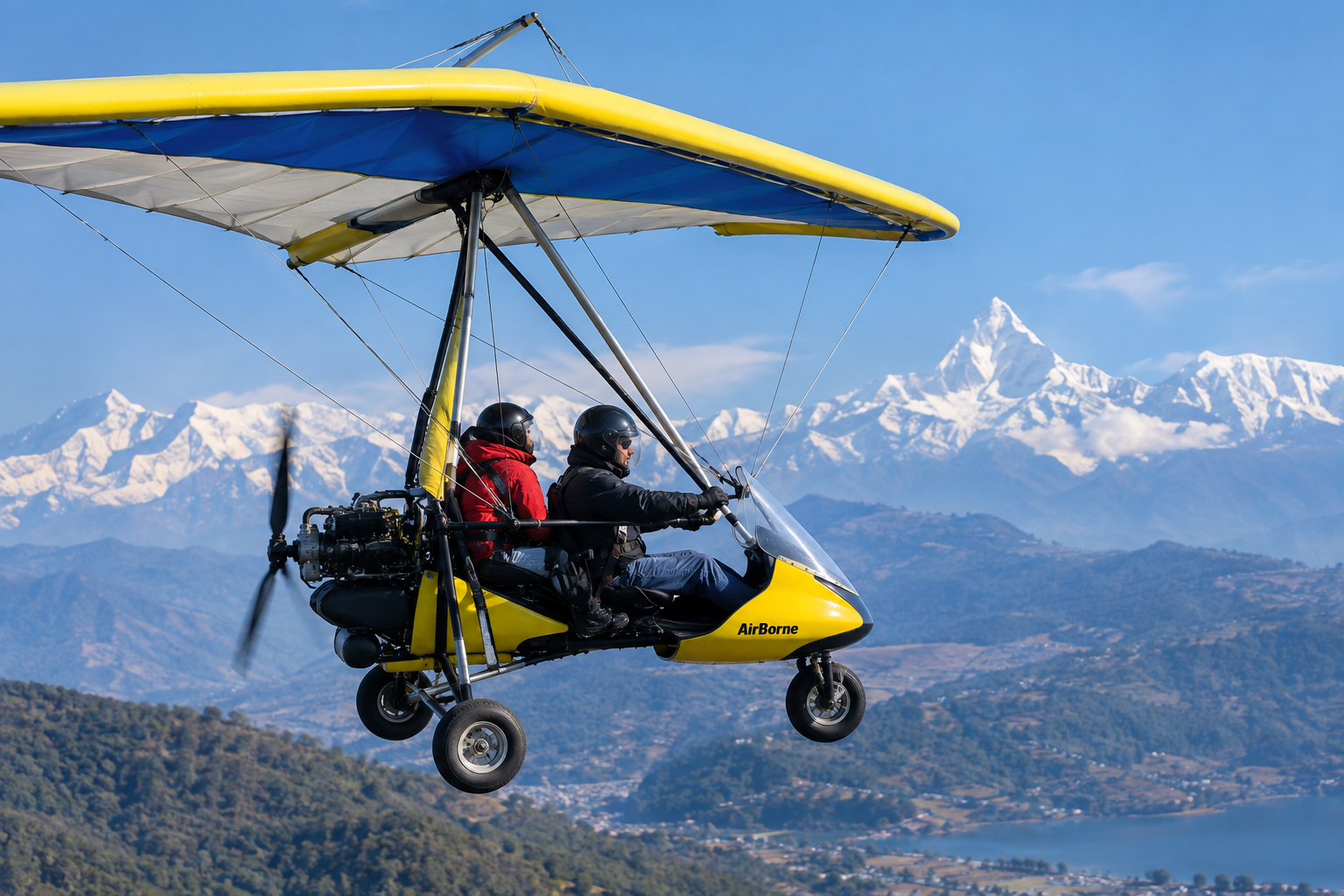
Ultra Light Flight – 1 Day Pokhara
Experience the thrill of flying above the beautiful city of Pokhara with our 1 Day Ultra Light Flight in...
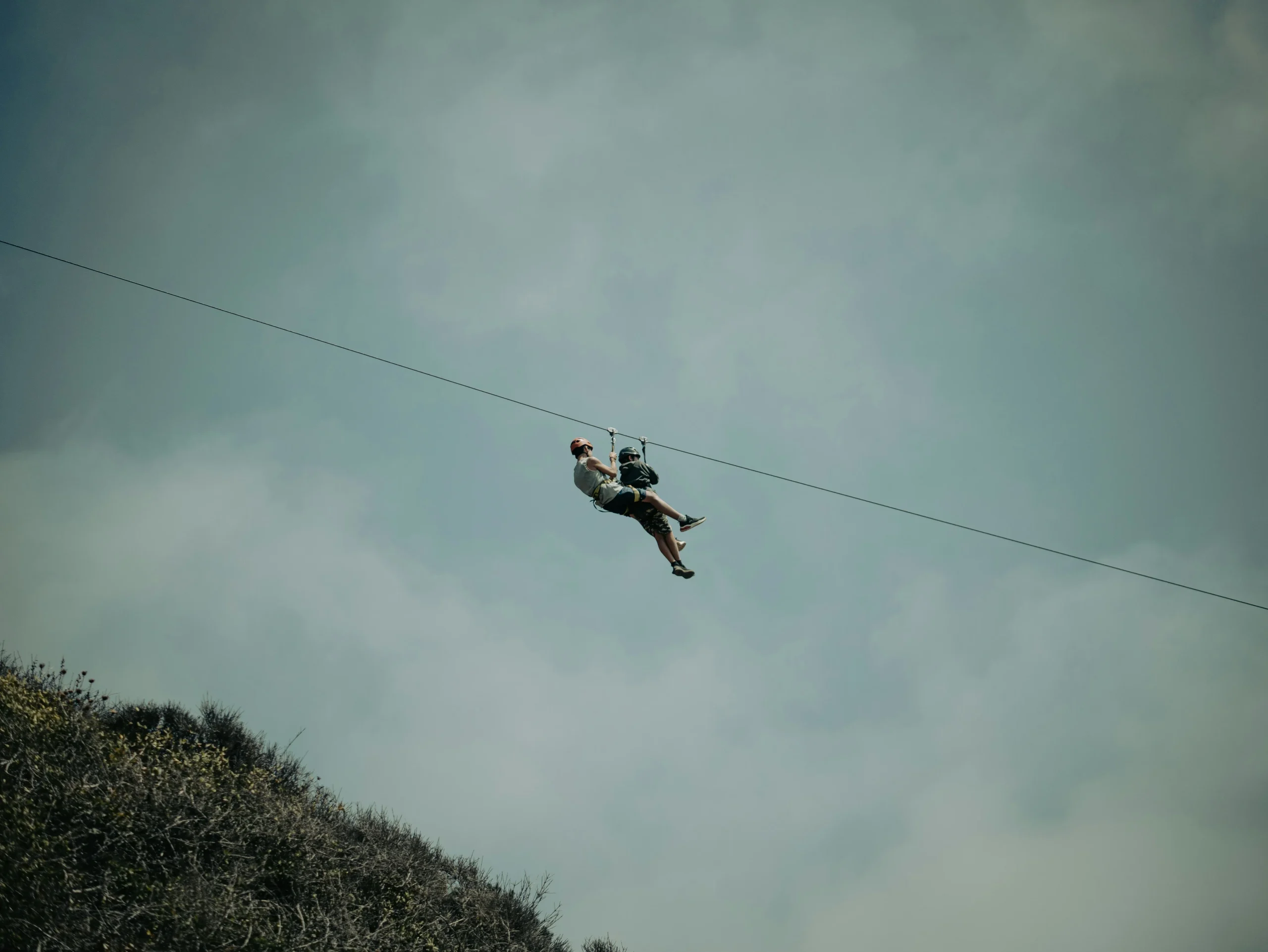
Zipline in Pokhara
Zipline in Pokhara is an unforgettable adventure activity that offers a perfect combination of thrill, speed, and breathtaking natural...
Duration:
1 days
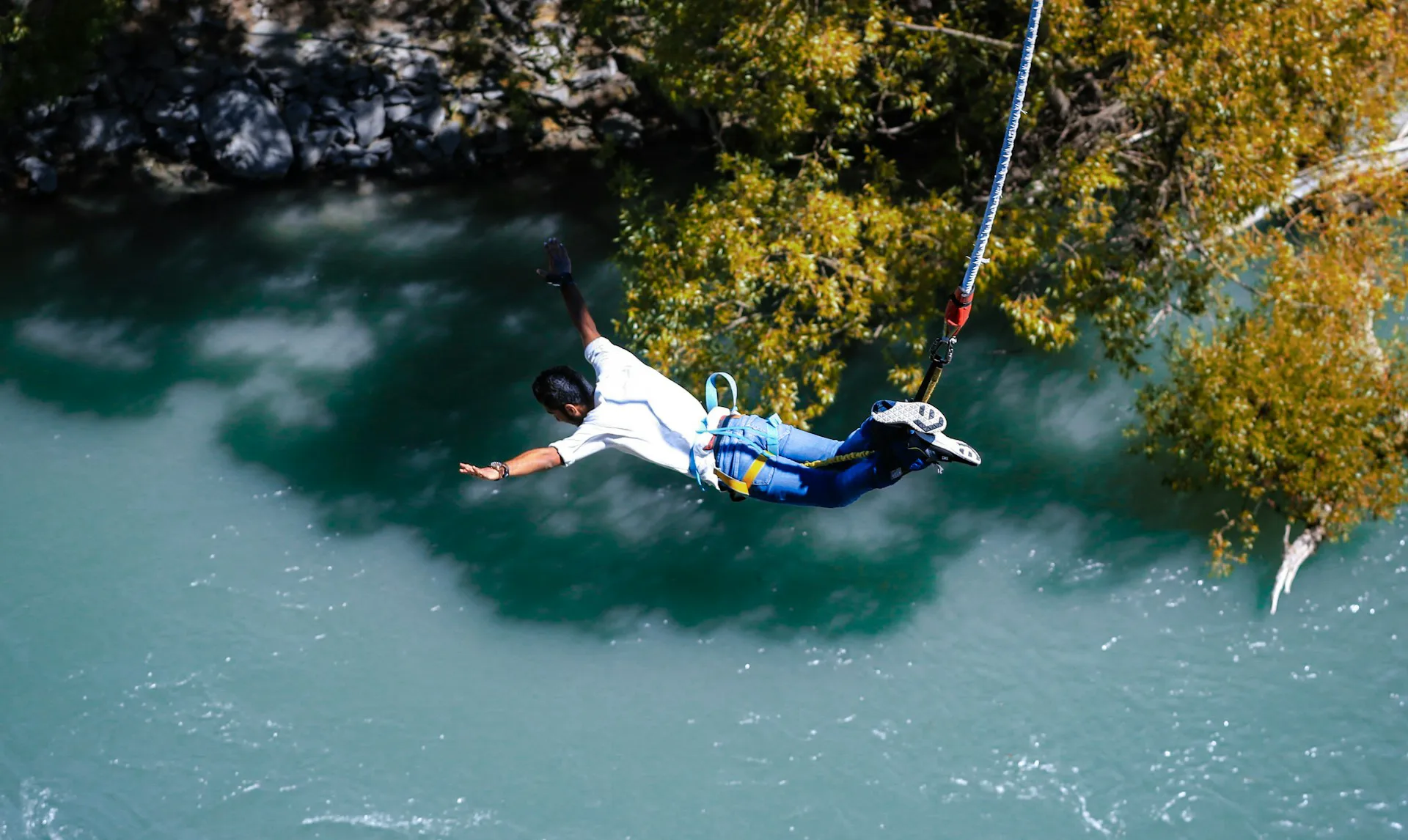
Bungee Jumping
Nepal is not only famous for its mountains and trekking adventures but also offers thrilling activities for adventure lovers....
Duration:
1 days
Trekking Permits
We’ll handle the permits and registrations needed for the Ghorepani–Ghandruk Trek. This includes the Annapurna Conservation Area Permit (ACAP) and TIMS, or any other registration required for your trip. You must provide the required documents before the trek.
Please keep your original passport with you during the trek. You may need to show it at checkpoints along the route.
Fitness and Trek Preparation
The trek is rated moderate, with several hours of walking on most trekking days. The trail includes uphill climbs, descents, stone steps, forest paths, and uneven sections.
You do not need previous trekking experience for this trek. However, you should be comfortable walking for several hours each day. Regular walking, hiking, climbing stairs, or light cardio before the trek can help you prepare for the walking days.
The section from Hille to Ulleri includes a long series of stone steps, while the early-morning hike to Poon Hill involves another uphill climb. Take your time, maintain a steady pace, and take breaks when needed.
Altitude and Acclimatization
Poon Hill is the highest point of the trek, at around 3,210 meters. This is not considered a very high altitude, but some people can still feel the effects.
Walk at a comfortable pace and drink water regularly. Make sure you eat properly and get enough rest. If you have a headache that does not go away, feel dizzy or sick, become unusually tired, or have trouble breathing, tell your guide straight away.
Your guide will monitor the group throughout the trek and can adjust the pace or itinerary if necessary.
Weather and Trekking Conditions
Mountain weather can change quickly, even during the best trekking seasons. Mornings may be clear and sunny, while clouds, wind, or rain can arrive later in the day. Temperatures also drop considerably after sunset, particularly around Ghorepani and Tadapani.
Spring and autumn are usually the best seasons for this trek. March to May brings warmer weather and rhododendrons in bloom. September to November usually has clear skies and good mountain views.
The monsoon brings more rain, especially on the lower parts of the trail. The paths can be muddy, and clouds may cover the mountains. Winter is colder, and snow can sometimes fall around Ghorepani and Poon Hill.
Accommodation
Accommodation in Kathmandu and Pokhara is provided in standard tourist-category hotels on a twin-sharing basis. During the trek, you will stay in locally operated teahouses and lodges.
Mountain rooms are simple and comfortable, with basic facilities. Bathrooms may be shared, and hot showers, Wi-Fi, and charging facilities are generally available for an additional fee.
Accommodation can be busy in spring and autumn, so rooms are arranged based on availability along the trail.
Meals and Drinking Water
Breakfast, lunch, and dinner are included during the trekking days. Teahouses serve a variety of simple meals, including dal bhat, noodles, rice, pasta, soups, vegetables, eggs, potatoes, and other local and international options.
Dal bhat is a popular choice among trekkers because it is filling and provides a good source of energy for long walking days.
Filtered or treated drinking water is available at teahouses and other points along the trail, usually for an additional fee. Bring a reusable water bottle or hydration system. A suitable water purification method can also be useful.
Electricity, Charging and Wi-Fi
Most teahouses have electricity, although charging points may be limited, especially when the lodge is busy. Some teahouses charge an additional fee for charging phones, cameras, or power banks.
Wi-Fi is available at some teahouses, but the connection can be slow or unreliable, particularly in the higher sections. Mobile network coverage also varies along the trail.
A power bank is recommended if you plan to use your phone or camera regularly.
Cash and Personal Expenses
Carry enough Nepali cash before starting the trek. ATMs are not always available along the route, so don’t rely on them. You may need cash for hot showers, phone charging, Wi-Fi, snacks, drinks, and other small expenses during the trek.
It is also useful to carry extra cash in case of unexpected expenses or itinerary changes.
Porter and Baggage
One porter is provided for every two trekkers. Your porter will carry your main trekking luggage, while you carry a smaller daypack with the items you need during the day.
Keep your passport, cash, medicines, camera, electronics, water, and other important belongings in your daypack. Try to bring only what you need, as a lighter load makes the trek easier for both you and your porter.
Your trekking company will provide the applicable baggage weight guidelines before departure.
Travel Insurance
Travel insurance is strongly recommended for this trek. Make sure your policy covers trekking at the maximum altitude included in your itinerary and provides coverage for medical treatment and emergency evacuation if required.
Read the policy carefully before purchasing it, particularly the sections covering trekking activities, medical evacuation, and trip interruption.
Safety and Emergency Support
Your guide will accompany you throughout the trek and monitor weather, trail conditions, altitude, and the group’s overall condition.
If you become sick or injured during the trek, our team will help arrange the necessary care. Depending on the situation, the trekking plan may need to change; you may need to descend to a lower altitude, or we may need to arrange an evacuation.
The itinerary may be adjusted if weather, trail conditions, health concerns, transportation problems, or other circumstances make it unsafe to continue as planned.
What to Pack
Pack according to the season, but the following items are useful for the Ghorepani–Ghandruk Trek:
- Comfortable trekking boots with good grip
- Trekking trousers and lightweight hiking clothes
- Thermal base layers
- Fleece or warm insulated jacket
- Waterproof and windproof jacket
- Warm hat, gloves, and sun hat
- Sunglasses with UV protection
- Sunscreen and lip balm
- Reusable water bottle or hydration bladder
- Headlamp with spare batteries
- Power bank and charging cables
- Personal toiletries and basic medication
- Small first-aid kit
- Sleeping bag suitable for cold mountain conditions
- Trekking poles
- Comfortable daypack
- Passport and travel documents
- Travel insurance details
- Some Nepali cash for personal expenses
Your guide or trekking company can advise you on whether you need additional equipment based on the season and current trail conditions.
Responsible Trekking
The Annapurna region is home to local communities, forests, rivers, wildlife, and culturally important sites. Please respect local customs and traditions as you pass through the villages.
Avoid leaving rubbish along the trail. Carry a reusable water bottle where possible and use the waste bins or disposal points available along the route.
If you want to photograph local people, ask for permission first. Small efforts such as reducing plastic waste, respecting local customs, and keeping the trail clean help protect the area for the communities and future trekkers.
Tipping
Tipping is customary in Nepal’s trekking industry and is a common way to thank guides and porters for their hard work. There is no fixed amount, and tipping is ultimately a personal choice.
Many trekkers tip at the end of the trek based on the level of service they received, the trek’s length, and their overall experience with the trekking team.
Itinerary Changes
The itinerary gives you a general plan for the trek, but things can change in the mountains. Bad weather, landslides, trail conditions, health issues, transport delays, or a lack of available rooms can affect the schedule. Your actual trekking days may differ from the planned itinerary if any of these issues come up.
Your guide and trekking company will make any necessary adjustments with safety as the priority. Minor changes to walking times, overnight stops, or transportation arrangements may therefore occur during the trip.
Best Time to Trek
The most favorable months for the Ghorepani–Ghandruk Trek are March to May and September to November.
March to May: Warmer temperatures, blooming rhododendrons, and colorful forests make spring a particularly good time to trek.
June to August: This is the monsoon period. Rain, muddy trails, clouds, and reduced mountain visibility are more common.
September to November: Generally stable weather, clear mountain views, and comfortable daytime temperatures make autumn one of the most popular trekking seasons.
December to February: Temperatures are colder, particularly at night and around Ghorepani. Snow may occasionally affect the higher sections of the route.
A few things to keep in mind
Mountain trekking differs from city travel. Facilities become more basic as you move along the trail, weather can change quickly, and a day that looks short on paper can sometimes take longer depending on the terrain and your walking pace.
Come prepared, follow your guide’s advice, and do not rush through the trek. Take time to enjoy the villages, forests, stone paths, and mountain views along the way. Reaching Poon Hill or Ghandruk is part of the trek, but there is plenty to see and experience along the way.
FAQs for this trip
General
-
How long is the Ghorepani Ghandruk Trek?
The trek takes 9 days, including travel to and from Pokhara.
-
What is the highest point of the trek?
The highest point is Poon Hill (3,210 m / 10,531 ft), one of Nepal’s most famous sunrise viewpoints.
-
Is this trek suitable for beginners?
Yes. The Ghorepani Ghandruk Trek is ideal for beginners, families, and anyone with a reasonable level of fitness.
-
Why choose the Ghorepani Ghandruk Trek?
This trek is perfect if you want beautiful mountain views, local culture, colorful forests, and a rewarding trekking experience without going to very high altitude.
Difficulty and Physical Fitness
-
How difficult is the Ghorepani Ghandruk Trek?
The trek is easy to moderate. There are many uphill and downhill sections, including stone staircases, but it is suitable for most trekkers with basic fitness.
-
How many hours do we walk each day?
You will usually walk 4 to 6 hours each day.
-
Do I need previous trekking experience?
No. Previous trekking experience is not necessary.
-
How should I prepare for the trek?
Walking, hiking, jogging, cycling, or climbing stairs a few weeks before your trip will help improve your fitness.
-
Is the trek physically demanding?
The trek includes several steep climbs, especially to Ghorepani and Poon Hill, but the overall difficulty is manageable.
Altitude and Health
-
Can I get altitude sickness?
The risk is very low because the highest point is only 3,210 meters.
-
Do I need acclimatization days?
No. Most trekkers complete the trek comfortably without acclimatization days.
-
Do I need travel insurance?
Yes. Travel insurance that covers trekking in Nepal is recommended.
Route and Itinerary
-
Where does the trek start and end?
The trek starts with a drive from Pokhara to the trailhead and ends with a return drive back to Pokhara.
-
Which places do we visit?
The route includes Tikhedhunga, Ulleri, Ghorepani, Poon Hill, Tadapani, and Ghandruk Village before returning to Pokhara.
-
Do we hike to Poon Hill?
Yes. You’ll hike to Poon Hill early in the morning to watch one of Nepal’s most famous sunrises.
-
Do we visit Ghandruk Village?
Yes. Ghandruk is a beautiful Gurung village known for its culture, traditional houses, and mountain views.
-
Can the itinerary be customized?
Yes. The itinerary can be customized according to your schedule and fitness level.
Accommodation
-
Where will I stay during the trek?
You’ll stay in comfortable teahouses and mountain lodges along the trekking route.
-
Are private rooms available?
Yes. Private rooms are available in many villages, depending on availability.
-
Are hot showers available?
Yes. Most teahouses offer hot showers for an additional charge.
Food and Drinks
-
What meals are available?
You’ll find Dal Bhat, noodles, fried rice, pasta, soups, potatoes, eggs, pancakes, tea, coffee, and other local dishes.
-
Is vegetarian food available?
Yes. Vegetarian meals are widely available.
-
Can I buy snacks during the trek?
Yes. Small shops and teahouses sell chocolates, biscuits, soft drinks, and energy bars.
Weather and Best Time
-
When is the best time for the Ghorepani Ghandruk Trek?
The best seasons are spring (March to May) and autumn (September to November) when the weather is clear and the mountain views are excellent.
-
Can I trek during winter?
Yes. Winter trekking is possible, although mornings and evenings are colder.
-
When do the rhododendrons bloom?
The rhododendron forests are at their most beautiful during March and April.
Permits and Regulations
-
What permits are required?
You need the Annapurna Conservation Area Permit (ACAP) for this trek.
-
Are permits included in the package?
Yes. Trekking permits are generally included in the package.
-
Do I need a guide?
A licensed guide is highly recommended for a safer and more enjoyable trekking experience.
Flights and Transportation
-
How do I reach the trekking starting point?
You’ll travel by private vehicle or tourist bus from Pokhara to the trailhead.
-
How do I return after the trek?
After finishing the trek, you’ll drive back to Pokhara.
-
Are domestic flights required?
No. This trek uses road transportation only.
Equipment and Packing
-
What should I pack?
Bring trekking boots, warm clothes, a waterproof jacket, gloves, sunscreen, sunglasses, a hat, trekking poles, and a reusable water bottle.
-
Can I rent trekking gear?
Yes. Trekking gear can be rented in Pokhara or Kathmandu.
-
Do I need trekking poles?
Yes. Trekking poles are helpful, especially on steep stone staircases.
-
Should I bring a first-aid kit?
Yes. Carry your personal medicines and a small first-aid kit.
Connectivity and Electricity
-
Is Wi-Fi available?
Yes. Many teahouses offer Wi-Fi, although the speed may vary.
-
Can I charge my phone or camera?
Yes. Charging facilities are available in most teahouses, usually for an extra fee.
-
Is there mobile network coverage?
Yes. Nepal Telecom and Ncell provide coverage in many parts of the trek, although the signal may be weaker in some areas.
Guides and Porters
-
Is a guide included?
Yes. A professional licensed trekking guide is included in most trekking packages.
-
Can I hire a porter?
Yes. Porters are available to carry your luggage and make your trek more comfortable.
-
Why should I hire a porter?
Hiring a porter lets you enjoy the trek without carrying a heavy backpack while supporting the local economy.
Cost and Booking
-
What is included in the package?
The package generally includes transportation, accommodation, meals during the trek, permits, a professional guide, and government taxes.
-
What is not included?
International flights, Nepal visa fees, travel insurance, personal expenses, drinks, Wi-Fi charges, hot showers, and tips are not included.
-
When should I book this trek?
Booking 2 to 4 weeks in advance is recommended, especially during spring and autumn.
-
Is a deposit required?
Yes. A deposit is usually required to confirm your booking.
Photography and Experience
-
Is the Ghorepani Ghandruk Trek good for photography?
Yes. The trek offers spectacular sunrise views, colorful forests, waterfalls, traditional villages, terraced fields, and panoramic Himalayan scenery.
-
Which mountains can I see?
You can enjoy stunning views of Annapurna I, Annapurna South, Machhapuchhre (Fishtail), Dhaulagiri, Hiunchuli, Nilgiri, and other Himalayan peaks.
-
What makes this trek special?
The combination of the Poon Hill sunrise, beautiful Gurung villages, rhododendron forests, and incredible mountain panoramas makes this one of Nepal’s most rewarding short treks.
-
What are the highlights of the trek?
The main highlights include Poon Hill sunrise, Ghandruk Village, Ghorepani, rhododendron forests, Gurung culture, panoramic Himalayan views, and peaceful mountain trails.







USD 550PP
Why book with us?
- Local Guides & Porters
- 98% Success Trip Rate
- Comfort Priority and Saftey Trip
- Satisfied Client
-
Group Size Discounts
Discounts are solely based on your group size. We don’t add anyone to the group.
No. of people Price per person 1 pax USD 770 2-6 pax USD 550 7+ pax USD 490
Send Quick Email
Similar trips
View all trips
Makalu Base Camp Trek – 20 Days
Explore the Makalu Base Camp Trek in Nepal with our 20-day Himalayan adventure package.
Royal Trek Nepal – 10 Day Trekking Package
Explore Royal Trek Nepal with Himalayan scenery, cultural sightseeing, and authentic village experiences.
Nar Phu Valley Trek
Experience remote Nar Phu Valley with Kang La Pass, culture, and Himalayan adventure.