One of Nepal’s most popular trekking-peak adventures, combining the classic Everest trek with the challenge of reaching a Himalayan summit.
Island Peak Climbing – 15 days
Why book with us?
- Local Guides & Porters
- 98% Success Trip Rate
- Comfort Priority and Saftey Trip
- Satisfied Client
Send Quick Email

Duration
15 Days

Max Alitiude
6,189 meters at Island Peak summit

Transportation
Tourist Bus & Flight

Trip Grade
Challenging

Activity
Expeditions

Start/End Point
Lukla / Lukla

Best Season
Spring (March - May) & Autumn (late September - November)

Meals
Full board during trek (Breakfast, Lunch, Dinner)

Accommodation
Hotels (Kathmandu), Teahouses/Camping during trek
Trip Overview
Island Peak Climbing is one of Nepal’s most popular trekking-peak adventures, combining the classic Everest trek with the challenge of reaching a Himalayan summit. Standing at 6,189 meters (20,305 ft), Island Peak is a great choice for those seeking high-altitude climbing while exploring the beautiful landscapes of the Everest region.
This 15-day journey takes you through the spectacular landscapes of the Khumbu Valley, home to the legendary Sherpa people and some of the world’s highest mountains. The journey starts with a short and scenic flight to Lukla, from where you begin trekking through the Khumbu region. The trail passes through small Sherpa villages, green forests, suspension bridges, and beautiful mountain valleys. As you walk higher, you will get a closer look at the Sherpa people’s lifestyle, culture, and traditions.
The route follows the well-known Everest trail, passing through places like Namche Bazaar, the main town of the Khumbu region; Tengboche, where you can visit the famous monastery; Dingboche, a quiet village surrounded by high mountains; and Chhukung Valley, the final stop before heading toward Island Peak Base Camp. Along the way, you will enjoy close-up views of Everest, Lhotse, Nuptse, Ama Dablam, Island Peak, and other peaks of the Everest region.
Proper acclimatization is an important part of this adventure, and the itinerary includes dedicated acclimatization days to help your body adjust to the increasing altitude. Before the summit attempt, you will trek to Island Peak Base Camp, where your climbing guide will provide essential instructions and training on the use of climbing equipment, glacier techniques, and safety procedures.
The highlight of the journey is the climb to the summit of Island Peak at 6,189 meters. With the support of your climbing guide and team, you will cross glacier sections, use climbing equipment, and experience the challenge of reaching a Himalayan summit. Standing on the top of Island Peak and looking out over the surrounding mountains will be a memorable moment of the entire adventure. The final ascent to the summit rewards you with incredible panoramic views of some of the world’s highest mountains, including Everest, Lhotse, Makalu, Ama Dablam, and numerous Himalayan peaks.
After achieving the summit, you will return through the beautiful Khumbu Valley, gradually descending back to Lukla while enjoying the landscapes and Sherpa culture from a different perspective.
This 15-day Island Peak Climbing itinerary is designed for adventure seekers who want to experience high-altitude trekking and a Himalayan summit without committing to a longer expedition.
Trip Highlights
- Summit Island Peak (6,189 m), one of Nepal’s most popular trekking peaks.
- Experience a scenic mountain flight to and from Lukla Airport.
- Trek through the spectacular Sagarmatha National Park, a UNESCO World Heritage Site.
- Visit iconic Sherpa villages including Namche Bazaar, Tengboche, and Dingboche, and experience the local mountain lifestyle.
- Explore the famous Tengboche Monastery, the spiritual heart of the Khumbu.
- Enjoy breathtaking views of Himalayan giants including Mount Everest, Lhotse, Ama Dablam, Nuptse, and Makalu.
- Acclimatize gradually with carefully planned rest days for a safer summit attempt.
- Learn essential mountaineering skills, including the use of crampons, ice axe, fixed ropes, and harness.
- Cross glaciers, negotiate ice slopes, and enjoy the thrill of alpine climbing.
- Immerse yourself in Sherpa culture, warm hospitality, and traditional Himalayan lifestyles.
- Witness unforgettable sunrises and panoramic mountain vistas throughout the trek.
- Complete an unforgettable Himalayan adventure combining trekking, culture, and peak climbing.
When to visit
J
F
M
A
M
J
J
A
S
O
N
D
- Average time to visit
- Best time to visit
- Good time to visit
Outline Itinerary
- Day 01: Arrival in Kathmandu and transfer to the hotel.
- Day 02: Drive to Ramechhap (Manthali) by public vehicle.
- Day 03: Fly to Lukla & trek to Phakding.
- Day 04: Trek to Namche Bazaar.
- Day 05: Acclimatization Day at Namche. Hike to Hotel Everest View and back.
- Day 06: Trek to Tengboche.
- Day 07: Trek to Dingboche.
- Day 08: Acclimatization Day at Dingboche. Hike to Nangkartsang Peak (Nagarjun Hill) and back.
- Day 09: Trek to Chhukung.
- Day 10: Trek to Island Peak Base Camp.
- Day 11: Climb Island Peak summit and back down to Chhukung.
- Day 12: Trek to Namche Bazaar.
- Day 13: Trek to Lukla.
- Day 14: Fly back to Ramechhap and drive to Kathmandu.
- Day 15: Departure from Nepal.
Trip Itinerary
-
Day 01
Arrival in Kathmandu and transfer to the hotel.
Welcome to Nepal!
Upon your arrival at Tribhuvan International Airport, our representative will be there with a placard with your name written to attend to you. You will then be transferred to your hotel in Kathmandu.
After checking in, you can take a rest for the remainder of the day or stroll around the vibrant streets of Thamel.
Later, you will meet with your trekking and climbing guide for a detailed briefing about the upcoming Island Peak climbing adventure. Guides will explain the trail, safety guidelines, and important preparations for the trip.
You should definitely check your equipment and make sure everything is ready before heading into the mountains.
Overnight in Kathmandu.
-

Max. Altitude: 1,400m (4,600 feet)
-

Accommodation: Standard Hotel
-
Meals: Dinner
-
-
Day 02
Drive to Ramechhap (Manthali) by public vehicle.
Today, you begin your journey toward the Everest region with a scenic drive from Kathmandu to Ramechhap (Manthali). Since most Lukla flights depart from Ramechhap during the busy trekking season, we travel there a day before your mountain flight.
Overnight in Ramechhap.
Note: The road to & from Manthali has both paved and unpaved sections. Particularly during the monsoon season, some areas can be rough and uneven, while others are well-maintained. In steep terrain, landslides are prevalent, and road conditions might fluctuate.
-
Max. Altitude: 474m (1,555 feet)
-
Accommodation: Standard Hotel
-
Meals: Breakfast, Lunch, Dinner
-
Drive duration: 5-6 hours’ drive
-

Flight Duration: 20 minutes
-
-
Day 03
Fly to Lukla & trek to Phakding.
After an early breakfast, you will take a short but unforgettable mountain flight from Ramechhap to Lukla. The flight itself is an exciting experience as you fly alongside some of the world’s highest peaks and land on the famous Lukla airstrip surrounded by mountains.
As you land in Lukla, you will start the trek gently, giving you time to adjust to the higher altitude. You will walk alongside the Dudh Koshi River, cross suspension bridges decorated with colorful prayer flags, and pass through traditional Sherpa villages.
Later, you will reach the beautiful, peaceful village of Phakding, and rest for the remainder of the day.
Overnight in Phakding.
Flight Duration: 20 minutes
-
Max. Altitude: 2,610m (8,563 feet)
-
Accommodation: Teahouse or Lodge
-
Meals: Breakfast, Lunch, Dinner
-

Trek Duration: 3-4 hours trek
-
-
Day 04
Trek to Namche Bazaar.
After breakfast, you will continue your journey deeper into the Everest region. Today’s trail takes you through beautiful forests, local villages, and several suspension bridges decorated with Buddhist prayer flags.
As you continue uphill, you will enter Sagarmatha National Park, a protected Himalayan area famous for its incredible landscapes and mountain biodiversity. The trail gradually steepens as you approach Namche Bazaar, so take your time and enjoy the changing scenery.
The final climb brings you to Namche Bazaar, a vibrant Sherpa town shaped like a natural amphitheater. This famous mountain settlement is the main trading hub of the Khumbu region and a popular stop for trekkers and climbers heading toward Everest.
If the weather is clear, you may catch your first distant views of the Himalayan giants surrounding the valley.
Overnight in Namche Bazaar.
-
Max. Altitude: 3,440m (11,286 feet)
-
Accommodation: Teahouse or Lodge
-
Meals: Breakfast, Lunch, Dinner
-
Trek Duration: 5-6 hours trek
-
-
Day 05
Acclimatization Day at Namche. Hike to Hotel Everest View and back.
Today is all about helping your body adjust to the altitude. After breakfast, you’ll set out on a scenic hike to Hotel Everest View, one of the best viewpoints in the Everest region.
As you reach the viewpoint, your eyes will be filled with the breathtaking panoramic scenery of Everest, Lhotse, Ama Dablam, and other towering Himalayan peaks. You will spend some quality time enjoying the scenery and make your way back to Namche Bazaar.
After exploring the area, you’ll return to Namche Bazaar for lunch and spend the remainder of the afternoon at your own pace. You can explore the lively town, or visit the nearby Sherpa Museum if you’re interested in learning more about the local culture and Everest’s climbing history.
Although it’s a shorter hiking day, it is an important step in preparing you for the higher altitudes ahead.
Overnight in Namche Bazaar.
-
Max. Altitude: 3,880m (12,730 feet)
-
Accommodation: Teahouse or Lodge
-
Meals: Breakfast, Lunch, Dinner
-
Trek Duration: 4-5 hours trek
-
-
Day 06
Trek to Tengboche.
After breakfast, you’ll leave Namche Bazaar and follow a scenic trail with breathtaking views of Everest, Lhotse, Ama Dablam, and other Himalayan peaks. The trail then descends to the Dudh Koshi River before climbing steadily through beautiful rhododendron and pine forests to the peaceful village of Tengboche.
The highlight of the day is a visit to the famous Tengboche Monastery, the largest and most important monastery in the Everest region. The Himalayan giants surround this monastery, offering a peaceful atmosphere and unforgettable mountain views.
If you’re fortunate, you may even witness monks performing their daily prayers, adding a special cultural experience to your trek.
After exploring the monastery, you’ll settle into your teahouse and enjoy a relaxing evening.
Overnight in Tengboche.
-
Max. Altitude: 3,860m (12,664 feet)
-
Accommodation: Teahouse or Lodge
-
Meals: Breakfast, Lunch, Dinner
-
Trek Duration: 6-7 hours trek
-
-
Day 07
Trek to Dingboche.
After breakfast, you’ll continue your journey deeper into the Khumbu Valley. Along the way, you will see the gradual transition from lush forests to alpine terrain.
The trail descends to Deboche, crosses the Imja Khola on a suspension bridge, and then climbs steadily to the traditional Sherpa village of Pangboche. Pangboche is one of the oldest settlements in the region.
From Pangboche, you will follow the wide Imja Valley, where you’ll witness the spectacular views of Ama Dablam, Island Peak, Lhotse, and other surrounding mountains.
By afternoon, you’ll arrive in the peaceful village of Dingboche. After checking into your teahouse, you can relax, enjoy the mountain views, and prepare for another acclimatization day before continuing toward Everest Base Camp.
Overnight in Dingboche.
-
Max. Altitude: 4,410m (14,469 feet)
-
Accommodation: Teahouse or Lodge
-
Meals: Breakfast, Lunch, Dinner
-
Trek Duration: 5-6 hours trek
-
-
Day 08
Acclimatization Day at Dingboche. Hike to Nangkartsang Peak (Nagarjun Hill) and back.
Today is another important acclimatization day to help your body adjust to the higher altitude. After breakfast, you’ll hike to Nangkartsang Peak (5,083 m), following the “climb high, sleep low” principle that helps reduce the risk of altitude sickness while preparing you for the days ahead.
The trail is steep but leads you to one of the best viewpoints in the Khumbu region, Nangkartsang Peak. From the top, you’ll enjoy breathtaking panoramic views of Makalu, Lhotse, Ama Dablam, Island Peak, Cho Oyu, and the surrounding Himalayan ranges.
After resting, taking photos, and enjoying the stunning views, you will return to Dingboche. Once you reach your teahouse in Dingboche, you can either rest for the remainder of the day or explore the village.
Overnight at Dingboche.
-
Max. Altitude: 5,083 meters (16,676 feet)
-
Accommodation: Teahouse or Lodge
-
Meals: Breakfast, Lunch, Dinner
-
Trek Duration: 6-7 hours trek
-
-
Day 09
Trek to Chhukung.
After breakfast, you’ll leave Dingboche and follow a gradual trail into the upper Imja Valley. Today’s trek is shorter, but the increasing altitude pumps you up, and you can witness the stunning mountain scenery all the way.
As you walk through the wide glacial valley, you’ll be surrounded by spectacular views of Ama Dablam, Lhotse, Nuptse, Island Peak, and other towering Himalayan peaks.
By early afternoon, you’ll arrive in the small settlement of Chhukung, a peaceful village that serves as the gateway to Island Peak and Chhukung Ri.
Overnight in Chhukung.
-
Max. Altitude: 4730m (15,518 feet)
-
Accommodation: Teahouse / Lodge
-
Meals: Breakfast, Lunch, Dinner
-
Trek Duration: 3-4 hours trek
-
-
Day 10
Trek to Island Peak Base Camp.
Today, you will ascend towards the Island Peak base Camp. The trail gradually climbs through rugged alpine terrain, passing glacial moraines, rocky slopes, and open valleys. Along the way, you will witness the spectacular views of Lhotse, Ama Dablam, Baruntse, and other Himalayan peaks.
After 4–5 hours of trekking, you’ll reach Island Peak Base Camp at 5,100 meters. Here, you’ll settle into your tented camp and enjoy lunch.
In the afternoon, your climbing guide will conduct a pre-climb briefing and introduce you to the equipment you’ll use during the summit attempt, including crampons, harnesses, ice axes, and fixed ropes. This training session is a great opportunity to build confidence and familiarize yourself with basic climbing techniques.
After an early dinner, you’ll rest and prepare for the exciting summit push, which usually begins before midnight to take advantage of stable weather and firm snow conditions.
Overnight in Island Peak Base Camp.
-
Max. Altitude: 5,100m (16,733 feet)
-
Accommodation: Tented Camp
-
Meals: Breakfast, Lunch, Dinner
-
Trek Duration: 4-5 hours trek
-
-
Day 11
Climb Island Peak summit and back down to Chhukung.
Today is the most exciting and challenging day of your Island Peak adventure, the summit day. You will wake up very early, usually around midnight, and prepare for the climb with a light meal and final equipment check. Your experienced climbing guide will review the route, safety instructions, and climbing techniques before you begin your ascent toward the summit.
The climb starts in the early hours when the weather and snow conditions are usually more stable. You will trek over rocky terrain and gradually make your way toward the glacier. As the altitude increases, the climb becomes more technical, and you will use climbing equipment such as crampons, harnesses, and fixed ropes under your climbing team’s guidance.
The final push to the summit requires patience and determination as you climb steep snow slopes toward the summit of Island Peak. Reaching the summit at 6,189 meters is a truly rewarding moment, and your eyes will be filled with incredible views of some of the highest peaks in the region, including Lhotse, Makalu, Ama Dablam, Baruntse, and other Himalayan giants.
You will spend some time at the summit enjoying the views, taking photographs, and celebrating this unforgettable achievement.
After carefully descending back to Base Camp, you will take a short rest and continue your way down toward Chhukung. The long day of climbing and trekking will be physically demanding, but returning to the comfort of your teahouse and enjoying a warm meal will make it all worthwhile.
Overnight in Chhukung.
-
Max. Altitude: 6,189m (20,305 feet)
-
Accommodation: Teahouse / Lodge
-
Meals: Breakfast, Lunch, Dinner
-
Trek Duration: 12-13 hours trek
-
-
Day 12
Trek to Namche Bazaar.
After breakfast, you will leave Chhukung and begin your return journey through the beautiful Khumbu Valley. Today will be a long trekking day as you retrace your route back toward Namche Bazaar, but the gradual descent makes the walk more comfortable.
The trail passes through the familiar landscapes of Dingboche, Pangboche, and Tengboche, offering another chance to enjoy the stunning views of Ama Dablam, Lhotse, Nuptse, and other Himalayan peaks. As you descend, you will notice a gradual change in the landscape, with more vegetation, rivers, and forests.
After passing through Tengboche, you will continue downhill through rhododendron and pine forests and follow the Dudh Koshi River valley toward Namche Bazaar. The final section includes some uphill and downhill.
Overnight in Namche Bazaar.
-
Max. Altitude: 3,440m (11,286 feet)
-
Accommodation: Teahouse / Lodge
-
Meals: Breakfast, Lunch, Dinner
-
Trek Duration: 8-9 hours trek
-
-
Day 13
Trek to Lukla.
Today is the final trekking day, and you will reach Lukla, from where you will fly back. After breakfast, you will leave Namche Bazaar behind and follow the Dudh Koshi River. The trail is gradually descending through forests, small Sherpa villages, and suspension bridges along the familiar route back toward Lukla.
Along the way, you will pass through villages such as Phakding and Monjo, where you can enjoy the last views of the Himalaya.
After several hours of walking, you will reach Lukla. In the evening, you can relax at your teahouse, celebrate the successful completion of your Island Peak climbing journey, and enjoy your final night in the mountains with your trekking team.
Overnight in Lukla.
-
Max. Altitude: 2,840m (9,318 feet)
-
Accommodation: Teahouse / Lodge
-
Meals: Breakfast, Lunch, Dinner
-
Trek Duration: 7 hours trek
-
-
Day 14
Fly back to Ramechhap and drive to Kathmandu.
After breakfast, you will take a short scenic flight from Lukla to Ramechhap. The flight offers one last opportunity to enjoy the breathtaking views of the Himalayan landscapes, deep valleys, and mountain villages that you have explored during your journey.
Upon arrival at Ramechhap Airport, you will meet your vehicle and begin the drive back to Kathmandu. The drive takes around 5–6 hours, and you will pass through winding mountain roads, rivers, terraced hillsides, and rural settlements.
Once you arrive in Kathmandu, you will be transferred to your hotel and rest for the remainder of the day. In the evening, you can stroll around the city and its vibrant streets, or do last-minute souvenir shopping.
Overnight in Kathmandu.
Note: The road to & from Manthali has both paved and unpaved sections. Particularly during the monsoon season, some areas can be rough and uneven, while others are well-maintained. In steep terrain, landslides are prevalent, and road conditions might fluctuate.
-
Max. Altitude: 1,400m (4,600 feet)
-
Accommodation: Standard Hotel
-
Meals: Breakfast, Lunch, Dinner
-
Drive duration: 5-6 hours drive
-
Flight Duration: 20 minutes
-
-
Day 15
Departure from Nepal.
Today marks the end of your incredible Island Peak climbing adventure in Nepal. After breakfast, you will have some free time to relax, do some last-minute shopping, or explore the nearby areas of Kathmandu, depending on your flight schedule.
At the appropriate time, you will be transferred to Tribhuvan International Airport for your onward journey. As you leave Nepal, you will take home unforgettable memories of the Himalayan landscapes, Sherpa culture, and the achievement of standing on the summit of Island Peak.
We hope to welcome you again for another adventure in the Himalayas.
-
Meals: Breakfast (Lunch depending on the schedule)
-


Trip notes
Island Peak Climbing is a challenging high-altitude adventure that combines trekking through the Everest region with a rewarding Himalayan summit at 6,189 m (20,305 ft). Previous climbing experience is helpful but not essential, as basic mountaineering training is provided before the ascent. Participants should be in excellent physical condition and prepared for long days of trekking and a demanding summit push.
Weather conditions and Lukla flight schedules may affect the itinerary, so flexibility is essential. Comprehensive travel insurance covering high-altitude trekking, peak climbing, and emergency helicopter evacuation is mandatory.
The expedition leader reserves the right to modify the itinerary or cancel the summit attempt if weather, trail conditions, or a participant’s health make it unsafe to proceed.
Cost Includes
- Airport picks up and drops off.
- All necessary trekking permits (Sagarmatha National Park Entry Permit, Pasang Lhamu Rural Municipality fee, Island Peak Climbing Permit, TIMS, or equivalent).
- Round-trip domestic flights between Ramechhap (Manthali) or Kathmandu and Lukla (depends on seasonal flight operations).
- Hotel accommodation in Kathmandu (Standard, twin sharing)
- Tea house/lodge accommodation during the trek and tented accommodation at Island Peak Base Camp (if required by the itinerary).
- Three meals a day (breakfast, lunch, dinner) during the trek.
- Professional trekking guide and porter (1 porter for two trekkers).
- Professional climbing guide(s) for the summit attempt
- Group climbing equipment (fixed ropes, climbing rope, ice screws, snow bars, etc.).
- Guide and porter insurance, salary, food, and lodging.
- Comprehensive first-aid kit and oximeter carried by the guide.
- Certificate of successful Island Peak summit.
- All government and local taxes.
Cost Excludes
- International airfares.
- Nepal entry visa fees.
- All personal expenses, including alcohol & other beverages, trekking equipment, travel & mountaineering insurance, and more.
- Extra expenses during the trek, like hot shower charge, battery charging, Wi-Fi, and any others.
- Personal climbing gear and clothing (unless specifically included)
- Tips for the trekking guides and porters.
- Extra accommodation and meals due to flight delays, bad weather, itinerary changes, or early return.
- Costs arising from unforeseen events such as natural disasters, political unrest, or airline disruptions.
- Any expenses not mentioned in the “Includes” section.
Additional information
Trekking and Climbing Permits
Island Peak Climbing requires several permits and official registrations. The current package includes the Sagarmatha National Park Entry Permit, Pasang Lhamu Rural Municipality fee, Island Peak Climbing Permit, and TIMS or equivalent requirements listed by the company.
Keep your passport and important travel documents safely accessible throughout the journey. Your trekking and climbing team will assist with the required permit arrangements, but we recommend carrying copies of your passport, insurance information, and emergency contacts.
Understanding the Expedition Difficulty
The trip is graded Challenging, and it is important to understand that Island Peak is not simply a longer trekking route.
The expedition reaches 6,189 meters and involves glacier sections, steep snow slopes, fixed ropes, crampons, harnesses, and an early-morning summit push. The days before the climb are also physically demanding because you gradually gain altitude while trekking through the Khumbu Valley.
Previous climbing experience is helpful but not essential according to the current trip information, as basic mountaineering training is provided before the summit attempt. You should nevertheless be comfortable with strenuous hiking and long days at high altitude.
Physical Preparation Before the Trek
Good physical preparation can make a major difference on Island Peak. Start training well before your departure with activities such as uphill hiking, stair climbing, running, cycling, and strength exercises. Focus particularly on your legs and core because you will spend many hours walking uphill and downhill on uneven terrain.
Longer hikes with elevation gain are useful preparation. If possible, practice walking with a backpack so you become comfortable carrying your personal essentials.
You do not need to arrive as an experienced mountaineer, but you should arrive physically prepared for sustained effort.
Dingboche and High-Altitude Acclimatization
Dingboche is another important acclimatization point on the expedition.
The itinerary includes a hike toward Nangkartsang Peak, also referred to as Nagarjun Hill, before returning to Dingboche. This provides further exposure to higher elevations before the journey continues toward Chhukung and Island Peak Base Camp.
Walk slowly and avoid pushing yourself unnecessarily during acclimatization hikes. The objective is to help your body adapt, not to complete the hike as quickly as possible.
Chhukung Valley
From Dingboche, the route continues toward Chhukung, the final major settlement before Island Peak Base Camp.
The landscape becomes increasingly rugged as you move deeper into the high mountain environment. You will have impressive views of Island Peak, Lhotse, Ama Dablam, and surrounding peaks.
Chhukung is also an important place to prepare mentally and physically for the climbing section ahead.
Basic Mountaineering Training
The climbing team provides essential training before the summit attempt. This is especially useful for participants with limited climbing experience.
You will learn how to use your climbing equipment and move safely on snow and glacier terrain. Listen carefully to your guide’s instructions and take the opportunity to practice before summit day.
Even if you already have climbing experience, follow the procedures established by your expedition team because mountain conditions and climbing routes can vary.
Island Peak Summit Day
Summit day is the most demanding part of the expedition.
The current itinerary indicates that the summit push normally begins around midnight. Starting early lets the team climb during the colder hours, when snow conditions may be firmer, and gives more time for the ascent and descent.
The route involves rocky terrain, glacier sections, steep snow slopes, and fixed-rope climbing. The climbing team uses crampons, harnesses, an ice axe, and other technical equipment under their supervision.
The summit reaches 6,189 meters, offering spectacular views toward Everest, Lhotse, Makalu, Ama Dablam, Baruntse, and other Himalayan peaks when weather conditions are clear.
Remember that the descent is equally important. After many hours of climbing, fatigue can make descending technically difficult, so stay focused until you are safely back at lower elevation.
Altitude and Acclimatization
Altitude is one of the biggest challenges of Island Peak Climbing.
The itinerary includes acclimatization days at Namche and Dingboche, but individual responses to altitude vary. Being physically fit does not completely eliminate the possibility of altitude sickness.
Take symptoms such as headache, dizziness, nausea, unusual tiredness, loss of appetite, or difficulty breathing seriously.
Inform your guide immediately if you feel unwell. Do not hide symptoms because you are concerned about missing the summit. The climbing leader can adjust the itinerary or stop the summit attempt when health or conditions make continuing unsafe.
Weather and Climbing Conditions
Mountain weather can change rapidly, particularly at elevations above 5,000 meters.
Wind, snowfall, cloud cover, visibility, temperature, and snow conditions can all affect the summit attempt. A route that appears suitable one day may become unsuitable the next.
The expedition leader has the authority to modify the itinerary or cancel the summit attempt if weather, trail conditions, or a participant’s health creates an unsafe situation.
Flexibility is therefore essential to peak climbing.
Accommodation During the Expedition
Accommodation changes as you move higher.
You will stay in a hotel in Kathmandu and teahouses or lodges during the trekking section. Island Peak Base Camp uses tented accommodation as part of the climbing arrangement.
Mountain accommodation is much simpler than city hotels. Rooms can be basic, bathrooms are often shared at higher elevations, and facilities such as heating, hot showers, charging, and Wi-Fi may be limited or available at an additional cost.
Food and Hydration
Full-board meals are included during the trekking and climbing section.
Common meals along the route include dal bhat, rice, noodles, pasta, potatoes, vegetables, soup, eggs, bread, and other simple dishes.
Food choices become more limited as you go higher, so pack a few personal energy snacks you enjoy.
Hydration is equally important. Drink water regularly and use treated or filtered water rather than drinking directly from untreated mountain sources.
What to Pack
Packing correctly is particularly important for a 6,189-meter expedition. Your personal equipment should suit both trekking and technical climbing. A practical list includes:
- Waterproof trekking boots
- Technical climbing boots as required
- Thermal base layers
- Fleece or warm mid-layers
- Down or insulated jacket
- Waterproof jacket and trousers
- Warm gloves and spare gloves
- Warm hat or balaclava
- Sunglasses and glacier goggles
- High-altitude sleeping bag
- Headlamp with spare batteries
- Trekking poles
- Water bottles or hydration system
- Sunscreen and lip balm
- Personal first-aid supplies
- Personal medication
- Power bank
- Duffel bag and daypack
- High-energy snacks
- Personal climbing equipment
Confirm the exact climbing equipment list with the expedition team before departure.
Personal Climbing Equipment
The current package includes group climbing equipment, including items such as fixed ropes, climbing ropes, ice screws, and snow bars. Personal climbing gear and clothing are listed separately as exclusions.
Do not leave equipment preparation until the last moment. Make sure your climbing boots, harness, crampons, helmet, gloves, and other personal equipment fit properly and suit the conditions.
Your guide should also check critical equipment before the summit attempt.
Porter and Baggage
The package includes porter support, with the current arrangement generally providing one porter for two trekkers.
Keep your main luggage organized and carry a smaller daypack containing the items you may need during the day, such as water, snacks, sunscreen, documents, warm layers, rain protection, and personal medication.
Keep your climbing equipment organized separately so that important items can be accessed easily at Base Camp.
Electricity, Charging and Wi-Fi
Electricity and charging facilities are available in some teahouses, but services become increasingly limited as you move toward Base Camp.
Wi-Fi may be available in some settlements for an additional charge, but you should not depend on continuous internet access.
Carry a reliable power bank and spare batteries for your phone, camera, and headlamp.
Money and Personal Expenses
Carry enough Nepali cash for personal expenses throughout the trek.
Additional expenses may include hot showers, charging, Wi-Fi, snacks, drinks, souvenirs, and other services not included in the package.
ATMs and card facilities are limited in remote mountain settlements, so it is better to carry enough cash from the lower parts of the route.
Travel Insurance and Emergency Evacuation
Comprehensive travel insurance is mandatory for this expedition according to the current trip information.
Your policy should specifically cover high-altitude trekking, peak climbing, medical treatment, and emergency helicopter evacuation. Do not assume that a standard travel insurance policy automatically covers climbing at 6,189 meters.
Check the policy’s altitude and climbing exclusions carefully before travelling.
Photography at High Altitude
The Everest region offers excellent photography opportunities throughout the expedition.
You can photograph suspension bridges, Sherpa villages, Tengboche Monastery, Ama Dablam, Island Peak, Lhotse, Everest, glaciers, and high-altitude landscapes.
However, photography should never compromise safety. During glacier crossings or fixed-rope sections, concentrate on your movement and follow your climbing guide’s instructions.
Cold temperatures can reduce battery performance, so keep spare batteries and power banks protected from extreme cold.
Responsible Trekking and Climbing
Island Peak is part of a fragile high-altitude environment, so responsible travel is important.
Carry your waste until you reach an appropriate disposal point, minimize single-use plastic, and use refillable water bottles where practical.
Do not leave climbing equipment, food packaging, or other waste around Base Camp or along the climbing route.
Stay on established trails and climbing routes and follow the instructions of your expedition team.
Respecting Sherpa Culture
The Everest region is home to Sherpa communities with deep cultural and Buddhist traditions.
Respect monasteries, mani walls, prayer wheels, and other religious sites. Ask permission before taking close-up photographs of local people and avoid interrupting religious ceremonies.
Supporting local teahouses, shops, guides, porters, and other community businesses also helps contribute to the local economy.
Tipping for Guides and Porters
Tipping is a common way to show appreciation to guides, porters, climbing guides, and other support staff.
There is no single fixed amount that applies to every expedition. The appropriate amount can depend on the length and difficulty of the trip and the responsibilities of individual team members.
Prepare some cash before the end of the expedition, and discuss practical arrangements with your group leader if needed.
Flight Delays and Itinerary Flexibility
Lukla flights can be affected by mountain weather, visibility, wind, and operational conditions. The drive between Kathmandu and Ramechhap can also be affected by road conditions.
The climbing schedule itself may change because of weather, snow conditions, route safety, or participant health.
For this reason, keep your itinerary flexible and avoid scheduling important international travel immediately after your planned return to Kathmandu.
Best Time for Island Peak Climbing
The current Silver Moon itinerary lists spring from March to May and autumn from late September to November as the main seasons for Island Peak Climbing.
These periods are generally preferred for trekking and climbing because of more favorable conditions, although mountain weather remains unpredictable.
Winter brings much colder conditions, while monsoon weather can affect lower-altitude trails, visibility, road conditions, and flights.
A Few Things to Keep in Mind
Island Peak Climbing is a serious high-altitude expedition, even though it is one of Nepal’s popular trekking peaks. Reaching 6,189 meters requires preparation, patience, acclimatization, appropriate equipment, and careful decision-making.
Previous climbing experience can be helpful, but the current itinerary includes basic mountaineering training before the summit attempt. You should still arrive in excellent physical condition and be comfortable with demanding high-altitude trekking.
Do not ignore symptoms of altitude sickness, rush the acclimatization process, or continue climbing simply because you are close to the summit. Mountain safety should always come before reaching the top.
The most rewarding part of the expedition is not only standing on the summit. It is the complete experience of walking through the Khumbu Valley, meeting Sherpa communities, experiencing the mountain environment, learning climbing skills, and returning safely after completing one of Nepal’s most memorable peak-climbing adventures.
FAQs for this trip
General
-
How long does the Island Peak Climbing trip take?
The complete itinerary takes 15 days, starting and ending in Kathmandu while the main trekking section starts and finishes in Lukla. The itinerary includes acclimatization days, trekking to Island Peak Base Camp, climbing training, the summit attempt, and the return trek to Lukla.
-
What is the highest point reached during the trip?
The highest point is the summit of Island Peak at 6,189 meters (20,305 feet). Reaching this elevation requires careful acclimatization and preparation because the climb takes place in a high-altitude environment.
-
Is Island Peak Climbing suitable for beginners?
Island Peak is a challenging climbing adventure, so it is not the same as a regular trekking holiday. Previous climbing experience is helpful but the page notes that it is not essential because basic mountaineering training is provided before the ascent. Participants should, however, be in excellent physical condition and prepared for long trekking and climbing days.
Difficulty and Physical Fitness
-
How difficult is Island Peak Climbing?
Island Peak Climbing is graded Challenging. The trek involves long days at increasing altitude, while the summit day includes glacier sections, steep snow slopes, fixed ropes, and climbing equipment. Good endurance, strength, balance, and mental determination are important for completing the expedition.
-
Do I need previous mountaineering experience?
Previous climbing experience is helpful but not essential for this expedition. The climbing team provides basic training before the summit attempt, including guidance on climbing equipment, glacier techniques, and safety procedures. However, participants should already be comfortable with demanding high-altitude trekking.
-
How should I train for Island Peak?
Regular hiking, stair climbing, running, cycling, and strength training can help build the endurance required for the expedition. It is also useful to include longer hikes with elevation gain so your body becomes accustomed to sustained physical activity. Training should focus on both cardiovascular fitness and leg strength.
-
How demanding is summit day?
Summit day is one of the hardest parts of the expedition. The itinerary allows around 12–13 hours of trekking and climbing, beginning very early and involving technical sections before reaching the 6,189-meter summit. After the summit, you descend back toward Chhukung, making it a long and physically demanding day.
Altitude and Health
-
Is altitude sickness a concern on Island Peak?
Yes. The expedition reaches 6,189 meters, so altitude-related problems are an important consideration. The itinerary includes acclimatization days at Namche Bazaar and Dingboche to help your body adjust gradually to the increasing elevation.
-
Where are the acclimatization days included?
The itinerary includes an acclimatization day at Namche Bazaar, with a hike toward Hotel Everest View, and another acclimatization day at Dingboche, including a hike toward Nangkartsang Peak/Nagarjun Hill. These rest and activity days help prepare your body for higher elevations.
-
What should I do if I feel unwell at high altitude?
Inform your guide immediately if you experience unusual headache, dizziness, nausea, extreme fatigue, breathing difficulties, or other concerning symptoms. Do not try to hide symptoms simply to continue toward the summit. The expedition leader can modify the itinerary or cancel the summit attempt if health or mountain conditions make continuing unsafe.
-
Is medical and evacuation insurance required?
Yes. The trip notes state that comprehensive travel insurance covering high-altitude trekking, peak climbing, and emergency helicopter evacuation is mandatory. Make sure your policy specifically covers the activities and altitude involved in Island Peak Climbing.
Route and Itinerary
-
What is the route for Island Peak Climbing?
The itinerary begins in Kathmandu and travels to Ramechhap before flying to Lukla. The trekking route continues through Phakding, Namche Bazaar, Tengboche, Dingboche, Chhukung, and Island Peak Base Camp before the summit attempt. After climbing Island Peak, you descend through the Khumbu Valley to Namche and Lukla before flying back to Ramechhap and driving to Kathmandu.
-
Does the itinerary include Namche Bazaar?
Yes. Namche Bazaar is an important stop on the route and also serves as an acclimatization location. The itinerary includes a hike toward Hotel Everest View before continuing toward Tengboche and higher areas of the Khumbu.
-
Does the route pass through Tengboche and Dingboche?
Yes. The route passes through both Tengboche and Dingboche. Tengboche is known for its famous monastery, while Dingboche is an important acclimatization stop surrounded by high Himalayan peaks.
-
How long do I stay at Island Peak Base Camp?
The itinerary takes you to Island Peak Base Camp on Day 10. The base camp is at approximately 5,100 meters, where you stay in a tented camp and receive pre-climb instruction before the summit attempt.
-
Can the itinerary change during the expedition?
Yes. Weather, trail conditions, flight schedules, and a participant’s health can affect the itinerary. The expedition leader has the authority to modify the itinerary or cancel the summit attempt when conditions are considered unsafe.
Accommodation
-
Where will I stay during Island Peak Climbing?
Accommodation includes a standard hotel in Kathmandu and teahouse or lodge accommodation during the trekking section. At Island Peak Base Camp, the itinerary uses a tented camp where required.
-
What are teahouses like in the Everest region?
Teahouses are simple mountain lodges designed for trekkers and climbers. Rooms and facilities become more basic as you travel higher into the mountains, but they provide a practical place to rest, eat, and recover after trekking.
-
What type of accommodation is available at Island Peak Base Camp?
Island Peak Base Camp uses tented accommodation. This is a more basic camping environment than the teahouses lower down the route and is designed around the needs of the climbing team.
-
Will I have a private room throughout the trek?
Private rooms cannot be guaranteed throughout the trekking section because teahouse accommodation depends on availability and local conditions. Shared accommodation is common in the Everest region, especially during busy trekking seasons and at higher elevations.
Food and Drinks
-
Are meals included during the trek?
Yes. The package includes breakfast, lunch, and dinner during the trek. Meals are provided through the trekking and climbing itinerary, helping you maintain energy during long days in the mountains.
-
What type of food can I expect?
Teahouses in the Everest region generally offer practical meals such as dal bhat, rice, noodles, pasta, soup, potatoes, eggs, bread, and other local or international options. Food choices can become more limited as you move toward higher elevations.
-
Is food available at Island Peak Base Camp?
Meals are included as part of the trekking and climbing arrangement. At Base Camp, meals are organized around the climbing schedule so that participants can eat and prepare for the summit attempt.
-
Should I bring snacks?
Carrying some personal snacks can be useful during long trekking and climbing days. Energy bars, nuts, chocolate, dried fruit, or similar lightweight foods can provide convenient additional energy when needed.
Weather and Best Time
-
When is the best time to climb Island Peak?
The recommended seasons are spring from March to May and autumn from late September to November. These periods generally offer better conditions for trekking and mountain climbing, although weather can still change quickly at high altitude.
-
Can weather affect the summit attempt?
Yes. Mountain weather can change rapidly, particularly around high-altitude climbing areas. Strong winds, snowfall, poor visibility, or unsuitable snow and ice conditions can make a summit attempt unsafe. The expedition leader can cancel or modify the summit attempt when necessary.
-
Are Lukla flights affected by weather?
Yes. Lukla flights can be affected by weather and operational conditions. The trip notes specifically mention that weather conditions and Lukla flight schedules may affect the itinerary, so some flexibility is necessary.
-
Is Island Peak possible during the monsoon?
The expedition is primarily recommended for spring and autumn. Monsoon conditions can bring rain, cloud, wet trails, and transportation challenges in Nepal, making the overall journey less predictable.
Permits and Regulations
-
What permits are required for Island Peak Climbing?
The package includes the necessary trekking and climbing permits, including the Sagarmatha National Park Entry Permit, Pasang Lhamu Rural Municipality fee, Island Peak Climbing Permit, TIMS, or equivalent requirements. Permit requirements and regulations can change, so the latest rules should be confirmed before departure.
-
Is the Island Peak climbing permit included?
Yes. The Island Peak Climbing Permit is listed among the permits included in the package.
-
Do I need a permit for Sagarmatha National Park?
Yes. The package specifically lists the Sagarmatha National Park Entry Permit among the included permits. This is required for the trekking route through the Everest region.
-
Does the climbing team handle the permits?
The listed package includes the necessary trekking and climbing permits, indicating that the required permit arrangements are handled as part of the expedition service. You should provide the required personal documents and information requested by the operator in advance.
Flights and Transportation
-
How do I get to Lukla for the trek?
The itinerary includes a drive from Kathmandu to Ramechhap/Manthali followed by a flight to Lukla. The package also includes round-trip domestic flights between Ramechhap or Kathmandu and Lukla, depending on seasonal flight operations.
-
Why does the itinerary use Ramechhap Airport?
Flights to Lukla can operate from Ramechhap/Manthali depending on seasonal flight arrangements. The itinerary therefore includes a public-vehicle journey from Kathmandu to Ramechhap before the Lukla flight.
-
How long is the Lukla flight?
The flight between Ramechhap and Lukla is approximately 20 minutes, although actual flight time and schedules can vary depending on operational conditions.
-
What happens if the Lukla flight is delayed or cancelled?
The itinerary may need to be adjusted if flights are disrupted by weather or other operational issues. Additional accommodation or meals resulting from flight delays, bad weather, itinerary changes, or early return are listed as exclusions, so travelers should maintain some flexibility and budget for unexpected costs.
Equipment and Packing
-
What climbing equipment is needed for Island Peak?
Island Peak requires specialized mountaineering equipment. The expedition highlights training in the use of crampons, ice axe, fixed ropes, and harness, while group climbing equipment such as fixed ropes, climbing ropes, ice screws, and snow bars is included in the package.
-
Is climbing equipment included in the package?
Group climbing equipment is included, including items such as fixed ropes, climbing rope, ice screws, and snow bars. However, personal climbing gear and clothing are listed separately as exclusions unless specifically included, so you should confirm the exact personal equipment list before departure.
-
What personal equipment should I bring?
You should prepare suitable high-altitude trekking and climbing clothing, footwear, gloves, warm layers, waterproof protection, sunglasses, and other personal gear. Your operator should provide a detailed equipment checklist so you know which personal climbing items you need to bring or arrange.
-
Do I need special climbing boots?
Yes. Appropriate footwear is important for an Island Peak summit attempt because the route includes glacier and snow sections. Your climbing guide or operator can advise you on the required boot type and compatibility with crampons.
Connectivity and Electricity
-
Is Wi-Fi available during the trek?
Wi-Fi may be available at some teahouses, but it is not guaranteed throughout the route. The package specifically lists Wi-Fi charges as an extra expense, so connectivity should be treated as an optional service rather than something available everywhere.
-
Can I charge my phone and camera?
Charging facilities are available at some lodges, but they may be limited or require an additional fee. Battery charging is specifically listed among the extra expenses during the trek. Carrying a power bank and spare batteries is therefore recommended.
-
Is mobile network available along the route?
Mobile connectivity varies across the Everest region. Service can be available around larger settlements but becomes less reliable as you move into remote and higher areas. It is best not to depend entirely on mobile connectivity during the climbing section.
-
Should I carry a power bank?
Yes. A power bank is useful for keeping your phone, camera, GPS device, or other essential electronics charged when charging opportunities are limited. Spare camera batteries can also be helpful for the summit day.
Guides and Porters
-
Will I have a trekking guide?
Yes. The package includes a professional trekking guide who supports you throughout the trekking section. The guide also carries a comprehensive first-aid kit and oximeter as part of the expedition’s support arrangements.
-
Is a climbing guide included?
Yes. Professional climbing guide(s) are included for the summit attempt. They provide instruction on climbing equipment, glacier techniques, fixed ropes, and safety procedures before and during the climb.
-
Are porters included?
Yes. The package includes a professional porter arrangement at a ratio of one porter for two trekkers. Guide and porter insurance, salary, food, and lodging are also included.
-
What support do the climbing guides provide?
The climbing guides help participants understand and use climbing equipment and prepare for the technical sections of Island Peak. They also monitor climbing conditions and safety during the summit attempt. Their role is particularly important on glacier sections and fixed-rope terrain.
Cost and Booking
-
What is included in the Island Peak Climbing package?
The package includes airport transfers, necessary trekking and climbing permits, domestic flights, Kathmandu hotel accommodation, teahouses/lodges, tented Base Camp accommodation where required, meals during the trek, trekking guides, porters, climbing guides, group climbing equipment, staff costs, first-aid equipment, a summit certificate, and government/local taxes.
-
What is not included in the package?
International airfare, Nepal visa fees, personal expenses, alcoholic and other beverages, personal trekking and climbing equipment, travel and mountaineering insurance, Wi-Fi, charging, hot showers, tips, and expenses caused by delays or unforeseen events are excluded.
-
Is travel insurance mandatory for Island Peak?
Yes. The trip notes state that comprehensive travel insurance covering high-altitude trekking, peak climbing, and emergency helicopter evacuation is mandatory. Make sure your policy specifically covers the altitude and climbing activities involved in this expedition.
-
Is the Island Peak summit guaranteed?
No. Reaching the summit depends on weather, route conditions, the participant’s health, and overall climbing safety. The expedition leader can cancel the summit attempt if conditions are unsafe.
-
Is a summit certificate provided?
Yes. A certificate of successful Island Peak summit is listed among the package inclusions for participants who successfully reach the summit.
Photography and Experience
-
What mountains can I see during Island Peak Climbing?
The route offers views of some of the Everest region’s most famous peaks, including Mount Everest, Lhotse, Nuptse, Ama Dablam, Makalu, and Baruntse. The summit of Island Peak provides an especially impressive panoramic mountain experience.
-
Is Island Peak good for photography?
Yes. The expedition offers opportunities to photograph Sherpa villages, suspension bridges, monasteries, glaciers, mountain valleys, and high Himalayan peaks. The summit section can provide particularly dramatic views when weather and visibility are favorable.
-
Can I take photographs during the summit climb?
You can take photographs when conditions and the climbing schedule allow. However, safety should always come first, especially while using fixed ropes, crossing technical sections, or moving over snow and glacier terrain.
-
What makes Island Peak Climbing a memorable experience?
The expedition combines the cultural experience of trekking through the Khumbu with the physical and technical challenge of climbing a 6,189-meter Himalayan peak. You experience Namche Bazaar, Tengboche, Dingboche, Chhukung, Island Peak Base Camp, and finally the summit itself. For adventure seekers, the combination of mountain scenery, Sherpa culture, climbing skills, and the summit achievement makes this a unique Himalayan experience.







Why book with us?
- Local Guides & Porters
- 98% Success Trip Rate
- Comfort Priority and Saftey Trip
- Satisfied Client
Send Quick Email
Similar trips
View all trips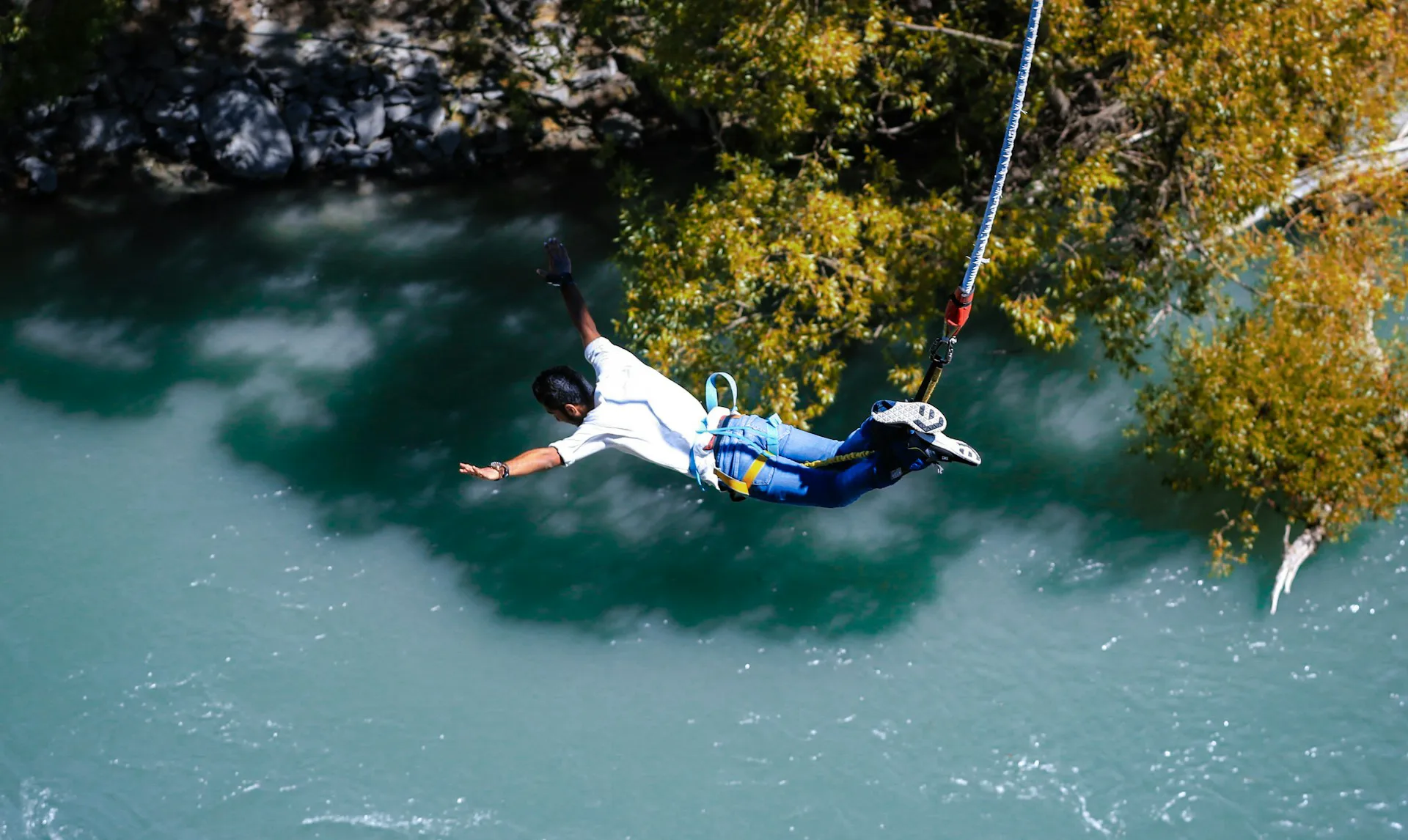
1 Day /
Expeditions
in
Nepal
Bungee Jumping
Experience thrilling bungee jumping adventures in Pokhara or Kushma with safety and excitement.
1 Day Days /
Expeditions
in
Nepal
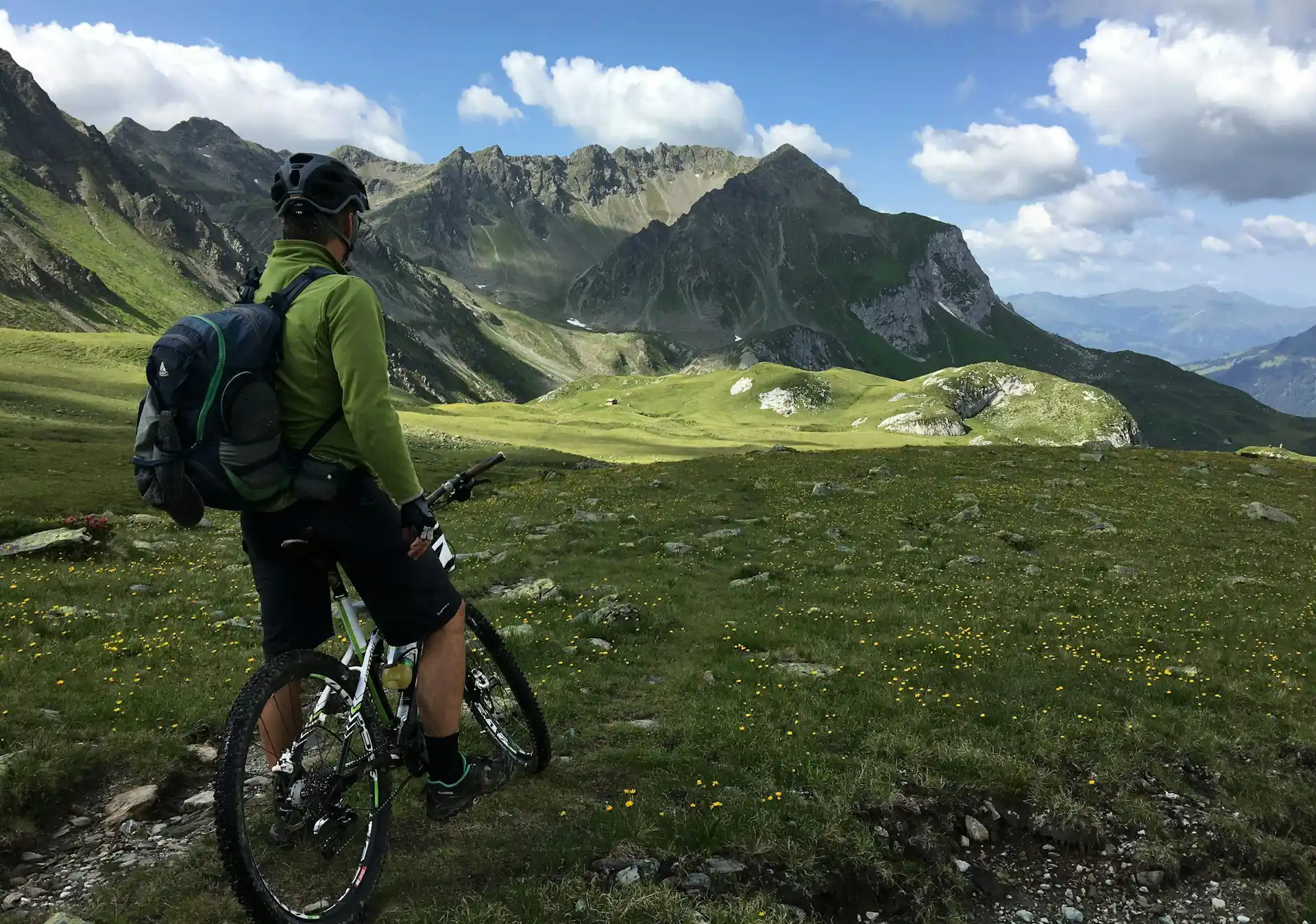
One Day Biking Trip in Kathmandu
This Kathmandu Valley biking tour offers an exciting day adventure for riders of all levels, combining scenic trails, local culture, and beautiful landscapes.