The 5-day Annapurna Base Camp trek from Pokhara is ideal for those who want a short yet meaningful Himalayan experience.
OverviewShort Annapurna Base Camp Trek from Pokhara to Pokhara- 05 days


USD 480PP
Why book with us?
- Local Guides & Porters
- 98% Success Trip Rate
- Comfort Priority and Saftey Trip
- Satisfied Client
-
Group Size Discounts
Discounts are solely based on your group size. We don’t add anyone to the group.
No. of people Price per person 1 pax USD 480 2-6 pax USD 450 7+ pax USD 420
Send Quick Email

Duration
05 Days

Max Alitiude
4,130 meters at Annapurna Base Camp

Transportation
Tourist Bus & Shared Jeep

Trip Grade
Moderate

Activity
Trekking

Start/End Point
Jhinu / Jhinu

Best Season
Spring (March–May) & Autumn (September–November)

Meals
Full board during trek (Breakfast, Lunch, Dinner)

Accommodation
Hotels in Pokhara, Teahouses during trek
Trip Overview
The 5-day short Annapurna Base Camp trek from Pokhara is ideal for those who want a short yet meaningful Himalayan experience. Even with limited time, this trek brings you close to the mountains and lets you experience the true feeling of trekking in Nepal.
Although the trip is fast-paced, there is something new to see every day, from verdant woods and peaceful villages to expansive mountain vistas. Natural beauty, clean mountain air, and the thrill of going high into the Himalayas in a matter of days are all part of this easy yet fulfilling journey.
Short Annapurna Base Camp Trek overview
This short ABC trek from Pokhara is best suited for moderately fit trekkers who are comfortable walking for several hours each day. Even though the duration is short, the experience is complete. You start from lower elevations with green hills, farmland, and forests, and quickly move into high alpine terrain surrounded by snow-covered peaks. The entire trek takes place within the Annapurna Conservation Area, Nepal’s largest protected area, known for its rich biodiversity and beautiful landscapes.
The trip starts with a scenic drive to Jhinu Danda. Jhinu Danda is a popular quiet stop and the starting point of the trek. From here, the trail ascends through quiet villages and forested areas.
Continuing the walk, you’ll pass through familiar stops like Sinuwa, Bamboo, and Deurali. The surroundings will feel peaceful and natural as you walk through rhododendron and bamboo forests. Along the way, you’ll also cross small streams and suspension bridges.
Later, you will reach the Machapuchare Base Camp, one of the highlights of the whole trek. Here, the landscape opens into a wide glacial valley, and the mountains suddenly feel very close. The environment changes noticeably, trees disappear, the air becomes cooler, and towering peaks surround you.
From there, you continue the trek toward Annapurna Base Camp, the final destination of the trek. Upon reaching ABC, standing at the foot of the towering peak, is an unforgettable experience. You are surrounded by a natural amphitheater of mountains, including Annapurna I (8,091m) and Machapuchare. The 360-degree mountain views, especially during sunrise, are truly breathtaking.
On the way back, you return to Jhinu Danda, where you can relax in the natural hot springs by the river. This will obviously help you relax your tired muscles.
This trek from Pokhara is moderate, but it could be more than moderate as you have to complete the whole trek in just 5 days. It includes long walking days, uphill climbs, and increasing altitude, so a good level of fitness is important. However, it does not require any technical skills, making it accessible to most prepared trekkers.
Trip Highlights
- Trek to the iconic Annapurna Base Camp (4,130m) in just 5 days
- Enjoy stunning panoramic views of Annapurna I, Machhapuchhre, and surrounding Himalayan peaks.
- Witness a breathtaking sunrise over the Annapurna range from base camp.
- Walk through beautiful rhododendron and bamboo forests inside the Annapurna Conservation Area.
- Relax in natural hot springs at Jhinu after completing the trek.
When to visit
J
F
M
A
M
J
J
A
S
O
N
D
- Average time to visit
- Best time to visit
- Good time to visit
Outline Itinerary
- Day 01: Drive to Jhinu trek start point and trek to Sinuwa.
- Day 02: Trek to Deurali.
- Day 03: Trek to Annapurna Base Camp.
- Day 04: Trek Back to Bamboo.
- Day 05: Trek to Jhinu and drive to Pokhara by sharing a jeep
Trip Itinerary
-
Day 01
Drive to Jhinu trek start point and trek to Sinuwa.
The trip starts with a 3-hour drive from Pokhara to Jhinu Danda. The road passes through small villages, farmland, and river valleys. Some sections may be rough, but overall, it’s a straightforward drive.
From Jhinu, you will start trekking, crossing a suspension bridge over the Modi River. After that, the trail gradually climbs through forested areas, with stone steps and shaded paths. You’ll walk through a few small settlements along the way.
The trek to Sinuwa takes about 4 hours at a steady pace. Sinuwa is a quiet stop with basic teahouses.
Overnight in Sinuwa.
-

Max. Altitude: 2,360m (7,740 feet)
-

Accommodation: Teahouse or Lodge
-
Meals: Breakfast, Lunch, Dinner
-
Drive duration: 3 hours’ drive
-

Trek Duration: 4 hours trek
-
-
Day 02
Trek to Deurali.
Today is a longer trekking day. The trail first goes down to Bamboo, then continues uphill through the forest for most of the day.
You’ll pass through places like Dovan and Himalaya, where there are teahouses for rest and meals. The path is mostly along the river valley, with a mix of gradual climbs and steeper sections.
As you get closer to Deurali, the surroundings become less forested and more open. The temperature also drops slightly as you gain altitude.
Overnight in Deurali.
-
Max. Altitude: 3,230m (10,600 feet)
-
Accommodation: Teahouse or Lodge
-
Meals: Breakfast, Lunch, Dinner
-
Trek Duration: 7-8 hours trek
-
-
Day 03
Trek to Annapurna Base Camp.
Today, you will start early as you should reach the Annapurna Base Camp before sunset. You will pass through Machhapuchhre Base Camp (MBC). Here, you’ll feel surrounded by towering snow-covered peaks. The sacred Machhapuchhre (Fishtail Mountain) dominates the skyline with its distinctive shape.
From MBC, the path gently climbs toward Annapurna Base Camp. As you walk, you’ll enter a natural amphitheater of mountains, with peaks like Annapurna I rising all around you.
Reaching Annapurna Base Camp at 4,130 meters is a truly special moment. The panoramic views are breathtaking, with snowy peaks in every direction, glaciers nearby, and a sense of being in the heart of the Himalayas.
Overnight in Annapurna Base Camp.
-
Max. Altitude: 4,130m (13,550 feet)
-
Accommodation: Teahouse or Lodge
-
Meals: Breakfast, Lunch, Dinner
-
Trek Duration: 5-6 hours trek
-
-
Day 04
Trek Back to Bamboo.
Today, you will wake early before sunrise. As the sun slowly rises, soft golden light begins to touch the peaks. Gradually, the snow-covered mountains reflect this light, turning shades of gold and warm orange.
The change happens gently over a few minutes, making the whole landscape feel calm and still. With clear weather, the surrounding peaks become sharp and bright, offering one of the best views of the trek.
After spending some time enjoying the morning, you return to the lodge for breakfast before starting your descent.
You then follow the same route back, passing through Machhapuchhre Base Camp and Deurali. The trail is mostly downhill.
Overnight in Bamboo.
-
Max. Altitude: 2,310 meters (7,579 feet)
-
Accommodation: Teahouse / Lodge
-
Meals: Breakfast, Lunch, Dinner
-
Trek Duration: 6-7 hours trek
-
-
Day 05
Trek to Jhinu and drive to Pokhara by sharing a jeep
After breakfast, you begin your final day of trekking. You will head down toward Jhinu. The trail mostly descends through forested paths and stone steps, with a few short uphill sections along the way. As you go lower, the air becomes warmer and the surroundings greener again.
Once you reach Jhinu, you have the option to visit the nearby natural hot springs, located about 15–20 minutes downhill from the village. It can be a relaxing stop if you have time before your drive.
Later, you take a shared jeep back to Pokhara.
Overnight in Pokhara.
-
Max. Altitude: 2,310 meters (7,579 feet)
-
Accommodation: Standard Hotel
-
Meals: Breakfast, Lunch, Dinner
-
Drive duration: 3-4 hours’ drive
-
Trek Duration: 5-6 hours trek
-


Trip notes
The ABC trek involves daily walking on stone steps and uphill trails, so a steady pace is important. Weather can change quickly at higher elevations, so carry warm layers and a rain jacket at all times.
As you go higher, accommodation becomes more basic with simple rooms and limited facilities. Stay hydrated and take it slow to adjust to altitude, especially near MBC and ABC.
Wi-Fi and charging are available in many teahouses, but may be slow or cost extra. Carry enough Nepali cash, as there are no ATMs on the route. Starting early each day helps avoid bad weather and gives clearer mountain views.
Cost Includes
Transportation
- Private transportation to the trek starting point (Jhinu)
- Public jeep transportation from the trek ending point (Jhinu)
Accommodation & Meals
- Teahouse and lodge accommodation throughout the trekking duration on a sharing basis
- Full board meals during the trek: Breakfast, Lunch, and Dinner (one main course as per menu)
- Tea/Coffee: 3 cups per person per day
- Complimentary seasonal fresh fruits served every evening during the trek
Trekking Guide & Support
- Certified and experienced English-speaking trekking guide
- Guide’s salary, insurance, food, lodging, and transportation
- Assistant guide for groups of 7 or more trekkers
- Duffle bag provided for every trekker (carried by porter if hired)
- Secure luggage storage facility at Silver Moon Adventure Trek office in Kathmandu or hotel during the trek
Permits & Fees
- Annapurna Conservation Area Project (ACAP) permit
- All necessary entry permits
- Local fees, government taxes, and company service charges
Safety & Trekking Equipment
- Comprehensive first-aid kit with digital oximeter for oxygen monitoring at higher elevations
- Emergency rescue and medical evacuation arrangement if required (cost covered by travel insurance)
- Sleeping bag and down jacket provided during the trek (to be returned after completion)
- Water purification tablets provided daily for safe drinking water
Complimentary Services
- Complimentary Silver Moon Adventure Trek cap and T-shirt (if required)
- Nepal Telecom SIM card with 10 GB data valid for 28 days
Cost Excludes
International Travel & Visa
- International flights to and from your home country or next destination
- Nepal entry visa fees (payable upon arrival at Tribhuvan International Airport, Kathmandu)
Insurance & Emergency Costs
- High-altitude trekking insurance (covering up to 5,500 meters) with emergency medical helicopter evacuation coverage
Personal Expenses
- Personal expenditures such as souvenirs, laundry, personal trekking gear, and snacks
- Alcoholic drinks, soft drinks, bottled mineral water, and specialty coffees
- Hot shower during the trek
- Internet and battery charging expenses during the trek
Tips & Additional Service
- Tips and gratuities for trekking guides and porters
- Extra expenses resulting from itinerary changes or unforeseen delays
- Any services or items not explicitly mentioned in the Cost Includes section
Gears and Equipment
You are seeing the list of gears and equipment needed for this trip. Please check the items carefully and make sure you pack everything required for the journey.
The equipment may vary depending on the weather, location, altitude, and activities included in the itinerary. Some special gear may be provided or available for rent if needed.

Head & Face Protection
- Sun cap or hat
- Warm beanie (wool/fleece)
- Neck gaiter/buff
- UV-protection sunglasses (Category 3 or 4)
- Headlamp with spare batteries

Upper Body Clothing (Layer System)
- Moisture-wicking base layer (2–3 sets)
- Fleece or light warm mid-layer
- Insulated down jacket (cold-weather essential)
- Waterproof + windproof outer shell jacket
- Quick-dry trekking t-shirts

Lower Body Clothing
- Trekking pants (lightweight, stretchable)
- Thermal base layer leggings
- Waterproof rain pants

Backpack & Carrying Gear
- Main backpack (40–50L) with rain cover
- Daypack (optional if using porter)
- Dry bags / plastic bags for organization

Footwear & Socks
- Waterproof trekking boots (ankle support, broken-in)
- Camp shoes/sandals
- Warm trekking socks (2–4 pairs)
- Liner socks (blister prevention)

Hand Protection
- Lightweight inner gloves
- Warm insulated gloves (preferably waterproof)

Trekking Essentials
- Trekking poles
- Reusable water bottles (2–3L total) or hydration bladder
- Sleeping bag (-5°C to -10°C comfort rating)
- Power bank (10,000–20,000 mAh)
- First aid kit (basic medicines + blister care)
- Water purification tablets or filter

Hygiene & Personal Care
- Sunscreen (high SPF)
- Lip balm with SPF
- Wet wipes
- Hand sanitizer
- Quick-dry towel
- Toilet paper/tissues
- Toothbrush & basic toiletries

Seasonal Add-ons (Only if needed)
- Winter / High Altitude Treks
- Thicker down jacket
- Warmer sleeping bag (-15°C recommended)
- Microspikes (icy trails)
- Monsoon Season
- Extra rain covers or poncho
- Quick-dry everything
- Waterproof shoe protection

Extra Useful Items
- Snacks/energy bars/electrolytes
- Cash (Nepalese rupees only in most places)
- Phone + camera + charger cables
- Zip-lock bags / dry bags
- Small notebook (optional)
- Earplugs (useful in teahouses)
Trip Map

Altitude in:
Additional information
Ad ons
One porter is provided for every two trekkers at a cost of 140 USD, with a maximum weight allowance of 24 kg (12 kg per person).

Starts from
USD 69
1 Day Pokhara Paragliding Adventure
Experience the thrill of flying above one of Nepal’s most beautiful destinations with our 1 Day Pokhara Paragliding Adventure....
Duration:
1 days
Max altitude:
1,600 m (Sarangkot)
Starts from
USD 79
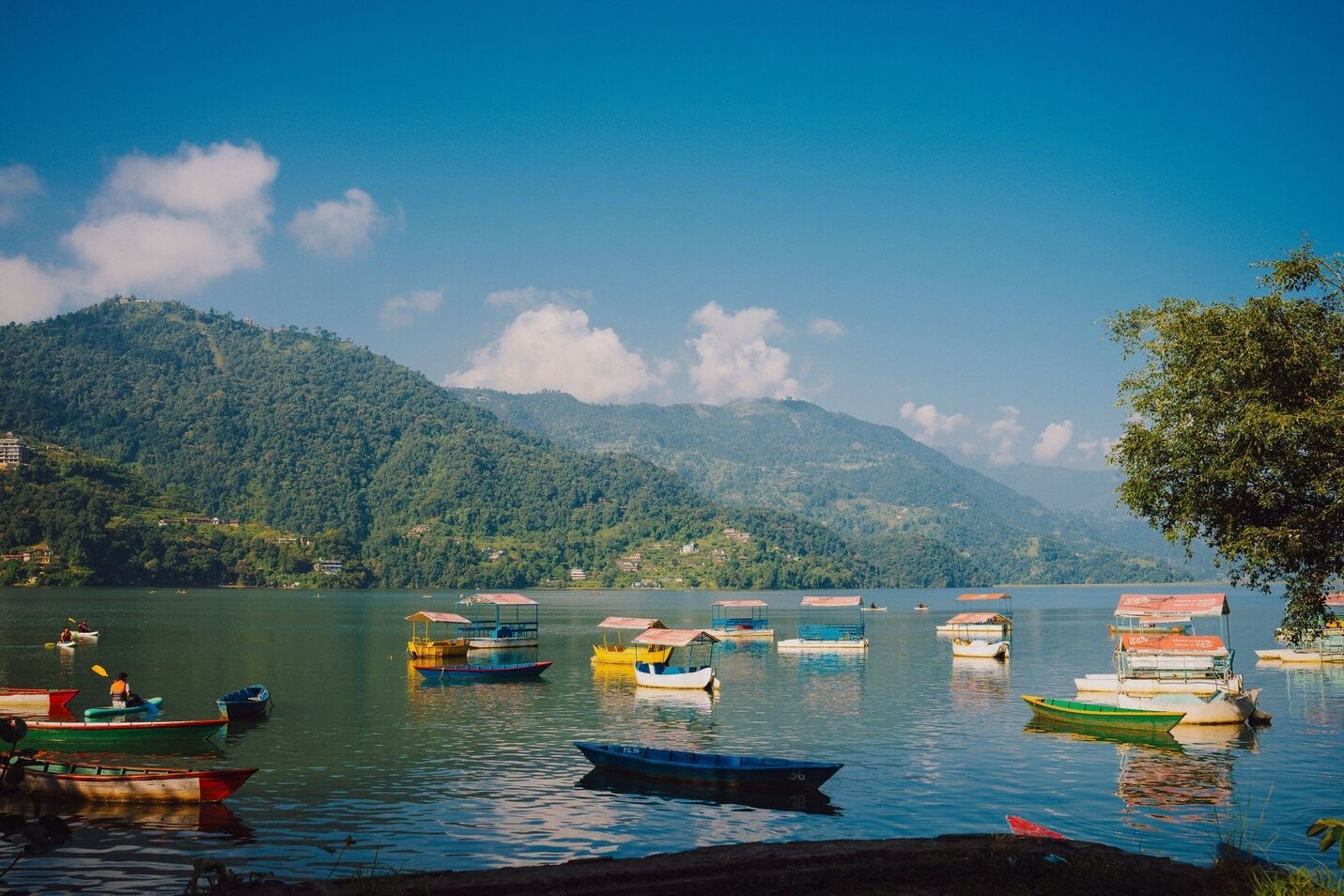
Pokhara Day Tour-1 Day
Pokhara is one of Nepal’s most beautiful travel destinations, famous for its peaceful lakes, Himalayan views, natural wonders, and...
Duration:
1 days
Max altitude:
1,500m
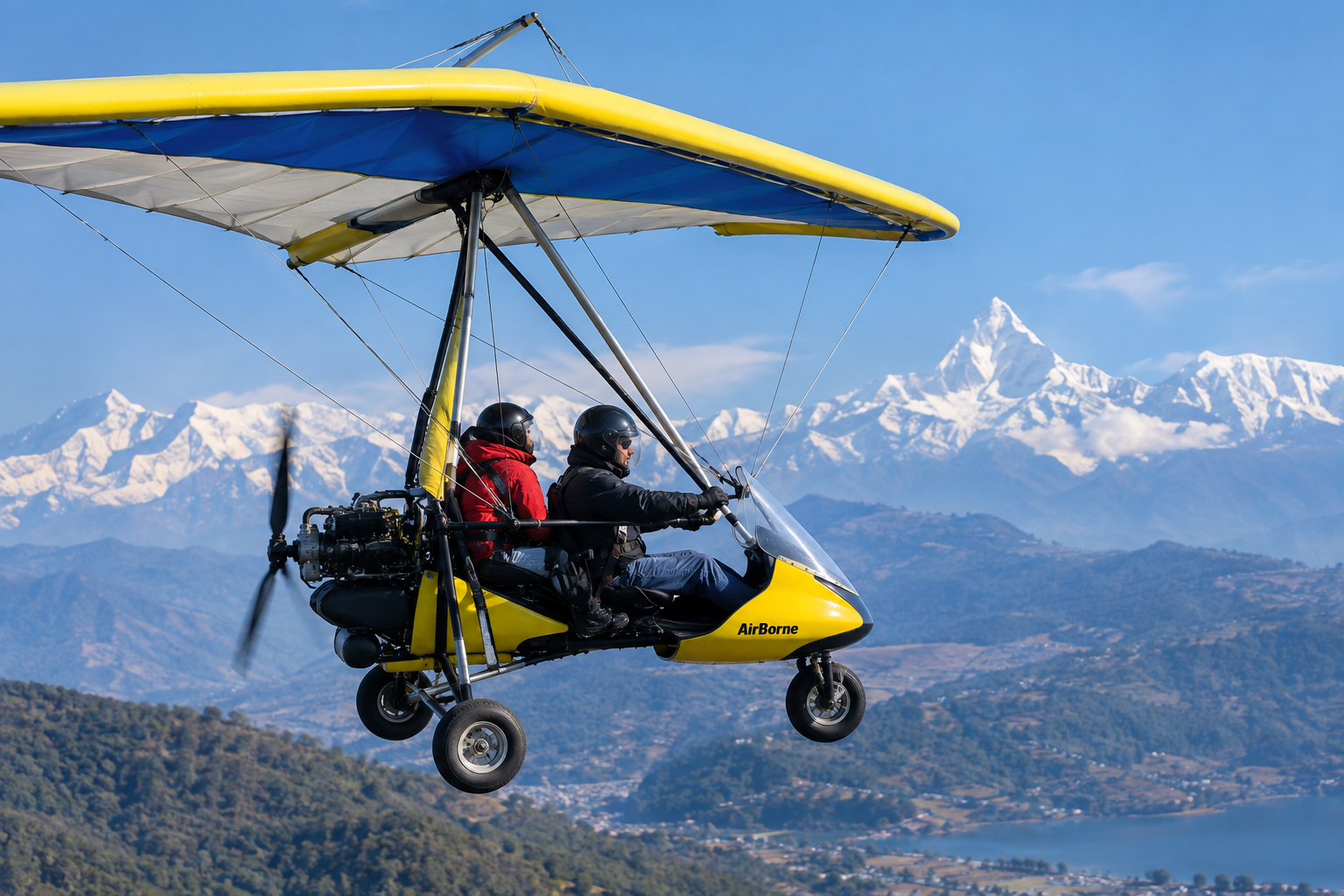
Ultra Light Flight – 1 Day Pokhara
Experience the thrill of flying above the beautiful city of Pokhara with our 1 Day Ultra Light Flight in...
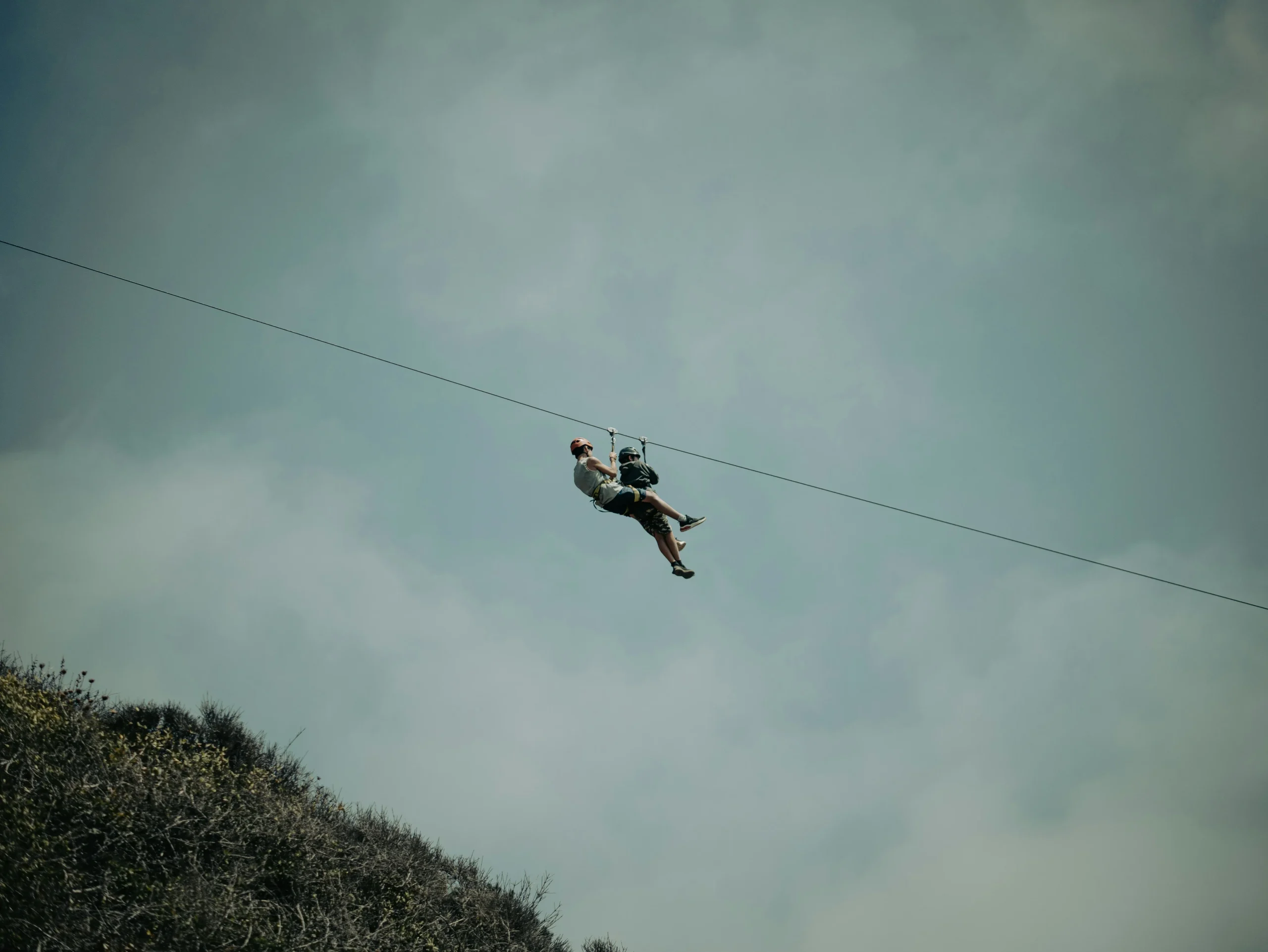
Zipline in Pokhara
Zipline in Pokhara is an unforgettable adventure activity that offers a perfect combination of thrill, speed, and breathtaking natural...
Duration:
1 days
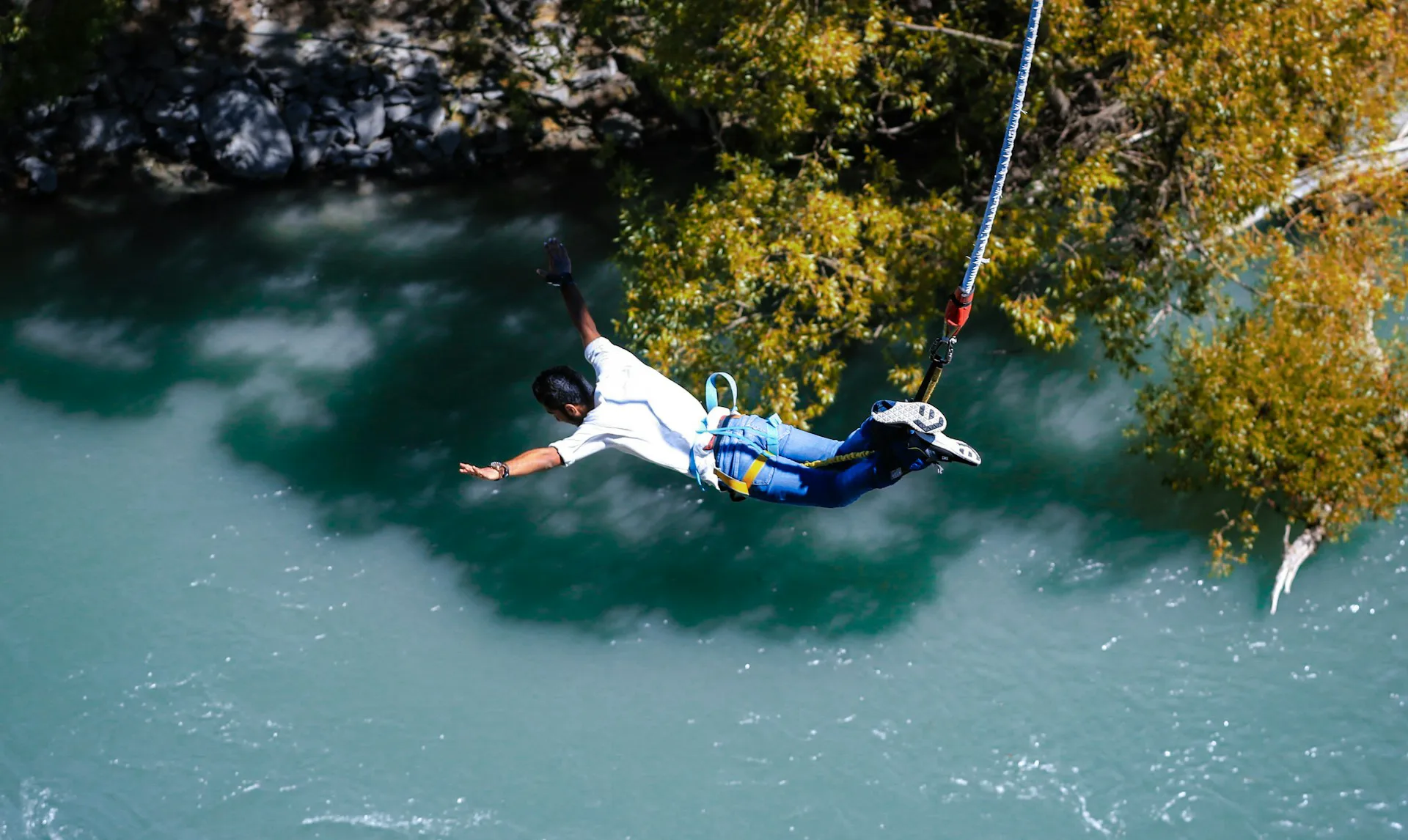
Bungee Jumping
Nepal is not only famous for its mountains and trekking adventures but also offers thrilling activities for adventure lovers....
Duration:
1 days
Trekking Permits and Documentation
The trek takes place inside the Annapurna Conservation Area, so you need the required Annapurna Conservation Area Permit (ACAP). The package includes the permit, depending on the current itinerary.
Carry a copy of your passport and a few passport-sized photographs or digital copies when traveling in Nepal. It is also useful to keep your travel insurance details and emergency contact information easily accessible.
Your guide can assist with the necessary trekking documentation and local procedures before and during the trek.
Understanding the Five-Day Trek
The biggest difference between this itinerary and a longer Annapurna Base Camp trek is the pace. You cover the same major mountain environment in fewer days, which means several walking days are relatively long.
The itinerary includes around 4 hours of walking on the first trekking day, around 7–8 hours on the second day, around 5–6 hours to reach ABC, and another 6–7 hours while descending toward Bamboo. The final trekking day involves approximately 5–6 hours of walking before the drive back to Pokhara.
Because of this schedule, you should be comfortable with consecutive days of walking.
Preparing Physically for the Trek
You do not need previous mountaineering or technical climbing experience for this trek, but good physical preparation will make the experience much more enjoyable.
Before arriving in Nepal, try to include regular walking, hiking, stair climbing, or other cardiovascular activities in your routine. Focus especially on building endurance rather than only short bursts of intense exercise.
During the trek, avoid walking too quickly. A comfortable, consistent pace is more useful than rushing ahead and getting exhausted early in the day.
Accommodation Along the Trail
Accommodation during the trek is in local teahouses or lodges. Rooms are generally simple and designed primarily for comfort and rest after a long day of walking.
As you move higher toward ABC, facilities become more basic. Rooms may be simple, and bathroom facilities can be shared, particularly at higher elevations.
The package includes teahouse and lodge accommodation during the trekking portion, while the final night is in a standard hotel in Pokhara according to the current itinerary.
Food and Drinking Water
Meals are provided on a full-board basis during the trek, with breakfast, lunch, and dinner included. Typical menus can include dal bhat, noodles, fried rice, pasta, potatoes, soup, eggs, pancakes and other local or simple international dishes.
Vegetarian meals are generally available at teahouses along the route.
For drinking water, use boiled or properly purified water rather than untreated tap or stream water. The package provides water purification tablets, and you should carry enough capacity to hold around 2–3 liters of water.
What to Pack
Because this is a short trek, you do not need to carry an unnecessarily large amount of luggage. However, you should be prepared for both warm lower elevations and cold conditions around ABC.
Important items include:
- Broken-in waterproof trekking boots
- Warm trekking socks
- Lightweight trekking trousers
- Thermal layers
- Fleece or warm mid-layer
- Down or insulated jacket
- Waterproof and windproof jacket
- Warm hat and gloves
- Sunglasses with UV protection
- Sunscreen and lip balm
- Headlamp with spare batteries
- Trekking poles
- Reusable water bottles or hydration bladder
- Small first-aid and blister-care kit
- Personal medication
- Power bank
- Dry bags or waterproof covers
- Quick-dry towel and basic toiletries
- Small amount of Nepalese cash
Silver Moon Adventure provides a sleeping bag and down jacket for the trek, according to the current package information.
Porter and Luggage
A porter can make this short but demanding trek much more comfortable by carrying your main luggage while you walk with a lighter daypack.
If you use a porter, keep important personal items such as documents, medication, water, camera equipment, and valuables with you.
The package also includes a duffle bag if needed, and luggage storage is available in Kathmandu, depending on the current package details.
Electricity, Wi-Fi and Mobile Network
Connectivity becomes less reliable as you move higher into the Annapurna Sanctuary.
Many teahouses provide Wi-Fi and charging facilities, but the connection can be slow and charging may involve an additional fee. Mobile coverage is available in parts of the route, although the signal can weaken in higher sections and around Annapurna Base Camp.
A power bank is strongly recommended, especially if you plan to use your phone for navigation, photography, or communication.
The current package also includes a Nepal Telecom SIM card with 10 GB of data valid for 28 days.
Money and Personal Expenses
There are no reliable ATMs along the trekking route, so carry enough Nepalese cash before leaving Pokhara.
You may need additional money for items such as hot showers, Wi-Fi, charging, snacks, drinks, personal purchases, or other services not included in the package.
Keeping some smaller denominations is useful for purchases in mountain villages.
Travel Insurance and Emergency Support
Travel insurance is an important part of preparing for this trek. Your policy should specifically cover high-altitude trekking and emergency medical evacuation.
The current package recommends insurance covering trekking up to 5,500 meters and emergency helicopter evacuation. Although the trek itself reaches 4,130 meters, having appropriate coverage provides additional protection if an unexpected medical or weather-related situation occurs.
Silver Moon Adventure carries a first-aid kit and digital oximeter, and emergency rescue or medical evacuation can be arranged when required. The associated evacuation costs are to be covered by your travel insurance.
Weather and Trail Conditions
Mountain weather can change quickly, even during the recommended trekking seasons.
Spring and autumn generally offer favorable conditions, with clearer mountain views and comfortable trekking weather. However, rain, snow, fog, or sudden temperature changes can still occur.
During the monsoon, trails can become wet and slippery, while winter can bring significantly colder temperatures and snowfall around the higher sections.
A waterproof outer layer and protection for your backpack and electronics are useful regardless of the season.
Photography and Mountain Views
The Short Annapurna Base Camp Trek offers plenty of opportunities for photography.
The changing landscape is one of its biggest attractions. You can photograph green forests around the lower trail, suspension bridges, waterfalls, traditional settlements, Machhapuchhre, the alpine landscape around MBC, and the dramatic mountain amphitheater at ABC.
Early morning is usually the best time for mountain photography because visibility is often clearer before clouds build later in the day.
Remember to keep spare batteries or a power bank with you because cold temperatures can reduce battery performance.
Respecting Local Culture and Nature
The Annapurna region is home to diverse mountain communities, and the trail passes through villages where local people live and work.
Be respectful when photographing people, homes, religious spaces, or cultural activities. Ask for permission before taking close-up photographs.
Avoid leaving plastic, food wrappers, tissues, or other waste along the trail. Use designated waste facilities where available and carry small amounts of personal waste until you find an appropriate disposal point.
Responsible Trekking in the Annapurna Region
The Annapurna Conservation Area is known for its rich natural environment, forests, wildlife, rivers, and mountain landscapes.
Simple responsible-travel habits make a difference. Carry a reusable water bottle, minimize single-use plastic, avoid disturbing wildlife, stay on established trails, and respect local water sources.
Supporting local teahouses, guides, porters, and small businesses also helps distribute tourism income among communities along the trekking route.
Tipping Guides and Porters
Tipping is not generally a fixed fee, but it is a common way for trekkers to show appreciation for good service.
If your guide or porter supported you throughout the journey, you may choose to tip at the end of the trek based on the quality of service and your personal budget.
It is best to prepare some Nepalese cash before the trek rather than relying on card payments in mountain villages.
Itinerary Flexibility
A five-day trek leaves less spare time than a longer ABC itinerary, so transportation and weather can have a greater impact on the schedule.
Road conditions between Pokhara and Jhinu can change, while rain or snowfall may affect trail conditions and visibility.
Your guide may adjust the pace or daily schedule when necessary for safety and practical reasons. If you have an international flight after the trek, it is sensible to avoid scheduling it immediately after your return to Pokhara.
Best Time for the Short Annapurna Base Camp Trek
Spring (March to May) and autumn (September to November) are the main recommended seasons for this trek.
Spring brings warmer conditions and blooming rhododendrons along the lower sections, while autumn generally offers clear skies and excellent mountain visibility.
Winter is possible for experienced and well-prepared trekkers, but temperatures around ABC can become very cold and snowfall may affect the higher trail.
Monsoon trekking is also possible, but rain, slippery trails, clouds, and reduced mountain visibility can make the journey more challenging.
Who Is This Trek Suitable For?
This trek suits travelers with limited time who still want to reach Annapurna Base Camp.
It also works well for first-time trekkers with good fitness who are comfortable walking several hours each day. Previous trekking experience is helpful but not essential.
The most important thing is to understand that the shorter duration means longer, more demanding walking days than a standard ABC itinerary.
A Few Things to Keep in Mind
The Short Annapurna Base Camp Trek offers plenty of Himalayan scenery in only five days, but the compact schedule requires good preparation.
Start each day early, walk at a steady pace, drink plenty of water, and listen to your body as you gain altitude. Keep warm clothing and rain protection accessible rather than buried inside your luggage.
Most importantly, do not focus only on reaching the destination. Take time to enjoy the forests, mountain villages, rivers, changing landscapes, and quiet moments along the trail. The journey through the Annapurna Sanctuary is just as much a part of the experience as standing at Annapurna Base Camp.
FAQs for this trip
General
-
How long is the trek?
The trek takes 5 days, including transportation from Pokhara to the trailhead and back.
-
What is the highest point of the trek?
The highest point is Annapurna Base Camp (4,130 m / 13,550 ft).
-
Is this trek suitable for beginners?
Yes. The trek is suitable for beginners with good physical fitness. Since the itinerary is shorter, you’ll walk longer hours each day than on the standard Annapurna Base Camp Trek.
-
Why choose the Short Annapurna Base Camp Trek from Pokhara?
This trek is perfect for travelers who have limited time but still want to experience Annapurna Base Camp. In just five days, you’ll enjoy spectacular Himalayan views, traditional villages, rhododendron forests, and the breathtaking Annapurna Sanctuary.
Difficulty and Physical Fitness
-
How difficult is the trek?
The trek is moderate. Because the itinerary is only five days, you’ll cover longer distances each day and climb steadily to Annapurna Base Camp.
-
How many hours do we walk each day?
Expect to walk around 6 to 8 hours each day, depending on the route and your pace.
-
Do I need previous trekking experience?
No. Previous trekking experience is helpful but not required. A good level of fitness is enough for most trekkers.
-
How should I prepare for the trek?
Walking, hiking, jogging, stair climbing, or cycling for a few weeks before your trip will help improve your stamina.
-
Is the trek physically demanding?
Yes. The shorter itinerary makes this trek more physically demanding than the standard Annapurna Base Camp Trek.
Route and Itinerary
-
Where does the trek start and end?
The trek starts with a drive from Pokhara to Jhinu Danda (or Siwai, depending on road conditions) and ends with a drive back to Pokhara after the trek.
-
Do we visit Machhapuchhre Base Camp?
Yes. You’ll pass through Machhapuchhre Base Camp (3,700 m) before reaching Annapurna Base Camp.
-
Can I visit the Jhinu Danda hot springs?
Yes. If time and the itinerary allow, you can relax in the natural hot springs at Jhinu Danda before returning to Pokhara.
-
Can the itinerary be customized?
Yes. The itinerary can be adjusted based on your fitness level, available time, and travel preferences.
Accommodation
-
Where will I stay during the trek?
You’ll stay in comfortable teahouses and mountain lodges throughout the trek.
-
Are private rooms available?
Private rooms are available in many villages but may be limited at higher elevations during peak trekking seasons.
-
Are hot showers available?
Yes. Most teahouses offer hot showers for an additional fee.
-
Do I need a sleeping bag?
Yes. A warm sleeping bag is recommended, especially during spring, autumn, and winter.
Food and Drinks
-
What meals are available?
You’ll enjoy Dal Bhat, noodles, fried rice, pasta, soup, potatoes, eggs, pancakes, tea, coffee, and other local dishes.
-
Is vegetarian food available?
Yes. Vegetarian meals are available at almost every teahouse.
-
Is drinking water safe?
Drink boiled or purified water instead of untreated tap water.
-
Can I buy snacks during the trek?
Yes. Most villages have small shops selling chocolates, biscuits, energy bars, and soft drinks.
Weather and Best Time
-
When is the best time for the Short Annapurna Base Camp Trek from Pokhara?
The best seasons are spring (March to May) and autumn (September to November) when the weather is clear and the mountain views are spectacular.
-
Can I trek during winter?
Yes. Winter trekking is possible, but temperatures are much colder and snowfall may occur near Annapurna Base Camp.
-
Is the trek possible during the monsoon?
Yes. However, rain can make the trails muddy and slippery, and mountain views may be limited.
-
How cold does it get?
Temperatures around Annapurna Base Camp can fall below -10°C during winter nights.
Permits and Regulations
-
What permits are required?
You need the Annapurna Conservation Area Permit (ACAP) for this trek.
-
Are permits included in the package?
Yes. All required trekking permits are included in the package.
-
Do I need a guide?
A licensed guide is highly recommended for safety, navigation, and a more enjoyable trekking experience.
Flights and Transportation
-
How do I reach the trekking starting point?
You’ll travel by private vehicle or jeep from Pokhara to Jhinu Danda or the nearby trailhead, where the trek begins.
-
How do I return after the trek?
After completing the trek, you’ll drive back to Pokhara.
-
Are domestic flights required?
No. This trek uses road transportation only.
Equipment and Packing
-
What should I pack?
Bring trekking boots, warm layered clothing, a waterproof jacket, gloves, a warm hat, sunglasses, sunscreen, trekking poles, and a reusable water bottle.
-
Can I rent trekking gear?
Yes. Sleeping bags, down jackets, trekking poles, and other trekking equipment can be rented in Pokhara.
-
Should I bring a first-aid kit?
Yes. Carry your personal medications and a small first-aid kit.
Connectivity and Electricity
-
Is Wi-Fi available?
Yes. Many teahouses provide Wi-Fi, although the connection may be slower at higher elevations.
-
Can I charge my phone or camera?
Yes. Charging facilities are available in most teahouses, usually for an additional fee.
-
Is there mobile network coverage?
Nepal Telecom and Ncell provide coverage in many villages, but the signal may be weak near Annapurna Base Camp.
Guides and Porters
-
Is a guide included?
Yes. A professional licensed trekking guide is included in the package.
-
Can I hire a porter?
Yes. Porters are available to carry your luggage and make the trek more comfortable.
-
Why should I hire a porter?
Hiring a porter allows you to enjoy the trek with a lighter backpack while supporting the local mountain community.
Cost and Booking
-
What is included in the package?
The package generally includes transportation, accommodation, meals during the trek, trekking permits, a professional guide, and government taxes.
-
What is not included?
International flights, Nepal visa fees, travel insurance, personal expenses, drinks, Wi-Fi charges, charging fees, and tips are not included.
Photography and Experience
-
Is the Short Annapurna Base Camp Trek from Pokhara good for photography?
Yes. The trek offers incredible views of snow-capped mountains, waterfalls, rhododendron forests, traditional villages, and the breathtaking Annapurna Sanctuary.
-
Which mountains can I see?
You can enjoy spectacular views of Annapurna I, Annapurna South, Machhapuchhre (Fishtail), Hiunchuli, Gangapurna, Tent Peak, and several surrounding Himalayan peaks.
-
What makes this trek special?
The trek offers the complete Annapurna Base Camp experience in a shorter time. It combines beautiful scenery, local culture, natural hot springs, and unforgettable mountain views, making it ideal for travelers with limited time.
-
What are the highlights of the trek?
The main highlights include Annapurna Base Camp, Machhapuchhre Base Camp, Jhinu Danda Hot Springs, Chhomrong Village, rhododendron forests, Gurung culture, and panoramic Himalayan views.
Traveler Reviews
View allIt was indeed great experience with Silver Moon Adventure & Tours! The operator is friendly, very responsive, and provided clear guidance with detailed itinerary. The guide & porter we’re responsible and supportive throughout the trip. Everything was well-organised ans truly memorable. I would definitely come back again!
Juliana Lim







USD 480PP
Why book with us?
- Local Guides & Porters
- 98% Success Trip Rate
- Comfort Priority and Saftey Trip
- Satisfied Client
-
Group Size Discounts
Discounts are solely based on your group size. We don’t add anyone to the group.
No. of people Price per person 1 pax USD 480 2-6 pax USD 450 7+ pax USD 420
Send Quick Email
Similar trips
View all trips
Makalu Base Camp Trek – 20 Days
Explore the Makalu Base Camp Trek in Nepal with our 20-day Himalayan adventure package.
Royal Trek Nepal – 10 Day Trekking Package
Explore Royal Trek Nepal with Himalayan scenery, cultural sightseeing, and authentic village experiences.
Nar Phu Valley Trek
Experience remote Nar Phu Valley with Kang La Pass, culture, and Himalayan adventure.