Tsum Valley Trek is one of Nepal’s most peaceful and culturally rich Himalayan journeys that has preserved its ancient Buddhist traditions, monasteries, prayer walls, and unique lifestyle.
Tsum Valley Trek – 13 days
Why book with us?
- Local Guides & Porters
- 98% Success Trip Rate
- Comfort Priority and Saftey Trip
- Satisfied Client
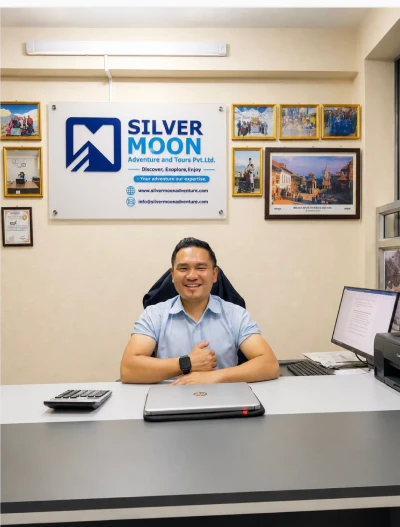
Send Quick Email

Duration
13 Days

Max Alitiude
3,700m at Mu Gompa

Transportation
Tourist Bus / Shared Jeep

Trip Grade
Moderate

Activity
Trekking

Start/End Point
Machha Khola /

Best Season
Spring (March - May) & Autumn (late September - November)

Meals
Full board during trek (Breakfast, Lunch, Dinner)

Accommodation
Hotels (Kathmandu), Teahouses during trek
Trip Overview
The Tsum Valley Trek is one of Nepal’s most peaceful and culturally rich Himalayan journeys. Tsum Valley lies close to the Tibetan border, yet it has remained isolated from the outside world for centuries. This way, it has preserved its ancient Buddhist traditions, monasteries, prayer walls, and unique lifestyle. Unlike the busy trekking routes in Nepal, Tsum Valley is calm, less crowded, and full of traditional culture that has stayed unchanged for many years.
Your trip starts in Kathmandu with a long, scenic drive to the Manaslu region. The road passes through rivers, terraced farms, small villages, waterfalls, and hillside landscapes before reaching the trek’s starting point, Machha Khola. From the very first day of walking, you begin to experience the raw beauty of the Himalayas.
The trail follows the Budhi Gandaki River and passes through forests of pine and rhododendron, along narrow paths carved into hillsides, across suspension bridges, and through traditional mountain settlements. Every day feels different as the scenery slowly shifts from green lower hills to dry, dramatic high-mountain landscapes.
As you walk higher into the valley, you pass through beautiful villages like Chumling and Chhokangparo. Here, you can see traditional stone houses, colorful prayer flags, chortens, and mani walls. The local people are friendly and lead a simple lifestyle closely connected to Tibetan Buddhism. Life in these villages is peaceful, and many old traditions are still followed today.
One of the best parts of the trek is the valley’s calm, spiritual atmosphere. Along the trail, you hear rivers flowing, prayer wheels spinning, and monastery bells echoing through the mountains. You also visit ancient monasteries and important Buddhist sites. The valley is connected to the famous Buddhist saint Milarepa, and many caves in the area are believed to have been used for meditation hundreds of years ago.
As you continue the journey, you will see even more beautiful mountain views. Huge peaks such as Ganesh Himal, Sringi Himal, Boudha Himal, and Himalchuli rise above the valley, making the trek even more exciting. You will also visit Mu Gompa, the region’s largest monastery. The quiet surroundings, mountain views, and peaceful feeling make this place one of the best parts of the trek.
Tsum Valley Trek overview
The Tsum Valley Trek is perfect if you want to enjoy nature and local culture away from busy trekking routes. The trails are quiet, the villages are traditional, and you can experience the simple lifestyle of the Himalayan people.
This 13-day trek gives you more than just mountain views. You can enjoy beautiful scenery, learn about Tibetan Buddhist culture, meet friendly locals, and explore peaceful villages. The Tsum Valley Trek is a great choice if you want a calm and unforgettable Himalayan adventure.
Trip Highlights
- Explore the hidden and sacred Tsum Valley region.
- Experience authentic Tibetan Buddhist culture and lifestyle.
- Visit ancient monasteries and explore the spiritual atmosphere of Mu Gompa.
- Walk through remote Himalayan villages untouched by modernization.
- Enjoy breathtaking mountain views of Ganesh Himal, Sringi Himal, and Boudha Himal.
- Trek along scenic trails filled with forests, rivers, suspension bridges, and deep valleys.
- Discover traditional mani walls, chortens, and prayer flags along the route.
- Stay in local teahouses and experience warm mountain hospitality
- Trek through peaceful trails with fewer crowds compared to the Everest or Annapurna regions.
- Day to Day Itinerary:
When to visit
J
F
M
A
M
J
J
A
S
O
N
D
- Average time to visit
- Best time to visit
- Good time to visit
Outline Itinerary
- Day 01: Arrive at Tribhuwan International Airport and transfer to the hotel.
- Day 02: Drive from Kathmandu to Machha Khola by public bus.
- Day 03: Trek to Jagat.
- Day 04: Trek to Lokpa.
- Day 05: Trek to Chumling.
- Day 06: Trek to Chekampar (also called Chokhangparo).
- Day 07: Trek to the Nile.
- Day 08: Day Trip to Mu Gompa. Overnight, if possible, or return to the Nile.
- Day 09: Trek to Chumling from Nile or Mu Gompa.
- Day 10: Trek to Philim.
- Day 11: Trek to Machha Khola.
- Day 12: Drive to Kathmandu.
- Day 13: Departure
Trip Itinerary
-
Day 01
Arrive at Tribhuwan International Airport and transfer to the hotel.
Upon arrival at Tribhuvan International Airport, our representative will meet you and transfer you to your hotel in Kathmandu. During the short drive to your hotel, you will get your first look at the busy streets, temples, colorful markets, and daily life of the capital city.
After checking into the hotel, you can rest. If you arrive early, you may explore the lively streets of Thamel, a popular tourist area filled with cafés, restaurants, trekking shops, and local handicrafts.
Overnight in Kathmandu.
-

Max. Altitude: 1,400m (4,600 feet)
-

Accommodation: 3-star Hotel
-
Meals: Dinner
-
-
Day 02
Drive from Kathmandu to Machha Khola by public bus.
Your adventure begins with an early morning drive from Kathmandu toward the Manaslu region. The road first follows smooth highways beside rivers, green hills, terraced farms, and small villages.
After passing through Dhading and Arughat, the road becomes rough and more adventurous. The drive follows the Budhi Gandaki River through narrow mountain roads with beautiful views of waterfalls, forests, and local settlements along the way.
You will stop several times for tea breaks, lunch, and short rests before finally reaching Machha Khola, a small village beside the river. The peaceful surroundings and mountain atmosphere make it a relaxing place to spend the night before starting the trek.
Overnight in Machha Khola.
-
Max. Altitude: 869m (2,851 feet)
-
Accommodation: Teahouse / Lodge
-
Meals: Breakfast, Lunch, Dinner
-
Drive duration: 6-7 hours’ drive
-
-
Day 03
Trek to Jagat.
Today, you walk along both uphill and downhill trails. After breakfast, the trek officially begins. The trail follows the Budhi Gandaki River through forests, rocky paths, and small villages. The sound of flowing rivers and waterfalls accompanies much of the walk.
You cross several suspension bridges decorated with colorful prayer flags while passing through villages such as Khorlabesi and Tatopani. Depending on trail conditions and time, you may stop near the natural hot springs at Tatopani.
As you continue deeper into the valley, the landscape becomes more dramatic with cliffs and narrow river gorges.
By afternoon, you reach Jagat, a beautiful stone-paved village with traditional houses and mountain scenery. Jagat also serves as the official entry checkpoint for the restricted Manaslu region.
Overnight in Jagat.
-
Max. Altitude: 1,340m (4,396 feet)
-
Accommodation: Teahouse or Lodge
-
Meals: Breakfast, Lunch, Dinner
-

Trek Duration: 7-8 hours trek
-
-
Day 04
Trek to Lokpa.
Today, the trail climbs gradually through terraced hillsides and traditional mountain villages. You pass through Salleri, Sirdibas, and Philim, one of the largest villages in the region.
Philim is a beautiful Gurung village known for its stone houses, cultivated fields, and peaceful surroundings. From here, the route leaves the main Manaslu Circuit trail and enters the hidden Tsum Valley.
After crossing a suspension bridge over the Budhi Gandaki River, you walk through pine and rhododendron forests. The trail becomes quieter, with fewer trekkers, offering a peaceful, remote trekking experience.
As you continue toward Lokpa, you begin to notice the region’s strong Buddhist culture through mani walls, prayer flags, and chortens along the trail.
Lokpa is the first village inside Tsum Valley and offers beautiful views of the surrounding hills and forests.
Overnight in Lokpa.
-
Max. Altitude: 2,240m (7,349 feet)
-
Accommodation: Teahouse or Lodge
-
Meals: Breakfast, Lunch, Dinner
-
Trek Duration: 7-8 hours trek
-
-
Day 05
Trek to Chumling.
The trail descends through forests before crossing the Siyar Khola on a suspension bridge. The scenery today is peaceful with waterfalls, pine forests, rocky cliffs, and beautiful mountain landscapes.
As you continue deeper into the valley, the Tibetan Buddhist influence becomes stronger. Along the route, you will see prayer wheels, mani stones, monasteries, and traditional houses built from stone and wood.
The trail gradually climbs toward Chumling, a charming village located beneath the Shingri Himal range.
After reaching Chumling, you can explore the village and visit the local monastery. The peaceful environment and traditional lifestyle make this one of the most memorable villages of the trek.
Overnight in Chumling.
-
Max. Altitude: 2,386m (7,828 feet)
-
Accommodation: Teahouse or Lodge
-
Meals: Breakfast, Lunch, Dinner
-
Trek Duration: 5-6 hours trek
-
-
Day 06
Trek to Chekampar (also called Chokhangparo).
Today’s trek offers some of the best mountain views of the journey. After breakfast, the trail crosses suspension bridges and climbs steadily through traditional villages and cultivated farmland.
As the altitude increases, the valley widens, and the mountain scenery becomes more impressive. Snow-capped peaks, including Ganesh Himal and Himalchuli, can be seen clearly on clear days.
You will pass through small villages and explore local people still following ancient Tibetan Buddhist traditions. The prayer flags, chortens, and mani walls lining the trail have created a peaceful spiritual atmosphere throughout the valley.
By afternoon, you arrive at Chokhangparo, also known as Chekampar, a beautiful twin village located on a high plateau. The village offers incredible panoramic views of the surrounding Himalayas.
The sunset and sunrise views from here are especially beautiful during clear weather.
Overnight in Chekampar.
-
Max. Altitude: 3,031m (9,944 feet)
-
Accommodation: Teahouse or Lodge
-
Meals: Breakfast, Lunch, Dinner
-
Trek Duration: 6-7 hours trek
-
-
Day 07
Trek to the Nile.
Today, the landscape changes as you move into the upper part of Tsum Valley. The vegetation becomes thinner and the surroundings more rugged and dry.
The trail passes through Lamagaon and leads to Milarepa Cave, an important spiritual site where the famous Tibetan saint Milarepa is believed to have meditated.
Along the way, you will pass yak pastures, traditional Tibetan-style villages, and ancient monasteries. The views of the surrounding mountains and open valley are spectacular.
Eventually, you arrive at Nile, one of the last villages before the Tibetan border. The village is small, peaceful, and deeply connected to Tibetan Buddhist culture.
Overnight in Jagat.
-
Max. Altitude: 3,361m (11,026 feet)
-
Accommodation: Teahouse or Lodge
-
Meals: Breakfast, Lunch, Dinner
-
Trek Duration: 6-7 hours trek
-
-
Day 08
Day Trip to Mu Gompa. Overnight, if possible, or return to the Nile.
Today is one of the major highlights of the trek. After breakfast, you hike toward Mu Gompa, the largest and most important monastery in Tsum Valley.
The trail climbs slowly through open alpine landscapes, with beautiful views of the surrounding mountains and valleys. The high altitude and peaceful surroundings create a special Himalayan experience.
Mu Gompa is located near the Tibetan border and is an important center for Buddhist learning and meditation. The monastery is home to monks and holds ancient religious objects and prayer halls.
You will have time to explore the monastery, observe the local spiritual lifestyle, and enjoy the quiet atmosphere of this remote Himalayan location.
Depending on weather conditions and accommodation availability, you may stay overnight near Mu Gompa or return to the Nile.
Overnight in Mu Gompa.
-
Max. Altitude: 3,700m (12,139 feet)
-
Accommodation: Teahouse or Lodge
-
Meals: Breakfast, Lunch, Dinner
-
Trek Duration: 7-8 hours trek
-
-
Day 09
Trek to Chumling from Nile or Mu Gompa.
After breakfast, the trail descends back through the peaceful villages and landscapes of Tsum Valley. Walking downhill makes the day easier and allows more time to enjoy the scenery.
You pass through Chokhangparo once again and continue through forests, riverside trails, and traditional settlements before reaching Chumling.
The lower altitude and warmer temperatures make the evening comfortable and relaxing after several days in the higher valley.
Overnight in Chumling.
-
Max. Altitude: 2,386m (7,828 feet)
-
Accommodation: Teahouse or Lodge
-
Meals: Breakfast, Lunch, Dinner
-
Trek Duration: 5-6 hours trek
-
-
Day 10
Trek to Philim.
Today, you leave the hidden Tsum Valley and return to the main Manaslu route. The trail passes through forests, suspension bridges, waterfalls, and riverside paths.
You walk through Lokpa before continuing toward Philim. Philim is a large Gurung village known for its traditional culture and beautiful terraced farmland surrounded by green hills. After several days in remote alpine terrain, the greener landscape feels refreshing and relaxing.
Overnight in Philim.
-
Max. Altitude: 1,570m (5,150 feet)
-
Accommodation: Teahouse / Lodge
-
Meals: Breakfast, Lunch, Dinner
-
Trek Duration: 6-7 hours trek
-
-
Day 11
Trek to Machha Khola.
Today is the final day of trekking on the journey. The trail follows the Budhi Gandaki River through villages, forests, and rocky mountain paths.
You cross several suspension bridges and pass through Jagat, Tatopani, and Khorlabesi before finally reaching Machha Khola.
The walk is filled with beautiful river scenery and peaceful mountain landscapes. Many trekkers spend the day reflecting on the unforgettable experiences, cultural encounters, and mountain views enjoyed throughout the trek.
After arriving at Machha Khola, you can relax and celebrate the successful completion of your Himalayan adventure.
Overnight in Machha Khola.
-
Max. Altitude: 869m (2,851 feet)
-
Accommodation: Teahouse / Lodge
-
Meals: Breakfast, Lunch, Dinner
-
Trek Duration: 6-7 hours trek
-
-
Day 12
Drive to Kathmandu.
After breakfast, you drive back to Kathmandu. The journey passes along rivers, forests, hills, and local villages before joining the main highway leading to the capital city.
Although the drive can be long and bumpy in some sections, it offers one final opportunity to enjoy Nepal’s beautiful countryside scenery.
Upon arrival in Kathmandu, you will transfer to your hotel. The rest of the day is free for shopping, sightseeing, or relaxing after the trek.
In the evening, you may enjoy a farewell dinner with your trekking team and celebrate the completion of your journey.
Overnight in Kathmandu.
-
Accommodation: 3-star Hotel
-
Meals: Breakfast, Lunch, Dinner
-
Drive duration: 7-8 hours’ drive
-
-
Day 13
Departure
Today, your Tsum Valley Trek comes to an end. Depending on your flight schedule, our representative will transfer you to Tribhuvan International Airport for your final departure.
You return with unforgettable memories of peaceful Himalayan villages, ancient monasteries, beautiful mountain trails, and the warm hospitality of the local people.
-
Meals: Breakfast
-


Cost Includes
- Airport picks up and drops off.
- All necessary trekking permits (Manaslu Restricted Area Permit, Manaslu Conservation Area Permit, Annapurna Conservation Area Permit, Tsum Valley Restricted Area Permit, TIMS, or equivalent).
- Hotel accommodation in Kathmandu (twin sharing)
- Teahouse/Lodge accommodation during the trek.
- Three meals a day (breakfast, lunch, dinner) during the trek.
- Professional trekking guide and porter (1 porter for two trekkers).
- Guide and porter insurance, salary, food, and lodging.
- All government and local taxes.
Cost Excludes
- International airfares.
- Nepal entry visa fees.
- All personal expenses, including alcohol & other beverages, trekking equipment, travel insurance, and more.
- Extra expenses during the trek, like hot shower charge, battery charging, Wi-Fi, and any others.
- Tips for the trekking guides and porters.
- Additional hotel stays in Kathmandu, or anywhere, if not on the planned itinerary.
- Any expenses not mentioned in the “Includes” section.
Trip Map

Additional information
Trek Route
The Tsum Valley Trek begins with a scenic drive from Kathmandu to Machha Khola before following the Budhi Gandaki River through traditional villages and lush forests. After reaching Jagat, the trail enters the restricted Manaslu region and gradually climbs to Lokpa, the gateway to Tsum Valley. The journey continues through Chumling, Chhokang Paro, and Nile Village before reaching the sacred Mu Gompa, one of the oldest monasteries in the Himalayas. Along the route, trekkers enjoy magnificent views of Ganesh Himal, Himalchuli, and Shringi Himal while experiencing the unique culture of the valley. After exploring the monasteries and villages, the trail retraces the same route back to Kathmandu.
Responsible Trekking
Responsible travel helps protect the natural beauty and cultural heritage of Tsum Valley for future generations. Trekkers are encouraged to carry reusable water bottles, reduce plastic waste, and dispose of rubbish responsibly. Respect local customs by dressing modestly when visiting monasteries and asking permission before photographing local people or religious sites. Staying in locally owned tea houses and purchasing local products directly supports mountain communities and their livelihoods. Following the principles of Leave No Trace ensures that trails remain clean and wildlife habitats stay protected. By traveling responsibly, you contribute to preserving one of Nepal’s most unique Himalayan destinations while creating meaningful connections with the local people.
Ready to Discover Nepal’s Hidden Himalayan Valley?
Step away from the crowded trekking routes and experience the untouched beauty of the Tsum Valley Trek. Explore sacred monasteries, meet welcoming mountain communities, and enjoy spectacular views of the Himalayas on a journey filled with culture, nature, and adventure. Our experienced local guides, carefully planned itineraries, and personalized service ensure a safe and memorable trekking experience from start to finish.
Contact Silver Moon Adventure today to customize your Tsum Valley Trek and begin your unforgettable Himalayan adventure.
FAQs for this trip
General
-
How long is the trek?
The trek takes 13 days, including travel to and from Kathmandu and the trekking days.
-
What is the highest point of the trek?
The highest point is Mu Gompa (3,700 m / 12,139 ft), one of the oldest and most important monasteries in the Tsum Valley.
-
Is this trek suitable for beginners?
Yes. The trek is suitable for beginners with good physical fitness. Although it does not reach extremely high altitudes, the remote trails and long walking days require good preparation.
-
Why choose the Tsum Valley Trek?
The trek offers a unique mix of untouched Himalayan landscapes, authentic Tibetan culture, ancient monasteries, fewer crowds, and a peaceful trekking experience away from Nepal’s busier routes.
Difficulty and Physical Fitness
-
How difficult is the Tsum Valley Trek?
The trek is moderately difficult. Daily walks, remote terrain, and gradual altitude gain make it suitable for trekkers with a reasonable level of fitness.
-
How many hours do we walk each day?
You’ll usually walk 5 to 7 hours each day, depending on the itinerary.
-
Do I need previous trekking experience?
No. Previous trekking experience is helpful but not required if you are physically fit.
-
How should I prepare for the trek?
Walking, hiking, jogging, cycling, or climbing stairs for several weeks before your trip will improve your stamina.
-
Is the trek physically demanding?
The trek involves several long uphill and downhill sections, but the altitude is lower than many other Himalayan treks, making it manageable for most trekkers.
Altitude and Health
-
Can I get altitude sickness?
Yes, but the risk is lower than on many high-altitude treks because the highest point is 3,700 meters.
-
How can I reduce the risk of altitude sickness?
Walk at a comfortable pace, stay hydrated, eat well, and follow your guide’s advice.
-
Do I need travel insurance?
Yes. Travel insurance covering trekking and emergency helicopter evacuation is strongly recommended.
-
Are acclimatization days included?
The gradual ascent through the valley helps your body adjust naturally, and many itineraries include time to explore Mu Gompa and nearby villages.
-
What should I do if I feel unwell?
Inform your guide immediately. They will monitor your condition and arrange assistance if needed.
Route and Itinerary
-
Where does the trek start and end?
The trek starts with a drive from Kathmandu to Machha Khola and finishes by returning to Kathmandu after trekking back through the same route.
-
Which places do we visit?
The trek passes through Machha Khola, Jagat, Lokpa, Chumling, Chhokang Paro, Nile, Mu Gompa, Rachen Gompa, and back to Kathmandu.
-
Do we visit Mu Gompa?
Yes. Mu Gompa is the main highlight of the trek and the highest monastery in the valley.
-
Can we visit Rachen Gompa?
Yes. Many itineraries include a visit to Rachen Gompa, an important Buddhist nunnery in the valley.
-
Can the itinerary be customized?
Yes. The itinerary can be customized according to your fitness level, schedule, and interests.
Accommodation
-
Where will I stay during the trek?
You’ll stay in hotels in Kathmandu and traditional teahouses or local lodges during the trek.
-
Are private rooms available?
Private rooms are available in some villages but are limited in remote areas.
-
Are hot showers available?
Some teahouses offer hot showers for an additional fee, but facilities become more basic in higher villages.
-
Do I need a sleeping bag?
Yes. A warm sleeping bag is recommended, especially during spring, autumn, and winter.
Food and Drinks
-
What meals are available?
You’ll find Dal Bhat, noodles, pasta, fried rice, soups, potatoes, eggs, tea, coffee, and simple local dishes.
-
Is vegetarian food available?
Yes. Vegetarian meals are widely available throughout the trek.
-
Is drinking water safe?
Drink boiled or purified water instead of untreated tap water.
-
Can I buy snacks during the trek?
Yes. Small shops in villages sell chocolates, biscuits, and energy bars, although choices become limited in remote areas.
Weather and Best Time
-
When is the best time for the Tsum Valley Trek?
The best seasons are spring (March to May) and autumn (September to November) when the weather is clear and mountain views are at their best.
-
Can I trek during winter?
Yes. Winter trekking is possible, but temperatures become very cold, especially around Mu Gompa.
-
Is the trek possible during the monsoon?
Yes, but heavy rain, muddy trails, and occasional landslides can make trekking more difficult.
Permits and Regulations
-
What permits are required?
You need a Tsum Valley Restricted Area Permit (RAP) and a Manaslu Conservation Area Permit (MCAP).
-
Are permits included in the package?
Yes. Most trekking packages include all required permits.
-
Do I need a guide?
Yes. A licensed trekking guide is mandatory for the Tsum Valley because it is a restricted area.
Flights and Transportation
-
How do I reach the trekking starting point?
You’ll travel by private jeep or local vehicle from Kathmandu to Machha Khola before starting the trek.
-
How do I return after the trek?
After finishing the trek, you’ll drive back to Kathmandu from Machha Khola.
-
Are domestic flights required?
No. This trek uses road transportation only.
Equipment and Packing
-
What should I pack?
Bring trekking boots, warm clothing, a down jacket, waterproof jacket, gloves, a warm hat, sunglasses, sunscreen, trekking poles, and a reusable water bottle.
-
Can I rent trekking gear?
Yes. Sleeping bags, down jackets, and trekking poles can be rented in Kathmandu.
-
Do I need trekking poles?
Yes. Trekking poles are helpful for the steep ascents and descents along the trail.
-
Should I bring a first-aid kit?
Yes. Carry your personal medications and a basic first-aid kit.
Connectivity and Electricity
-
Is Wi-Fi available?
Some teahouses offer Wi-Fi for an additional fee, but the connection may be slow or unavailable in remote villages.
-
Can I charge my phone or camera?
Yes. Charging facilities are available in most villages, usually for a small fee.
-
Is there mobile network coverage?
Nepal Telecom provides limited coverage in some villages, but the signal is weak in many parts of the valley.
Guides and Porters
-
Is a guide included?
Yes. A professional licensed trekking guide is included in the package and is required for this restricted-area trek.
-
Can I hire a porter?
Yes. Porters are available to carry your luggage throughout the trek.
-
Why should I hire a porter?
Hiring a porter makes the trek more comfortable while supporting local mountain communities.
Cost and Booking
-
What is included in the package?
The package generally includes airport transfers, accommodation, meals during the trek, transportation, trekking permits, a professional guide, and government taxes.
-
What is not included?
International flights, Nepal visa fees, travel insurance, personal expenses, drinks, laundry, Wi-Fi charges, charging fees, and tips are usually not included.
-
When should I book this trek?
Booking 2 to 3 months in advance is recommended, especially during the busy spring and autumn trekking seasons.
-
Is a deposit required?
Yes. A deposit is required to confirm your booking and arrange permits and accommodations.
Photography and Experience
-
Is the Tsum Valley Trek good for photography?
Yes. The trek offers stunning opportunities to photograph ancient monasteries, Tibetan villages, prayer walls, suspension bridges, forests, and beautiful Himalayan landscapes.
-
Which mountains can I see?
You’ll enjoy magnificent views of Ganesh Himal, Himalchuli, Sringi Himal, Boudha Himal, and several peaks along the Nepal–Tibet border.
-
What makes this trek special?
The Tsum Valley Trek takes you into one of Nepal’s most sacred and least-visited Himalayan valleys, where you can experience authentic Tibetan Buddhist culture, centuries-old monasteries, peaceful villages, and untouched natural beauty.
-
What are the highlights of the trek?
The major highlights include Mu Gompa, Rachen Gompa, Chhokang Paro, Chumling, ancient mani walls, traditional Tibetan villages, Buddhist monasteries, and panoramic views of Ganesh Himal and the surrounding Himalayan peaks.







Why book with us?
- Local Guides & Porters
- 98% Success Trip Rate
- Comfort Priority and Saftey Trip
- Satisfied Client
Send Quick Email
Similar trips
View all trips
Makalu Base Camp Trek – 20 Days
Explore the Makalu Base Camp Trek in Nepal with our 20-day Himalayan adventure package.
Royal Trek Nepal – 10 Day Trekking Package
Explore Royal Trek Nepal with Himalayan scenery, cultural sightseeing, and authentic village experiences.
Nar Phu Valley Trek
Experience remote Nar Phu Valley with Kang La Pass, culture, and Himalayan adventure.