The Mohare Danda Trek is a beautiful eco-community trek in Nepal’s Annapurna region and is a great choice for travelers who want to enjoy mountain views, local culture, peaceful trails, and traditional village life away from crowded trekking routes.
Mohare Danda Trek – 09 days
USD 777PP
Why book with us?
- Local Guides & Porters
- 98% Success Trip Rate
- Comfort Priority and Saftey Trip
- Satisfied Client
-
Group Size Discounts
Discounts are solely based on your group size. We don’t add anyone to the group.
No. of people Price per person 1 pax USD 999 2-6 pax USD 777 7+ pax USD 699
Send Quick Email

Duration
09 Days

Max Alitiude
3,300 meters at Mohare Danda

Transportation
Tourist Bus & Shared Jeep

Trip Grade
Moderate

Activity
Trekking

Start/End Point
Galeshwor / Hille

Best Season
Spring (March–May) & Autumn (September–November)

Meals
Full board during trek (Breakfast, Lunch, Dinner)

Accommodation
Hotels (Kathmandu & Pokhara), Teahouses during trek
Trip Overview
The Mohare Danda Trek is a beautiful eco-community trek in Nepal’s Annapurna region. It is a great choice for travelers who want to enjoy mountain views, local culture, peaceful trails, and traditional village life away from crowded trekking routes. This short Himalayan trek is known as one of the best alternatives to the popular Poon Hill trek. This trek is not an ordinary one; it supports sustainable tourism and the local way of life.
This Mohore Danda Trek takes you through the Magar and Gurung villages. Along the way, you will cross terraced farms, rhododendron forests, and mountain ridges. You will also have the chance to experience the warm hospitality of local communities and explore their way of life.
The main highlight of the trek is Mohare Danda (3,300m), a scenic viewpoint famous for its breathtaking sunrise and sunset views. From the top, you can enjoy panoramic views of the Annapurna and Dhaulagiri mountain ranges, including several snow-capped Himalayan peaks.
The peaceful environment, natural beauty, and authentic cultural experience make the Mohare Danda Trek a perfect short trekking adventure in Nepal. From here, you can see spectacular peaks such as Dhaulagiri, Annapurna South, Machhapuchhre (Fishtail), Nilgiri, and Hiunchuli.
Mohare Danda Trek Route
The trek actually starts from Galeshwor, but before that, you will pass through two of the biggest cities, Kathmandu and Pokhara. The next day of your arrival in Kathmandu, you will drive to Pokhara. Pokhara, known as the City of Lakes, is the gateway to the Annapurna Region. From Pokhara, you drive toward the Myagdi region, passing rivers, terraced fields, hillsides, and small settlements before reaching the trekking starting point at Galeshwor. From here, the trail ascends through peaceful villages, terraced farmlands, and forest paths toward Bans Kharka. Bans Kharka is a quiet hillside settlement surrounded by greenery and beautiful mountain scenery.
You will then ascend towards the Nangi village. Nangi Village is an important stop on the trek and is famous for its community projects, schools, organic farming, and eco-friendly tourism. Here, you can experience local mountain life, meet friendly people from the Magar community, and enjoy their warm hospitality.
From Nangi, the trail passes through beautiful rhododendron, oak, and pine forests on the way to Mohare Danda (3,300m), the highest point of the trek. Mohare Danda is known for its incredible panoramic views of the Annapurna and Dhaulagiri mountain ranges. You can clearly see peaks like Dhaulagiri, Annapurna South, Machhapuchhre (Fishtail), Nilgiri, and Hiunchuli, especially during sunrise and sunset when the mountains shine in golden colors.
Once you finish enjoying the spectacular views from Mohare Danda, you then head towards Danda Kharka and Tikot village. Along the way, you will pass through forests, grazing fields, and traditional villages. Eventually, you will reach Pokhara.
You have just completed a serene trek to Mohare Danda, and this trek is still one of Nepal’s less crowded trekking destinations. This trek offers you peaceful trails, beautiful mountain scenery, and community-run lodges.
Join this trek with Silver Moon Adventure and Treks and discover the hidden beauty of Nepal’s Himalayas.
Trip Highlights
- Witness breathtaking sunrise and sunset views over the Himalayas from Mohare Danda.
- Visit traditional Magar villages and experience authentic local culture and hospitality.
- Explore Nangi Village, known for its community-based tourism and sustainable village initiatives.
- Enjoy panoramic mountain views of the Annapurna and Dhaulagiri ranges.
- Witness the stunning towering peaks, including Dhaulagiri, Annapurna South, Machhapuchhre, Nilgiri, Hiunchuli, Lamjung Himal, and Tukuche Peak.
- Visit the famous Himalayan viewpoint, Poon Hill (3210m), famous for a spectacular sunrise view.
- Discover the natural beauty of Pokhara, Nepal’s famous lake city and gateway to the Annapurna region.
- Enjoy a scenic drive between Kathmandu and Pokhara along rivers, terraced hills, and mountain landscapes.
- Day to Day Itinerary:
When to visit
J
F
M
A
M
J
J
A
S
O
N
D
- Average time to visit
- Best time to visit
- Good time to visit
Outline Itinerary
- Day 01: Arrive at Tribhuwan International Airport and transfer to the hotel.
- Day 02: Drive to Pokhara by tourist bus.
- Day 03: Pokhara to Galeshwor & Trek to Bas Kharka.
- Day 04: Bas Kharka to Nangi Village.
- Day 05: Nangi Village to Mohare Danda.
- Day 06: Mohare Danda to Ghorepani (2,840m) via Poon Hill (3,210m).
- Day 07: Trek down Hille and drive to Pokhara.
- Day 08: Drive to Kathmandu.
- Day 09: Departure
Trip Itinerary
-
Day 01
Arrive at Tribhuwan International Airport and transfer to the hotel.
Upon your arrival at Tribhuvan International Airport, our airport representative will warmly welcome you and transfer you to your hotel in Kathmandu.
Depending on your arrival time, you may relax or explore the lively streets of Thamel, local markets, cafés, and cultural landmarks.
Overnight in Kathmandu.
-

Max. Altitude: 1,400m (4,600 feet)
-

Accommodation: Standard Hotel
-
Meals: Dinner
-
-
Day 02
Drive to Pokhara by tourist bus.
After breakfast, you will travel to Pokhara by tourist bus. The scenic highway journey follows winding mountain roads alongside rivers, terraced farms, villages, and green hills. Several stops will be made along the route for meals, refreshments, and short breaks.
After 6-7 hours of driving, you finally reach Pokhara. Pokhara is Nepal’s most beautiful lake city and the gateway to the Annapurna trekking region.
Upon arrival, you can relax at your hotel or walk along the peaceful lakeside.
Overnight in Pokhara.
-
Max. Altitude: 822m (2,697 feet)
-
Accommodation: Standard Hotel
-
Meals: Breakfast, Lunch, Dinner
-
Drive duration: 6-7 hours’ drive
-
-
Day 03
Pokhara to Galeshwor & Trek to Bas Kharka.
Today, you drive from Pokhara to Galeshwor via scenic mountain roads. The journey offers views of deep river valleys, terraced hillsides, and rural settlements. As the drive progresses, panoramic views of the Annapurna and Dhaulagiri regions begin to appear.
From Galeshwor, the trek officially begins. The trail ascends gradually through forests and small settlements, and the vegetation changes to dense forests filled with rhododendron, oak, and pine.
Eventually, you reach Bas Kharka, a quiet mountain settlement surrounded by forests and rolling hills. The area provides a peaceful atmosphere and the first true feeling of trekking in the Himalayas.
Overnight in Bas Kharka.
-
Max. Altitude: 1,525m (5,032 feet)
-
Accommodation: Teahouse or Lodge
-
Meals: Breakfast, Lunch, Dinner
-
Drive duration: 3-4 hours’ drive
-

Trek Duration: 4 hours trek
-
-
Day 04
Bas Kharka to Nangi Village.
Today, you will dive deeper into the beautiful mid-hill landscapes of western Nepal. The trail passes through dense rhododendron and oak forests, and here, if lucky, you will be able to enjoy the colorful wildflowers during spring and witness various Himalayan birds along the way.
As you gain elevation, occasional openings in the forest reveal magnificent views of the surrounding hills and snow-capped Himalayan peaks.
After several hours of trekking, you arrive at Nangi Village, a beautiful Magar village known for its community-based tourism initiatives, educational projects, and sustainable village development projects established to improve rural livelihoods. The village provides an excellent opportunity to interact with locals and experience authentic Himalayan culture.
Overnight in Nangi Village.
-
Max. Altitude: 2,300m (7,590 feet)
-
Accommodation: Teahouse or Lodge
-
Meals: Breakfast, Lunch, Dinner
-
Trek Duration: 5-6 hours trek
-
-
Day 05
Nangi Village to Mohare Danda.
This is one of the most rewarding days of the trek. After breakfast, the trail steadily ascends through beautiful alpine forests, peaceful ridgelines, and remote mountain landscapes toward Mohare Danda.
Continuing the ascent, you will witness the dramatic Himalayan panorama. You will pass through rhododendron forests, open meadows, and quiet highland paths, far from crowded trekking routes, allowing you to fully immerse yourself in the region’s natural beauty and tranquility.
Upon reaching Mohare Danda, you are rewarded with one of the finest panoramic mountain viewpoints in Nepal. The breathtaking 360-degree Himalayan views stretch across both the Annapurna and Dhaulagiri mountain ranges.
During sunset, the Himalayan peaks glow in golden light, creating unforgettable scenery. At this moment, you should enjoy the view and capture it in your photos or videos.
You will be able to witness the towering peaks, such as:
Dhaulagiri Range
Annapurna South
Machhapuchhre (Fishtail)
Nilgiri
Hiunchuli
Lamjung Himal
Tukuche Peak
Overnight in Mohare Danda.
-
Max. Altitude: 3,300m (10,890 feet)
-
Accommodation: Teahouse or Lodge
-
Meals: Breakfast, Lunch, Dinner
-
Trek Duration: 5-6 hours trek
-
-
Day 06
Mohare Danda to Ghorepani (2,840m) via Poon Hill (3,210m).
Early in the morning, you will enjoy a breathtaking Himalayan sunrise from the Mohare Danda before trekking toward Poon Hill.
The trail follows beautiful ridges and forest paths filled with rhododendrons and alpine plants. Along the way, you can enjoy continuous views of the Annapurna and Dhaulagiri mountain ranges.
Upon reaching Poon Hill, you will enjoy one of the most iconic mountain panoramas in Nepal. The viewpoint offers magnificent views of Dhaulagiri, Annapurna South, Machhapuchhre, Hiunchuli, Nilgiri, and several other Himalayan peaks rising above rolling green hills and deep valleys.
The sunrise and mountain scenery from Poon Hill provide one of the best photography opportunities in the Himalayas.
After spending time at the viewpoint, you continue trekking toward Ghorepani, a traditional mountain village popular among trekkers traveling through the Annapurna region. The village is surrounded by forests and mountain landscapes, offering a peaceful atmosphere for a restful night after an unforgettable day.
You then continue toward Ghorepani.
Overnight in Ghorepani.
-
Max. Altitude: 3,210m (10,530 feet)
-
Accommodation: Teahouse or Lodge
-
Meals: Breakfast, Lunch, Dinner
-
Trek Duration: 5-6 hours trek
-
-
Day 07
Trek down Hille and drive to Pokhara.
After breakfast, you start descending through beautiful forests, waterfalls, stone steps, and traditional villages toward Hille. The trail passes through rhododendron forests and Gurung and Magar villages, where you can see local mountain life, terraced farms, and traditional Himalayan houses.
Upon reaching Hille, you drive back to Pokhara through scenic countryside roads. After several days in the mountains, Pokhara feels comfortable and relaxed.
In the evening, you may enjoy a peaceful lakeside or relax at your hotel.
Overnight at Pokhara.
-
Accommodation: Teahouse or Lodge
-
Meals: Breakfast, Lunch, Dinner
-
Drive duration: 2:30 hours drive
-
Trek Duration: 5-6 hours trek
-
-
Day 08
Drive to Kathmandu.
Today, you will leave the Himalaya gateway and move towards the busiest city, Kathmandu. Along the way, you will enjoy scenic landscapes, rivers, hills, and countryside views.
After arriving in Kathmandu, you may spend your evening relaxing at your hotel, shopping for souvenirs, exploring the vibrant Thamel, or exploring cultural sites.
Overnight in Kathmandu.
-
Accommodation: Standard Hotel
-
Meals: Breakfast, Lunch, Dinner
-
Drive duration: 6-7 hours’ drive
-
-
Day 09
Departure
Your memorable Mohare Danda Trek comes to an end today.
Depending on your flight schedule, our representative will transfer you to the airport for your international departure.
We hope this journey leaves you with lifelong memories, and we look forward to welcoming you back to Nepal for future adventures.
-
Meals: Breakfast (Lunch depending on the schedule)
-


Cost Includes
- Airport picks up and drops off.
- All necessary trekking permits (ACAP, TIMS, or equivalent).
- Hotel accommodation in Kathmandu and Pokhara (standard tourist category, twin sharing)
- Teahouse/Lodge accommodation during the trek.
- All necessary public transport.
- Three meals a day (breakfast, lunch, dinner) during the trek.
- Professional trekking guid e.
- Guide and insurance, salary, food, and lodging.
- Farewell Dinner in Kathmandu with cultural dance and cuisine
- All government and local taxes.
Cost Excludes
- International airfares.
- Nepal entry visa fees.
- Porter (1 porter for two trekkers).
- All personal expenses, including alcohol & other beverages, trekking equipment, travel insurance, and more.
- Extra expenses during the trek, like hot shower charge, battery charging, Wi-Fi, and any others.
- Tips for the trekking guides and porters (if porter hired).
- Additional hotel stays in Kathmandu or Pokhara if not on the planned itinerary.
- Any expenses not mentioned in the “Includes” section.
Trip Map

Additional information
Ad ons
One porter is provided for every two trekkers at a cost of 150 USD, with a maximum weight allowance of 24 kg (12 kg per person).

Starts from
USD 69
1 Day Pokhara Paragliding Adventure
Experience the thrill of flying above one of Nepal’s most beautiful destinations with our 1 Day Pokhara Paragliding Adventure....
Duration:
1 days
Max altitude:
1,600 m (Sarangkot)
Starts from
USD 79
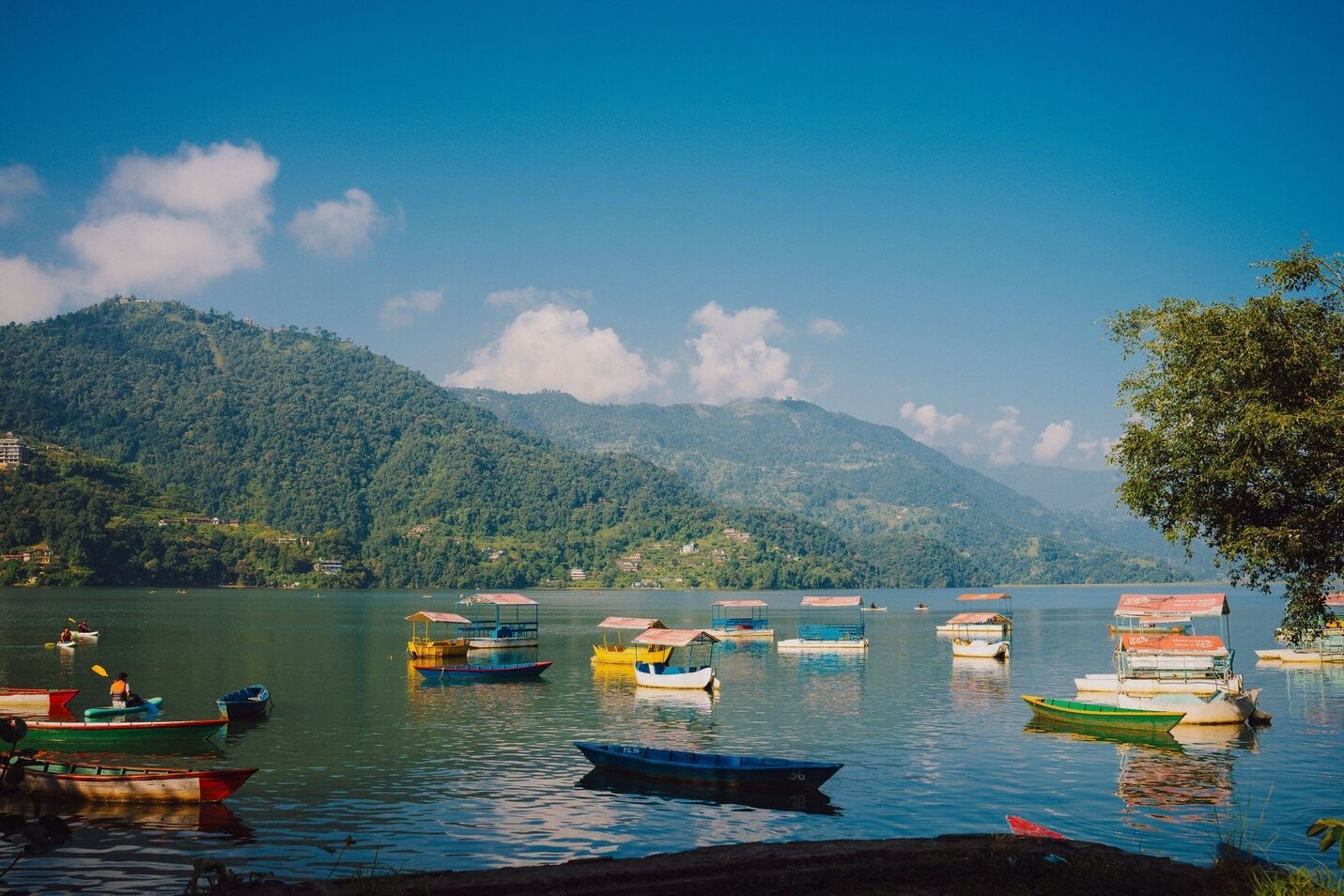
Pokhara Day Tour-1 Day
Pokhara is one of Nepal’s most beautiful travel destinations, famous for its peaceful lakes, Himalayan views, natural wonders, and...
Duration:
1 days
Max altitude:
1,500m
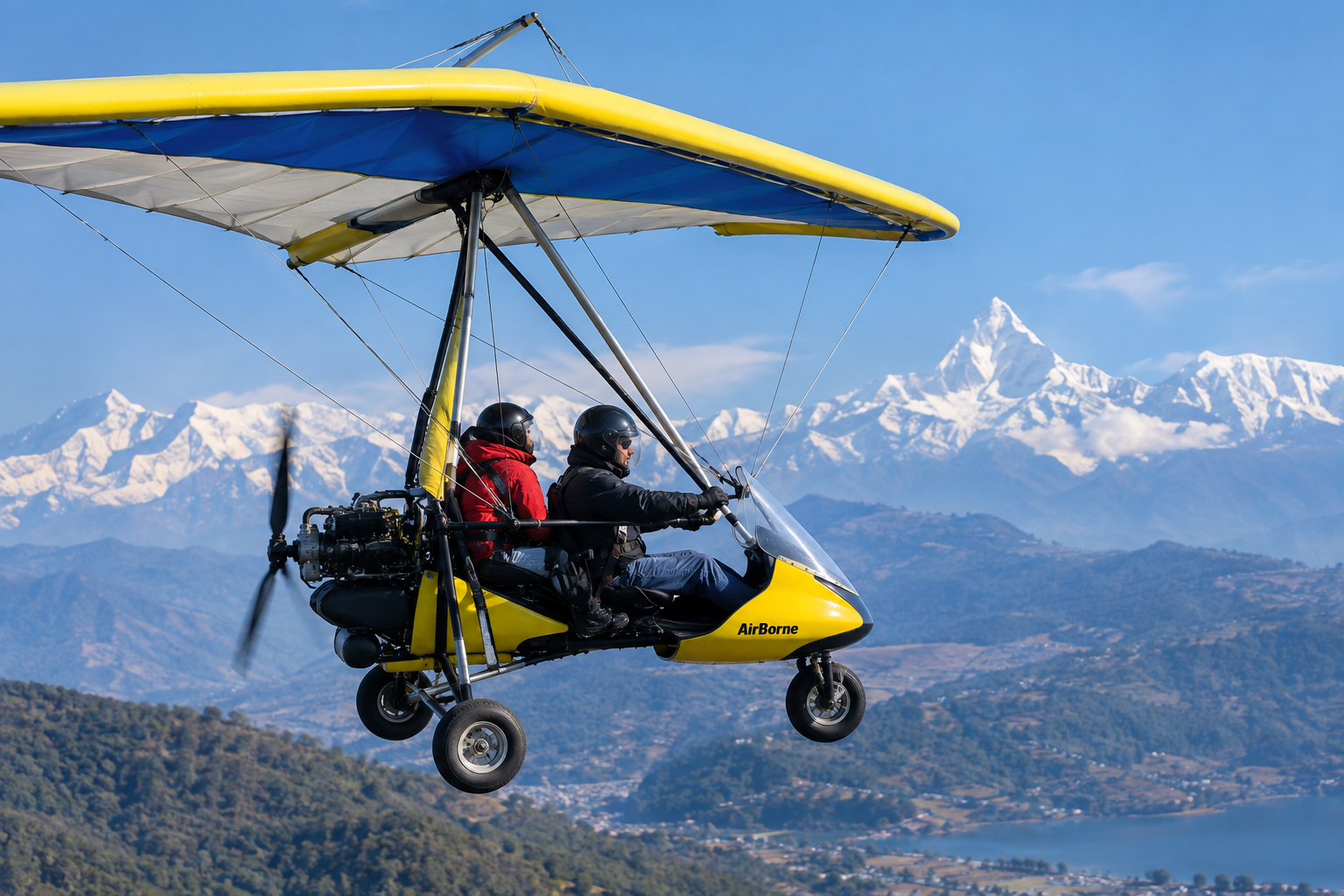
Ultra Light Flight – 1 Day Pokhara
Experience the thrill of flying above the beautiful city of Pokhara with our 1 Day Ultra Light Flight in...
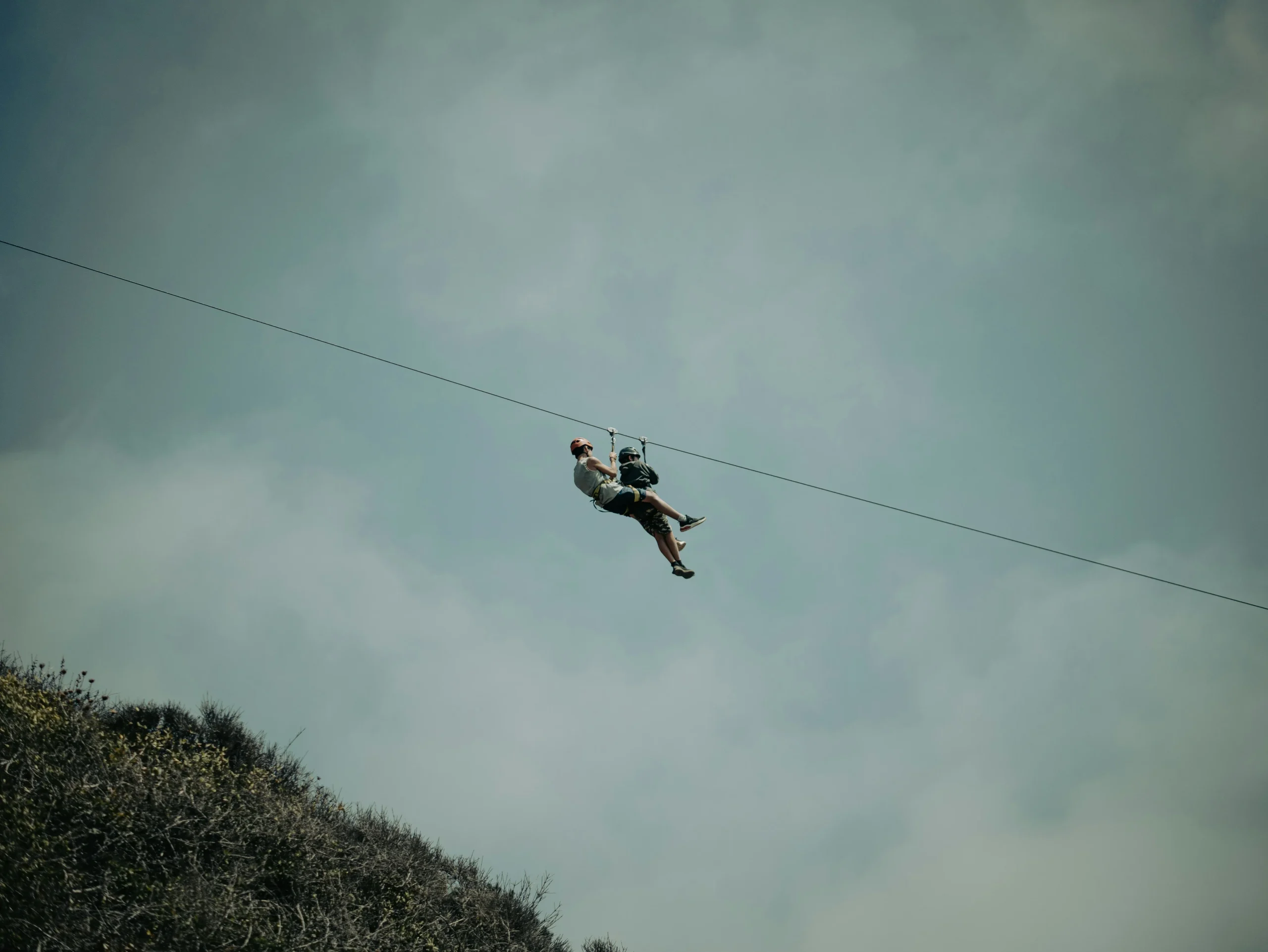
Zipline in Pokhara
Zipline in Pokhara is an unforgettable adventure activity that offers a perfect combination of thrill, speed, and breathtaking natural...
Duration:
1 days
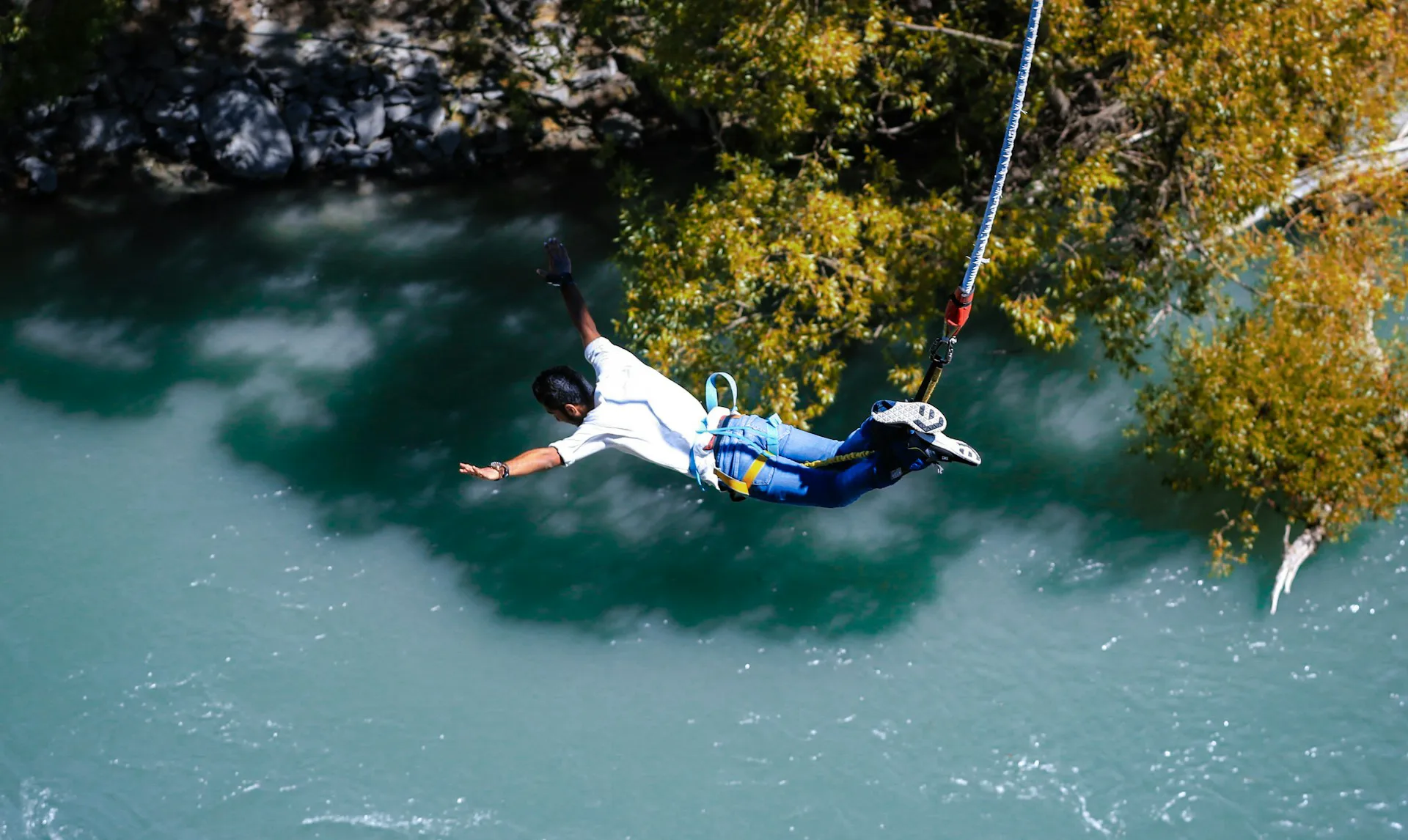
Bungee Jumping
Nepal is not only famous for its mountains and trekking adventures but also offers thrilling activities for adventure lovers....
Duration:
1 days
Trekking Permits
We’ll arrange the necessary permits and registrations required for the Mohare Danda Trek, including the ACAP and TIMS, or the applicable registration at the time of your trek.
Please keep your original passport with you during the trek. You may need to show it at checkpoints along the route.
Fitness and Trek Preparation
The Mohare Danda Trek is moderate. Most days involve a few hours of walking, with plenty of uphill and downhill sections. You will also walk on stone steps, forest trails, and uneven paths. Regular walking or hiking will make the trek easier.
Previous trekking experience is not required, but being comfortable with long walks will make the trek more enjoyable. Regular walking, hiking, stair climbing, and basic cardiovascular exercise before the trip are good ways to prepare.
The climb toward Mohare Danda is one of the more demanding sections of the trek. Take your time, keep a steady pace, and let your guide know if you feel unwell.
Altitude and Acclimatization
Mohare Danda is the highest point of the trek at around 3,300 meters. Although the altitude is not extremely high, the air thins as you ascend, so maintain a comfortable pace.
Drink water regularly, eat well, and get enough rest. If you experience a headache, dizziness, nausea, unusual tiredness, or difficulty breathing, inform your guide immediately.
Your guide will monitor the group throughout the trek and adjust the pace or itinerary if needed.
Weather and Trekking Conditions
Weather can change from one day to the next on the Mohare Danda Trek. You may start walking in clear weather and later get clouds, wind, or rain. It also gets much colder after sunset, especially on the higher parts of the trail.
March to May and September to November are good months to do the trek. The rhododendrons usually bloom in spring, and autumn is known for clear views of the mountains. The days are also comfortable for walking during these months.
During the monsoon, rain can make the trail wet and muddy, and clouds may hide the mountains. Winter is colder, and frost or snow is possible around Mohare Danda and the more exposed sections of the trail.
Accommodation
In Kathmandu and Pokhara, accommodation is in standard tourist hotels with twin-sharing rooms. During the trek, you will stay in local teahouses, lodges, and community-run accommodations along the trail.
Rooms along the trail are simple and comfortable, with basic facilities. Bathrooms may be shared, and hot showers, Wi-Fi, and charging facilities may be available for an additional fee.
Facilities become more basic at higher elevations. Accommodation can also be busy in spring and autumn, so rooms are arranged based on availability.
Meals and Drinking Water
Breakfast, lunch, and dinner are included on the trekking days. Meals are usually simple, with dal bhat, noodles, rice, pasta, soup, vegetables, eggs, potatoes, and other local dishes available at the teahouses and community lodges.
Dal bhat is a popular choice among trekkers as it provides a filling meal and good energy for long walking days.
Drinking water is available at settlements and teahouses along the route, but facilities can be limited in some sections. Carry enough water during the day’s walk.
A reusable water bottle or hydration pack is recommended. You can also carry water purification tablets or a suitable filter.
Electricity, Charging and Wi-Fi
Electricity is available at most of the teahouses and community lodges, but charging facilities may be limited. Some places may charge an additional fee for charging phones, cameras, or power banks.
Wi-Fi and mobile network coverage can vary along the trail and may be weak in some areas.
A power bank is strongly recommended, especially if you plan to use your phone or camera regularly.
Cash and Personal Expenses
There are no reliable ATM facilities along the trekking route, so carry enough Nepali cash before starting the trek.
You may need cash for hot showers, charging, Wi-Fi, snacks, drinks, and other personal expenses not included in the package.
We recommend carrying extra cash for unexpected expenses or itinerary changes.
Porter and Baggage
We provide one porter for every two trekkers. Your porter will carry your main trekking luggage, while you carry a smaller daypack with the items you need during the day.
Keep your passport, cash, medicines, water, camera, electronics, and other important belongings in your daypack. Try to bring only what you need, as a lighter load makes the trek easier for both you and your porter.
Your trekking company will provide the applicable baggage weight guidelines before departure.
Travel Insurance
Travel insurance is strongly recommended for the Mohare Danda Trek. Make sure your policy covers trekking at the maximum altitude included in your itinerary and provides coverage for medical treatment and emergency evacuation if required.
Read the policy carefully before purchasing it, particularly the sections covering trekking activities, medical evacuation, and trip interruption.
Safety and Emergency Support
Your guide will accompany you throughout the trek and monitor weather, trail conditions, altitude, and the group’s overall condition.
If you become sick or injured during the trek, our team will help arrange the necessary care. Depending on the situation, you may need to descend to a lower altitude, change the trekking plan, or arrange an evacuation.
The itinerary may be adjusted if weather, trail conditions, health concerns, or other circumstances make it unsafe to continue as planned.
What to Pack
Pack according to the season, but the following items are useful for the Mohare Danda Trek:
- Comfortable trekking boots with good grip
- Trekking trousers and lightweight hiking clothes
- Thermal base layers
- Fleece or warm insulated jacket
- Waterproof and windproof jacket
- Warm hat, gloves, and sun hat
- Sunglasses with UV protection
- Sunscreen and lip balm
- Reusable water bottle or hydration bladder
- Water purification tablets or filter
- Headlamp with spare batteries
- Power bank and charging cables
- Personal toiletries and basic medication
- Small first-aid kit
- Sleeping bag suitable for cold mountain conditions
- Trekking poles
- Comfortable daypack
- Passport and travel documents
- Travel insurance details
- Some Nepali cash for personal expenses
Responsible Trekking
The Mohare Danda Trek goes through villages, forests, farmland, and areas managed by local communities. You will see people going about their daily lives along the trail. Respect local customs and traditions, and be mindful when visiting villages or photographing local people.
Avoid leaving rubbish along the trail and use the waste bins or disposal points available at the lodges and villages. Carrying a reusable water bottle can also help reduce plastic waste.
If you want to photograph local people, ask for permission first. Please avoid disturbing wildlife, damaging plants, or leaving the established trail unnecessarily.
Tipping
Tipping is customary in Nepal’s trekking industry and is a common way to thank guides and porters for their work. There is no fixed amount, and tipping is ultimately a personal choice.
Many trekkers tip at the end of the trek based on the level of service they received, the trek’s length, and their overall experience with the trekking team.
Itinerary Changes
The trekking schedule is only a general plan. Things can change once you are on the trail. Weather, snow, landslides, trail conditions, health problems, transport delays, or full teahouses can affect the route and walking days. Your guide may adjust the plan if needed.
Best Time to Trek
The most favorable months for the Mohare Danda Trek are March to May and September to November.
March to May: Warmer temperatures, blooming rhododendrons, and colorful forests make spring a particularly beautiful time to trek.
June to August: This is the monsoon period. Rain, muddy trails, clouds, and reduced mountain visibility are more common.
September to November: Generally stable weather, clear mountain views, and comfortable daytime temperatures make autumn one of the most popular trekking seasons.
December to February: Temperatures are colder, particularly at night and around Mohare Danda. Frost or snow may occur on the higher sections of the trail.
A few things to keep in mind
Mountain trekking is different from traveling in the cities. Facilities become more basic as you go higher, weather can change without much warning, and a day that looks short on paper can feel longer depending on the trail and your pace.
The higher sections of the trek can be cold and exposed, so warm layers and proper footwear are important. Mobile network coverage may be limited, and electricity and other facilities can vary between villages.
Come prepared, follow your guide’s advice, and give yourself time to enjoy the forests, mountain ridges, traditional villages, and community-based tourism along the route.
FAQs for this trip
General
-
How long is the Mohare Danda Trek?
This trek last 9 days, though the trek can be customized to suit your schedule.
-
What is the highest point of the trek?
The highest point is Mohare Danda at approximately 3,300 meters (10,827 ft).
-
What makes the Mohare Danda Trek special?
The trek is known for its peaceful trails, community-run lodges, authentic village experiences, rhododendron forests, and breathtaking sunrise and sunset views over the Himalayas.
Difficulty and Physical Fitness
-
Is the Mohare Danda Trek difficult?
The trek is considered easy to moderate and is suitable for beginners and experienced trekkers alike.
-
Do I need previous trekking experience?
No. Previous trekking experience is not necessary, but a reasonable level of fitness is recommended.
-
How should I prepare for the trek?
Regular walking, hiking, stair climbing, or light cardio exercises for a few weeks before your trip will help improve your fitness.
Altitude and Health
-
Is there a risk of altitude sickness?
The risk is relatively low since the highest elevation is around 3,300 meters, but mild altitude symptoms are still possible.
-
How can I reduce the risk of altitude sickness?
Walk at a steady pace, drink plenty of water, avoid alcohol, and let your guide know if you experience any symptoms.
-
Are medical facilities available along the trail?
Basic health services are available in some villages, but serious emergencies require evacuation to Pokhara or Kathmandu.
Route and Itinerary
-
Where does the trek start and end?
The trek usually starts with a drive from Pokhara to Galeshwor or a nearby village and ends with a return drive to Pokhara.
-
Which villages are visited during the trek?
Popular villages include Banskharka, Nangi, Mohare Danda, Tikot, and other traditional Magar settlements.
-
Can I combine the Mohare Danda Trek with other treks?
Yes. It can be combined with Poon Hill, Khopra Danda, or other Annapurna trekking routes.
-
Is the trail crowded?
No. Mohare Danda is much quieter than many of Nepal’s more popular trekking routes.
Accommodation
-
What type of accommodation is available?
Accommodation includes community lodges, homestays, and simple teahouses with basic but comfortable facilities.
-
Are private rooms available?
Yes. Many lodges offer private rooms, although availability may be limited during peak seasons.
-
Are hot showers available?
Yes. Most lodges provide hot showers for an additional charge.
-
Do the lodges provide blankets?
Yes. Blankets are available in most lodges, but bringing a sleeping bag is recommended for extra warmth.
Food and Drinks
-
What food is available during the trek?
Common meals include Dal Bhat, noodles, fried rice, soups, pasta, potatoes, eggs, pancakes, and seasonal vegetables.
-
Is vegetarian food available?
Yes. Vegetarian meals are widely available throughout the trek.
-
Can I buy drinking water?
Yes. Bottled and boiled drinking water is available, but carrying a reusable bottle and water purification tablets is encouraged.
-
Can I get tea and coffee?
Yes. Most teahouses serve tea, coffee, hot chocolate, and other hot drinks.
Weather and Best Time
-
When is the best time to do the Mohare Danda Trek?
Spring (March to May) and autumn (September to November) are the best seasons for clear skies, comfortable temperatures, and excellent mountain views.
-
Can I trek during winter?
Yes. Winter offers clear weather but much colder temperatures, especially at higher elevations.
-
Is the trek suitable during the monsoon?
Yes, but rain, slippery trails, and cloudy weather can affect the trekking experience.
-
What temperatures should I expect?
Temperatures vary by season, with warm daytime weather and chilly nights, particularly during winter.
Permits and Regulations
-
What permits are required for the Mohare Danda Trek?
Trekkers generally need an Annapurna Conservation Area Permit (ACAP). Depending on current regulations, additional permits may also be required.
-
Is a guide mandatory?
Yes. Foreign trekkers are generally required to hire a licensed guide for trekking in the Annapurna region.
-
Can my trekking agency arrange the permits?
Yes. Most trekking companies arrange all necessary permits before your trek begins.
Flights and Transportation
-
Is there a flight to the starting point of the trek?
No. Travelers first reach Pokhara by flight or road before driving to the trailhead.
-
How do I get to Pokhara?
You can travel from Kathmandu to Pokhara by domestic flight, tourist bus, or private vehicle.
-
Are private vehicles available?
Yes. Private jeeps and cars can be arranged for more comfortable transportation.
Equipment and Packing
-
What should I pack for the Mohare Danda Trek?
Bring warm clothing, waterproof layers, sturdy trekking boots, gloves, a hat, sunscreen, sunglasses, toiletries, and a reusable water bottle.
-
Do I need trekking poles?
Trekking poles are optional but highly recommended for added stability on steep sections.
-
Should I bring a sleeping bag?
Yes. A sleeping bag is recommended, especially if you’re trekking during colder months.
Connectivity and Electricity
-
Is there mobile network coverage?
Mobile coverage is available in many villages but may be weak or unavailable in some higher areas.
-
Is Wi-Fi available?
Some lodges offer Wi-Fi for an additional fee, although the connection may be slow.
-
Can I charge my electronic devices?
Yes. Most teahouses provide charging facilities, usually for a small extra charge.
Guides and Porters
-
Why should I hire a guide?
A guide improves your safety, manages logistics, shares local knowledge, and enhances your overall trekking experience.
-
Can I hire a porter?
Yes. Porters are available to carry your luggage, allowing you to trek more comfortably.
-
How much weight can a porter carry?
A porter typically carries up to 20–25 kg, often shared between two trekkers.
Cost and Booking
-
What is usually included in a trekking package?
Packages typically include accommodation, meals during the trek, permits, guide services, transportation, and government taxes.
-
What is usually excluded from the package?
International flights, Nepal visa fees, travel insurance, personal expenses, beverages, tips, and charging or Wi-Fi fees are usually excluded.
-
When should I book the trek?
Booking at least 2 to 4 weeks in advance is recommended, especially during the busy spring and autumn seasons.
Photography and Experience
-
Is the Mohare Danda Trek good for photography?
Yes. The trek offers outstanding opportunities to capture Himalayan landscapes, rhododendron forests, traditional villages, and stunning sunrise and sunset views.
-
Which mountains can I see from Mohare Danda?
You can enjoy panoramic views of Annapurna South, Dhaulagiri, Machhapuchhre (Fishtail), Nilgiri, and several other Himalayan peaks.
-
Is the trek suitable for families?
Yes. Its moderate difficulty and comfortable community lodges make it suitable for active families with children.







USD 777PP
Why book with us?
- Local Guides & Porters
- 98% Success Trip Rate
- Comfort Priority and Saftey Trip
- Satisfied Client
-
Group Size Discounts
Discounts are solely based on your group size. We don’t add anyone to the group.
No. of people Price per person 1 pax USD 999 2-6 pax USD 777 7+ pax USD 699
Send Quick Email
Similar trips
View all trips
Makalu Base Camp Trek – 20 Days
Explore the Makalu Base Camp Trek in Nepal with our 20-day Himalayan adventure package.
Royal Trek Nepal – 10 Day Trekking Package
Explore Royal Trek Nepal with Himalayan scenery, cultural sightseeing, and authentic village experiences.
Nar Phu Valley Trek
Experience remote Nar Phu Valley with Kang La Pass, culture, and Himalayan adventure.