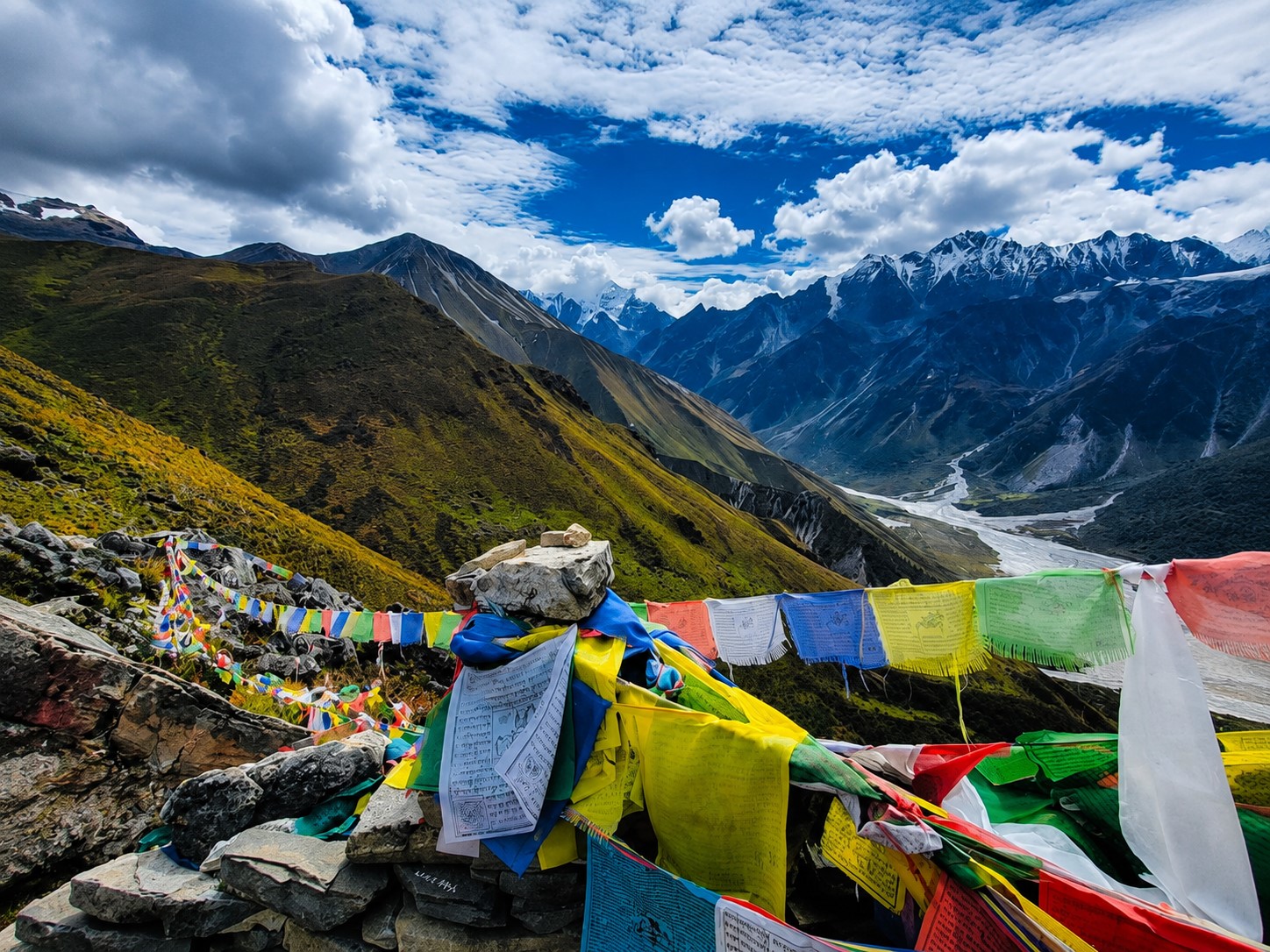


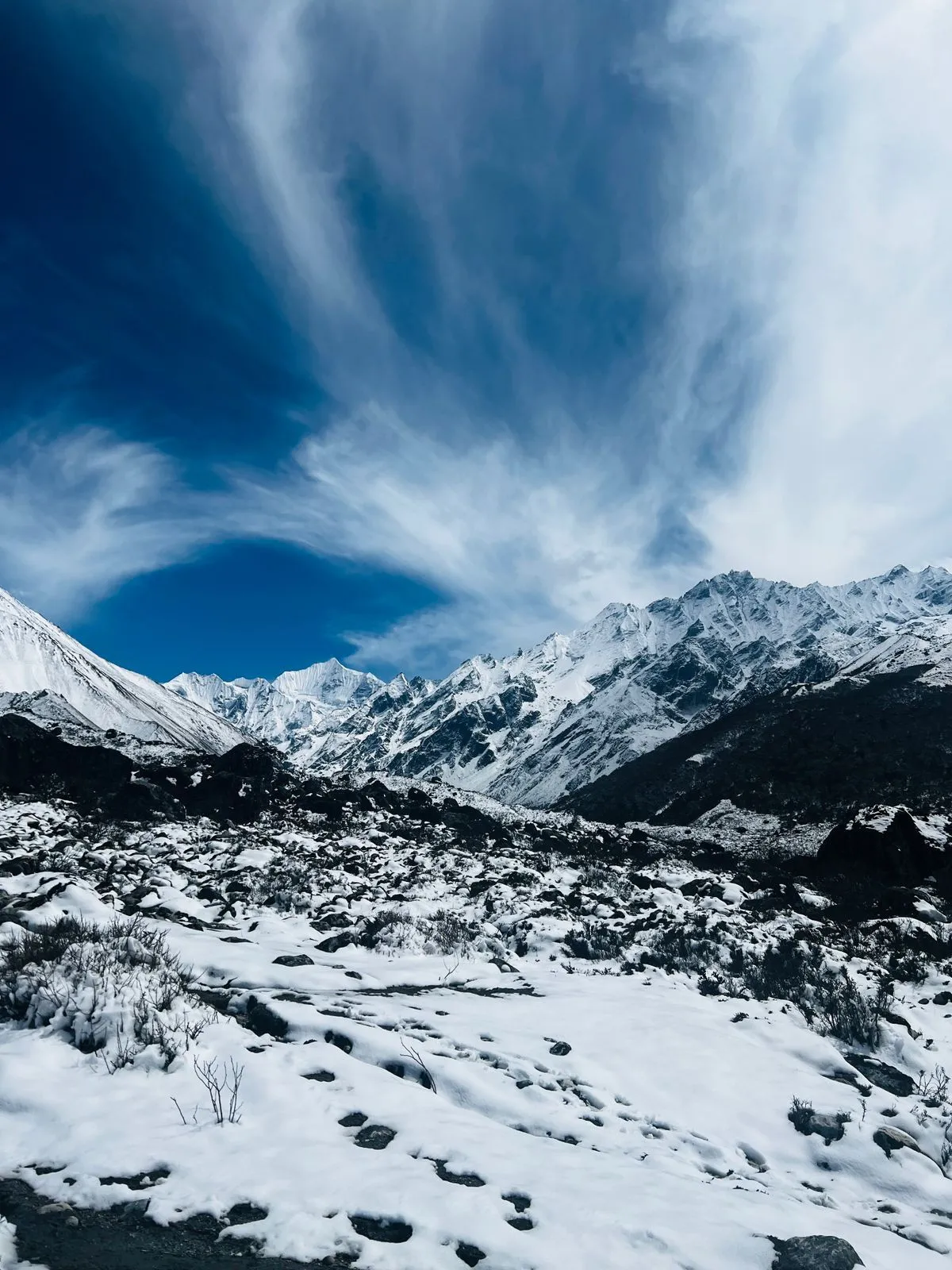
The Langtang Region is one of Nepal’s most beautiful Himalayan trekking destinations, offering a perfect mix of natural beauty, traditional culture, and peaceful mountain experiences. Located north of Kathmandu near the Nepal–Tibet border, this region is famous for its stunning landscapes, beautiful valleys, ancient monasteries, and warm hospitality of the Tamang and Sherpa communities. The trails provide magnificent views of Langtang Lirung, Ganesh Himal, Dorje Lakpa, and other snow-covered Himalayan peaks while taking trekkers through some of Nepal’s most scenic mountain areas.
A trek in the Langtang Region offers a wonderful journey through dense rhododendron forests, rivers, traditional villages, alpine meadows, and high-altitude landscapes. Trekkers can explore charming settlements like Syabrubesi, Langtang Village, and Kyanjin Gompa while experiencing local traditions, Buddhist culture, and the unique lifestyle of Himalayan communities. The region is also home to beautiful natural attractions such as Gosaikunda Lakes, glaciers, and peaceful mountain viewpoints that make every trail memorable.
The Langtang Region provides trekking opportunities for different types of travelers, from short cultural hikes to challenging high-altitude adventures. Popular routes such as Langtang Valley Trek, Gosaikunda Trek, Helambu Trek, and Tamang Heritage Trek showcase the incredible diversity of this region. With fewer crowds, authentic village experiences, and breathtaking Himalayan scenery, the Langtang Region is an ideal destination for those looking for a peaceful and rewarding trekking experience in Nepal.
Trekking in Langtang Region
The Langtang Region offers a peaceful and rewarding Himalayan trekking experience with beautiful landscapes, rich culture, and less crowded trails. Located close to Kathmandu, the region provides easy access to stunning valleys, forests, glaciers, and mountain villages surrounded by breathtaking peaks.
The trekking routes pass through Tamang and Sherpa settlements, ancient monasteries, and scenic mountain landscapes. Popular trails like Langtang Valley, Gosaikunda, Helambu, and Tamang Heritage Trek allow travelers to experience local traditions, Himalayan nature, and unforgettable mountain views. With its combination of culture, adventure, and natural beauty, Langtang is one of Nepal’s most attractive trekking destinations.
-
Langtang Valley Trek
The Langtang Valley Trek is the most popular trekking route in the Langtang Region, offering stunning mountain views, beautiful forests, and authentic Tamang culture. The trail passes through traditional villages, rivers, and alpine landscapes before reaching Kyanjin Gompa (3,870m), surrounded by spectacular Himalayan peaks like Langtang Lirung and Ganesh Himal.
-
Gosaikunda Lake Trek
The Gosaikunda Lake Trek is a famous spiritual and scenic journey in the Langtang Region, known for its beautiful high-altitude lakes and mountain views. The trail takes trekkers through forests, traditional villages, and mountain passes before reaching the sacred Gosaikunda Lake (4,380m), an important pilgrimage site for both Hindus and Buddhists.
-
Langtang Gosaikunda Trek
The Langtang Gosaikunda Trek combines the natural beauty of Langtang Valley with the sacred Gosaikunda Lakes. This adventure offers diverse landscapes, from green forests and villages to high mountain terrain, while allowing trekkers to experience local Tamang culture and breathtaking Himalayan scenery.
-
Helambu Trek
The Helambu Trek is a short and scenic trekking route near Kathmandu, famous for beautiful villages, peaceful forests, and rich cultural experiences. The trail passes through Sherpa and Hyolmo settlements while offering views of Langtang, Ganesh Himal, and other Himalayan ranges.
-
Langtang Valley with Gosaikunda and Helambu Trek
The Langtang Valley with Gosaikunda and Helambu Trek is a complete adventure combining three beautiful areas of the Langtang Region. This longer journey includes mountain valleys, sacred lakes, traditional villages, and high passes while providing a deep exploration of Himalayan landscapes and local culture.