

Langtang Valley Trek in June: What to Expect in Early Monsoon Season
Share:

 Read Time
This blog has 7159 words .This blog has 48319 characters.This blog take 24 minutes to read.
The Langtang Valley Trek in June offers a completely different Himalayan experience from the peak spring months. As June marks the beginning of Nepal’s monsoon season, the Langtang Valley transforms into a lush green paradise where forests become richer, rivers flow with renewed energy, and mist-covered mountains create an atmosphere unlike any other time of year. While occasional rainfall becomes part of the journey, trekkers who appreciate peaceful trails, dramatic scenery, and authentic mountain life often find June surprisingly rewarding.
Beginning in Syabrubesi, the trail gradually ascends through the diverse ecosystems of Langtang National Park, where dense oak, bamboo, pine, and rhododendron forests thrive under the fresh monsoon moisture. The landscape feels vibrant and alive, with colorful wildflowers blooming, waterfalls cascading down steep cliffs, and wildlife becoming more active throughout the valley. As you continue through Lama Hotel, Langtang Village, and finally reach Kyanjin Gompa, the scenery shifts from dense woodland to expansive alpine terrain surrounded by towering Himalayan peaks.
Although the Langtang Valley Trek Weather in June is more unpredictable than in previous months, mornings often begin with calm conditions that reward early risers with remarkable views of Langtang Lirung, Gangchempo, Dorje Lakpa, Yala Peak, and Langshisa Ri before clouds gradually gather during the afternoon. The quieter trails also create a more personal trekking experience, allowing visitors to connect more closely with local Tamang culture and the peaceful mountain environment.
For travelers seeking fewer crowds, vibrant Langtang Valley Trek Landscapes in June, and a unique perspective on one of Nepal’s most beautiful trekking regions, the Langtang Valley Trek in June delivers an unforgettable adventure that combines natural beauty, cultural richness, and the refreshing energy of the Himalayan monsoon.
Why Choose the Langtang Valley Trek in June?
The Langtang Valley Trek in June is an excellent option for trekkers who value tranquility, lush natural scenery, and a more authentic Himalayan experience. While many hikers avoid June because it marks the beginning of Nepal’s monsoon season, those who choose this month are rewarded with peaceful trails, vibrant landscapes, and a unique side of the Langtang region that few visitors get to experience.
One of the biggest reasons to trek in June is the transformation of the landscape. The first monsoon rains breathe new life into Langtang National Park, turning forests, hillsides, and alpine meadows into shades of deep green. Moss-covered rocks, blooming wildflowers, roaring waterfalls, and crystal-clear streams create some of the most refreshing Langtang Valley Trek Landscapes in June. Nature photographers and wildlife enthusiasts particularly appreciate this season because the valley feels full of life.
Although the Langtang Valley Trek Weather in June is less predictable than during spring, mornings often remain clear enough to reveal spectacular views of Langtang Lirung, Gangchempo, Dorje Lakpa, Yala Peak, and Langshisa Ri. Trekkers who begin hiking early have the best chance of enjoying these breathtaking panoramas before clouds gradually build later in the day.
Another major advantage is the quieter trekking environment. Popular villages such as Lama Hotel, Langtang Village, and Kyanjin Gompa welcome far fewer visitors than during spring, allowing for a more relaxed stay and meaningful interactions with local families. Accommodation is easier to find, the trails feel less crowded, and the overall pace of the journey becomes more peaceful.
If you don’t mind occasional rain and come prepared with proper waterproof gear, the Langtang Valley Trek in June offers a refreshing combination of solitude, dramatic mountain scenery, thriving nature, and genuine cultural experiences that are difficult to find during busier trekking seasons.
Langtang Valley Trek Weather in June
The Langtang Valley Trek Weather in June marks the beginning of Nepal’s monsoon season, bringing a noticeable change to the trekking environment. Unlike the dry spring months, June introduces warmer temperatures, higher humidity, and more frequent rainfall. However, the weather is not rainy all day. In many cases, mornings begin with calm conditions, allowing trekkers to enjoy several hours of comfortable hiking before clouds gradually gather over the mountains during the afternoon.
One of the defining characteristics of June is its changing weather pattern. Early mornings often provide the clearest skies and the best opportunities to admire the Himalayan landscape. As the day progresses, moisture carried by the monsoon creates dramatic clouds, mist, and occasional showers that sweep across the valley. These weather changes give the Langtang Valley Trek in June a unique atmosphere, where every section of the trail feels fresh, peaceful, and constantly evolving.
The route from Syabrubesi through Langtang National Park becomes especially beautiful during this season. Forests appear greener than at any other time of the year, waterfalls flow with greater force, and streams fed by fresh rainfall create an impressive natural soundtrack. Higher settlements such as Lama Hotel, Langtang Village, and Kyanjin Gompa often experience cooler, refreshing conditions after rainfall, while the surrounding peaks occasionally emerge through drifting clouds, creating unforgettable views.
Although June requires greater flexibility than spring, careful planning makes a significant difference. Starting your trek early each morning, carrying quality waterproof clothing, and allowing extra time in your itinerary help you adapt to changing conditions. For trekkers who appreciate dramatic mountain scenery and vibrant nature, the Langtang Valley Trek Weather in June adds a distinctive charm that transforms every day into a memorable Himalayan adventure.

Starts from
USD 540
Langtang Valley Trek- 10 days
The Langtang Trek is one of the best short trekking adventures in Nepal. This 10-day journey takes you into...
Duration:
10 days
Max altitude:
4,800m at Kyanjin Ri
Langtang Valley Trek Temperature in June
The Langtang Valley Trek Temperature in June is generally warm and comfortable, especially at lower elevations, making long trekking days less physically demanding than during the colder months. As June marks the beginning of the monsoon season, temperatures rise across the Langtang region, while rainfall and increasing altitude continue to create refreshing conditions higher in the mountains. Understanding these temperature variations helps trekkers pack appropriately and enjoy a more comfortable journey.
The trek begins in Syabrubesi, where daytime temperatures are often warm and humid. Lightweight, breathable clothing is ideal for the initial days of hiking, although carrying a waterproof outer layer is essential due to the possibility of sudden rain showers. As the trail climbs through Langtang National Park, the dense forests provide natural shade, helping to keep hiking conditions pleasant even during warmer afternoons.
Higher up, around Lama Hotel, Langtang Village, and Kyanjin Gompa, temperatures become noticeably cooler. Daytime hiking remains comfortable, but mornings and evenings can still feel chilly because of the higher altitude. If you’re planning an early morning ascent to Tserko Ri, you’ll need a warm jacket, gloves, and a hat, as temperatures before sunrise can be surprisingly cold despite it being June.
One advantage of the Langtang Valley Trek Temperature in June is that snow and extreme cold are rarely major concerns on the main trekking route. Instead, the focus shifts to staying dry and comfortable during occasional rainfall. Dressing in layers allows you to adjust easily as conditions change throughout the day.
Overall, June offers a pleasant balance of warm valley temperatures and cool mountain air. With proper clothing and flexible planning, trekkers can comfortably enjoy spectacular views of Langtang Lirung, Gangchempo, Dorje Lakpa, Yala Peak, and Langshisa Ri, even as the landscape transitions into Nepal’s lush monsoon season.
Langtang Valley Trek Trail Conditions in June
The Langtang Valley Trek Trail Conditions in June change noticeably as the monsoon season begins. Unlike the dry spring months, the trails become wetter, softer, and more challenging in certain sections. However, with proper preparation, suitable trekking gear, and realistic expectations, June remains a rewarding time to explore the Langtang region, particularly for trekkers who enjoy nature in its freshest and most vibrant form.
The route from Syabrubesi through Langtang National Park passes beneath dense forest canopies that receive regular rainfall throughout the month. As a result, some forest trails become muddy, while stone staircases and rocky sections can become slippery after showers. Trekking poles and waterproof hiking boots with good grip are highly recommended, as they improve stability and reduce fatigue on uneven terrain.
One feature that makes June unique is the abundance of water along the trail. Rivers flow faster, waterfalls become more spectacular, and small streams that are dry during spring often return to life. This creates incredibly scenic surroundings but also requires extra care when crossing wet paths or walking near steep slopes. In lower forested sections, especially between Syabrubesi and Lama Hotel, trekkers may occasionally encounter leeches after heavy rain. Wearing long socks or gaiters and checking your boots during breaks is usually enough to manage this minor inconvenience.
As the trail climbs toward Langtang Village, Kyanjin Gompa, and Tserko Ri, conditions generally become firmer because there are fewer dense forests and better drainage. Although afternoon showers may still occur, early morning hikes usually provide the safest and most enjoyable trekking conditions.
Overall, the Langtang Valley Trek Trail Conditions in June require more caution than in spring, but they also reward trekkers with peaceful trails, dramatic waterfalls, lush vegetation, and a refreshing Himalayan environment that few visitors experience.
Langtang Valley Trek Mountain Views in June
The Langtang Valley Trek Mountain Views in June offer a unique and ever-changing Himalayan experience. Unlike the crystal-clear skies of spring, June presents a dramatic mix of sunshine, drifting clouds, morning mist, and occasional rain. While mountain visibility is less predictable, trekkers who understand the daily weather pattern are often rewarded with breathtaking panoramas during the early hours of the day.
The key to enjoying the best views in June is to start trekking before sunrise. Mornings frequently begin with calm weather and clear skies, allowing magnificent peaks to stand out before monsoon clouds gradually build later in the afternoon. This is especially true around Kyanjin Gompa, where early risers can witness the first sunlight illuminating the surrounding Himalayan giants.
Throughout the trek, spectacular views unfold as you travel from Syabrubesi through Langtang National Park, Lama Hotel, and Langtang Village. On clear mornings, the towering faces of Langtang Lirung, Gangchempo, Dorje Lakpa, Yala Peak, and Langshisa Ri dominate the skyline, rising above green valleys, glacial rivers, and alpine meadows. Even when clouds arrive, they often create an unforgettable atmosphere by wrapping the mountains in mist, adding depth and drama to the landscape rather than completely hiding it.
For many trekkers, the hike to Tserko Ri remains worthwhile in June. Although weather conditions should always be checked before setting out, a successful early morning climb can reward you with one of the finest panoramic viewpoints in the Langtang region. Watching clouds slowly drift through the valley below while snow-covered peaks emerge above them creates a scene that is rarely experienced during the drier seasons.
Although June demands greater flexibility, the Langtang Valley Trek Mountain Views in June reward patient trekkers with a striking blend of clear Himalayan vistas, dramatic cloud formations, and unforgettable photographic moments.
Langtang Valley Trek Landscapes in June
The Langtang Valley Trek Landscapes in June are unlike those of any other season. With the arrival of the first monsoon rains, the entire valley bursts into life, creating some of the greenest and most vibrant scenery in the Himalayas. Every stage of the trek feels refreshed, from the dense forests surrounding Syabrubesi to the wide alpine valleys near Kyanjin Gompa. For trekkers who appreciate nature at its most colorful, June offers an unforgettable visual experience.
The journey through Langtang National Park is particularly spectacular during this time of year. Ancient forests of oak, bamboo, pine, and rhododendron become deep emerald green, while ferns, mosses, and wildflowers flourish along the trail. Waterfalls tumble down rocky cliffs with greater force, glacial rivers rush through narrow valleys, and the fresh mountain air carries the scent of rain-soaked forests. These natural changes make the Langtang Valley Trek Landscapes in June feel alive and constantly evolving.
As you continue beyond Lama Hotel toward Langtang Village, the scenery gradually opens into expansive alpine meadows dotted with grazing yaks and stone-built settlements. Reaching Kyanjin Gompa, the lush valley contrasts beautifully with the snow-covered peaks of Langtang Lirung, Gangchempo, Dorje Lakpa, Yala Peak, and Langshisa Ri, creating one of the most dramatic landscapes in Nepal. Morning mist drifting through the valley often adds an almost magical atmosphere that photographers especially appreciate.
The hike to Tserko Ri offers an entirely different perspective, revealing a sweeping panorama where green valleys, glaciers, rivers, and towering Himalayan summits come together in one breathtaking view. While occasional clouds are part of the June experience, they often enhance the scenery rather than diminish it. For nature lovers, photographers, and trekkers seeking a quieter Himalayan adventure, the Langtang Valley Trek in June showcases the region at its freshest, wildest, and most captivating.
Crowds and Trekking Experience in June
The Langtang Valley Trek in June offers one of the most peaceful trekking experiences of the year. As the monsoon season begins, the number of visitors decreases significantly compared to the busy spring months of March, April, and May. For trekkers who value solitude, quiet trails, and a slower pace of travel, June provides an opportunity to experience the Langtang region without the crowds that characterize the peak trekking season.
From the moment you leave Syabrubesi, you’ll notice the difference. The trails through Langtang National Park are quieter, allowing you to enjoy the sounds of flowing rivers, birdsong, and rustling forests without constant foot traffic. Instead of passing large trekking groups throughout the day, you may encounter only a handful of fellow hikers, making the journey feel more personal and immersive.
The peaceful atmosphere extends to villages such as Lama Hotel, Langtang Village, and Kyanjin Gompa. With fewer guests staying in the teahouses, local families often have more time to interact with trekkers, share stories about life in the Himalayas, and provide a more personalized level of hospitality. Meals are served in relaxed dining rooms, and evenings are quieter, creating an authentic mountain experience that many travelers prefer over the lively spring crowds.
Another advantage of trekking in June is the greater flexibility it offers. Finding accommodation is rarely a problem, and there is usually no pressure to arrive early to secure a room. The quieter trails also make it easier to stop for photography, observe wildlife, or simply appreciate the spectacular surroundings at your own pace.
Although the Langtang Valley Trek Weather in June requires flexibility and occasional adjustments to your daily schedule, the peaceful environment, lush landscapes, and genuine local interactions make June one of the most rewarding months for trekkers seeking a calm and authentic Himalayan adventure.
Pros of the Langtang Valley Trek in June
1. Peaceful Trails with Very Few Trekkers
One of the greatest advantages of the Langtang Valley Trek in June is the quiet atmosphere. As the monsoon season begins, visitor numbers drop significantly, allowing you to enjoy the trail without the crowds of spring. Walking through Langtang National Park, Lama Hotel, and Langtang Village becomes a more relaxing and immersive experience, with plenty of opportunities to appreciate nature in complete tranquility.
2. Exceptionally Green and Vibrant Landscapes
The first monsoon rains transform the region into a lush Himalayan paradise. The Langtang Valley Trek Landscapes in June feature dense emerald forests, colorful wildflowers, roaring waterfalls, and crystal-clear rivers. Every section of the trail feels fresh and alive, making June one of the best months for nature lovers and landscape photographers.
3. Easier Access to Accommodation
Unlike the busy spring season, June offers excellent availability in teahouses. Whether you’re staying at Lama Hotel, Langtang Village, or Kyanjin Gompa, finding a room is usually straightforward. The quieter season also allows for more personalized hospitality and a relaxed trekking experience.
4. Spectacular Morning Mountain Views
Although afternoons are often cloudy, early mornings frequently provide excellent Langtang Valley Trek Mountain Views in June. Starting your hike before sunrise can reward you with stunning panoramas of Langtang Lirung, Gangchempo, Dorje Lakpa, Yala Peak, and Langshisa Ri, especially from viewpoints like Tserko Ri.
5. A More Authentic Himalayan Experience
With fewer tourists on the trail, you’ll have more meaningful interactions with local communities and more time to appreciate the culture of the Langtang region. The slower pace, peaceful villages, refreshing mountain air, and dramatic monsoon scenery combine to create a unique version of the Langtang Valley Trek in June that many experienced trekkers find especially memorable.
Cons of the Langtang Valley Trek in June
1. Frequent Rainfall and Unpredictable Weather
The biggest challenge of the Langtang Valley Trek in June is the arrival of the monsoon season. The Langtang Valley Trek Weather in June can change quickly, with sunny mornings followed by afternoon rain or thick cloud cover. While showers are not constant, flexibility is essential, and waterproof clothing becomes a necessity rather than an option.
2. Slippery and Muddy Trail Sections
The Langtang Valley Trek Trail Conditions in June become more demanding after rainfall. Forest paths, stone staircases, and rocky sections between Syabrubesi and Lama Hotel can be wet and slippery. Good-quality trekking boots with reliable grip and trekking poles are highly recommended to improve stability and reduce the risk of slipping.
3. Reduced Mountain Visibility During the Afternoon
Morning hours usually offer the best views, but clouds often develop as the day progresses. This can temporarily hide peaks such as Langtang Lirung, Gangchempo, and Dorje Lakpa. Trekkers who enjoy uninterrupted mountain panoramas should begin hiking early to make the most of clearer conditions.
4. Leeches in Lower Forest Areas
Following heavy rainfall, leeches may appear on damp forest trails within Langtang National Park, particularly between Syabrubesi and Lama Hotel. Although they are harmless, many trekkers find them unpleasant. Wearing long socks, gaiters, and using insect repellent can help minimize this minor inconvenience.
5. Possible Transportation Delays
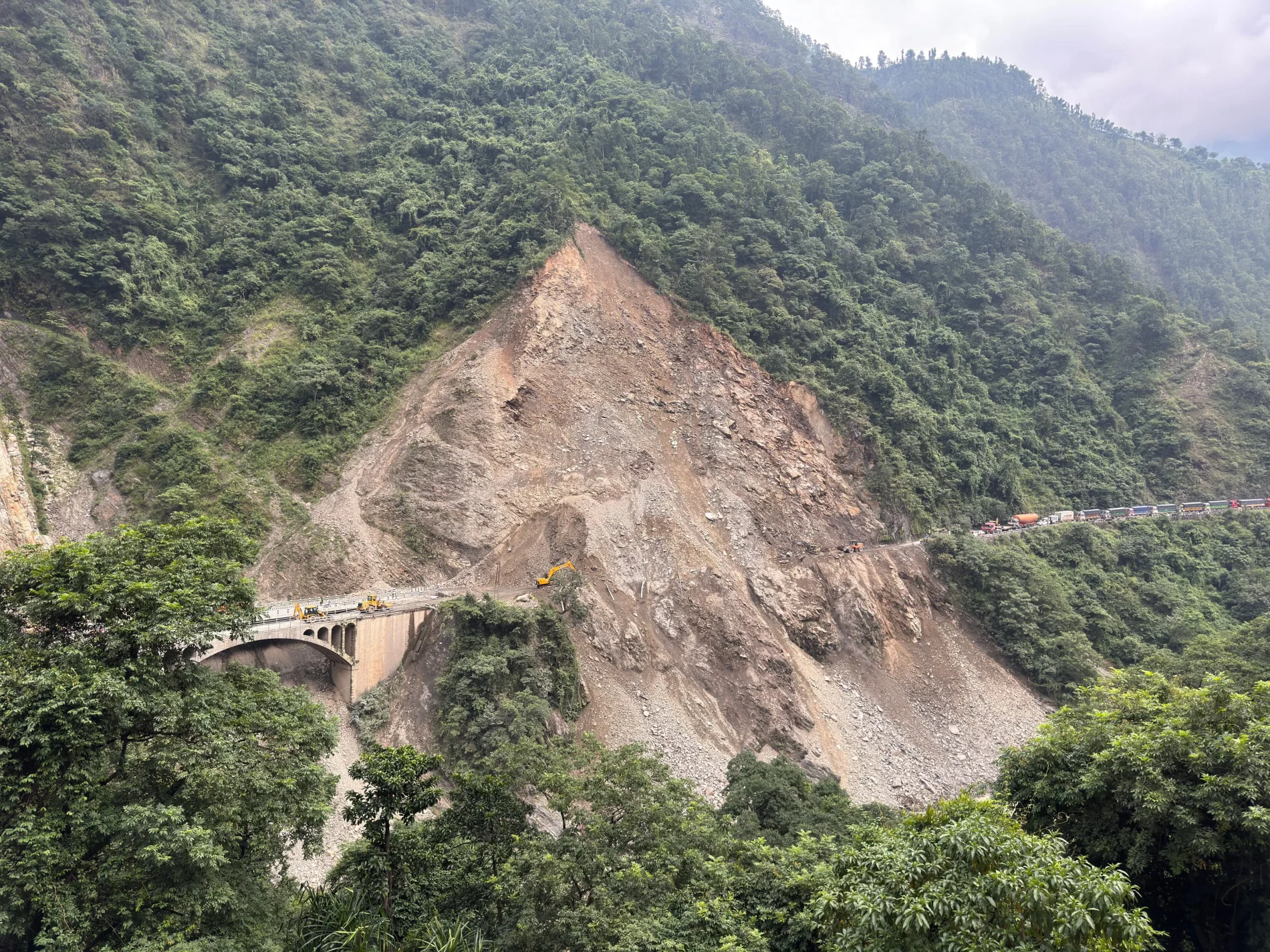
Road travel to and from Syabrubesi may occasionally be affected by heavy rain, small landslides, or maintenance work. While major disruptions are not an everyday occurrence, adding a buffer day to your itinerary is a wise precaution. Allowing extra travel time helps ensure that weather-related delays don’t interfere with your trekking schedule or onward travel plans.
What to Pack for the Langtang Valley Trek in June
Packing wisely is especially important for the Langtang Valley Trek in June because you’ll be trekking at the start of the monsoon season. The key is to stay dry without carrying unnecessary weight. Since you’ll encounter warm temperatures at lower elevations, cooler mountain conditions higher up, and occasional rain throughout the trek, choosing lightweight, quick-drying, and waterproof gear will make your journey much more comfortable.
Start with moisture-wicking base layers and breathable trekking shirts that dry quickly after rain or perspiration. Quick-drying trekking pants are a better choice than heavy cotton clothing, which absorbs moisture and takes much longer to dry. A high-quality waterproof jacket with a hood, waterproof trousers, and a rain cover for your backpack are essential because the Langtang Valley Trek Weather in June can change unexpectedly, particularly during the afternoon.
Footwear deserves special attention during June. Waterproof trekking boots with strong ankle support and deep grip perform well on the occasionally muddy Langtang Valley Trek Trail Conditions in June. Trekking poles provide additional stability on slippery sections, while gaiters help keep mud, water, and occasional leeches away from your boots and lower legs, especially in the forests of Langtang National Park.
Even though June is warm, pack a fleece or lightweight down jacket for cool mornings and evenings at Langtang Village and Kyanjin Gompa. If you plan to hike to Tserko Ri, warm gloves and a woolen hat are still recommended for the early morning ascent.
Finally, carry sunglasses, sunscreen, insect repellent, a reusable water bottle, water purification tablets, a headlamp, a power bank, personal medications, dry bags for electronics, and a basic first-aid kit. Packing for changing conditions rather than constant rain will help you enjoy the Langtang Valley Trek in June safely and comfortably from Syabrubesi to the heart of the Langtang Valley.
Langtang Valley Trek Difficulty in June
The Langtang Valley Trek Difficulty in June is generally considered moderate to moderately challenging. The trekking route itself does not become steeper than in other seasons, but the arrival of the monsoon introduces additional factors that increase the overall difficulty. Wet trails, higher humidity, occasional rain, and changing weather require more attention and preparation than during the dry spring months.
From Syabrubesi through Langtang National Park, trekkers can expect several days of continuous uphill and downhill walking. Daily hikes usually last between 5 and 7 hours, depending on your itinerary and fitness level. While the Langtang Valley Trek Temperature in June is warm enough to make hiking comfortable, the increased humidity can make climbs feel more demanding, particularly on lower forested sections.
The Langtang Valley Trek Trail Conditions in June also play an important role in determining the trek’s difficulty. After rainfall, muddy paths, wet rocks, and slippery stone steps require slower walking and careful foot placement. Fortunately, the trails remain well-established, and with waterproof boots, trekking poles, and a steady pace, most trekkers can navigate them safely.
Altitude remains another significant challenge. As you ascend through Lama Hotel, Langtang Village, and finally to Kyanjin Gompa, the thinner air can reduce your energy levels regardless of the season. If you plan to continue to Tserko Ri, the combination of high altitude and steep terrain makes proper acclimatization essential.
Despite these challenges, the Langtang Valley Trek in June is achievable for trekkers with a reasonable level of fitness and realistic expectations. Preparing with regular walking or hiking before your trip, trekking early each morning, and allowing extra time for weather-related delays will make the journey far more enjoyable. In return, you’ll experience peaceful trails, vibrant landscapes, and a side of the Langtang region that few visitors have the chance to explore.

Starts from
USD 790
Langtang Gosainkunda Trek- 14 days
The Langtang Gosainkunda Trek is one of the most beautiful and diverse trekking experiences in Nepal. This 14-day Himalayan...
Duration:
14 days
Max altitude:
4,800m at Kyanjin Ri
Altitude and Acclimatization for the Langtang Valley Trek in June
Altitude remains one of the most important considerations during the Langtang Valley Trek in June. Although the warmer temperatures and greener landscapes may make the trek feel less demanding than in colder seasons, the reduced oxygen levels at higher elevations affect every trekker equally. Weather conditions may change from day to day, but the risk of altitude sickness remains constant and should never be underestimated.
The trek starts in Syabrubesi at around 1,500 meters and gradually climbs through Langtang National Park, Lama Hotel, and Langtang Village before reaching Kyanjin Gompa at approximately 3,870 meters. Many trekkers also hike to Tserko Ri, which rises to nearly 5,000 meters and offers one of the most spectacular viewpoints in the Langtang region. This rapid gain in elevation makes proper acclimatization essential for a safe and enjoyable trek.
The most effective strategy is to maintain a slow and consistent pace throughout the journey. Avoid rushing to higher elevations, even if you feel strong during the first few days. Spending an extra night at Kyanjin Gompa gives your body valuable time to adapt before attempting the climb to Tserko Ri. A short acclimatization hike during the day followed by sleeping at a lower elevation is often the best approach.
Even though the Langtang Valley Trek Weather in June is warmer than in spring, staying hydrated is just as important. Drink plenty of water, eat nutritious meals, avoid excessive alcohol, and pay attention to symptoms such as headaches, dizziness, nausea, or unusual fatigue. If these symptoms worsen, descending to a lower altitude is the safest decision.
With sensible planning, gradual elevation gain, and proper acclimatization, most trekkers complete the Langtang Valley Trek in June safely. Taking the time to adjust not only reduces health risks but also allows you to fully appreciate the breathtaking scenery of Langtang Lirung, Gangchempo, Dorje Lakpa, Yala Peak, and Langshisa Ri throughout the adventure.
Langtang Valley Trek Permits in June
Before beginning the Langtang Valley Trek in June, every trekker must obtain the required permits to enter the protected Langtang region. Although June is quieter than the peak spring season, permit regulations remain the same throughout the year. Carrying the correct documents is mandatory, as they are checked at designated checkpoints along the trekking route.
The trek passes through Langtang National Park, one of Nepal’s most important conservation areas, known for its rich biodiversity, alpine forests, wildlife, and traditional Tamang settlements. The required permits contribute to the conservation of the park, trail maintenance, environmental protection, and the development of local communities that rely on sustainable tourism. Before traveling, it’s always wise to verify the latest permit requirements, as government regulations may be updated from time to time.
Many trekkers arrange their permits through Silver Moon Adventure and Tours, which helps simplify the preparation process before arriving in Nepal. Having permits organized in advance reduces last-minute stress, ensures all required paperwork is complete, and allows trekkers to begin their journey from Syabrubesi without unnecessary delays. This can be especially helpful in June if weather conditions affect travel schedules to the trailhead.
Permit checkpoints are located along the route, so keep your permits and identification in a waterproof document pouch for easy access and protection from rain. This simple precaution helps prevent damage during occasional monsoon showers and ensures smooth inspections as you pass through Langtang National Park, Lama Hotel, Langtang Village, and Kyanjin Gompa.
Securing the proper permits before setting out allows you to enjoy the Langtang Valley Trek in June responsibly while supporting the long-term conservation of one of Nepal’s most beautiful Himalayan trekking destinations.
Langtang Valley Trek Accommodation in June
The Langtang Valley Trek Accommodation in June offers a comfortable and relaxed experience, largely because the monsoon season brings fewer trekkers to the region. Unlike the busy spring months, finding a room is rarely a challenge, even in popular overnight stops such as Lama Hotel, Langtang Village, and Kyanjin Gompa. This gives trekkers greater flexibility to adjust their daily itinerary according to the weather without worrying about fully booked teahouses.
Accommodation along the route mainly consists of traditional family-run teahouses. Rooms are simple but clean, usually equipped with twin beds, mattresses, pillows, and warm blankets. Most lodges have shared bathrooms, while a few larger teahouses offer attached bathrooms for an additional cost. Basic services such as hot showers, battery charging, and Wi-Fi are available in many villages, although these facilities may incur extra charges and can occasionally be affected by weather or power supply.
One advantage of trekking in June is the quieter atmosphere inside the teahouses. With fewer guests, local hosts often have more time to interact with visitors, share stories about the Langtang region, and provide personalized hospitality. Many trekkers find these genuine cultural exchanges just as memorable as the spectacular mountain scenery.
To make planning even easier, many travelers arrange their accommodation through Silver Moon Adventure and Tours before starting the trek. Advance planning helps coordinate overnight stops, especially if road conditions or weather require adjustments to the itinerary. Having experienced local support also allows trekkers to remain flexible without sacrificing comfort.
Although June brings occasional rainfall, the warm dining halls, freshly prepared meals, and welcoming atmosphere of Langtang’s teahouses create a cozy retreat after each day’s hike. Combined with the peaceful surroundings and vibrant Langtang Valley Trek Landscapes in June, the accommodation becomes an integral part of the overall Himalayan experience.
Langtang Valley Trek Food in June
The Langtang Valley Trek Food in June remains fresh, nutritious, and satisfying despite the start of the monsoon season. Since trekking activity is lower than in spring, teahouses focus on preparing freshly cooked meals using ingredients delivered regularly from lower villages. Although menus may be slightly smaller than during the peak trekking months, you’ll still find a wide variety of dishes that provide the energy needed for long days on the trail.
The most popular meal continues to be Dal Bhat, Nepal’s traditional combination of rice, lentil soup, seasonal vegetables, and pickles. Rich in carbohydrates and protein, it is an excellent choice for maintaining energy at higher elevations. Many teahouses also offer free refills, making it one of the most practical and filling meals during the Langtang Valley Trek in June. Other commonly available dishes include fried rice, noodles, pasta, soups, momos, Tibetan bread, porridge, pancakes, eggs, and potato-based meals. Around Kyanjin Gompa, trekkers can also sample locally produced yak cheese, a specialty of the Langtang region.
Many visitors arrange their meals through Silver Moon Adventure and Tours, which helps coordinate overnight stops at reliable teahouses and accommodates dietary preferences whenever possible. This is especially useful for vegetarians, vegans, or trekkers with specific food requirements, as menu options may vary from one village to another.
Because June brings warmer temperatures and higher humidity, staying hydrated is even more important than during the spring season. Drink plenty of purified water, eat regular meals, and avoid skipping breakfast before beginning your daily hike. Combined with the refreshing Langtang Valley Trek Weather in June and the welcoming hospitality of local teahouses, the food becomes an enjoyable part of the overall trekking experience, keeping you energized from Syabrubesi to Kyanjin Gompa.
Langtang Valley Trek Transportation in June
Transportation for the Langtang Valley Trek in June requires slightly more planning than during the dry trekking seasons because the month marks the beginning of Nepal’s monsoon. The trek starts in Syabrubesi, which is approximately a 7–9-hour drive from Kathmandu. While the route remains open for most of June, occasional heavy rainfall can slow traffic, create muddy road sections, or lead to temporary delays caused by minor landslides or road maintenance. Building some flexibility into your travel schedule is therefore highly recommended.
Trekkers have several transportation options to reach the trailhead. Public buses are the most budget-friendly choice and operate regularly from Kathmandu, although journeys may take longer during rainy weather. Shared jeeps provide a faster and more comfortable alternative, making them a popular option for small groups and independent trekkers. Private jeeps offer the greatest flexibility, allowing you to choose your departure time, stop for breaks when needed, and travel more comfortably over rough mountain roads.
Many trekkers choose to arrange transportation through Silver Moon Adventure and Tours, particularly during the monsoon season. Experienced local operators monitor road conditions, coordinate reliable vehicles, and adjust travel plans if weather affects the route to Syabrubesi. This additional support helps reduce uncertainty and allows trekkers to begin their adventure with greater confidence.
After completing the trek at Kyanjin Gompa, you’ll retrace the route through Langtang Village, Lama Hotel, and Langtang National Park before returning to Syabrubesi for the drive back to Kathmandu. Since June weather can occasionally affect travel times, it’s wise to avoid scheduling flights or important commitments immediately after the trek. Allowing an extra buffer day provides peace of mind and makes the Langtang Valley Trek in June a far more relaxed and enjoyable experience.
Langtang Valley Trek Cost in June
The Langtang Valley Trek Cost in June is often more budget-friendly than during the peak spring months. As the monsoon season begins and visitor numbers decrease, there is less demand for transportation, accommodation, and guide services. While the overall trekking experience remains rewarding, the quieter season can provide better value for travelers who don’t mind occasional rainfall and changing weather conditions.
Your total trekking cost will depend on several factors, including the duration of your itinerary, transportation to Syabrubesi, accommodation, meals, permits, guide or porter services, and personal expenses. Additional costs may include hot showers, Wi-Fi, device charging, snacks, bottled or purified drinking water, and travel insurance. Although June is considered the off-season, these basic expenses remain relatively consistent throughout the year.
Many trekkers book their trip through Silver Moon Adventure and Tours, which simplifies budgeting by combining permits, transportation, accommodation, guide services, and itinerary planning into one organized package. This approach helps reduce unexpected expenses, particularly during June when weather-related changes may require flexible travel arrangements or itinerary adjustments.
While you may save money by trekking during the quieter season, it is still important to budget for high-quality waterproof clothing and reliable trekking equipment. Investing in proper rain gear, waterproof boots, and backpack protection can significantly improve your comfort and safety on the Langtang Valley Trek Trail Conditions in June.
For travelers seeking a more peaceful Himalayan adventure at a reasonable cost, June offers excellent value. The combination of lush Langtang Valley Trek Landscapes in June, quieter teahouses, fewer crowds, and personalized local hospitality creates a rewarding trekking experience that often outweighs the challenges of early monsoon weather. Planning your budget carefully ensures you can enjoy every stage of the journey with confidence and peace of mind.
Safety Tips for the Langtang Valley Trek in June
The Langtang Valley Trek in June is safe and enjoyable when approached with proper preparation and realistic expectations. Since June marks the beginning of the monsoon season, trekkers should be ready for changing weather, wet trails, and occasional transportation delays. Understanding the seasonal conditions and following practical safety measures will help you enjoy a smooth and rewarding Himalayan adventure.
Start your hike early every morning. The Langtang Valley Trek Weather in June is usually more stable during the early hours of the day. Morning hikes not only offer the best opportunity for clear mountain views but also reduce the chance of walking during afternoon rain or thunderstorms. If you plan to hike to Tserko Ri, leaving before sunrise is strongly recommended.
Wear proper waterproof trekking gear. A high-quality rain jacket, waterproof backpack cover, waterproof trekking boots, and quick-drying clothing are essential in June. Wet clothing can quickly make you uncomfortable at higher elevations, especially around Langtang Village and Kyanjin Gompa, where temperatures become cooler after rainfall.
Walk carefully on wet trails. The Langtang Valley Trek Trail Conditions in June may include muddy forest paths, slippery rocks, and wet stone staircases, particularly between Syabrubesi and Lama Hotel. Trekking poles provide better balance and help reduce strain on your knees during both ascents and descents.
Many trekkers rely on Silver Moon Adventure and Tours for experienced local guides who stay informed about weather forecasts, monitor trail conditions, and adjust daily plans when necessary. Their local knowledge is particularly valuable during the early monsoon season, when flexibility can make the trek both safer and more enjoyable.
Finally, stay hydrated, acclimatize properly, use insect repellent in lower forest areas, and always inform someone of your daily trekking plans if traveling independently. By respecting the mountains and adapting to June’s changing conditions, you can safely experience the peaceful beauty and lush landscapes of the Langtang Valley Trek in June.
Our Expert Advice for the Langtang Valley Trek in June
The Langtang Valley Trek in June is best suited for trekkers who appreciate nature, flexibility, and quieter mountain trails. While the beginning of the monsoon season brings occasional rain and changing weather, it also reveals a greener, fresher, and more peaceful Langtang Valley that many visitors never experience. With the right preparation and mindset, June can become one of the most rewarding times to explore this remarkable Himalayan region.
Our strongest recommendation is to plan your trekking days around the weather rather than the clock. Start hiking as early as possible, ideally shortly after sunrise, when the Langtang Valley Trek Weather in June is usually at its most stable. Early departures also provide the best opportunity to enjoy clear views of Langtang Lirung, Gangchempo, Dorje Lakpa, Yala Peak, and Langshisa Ri before clouds begin to gather later in the day.
Don’t underestimate the importance of quality equipment. Waterproof boots, quick-drying clothing, a reliable rain jacket, trekking poles, and dry bags for electronics are essential during June. These simple preparations will keep you comfortable even if you encounter afternoon showers while trekking between Syabrubesi, Lama Hotel, Langtang Village, and Kyanjin Gompa.
From our experience, flexibility is one of the biggest advantages during the monsoon season. At Silver Moon Adventure and Tours, we encourage trekkers to keep an extra buffer day in their itinerary in case weather temporarily affects transportation or daily trekking plans. This approach reduces unnecessary stress and allows you to fully enjoy the journey rather than rushing through it.
Finally, embrace June for what makes it unique. Instead of expecting constant blue skies, appreciate the mist-covered forests, roaring waterfalls, peaceful trails, and dramatic Himalayan scenery. The Langtang Valley Trek in June offers a different kind of beauty one defined by vibrant landscapes, authentic cultural encounters, and the quiet charm of the mountains during the early monsoon season.
Suggested Blog Post
- Langtang Valley Trek In January
- Langtang Valley Trek In February
- Langtang Valley Trek In March
- Langtang Valley Trek In April
- Langtang Valley Trek In May
- Langtang Valley Trek In June
- Langtang Valley Trek In July
- Langtang Valley Trek In August
- Langtang Valley Trek In September
- Langtang Valley Trek In October
- Langtang Valley Trek In November
- Langtang Valley Trek In December
Conclusion
The Langtang Valley Trek in June offers a refreshing and distinctive Himalayan experience that differs greatly from the busy spring trekking season. As the first month of the monsoon, June transforms the Langtang region into a landscape of lush forests, vibrant alpine meadows, roaring waterfalls, and mist-covered mountains. Although occasional rainfall and changing weather require extra preparation, they also create a peaceful atmosphere that many experienced trekkers consider one of the valley’s greatest attractions.
From Syabrubesi through Langtang National Park, Lama Hotel, Langtang Village, and Kyanjin Gompa, every stage of the trek showcases nature at its freshest. The quieter trails allow you to slow down, appreciate the surrounding environment, and connect more closely with the local Tamang communities. Early morning hikes often reward trekkers with breathtaking views of Langtang Lirung, Gangchempo, Dorje Lakpa, Yala Peak, and Langshisa Ri, while the climb to Tserko Ri remains one of the most rewarding viewpoints in the region when weather conditions permit.
Careful planning is the key to a successful June trek. Carrying reliable waterproof gear, starting your hikes early, allowing extra time for travel, and maintaining a flexible itinerary will help you adapt to the season’s changing conditions. Silver Moon Adventure and Tours assists trekkers with permits, transportation, accommodation, experienced guides, and practical trip planning, helping make the journey smoother and more enjoyable despite the occasional challenges of the monsoon.
If you are looking for peaceful trails, spectacular green landscapes, authentic cultural experiences, and a different perspective on one of Nepal’s most beautiful trekking destinations, the Langtang Valley Trek in June is an outstanding choice. With thoughtful preparation and an adventurous spirit, June rewards you with a memorable Himalayan journey that is both scenic and deeply rewarding.
FAQs
1. Is June a good time for the Langtang Valley Trek?
Yes, the Langtang Valley Trek in June is a good choice for trekkers who enjoy peaceful trails, lush green landscapes, and fewer crowds. Although June marks the beginning of the monsoon season, early morning hikes often provide clear mountain views, while the valley becomes incredibly vibrant with fresh vegetation, waterfalls, and blooming wildflowers.
2. How is the Langtang Valley Trek Weather in June?
The Langtang Valley Trek Weather in June is warm and humid, with frequent afternoon or evening showers. Mornings are generally the best time for trekking because skies are often clearer before clouds build later in the day. Weather conditions can change quickly, so flexibility is important.
3. What is the Langtang Valley Trek Temperature in June?
The Langtang Valley Trek Temperature in June varies with altitude. Lower elevations such as Syabrubesi are warm during the day, while higher villages like Kyanjin Gompa remain cool, especially in the early morning and at night. Layering your clothing is the best way to stay comfortable throughout the trek.
4. What are the Langtang Valley Trek Trail Conditions in June?
The Langtang Valley Trek Trail Conditions in June are generally safe but wetter than during spring. Rain can make forest paths, stone staircases, and rocky sections muddy or slippery, particularly between Syabrubesi and Lama Hotel. Waterproof boots and trekking poles are highly recommended.
5. Is the Langtang Valley Trek difficult in June?
The Langtang Valley Trek Difficulty in June is considered moderate to moderately challenging. The trekking distance and elevation remain the same throughout the year, but wet trails, humidity, and occasional rain require extra caution and preparation.
6. Is altitude sickness still a concern in June?
Yes. Regardless of the season, altitude sickness remains a possibility above Langtang Village and Kyanjin Gompa. A gradual ascent, proper hydration, sufficient rest, and an acclimatization day before hiking to Tserko Ri help reduce the risk.
7. Can I see the mountains clearly in June?
Yes, especially during the morning. The Langtang Valley Trek Mountain Views in June are usually best before clouds develop in the afternoon. Early risers often enjoy spectacular views of Langtang Lirung, Gangchempo, Dorje Lakpa, Yala Peak, and Langshisa Ri.
8. Are teahouses open during the Langtang Valley Trek in June?
Yes. Most teahouses remain open throughout June. Since fewer trekkers visit during the early monsoon season, accommodation is usually easy to find in Lama Hotel, Langtang Village, and Kyanjin Gompa, creating a quieter and more relaxed atmosphere.
9. What food is available during the Langtang Valley Trek in June?
The Langtang Valley Trek Food in June includes Dal Bhat, noodles, fried rice, soups, momos, pasta, pancakes, Tibetan bread, porridge, eggs, potatoes, and seasonal vegetables. Around Kyanjin Gompa, many trekkers also enjoy locally produced yak cheese.
10. How do I travel to the Langtang Valley Trek starting point in June?
The trek begins in Syabrubesi, which can be reached from Kathmandu by public bus, shared jeep, or private jeep. The Langtang Valley Trek Transportation in June is generally reliable, although heavy rainfall may occasionally cause travel delays, so adding an extra buffer day is recommended.
11. How much does the Langtang Valley Trek cost in June?
The Langtang Valley Trek Cost in June depends on your itinerary, accommodation, transportation, permits, guide or porter services, and personal expenses. Since June is outside the peak trekking season, it often provides excellent value and better availability of services.
12. What should I pack for the Langtang Valley Trek in June?
Pack waterproof trekking boots, a rain jacket, waterproof trousers, a backpack rain cover, quick-drying clothing, warm layers for higher elevations, trekking poles, sunglasses, sunscreen, insect repellent, water purification tablets, a headlamp, and a basic first-aid kit. Good waterproof gear is essential for June trekking.
13. Are permits required for the Langtang Valley Trek in June?
Yes. Trekkers must carry the required permits before entering Langtang National Park. Since regulations can change, it’s advisable to confirm the latest permit requirements before your trip.
14. Should I book my June trek in advance?
Although June is quieter than the spring season, booking in advance is still recommended, particularly if you need experienced guides or private transportation. Silver Moon Adventure and Tours can assist with permits, accommodation, transportation, and itinerary planning, making the trekking experience smoother and more flexible during the monsoon season.
15. Why should I choose the Langtang Valley Trek in June?
The Langtang Valley Trek in June is ideal for travelers seeking peaceful trails, dramatic monsoon scenery, vibrant green forests, impressive waterfalls, and authentic cultural experiences. While occasional rain is part of the adventure, careful planning and early morning trekking allow you to enjoy one of Nepal’s most beautiful Himalayan regions from a completely different perspective.

Similar Blogs
View all
13/10/2026
Manaslu Circuit Trek After the October 2026 Floods: Trail Conditions, Safety and Travel Updates
The Manaslu Circuit Trek is one of Nepal’s most rewarding Himalayan journeys, taking trekkers through traditional...
Read more
13/10/2026
Your Nepal Trek Is Booked, but the Trail Is Closed: What Now?
Imagine arriving in Nepal with your trekking boots ready, your flights booked, your bags packed, and...
Read more