Your Nepal Trek Is Booked, but the Trail Is Closed: What Now?
Share:
 Read Time
This blog has 2491 words .This blog has 16574 characters.This blog take 8 minutes to read.
Imagine arriving in Nepal with your trekking boots ready, your flights booked, your bags packed, and your dream of walking beneath the Himalayas finally within reach. You have spent months planning your holiday, and tomorrow is supposed to be the first day of your trek. Then your guide tells you that part of the trail has been closed because of a landslide, flooding, heavy snowfall, or another safety concern.
It is not the news you wanted to hear.
Naturally, you start wondering what happens to your holiday. Can you still go trekking somewhere else? Is there another route? Will you lose the experience you travelled thousands of kilometres for?
A Nepal trekking trail closure does not automatically mean your entire holiday is ruined. Sometimes, only one section is affected. In other situations, a complete route may be temporarily unsafe, requiring a different plan. The right decision depends on the location, the severity of the problem, the available time, and the advice of local authorities.
Here is what international travelers should understand before making their next move.
Why Do Trekking Trails Close in Nepal?
Nepal’s mountains are beautiful, but the landscape is constantly changing. Trails pass through steep valleys, forests, river crossings, remote villages, and high mountain terrain. These environments can become dangerous when weather conditions change or natural disasters occur.
A Nepal trekking trail closure can happen for several reasons.
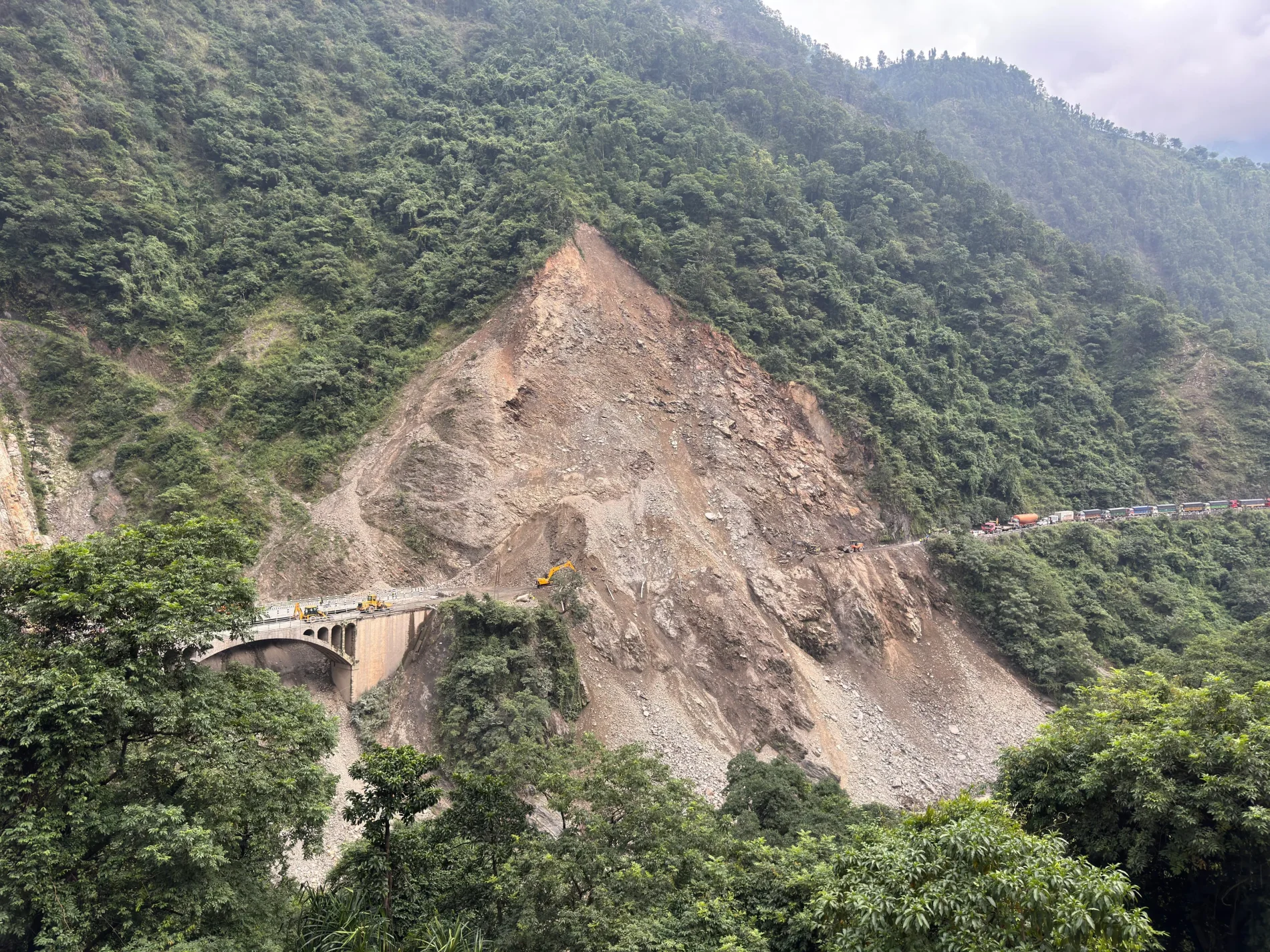
Landslides and falling rocks
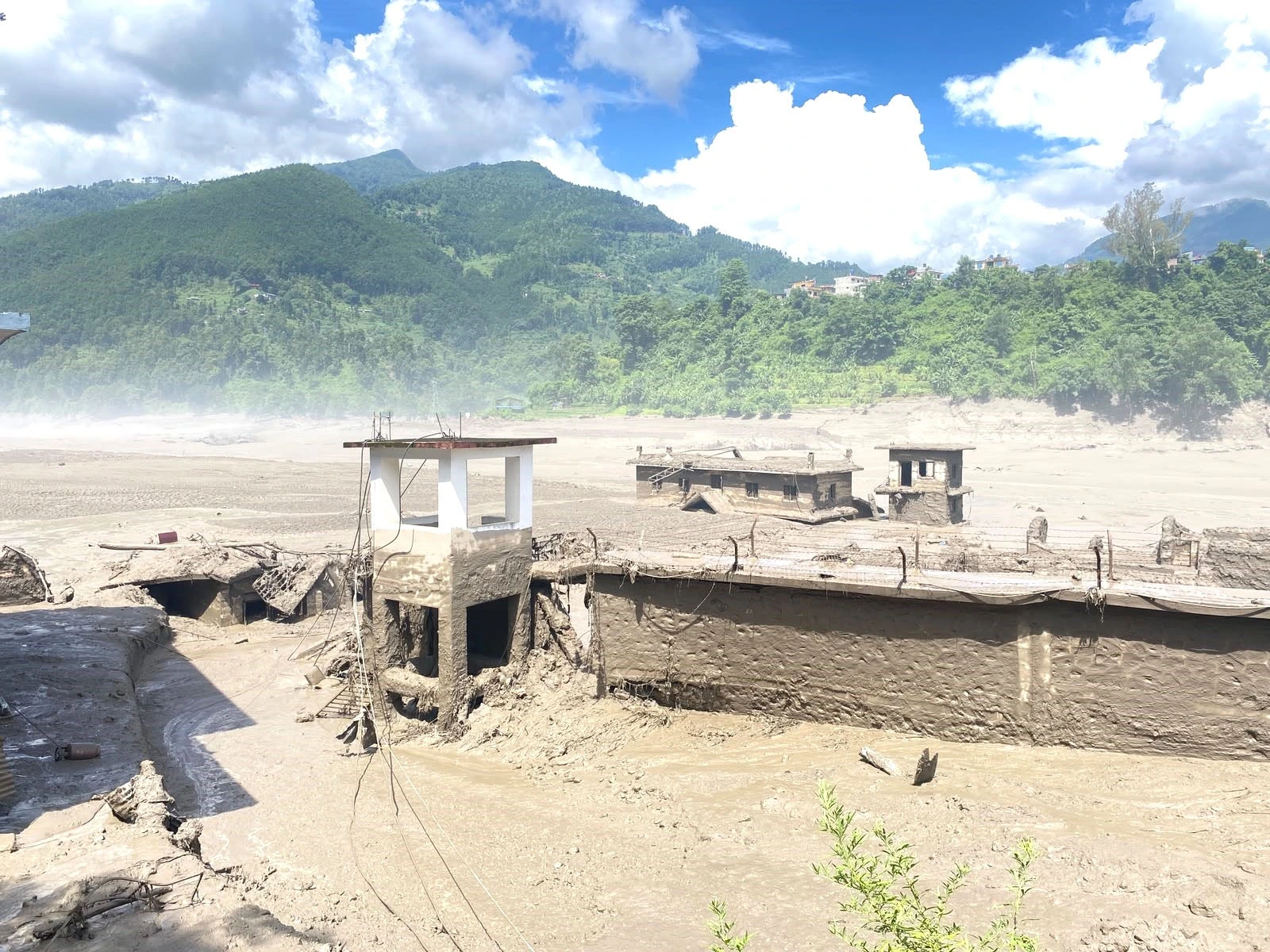
During and after heavy rainfall, unstable slopes can collapse onto trekking paths. Rocks and soil may cover a trail, damage bridges, or destroy sections of a footpath. Even when a path appears passable, loose ground above it can create a serious risk for trekkers.
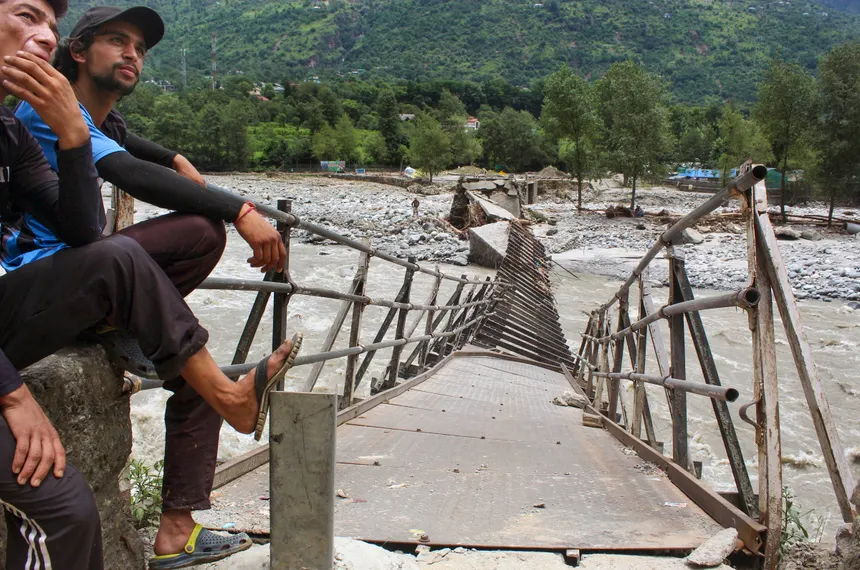
Floods and damaged bridges
Mountain rivers can rise rapidly after heavy rainfall or sudden water releases. Flooding can wash away bridges, damage riverside trails, and cut off access to villages and accommodation.
A route that was accessible yesterday might not be accessible today. Never assume that a shallow-looking river or damaged bridge is safe to cross.
Heavy snowfall and avalanches
In high-altitude areas, heavy snow can cover paths, make navigation difficult, and increase avalanche danger. Some high passes become unsafe or inaccessible during particular weather conditions.
Road closures and transport problems
Sometimes the trekking path itself remains open, but the road leading to the starting point is blocked. This can affect vehicles, buses, supplies, and access to the trailhead.
Understanding the difference matters. A damaged road does not necessarily mean the entire trekking route is closed, but any proposed alternative must be checked before you travel.
Local restrictions and conservation concerns
Authorities or local management bodies may restrict access because of safety concerns, environmental protection, damaged infrastructure, or other local conditions.
Whatever the reason, a closure should be taken seriously. Completing an itinerary is never more important than reaching safety.
Your First Step: Confirm the Trail’s Actual Condition
When you hear that a trekking route is closed, avoid making an immediate decision based on a single social media post or an unverified message.
First, establish exactly which section is affected and whether the restriction applies to the entire route.
Contact your trekking guide or agency and ask for the latest information from local authorities, accommodation providers, and the relevant conservation area or national park management. Check official notices through the Nepal Tourism Board’s latest travel updates.
Try to establish three things:
– Which section is closed, and how far does the affected area extend?
– Is the closure temporary, or has travel through that section been prohibited until further notice?
– Are there any officially approved alternatives that remain accessible and safe?
A closure affecting one valley should not automatically be treated as a closure affecting every trekking region in Nepal. However, distance alone does not prove that another route is safe.
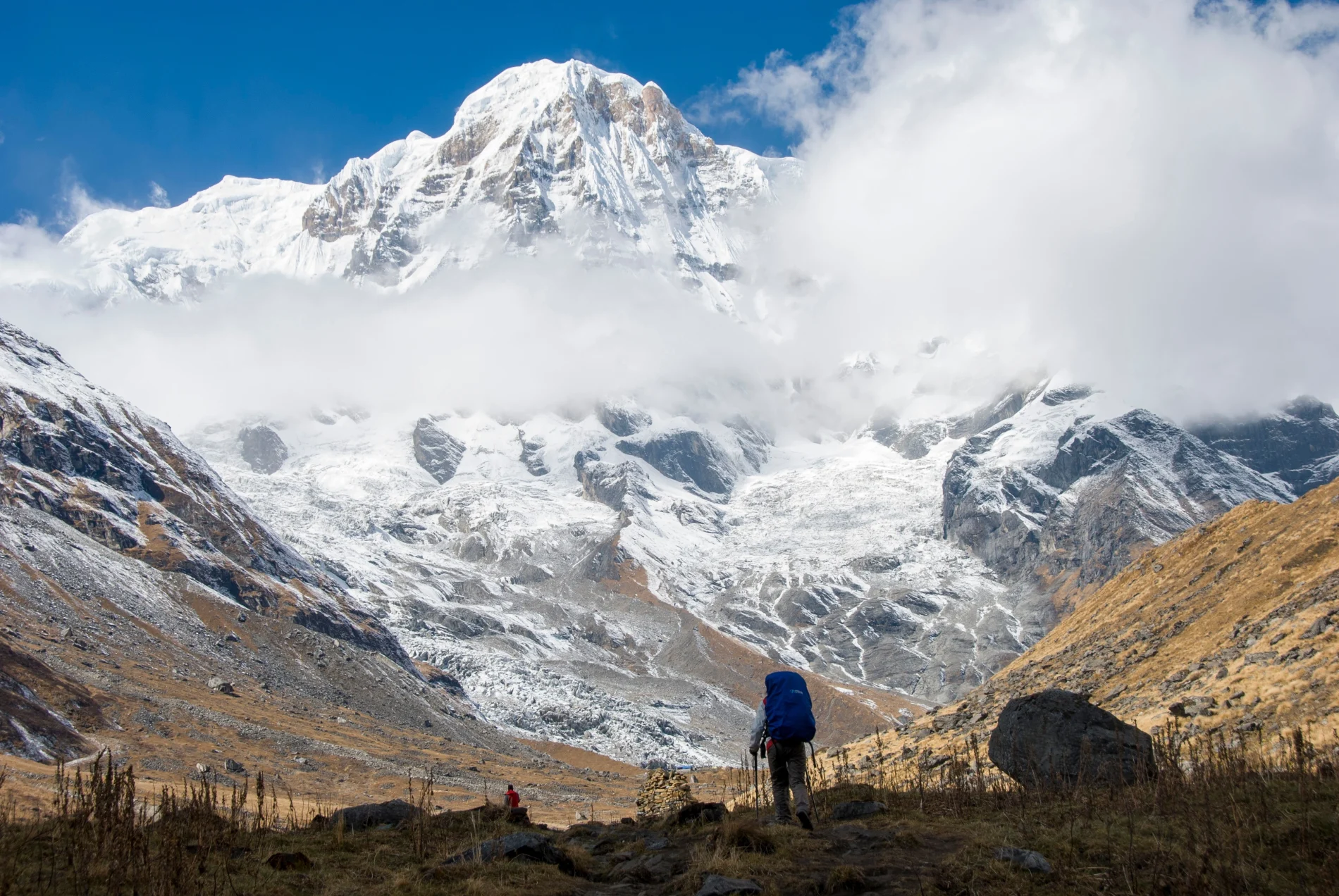
For example, a problem in the Manaslu region does not automatically mean that the Everest or Annapurna regions are affected by the same incident. Each route requires its own assessment of current conditions.
Can You Still Go Trekking Somewhere Else in Nepal?
Yes, potentially. If the original route is no longer suitable, another trekking region may offer a practical alternative. The important point is to select a route based on verified conditions rather than simply choosing another destination from a map.
The replacement should match your available time, fitness level, experience, budget, and expectations as closely as possible.
Option 1: Consider the Everest Region
If your original itinerary is affected elsewhere in Nepal, the Everest region may be worth investigating, provided its access routes and trekking conditions are independently confirmed to be suitable.
The Everest Base Camp Trek is a popular choice for travelers who want to experience the high Himalayas, Sherpa settlements, mountain landscapes, and the journey towards Everest Base Camp.
However, this is not a simple last-minute replacement for every trek. The standard itinerary takes approximately two weeks, and flights, acclimatization days, permits, and available accommodation all need consideration. Travelers with only a few days remaining may not have enough time.
Before changing your plans, ask whether the full itinerary can be completed safely within your remaining holiday.
Option 2: Look at the Annapurna Region
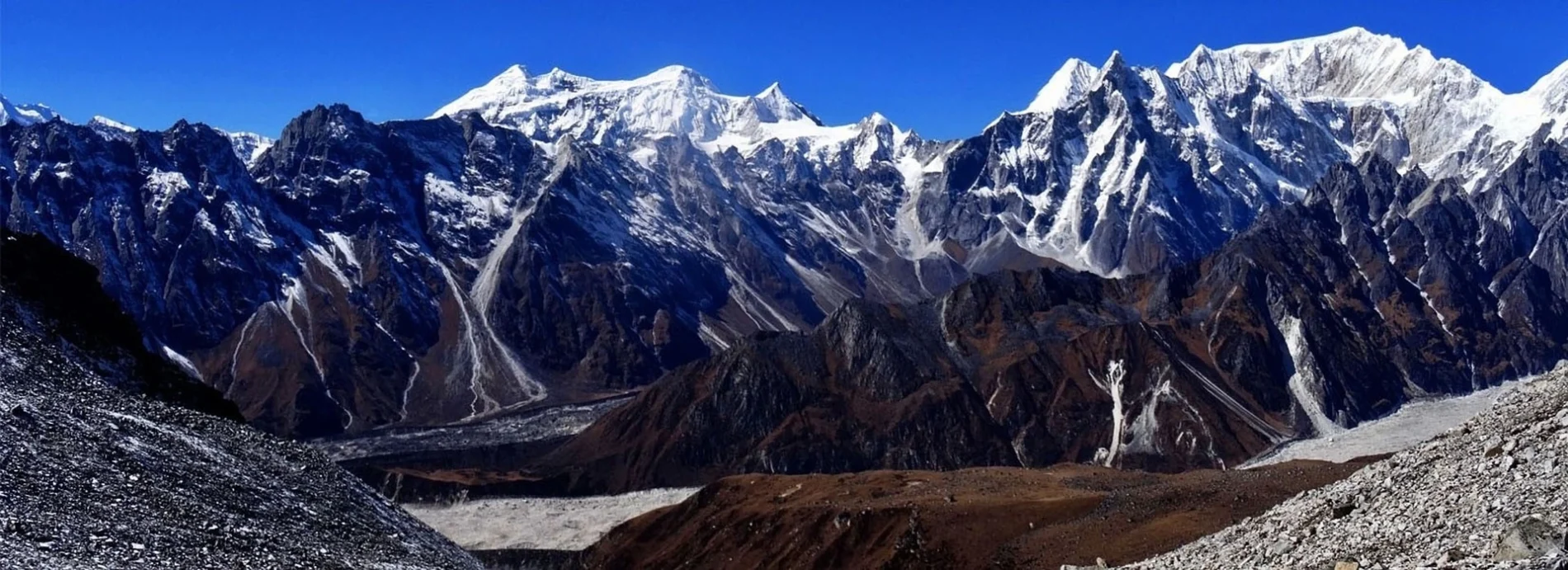
The Annapurna region offers a different Himalayan experience, with mountain scenery, forest trails, traditional villages, and established trekking routes.
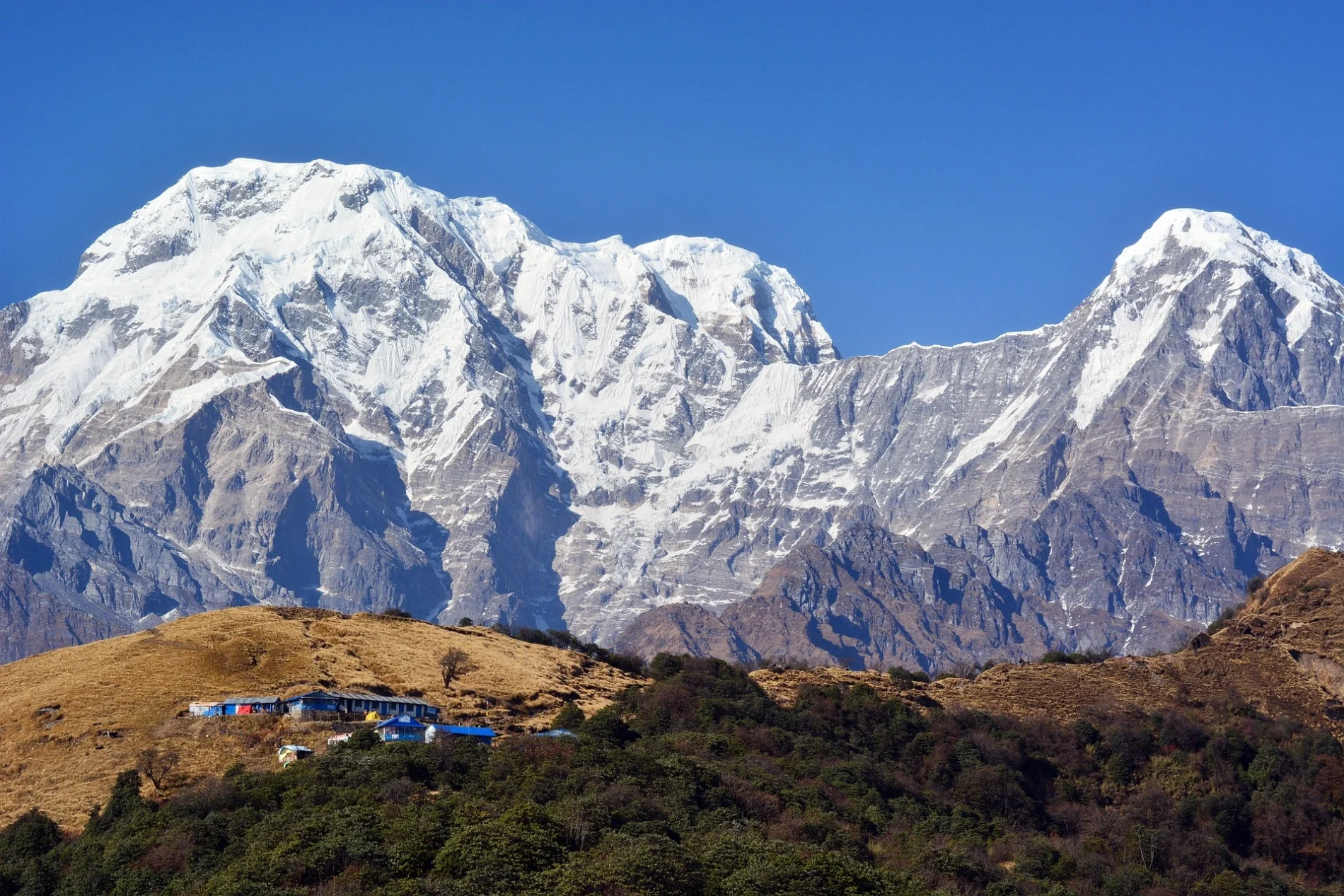
The Annapurna Base Camp Trek takes trekkers through mountain communities and into the Annapurna Sanctuary, where towering Himalayan peaks surround the route.
It may be a suitable alternative when the original destination is inaccessible and the Annapurna route is confirmed to be operating safely.
Still, do not assume that every trail in the Annapurna region is open simply because the region is popular. Weather, landslides, damaged bridges, and local restrictions can affect individual sections. Transport from Pokhara and access to the trailhead must also be checked.
Option 3: Consider the Mardi Himal Trek
For travelers looking for a shorter Himalayan trekking experience, the Mardi Himal Trek may be another option worth discussing with a local trekking agency.
The route is known for forest trails, mountain viewpoints, and close views of the Annapurna range. Depending on the starting point, available days, and current conditions, it may fit some travel plans better than a longer expedition-style itinerary.
However, a shorter trek is not automatically an easier or safer one. The terrain, altitude, weather, and condition of the specific trail still matter.
The Mardi Himal Trek should only be considered if the route and its access points have been checked and the itinerary is appropriate for the travelers concerned.
What if none of these routes is suitable?
Do not force a trekking plan simply because you have already paid for one.
If the available alternatives are unsafe, inaccessible, or impractical within your remaining holiday, a cultural tour in Kathmandu Valley, sightseeing in Pokhara, or a wildlife experience in Chitwan may be more sensible, provided those destinations and transport connections are operating safely.
The goal is to make the best of your time in Nepal without taking unnecessary risks.
What Should Your Trekking Agency Do When a Trail Closes?
A responsible trekking agency should help you understand the situation and make an informed decision. You should not be expected to investigate every trail condition alone while sitting in a hotel room in Kathmandu.
Here is what you should expect from your guide or agency.
1. Explain the problem clearly
Ask which part of the itinerary is affected, why it is closed, and what reliable information is available. You should receive a clear explanation rather than vague reassurance that everything will be fine.
2. Check whether an alternative is genuinely safe
An alternative route should not be selected merely because it appears on a map or saves the itinerary. Your agency should assess trail conditions, transport access, permits, accommodation, weather, and the experience required.
3. Explain the practical changes
A different route may require additional travel, different accommodation, a revised schedule, or changes to the trekking arrangements. Ask what changes are necessary and whether they fit your available time.
4. Put safety before the original itinerary
Your guide should be willing to stop, turn back, or change plans when conditions become dangerous. A professional trekking operation should never pressure guests to cross a flooded river, walk across an unstable landslide, or ignore an official restriction to keep a schedule.
Good communication is particularly important in remote areas, where conditions can change quickly and access to outside assistance may be limited.
What If the Trail Closes After Your Trek Has Started?
A closure during the trek can be more complicated than a closure announced before departure. You may already be several days from the nearest road, and accommodation or transport arrangements may need to change.
Your first priority should be to follow your guide’s instructions and any directions issued by local authorities.
Depending on the situation, the safest response might be to remain in a secure location, return along a safe section of the trail, use an approved alternative, or wait for assistance. The correct action depends on the actual hazard and your location.
Do not attempt to cross a swollen river, climb around a landslide, or follow an unfamiliar shortcut because other travelers appear to be doing so.
Keep your phone charged whenever possible, inform your guide about any immediate concern, and maintain communication with your trekking agency. If you are stranded or facing an emergency, seek assistance through your guide, local administration, Nepal Police, or Tourist Police.
Travel insurance may cover certain emergency expenses or evacuation costs, depending on the policy. However, coverage varies, so do not assume every delay, route change, or evacuation will be reimbursed.
Will You Get Your Money Back If Your Trek Is Cancelled?
This is understandably one of the first questions travelers ask when a Nepal trekking trail closure affects their booking.
The answer depends on the booking agreement, the reason for cancellation, and the services and costs already incurred.
Some expenses may already have been paid to accommodation providers, transport operators, or other suppliers. Permit arrangements and other bookings may also be subject to their own terms.
Ask your agency for a clear explanation of the cancellation policy and the costs that may be recoverable. If your travel insurance includes relevant trip interruption or cancellation cover, contact your insurer and check the policy wording before assuming that a claim will be accepted.
Keep copies of your booking confirmation, payment receipts, cancellation notices, and any communication about the closure.
If the trek cannot proceed safely and no suitable alternative is available, discuss the applicable cancellation terms directly with your agency. Refunds depend on the circumstances and the agreed terms; they should not be assumed to be automatic.
How to Reduce the Risk of Travel Disruption Before Your Trek
You cannot prevent a landslide, flood, or sudden snowfall, but you can prepare for unexpected changes.
Before leaving home, take these precautions:
- Buy travel insurance that specifically covers your planned trekking activities and maximum altitude. Check its exclusions and emergency evacuation provisions.
- Save your trekking agency’s contact details and the contact information for your guide.
- Keep digital and offline copies of your passport, permits, insurance policy, and booking confirmation.
- Ask about the route’s starting point, transport arrangements, and what happens if access is blocked.
- Allow some flexibility in your overall Nepal holiday where possible, particularly around important international flights.
- Check official weather forecasts and travel notices before departure and during the trek.
- Carry appropriate clothing, essential medication, a first-aid kit, a headlamp, and a reliable way to communicate.
Most importantly, understand that a trekking itinerary is a plan, not a guarantee that every trail will remain accessible under all conditions.
The mountains do not follow a booking calendar. Being prepared to make a sensible decision is part of responsible adventure travel.
Frequently Asked Questions
1. What happens if my Nepal trekking trail closes before I arrive?
Confirm the closure with your trekking agency and local authorities. Depending on the circumstances, you may be able to choose a verified alternative route or another suitable activity in Nepal.
2. Does a closed trekking trail mean the entire region is closed?
Not necessarily. Restrictions may affect a particular section, access road, or wider area. Always confirm the current situation before travelling.
3. Can I change my booked trek to Everest Base Camp?
Potentially, if the route is operating safely and you have enough time, suitable fitness, the necessary arrangements, and the required permits. It is not automatically a practical replacement for every itinerary.
4. Is the Annapurna Base Camp Trek a good alternative?
It may be suitable when the route and access are confirmed safe and the itinerary matches your available time. Check current conditions rather than assuming the entire region is unaffected.
5. Is the Mardi Himal Trek suitable for a last-minute change?
It can be considered for some itineraries, but route conditions, access, altitude, weather, and your trekking experience must be assessed first.
6. Will my trekking agency refund me if the trail is closed?
Not automatically. Refunds depend on your booking terms, the reason for cancellation, costs already incurred, and the arrangements agreed with the agency.
7. Does travel insurance cover trekking trail closures?
Coverage depends on your policy. Check whether it includes trip interruption, cancellation, natural disasters, and any relevant evacuation expenses.
8. What should I do if a trail closes while I am trekking?
Follow your guide’s instructions, stay away from dangerous sections, and follow local authority guidance. Do not attempt risky river crossings or unapproved detours.
9. Can I continue trekking if only part of the route is blocked?
Only if a safe, permitted alternative has been confirmed. A blocked section should never be bypassed without a proper assessment.
10. Should I cancel my entire Nepal holiday if my trek is cancelled?
Not necessarily. Depending on current conditions, you may still enjoy cultural sightseeing, wildlife activities, or other suitable experiences in Nepal.
Final Thoughts
A closed trekking trail can be disappointing, especially when you have planned your Nepal holiday for months. But it does not automatically mean your entire trip is lost.
Start by confirming the situation, listening to local advice, and understanding your options. If another trekking route is safe and practical, it may allow you to continue your Himalayan adventure. If not, Nepal has cultural experiences and other activities that may still make your visit worthwhile.
The most important thing is not to reach a particular destination at any cost. It is to make informed decisions, respect local safety restrictions, and return home with good memories rather than an avoidable accident.
A successful trek is not just about reaching the destination. It is also about knowing when to change the plan.

Similar Blogs
View all
13/10/2026
Manaslu Circuit Trek After the October 2026 Floods: Trail Conditions, Safety and Travel Updates
The Manaslu Circuit Trek is one of Nepal’s most rewarding Himalayan journeys, taking trekkers through traditional...
Read more
12/10/2026
Why Are Floods Hitting Nepal Again? The Bhotekoshi Disaster Explained
Nepal has witnessed another devastating flood, raising a difficult question: why do destructive floods keep happening...
Read more