What Happens If You Don’t Like Nepali Food During a Trek?
Share:
 Read Time
This blog has 2744 words .This blog has 17045 characters.This blog take 9 minutes to read.
Imagine spending months planning your dream trek in Nepal. You have chosen your route, bought your hiking boots, booked your flights and started imagining the mountains. Then someone tells you that you might have to eat dal bhat twice a day for two weeks.
Suddenly, the adventure comes with a new question: what if you do not like the food?
It is a reasonable concern, especially if you are travelling to Nepal for the first time. You might not enjoy spicy food, prefer familiar Western meals, dislike lentils or simply be a picky eater. You may also worry about spending several days in mountain villages without access to your usual meals.
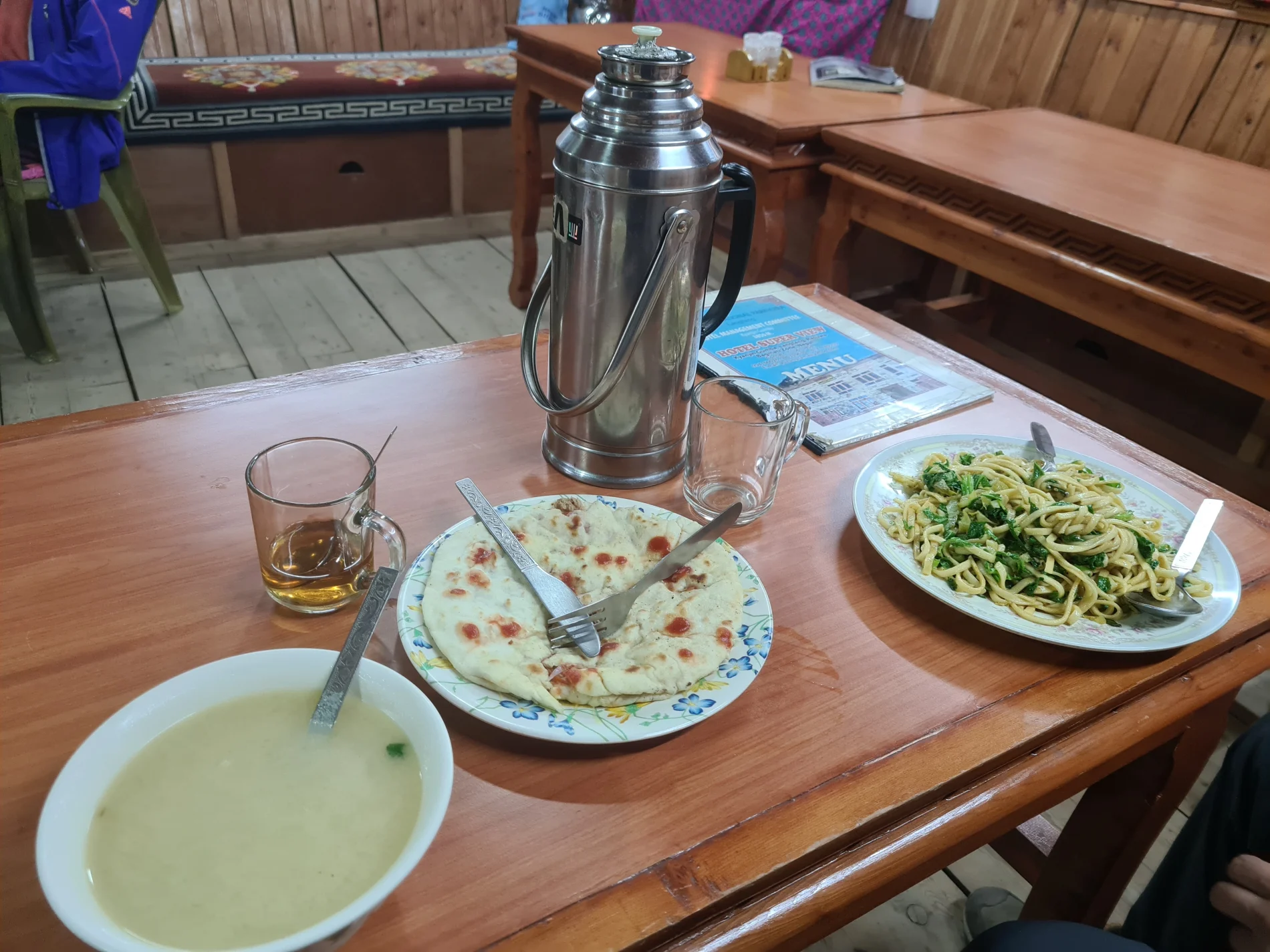
The good news is that you do not need to love every traditional Nepali dish to enjoy a trek in Nepal. Teahouses on many popular trekking routes serve a mixture of local, Tibetan-inspired, Asian and familiar international dishes. You can often find pasta, noodles, fried rice, pancakes, eggs, potatoes and soups alongside traditional meals.
However, there is one important detail: food choices become more limited as you travel into remote mountain regions. The best approach is to understand your options before starting the trek and tell your trekking company about your preferences in advance.
Do You Have to Eat Nepali Food Every Day?
No, you do not have to eat traditional Nepali food at every meal while trekking.
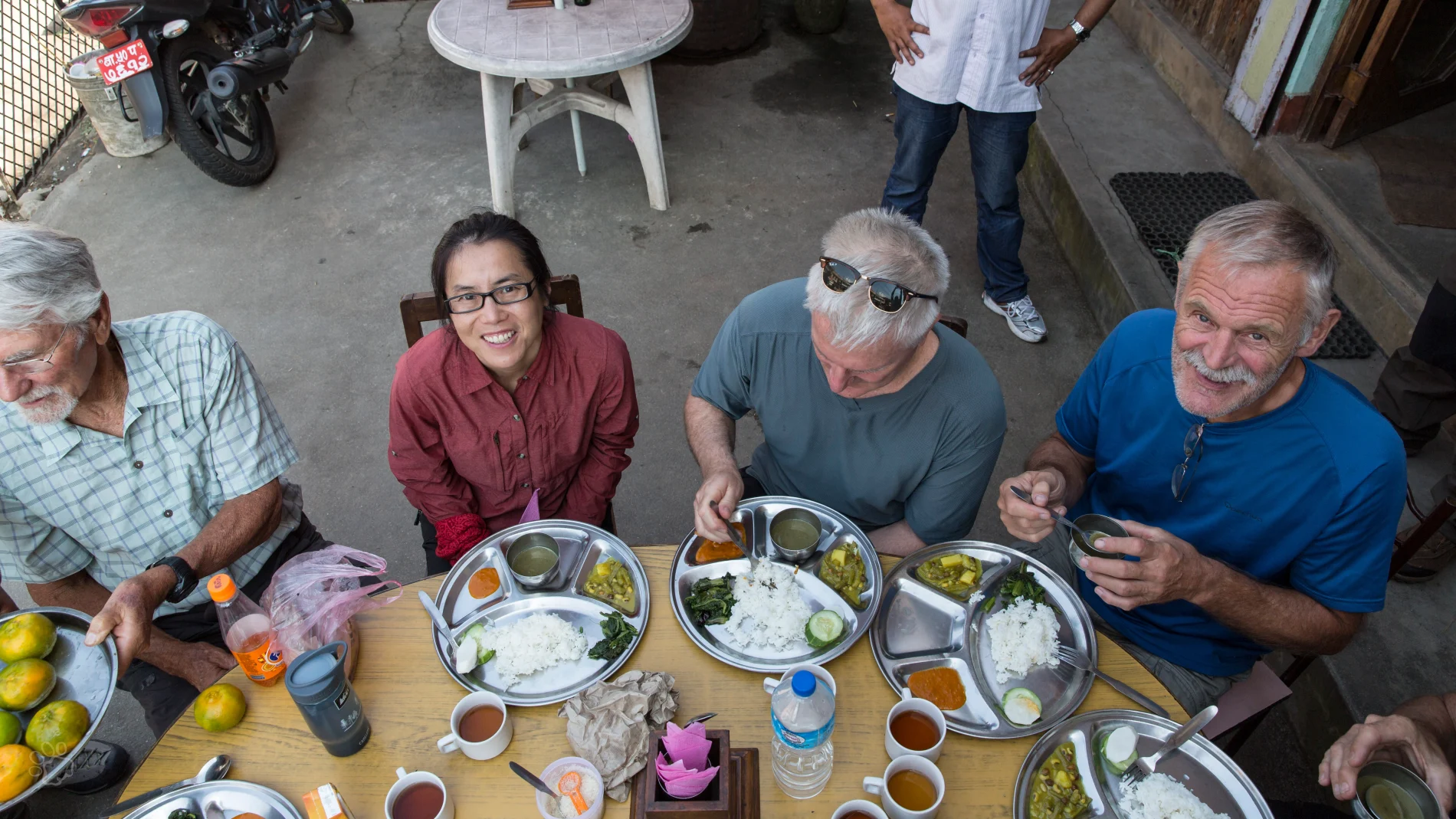
Most established trekking routes have teahouses, which are small lodges offering accommodation and meals. Their menus usually include several types of dishes rather than only traditional Nepali food.
Depending on the route, village and altitude, you may find:
– Pasta and macaroni
– Fried rice and vegetable rice
– Chow mein and other noodle dishes
– Vegetable or meat momos
– Pancakes and Tibetan bread
– Eggs, toast, porridge and muesli
– Potato dishes and vegetable soups
– Pizza or sandwiches in some larger villages
This means that even if dal bhat is not your favourite meal, you will often have alternatives.
However, do not expect every teahouse to serve every dish on this list. A lodge in a larger village may have a much longer menu than a small mountain teahouse at a higher elevation.
If you are trekking in a popular region such as Annapurna or Everest, you will generally find a reasonable selection of meals along the established routes. On more remote treks, variety can be considerably more limited.
What If You Do Not Like Dal Bhat?
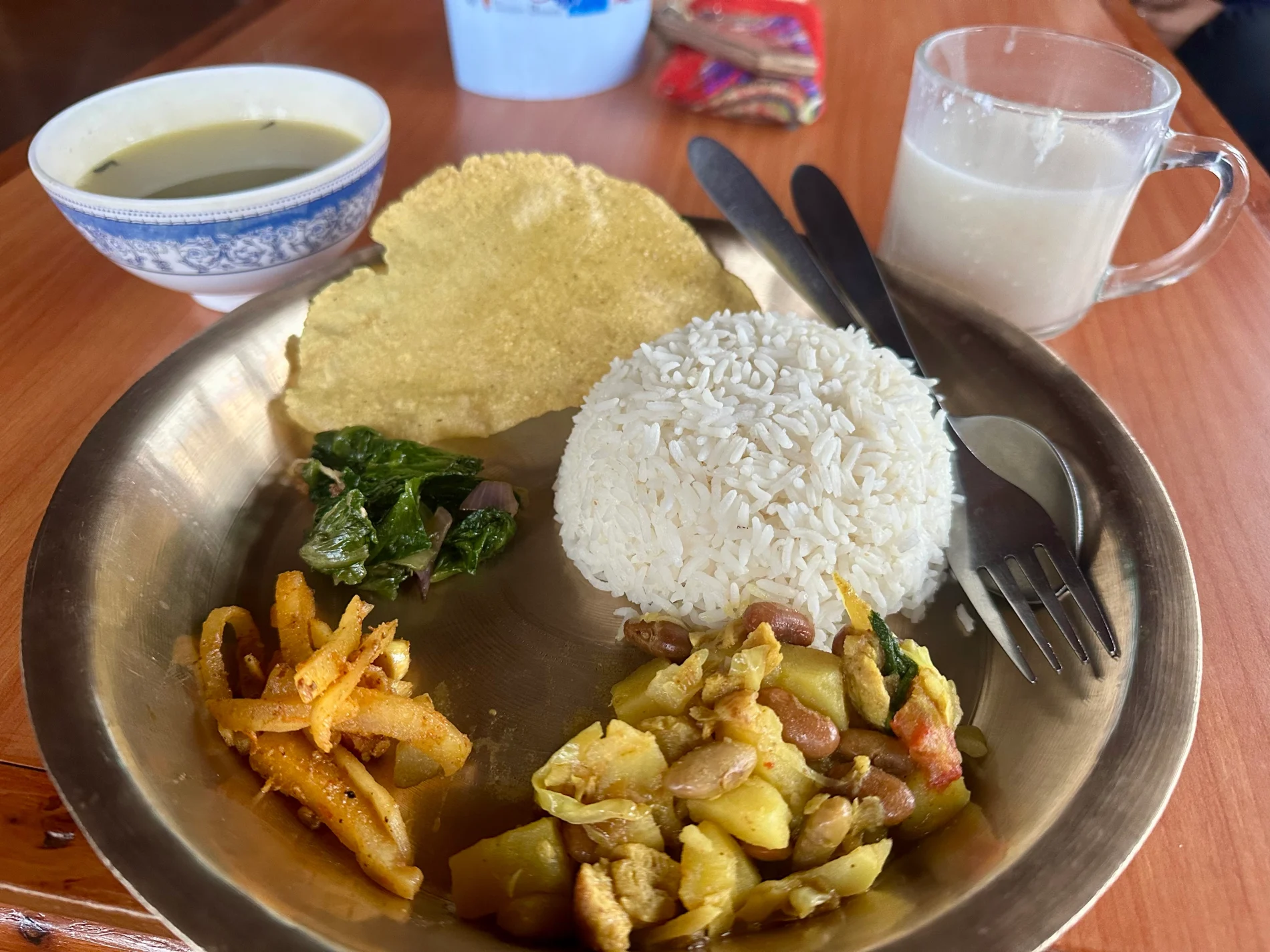
Dal bhat is one of Nepal’s most common meals and a popular choice among trekkers. It usually consists of steamed rice, lentil soup, vegetable curry and pickle, with variations depending on the region and kitchen.
Many trekkers enjoy it because it is filling and provides carbohydrates, protein and other nutrients. At many teahouses, you can also ask for additional servings of rice and lentils.
But what if you try it and decide it is not for you?
You have other options.
If you prefer simple food, try plain rice with vegetables, boiled potatoes, vegetable fried rice, noodles or soup. Eggs and bread can work for breakfast, while pancakes or porridge may be suitable if you prefer something familiar in the morning.
You can also ask for a less spicy version of a dish. Whether the kitchen can prepare it depends on the ingredients and cooking arrangements, so explain your preference clearly rather than assuming every request can be accommodated.
One useful tip is to try unfamiliar food in Kathmandu or Pokhara before beginning your trek. You can sample different dishes in a city restaurant and discover which meals you enjoy. Once you know what works for you, choosing from a mountain menu becomes much easier.
Can You Eat Western Food in the Himalayas?
Yes, particularly on popular trekking routes, but the range of Western-style food varies by location.
Pasta, macaroni, pancakes, toast, porridge and eggs are common options at many teahouses. Larger settlements may offer pizza, sandwiches, baked goods and other familiar meals.
The important thing to remember is that trekking food is not the same as restaurant dining in a major city.
At lower elevations, kitchens can receive a wider variety of ingredients. As you climb higher, transporting supplies becomes more difficult and expensive. Fresh ingredients may be less available, and menus can become shorter.
For example, you might enjoy a wide selection of food in Namche Bazaar on the Everest route. Higher up, you may have to choose from a smaller menu of rice, potatoes, noodles, soup and a few other staples.
That does not mean you will go hungry. It means you should be flexible about exactly what you eat.
If your daily diet depends on a particular brand of cereal, a specific type of bread or a specialised ingredient, do not assume it will be available throughout the trek. Tell your trekking company before departure so you can discuss realistic alternatives.
What If You Are a Very Picky Eater?
Being a picky eater does not automatically mean you cannot trek in Nepal. However, it does make preparation more important.
Start by identifying the foods you can comfortably eat. You do not need a long list, but you should know which basic meals work for you.
For example, if you enjoy rice, potatoes, eggs, bread and plain noodles, you may be able to find suitable options on many established routes. If you only eat a very narrow selection of packaged foods, your trek will require more careful planning.
Here are a few practical steps.
First, share your food preferences with your trekking company before booking or finalising the itinerary. Your guide can help you understand what is normally available on the chosen route and where options may become limited.
Second, learn to communicate simple requests. Tell the guide if you cannot tolerate chilli, dislike a particular ingredient or need meals prepared in a specific way.
Third, carry a small supply of snacks you genuinely enjoy. Nuts, dried fruit, cereal bars and other suitable snacks can help between meals. Choose products that fit your dietary requirements and store them safely.
Finally, remain open to trying a few alternatives. You might discover that a simple bowl of noodle soup tastes surprisingly good after several hours of walking in cold mountain weather.
You do not need to become an expert in Nepali cuisine. You simply need a practical plan that allows you to eat enough throughout the journey.
What Happens When the Menu Gets Smaller at Higher Altitudes?
This is where planning matters most.
On a trek, the availability of food depends partly on the remoteness of the settlement and how supplies reach it. Many mountain villages rely on goods transported by porters, pack animals or other local supply systems.
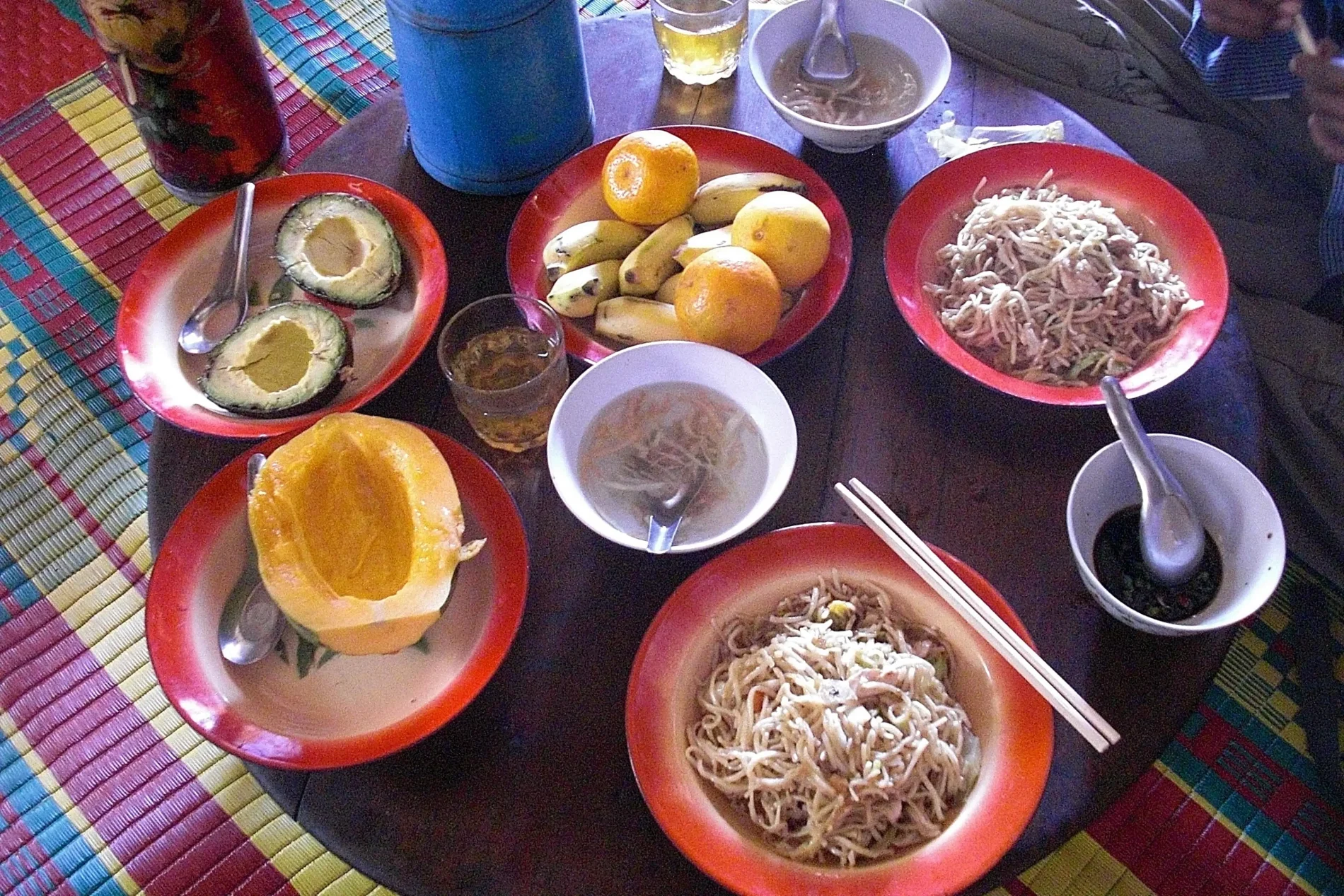
As a result, food options may decrease as you climb higher. Fresh fruit, vegetables and certain imported ingredients can become harder to obtain, while familiar staples such as rice, potatoes, noodles and soup may remain available.
You should also remember that high altitude can reduce your appetite. Some trekkers feel less hungry as they ascend, even when their bodies need sufficient energy to keep walking.
If you already struggle to find food you enjoy, this combination can become a problem.
Do not plan your meals around the assumption that your favourite dish will always be available. Instead, identify several acceptable alternatives and discuss them with your guide.
You should also avoid relying entirely on snacks to replace proper meals. Snacks are useful supplements, but they may not provide enough energy or variety for several days of sustained physical activity.
If you cannot find anything you can comfortably eat, tell your guide early rather than waiting until you have skipped several meals. Your guide can help you discuss alternatives with the lodge and determine what is realistically possible.
What If You Are Vegetarian, Vegan or Have Food Allergies?
Food preferences and medical dietary requirements are not the same thing.
If you simply dislike a particular dish, you may be able to choose another meal from the menu. If you have a serious food allergy, coeliac disease or another medical dietary requirement, the consequences of an unsuitable meal can be much more serious.
Vegetarian meals are widely available on established trekking routes, although preparation methods and ingredients vary. Vegan travellers may need to check whether dishes contain butter, milk, ghee or other animal-derived ingredients.
Gluten-free diets can require additional planning because bread, noodles, pasta and other common menu items often contain wheat. Rice, potatoes and some lentil-based dishes may offer alternatives, but ingredients and cross-contact must still be checked.
For serious allergies, contact your trekking company before the trip and explain exactly what must be avoided. Ask how your guide will communicate this to lodge kitchens and what backup arrangements are possible.
Carry any necessary medication prescribed for your condition and follow your healthcare professional’s advice.
No trekking company should promise that every remote lodge can guarantee an allergen-free kitchen. If your condition requires strict controls, the route and meal arrangements must be assessed realistically before you commit.
Should You Bring Food From Home?
Bringing some familiar snacks is a sensible idea, particularly if you are selective about what you eat.
You could pack cereal bars, nuts, dried fruit, crackers or other lightweight foods that suit your preferences. If you need a particular snack to manage a dietary requirement, carrying a reasonable supply may be especially useful.
However, there is a difference between bringing snacks and bringing every meal you plan to eat.
Carrying all your food for a long trek adds weight to your luggage or porter load. It also means you must plan quantities carefully and consider whether the food provides enough energy for multiple days of walking.
A better strategy is to use local meals as your main source of food and keep familiar snacks as a backup.
If you are considering bringing specialised packaged food, check Nepal’s current customs and import requirements before travelling. Avoid packing unnecessary amounts of food that you could reasonably obtain along the route.
How Can Your Trekking Guide Help?
A good trekking guide does more than show you the trail. Your guide can also help you manage practical challenges along the way, including communication with teahouse staff.
If you explain your preferences in advance, the guide can help you understand available dishes, ask about ingredients and communicate requests in Nepali when necessary.
For example, you may want to know whether a noodle soup contains meat, whether a curry is spicy or whether a meal can be prepared without a particular ingredient.
Your guide can also help you plan ahead for remote sections where the menu is more limited. This does not mean that a guide can create ingredients that are unavailable, but it can help you make informed choices before reaching a high mountain village.
At Silver Moon Adventure & Tours, discussing practical needs before departure is a useful part of preparing for a trek. The more clearly you explain your food preferences and restrictions, the easier it is to assess suitable arrangements for your itinerary.
If you are unsure whether a particular route offers enough options for your diet, ask before booking. It is much better to discuss the issue in Kathmandu than to discover your limitations after several days on the trail.
What Should You Eat If Nothing on the Menu Looks Appealing?
Sometimes the problem is not a lack of food. It is that nothing on the menu sounds particularly attractive after a long day of walking.
Start with the simplest available option. Rice, potatoes, eggs, bread or a warm soup may be easier to manage than an unfamiliar mixed dish. If the kitchen can make a reasonable adjustment, ask politely.
Try to eat regular meals even when your appetite is low. A long trekking day requires energy, and repeatedly skipping meals can leave you tired and less able to manage the following day’s walk.
If altitude is affecting your appetite, pay attention to other symptoms as well. A reduced appetite can occur at altitude, but it should not automatically be dismissed as ordinary pickiness. Headache, nausea, dizziness, unusual fatigue or worsening symptoms deserve attention. Tell your guide promptly, particularly if you are above 2,500 metres. Severe or worsening symptoms require urgent assessment, and suspected altitude illness should never be managed simply by forcing yourself to eat.
Your guide can help you consider the immediate situation, but medical symptoms take priority over meal preferences.
Is Nepal Still Worth Visiting If You Do Not Like Its Food?
Absolutely. Food is an important part of travel, but it does not have to determine whether you enjoy the entire experience.
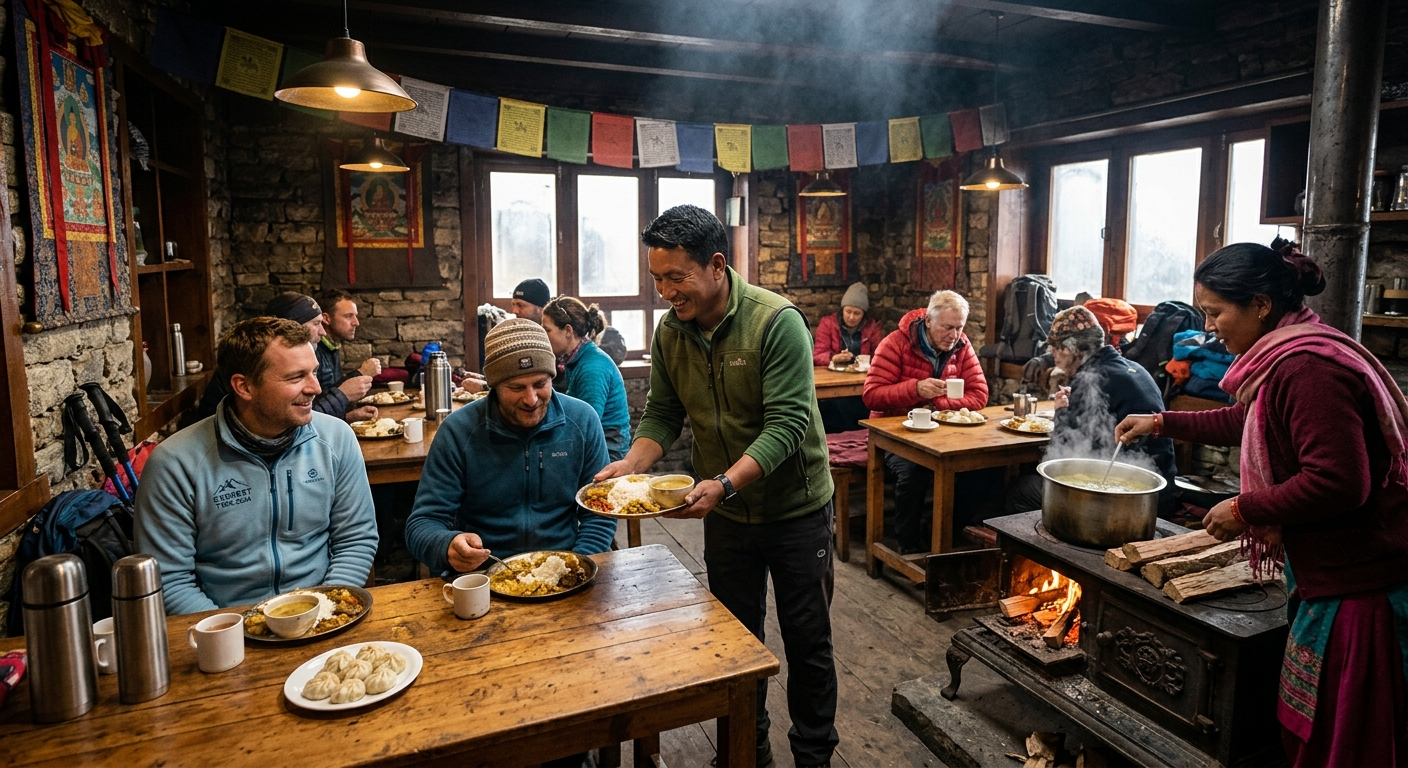
A trek in Nepal offers mountain scenery, quiet villages, local hospitality, changing landscapes and the opportunity to experience life far removed from your normal routine. You can appreciate those things without enjoying every dish served along the way.
At the same time, it is worth approaching local food with some curiosity. You may discover that a dish you were hesitant to try becomes a favourite. You may also find that your preferences change after a long walk in cool mountain air.
You do not have to force yourself to enjoy everything, and there is no need to pretend that unfamiliar food is always wonderful. A practical balance works better: try what interests you, choose alternatives when necessary, and make sure you eat enough to support the trek.
Before departure, read our guide to food and drinks in Nepal to learn more about common dishes and what you may encounter during your trip.
If you are planning an Annapurna Base Camp Trek or another Himalayan adventure, let your trekking company know about your food preferences before you set off.
The mountains should challenge your legs, your patience and perhaps your alarm clock. Your meal plan should not be an unnecessary surprise.
Frequently Asked Questions
Q1. Can I trek in Nepal if I do not like dal bhat?
Yes. Many teahouses offer alternatives such as noodles, fried rice, pasta, potatoes, eggs, pancakes and soup. The selection varies by route and altitude.
Q2. Is Western food available on Nepal trekking routes?
Yes, some familiar Western-style dishes are available on popular routes. Pasta, pancakes, porridge and eggs are common examples, while pizza and sandwiches are more likely in larger settlements.
Q3. Will I find the same food at every teahouse?
No. Menus vary between lodges, and food choices generally become more limited in remote villages and at higher elevations.
Q4. Can I ask a teahouse to prepare food without chilli?
You can ask, and some kitchens may be able to prepare a milder dish. Explain your preference to your guide, but remember that not every kitchen can make every adjustment.
Q5. Can picky eaters complete the Everest Base Camp Trek?
Being a picky eater does not automatically prevent you from completing the trek. You should research the menu options, identify acceptable meals and plan carefully for sections with limited variety.
Q6. Is vegetarian food available during a trek in Nepal?
Vegetarian options are widely available on established trekking routes. However, ingredients and cooking practices can vary, so explain any strict dietary requirements clearly.
Q7. What if I have a serious food allergy?
Tell your trekking company before booking, explain the allergy in detail and discuss whether the planned route and kitchens can accommodate your needs. Do not assume that every remote teahouse can guarantee allergen-free preparation.
Q8. Should I bring snacks from home?
Yes, bringing a reasonable supply of familiar snacks can be useful. Choose lightweight options that suit your dietary needs, but do not rely on snacks alone to provide all your nutrition during a long trek.
Q9. Can I survive on instant noodles and snacks during a Nepal trek?
You should not plan to rely on them alone. Your body needs sufficient energy and a balanced range of nutrients for sustained walking, so aim to eat regular meals and use snacks as supplements.
Q10. Should I tell my trekking company about food preferences before booking?
Yes. Sharing your preferences, allergies and dietary restrictions in advance allows the company to explain realistic options and identify potential difficulties before your trek begins.
Similar Blogs
View all
13/10/2026
Your Nepal Trek Is Booked, but the Trail Is Closed: What Now?
Imagine arriving in Nepal with your trekking boots ready, your flights booked, your bags packed, and...
Read more
12/10/2026
Why Are Floods Hitting Nepal Again? The Bhotekoshi Disaster Explained
Nepal has witnessed another devastating flood, raising a difficult question: why do destructive floods keep happening...
Read more