

Langtang Valley Trek In February
Share:

 Read Time
This blog has 8055 words .This blog has 55152 characters.This blog take 27 minutes to read.
The Langtang Valley Trek in February is one of the best opportunities to experience the Himalayas as winter gradually transitions toward spring. Although February is still considered part of the winter trekking season, the weather becomes slightly milder than in January, while the mountains remain beautifully covered in snow. As a result, trekkers can enjoy peaceful trails, breathtaking alpine scenery, and exceptional mountain views without the large crowds that arrive later in the spring season. For travelers seeking solitude and stunning winter landscapes, the Langtang Valley Trek in February is an outstanding choice.
The Langtang Valley Trek Weather in February is generally dry, stable, and characterized by bright sunny days with crisp mountain air. Moreover, the Langtang Valley Trek Temperature in February is slightly warmer than in January, especially at lower elevations, making daytime trekking more comfortable while still offering a true winter experience. Higher elevations around Kyanjin Gompa and Tserko Ri continue to experience freezing temperatures, but clear skies often reward trekkers with spectacular panoramic views of Langtang Lirung, Gangchempo, Dorje Lakpa, and many other Himalayan peaks.
As you make your way through Langtang National Park, you’ll pass traditional Tamang villages, ancient forests, suspension bridges, flowing rivers, and snow-covered alpine landscapes that showcase the unique beauty of the Langtang region. The quieter atmosphere during February also allows for more meaningful cultural interactions with local communities and provides plenty of opportunities to appreciate the untouched wilderness of the Himalayas.
Whether you’re an experienced trekker looking for a peaceful winter adventure or a first-time visitor seeking unforgettable Himalayan scenery, the Langtang Valley Trek in February offers an excellent balance of stable weather, fewer crowds, and remarkable mountain landscapes. With proper preparation and adequate acclimatization, February delivers a rewarding trekking experience that perfectly combines natural beauty, cultural richness, and winter adventure in one of Nepal’s most spectacular trekking destinations.
Why Choose the Langtang Valley Trek in February?
The Langtang Valley Trek in February is an excellent choice for trekkers who want to experience the beauty of the Himalayas before the busy spring season begins. As winter slowly comes to an end, February offers a perfect balance of stable weather, snow-covered landscapes, and slightly milder temperatures compared to January. Therefore, the Langtang Valley Trek in February is ideal for those seeking peaceful trails, breathtaking mountain views, and an authentic trekking experience away from the crowds.
One of the greatest advantages of trekking in February is the outstanding visibility. The Langtang Valley Trek Weather in February is usually dry with clear skies, allowing trekkers to enjoy uninterrupted views of Langtang Lirung, Gangchempo, Dorje Lakpa, Yala Peak, and many other Himalayan giants. Moreover, the fresh winter air creates excellent conditions for photography, making every viewpoint along the trail even more rewarding.
Another reason to choose the Langtang Valley Trek in February is the peaceful trekking environment. Since the peak spring season has not yet started, the trails remain relatively quiet, giving you the freedom to hike at your own pace. Traditional Tamang villages are less crowded, teahouses are more relaxed, and you’ll have more opportunities to connect with local people while enjoying the tranquil surroundings of Langtang National Park.
Unlike January, February also brings slightly warmer daytime temperatures, making long hours of trekking more comfortable without sacrificing the beauty of the winter landscape. Snow still covers many higher sections of the trail, especially around Kyanjin Gompa and Tserko Ri, creating spectacular scenery while maintaining favorable trekking conditions. This unique combination of winter beauty and improving weather makes February one of the most underrated months to visit the Langtang region.
Whether your goal is to witness snow-covered Himalayan peaks, enjoy uncrowded trekking routes, or experience the rich culture of the Langtang Valley, the Langtang Valley Trek in February offers an unforgettable journey. With its peaceful atmosphere, reliable weather, and magnificent mountain scenery, February is an excellent time to discover why the Langtang region is considered one of Nepal’s most rewarding trekking destinations.
Langtang Valley Trek Weather in February
The Langtang Valley Trek Weather in February is generally cold, dry, and stable, making it one of the most favorable winter months for trekking in Nepal. As winter gradually transitions toward spring, February offers longer sunny days, slightly warmer temperatures than January, and excellent visibility across the Himalayas. Therefore, the Langtang Valley Trek in February provides ideal conditions for trekkers who want to experience snow-covered landscapes without the heavy crowds of the peak trekking seasons.
Most days during February begin with clear blue skies and bright sunshine, creating comfortable conditions for hiking, especially at lower and mid-elevations. Moreover, the dry winter air allows trekkers to enjoy uninterrupted views of Langtang Lirung, Gangchempo, Dorje Lakpa, and the surrounding Himalayan peaks. Although light snowfall is still possible at higher elevations, particularly around Kyanjin Gompa and Tserko Ri, prolonged periods of heavy snowfall are less common than earlier in the winter season.
Morning temperatures remain cold, but afternoons are generally pleasant for trekking under sunny skies. As evening approaches, temperatures drop quickly, especially above 3,500 meters, making warm clothing essential. Furthermore, weather conditions in the mountains can change unexpectedly, so carrying waterproof layers and insulating clothing is always recommended, even during periods of stable weather.
The clear weather in February also makes it one of the best months for sunrise and sunset photography. Early mornings often provide breathtaking panoramic views as the first rays of sunlight illuminate the snow-covered peaks of the Langtang region. The combination of crisp mountain air, blue skies, and fresh snow creates unforgettable scenery throughout the trek.
Overall, the Langtang Valley Trek Weather in February offers an excellent mix of winter beauty and favorable trekking conditions. Trekkers can expect reliable weather, outstanding mountain visibility, and a peaceful atmosphere, making February one of the finest months to explore Langtang National Park and enjoy an unforgettable Himalayan adventure.

Starts from
USD 790
Langtang Gosainkunda Trek- 14 days
The Langtang Gosainkunda Trek is one of the most beautiful and diverse trekking experiences in Nepal. This 14-day Himalayan...
Duration:
14 days
Max altitude:
4,800m at Kyanjin Ri
Langtang Valley Trek Temperature in February
The Langtang Valley Trek Temperature in February is cold but noticeably more comfortable than in January, making February one of the most enjoyable winter months for trekking in the Langtang region. As winter gradually gives way to spring, daytime temperatures become slightly warmer while higher elevations continue to experience freezing conditions. Therefore, the Langtang Valley Trek in February offers a great balance between winter scenery and comfortable trekking weather.
At the starting point in Syabrubesi, daytime temperatures generally range between 10°C and 18°C, creating pleasant conditions for hiking through forests and traditional villages. During the night, temperatures usually fall to around 2°C to 5°C. As you ascend through Langtang National Park, the air becomes noticeably cooler. Around Langtang Village and Kyanjin Gompa, daytime temperatures typically range from 4°C to 10°C, while nighttime temperatures often drop to -8°C to -12°C. Although the days are warmer than in January, nights remain cold enough to require proper winter clothing and a quality sleeping bag.
If you plan to hike to Tserko Ri, expect much colder conditions during the early morning ascent. Temperatures before sunrise can fall below -12°C, and strong mountain winds can make it feel even colder. Therefore, wearing thermal base layers, an insulated jacket, waterproof gloves, a warm hat, and sturdy trekking boots is essential for staying comfortable throughout the trek.
Despite the cold mornings and evenings, the daytime temperatures in February are ideal for trekking. The combination of sunshine, crisp mountain air, and clear skies creates comfortable walking conditions while allowing you to enjoy uninterrupted views of Langtang Lirung and the surrounding Himalayan peaks. Overall, the Langtang Valley Trek Temperature in February provides an excellent winter trekking experience, offering the beauty of snow-covered landscapes without the extreme cold often experienced during January.
Langtang Valley Trek Trail Conditions in February
The Langtang Valley Trek Trail Conditions in February are generally favorable, making it one of the best winter months to explore the Langtang region. As the month progresses, the weather gradually becomes milder, and many sections of the trail remain dry under clear skies. However, higher elevations still experience snow and ice, especially around Kyanjin Gompa and on the route to Tserko Ri. Therefore, trekkers should be prepared for changing trail conditions while enjoying the peaceful beauty of the Himalayas.
The lower sections of the trek, from Syabrubesi through the forests of Langtang National Park, are usually in good condition with well-defined paths and very little mud. Unlike the monsoon season, rainfall is minimal during February, allowing for comfortable hiking through pine forests, bamboo groves, suspension bridges, and traditional Tamang villages. As you gain elevation, patches of snow become more common, adding to the scenic beauty of the trail while requiring extra attention on slippery sections.
Around Langtang Village and Kyanjin Gompa, the trails may remain partially covered with snow, particularly in shaded areas where ice can form during the night. Furthermore, the early morning route to Tserko Ri can be icy because of freezing overnight temperatures. Walking at a steady pace, wearing waterproof trekking boots with good grip, and using trekking poles will greatly improve your stability and confidence. In some cases, carrying microspikes can also be beneficial if fresh snowfall has recently occurred.
Although winter conditions add a moderate challenge, the Langtang Valley Trek Trail Conditions in February are generally considered easier than in January due to slightly warmer temperatures and longer daylight hours. With proper preparation, suitable winter gear, and careful footing on snowy sections, trekkers can enjoy a safe, comfortable, and unforgettable journey through the spectacular landscapes of Langtang National Park.
Langtang Valley Trek Mountain Views in February
One of the greatest highlights of the Langtang Valley Trek in February is the spectacular mountain scenery. February offers some of the clearest skies of the winter season, allowing trekkers to enjoy breathtaking panoramas throughout the journey. The combination of crisp mountain air, dry weather, and snow-covered peaks makes the Langtang Valley Trek Mountain Views in February truly unforgettable. Whether you’re an avid photographer or simply enjoy Himalayan landscapes, February provides outstanding opportunities to admire the region’s natural beauty.
As you trek through Langtang National Park, magnificent peaks gradually come into view, creating an ever-changing backdrop along the trail. You’ll have excellent views of Langtang Lirung, the highest mountain in the Langtang region, along with impressive peaks such as Gangchempo, Dorje Lakpa, Yala Peak, and several other snow-covered summits. Moreover, the fresh snowfall that often remains from earlier winter storms enhances the scenery, creating a striking contrast against the deep blue February sky.
The mountain views become even more impressive after reaching Kyanjin Gompa, where towering Himalayan peaks surround the valley in every direction. Furthermore, if weather and trail conditions are favorable, the hike to Tserko Ri offers one of the finest viewpoints in the Langtang region. From its summit, you’ll enjoy breathtaking 360-degree panoramas of glaciers, alpine valleys, and endless rows of snow-covered mountains stretching across the Himalayas.
Unlike the hazier months later in the year, February’s dry atmosphere provides exceptional visibility from sunrise to sunset. Early mornings are especially rewarding, as the golden light illuminates the snow-covered peaks and creates unforgettable photography opportunities. Overall, the Langtang Valley Trek Mountain Views in February are among the finest you’ll experience in Nepal, making this winter month an excellent choice for anyone seeking remarkable Himalayan scenery and peaceful trekking conditions.
Langtang Valley Trek Mountain Views in February
One of the greatest highlights of the Langtang Valley Trek in February is the spectacular mountain scenery. February offers some of the clearest skies of the winter season, allowing trekkers to enjoy breathtaking panoramas throughout the journey. The combination of crisp mountain air, dry weather, and snow-covered peaks makes the Langtang Valley Trek Mountain Views in February truly unforgettable. Whether you’re an avid photographer or simply enjoy Himalayan landscapes, February provides outstanding opportunities to admire the region’s natural beauty.
As you trek through Langtang National Park, magnificent peaks gradually come into view, creating an ever-changing backdrop along the trail. You’ll have excellent views of Langtang Lirung, the highest mountain in the Langtang region, along with impressive peaks such as Gangchempo, Dorje Lakpa, Yala Peak, and several other snow-covered summits. Moreover, the fresh snowfall that often remains from earlier winter storms enhances the scenery, creating a striking contrast against the deep blue February sky.
The mountain views become even more impressive after reaching Kyanjin Gompa, where towering Himalayan peaks surround the valley in every direction. Furthermore, if weather and trail conditions are favorable, the hike to Tserko Ri offers one of the finest viewpoints in the Langtang region. From its summit, you’ll enjoy breathtaking 360-degree panoramas of glaciers, alpine valleys, and endless rows of snow-covered mountains stretching across the Himalayas.
Unlike the hazier months later in the year, February’s dry atmosphere provides exceptional visibility from sunrise to sunset. Early mornings are especially rewarding, as the golden light illuminates the snow-covered peaks and creates unforgettable photography opportunities. Overall, the Langtang Valley Trek Mountain Views in February are among the finest you’ll experience in Nepal, making this winter month an excellent choice for anyone seeking remarkable Himalayan scenery and peaceful trekking conditions.
Langtang Valley Trek Landscapes in February
The Langtang Valley Trek Landscapes in February offer a breathtaking blend of winter beauty and the first subtle signs of the approaching spring season. Although snow still blankets much of the higher elevations, the increasing daylight and slightly warmer temperatures begin to transform the valleys and forests. As a result, the Langtang Valley Trek in February presents a unique landscape that combines pristine white mountain scenery with the early revival of nature.
The journey begins in the lower hills around Syabrubesi, where terraced fields, traditional Tamang villages, and dense forests create a picturesque introduction to the trek. As you continue through Langtang National Park, you’ll walk beneath towering pine, oak, and rhododendron forests, many of which remain lightly dusted with snow. Moreover, frozen streams, cascading waterfalls, and suspension bridges add to the charm of the route, creating a constantly changing landscape that keeps every day of the trek exciting.
As you gain altitude, the scenery becomes increasingly dramatic. Wide alpine meadows, glacial rivers, rugged cliffs, and snow-covered hillsides dominate the landscape around Langtang Village and Kyanjin Gompa. The majestic presence of Langtang Lirung rising above the valley creates one of the most iconic views in the region. Furthermore, if you hike to Tserko Ri, you’ll witness an unforgettable panorama of glaciers, high mountain passes, and endless Himalayan peaks stretching far into the distance.
February also offers excellent conditions for photography. The contrast between bright blue skies, sparkling snow, colorful prayer flags, and traditional stone-built villages creates stunning images throughout the trek. Unlike the busier spring months, the peaceful surroundings allow you to fully appreciate the untouched beauty of the Langtang region without distraction.
Overall, the Langtang Valley Trek Landscapes in February perfectly capture the transition between winter and spring. From snow-covered forests and tranquil alpine valleys to towering Himalayan peaks and rich cultural scenery, February provides an unforgettable visual experience that makes every step of the journey worthwhile.

Starts from
USD 540
Langtang Valley Trek- 10 days
The Langtang Trek is one of the best short trekking adventures in Nepal. This 10-day journey takes you into...
Duration:
10 days
Max altitude:
4,800m at Kyanjin Ri
Langtang Valley Trek Crowds and Trekking Experience in February
The Langtang Valley Trek Crowds and Trekking Experience in February offer the perfect balance between solitude and comfortable trekking conditions. Although February marks the gradual transition from winter to spring, it is still considered part of the off-season. As a result, the trails remain peaceful, allowing trekkers to experience the natural beauty of the Langtang region without the large crowds that typically arrive in March and April.
One of the biggest advantages of the Langtang Valley Trek in February is the calm and relaxed atmosphere. Throughout the journey, you’ll often hike for long stretches without encountering many other trekking groups. This peaceful environment allows you to fully appreciate the sounds of nature, from flowing rivers and rustling forests to the gentle mountain breeze passing through the valley. Moreover, quieter trails provide plenty of opportunities to stop, rest, and enjoy the spectacular views of Langtang Lirung and the surrounding Himalayan peaks.
The teahouses are also much less crowded during February. Since visitor numbers remain relatively low, you’ll usually find accommodation without difficulty and enjoy a more comfortable stay. Furthermore, lodge owners often have more time to interact with guests, share stories about local Tamang traditions, and offer warm hospitality that makes the trekking experience even more memorable.
Although you’ll encounter more trekkers than in January, February is still far quieter than the peak spring and autumn seasons. This means you can enjoy the benefits of improving weather and longer daylight hours while still avoiding busy trails and fully booked lodges. For photographers, nature lovers, and trekkers seeking a more relaxed adventure, February provides an ideal setting.
Overall, the Langtang Valley Trek Crowds and Trekking Experience in February combine peaceful surroundings, welcoming local communities, and breathtaking Himalayan scenery. If you prefer a quieter trekking experience without sacrificing favorable weather and magnificent mountain views, February is one of the best months to explore Langtang National Park
Pros of the Langtang Valley Trek in February
1. Excellent Mountain Views
One of the greatest advantages of the Langtang Valley Trek in February is the outstanding visibility. The Langtang Valley Trek Weather in February is typically dry and clear, offering spectacular views of Langtang Lirung, Gangchempo, Dorje Lakpa, Yala Peak, and many other snow-covered Himalayan peaks. The crisp winter air makes February one of the best months for mountain photography.
2. Peaceful Trails with Fewer Crowds
Although February is slightly busier than January, it remains much quieter than the peak spring and autumn seasons. This allows trekkers to enjoy a more peaceful journey through Langtang National Park, explore traditional Tamang villages at a relaxed pace, and experience the natural beauty of the Himalayas without large trekking groups.
3. Comfortable Winter Trekking Conditions
Compared to January, the Langtang Valley Trek Temperature in February is slightly warmer during the daytime while still preserving the beauty of the winter landscape. The longer daylight hours also provide more time for trekking, making each day more comfortable and enjoyable.
4. Beautiful Snow-Covered Landscapes
Snow still covers much of the higher elevations during February, creating breathtaking alpine scenery throughout the trek. From snow-dusted forests and frozen rivers to glaciers surrounding Kyanjin Gompa, the winter landscape offers a unique and unforgettable Himalayan experience.
5. Easier Accommodation and Flexible Itineraries
Since February is still considered part of the quieter trekking season, finding accommodation is generally easier than during spring. Most teahouses have available rooms, allowing trekkers greater flexibility when planning daily walking distances and overnight stops. This relaxed environment contributes to a more enjoyable and less stressful trekking experience.
6. Great Balance Between Winter and Spring
February offers a unique combination of winter scenery and improving weather. Trekkers can still enjoy snow-covered mountains while benefiting from slightly warmer temperatures and longer days. This balance makes the Langtang Valley Trek in February an excellent choice for those who want the beauty of winter without the harshest conditions of mid-January.
Cons of the Langtang Valley Trek in February
1. Cold Nights at Higher Elevations
Although February is slightly warmer than January, nights in the higher parts of the Langtang region remain extremely cold. Around Kyanjin Gompa, temperatures frequently fall below freezing, making warm clothing and a high-quality sleeping bag essential for a comfortable trek.
2. Snow and Ice on Upper Trails
The Langtang Valley Trek Trail Conditions in February are generally good, but snow and ice can still be present above Langtang Village, particularly on the route to Tserko Ri. These conditions require extra caution, especially during early morning hikes when the trail may be frozen and slippery.
3. Limited Facilities in Winter
Most teahouses remain open during February, but some facilities may be limited compared to the peak trekking seasons. Hot showers, Wi-Fi, charging electronic devices, and laundry services may not always be available or may involve additional charges. In smaller villages, the range of food choices can also be more limited.
4. Unpredictable Mountain Weather
While the Langtang Valley Trek Weather in February is generally stable, mountain weather can change quickly. Light snowfall, strong winds, or sudden drops in temperature are still possible, particularly at higher elevations. Therefore, trekkers should always carry waterproof clothing and be prepared to adjust their plans if necessary.
5. Higher Altitude Challenges Remain
The warmer daytime temperatures in February do not reduce the effects of altitude. As you ascend toward Kyanjin Gompa and Tserko Ri, the thinner air can still cause altitude sickness if you climb too quickly. Proper acclimatization, staying hydrated, and maintaining a steady pace remain essential throughout the trek.
6. Requires Proper Winter Gear
Although conditions improve compared to January, the Langtang Valley Trek in February is still a winter trek. Trekkers need insulated clothing, waterproof boots, gloves, thermal layers, and other cold-weather equipment. Packing inadequate gear can make the trek uncomfortable and increase the risk of cold-related issues, especially during early mornings and overnight stays at higher elevations.
What to Pack for the Langtang Valley Trek in February
Packing the right equipment is essential for a comfortable and successful Langtang Valley Trek in February. Although February brings slightly warmer temperatures than January, it is still a winter trekking month with cold mornings, freezing nights, and occasional snowfall at higher elevations. Therefore, carrying appropriate clothing and trekking gear will help you stay warm, comfortable, and prepared for changing mountain conditions throughout the journey.
Begin with moisture-wicking thermal base layers that keep your body dry while hiking. Add a fleece jacket for insulation and a quality down jacket to protect yourself from the cold at higher elevations such as Kyanjin Gompa and Tserko Ri. A waterproof and windproof outer shell is equally important, as mountain weather can change unexpectedly. Warm trekking pants, thermal leggings, insulated gloves, a wool hat, a neck gaiter, and several pairs of thick wool socks should also be included in your packing list to ensure maximum comfort.
Footwear plays a vital role during the Langtang Valley Trek in February. Waterproof trekking boots with excellent grip and ankle support are highly recommended, especially for walking on snowy or icy sections of the trail. Trekking poles provide better balance on uneven terrain, while microspikes can be useful if fresh snow or ice covers the route to Tserko Ri. In addition, don’t forget sunglasses with UV protection, sunscreen, lip balm, a reusable water bottle, water purification tablets, a headlamp, a power bank, and a personal first-aid kit.
Even though February is milder than January, nighttime temperatures at higher elevations still fall well below freezing. Carrying a sleeping bag rated for at least -10°C is strongly recommended for a warm and comfortable night’s sleep in teahouses. By packing wisely and preparing for winter conditions, you’ll be able to fully enjoy the breathtaking mountain views, peaceful trails, and unforgettable landscapes that make the Langtang Valley Trek in February such a rewarding Himalayan adventure.
Langtang Valley Trek Difficulty in February
The Langtang Valley Trek Difficulty in February is generally considered moderate, although winter conditions at higher elevations can make certain sections more challenging. Compared to January, February offers slightly warmer temperatures and longer daylight hours, making the trek more comfortable while still preserving the beauty of the winter season. Therefore, the Langtang Valley Trek in February is suitable for both experienced trekkers and physically fit beginners who are well prepared for high-altitude hiking.
The trek involves walking for approximately 5 to 7 hours each day, covering a variety of terrain, including forest trails, suspension bridges, stone staircases, alpine meadows, and rocky mountain paths. As you ascend through Langtang National Park, the altitude gradually increases, making each day slightly more demanding. Although the trails are well established, sections near Kyanjin Gompa and Tserko Ri may still have patches of snow or ice, requiring extra care while walking.
One of the biggest challenges during the Langtang Valley Trek in February is the high altitude rather than the trail itself. The route reaches approximately 3,870 meters at Kyanjin Gompa, and trekkers who continue to Tserko Ri will climb to nearly 4,984 meters. At these elevations, thinner air can slow your pace and increase the risk of altitude sickness if you ascend too quickly. Therefore, following a gradual itinerary and allowing sufficient time for acclimatization are essential.
Despite these challenges, the Langtang Valley Trek in February remains highly achievable with good physical preparation and the right equipment. Regular walking, cardiovascular exercise, and leg-strengthening workouts before your trip will help you enjoy the trek with greater confidence. Overall, the combination of stable weather, manageable trail conditions, peaceful surroundings, and breathtaking Himalayan scenery makes February one of the most rewarding months to experience the Langtang region.
Altitude and Acclimatization for the Langtang Valley Trek in February
Altitude is one of the most important factors to consider during the Langtang Valley Trek in February. Although February offers stable weather and slightly warmer temperatures than January, the effects of high altitude remain the same throughout the trek. The journey begins in Syabrubesi at an elevation of approximately 1,460 meters and gradually ascends through Langtang National Park to Kyanjin Gompa, which sits at around 3,870 meters. For trekkers planning to hike to Tserko Ri, the elevation reaches nearly 4,984 meters, where oxygen levels are significantly lower and proper acclimatization becomes essential.
As you gain altitude, your body needs time to adjust to the reduced oxygen levels. Therefore, following a gradual trekking itinerary is one of the best ways to minimize the risk of altitude sickness. Most itineraries include an acclimatization day at Kyanjin Gompa, allowing trekkers to rest while exploring nearby attractions such as Kyanjin Ri, local cheese factories, or shorter hikes around the valley. This extra day helps your body adapt before attempting the higher elevation of Tserko Ri.
During the Langtang Valley Trek in February, it’s important to maintain a slow and steady walking pace instead of rushing. Drink plenty of purified water, eat nutritious meals, and avoid excessive physical exertion, even if you feel comfortable during the early stages of the trek. Furthermore, pay close attention to symptoms such as headaches, dizziness, nausea, unusual fatigue, or difficulty sleeping, as these may indicate the early signs of altitude sickness. If symptoms worsen, descending to a lower elevation is always the safest option.
Although February provides excellent trekking conditions, no season eliminates the effects of altitude. By respecting your body’s limits, allowing enough time for acclimatization, and following a well-planned itinerary, you’ll greatly improve your chances of completing the Langtang Valley Trek in February safely while enjoying the spectacular scenery of Langtang Lirung, Kyanjin Gompa, and the surrounding Himalayan peaks.
Langtang Valley Trek Permits in February
Before beginning the Langtang Valley Trek in February, every trekker must obtain the necessary permits required to enter the Langtang region. These permits are mandatory throughout the year, regardless of the season, and help protect the natural environment while supporting conservation efforts in Langtang National Park. Therefore, arranging your permits before starting the trek will ensure a smooth and hassle-free journey.
The primary permit required for the Langtang Valley Trek in February is the Langtang National Park Entry Permit, which allows access to the protected area. Depending on the latest regulations issued by the Nepalese tourism authorities, trekkers may also need a TIMS (Trekkers’ Information Management System) Card. Since trekking regulations can occasionally change, it is always recommended to verify the most up-to-date permit requirements before traveling to Nepal.
If you’re trekking independently, permits can usually be obtained from the appropriate tourism offices in Kathmandu before traveling to Syabrubesi. However, many trekkers prefer joining a registered trekking company, as the entire permit process is handled on their behalf. At this stage, choosing an experienced local operator can save both time and effort. At Silver Moon Adventure and Tours, we arrange all the necessary trekking permits before your departure, ensuring that every document is prepared correctly so you can begin your Langtang adventure without unnecessary delays or paperwork.
When applying for your permits, you’ll generally need a valid passport, passport-sized photographs, and the required permit fees. It’s also a good idea to carry both printed and digital copies of your travel documents throughout the trek. Permit checkpoints are located at various points along the trail, and you’ll be required to present your documents when requested.
Overall, obtaining the required permits for the Langtang Valley Trek in February is a straightforward process when planned in advance. With your permits arranged before departure, you can focus entirely on enjoying the spectacular mountain scenery, rich Tamang culture, and unforgettable trekking experience through Langtang National Park.
Langtang Valley Trek Accommodation in February
Accommodation during the Langtang Valley Trek in February is comfortable, welcoming, and readily available along the entire trekking route. Since February falls just before the busy spring trekking season, most teahouses are open while visitor numbers remain relatively low. This allows trekkers to enjoy a quieter atmosphere, better room availability, and warm hospitality from local families throughout the journey.
The trek passes through several villages, including Lama Hotel, Langtang Village, and Kyanjin Gompa, where traditional teahouses provide simple yet comfortable accommodation. Most rooms are twin-sharing with basic beds, pillows, blankets, and shared bathroom facilities. Although luxury accommodation is not available in the Langtang region, the clean rooms, freshly prepared meals, and friendly local hospitality create an authentic Himalayan trekking experience.
As you gain altitude, accommodation becomes more basic, especially around Kyanjin Gompa. However, the dining halls are usually heated with a central stove during the evenings, providing a warm and social space where trekkers can relax, enjoy hot meals, and share stories after a day on the trail. To make the experience even more comfortable, many trekkers prefer arranging their accommodation in advance. At Silver Moon Adventure and Tours, we carefully select trusted teahouses known for their cleanliness, quality food, and welcoming service, ensuring our guests enjoy comfortable overnight stays throughout the Langtang Valley Trek in February.
Although February is quieter than the peak trekking months, carrying a warm sleeping bag rated for below-freezing temperatures is still highly recommended, as nights at higher elevations can be very cold. Facilities such as hot showers, Wi-Fi, charging electronic devices, and laundry services are available in many teahouses, but they usually require an additional fee and may be limited depending on the village and weather conditions.
Overall, accommodation during the Langtang Valley Trek in February provides everything needed for a comfortable trekking experience. Combined with peaceful surroundings, fewer crowds, and genuine Tamang hospitality, staying in local teahouses becomes one of the most memorable parts of this unforgettable Himalayan adventure.
Langtang Valley Trek Food in February
Food during the Langtang Valley Trek in February is nutritious, satisfying, and designed to provide the energy needed for long days of trekking in the mountains. Despite being part of the winter season, most teahouses along the route offer a surprisingly varied menu, allowing trekkers to enjoy warm meals and hot drinks while taking in the spectacular scenery of the Langtang region. Therefore, finding good food is rarely a concern during the trek.
The most popular meal on the Langtang Valley Trek in February is Dal Bhat, Nepal’s traditional combination of rice, lentil soup, vegetables, pickles, and seasonal curry. Rich in carbohydrates, protein, and essential nutrients, Dal Bhat is considered the ideal trekking meal because it provides long-lasting energy for hiking at altitude. Moreover, many teahouses offer free refills, making it both filling and economical for trekkers.
In addition to Dal Bhat, most teahouses serve a variety of other dishes, including fried rice, noodles, pasta, momos, soups, Tibetan bread, pancakes, porridge, eggs, and potato-based meals. Breakfast options are usually simple but nutritious, helping trekkers start the day with enough energy for the trail ahead. As you gain altitude, menu choices may become slightly more limited, but the quality and freshness of the food generally remain good.
Hot drinks are especially popular during February due to the cold mountain temperatures. Tea, coffee, ginger tea, hot lemon, hot chocolate, and honey lemon tea are widely available and help trekkers stay warm throughout the day. Furthermore, staying hydrated remains extremely important for proper acclimatization, even when the cold weather reduces your feeling of thirst.
Because all supplies must be transported from lower elevations by porters or pack animals, food prices gradually increase as you climb higher into the valley. However, the freshly prepared meals, warm dining halls, and welcoming atmosphere make every meal a rewarding part of the trekking experience. Overall, the food available during the Langtang Valley Trek in February is both delicious and practical, helping trekkers maintain their energy while exploring the breathtaking landscapes of Langtang National Park.
Langtang Valley Trek Transportation in February
The Langtang Valley Trek Transportation in February is generally smooth and reliable, as winter weather begins to ease and road conditions improve compared to the peak of the cold season. The trek starts from Syabrubesi, a small mountain town located approximately 122 kilometers north of Kathmandu. Depending on traffic, road conditions, and weather, the drive typically takes 7 to 9 hours. Since February usually experiences dry weather, travelers can expect a comfortable journey with fewer weather-related disruptions than during the monsoon months.
There are several ways to reach Syabrubesi. Local buses operate daily from Kathmandu and are the most budget-friendly option for trekkers. However, these buses can become crowded and the journey may be less comfortable due to the winding mountain roads. Alternatively, private jeeps are the preferred choice for many trekkers because they provide more comfort, greater flexibility, and shorter travel times. They are especially suitable for families, private groups, or anyone carrying extra trekking equipment.
Many trekkers choose to arrange their transportation before arriving in Nepal to avoid last-minute planning. At Silver Moon Adventure and Tours, we organize reliable private jeeps and comfortable transportation services for the Langtang region. Our experienced drivers are familiar with the mountain roads, ensuring a safe and convenient journey between Kathmandu and Syabrubesi, allowing you to begin your trek with confidence and peace of mind.
After completing the Langtang Valley Trek in February, you’ll return to Syabrubesi and travel back to Kathmandu using the same route. Although February generally offers stable travel conditions, occasional road maintenance or unexpected weather changes can still cause minor delays. Therefore, it’s always a good idea to keep an extra day in your itinerary before any international flights or important travel connections.
Overall, transportation for the Langtang Valley Trek in February is straightforward and well organized. By choosing the transportation option that best suits your budget and travel style, you can enjoy a comfortable start and finish to one of Nepal’s most rewarding winter trekking adventures.
Langtang Valley Trek Transportation in February
The Langtang Valley Trek Transportation in February is generally smooth and reliable, as winter weather begins to ease and road conditions improve compared to the peak of the cold season. The trek starts from Syabrubesi, a small mountain town located approximately 122 kilometers north of Kathmandu. Depending on traffic, road conditions, and weather, the drive typically takes 7 to 9 hours. Since February usually experiences dry weather, travelers can expect a comfortable journey with fewer weather-related disruptions than during the monsoon months.
There are several ways to reach Syabrubesi. Local buses operate daily from Kathmandu and are the most budget-friendly option for trekkers. However, these buses can become crowded and the journey may be less comfortable due to the winding mountain roads. Alternatively, private jeeps are the preferred choice for many trekkers because they provide more comfort, greater flexibility, and shorter travel times. They are especially suitable for families, private groups, or anyone carrying extra trekking equipment.
Many trekkers choose to arrange their transportation before arriving in Nepal to avoid last-minute planning. At Silver Moon Adventure and Tours, we organize reliable private jeeps and comfortable transportation services for the Langtang region. Our experienced drivers are familiar with the mountain roads, ensuring a safe and convenient journey between Kathmandu and Syabrubesi, allowing you to begin your trek with confidence and peace of mind.
After completing the Langtang Valley Trek in February, you’ll return to Syabrubesi and travel back to Kathmandu using the same route. Although February generally offers stable travel conditions, occasional road maintenance or unexpected weather changes can still cause minor delays. Therefore, it’s always a good idea to keep an extra day in your itinerary before any international flights or important travel connections.
Overall, transportation for the Langtang Valley Trek in February is straightforward and well organized. By choosing the transportation option that best suits your budget and travel style, you can enjoy a comfortable start and finish to one of Nepal’s most rewarding winter trekking adventures.
Langtang Valley Trek Cost in February
The Langtang Valley Trek Cost in February is generally more affordable than during the busy spring and autumn trekking seasons. Since February is still considered part of the winter season, the trails are less crowded, and many trekking services offer excellent value for money. However, the total cost of the trek depends on several factors, including the itinerary, duration, group size, transportation, accommodation, guide and porter services, and whether you choose a private or group trek.
On average, the Langtang Valley Trek in February costs between USD 450 and USD 850 per person for a standard guided package. Most packages include transportation between Kathmandu and Syabrubesi, trekking permits, teahouse accommodation, three daily meals during the trek, and the services of a licensed guide. If you choose to hire a porter, the total cost will increase slightly, but it can make the trek much more comfortable by allowing you to walk with a lighter backpack.
Planning your budget is much easier when you work with an experienced local trekking company. At Silver Moon Adventure and Tours, we offer flexible Langtang trekking packages designed to suit different budgets and travel styles. Whether you’re looking for a budget-friendly group trek, a private guided adventure, or a fully customized itinerary, our team can help you find the best option without compromising on safety, comfort, or quality.
In addition to your package price, it’s important to budget for personal expenses such as hot showers, Wi-Fi, charging electronic devices, bottled drinks, snacks, travel insurance, and tips for guides and porters. Since there are no ATMs along the trekking route, carrying enough cash from Kathmandu is highly recommended.
Overall, the Langtang Valley Trek Cost in February offers excellent value for travelers seeking a peaceful Himalayan adventure. With fewer crowds, spectacular winter scenery, and reliable trekking conditions, February allows you to enjoy one of Nepal’s most beautiful trekking destinations at a reasonable and worthwhile cost.
Safety Tips for the Langtang Valley Trek in February
1. Wear Proper Layered Clothing
Although February is slightly warmer than January, temperatures at higher elevations can still drop well below freezing. Wear thermal base layers, a fleece jacket, a quality down jacket, and a waterproof outer shell to stay warm throughout the trek. Layering your clothing also allows you to adjust comfortably as temperatures change during the day.
2. Watch for Snow and Ice on Higher Trails
The Langtang Valley Trek Trail Conditions in February are generally good, but snowy and icy sections may still be present around Kyanjin Gompa and Tserko Ri. Walk carefully on slippery trails, use trekking poles for better balance, and consider carrying microspikes if fresh snowfall is expected.
3. Acclimatize Properly
Altitude sickness remains a risk during the Langtang Valley Trek in February, regardless of the weather. Walk at a steady pace, drink plenty of purified water, eat nutritious meals, and include an acclimatization day at Kyanjin Gompa before hiking to higher elevations. Never ignore symptoms such as headaches, dizziness, or nausea, and descend immediately if symptoms become severe.
4. Start Your Trek Early Each Day
February offers longer daylight hours than January, but starting early is still highly recommended. Morning conditions usually provide the clearest skies, the best mountain views, and more time to reach your destination before evening temperatures begin to drop.
5. Stay Updated on Weather Conditions
Mountain weather can change quickly, even during the relatively stable month of February. Before leaving each morning, check the latest weather forecast and listen to local advice regarding trail conditions. Being flexible with your itinerary allows you to respond safely to unexpected snowfall or changing mountain weather.
Our Expert Advice for the Langtang Valley Trek in February
The Langtang Valley Trek in February is an excellent option for trekkers who want to enjoy the beauty of winter while benefiting from slightly warmer temperatures and longer daylight hours than January. With clear skies, peaceful trails, and breathtaking Himalayan views, February offers an ideal combination of favorable trekking conditions and stunning mountain scenery. However, careful preparation remains essential for a safe and enjoyable journey.
Our first recommendation is to pack for winter conditions, even though February is milder than January. Warm layered clothing, waterproof trekking boots, insulated gloves, and a high-quality sleeping bag are still necessary, especially for overnight stays at Kyanjin Gompa and early morning hikes to Tserko Ri. Having the right equipment allows you to stay comfortable while fully enjoying the spectacular winter landscapes.
Another important piece of advice is to avoid rushing your itinerary. Although the trail is well established, gaining altitude too quickly can increase the risk of altitude sickness. Take your time, stay hydrated, eat balanced meals, and include an acclimatization day at Kyanjin Gompa before attempting higher viewpoints. A slower pace not only improves safety but also gives you more time to appreciate the culture, scenery, and wildlife of Langtang National Park.
Based on our years of guiding trekkers through the Langtang region, the team at Silver Moon Adventure and Tours recommends choosing a well-planned itinerary that balances daily walking distances with proper acclimatization. Our experienced local guides monitor weather conditions, trail safety, and your overall progress throughout the trek, ensuring you can enjoy the incredible beauty of the Himalayas with confidence and peace of mind.
Finally, don’t focus only on reaching the destination. Spend time exploring the traditional Tamang villages, visit the ancient monastery at Kyanjin Gompa, and take in the breathtaking views of Langtang Lirung and the surrounding snow-covered peaks. The Langtang Valley Trek in February is not just about hiking through the mountains—it’s about experiencing the unique culture, peaceful atmosphere, and unforgettable landscapes that make the Langtang region one of Nepal’s most rewarding trekking destinations.
Suggested Blog Post
- Langtang Valley Trek In January
- Langtang Valley Trek In February
- Langtang Valley Trek In March
- Langtang Valley Trek In April
- Langtang Valley Trek In May
- Langtang Valley Trek In June
- Langtang Valley Trek In July
- Langtang Valley Trek In August
- Langtang Valley Trek In September
- Langtang Valley Trek In October
- Langtang Valley Trek In November
- Langtang Valley Trek In December
Conclusion
The Langtang Valley Trek in February is an exceptional winter trekking adventure that combines peaceful trails, breathtaking Himalayan scenery, and comfortable trekking conditions. As winter gradually transitions toward spring, February offers slightly warmer temperatures, longer daylight hours, and consistently clear skies, making it one of the best months for trekkers who want to avoid the crowds while still enjoying spectacular mountain views. Whether you’re seeking snow-covered landscapes, authentic cultural experiences, or unforgettable Himalayan panoramas, February delivers a truly rewarding journey.
Throughout the trek, you’ll travel through the beautiful forests of Langtang National Park, pass charming Tamang villages, and reach the scenic settlement of Kyanjin Gompa, surrounded by towering snow-capped peaks. If weather conditions allow, the hike to Tserko Ri offers one of the most breathtaking viewpoints in the region, rewarding trekkers with panoramic views of Langtang Lirung, glaciers, and countless Himalayan summits. Combined with the peaceful atmosphere and warm hospitality of the local communities, every day of the trek creates lasting memories.
If you’re planning the Langtang Valley Trek in February, choosing a reliable local trekking company can make your adventure safer and more enjoyable. At Silver Moon Adventure and Tours, we provide customized trekking packages, experienced licensed guides, permit assistance, comfortable transportation, quality teahouse accommodation, and personalized support from the beginning of your journey until your return to Kathmandu. Our goal is to ensure every trekker enjoys a safe, comfortable, and unforgettable Himalayan experience.
Whether you’re an experienced trekker or visiting the Himalayas for the first time, the Langtang Valley Trek in February offers the perfect combination of natural beauty, rich local culture, and peaceful trekking trails. With the right preparation and a well-planned itinerary, February stands out as one of the finest months to experience the remarkable landscapes and timeless charm of Nepal’s Langtang region.
FAQs
1. Is February a good time for the Langtang Valley Trek?
Yes, February is one of the best winter months for the Langtang Valley Trek. The weather is generally dry and stable, mountain views are exceptionally clear, and the trails are much quieter than during the busy spring and autumn seasons.
2. How cold is the Langtang Valley Trek in February?
The Langtang Valley Trek Temperature in February typically ranges from 10°C to 18°C during the day at lower elevations. Around Kyanjin Gompa, daytime temperatures usually range between 4°C and 10°C, while nighttime temperatures can drop to -8°C to -12°C.
3. Does it snow during the Langtang Valley Trek in February?
Yes, snowfall is still possible in February, especially at higher elevations around Kyanjin Gompa and Tserko Ri. However, snowfall is generally lighter than in January, and the trails are often more accessible.
4. Are teahouses open during February?
Yes, most teahouses along the Langtang trekking route remain open throughout February. Since the trails are less crowded, you’ll usually have no difficulty finding accommodation.
5. Is the Langtang Valley Trek difficult in February?
The Langtang Valley Trek in February is considered moderate in difficulty. Although snow and cold weather can make some higher sections more challenging, the trek is suitable for physically fit beginners and experienced trekkers with proper preparation.
6. What should I pack for the Langtang Valley Trek in February?
You should pack thermal clothing, a down jacket, waterproof trekking boots, insulated gloves, a warm hat, trekking poles, a sleeping bag rated for sub-zero temperatures, sunglasses, sunscreen, and other essential winter trekking gear.
7. Can beginners do the Langtang Valley Trek in February?
Yes. Beginners with good physical fitness and adequate preparation can successfully complete the trek. Hiring an experienced guide and following a proper acclimatization schedule will make the journey safer and more enjoyable.
8. Is altitude sickness a concern in February?
Yes. Regardless of the season, altitude sickness remains a possibility above 3,500 meters. Walking slowly, staying hydrated, and spending an acclimatization day at Kyanjin Gompa are highly recommended.
9. Is February less crowded than March?
Yes. February is much quieter than March, which marks the beginning of Nepal’s spring trekking season. Trekkers visiting in February can enjoy peaceful trails, less crowded teahouses, and a more relaxed trekking experience.
10. Can I hike to Tserko Ri in February?
Yes, the hike to Tserko Ri is usually possible in February if weather and trail conditions are favorable. Since some sections may still be covered with snow or ice, it’s advisable to start early, use proper trekking equipment, and follow your guide’s recommendations.
11. What are the main advantages of the Langtang Valley Trek in February?
The main advantages include clear mountain views, quieter trails, snow-covered landscapes, longer daylight hours, comfortable daytime temperatures, and excellent photography opportunities before the busy spring season begins.
12. How many days are needed for the Langtang Valley Trek in February?
Most trekkers complete the Langtang Valley Trek in February in 7 to 10 days, depending on their itinerary and acclimatization schedule. Adding an extra day at Kyanjin Gompa is recommended for acclimatization and exploring nearby viewpoints.
13. Is February suitable for photography during the Langtang Valley Trek?
Absolutely. February offers crystal-clear skies, snow-covered peaks, frozen rivers, and beautiful winter landscapes, making it one of the best months for landscape and mountain photography in the Langtang region.
14. Do I need a guide for the Langtang Valley Trek in February?
Hiring a guide is highly recommended, especially during winter. An experienced guide can assist with navigation, monitor weather and trail conditions, help with altitude management, and provide valuable insights into the local culture and history.
15. Can Silver Moon Adventure and Tours organize the Langtang Valley Trek in February?
Yes. Silver Moon Adventure and Tours offers professionally organized Langtang Valley Trek in February packages with experienced local guides, permit assistance, private transportation, comfortabl

Similar Blogs
View all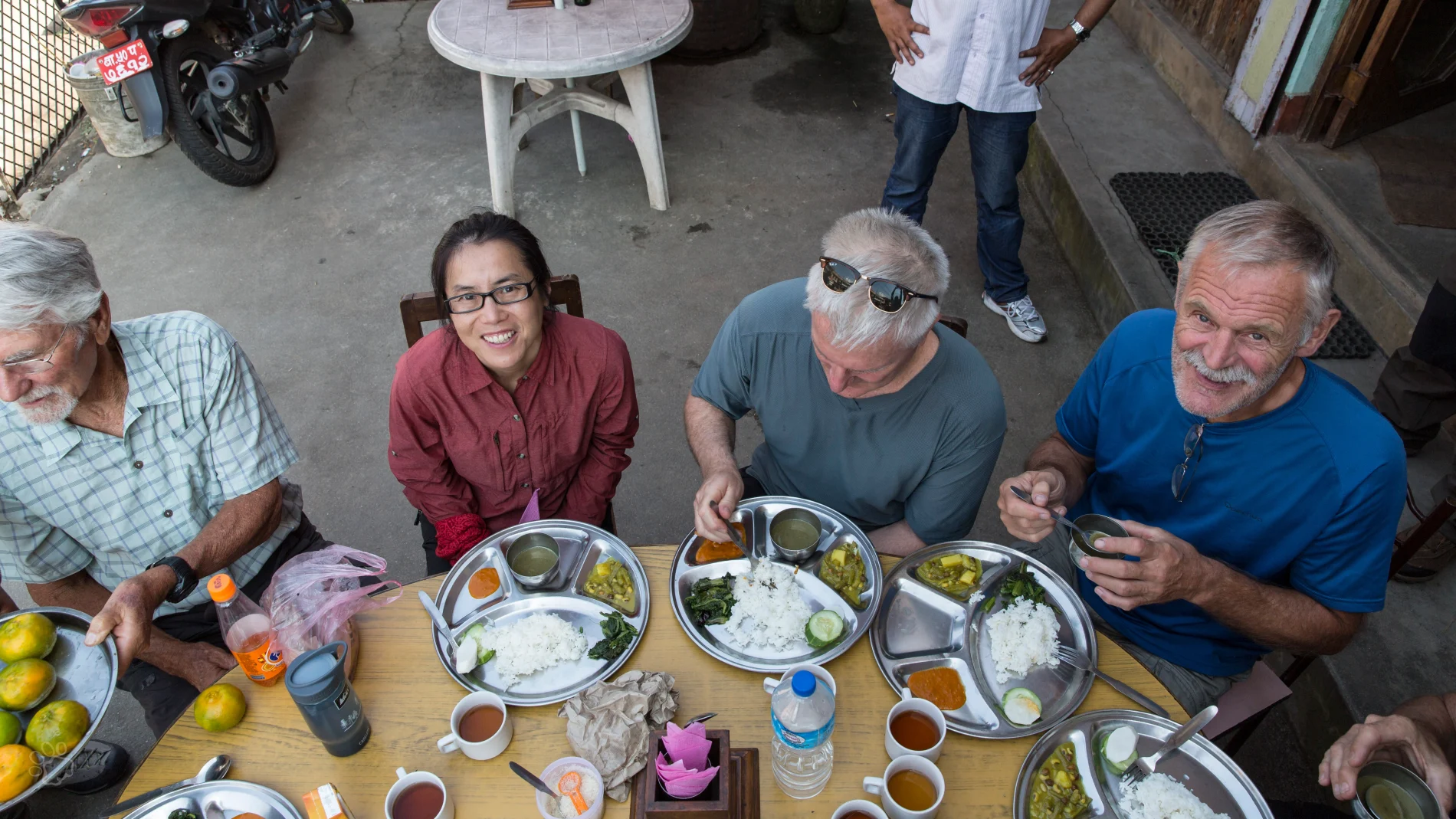
13/10/2026
Manaslu Circuit Trek After the October 2026 Floods: Trail Conditions, Safety and Travel Updates
The Manaslu Circuit Trek is one of Nepal’s most rewarding Himalayan journeys, taking trekkers through traditional...
Read more
13/10/2026
Your Nepal Trek Is Booked, but the Trail Is Closed: What Now?
Imagine arriving in Nepal with your trekking boots ready, your flights booked, your bags packed, and...
Read more