

Annapurna Circuit Trek in December – A Complete Guide
Share:

 Read Time
This blog has 6265 words .This blog has 43286 characters.This blog take 21 minutes to read.
December marks the beginning of winter on the Annapurna Circuit, bringing crisp mountain air, clear skies, and breathtaking Himalayan views. As temperatures gradually drop throughout the month, the trekking trails become quieter, offering a peaceful experience for those seeking solitude and spectacular alpine scenery. While the nights are cold, especially at higher elevations, the stable weather and excellent visibility make December one of the best winter months to trek the Annapurna Circuit.
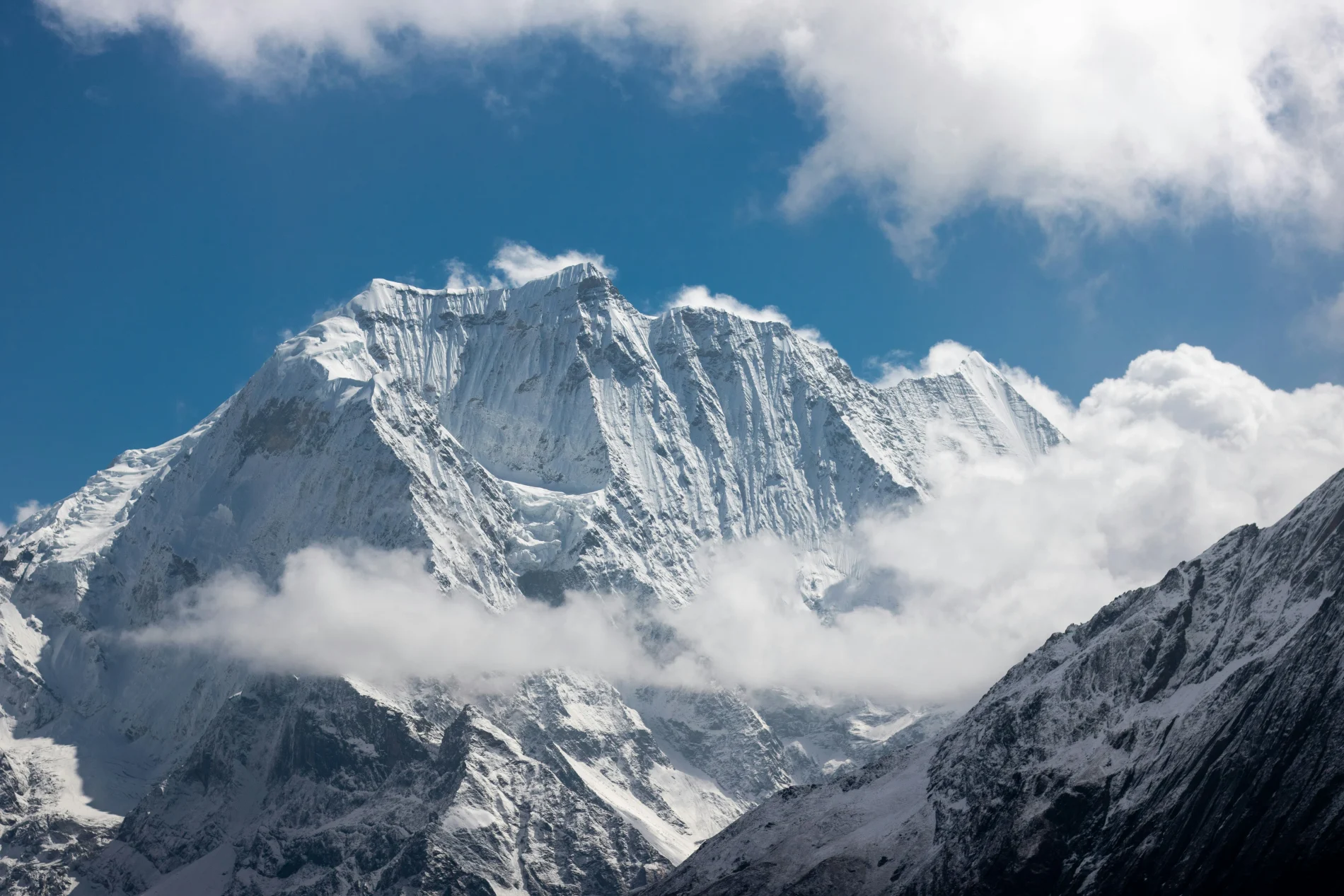
One of the biggest advantages of trekking Annapurna Circuit in December is the exceptional mountain visibility. The post-monsoon dust has settled, and the dry winter atmosphere often provides crystal-clear panoramas of Annapurna II, Annapurna III, Annapurna IV, Gangapurna, Tilicho Peak, Chulu East, Chulu West, Dhaulagiri, Nilgiri, and Thorong Peak. These conditions are ideal for photographers and trekkers who want to enjoy uninterrupted views of the Himalayan landscape.
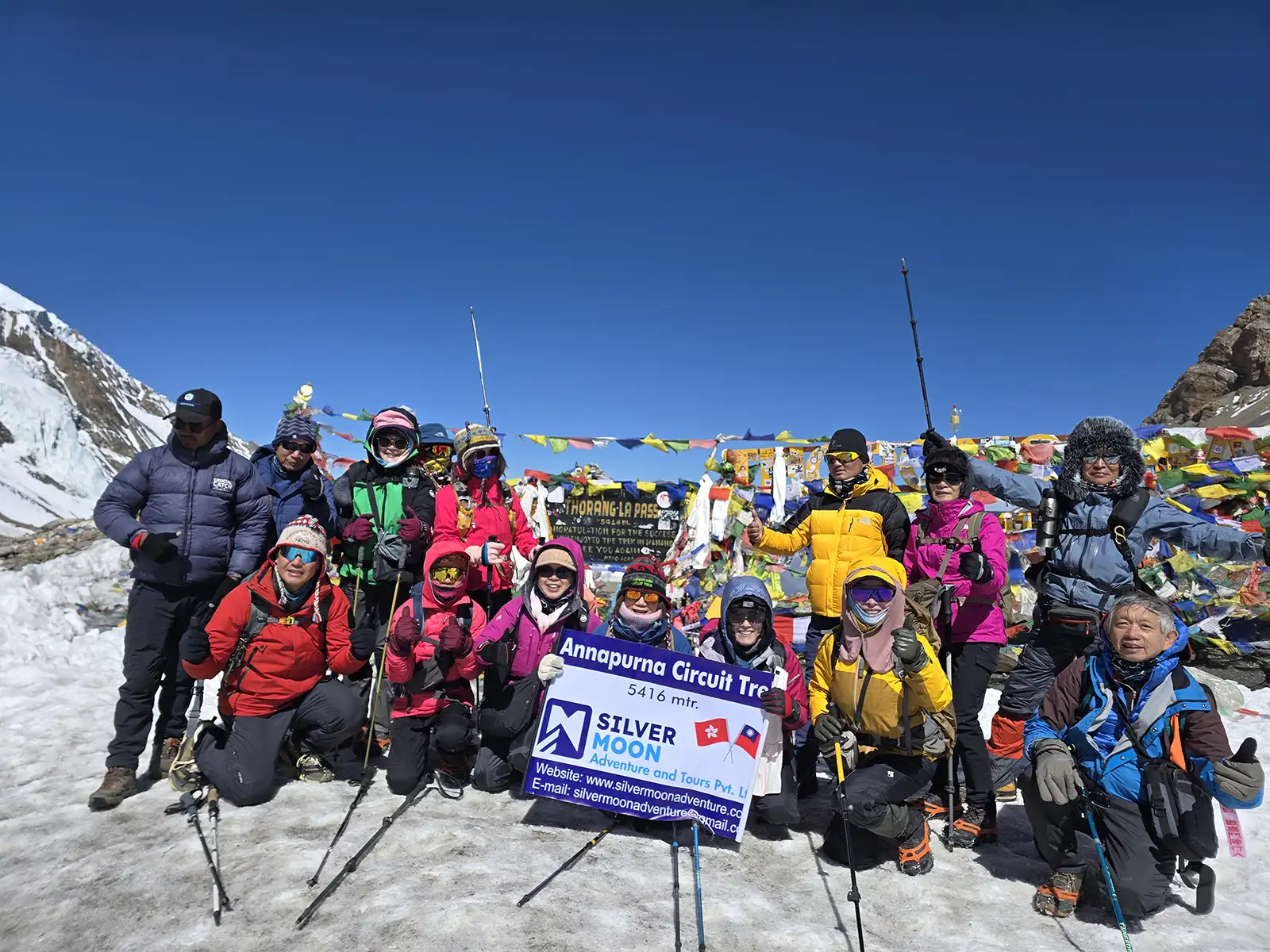
Although December offers favorable trekking conditions, preparation is essential. Temperatures become significantly colder as you gain altitude, particularly around Thorong La Pass (5,416 meters), where early morning temperatures frequently fall below freezing. Proper winter clothing, a quality sleeping bag, and careful acclimatization are necessary for a safe and comfortable journey.
This complete guide covers everything you need to know about the Annapurna Circuit Trek in December, including weather, temperature, trail conditions, accommodation, food, transportation, costs, packing recommendations, safety tips, and expert advice to help you plan a successful winter adventure in one of Nepal’s most iconic trekking destinations.
Why Choose the Annapurna Circuit Trek in December?
December is an excellent month for trekkers who prefer peaceful trails, stable weather, and spectacular Himalayan scenery without the crowds of the peak autumn season. As winter begins in Nepal, the Annapurna Circuit offers crisp mountain air, clear blue skies, and outstanding visibility, making it one of the best times to enjoy panoramic views of the Annapurna and Dhaulagiri mountain ranges. For many experienced trekkers, December provides the perfect balance between favorable weather and a quieter trekking experience.
One of the biggest advantages of trekking in December is the dramatic reduction in visitor numbers. Compared to October and November, the trails and teahouses become much less crowded, allowing trekkers to enjoy a more relaxed and immersive journey. The peaceful atmosphere also creates more opportunities to interact with local Gurung, Manangi, and Thakali communities while experiencing authentic Himalayan hospitality.
Weather conditions during early and mid-December are generally stable, with dry days and excellent visibility. Although temperatures become colder, especially above 3,500 meters, daytime trekking remains comfortable under clear skies. Snow may begin to accumulate around Thorong La Pass, adding to the beauty of the landscape without usually causing major disruptions during the first half of the month.
For photographers, nature lovers, and trekkers seeking solitude, December offers some of the most rewarding scenery on the Annapurna Circuit. Snow-dusted peaks, frozen alpine landscapes, crystal-clear mountain views, and quiet trails create an unforgettable Himalayan adventure that is both peaceful and visually spectacular.
Weather on the Annapurna Circuit Trek in December
December brings the arrival of winter to the Annapurna Circuit, with dry weather, clear skies, and steadily decreasing temperatures. The month is generally divided into two distinct periods. Early December often offers stable trekking conditions similar to late autumn, while late December becomes noticeably colder as winter intensifies across the Himalayas. Despite the colder temperatures, December remains one of the most reliable months for trekking because rainfall is extremely rare and the weather is usually predictable.
Lower elevations such as Besisahar, Chame, and Pisang experience cool days and cold nights, making trekking comfortable under sunny skies. As you climb above Manang, temperatures drop significantly, particularly during the early morning and after sunset. Higher-altitude locations such as Yak Kharka, Thorong Phedi, and Thorong La Pass often experience freezing temperatures, with occasional snowfall becoming more likely toward the end of the month.
One of December’s greatest advantages is the exceptional visibility. The dry winter air creates crystal-clear conditions, allowing trekkers to enjoy uninterrupted views of the Annapurna Massif, Dhaulagiri, Tilicho Peak, Gangapurna, and numerous surrounding Himalayan peaks. Unlike the monsoon or pre-monsoon seasons, cloud cover is usually minimal, making December a favorite month for photography and mountain scenery.
Although weather conditions are generally stable, occasional snowfall at higher elevations can temporarily affect trail conditions around Thorong La Pass. Checking local weather forecasts before crossing the pass and allowing some flexibility in your itinerary helps ensure a safe and enjoyable trekking experience throughout December.
Temperature on the Annapurna Circuit Trek in December
December brings noticeably colder temperatures to the Annapurna Circuit as winter gradually settles across the Himalayas. While daytime trekking is generally pleasant under clear skies, mornings, evenings, and nights become increasingly cold, especially above 3,500 meters. Trekkers should be prepared for freezing temperatures at higher elevations, particularly near Thorong La Pass (5,416 meters), where snow and strong winds can make conditions feel much colder.
Lower elevations such as Besisahar and Chame remain relatively comfortable during the day, with cool temperatures that are ideal for trekking. However, as you ascend through Manang, Yak Kharka, and Thorong Phedi, daytime temperatures decrease steadily while nighttime temperatures often fall well below freezing. The combination of high altitude and cold mountain air makes proper winter clothing essential throughout the trek.
Despite the colder weather, December is still considered one of the best winter months for the Annapurna Circuit because the dry atmosphere and abundant sunshine create comfortable trekking conditions during the day. Wearing multiple layers allows you to adjust easily to changing temperatures as you move between lower valleys and high mountain passes.
Annapurna Circuit Trek Temperature in December
Although temperatures become much colder than in autumn, the stable weather, low humidity, and brilliant sunshine make December an excellent month for trekkers who are well equipped with proper winter gear and prepared for high-altitude conditions.
Starts from
USD 740
Annapurna Circuit Trek – 13 days
The Annapurna Circuit is one of the most popular trekking routes in Nepal. It is perfect for people who...
Duration:
13 days
Max altitude:
5,416m at Thorong La Pass
Trail Conditions During December
The Annapurna Circuit offers generally excellent trail conditions during December, particularly in the first half of the month. Dry weather, low humidity, and stable mountain conditions make the trails firm and easy to navigate. Unlike the monsoon season, trekkers do not have to deal with muddy paths, leeches, or heavy rainfall, making December one of the most enjoyable months for walking in the Himalayas.
The lower sections of the trek, including Besisahar, Dharapani, Chame, and Pisang, remain mostly dry throughout December. Forest trails, stone staircases, and mountain paths are usually in excellent condition, allowing for comfortable trekking. As you continue toward Manang, the air becomes colder, but the trails generally remain clear and well maintained during early winter.
Above Manang, conditions become more challenging due to increasing altitude and lower temperatures. Frost is common during the early morning, making some rocky sections slippery until the sun rises. Around Yak Kharka, Thorong Phedi, and Thorong La Pass, fresh snowfall may occur, especially in the second half of December. While light snow often enhances the beauty of the landscape without affecting the route, heavy snowfall can occasionally make crossing Thorong La more difficult or lead to temporary delays.
Trekkers should begin walking early each morning to take advantage of the most stable weather and allow enough time to cross higher elevations before afternoon winds become stronger. Wearing insulated, waterproof trekking boots with good grip and using trekking poles provide additional stability on icy or snow-covered sections. With proper preparation and attention to local weather conditions, the Annapurna Circuit remains a safe and rewarding trekking destination throughout December.
Mountain Views in December
December is widely regarded as one of the best months for mountain views on the Annapurna Circuit. The arrival of winter brings exceptionally dry air, low humidity, and almost cloudless skies, creating outstanding visibility throughout the trek. Trekkers are often rewarded with uninterrupted panoramic views from early morning until late afternoon, making December a favorite month for photographers and mountain enthusiasts.
As you ascend through Chame, Upper Pisang, Manang, Yak Kharka, and Thorong La Pass, magnificent views of the Himalayas accompany you almost every day. During December, peaks such as Annapurna II, Annapurna III, Annapurna IV, Gangapurna, Tilicho Peak, Chulu East, Chulu West, Thorong Peak, Lamjung Himal, Dhaulagiri, Nilgiri, and Tukuche Peak stand out sharply against the deep blue winter sky. The snow-covered summits appear even more striking under the bright winter sunshine, creating some of the most spectacular scenery of the year.
Fresh snowfall at higher elevations often enhances the beauty of the landscape without significantly affecting visibility. Snow-covered ridges, frozen alpine valleys, and sparkling glaciers create dramatic contrasts that are difficult to experience during other seasons. Sunrise and sunset are particularly breathtaking, as the first and last rays of sunlight illuminate the snow-capped mountains with golden and pink hues.
Unlike the monsoon season, when clouds frequently obscure the peaks, December offers consistently clear conditions for mountain viewing. For trekkers seeking unforgettable Himalayan panoramas and excellent photography opportunities, the Annapurna Circuit Trek in December provides some of the finest mountain scenery Nepal has to offer.
Landscapes in December
December transforms the Annapurna Circuit into a breathtaking winter landscape, where snow-dusted mountains, frozen streams, and crisp alpine scenery create a completely different atmosphere from the lush monsoon or colorful autumn seasons. As winter gradually settles across the Himalayas, the trail offers a beautiful mix of green valleys, rugged mountain terrain, and snow-covered high-altitude landscapes, making every stage of the journey visually rewarding.
The lower sections of the trek, including Besisahar, Chame, and Pisang, still retain patches of green forests, terraced fields, and traditional villages. Pine, fir, and rhododendron forests remain attractive throughout December, while the cool, dry weather creates fresh mountain air and excellent visibility. As you climb higher, the landscape changes dramatically into wide alpine valleys, rocky cliffs, and barren hills surrounded by towering snow-covered peaks.
Beyond Manang, the scenery becomes increasingly spectacular. Light snowfall often blankets the surrounding mountains, creating a peaceful winter environment around Yak Kharka, Thorong Phedi, and Thorong La Pass. Frozen waterfalls, icy streams, and snow-covered ridgelines add to the beauty of the route, while the dry Himalayan climate beyond the Annapurna range keeps the landscapes remarkably clear and dramatic.
One of the most memorable features of December is the contrast between bright blue skies and freshly fallen snow. Combined with the quiet trails and clear mountain views, the winter scenery creates a calm and unforgettable trekking experience. For trekkers who enjoy pristine natural beauty and peaceful mountain environments, December showcases the Annapurna Circuit at its most serene and picturesque.
Crowds and Trekking Experience in December
December offers one of the most peaceful trekking experiences on the Annapurna Circuit. As the busy autumn season comes to an end, the number of trekkers decreases significantly, allowing visitors to enjoy quieter trails and a more relaxed atmosphere. Unlike October and November, when teahouses are often fully booked, December provides a calmer environment where trekkers can appreciate the beauty of the Himalayas without large crowds.
With fewer people on the trail, finding accommodation is generally easy, especially during the first half of the month. Teahouses remain open in the main trekking villages, including Chame, Manang, Yak Kharka, Thorong Phedi, Muktinath, and Jomsom, and the quieter season allows lodge owners to spend more time interacting with guests. This creates a more personal trekking experience and offers greater opportunities to learn about the local Gurung, Manangi, and Thakali cultures.
The peaceful surroundings also make December an excellent month for photographers and nature lovers. The silence of the mountains, combined with crystal-clear skies and snow-covered peaks, creates a unique atmosphere that is difficult to experience during the busier trekking seasons. Many trekkers find the slower pace and uncrowded trails to be one of the biggest highlights of a December adventure.
Although the weather becomes colder as the month progresses, the overall trekking experience remains highly rewarding for those who are properly prepared. If you are looking for solitude, exceptional mountain scenery, and authentic Himalayan hospitality without the crowds, the Annapurna Circuit Trek in December is one of the best choices of the year.
Pros of the Annapurna Circuit Trek in December
1. Crystal-Clear Mountain Views
December offers some of the clearest skies of the entire year. The dry winter air provides exceptional visibility, allowing trekkers to enjoy uninterrupted views of the Annapurna Massif, Dhaulagiri, Tilicho Peak, Gangapurna, Nilgiri, and many other Himalayan peaks throughout the trek.
2. Peaceful Trails and Fewer Crowds
With the autumn trekking season over, visitor numbers decrease significantly. The quieter trails create a more relaxing trekking experience, while teahouses are less crowded, allowing for better service and more meaningful interactions with local communities.
3. Stable and Dry Weather
Unlike the monsoon season, December usually experiences very little rainfall. Most days are sunny, dry, and stable, providing excellent trekking conditions, especially during the first half of the month. The predictable weather makes planning your daily hikes much easier.
4. Beautiful Winter Landscapes
Fresh snow at higher elevations transforms the Annapurna Circuit into a spectacular winter wonderland. Snow-covered peaks, frozen waterfalls, icy streams, and crisp alpine scenery create some of the most beautiful landscapes of the year without the harsh conditions of mid-winter.
5. Comfortable Daytime Trekking
Although mornings and nights are cold, daytime temperatures at lower and mid-elevations remain comfortable for hiking under bright sunshine. With proper winter clothing and layering, trekking during December is both enjoyable and rewarding for well-prepared adventurers.
Cons of the Annapurna Circuit Trek in December
1. Very Cold Nights at High Altitudes
One of the biggest challenges of trekking in December is the freezing nighttime temperatures. Villages such as Manang, Yak Kharka, and Thorong Phedi experience temperatures well below 0°C, while Thorong La Pass can become extremely cold before sunrise. A high-quality winter sleeping bag and proper layered clothing are essential for staying warm.
2. Increased Chance of Snowfall
Although early December generally offers stable conditions, snowfall becomes more common as the month progresses. Fresh snow can make trails around Thorong La Pass slippery and may occasionally delay or temporarily close the pass if snowfall is heavy.
3. Shorter Daylight Hours
December has the shortest days of the year, giving trekkers fewer daylight hours for hiking. Starting early each morning is important to ensure you reach your destination before sunset and to cross high mountain passes while weather conditions remain stable.
4. Limited Facilities in Some High-Altitude Teahouses
As winter begins, a few smaller teahouses at higher elevations may reduce their services or close temporarily because of fewer visitors and colder weather. However, the main villages along the Annapurna Circuit generally continue to provide accommodation, meals, and essential facilities throughout December.
5. Requires Proper Winter Equipment
December trekking requires more preparation than autumn or spring. Warm clothing, insulated gloves, thermal layers, waterproof trekking boots, and a four-season sleeping bag are necessary for comfort and safety. Trekkers without suitable winter gear may find the cold temperatures at higher elevations difficult to manage, especially during early mornings and at night.
What to Pack for the Annapurna Circuit Trek in December
Packing the right equipment is essential for a successful Annapurna Circuit Trek in December. As winter begins, temperatures drop significantly at higher elevations, especially during the early morning and at night. While daytime trekking is often comfortable under clear skies, proper winter clothing and reliable gear are necessary to stay warm, dry, and safe throughout the journey.
Your clothing should include moisture-wicking thermal base layers, a warm fleece jacket, a high-quality down jacket, and a waterproof and windproof outer shell. Insulated gloves, a warm hat, a neck gaiter or buff, thermal socks, and sunglasses with UV protection are also important. Dressing in multiple layers allows you to adjust your clothing as temperatures change throughout the day.
A pair of waterproof trekking boots with good ankle support and excellent grip is highly recommended, especially if fresh snow or icy sections are present around Thorong La Pass. Trekking poles provide extra stability on frozen trails, while gaiters can help keep snow out of your boots. Carrying a four-season sleeping bag rated to at least -20°C will help you stay comfortable during cold nights in high-altitude teahouses.
Other essential items include a headlamp with spare batteries, a reusable water bottle or insulated flask, water purification tablets, sunscreen, lip balm, moisturizer, a power bank, personal medications, and a basic first-aid kit. Because the dry mountain air can cause dehydration even in winter, drinking plenty of water is just as important as wearing warm clothing. With the right gear and careful preparation, you can comfortably enjoy the clear skies, peaceful trails, and spectacular winter scenery that make December one of the most rewarding months to trek the Annapurna Circuit.
Trekking Difficulty in December
The Annapurna Circuit Trek in December is considered moderately challenging to challenging, with winter conditions adding an extra level of difficulty compared to the autumn and spring seasons. While the trails are generally dry and well-defined, colder temperatures, occasional snowfall, icy sections, and the high altitude require trekkers to be physically fit and well prepared. For those with previous trekking experience and proper winter equipment, December remains one of the best months for a rewarding Himalayan adventure.
The lower sections of the trail, including Besisahar, Chame, and Pisang, are relatively straightforward, with stable weather and comfortable daytime temperatures. As you gain altitude, conditions become more demanding. From Manang onward, colder temperatures and thinner air increase the physical challenge, while frost and patches of ice may appear on shaded sections of the trail during the early morning.
The most demanding part of the trek is crossing Thorong La Pass (5,416 meters). Although the pass is usually accessible during much of December, fresh snowfall and freezing temperatures can make the ascent more difficult. Trekkers should begin the crossing before sunrise to take advantage of calmer weather and reach the pass before stronger afternoon winds develop.
Altitude remains the greatest challenge throughout the trek, regardless of the season. A gradual ascent, an acclimatization day in Manang, proper hydration, and maintaining a steady pace are essential for reducing the risk of Acute Mountain Sickness (AMS). With good physical fitness, suitable winter gear, and careful planning, the Annapurna Circuit Trek in December is an achievable and highly rewarding journey, offering peaceful trails, crystal-clear mountain views, and unforgettable winter landscapes.
Altitude and Acclimatization Tips
Proper acclimatization is essential for the Annapurna Circuit Trek in December, as the cold winter temperatures combined with high altitude make the journey more demanding. Although December is known for its stable weather and clear skies, the trek still reaches Thorong La Pass (5,416 meters), where oxygen levels are significantly lower than at sea level. Taking time to adjust to the altitude is the key to completing the trek safely and comfortably.
An acclimatization day in Manang (3,540 meters) is highly recommended before continuing toward higher elevations. During your rest day, take a short hike to higher viewpoints such as Gangapurna Lake or Ice Lake, then return to Manang to sleep. This “climb high, sleep low” approach helps your body adapt naturally to the thinner air and greatly reduces the risk of Acute Mountain Sickness (AMS).
Even though December temperatures are cold, staying well hydrated remains extremely important. The dry mountain air increases water loss through breathing, making dehydration more common than many trekkers realize. Drink at least 3 to 4 liters of water each day, eat regular nutritious meals, and avoid excessive alcohol consumption. Maintaining a slow and steady pace allows your body to acclimatize gradually while conserving energy for higher elevations.
Be familiar with the early symptoms of altitude sickness, including headaches, dizziness, nausea, fatigue, loss of appetite, and difficulty sleeping. If symptoms become severe or continue to worsen, descend immediately to a lower altitude and seek medical assistance. With careful acclimatization, proper hydration, and sensible decision-making, most trekkers can safely enjoy the breathtaking winter scenery that makes the Annapurna Circuit Trek in December such a memorable Himalayan adventure.
Permits Required for the Annapurna Circuit Trek in December
The permit requirements for the Annapurna Circuit Trek in December are the same as in every other month of the year. Before starting the trek, all foreign trekkers must obtain an Annapurna Conservation Area Permit (ACAP) and a Trekkers’ Information Management System (TIMS) Card. These permits help support conservation projects, maintain trekking infrastructure, and improve the safety of trekkers by recording their movements along the route.
The Annapurna Conservation Area Permit (ACAP) costs approximately USD 23 (NPR 3,000) for foreign nationals, while the TIMS Card generally costs between USD 15 and USD 20, depending on whether you are trekking independently or through a registered trekking agency. Since permit fees and trekking regulations may change over time, it is always advisable to confirm the latest information before your trip.
Both permits can be obtained in Kathmandu or Pokhara before beginning the trek. If you book your Annapurna Circuit Trek with a licensed trekking company, the agency will usually arrange all permit applications and documentation for you, making the process simple and convenient.
Permit checkpoints remain fully operational throughout December, including during the winter trekking season. Trekkers should keep their permits and passport readily available, as officials regularly inspect them at several checkpoints between Besisahar and Jomsom. Securing all required permits before departure ensures a smooth trekking experience while contributing to the conservation and sustainable management of the Annapurna Conservation Area.
Accommodation on the Annapurna Circuit Trek in December
Accommodation on the Annapurna Circuit Trek in December is generally comfortable and easy to find. As the busy autumn trekking season ends, the number of visitors decreases significantly, making it much easier to secure rooms in most villages without advance reservations. The main teahouses in Chame, Upper Pisang, Manang, Yak Kharka, Thorong Phedi, Muktinath, and Jomsom remain open throughout December and continue to provide essential services for trekkers.
Most teahouses offer simple twin-sharing rooms equipped with beds, mattresses, pillows, and blankets. Shared bathrooms are common, while some lodges at lower elevations provide attached bathrooms, hot showers, Wi-Fi, and charging facilities for an additional fee. As you climb to higher altitudes, accommodation becomes more basic, but the dining rooms are usually heated by a central stove, providing a warm and welcoming place to relax after a cold day of trekking.
Because December nights can be extremely cold above 3,500 meters, carrying a high-quality four-season sleeping bag is strongly recommended, even though blankets are available in most teahouses. Extra insulation helps ensure a comfortable night’s sleep, particularly in villages such as Manang, Yak Kharka, and Thorong Phedi, where temperatures frequently drop well below freezing.
Accommodation prices during December remain similar to other seasons, generally ranging from USD 5 to USD 15 per night, depending on the location and available facilities. Many teahouses also offer free or discounted rooms if trekkers purchase dinner and breakfast at the same lodge. With fewer crowds, warm hospitality, and peaceful surroundings, December provides a relaxed and enjoyable teahouse experience that enhances the overall Annapurna Circuit trekking adventure.
Food on the Annapurna Circuit Trek in December
Food on the Annapurna Circuit Trek in December is warm, nourishing, and widely available throughout the route. Even as winter begins, the main teahouses continue serving freshly prepared meals that provide the energy needed for long days of trekking in colder conditions. A balanced diet becomes especially important during December, as your body burns more calories to stay warm and adapt to the increasing altitude.
The most popular meal on the trail is Dal Bhat, Nepal’s traditional combination of steamed rice, lentil soup, seasonal vegetables, and curry. Rich in carbohydrates, protein, and essential nutrients, it is the preferred choice for many trekkers. Most teahouses also offer unlimited Dal Bhat refills, making it both filling and excellent value for money. Other commonly available dishes include fried rice, noodles, pasta, spaghetti, momos (Nepali dumplings), soups, potatoes, eggs, pancakes, porridge, chapati, pizza, and bakery items. Vegetarian meals are available in almost every teahouse, while many experienced guides recommend avoiding meat above Manang because transporting and storing fresh meat at high altitude can be challenging.
Hot drinks become even more popular during December’s cold weather. Milk tea, black tea, ginger tea, lemon honey tea, coffee, hot chocolate, and garlic soup are served in nearly every teahouse. Garlic soup is a favorite among trekkers for its warming effect, although it should not be considered a substitute for proper acclimatization or altitude management.
Food prices gradually increase with altitude because supplies must be transported by porters, mules, or vehicles where roads are accessible. A typical meal usually costs between USD 6 and USD 10, while hot drinks range from USD 2 to USD 5, depending on the location. Most trekkers spend approximately USD 30 to USD 45 per day on meals and beverages during the Annapurna Circuit Trek in December. Eating freshly cooked food, drinking plenty of fluids, and maintaining regular meals will help you stay energized and comfortable throughout your winter trekking adventure.
Transportation to and from the Trailhead
Transportation to and from the Annapurna Circuit in December is generally reliable, as winter weather is usually dry and stable. Roads connecting Kathmandu, Besisahar, Chame, and Jomsom remain open under normal conditions, allowing trekkers to travel with minimal disruption. However, occasional snowfall at higher elevations or icy road conditions during late December may cause minor delays, so it is always wise to keep one extra day in your travel schedule.
Most trekkers begin the journey by traveling from Kathmandu to Besisahar by tourist bus or private vehicle. From Besisahar, shared or private jeeps continue to Dharapani or Chame, depending on your preferred starting point and current road conditions. During December, roads are generally in better condition than during the monsoon season because there is very little rainfall, making road travel smoother and more predictable.
After completing the trek, most trekkers finish in Jomsom. From there, you can take a scenic domestic flight to Pokhara, weather permitting, or travel by shared jeep through Tatopani and Beni. Winter weather often provides excellent flying conditions because of the clear skies, although occasional fog or strong winds may still cause delays. Shared jeeps remain a dependable alternative if flights are postponed or canceled.
Transportation costs remain similar throughout the year. A tourist bus from Kathmandu to Besisahar usually costs USD 10–15, while a shared jeep from Besisahar to Chame typically costs USD 20–30 per person. A private jeep from Kathmandu to Chame generally costs USD 180–250 per vehicle. After the trek, a domestic flight from Jomsom to Pokhara costs approximately USD 120–150, while a shared jeep on the same route usually costs USD 25–40 per person. A tourist bus from Pokhara to Kathmandu typically costs USD 10–15. With stable winter weather and proper planning, transportation during December is usually smooth and convenient for most trekkers.
Cost of the Annapurna Circuit Trek in December
The cost of the Annapurna Circuit Trek in December is generally similar to other times of the year, although the quieter winter season may provide slightly better value for accommodation and trekking services. Since December falls after the busy autumn trekking season, some teahouses and trekking agencies offer seasonal discounts, making it an attractive option for budget-conscious trekkers. However, it is important to budget for proper winter clothing and comprehensive travel insurance, as cold weather and high-altitude conditions require additional preparation.
Independent trekkers can expect to spend approximately USD 700 to USD 900 for the entire trek. This estimate usually includes trekking permits, local transportation, teahouse accommodation, meals, and personal expenses. Because December attracts fewer visitors than October and November, finding accommodation is generally easier, and some lodges may offer free or discounted rooms if you purchase meals at the same teahouse.
If you prefer a guided trekking experience, standard Annapurna Circuit packages typically range between USD 950 and USD 1,350 per person. These packages often include trekking permits, licensed guides, porter services, transportation, accommodation, and most meals. Luxury or customized packages usually cost between USD 1,500 and USD 2,200 or more, depending on the level of comfort, private transportation, upgraded hotels, and personalized services included in the itinerary.
In addition to the main trekking expenses, you should budget for personal costs such as hot showers, Wi-Fi, battery charging, snacks, hot drinks, bottled water, laundry, tips for guides and porters, and travel insurance that covers high-altitude trekking and emergency helicopter evacuation. Carrying an additional USD 150 to USD 300 for these incidental expenses is recommended. With careful planning and realistic budgeting, the Annapurna Circuit Trek in December offers excellent value while providing peaceful trails, spectacular winter scenery, and an unforgettable Himalayan experience.
Safety Tips for the Annapurna Circuit Trek in December
Trekking the Annapurna Circuit in December is generally safe, but winter conditions require extra preparation and careful planning. Cold temperatures, occasional snowfall, and the high altitude make it important to carry suitable equipment, monitor weather conditions, and follow a sensible trekking pace. With the right precautions, December offers a safe and rewarding trekking experience with some of the clearest mountain views of the year.
Start your trekking day early each morning, especially on the day you cross Thorong La Pass. Early departures allow you to reach the pass before stronger afternoon winds develop and before temperatures begin to drop again later in the day. Walking on frozen trails is often easier once the sun has softened any overnight frost, but always remain cautious on icy sections.
Dress in warm layers and carry high-quality winter gear, including a down jacket, thermal clothing, insulated gloves, a warm hat, waterproof trekking boots, and a four-season sleeping bag. Trekking poles are highly recommended for additional stability on snow-covered or icy trails. Keeping spare dry clothing in a waterproof bag also helps maintain comfort during cold weather.
Altitude sickness remains one of the greatest risks on the Annapurna Circuit, regardless of the season. Acclimatize properly in Manang, stay well hydrated, eat nutritious meals, and recognize the early symptoms of Acute Mountain Sickness (AMS). If symptoms become severe or continue to worsen, descend immediately and seek medical assistance.
Before attempting to cross Thorong La Pass, check the latest weather and trail conditions with local guides or teahouse owners. Heavy snowfall can occasionally make the pass unsafe or temporarily inaccessible. Finally, purchase comprehensive travel insurance that covers high-altitude trekking and emergency helicopter evacuation. With proper preparation, careful decision-making, and respect for winter mountain conditions, the Annapurna Circuit Trek in December can be a safe, memorable, and highly rewarding Himalayan adventure.
Our Expert Trekking Advice
Based on our years of experience guiding trekkers on the Annapurna Circuit, December is one of the best months for those who enjoy peaceful trails, crisp winter weather, and spectacular Himalayan scenery. The combination of clear skies, stable conditions, and fewer trekkers creates a unique experience that is very different from the busy autumn season. If you are comfortable trekking in cold weather and prepare properly, December offers an unforgettable journey through one of Nepal’s most beautiful mountain regions.
Our first recommendation is to choose the first half of December if possible. Weather conditions are generally more stable, snowfall is usually lighter, and crossing Thorong La Pass is often easier than later in the month when winter becomes more severe. Regardless of your travel dates, always allow one or two extra days in your itinerary in case weather conditions require a short delay.
Packing high-quality winter equipment is essential. A warm down jacket, thermal clothing, insulated gloves, waterproof trekking boots, and a four-season sleeping bag will help you stay comfortable throughout the trek. Layering your clothing allows you to adapt easily to changing temperatures between sunny afternoons and freezing mornings.
We also strongly recommend trekking with a licensed local guide, particularly if this is your first winter trek in Nepal. Experienced guides understand local weather patterns, monitor trail conditions, and can make informed decisions if snowfall affects the route. Their knowledge adds an extra level of safety and allows you to enjoy the journey with greater confidence.
Finally, embrace the peaceful atmosphere that December offers. Take your time to appreciate the snow-covered peaks, quiet mountain villages, crystal-clear skies, and authentic Himalayan culture. With proper preparation, realistic expectations, and respect for the mountain environment, the Annapurna Circuit Trek in December becomes one of the most rewarding winter adventures Nepal has to offer.
Suggested Blog Post
- Annapurna Circuit Trek in January
- Annapurna Circuit Trek in February
- Annapurna Circuit Trek in March
- Annapurna Circuit Trek in April
- Annapurna Circuit Trek in May
- Annapurna Circuit Trek in June
- Annapurna Circuit Trek in July
- Annapurna Circuit Trek in August
- Annapurna Circuit Trek in September
- Annapurna Circuit Trek in October
- Annapurna Circuit Trek in November
- Annapurna Circuit Trek in December
Conclusion
The Annapurna Circuit Trek in December is an outstanding choice for trekkers seeking crystal-clear mountain views, peaceful trails, and a true Himalayan winter experience. As the autumn crowds disappear and winter gradually arrives, the region offers a unique combination of stable weather, breathtaking snow-capped peaks, and a calm atmosphere that is difficult to find during the busier trekking seasons. For well-prepared adventurers, December provides the perfect opportunity to experience one of Nepal’s most iconic trekking routes in a quieter and more intimate setting.
Although temperatures become significantly colder at higher elevations, particularly around Thorong La Pass, the dry weather and exceptional visibility make December one of the most rewarding months for trekking. Proper winter clothing, careful acclimatization, and a flexible schedule are essential for staying safe and comfortable throughout the journey. Trekkers who prepare well are often rewarded with unforgettable panoramic views, pristine winter landscapes, and authentic cultural experiences in the traditional Himalayan villages along the route.
Whether you are an experienced trekker looking for a peaceful adventure or a nature enthusiast hoping to witness the Himalayas under clear winter skies, the Annapurna Circuit Trek in December offers an unforgettable experience. From snow-dusted mountain passes and frozen alpine valleys to warm teahouse hospitality and world-class Himalayan scenery, December showcases the Annapurna region in one of its most beautiful and tranquil forms. With the right preparation and a spirit of adventure, trekking the Annapurna Circuit in December can become one of the highlights of your journey in Nepal.
FAQs
1. Is December a good time for the Annapurna Circuit Trek?
Yes, December is an excellent time for the Annapurna Circuit Trek. The month offers clear skies, outstanding mountain views, fewer crowds, and stable weather. Although temperatures are colder than in autumn, proper winter gear makes trekking comfortable and enjoyable.
2. How cold is the Annapurna Circuit in December?
Temperatures vary by altitude. Lower elevations experience daytime temperatures of 12–18°C, while higher elevations near Thorong La Pass can drop to -18°C at night. Daytime temperatures at the pass are usually between -6°C and 0°C.
3. Does it snow on the Annapurna Circuit in December?
Yes. Light snowfall is common at higher elevations, especially around Manang, Thorong Phedi, and Thorong La Pass. Early December usually sees lighter snowfall, while heavier snow becomes more likely toward the end of the month.
4. Is Thorong La Pass open in December?
In most years, Thorong La Pass (5,416 meters) remains open during December. However, heavy snowfall can occasionally cause temporary closures. Always check local weather and trail conditions before attempting the crossing.
5. What should I pack for the Annapurna Circuit Trek in December?
Pack thermal base layers, a warm down jacket, waterproof outerwear, insulated gloves, a winter hat, waterproof trekking boots, trekking poles, warm socks, sunglasses, sunscreen, and a four-season sleeping bag rated for sub-zero temperatures.
6. Do I need crampons for trekking in December?
Microspikes or lightweight crampons are not always necessary, but they can be very useful if fresh snow or icy conditions develop around Thorong La Pass. Your guide can advise whether they are needed based on current trail conditions.
7. Is altitude sickness a concern in December?
Yes. Cold weather does not reduce the risk of altitude sickness. Proper acclimatization, staying hydrated, maintaining a steady pace, and including a rest day in Manang are essential for a safe trek.
8. Are teahouses open in December?
Yes. Most teahouses along the Annapurna Circuit remain open throughout December, especially in the main trekking villages. Accommodation is generally easier to find because there are fewer trekkers than during autumn.
9. Is December crowded on the Annapurna Circuit?
No. December is much quieter than October and November. The trails are peaceful, teahouses are less crowded, and trekkers can enjoy a more relaxed and authentic Himalayan experience.
10. Can beginners trek the Annapurna Circuit in December?
Yes, beginners with good physical fitness can complete the trek if they prepare properly. Hiring an experienced guide, using appropriate winter equipment, and following a gradual acclimatization schedule are strongly recommended.
11. How many days does the Annapurna Circuit Trek take in December?
Most trekkers complete the Annapurna Circuit in 12 to 18 days, depending on their chosen route, acclimatization schedule, and transportation options.
12. What permits are required for the Annapurna Circuit Trek in December?
You need two permits:
Annapurna Conservation Area Permit (ACAP)
Trekkers’ Information Management System (TIMS) Card
13. How much does the Annapurna Circuit Trek cost in December?
Independent trekkers usually spend around USD 700–900, while guided trekking packages generally cost between USD 950 and USD 1,350. Luxury packages can cost USD 1,500 or more, depending on the services included.
14. Are flights from Jomsom reliable in December?
Flights between Jomsom and Pokhara are generally more reliable in December because of the clear winter weather. However, occasional delays due to fog or strong winds are still possible.
15. Is December better than January for the Annapurna Circuit Trek?
For many trekkers, yes. December usually offers slightly warmer temperatures, lighter snowfall, and more stable trail conditions than January. As a result, it is often considered one of the best winter months for completing the Annapurna Circuit Trek.

Similar Blogs
View all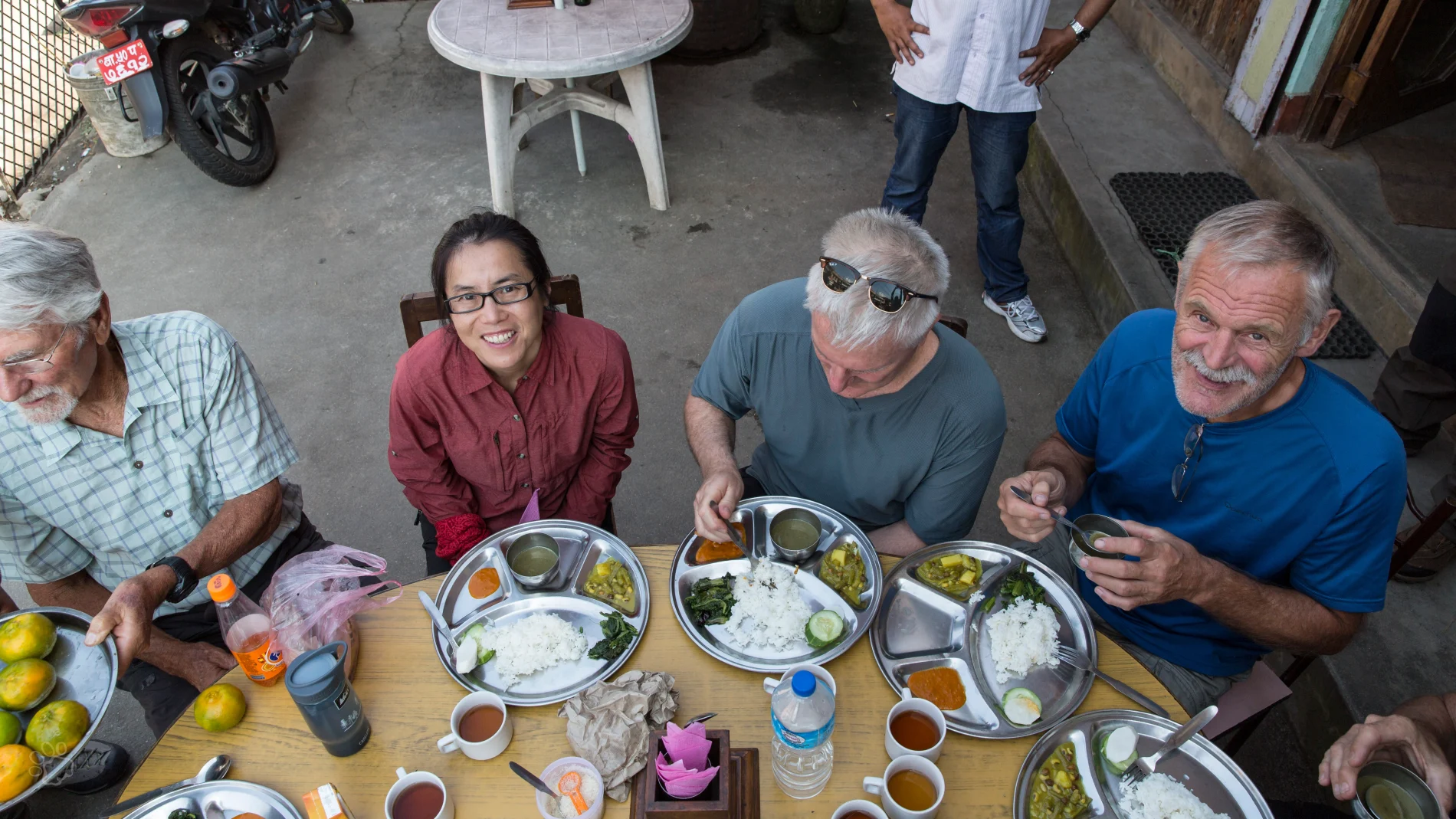
13/10/2026
Manaslu Circuit Trek After the October 2026 Floods: Trail Conditions, Safety and Travel Updates
The Manaslu Circuit Trek is one of Nepal’s most rewarding Himalayan journeys, taking trekkers through traditional...
Read more
13/10/2026
Your Nepal Trek Is Booked, but the Trail Is Closed: What Now?
Imagine arriving in Nepal with your trekking boots ready, your flights booked, your bags packed, and...
Read more