

Annapurna Circuit Trek In November – A Complete Guide
Share:

 Read Time
This blog has 3818 words .This blog has 26395 characters.This blog take 13 minutes to read.
The Annapurna Circuit Trek in November is one of the best trekking experiences in Nepal, offering stable weather, crystal-clear mountain views, and comfortable daytime temperatures. As the autumn season continues, the trails remain dry, and the skies are usually at their clearest, providing outstanding visibility throughout the journey. Although mornings and nights become colder than in October, November still offers excellent conditions for trekking across the Himalayas.
The trek typically takes 12 to 18 days and follows a scenic route through Chame, Pisang, Manang, YakKharka, ThorongPhedi, and Muktinath before crossing Thorong La Pass at 5,416 meters. Along the way, trekkers enjoy spectacular views of Annapurna, Dhaulagiri, Manaslu, Nilgiri, Gangapurna, and several other Himalayan peaks. November also brings fewer crowds than October while maintaining reliable weather, making it an excellent choice for trekkers seeking peaceful trails, breathtaking scenery, and authentic cultural experiences on one of Nepal’s most iconic trekking routes.
Why Choose the Annapurna Circuit Trek in November?
The Annapurna Circuit Trek in November is an excellent choice for trekkers who want clear mountain views, stable weather, and a quieter experience than the busy October season. As autumn draws to a close, the skies remain remarkably clear, offering exceptional visibility of the Annapurna, Dhaulagiri, Manaslu, Nilgiri, and Gangapurna ranges. The trails stay dry and well-maintained, creating comfortable trekking conditions from the lower valleys to Thorong La Pass at 5,416 meters.
November also brings crisp mountain air and fewer trekkers, allowing you to enjoy peaceful trails and a more relaxed atmosphere in villages such as Chame, Pisang, Manang, and Muktinath. Teahouses are generally less crowded than in October, making it easier to find accommodation without sacrificing the benefits of the autumn season.
Although mornings and nights become colder, the stable weather and outstanding visibility more than compensate for the drop in temperature. For trekkers seeking spectacular Himalayan scenery, reliable trekking conditions, and a quieter adventure, November is one of the finest months to complete the Annapurna Circuit Trek.
Weather on the Annapurna Circuit Trek in November
November offers some of the most stable and predictable weather on the Annapurna Circuit Trek. With the autumn season in full swing, the skies remain consistently clear, rainfall is extremely rare, and humidity is low. These conditions provide excellent trekking weather from the lush lower valleys to the high-altitude landscapes around Thorong La Pass, allowing trekkers to enjoy comfortable hiking days and spectacular Himalayan views.
Daytime temperatures are pleasant in villages such as Chame and Manang, making long walks enjoyable without excessive heat or humidity. However, mornings and nights become noticeably colder, particularly above 3,500 meters. Around Thorong La Pass at 5,416 meters, freezing temperatures are common before sunrise, so an early start with warm clothing is essential.
November is also known for exceptional mountain visibility. The crisp autumn air reveals stunning views of Annapurna, Dhaulagiri, Manaslu, Nilgiri, Gangapurna, and surrounding peaks. These reliable weather conditions make November one of the finest months for completing the Annapurna Circuit Trek with confidence and comfort.
Temperature on the Annapurna Circuit Trek in November
November brings cool and comfortable temperatures, making it one of the best months for the Annapurna Circuit Trek. Lower elevations, including Besisahar, Dharapani, and Chame, enjoy pleasant daytime temperatures between 15°C and 22°C. As the trail climbs through Pisang and Manang, the air becomes noticeably cooler, with daytime temperatures ranging from 8°C to 15°C. At higher elevations such as Thorong Phedi and Thorong La Pass, mornings and nights are well below freezing, requiring warm layered clothing.
Although November is colder than October, the weather remains dry and stable, creating excellent trekking conditions. Clear skies allow strong sunshine during the day, but temperatures drop quickly after sunset. Trekkers should prepare for significant temperature changes between daytime hikes and overnight stays at higher altitudes.
Annapurna Circuit Trek Temperature in November
| Location | Day Temperature | Night Temperature |
|---|---|---|
| Besisahar (760 m) | 19–22°C | 12–16°C |
| Chame (2,670 m) | 15–18°C | 3–7°C |
| Manang (3,540 m) | 8–15°C | -2–3°C |
| Thorong Phedi (4,540 m) | 2–8°C | -6 to -2°C |
| Thorong La Pass (5,416 m) | -2–3°C | -12 to -8°C |
| Muktinath (3,800 m) | 8–14°C | -2–2°C |
Trail Conditions on the Annapurna Circuit Trek in November
November offers some of the best trail conditions on the Annapurna Circuit, making it a favorite month for experienced trekkers and first-time visitors alike. The monsoon has long ended, leaving the trails dry, firm, and easy to follow. Most sections of the route are free from mud, and the risk of landslides is very low, allowing for comfortable and confident trekking across a variety of terrain.
The trails through Chame, Pisang, Manang, Yak Kharka, and Thorong Phedi remain in excellent condition throughout November. Stone staircases, suspension bridges, and mountain paths are generally dry, while the ascent to Thorong La Pass at 5,416 meters is usually clear. However, as the month progresses, light frost or small patches of snow may appear near the pass during the early morning, making sturdy trekking boots and careful footing important.
Overall, November combines stable weather, reliable trail conditions, and fewer crowds than October, providing a smooth and rewarding trekking experience across the Annapurna Circuit.
Mountain Views on the Annapurna Circuit Trek in November
November is renowned for offering some of the clearest mountain views on the Annapurna Circuit. The dry autumn air, low humidity, and cloudless skies create exceptional visibility throughout the trek. Early mornings are particularly rewarding, as the first sunlight illuminates the snow-covered peaks, making November one of the best months for photography and panoramic Himalayan scenery.
As the trail climbs through Chame, Pisang, and Manang, trekkers enjoy magnificent views of Annapurna II, Annapurna III, Annapurna IV, Gangapurna, Lamjung Himal, and Pisang Peak. After crossing Thorong La Pass at 5,416 meters, the landscape changes dramatically, revealing breathtaking panoramas of Dhaulagiri, Nilgiri, Tukuche Peak, and the Kali Gandaki Valley. The crisp air allows distant peaks to appear remarkably sharp, creating unforgettable views throughout the journey.
For trekkers who value spectacular mountain scenery and excellent visibility, November ranks alongside October as one of the finest months to experience the Annapurna Circuit at its most scenic.
Crowds and Trekking Experience in November
November offers an excellent balance between favorable trekking conditions and a more relaxed atmosphere on the Annapurna Circuit. While the first half of the month remains popular with international trekkers, the crowds gradually decrease as the month progresses. This allows trekkers to enjoy quieter trails without missing the stable weather and exceptional mountain views that make autumn the best trekking season in Nepal.
Villages such as Chame, Pisang, Manang, Yak Kharka, and Muktinath are less crowded than in October, making it easier to find comfortable teahouse accommodation and enjoy a peaceful stay. The quieter trails also provide more opportunities to appreciate the natural beauty of the Annapurna region and interact with local communities at a relaxed pace.
Although November is less busy, it is still considered part of the peak trekking season. Booking guides, porters, and transportation in advance is recommended, especially during the first half of the month. For trekkers seeking reliable weather, fewer crowds, and an enjoyable trekking experience, November is one of the best months to explore the Annapurna Circuit.
Pros of the Annapurna Circuit Trek in November
Outstanding Mountain Visibility
November offers exceptionally clear skies, providing uninterrupted views of Annapurna, Dhaulagiri, Manaslu, Nilgiri, Gangapurna, and many other Himalayan peaks. The crisp autumn air creates ideal conditions for photography and sightseeing.
Stable and Dry Weather
The weather remains highly stable throughout November, with very little rainfall and dry trekking trails. These reliable conditions make hiking more comfortable and reduce the chances of weather-related disruptions.
Fewer Crowds Than October
Although November is still part of the autumn trekking season, the trails become noticeably quieter after the peak crowds of October. Trekkers can enjoy a more peaceful experience while still benefiting from excellent weather.
Comfortable Daytime Trekking Conditions
Cool temperatures during the day make long hours of walking more enjoyable. The lower humidity and refreshing mountain air help reduce fatigue, especially during challenging ascents.
Easier Access to Teahouse Accommodation
With fewer trekkers on the trail, finding rooms in popular villages such as Manang, Yak Kharka, Thorong Phedi, and Muktinath becomes easier. This allows for a more relaxed itinerary and greater flexibility throughout the Annapurna Circuit Trek.
Cons of the Annapurna Circuit Trek in November
Colder Temperatures at Higher Elevations
November is noticeably colder than October, especially above 3,500 meters. Early mornings and nights around Thorong Phedi and Thorong La Pass often fall well below freezing, requiring warm clothing and proper cold-weather gear.
Shorter Daylight Hours
As winter approaches, daylight hours become shorter. Trekkers need to start walking early each morning to reach their destination before sunset and to cross Thorong La Pass safely.
Increased Chance of Early Snowfall
Although most of November enjoys stable weather, light snowfall can occur toward the end of the month at higher elevations. Fresh snow may make the trail near Thorong La Pass more challenging and occasionally cause short delays.
Cold Teahouse Rooms
Most teahouses have unheated bedrooms, and indoor temperatures can become very cold during the night. Trekkers should carry a quality sleeping bag rated for sub-zero temperatures to stay comfortable.
Freezing Water Sources
At higher elevations, taps and water pipes may freeze during early mornings and nights. Hot showers become less common near Thorong Phedi and High Camp, and drinking water may cost more because it must be transported or heated.
What to Pack for the Annapurna Circuit Trek in November
Packing the right equipment is essential for the Annapurna Circuit Trek in November, as temperatures become significantly colder at higher elevations. While lower sections of the trail remain comfortable during the day, freezing mornings and nights near Thorong La Pass require proper cold-weather clothing. Dressing in layers allows you to adjust easily to changing temperatures throughout the trek.
Your clothing should include moisture-wicking base layers, an insulated fleece jacket, a high-quality down jacket, waterproof and windproof outerwear, thermal underwear, warm trekking pants, insulated gloves, a wool hat, a neck gaiter, and several pairs of wool trekking socks. Waterproof trekking boots with good ankle support are strongly recommended for rocky and occasionally frosty trails.
Essential gear also includes a sleeping bag rated to at least -15°C, trekking poles, sunglasses with UV protection, sunscreen, lip balm, a reusable water bottle, water purification tablets, a headlamp, spare batteries, a power bank, and a basic first-aid kit. Packing lightweight but reliable gear will help you stay warm, comfortable, and prepared throughout the Annapurna Circuit Trek in November.
Trekking Difficulty in November
The Annapurna Circuit Trek in November is considered moderately challenging to challenging due to its high altitude, long trekking days, and changing temperatures. The trek usually takes 12 to 18 days and reaches its highest point at Thorong La Pass, which stands at 5,416 meters above sea level. Trekkers can expect to walk 5 to 8 hours each day across steep ascents, rocky trails, suspension bridges, and alpine terrain.
Although November is colder than October, the stable weather, dry trails, and clear skies make trekking conditions highly favorable. The main challenge is not the trail itself but the decreasing temperatures at higher elevations, particularly during early mornings and nights. Proper clothing and careful planning become increasingly important as winter approaches.
Altitude remains the most significant factor affecting difficulty. A gradual ascent, an acclimatization day in Manang, and a steady walking pace greatly reduce the risk of Acute Mountain Sickness (AMS). With good physical fitness, proper preparation, and sensible acclimatization, most trekkers can safely and successfully complete the Annapurna Circuit Trek in November.
Altitude and Acclimatization Tips
Proper acclimatization is essential for a safe Annapurna Circuit Trek in November. Although the weather is generally stable and dry, the colder temperatures at higher elevations can place additional stress on the body. The trek reaches its highest point at Thorong La Pass, 5,416 meters above sea level, where oxygen levels are significantly lower than at sea level. A gradual ascent remains the most effective way to reduce the risk of Acute Mountain Sickness (AMS).
Most itineraries include an acclimatization day in Manang at 3,540 meters. During this rest day, short hikes to higher viewpoints, followed by sleeping at a lower elevation, help your body adjust to the altitude. Drinking plenty of water, eating balanced meals, maintaining a steady walking pace, and avoiding alcohol further support proper acclimatization.
Be alert for symptoms of AMS, including headache, dizziness, nausea, fatigue, and difficulty sleeping. If symptoms become severe or continue to worsen, descend immediately to a lower altitude and seek medical assistance. Careful acclimatization, combined with a well-planned itinerary, greatly improves your chances of safely crossing Thorong La Pass in November.
Permits Required for the Annapurna Circuit Trek in November
Every trekker must obtain the required permits before beginning the Annapurna Circuit Trek in November. The two mandatory permits are the Annapurna Conservation Area Permit (ACAP) and the Trekkers’ Information Management System (TIMS) Card. These permits support conservation efforts, maintain trekking infrastructure, and help authorities monitor trekkers for safety throughout the route.
The Annapurna Conservation Area Permit (ACAP) costs approximately $23 (NPR 3,000) for foreign nationals. The TIMS Card costs around $15–20, depending on whether you trek independently or with a registered trekking agency. Permit fees may change over time, so it is advisable to verify the latest prices before your trip.
Both permits can be obtained in Kathmandu or Pokhara before starting the trek. You should carry your permits and passport throughout the journey, as they are checked at multiple entry points and checkpoints along the Annapurna Circuit. Securing all required permits before departure ensures a smooth trekking experience and allows you to focus on enjoying the spectacular Himalayan scenery that November has to offer.
Accommodation and Food on the Annapurna Circuit Trek in November
November offers comfortable teahouse accommodation throughout the Annapurna Circuit, with fewer crowds than October while still enjoying excellent trekking conditions. Teahouses are available in major villages such as Chame, Pisang, Manang, Yak Kharka, Thorong Phedi, and Muktinath, providing basic but comfortable rooms, warm meals, and essential facilities. During the first half of November, booking accommodation in advance is still recommended, especially in popular overnight stops.
Accommodation generally costs between $5 and $15 per night, depending on the location, available facilities, and whether meals are taken at the same teahouse. Prices gradually increase at higher elevations because supplies are transported by porters, mules, or helicopters.
Meal prices also rise with altitude. A plate of Dal Bhat typically costs $6–10, fried rice $5–8, noodles $4–7, breakfast meals $4–8, tea or coffee $1–4, and bottled drinking water $1–5, depending on the village. Most trekkers spend approximately $35–55 per day on accommodation, meals, snacks, and drinks during the Annapurna Circuit Trek in November.
Transportation to and from the Trailhead
Transportation for the Annapurna Circuit Trek in November is generally reliable, although colder mornings and occasional fog may cause minor delays, especially for flights from Jomsom. Most trekkers begin their journey with a tourist bus or private jeep from Kathmandu to Besisahar, followed by a shared jeep to Dharapani or Chame. Since November remains part of the popular autumn trekking season, booking transportation in advance is recommended, particularly during the first half of the month.
After completing the trek, many trekkers finish in Jomsom. From there, you can take a scenic domestic flight to Pokhara or travel by shared jeep through Tatopani and Beni. Trekkers with additional time often continue through Ghorepani and Poon Hill before ending at Nayapul and returning to Pokhara by road.
Approximate transportation costs are:
| Transportation Type & Route | Approximate Cost |
|---|---|
| Tourist bus (Kathmandu to Besisahar) | $10–$15 |
| Shared jeep (Besisahar to Chame) | $20–$30 |
| Private jeep (Kathmandu to Chame) | $180–$250 / vehicle |
| Domestic flight (Jomsom to Pokhara) | $120–$150 |
| Shared jeep (Jomsom to Pokhara) | $25–$40 |
| Tourist bus (Pokhara to Kathmandu) | $10–$15 |
Planning your transportation in advance helps ensure a smooth and hassle-free journey during the Annapurna Circuit Trek in November.
Safety Tips for the Annapurna Circuit Trek in November
November offers excellent trekking conditions, but the colder temperatures and high altitude require careful preparation. The weather is generally stable with clear skies and dry trails, making navigation easier than in many other seasons. However, temperatures near Thorong La Pass can drop well below freezing before sunrise, so crossing the pass early in the morning is strongly recommended to avoid afternoon winds and changing weather.
Altitude sickness remains the greatest safety concern on the Annapurna Circuit. Follow a gradual itinerary, include an acclimatization day in Manang, drink plenty of water, eat nutritious meals, and maintain a steady pace throughout the trek. If symptoms of Acute Mountain Sickness (AMS) become severe, descend immediately and seek medical assistance.
Carry comprehensive travel insurance that covers high-altitude trekking and emergency helicopter evacuation. Pack a warm sleeping bag, layered clothing, a first-aid kit, water purification tablets, a headlamp, and a power bank. Since daylight hours are shorter in November, begin trekking early each morning to reach your destination before sunset and enjoy a safer, more comfortable journey.
Our Expert Trekking Advice
From our experience guiding trekkers across the Annapurna Circuit, November is one of the finest months to complete this classic Himalayan journey. The trails remain dry, the skies are exceptionally clear, and the number of trekkers gradually decreases after the busy October season. This combination provides a quieter and more relaxed trekking experience without sacrificing the outstanding mountain scenery that autumn is known for.
We recommend following a well-paced itinerary with at least one acclimatization day in Manang before attempting Thorong La Pass. Start each trekking day early to make the most of the daylight and to cross the pass before stronger afternoon winds develop. As temperatures drop significantly above 3,500 meters, carrying proper layered clothing and a warm sleeping bag is essential.
Advance booking is still advisable for guides, porters, and transportation, particularly during the first half of November. With good preparation, proper acclimatization, and suitable equipment, the Annapurna Circuit Trek in November offers spectacular Himalayan views, peaceful trails, and one of the most rewarding trekking experiences in Nepal.
Suggested Blog Post
- Annapurna Circuit Trek in January
- Annapurna Circuit Trek in February
- Annapurna Circuit Trek in March
- Annapurna Circuit Trek in April
- Annapurna Circuit Trek in May
- Annapurna Circuit Trek in June
- Annapurna Circuit Trek in July
- Annapurna Circuit Trek in August
- Annapurna Circuit Trek in September
- Annapurna Circuit Trek in October
- Annapurna Circuit Trek in November
- Annapurna Circuit Trek in December
Conclusion
The Annapurna Circuit Trek in November is an outstanding choice for trekkers seeking clear mountain views, stable weather, and a quieter experience than the peak crowds of October. Dry trails, crisp autumn air, and excellent visibility create ideal conditions for exploring one of Nepal’s most iconic trekking routes. Although temperatures become colder at higher elevations, proper clothing and a well-planned itinerary make the journey both comfortable and rewarding.
The trek passes through beautiful villages, diverse landscapes, and the famous Thorong La Pass at 5,416 meters, offering unforgettable views of Annapurna, Dhaulagiri, Manaslu, Nilgiri, Gangapurna, and many other Himalayan peaks. Along the way, trekkers also experience the unique traditions and warm hospitality of the Gurung, Manangi, and Thakali communities.
With careful preparation, proper acclimatization, and the right equipment, the Annapurna Circuit Trek in November provides one of the most memorable trekking experiences in the Himalayas. For those looking to enjoy spectacular scenery, reliable weather, and a more peaceful atmosphere, November remains one of the best months to complete this world-famous adventure.
Frequently Asked Questions (FAQs)
1. Is November a good time for the Annapurna Circuit Trek?
Yes. November is one of the best months for the Annapurna Circuit Trek because it offers clear skies, dry trails, stable weather, and fewer crowds than October. It is an excellent time for both first-time and experienced trekkers.
2. What is the weather like on the Annapurna Circuit Trek in November?
November brings stable weather with sunny days, low humidity, and almost no rainfall. The skies are usually clear, providing outstanding mountain views throughout the trek, although mornings and nights become much colder at higher elevations.
3. What is the temperature on the Annapurna Circuit Trek in November?
Daytime temperatures range from 15°C to 22°C at lower elevations and 8°C to 15°C around Manang. At Thorong La Pass, early morning temperatures can fall between -12°C and -8°C.
4. Can I cross Thorong La Pass in November?
Yes. November is one of the safest months to cross Thorong La Pass at 5,416 meters because of its stable weather and dry trails. Trekkers should begin the ascent early to avoid afternoon winds and freezing conditions.
5. How difficult is the Annapurna Circuit Trek in November?
The trek is moderately challenging to challenging due to its high altitude, long walking days, and colder temperatures. Proper acclimatization and good physical fitness are essential for a successful trek.
6. How many days does the Annapurna Circuit Trek in November take?
The Annapurna Circuit Trek usually takes between 12 and 18 days, depending on the chosen itinerary, acclimatization schedule, and transportation options.
7. What permits are required for the Annapurna Circuit Trek in November?
Trekkers need two mandatory permits: the Annapurna Conservation Area Permit (ACAP) and the Trekkers’ Information Management System (TIMS) Card.
8. What should I pack for the Annapurna Circuit Trek in November?
Pack warm layered clothing, a down jacket, thermal base layers, waterproof outerwear, insulated gloves, a warm sleeping bag, trekking boots, trekking poles, a headlamp, sunglasses, sunscreen, and a basic first-aid kit.
9. Are teahouses crowded in November?
Teahouses are generally less crowded than in October, especially during the second half of November. However, popular villages such as Manang and Thorong Phedi can still become busy during the early part of the month.
10. How much does the Annapurna Circuit Trek in November cost?
The average cost ranges from approximately $800–1,000 for independent trekkers and $1,100–1,500 for a standard guided trek. The total cost depends on the itinerary, services, and personal spending.
11. Is altitude sickness a concern during the Annapurna Circuit Trek in November?
Yes. Altitude sickness remains the biggest challenge because the trek reaches 5,416 meters. A gradual ascent, proper hydration, and an acclimatization day in Manang greatly reduce the risk of Acute Mountain Sickness (AMS).
12. Is November better than October for the Annapurna Circuit Trek?
November offers fewer crowds and equally impressive mountain views, while October generally has slightly warmer temperatures. Both months are excellent, and the better choice depends on whether you prefer quieter trails or a livelier trekking atmosphere.
13. What are the main highlights of the Annapurna Circuit Trek in November?
Highlights include Thorong La Pass, Manang, Muktinath Temple, traditional Gurung and Thakali villages, diverse landscapes, and panoramic views of Annapurna, Dhaulagiri, Manaslu, Nilgiri, Gangapurna, and other Himalayan peaks.
14. Can beginners do the Annapurna Circuit Trek in November?
Yes. Beginners with good physical fitness, proper acclimatization, and a well-planned itinerary can successfully complete the trek. Hiring an experienced guide is highly recommended for added safety and local knowledge.
15. Why choose the Annapurna Circuit Trek in November?
The Annapurna Circuit Trek in November combines stable weather, dry trails, crystal-clear mountain views, and fewer crowds than October. It is one of the best months to experience Nepal’s classic trekking route while enjoying a peaceful atmosphere and outstanding Himalayan scenery.

Similar Blogs
View all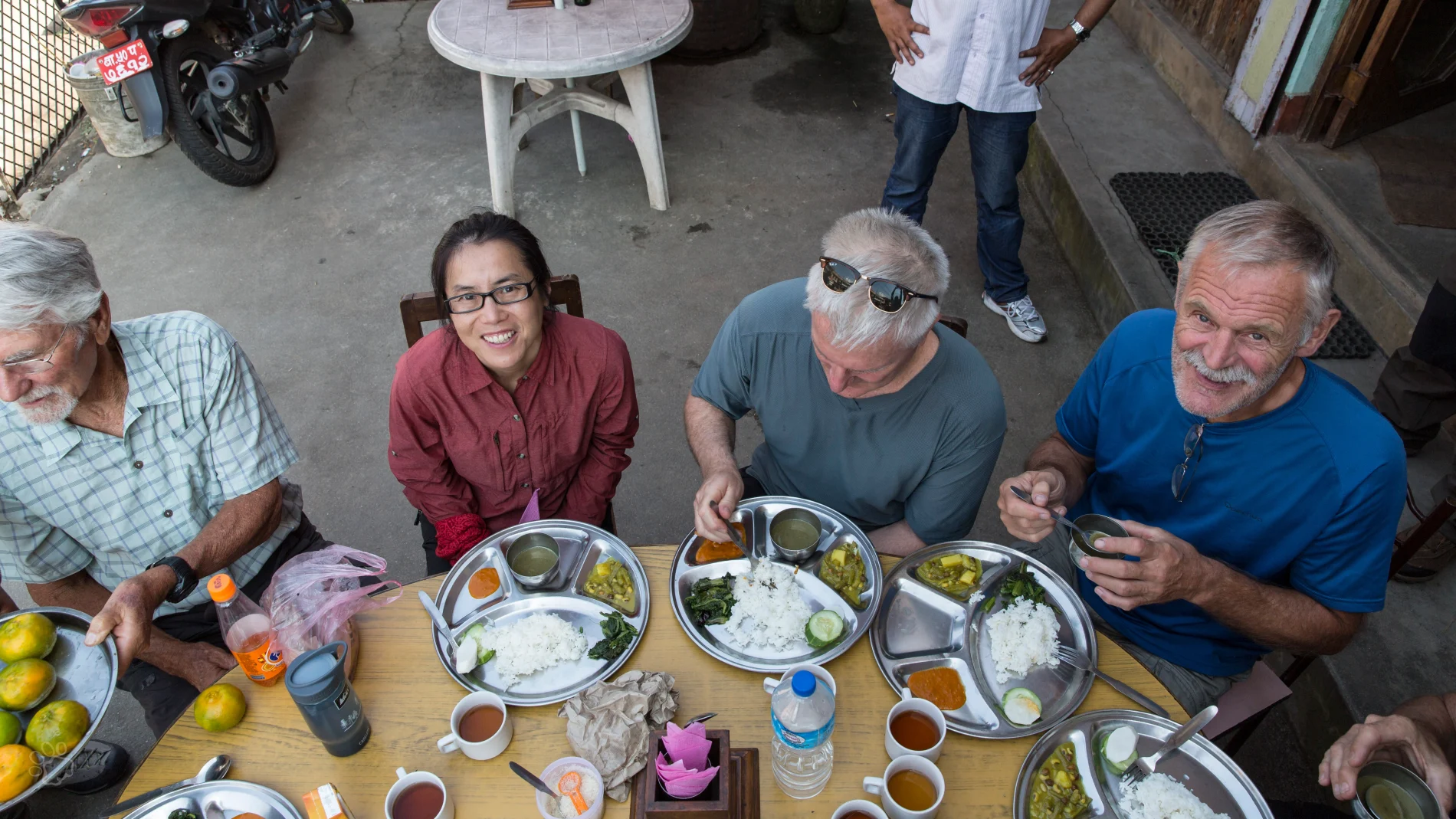
13/10/2026
Manaslu Circuit Trek After the October 2026 Floods: Trail Conditions, Safety and Travel Updates
The Manaslu Circuit Trek is one of Nepal’s most rewarding Himalayan journeys, taking trekkers through traditional...
Read more
13/10/2026
Your Nepal Trek Is Booked, but the Trail Is Closed: What Now?
Imagine arriving in Nepal with your trekking boots ready, your flights booked, your bags packed, and...
Read more