Annapurna Circuit Trek in February: A Complete Guide for 2026
Share:
 Read Time
This blog has 6452 words .This blog has 43333 characters.This blog take 22 minutes to read.
The Annapurna Circuit Trek in February offers an excellent opportunity to experience one of Nepal’s most iconic trekking routes during the final month of winter. While cold temperatures and snow remain part of the adventure, February often brings more stable weather, slightly warmer days, and longer daylight hours than January. The trails are still relatively quiet, allowing trekkers to enjoy the spectacular Himalayan scenery without the crowds that arrive later in the spring season.
Having guided trekkers across the Annapurna Circuit for many years, I’ve found that February strikes a good balance between winter solitude and improving trekking conditions. Snow-covered landscapes continue to transform the higher elevations into a breathtaking alpine environment, while the clear winter skies frequently provide outstanding views of Annapurna, Dhaulagiri, Manaslu, and the surrounding Himalayan peaks. Although weather around Thorong La Pass still requires careful planning, many trekkers successfully complete the circuit throughout the month with the right preparation.
This complete guide covers everything you need to know before planning the Annapurna Circuit Trek in February, including weather conditions, temperatures at different elevations, trail conditions, accommodation, food, transportation, permits, costs, packing recommendations, altitude considerations, and practical safety tips. Whether you’re looking for a peaceful winter trek or hoping to experience the Himalayas just before the busy spring season begins, this guide will help you prepare for a safe, enjoyable, and memorable adventure.
Why Choose the Annapurna Circuit Trek in February?
The Annapurna Circuit Trek in February is an excellent choice for trekkers who want to experience the beauty of the Himalayas without the crowds of the peak trekking seasons. As winter gradually transitions toward spring, February offers a pleasant combination of quiet trails, improving weather, and spectacular mountain scenery. While the conditions remain cold, especially at higher elevations, the days become slightly longer and warmer than in January, making trekking more comfortable.
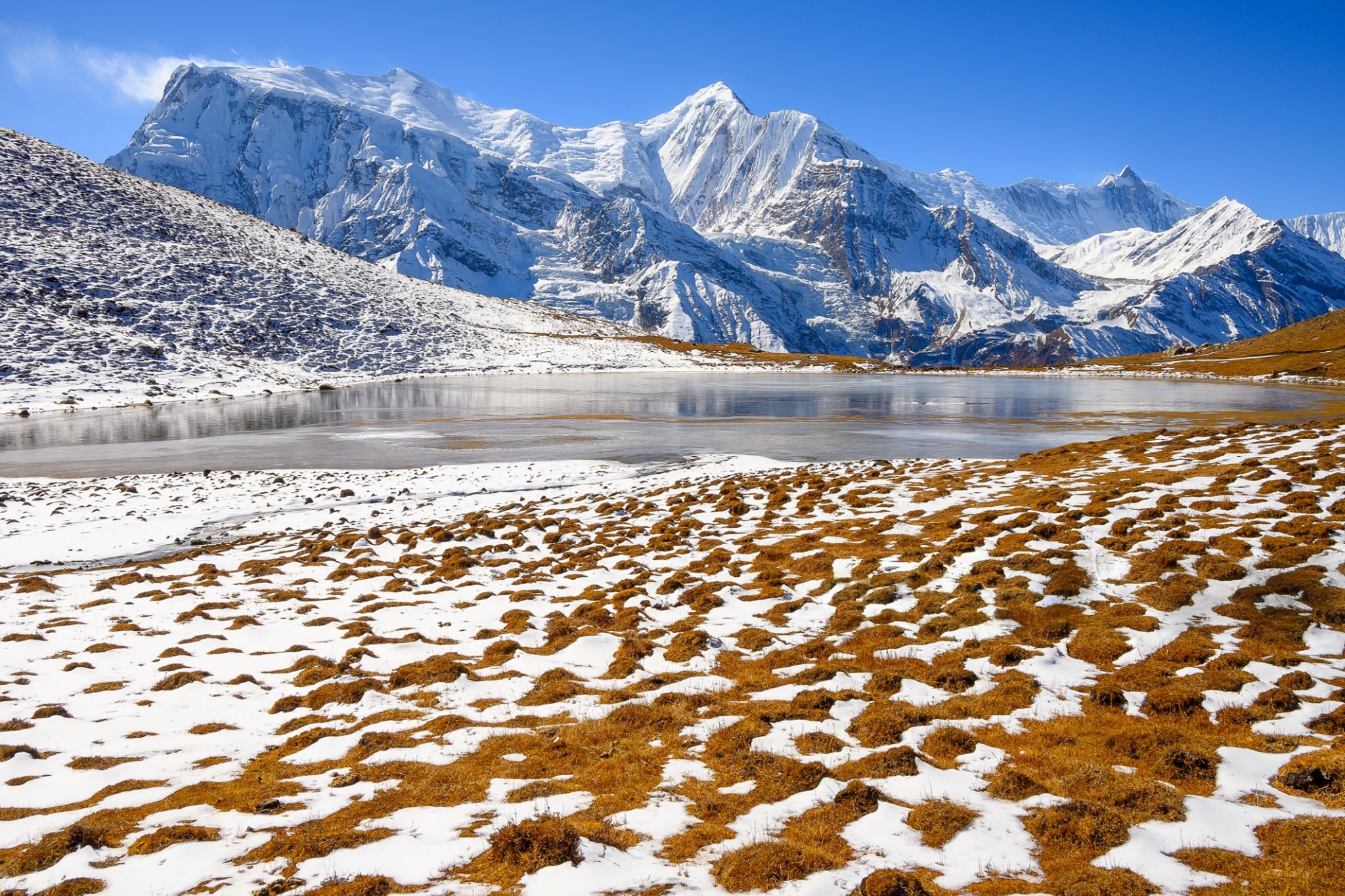
One of the main reasons to choose a February Annapurna Circuit Trek is the exceptional mountain visibility. The dry winter air often produces crystal-clear skies, offering breathtaking views of Annapurna, Dhaulagiri, Manaslu, Gangapurna, Tilicho Peak, and many other Himalayan giants. Fresh snow at higher elevations enhances the scenery, creating dramatic contrasts between the white peaks and deep blue skies that are perfect for photography.
February also provides a peaceful trekking experience. The trail remains relatively quiet compared to the busy spring months, allowing you to enjoy traditional villages, scenic viewpoints, and mountain landscapes at a relaxed pace. Teahouses are generally less crowded, making it easier to find accommodation and spend more time interacting with local families and fellow trekkers.
Another advantage of trekking in February is the gradually improving weather. Although snow can still affect Thorong La Pass, stable weather windows become more frequent as the month progresses. In the lower elevations, the first signs of spring may begin to appear toward the end of February, with milder temperatures and early blooms adding color to the landscape.
For trekkers who are prepared for winter conditions but prefer slightly more favorable weather than January, February offers an excellent balance of adventure, tranquility, and natural beauty. With proper planning, quality winter gear, and a flexible itinerary, the Annapurna Circuit Trek in February can be one of the most rewarding trekking experiences in Nepal.
Weather in February
The Annapurna Circuit weather in February remains cold and dry, but it is generally more favorable than in January. As the last month of winter in Nepal, February often brings longer daylight hours, slightly warmer daytime temperatures, and more stable weather, particularly during the second half of the month. These conditions make trekking more comfortable while still offering the clear skies and crisp mountain air that winter is known for.
Weather conditions vary with elevation throughout the trek. Lower sections such as Besisahar, Chame, and Pisang usually experience cool, sunny days and chilly nights. As you ascend to Manang, Yak Kharka, and Thorong Phedi, temperatures remain below freezing at night, and frost is common during the early morning. Snowfall is still possible at higher elevations, although major winter storms generally become less frequent as February progresses.
The weather around Thorong La Pass remains the most unpredictable part of the trek. Snow, ice, and strong winds can still affect the pass, especially after fresh snowfall. Most trekkers begin the pass crossing before sunrise to take advantage of calmer morning conditions. It is important to check the latest weather forecast and remain flexible, as local conditions can change quickly in the high Himalayas.
Overall, trekking the Annapurna Circuit in February offers an excellent combination of winter scenery and improving weather. Dry conditions, clear mountain views, and increasing daylight make it one of the best months for trekkers who want to experience the Himalayas before the busy spring season begins. With proper preparation and suitable winter gear, February provides a safe and enjoyable trekking experience for well-prepared adventurers.
Temperature in February
The Annapurna Circuit temperature in February remains cold, particularly at higher elevations, but it is generally a few degrees warmer than in January. As winter gradually gives way to early spring, daytime temperatures become more comfortable, while nights continue to be well below freezing in the alpine region. Understanding these temperature variations is essential for choosing the right clothing and preparing for the changing conditions along the trail.
In the lower sections of the trek, including Besisahar and Chame, daytime temperatures typically range from 10°C to 16°C (50°F to 61°F), while nighttime temperatures usually fall between 2°C and 6°C (36°F to 43°F). As you climb toward Manang, Yak Kharka, and Thorong Phedi, daytime temperatures generally range from 2°C to 8°C (36°F to 46°F), but nights can still drop to -8°C to -14°C (18°F to 7°F).
The coldest part of the trek remains Thorong La Pass (5,416 m). Early morning temperatures commonly range from -12°C to -18°C (10°F to 0°F), and strong winds can make it feel significantly colder. Since most trekkers begin the pass crossing before sunrise, wearing insulated layers, warm gloves, and a windproof outer shell is essential for staying comfortable and safe.
Although February remains a winter month, the slightly warmer temperatures and longer days make trekking more pleasant than in January. Combined with generally stable weather and excellent mountain visibility, these conditions make February an attractive time for those planning a winter Annapurna Circuit Trek. Proper layering and quality winter gear remain essential, especially when trekking above 3,500 meters.
Temperature Table
Most trekkers cross Thorong La Pass before sunrise, when temperatures are at their lowest. Strong winds can significantly reduce the feels-like temperature, making it much colder than the actual air temperature. Wearing insulated clothing, waterproof gloves, and proper winter footwear is essential for a safe and comfortable pass crossing.
Trail Conditions
The Annapurna Circuit Trek in February offers generally favorable trail conditions, particularly during the second half of the month when winter gradually begins to ease. Most lower and mid-altitude sections of the route remain dry and easy to follow, while higher elevations continue to experience snow and icy patches. Compared to January, the trails are often more stable, making February a popular choice for trekkers who want to enjoy winter scenery with slightly improved walking conditions.
From Besisahar to Manang, the trail is usually well-maintained and mostly free of snow. You may encounter frost or small icy sections in shaded forests and early morning hours, but these rarely cause significant difficulties. The dry winter climate also means there is very little mud, allowing for more comfortable trekking throughout the lower part of the circuit.
Beyond Manang, conditions become more challenging as you approach Yak Kharka, Thorong Phedi, and Thorong La Pass. Snow and ice remain common in these higher sections, especially after recent snowfall. While the trail is generally passable, deep snow or icy surfaces can slow your progress and require extra caution. Trekking poles are highly recommended, and carrying microspikes can provide additional stability if conditions become slippery.
The condition of Thorong La Pass should always be assessed before attempting the crossing. Although weather is often more stable in February than in January, heavy snowfall or strong winds can still temporarily close the pass. Local guides closely monitor trail conditions and weather forecasts to determine the safest time to cross. Building an extra day into your itinerary provides valuable flexibility if weather delays occur.
Overall, trekking the Annapurna Circuit in February is a rewarding experience for those prepared for winter conditions. With proper footwear, suitable cold-weather gear, and sensible planning, most trekkers find the trail manageable while enjoying the peaceful atmosphere and spectacular Himalayan landscapes that make February such a special time to visit.
Mountain Views
One of the biggest highlights of the Annapurna Circuit Trek in February is the outstanding mountain scenery. February is known for its crisp, dry air and excellent visibility, offering trekkers uninterrupted views of some of the highest and most beautiful peaks in the Himalayas. With fewer clouds and low atmospheric haze, the snow-covered mountains appear exceptionally sharp, making this one of the best months for panoramic photography.
Throughout the trek, you’ll enjoy magnificent views of Annapurna II, Annapurna III, Annapurna IV, Gangapurna, Tilicho Peak, Chulu East, Chulu West, Manaslu, Dhaulagiri, Nilgiri, and Tukuche Peak. The fresh winter snow covering these mountains creates a spectacular contrast against the deep blue February sky, making every stage of the journey visually rewarding.
Some of the finest viewpoints are found around Upper Pisang, Manang, and Thorong La Pass, where the surrounding Himalayan ranges stretch across the horizon. As daylight hours become slightly longer in February, trekkers have more time to enjoy the scenery without feeling rushed. Early mornings continue to offer the clearest conditions, with calm weather and golden sunlight illuminating the snow-capped peaks.
Although occasional snowfall can temporarily reduce visibility, these weather systems are often followed by bright, cloudless days. For trekkers looking to experience the Himalayas at their most dramatic, the February Annapurna Circuit Trek delivers breathtaking mountain vistas, peaceful surroundings, and unforgettable moments throughout the journey
Landscapes
The Annapurna Circuit Trek in February takes you through one of the most diverse landscapes in the Himalayas, and the transition from winter toward early spring makes the scenery even more captivating. From lush river valleys and dense forests to snow-covered alpine terrain and the arid landscapes of Mustang, each day reveals a completely different environment. This remarkable variety is one of the reasons the Annapurna Circuit is considered one of the world’s finest trekking routes.
The trek begins in the lower foothills, where terraced farmland, traditional villages, waterfalls, and subtropical forests dominate the landscape. As you climb higher, oak and pine forests gradually give way to alpine meadows and rugged mountain terrain. By February, the first signs of spring may begin to appear in the lower elevations toward the end of the month, while the higher regions remain blanketed in snow.
Around Manang and beyond, the scenery changes dramatically. The lush greenery disappears, replaced by glacial valleys, rocky cliffs, frozen streams, and vast open slopes surrounded by towering snow-covered peaks. After crossing Thorong La Pass, the trail enters the rain-shadow region of Mustang, where colorful rock formations, deep gorges, ancient villages, and barren hills create a striking contrast to the snowy mountains behind you.
One of the most rewarding aspects of trekking the Annapurna Circuit in February is witnessing these changing landscapes without the crowds of the peak seasons. The combination of winter snow, clear skies, and the first hints of spring creates a unique and memorable trekking experience that showcases the incredible natural diversity of the Annapurna region.
Crowds and Trekking Experience
The Annapurna Circuit Trek in February offers a peaceful trekking experience, making it an excellent choice for those who prefer quieter trails and a slower pace. Although February attracts slightly more trekkers than January, visitor numbers remain much lower than during the busy spring and autumn seasons. This allows you to enjoy the beauty of the Himalayas without the large crowds commonly seen in October, November, April, and May.
The quieter trails create a more relaxing atmosphere throughout the journey. You’ll have plenty of time to appreciate the mountain scenery, take photographs at popular viewpoints, and explore traditional villages without feeling rushed. The peaceful environment also makes it easier to connect with nature and enjoy the tranquil surroundings that make the Annapurna Circuit so special.
Teahouses are generally less crowded in February, making it easier to find accommodation even if you haven’t booked in advance. With fewer guests to serve, lodge owners often have more time to interact with trekkers, share stories about local culture, and provide a more personal level of hospitality. These genuine interactions add another memorable dimension to the trekking experience.
As the month progresses and spring approaches, the number of trekkers gradually begins to increase, especially during the final weeks of February. However, the trail still feels uncrowded compared to the peak seasons. For those looking for a balance between winter solitude and improving trekking conditions, the February Annapurna Circuit Trek provides one of the most enjoyable and authentic experiences in the Himalayas.
Pros
Pleasant Winter Weather: February remains a winter month, but daytime temperatures are generally a little warmer than in January. The longer daylight hours also make daily trekking more comfortable and enjoyable.
Excellent Mountain Views: The dry winter atmosphere often provides crystal-clear visibility, allowing trekkers to enjoy spectacular views of the Annapurna, Dhaulagiri, Manaslu, and other Himalayan peaks throughout the journey.
Peaceful Trails: Although the number of trekkers gradually increases toward the end of the month, February is still considered an off-season period. The quieter trails allow you to experience the Annapurna Circuit at a relaxed pace.
Beautiful Snow-Covered Scenery: Higher elevations remain covered in snow, creating breathtaking alpine landscapes. The combination of snow, clear skies, and towering Himalayan peaks makes February one of the most scenic months for photography.
Comfortable Accommodation Availability: Most teahouses remain open during February, and finding a room is usually easy. Unlike the peak seasons, you rarely need to reserve accommodation in advance.
Improving Trail Conditions: Compared to January, snow and ice gradually begin to decrease, especially during the second half of February. This often makes walking conditions slightly easier while still preserving the beauty of the winter landscape.
A Unique Seasonal Experience: February offers the opportunity to enjoy the peaceful atmosphere of winter while witnessing the first subtle signs of spring in the lower valleys. This seasonal transition gives the trek a distinctive character that few other months can offer.
Cons
Cold Nights at Higher Elevations: Although February is slightly warmer than January, nighttime temperatures above 3,500 meters still fall well below freezing. Staying warm requires proper winter clothing and a high-quality sleeping bag.
Snow Around Thorong La Pass: Snow and ice remain common near Thorong La Pass, particularly after fresh snowfall. Trail conditions can become slippery, requiring careful footing and, in some cases, additional traction devices such as microspikes.
Weather Can Still Be Unpredictable: Winter weather is generally stable, but sudden snowfall or strong winds can occasionally affect the higher sections of the route. Flexibility in your itinerary is important in case the pass crossing needs to be delayed.
Basic Facilities at High Altitude: Teahouses provide comfortable accommodation, but facilities become more basic as you
gain elevation. Bedrooms are usually unheated, and hot showers, charging, and Wi-Fi may be limited or available only for an additional fee.
Higher Expenses in Remote Villages: Food, drinks, and other supplies become more expensive as you climb higher because they must be transported to remote mountain settlements by porters, mules, or vehicles where roads are available.
Requires Good Preparation: While February offers better conditions than January, it is still a winter trek. Proper physical fitness, quality trekking gear, and adequate acclimatization are essential for completing the Annapurna Circuit Trek in February safely and comfortably.
What to Pack
Packing the right gear is essential for a successful Annapurna Circuit Trek in February. Although temperatures are slightly warmer than in January, winter conditions still dominate the higher elevations. You’ll encounter cold mornings, freezing nights, and possible snow around Thorong La Pass, so your equipment should keep you warm, dry, and comfortable throughout the trek.
Layering is the most effective way to adapt to changing temperatures. Start with moisture-wicking thermal base layers, add a fleece or insulated mid-layer for warmth, and finish with a waterproof and windproof outer shell to protect against cold winds and occasional snowfall. A high-quality down jacket is indispensable during rest stops and evenings at higher altitudes. Warm trekking pants, insulated gloves, a wool or fleece hat, a neck gaiter, and several pairs of wool socks will also help you stay comfortable throughout the journey.
Footwear is equally important during a February Annapurna Circuit Trek. Waterproof trekking boots with good ankle support provide excellent traction on rocky, snowy, and icy trails. Trekking poles reduce strain on your knees and improve stability, while microspikes can be useful if fresh snow or ice covers sections of the trail near Thorong La Pass. A four-season sleeping bag rated to -15°C or lower is highly recommended, as teahouse bedrooms are typically unheated.
Don’t forget essential accessories such as sunglasses with UV protection, sunscreen, SPF lip balm, a headlamp with spare batteries, insulated water bottles or a hydration flask, water purification tablets or a filter, a personal first-aid kit, and any prescription medications. Packing thoughtfully not only improves your comfort but also helps ensure a safer and more enjoyable trekking experience in the Himalayan winter.
Trekking Difficulty
The Annapurna Circuit Trek in February is considered a moderately difficult to challenging trek. Although February brings slightly milder conditions than January, the combination of long walking days, high altitude, cold temperatures, and occasional snow continues to make the trek physically demanding. A good level of fitness, proper preparation, and a steady pace are essential for completing the circuit safely and comfortably.
Most trekking days involve 5 to 8 hours of walking over varied terrain, including stone staircases, forest trails, suspension bridges, rocky paths, and steep mountain ascents. As you gain altitude, the thinner air reduces oxygen levels, making even moderate climbs feel more strenuous. The most demanding day is the crossing of Thorong La Pass (5,416 m), which usually begins before sunrise and requires endurance, patience, and careful pacing.
While previous trekking experience is beneficial, it is not a requirement. Many first-time trekkers successfully complete the February Annapurna Circuit Trek by following a well-planned itinerary that includes adequate acclimatization. Regular cardiovascular exercise, strength training, and hiking practice before your trip can greatly improve your endurance and make the trek more enjoyable.
Hiring an experienced local guide is highly recommended, particularly during the winter season. A guide can monitor weather conditions, evaluate trail safety, and provide assistance if unexpected situations arise. With proper physical preparation, suitable winter gear, and sufficient acclimatization, the Annapurna Circuit in February is a challenging yet highly rewarding Himalayan adventure suitable for determined trekkers of varying experience levels.
Altitude & Acclimatization
Altitude is one of the most important challenges on the Annapurna Circuit Trek in February. While the weather gradually becomes milder toward the end of the month, the reduced oxygen levels at higher elevations remain the same throughout the year. As you ascend above 3,000 meters, your body needs time to adapt to the thinner air, making proper acclimatization essential for a safe and enjoyable trek.
Most trekkers spend an extra night in Manang (3,540 m) to help their bodies adjust before continuing toward higher elevations. This acclimatization day is strongly recommended, as it significantly reduces the risk of altitude sickness. A short hike to a higher viewpoint before returning to sleep in Manang follows the well-known principle of “climb high, sleep low,” which helps your body adapt more effectively.
Common symptoms of Acute Mountain Sickness (AMS) include headache, nausea, dizziness, fatigue, loss of appetite, and difficulty sleeping. If these symptoms become severe or continue to worsen, you should stop ascending immediately and descend to a lower altitude. Ignoring altitude sickness can lead to serious complications, so it’s important to listen to your body rather than trying to stick to a fixed itinerary.
Staying well hydrated, eating nutritious meals, avoiding alcohol, maintaining a slow and steady pace, and allowing enough time for acclimatization are the best ways to reduce the risk of altitude-related illness. Whether you’re an experienced trekker or visiting the Himalayas for the first time, respecting the altitude is the key to safely crossing Thorong La Pass and successfully completing the Annapurna Circuit Trek in February.
Permits
If you’re planning the Annapurna Circuit Trek in February, you’ll need the same permits required during every trekking season. There are no additional winter permit requirements, and February follows the standard regulations set by the Nepalese authorities. Since permit checkpoints are located throughout the route, it’s important to carry your permits with you at all times during the trek.
The two mandatory permits are the Annapurna Conservation Area Permit (ACAP) and the Trekkers’ Information Management System (TIMS) Card. The ACAP supports conservation projects, trail maintenance, and local community development within the Annapurna Conservation Area, while the TIMS Card helps maintain trekking records and improves the safety and management of trekkers in the region.
As of the latest regulations, the ACAP costs NPR 3,000 per foreign trekker, while the TIMS Card costs NPR 2,000 when obtained through a registered trekking agency. SAARC nationals receive discounted permit fees. Since permit policies and prices may change over time, it’s always a good idea to verify the latest information before your trip.
You can obtain both permits in Kathmandu or Pokhara, and most trekkers choose to arrange them through a licensed trekking agency, which handles the paperwork and saves valuable time. Although February is still considered part of the winter trekking season, obtaining permits is usually quick and straightforward.
Before beginning your trek, double-check that your passport details are correct on both permits and keep them easily accessible for inspection at checkpoints along the trail. Having your permits organized in advance allows you to focus on enjoying the spectacular landscapes and unforgettable mountain scenery of the Annapurna Circuit Trek in February.
Accommodation
Accommodation on the Annapurna Circuit Trek in February is provided primarily by traditional teahouses, which offer a comfortable and welcoming place to rest after each day of trekking. These family-run lodges are available in almost every village along the route, providing simple rooms, freshly prepared meals, and an opportunity to experience the warm hospitality of the local mountain communities. Since February falls just before the busy spring trekking season, finding accommodation is generally easier than during peak months.
Most teahouses offer basic twin-sharing rooms with beds, mattresses, pillows, and blankets. In lower villages such as Besisahar, Chame, and Pisang, some lodges also provide attached bathrooms, hot showers, and other modern facilities. As you ascend to Manang, Yak Kharka, and Thorong Phedi, accommodation becomes more basic, and bedrooms are usually unheated. The dining hall is typically the only heated area, where trekkers gather around a central stove during the evening.
Although a few teahouses at higher elevations may remain closed early in the month due to lower visitor numbers, there are usually enough open lodges to accommodate trekkers throughout February. As the month progresses and more visitors arrive, additional teahouses gradually reopen in preparation for the spring trekking season. If you’re trekking with a guide, they will help select suitable lodges based on availability and daily walking distances.
Accommodation costs remain affordable, especially if you eat your meals at the same teahouse where you stay. Some lodge owners may also offer flexible room rates during the quieter winter period. While the facilities are simple, the friendly atmosphere, warm meals, and genuine hospitality make staying in the mountain teahouses one of the most memorable parts of the February Annapurna Circuit Trek.
Food
Food on the Annapurna Circuit Trek in February is wholesome, nutritious, and designed to provide the energy needed for trekking in cold mountain conditions. Teahouses along the route serve a variety of traditional Nepali dishes as well as popular international meals. Although menu options become more limited as you gain altitude, you can still expect freshly prepared food throughout the trek.
The most popular choice among trekkers is Dal Bhat, Nepal’s traditional meal of rice, lentil soup, seasonal vegetables, and pickles. It is rich in carbohydrates and protein, making it an excellent option for maintaining energy during long trekking days. Many teahouses also offer free refills of Dal Bhat, which is why it has become the preferred meal for both guides and experienced trekkers.
Other commonly available dishes include fried rice, noodles, pasta, momos, soups, potatoes, porridge, pancakes, eggs, Tibetan bread, chapati, and simple desserts. Hot drinks such as ginger tea, lemon tea, mint tea, black tea, hot chocolate, and coffee are widely available and are especially comforting after a cold day on the trail.
As you climb to higher elevations, food prices gradually increase because all supplies must be transported to remote villages by porters, mules, or vehicles where roads exist. To support your body during high-altitude trekking, choose warm, freshly cooked meals, drink plenty of water, and avoid excessive alcohol. Eating well and staying properly hydrated will improve your energy levels, support acclimatization, and help you enjoy a safer and more comfortable Annapurna Circuit Trek in Febr
Transportation
Getting to the starting point of the Annapurna Circuit Trek in February is generally straightforward, and transportation becomes slightly more reliable than in January as winter weather begins to improve. Most trekkers travel from Kathmandu or Pokhara to Besisahar before continuing by jeep to Dharapani or Chame, depending on their itinerary and the latest road conditions.
The journey from Kathmandu to Besisahar takes approximately 6 to 8 hours by tourist bus, local bus, or private vehicle. From there, a four-wheel-drive jeep continues to Dharapani in about 3 to 4 hours or to Chame in approximately 5 to 6 hours. While roads are usually accessible throughout February, occasional snowfall or landslides can still affect higher sections, particularly early in the month. Choosing a private jeep offers greater comfort and flexibility, especially for small groups.
After completing the trek, most trekkers exit from Muktinath or Jomsom. From Muktinath, you can travel by jeep to Jomsom and continue by road to Pokhara, a journey that typically takes 8 to 10 hours depending on road conditions. If weather conditions are favorable, you also have the option of taking a scenic flight from Jomsom to Pokhara. However, mountain flights remain weather-dependent and may occasionally be delayed or cancelled due to strong winds or poor visibility.
Transportation costs vary depending on the type of vehicle and the level of comfort you choose. Shared jeeps are the most budget-friendly option, while private jeeps provide a faster and more convenient journey. If you’re trekking with a registered trekking agency, transportation is often included in the package, allowing you to focus on the adventure rather than logistics. Even though February generally offers more reliable travel conditions than January, allowing an extra day in your itinerary is still a wise precaution in case of weather-related delays.
Cost
The cost of the Annapurna Circuit Trek in February depends on your travel style, itinerary, group size, and the services you choose. Since February falls between the quiet winter season and the start of spring, trekking expenses are generally similar to January and can be slightly lower than during the peak trekking months. Whether you trek independently or book a guided package, planning your budget in advance will help you avoid unexpected expenses.
Independent trekkers should expect to spend approximately USD 30 to 50 per day on accommodation, meals, drinking water, and personal expenses. This estimate does not include permits, transportation, travel insurance, guide or porter services, equipment rental, or tips. As you gain altitude, the cost of food and drinks increases because supplies must be transported to remote mountain villages.
For those seeking a more convenient experience, most trekking agencies offer Annapurna Circuit Trek packages ranging from USD 900 to USD 1,500 per person. The final price depends on the trek duration, group size, level of service, and what’s included in the package. Many guided packages cover permits, transportation, accommodation, an experienced guide, and sometimes meals, making them a practical option for first-time visitors to Nepal.
It’s also important to budget for additional expenses such as hot showers, Wi-Fi, charging electronic devices, snacks, bottled or purified drinking water, laundry, and tips for your guide and porter. If you don’t own winter trekking equipment, renting items like a down jacket, sleeping bag, or trekking poles in Kathmandu or Pokhara is usually more affordable than purchasing them.
Overall, the February Annapurna Circuit Trek offers excellent value for money. With improving weather, fewer crowds than spring, and reliable trekking conditions, February provides an ideal balance of affordability, comfort, and unforgettable Himalayan scenery.
Safety Tips
Trekking the Annapurna Circuit in February is generally safe for well-prepared trekkers, but the mountains always demand respect. Although weather conditions are often more stable than in January, winter hazards such as snow, ice, freezing temperatures, and high altitude can still present challenges. Following a few essential safety practices will help you enjoy a safer and more comfortable trekking experience.
Check the Weather Before Crossing Thorong La Pass
The weather in the high Himalayas can change rapidly, particularly around Thorong La Pass. Before attempting the pass, check the latest weather forecast and consult local guides or teahouse owners about current trail conditions. If heavy snowfall or strong winds are expected, it’s always safer to delay your crossing than to take unnecessary risks.
Allow Time for Proper Acclimatization
Altitude sickness can affect anyone, regardless of age or fitness level. Spend an acclimatization day in Manang, walk at a steady pace, and avoid ascending too quickly. If you experience persistent symptoms such as severe headaches, dizziness, or nausea, stop climbing and descend if your condition does not improve.
Wear Appropriate Winter Clothing
Even though February is slightly warmer than January, temperatures at higher elevations remain well below freezing. Dress in layers and carry an insulated down jacket, waterproof outer shell, thermal clothing, warm gloves, and a quality sleeping bag. Proper winter gear is essential for staying warm and reducing the risk of cold-related illnesses.
Stay Hydrated and Eat Regularly
Cold weather often reduces your sense of thirst, but dehydration increases the risk of altitude sickness. Drink plenty of water throughout the day and eat warm, energy-rich meals to maintain your strength and support acclimatization.
Start Trekking Early
Morning weather is usually calmer and more predictable than the afternoon, especially near Thorong La Pass. Starting early allows you to take advantage of better trail conditions and reach your destination before temperatures drop later in the day.
Consider Hiring a Licensed Guide
A knowledgeable local guide can provide valuable support throughout your trek by monitoring weather conditions, choosing safe routes, assisting with logistics, and responding quickly in emergencies. If you’re trekking in February, especially for the first time, hiring an experienced guide can greatly enhance both your safety and overall experience.
Our Expert Trekking Advice
Having guided trekkers on the Annapurna Circuit through many winter and early spring seasons, I consider February one of the most rewarding months to experience this iconic trek. It offers many of the advantages of winter—peaceful trails, clear skies, and snow-covered mountains—while gradually introducing milder temperatures and longer daylight hours. For trekkers who want to avoid the crowds without facing the harshest winter conditions, February is an excellent time to visit.
The key to a successful Annapurna Circuit Trek in February is preparation rather than speed. Take enough time to acclimatize, especially in Manang, and avoid rushing toward Thorong La Pass. A flexible itinerary is always a wise choice because mountain weather can still change unexpectedly, particularly during the first half of the month. Giving yourself an extra day or two can make a significant difference if conditions require a short delay.
Quality trekking gear should never be overlooked. Even though February is warmer than January, freezing temperatures are still common above 3,500 meters. Invest in reliable winter clothing, waterproof trekking boots, and a warm sleeping bag. These essentials will keep you comfortable and allow you to focus on enjoying the journey rather than worrying about the cold.
If you’re new to high-altitude trekking, consider hiring a licensed local guide. Their knowledge of the trail, weather, local culture, and altitude management can greatly improve both your safety and overall experience. Most importantly, remember that the Annapurna Circuit is not a race. Walk at a comfortable pace, stay hydrated, listen to your body, and take time to appreciate the incredible scenery around you. With thoughtful preparation and realistic expectations, the February Annapurna Circuit Trek will reward you with unforgettable memories and one of the finest trekking experiences in the Himalayas.
Suggested Blog Post
- Annapurna Circuit Trek in January
- Annapurna Circuit Trek in February
- Annapurna Circuit Trek in March
- Annapurna Circuit Trek in April
- Annapurna Circuit Trek in May
- Annapurna Circuit Trek in June
- Annapurna Circuit Trek in July
- Annapurna Circuit Trek in August
- Annapurna Circuit Trek in September
- Annapurna Circuit Trek in October
- Annapurna Circuit Trek in November
- Annapurna Circuit Trek in December
Conclusion
The Annapurna Circuit Trek in February is an outstanding choice for trekkers who want to experience the beauty of the Himalayas before the busy spring season begins. With clear mountain views, peaceful trails, and gradually improving weather, February offers an ideal balance between the tranquility of winter and the more comfortable conditions of early spring. Although snow and cold temperatures remain part of the adventure, they also enhance the landscape, creating a truly memorable trekking experience.
Proper preparation is the key to a successful February Annapurna Circuit Trek. Understanding the weather, packing suitable winter gear, following a well-paced itinerary, and allowing enough time for acclimatization will greatly improve both your comfort and safety. While Thorong La Pass may still present occasional weather-related challenges, most trekkers who plan carefully and remain flexible complete the trek without difficulty.
For those who enjoy quieter trails, spectacular Himalayan scenery, and authentic cultural experiences, February is one of the most rewarding times to explore the Annapurna region. The combination of snow-covered peaks, welcoming mountain villages, and fewer crowds creates a unique atmosphere that is difficult to find during the peak trekking months.
Whether you’re an experienced trekker or planning your first adventure in Nepal, the Annapurna Circuit Trek in February offers an unforgettable journey through one of the world’s most diverse mountain landscapes. With the right preparation, a positive mindset, and respect for the mountains, you’ll be rewarded with breathtaking views, lasting memories, and an experience that will stay with you long after the trek is over.
FAQs
1. Is February a good time for the Annapurna Circuit Trek?
Yes, February is one of the best winter months for the Annapurna Circuit Trek. The weather is generally more stable than in January, mountain views are exceptionally clear, and the trails remain relatively quiet before the spring trekking season begins.
2. Is the Annapurna Circuit Trek open in February?
Yes, the Annapurna Circuit is open throughout February. However, weather conditions around Thorong La Pass should always be checked before crossing, as heavy snowfall can occasionally cause temporary closures.
3. How cold is the Annapurna Circuit in February?
Temperatures vary by elevation. Lower areas typically experience daytime temperatures between 10°C and 16°C, while higher villages can see nighttime temperatures between -8°C and -14°C. At Thorong La Pass, early morning temperatures may drop to -18°C.
4. Does it snow on the Annapurna Circuit in February?
Yes. Snow is still common above Manang, especially around Yak Kharka, Thorong Phedi, and Thorong La Pass. Lower sections of the trail usually remain dry with only occasional frost.
5. Can beginners do the Annapurna Circuit Trek in February?
Yes. Beginners with good physical fitness can complete the trek successfully by following a gradual itinerary, acclimatizing properly, and trekking with an experienced guide.
6. Is Thorong La Pass safe to cross in February?
Yes, Thorong La Pass is usually safe to cross when weather conditions are favorable. Local guides and teahouse owners monitor the trail closely, and it’s important to follow their advice before attempting the pass.
7. What should I pack for the Annapurna Circuit Trek in February?
Essential items include thermal base layers, a down jacket, waterproof trekking boots, insulated gloves, warm hats, trekking poles, sunglasses, and a sleeping bag rated to at least -15°C.
8. Are teahouses open in February?
Yes. Most teahouses remain open throughout February. While a few lodges at higher elevations may operate on a limited basis early in the month, accommodation is generally available along the entire route.
9. Do I need a guide for the Annapurna Circuit in February?
Although trekking regulations may vary, hiring a licensed guide is highly recommended. A guide provides valuable local knowledge, monitors weather conditions, and helps ensure a safer and more enjoyable trekking experience.
10. How much does the Annapurna Circuit Trek cost in February?
Independent trekkers typically spend USD 30–50 per day, while guided trekking packages generally cost between USD 900 and USD 1,500, depending on the itinerary and included services.
11. Are mountain views good in February?
Yes. February offers some of the clearest skies of the year, providing outstanding views of the Annapurna, Dhaulagiri, Manaslu, Nilgiri, and surrounding Himalayan peaks.
12. Is February better than January for the Annapurna Circuit Trek?
For many trekkers, yes. February is usually slightly warmer, has longer daylight hours, and often experiences more stable weather while still offering peaceful trails and beautiful winter scenery.
13. What permits are required for the Annapurna Circuit Trek?
You need the Annapurna Conservation Area Permit (ACAP) and the Trekkers’ Information Management System (TIMS) Card before starting the trek.
14. Is altitude sickness a concern in February?
Yes. Altitude sickness remains a risk throughout the year. Proper acclimatization, adequate hydration, and a gradual ascent are essential regardless of the season.
15. Is the Annapurna Circuit Trek worth doing in February?
Absolutely. If you’re looking for clear mountain views, fewer crowds, improving winter conditions, and an unforgettable Himalayan adventure, the Annapurna Circuit Trek in February is an excellent choice.

Similar Blogs
View all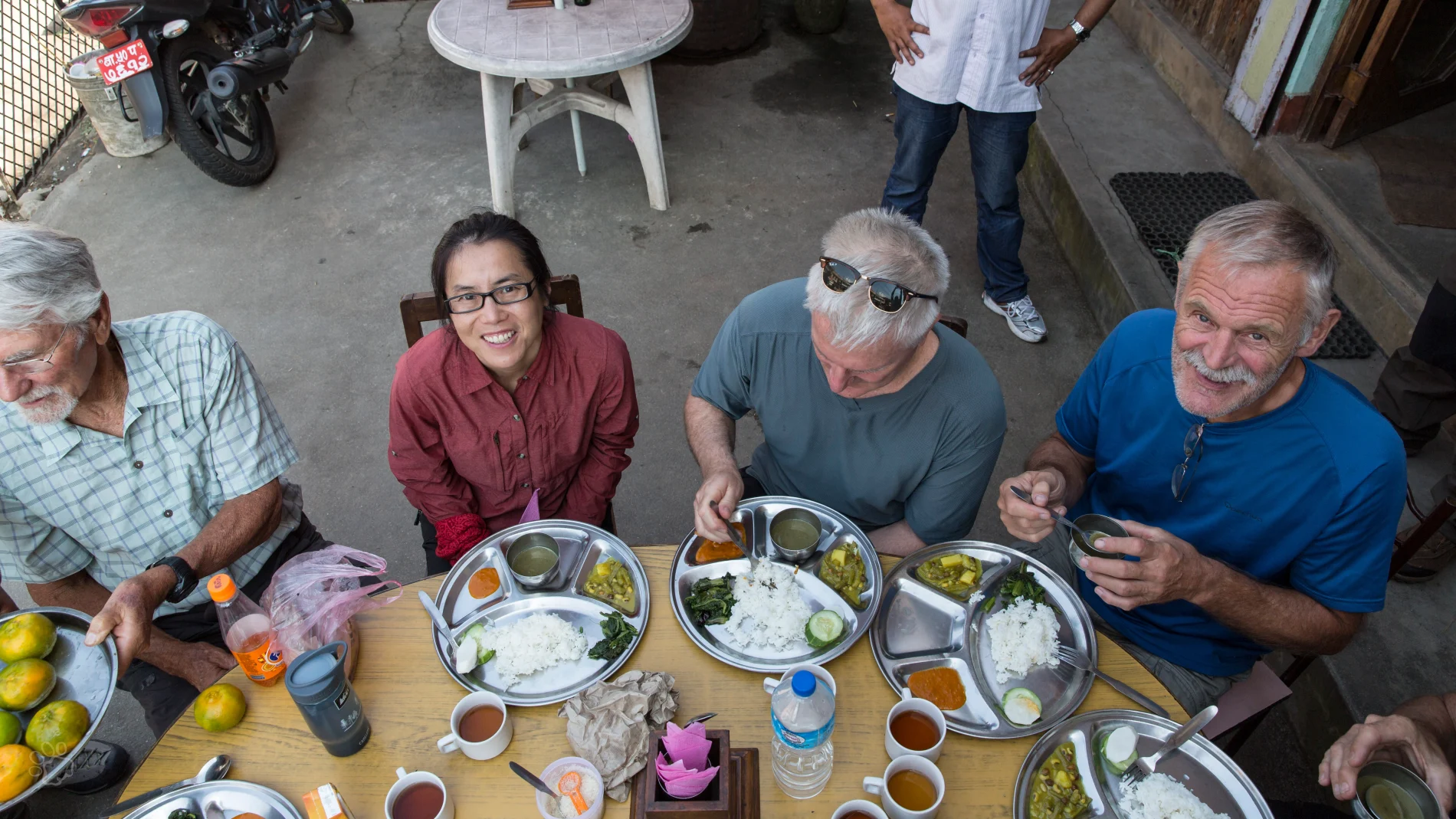
13/10/2026
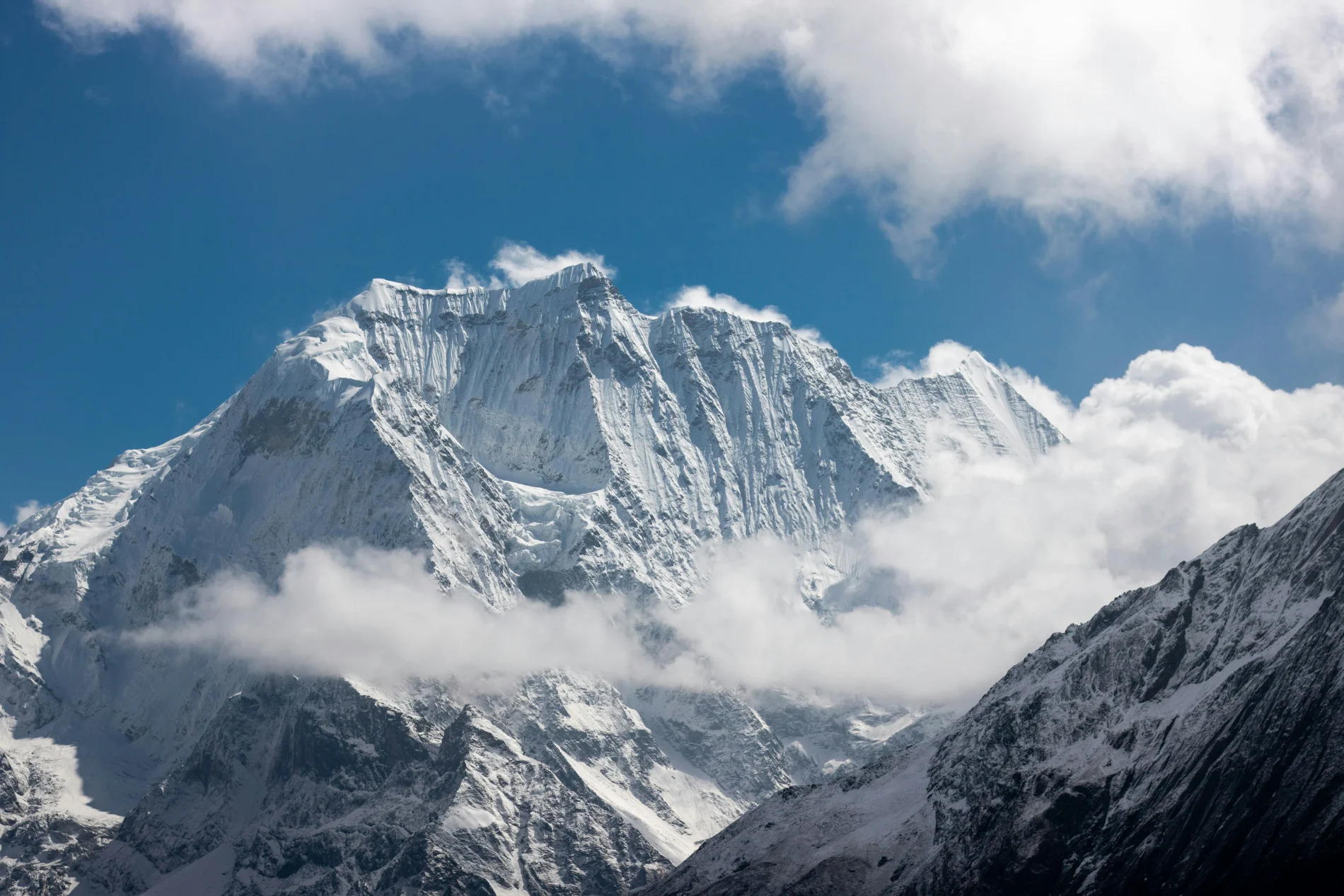
Manaslu Circuit Trek After the October 2026 Floods: Trail Conditions, Safety and Travel Updates
The Manaslu Circuit Trek is one of Nepal’s most rewarding Himalayan journeys, taking trekkers through traditional...
Read more
13/10/2026
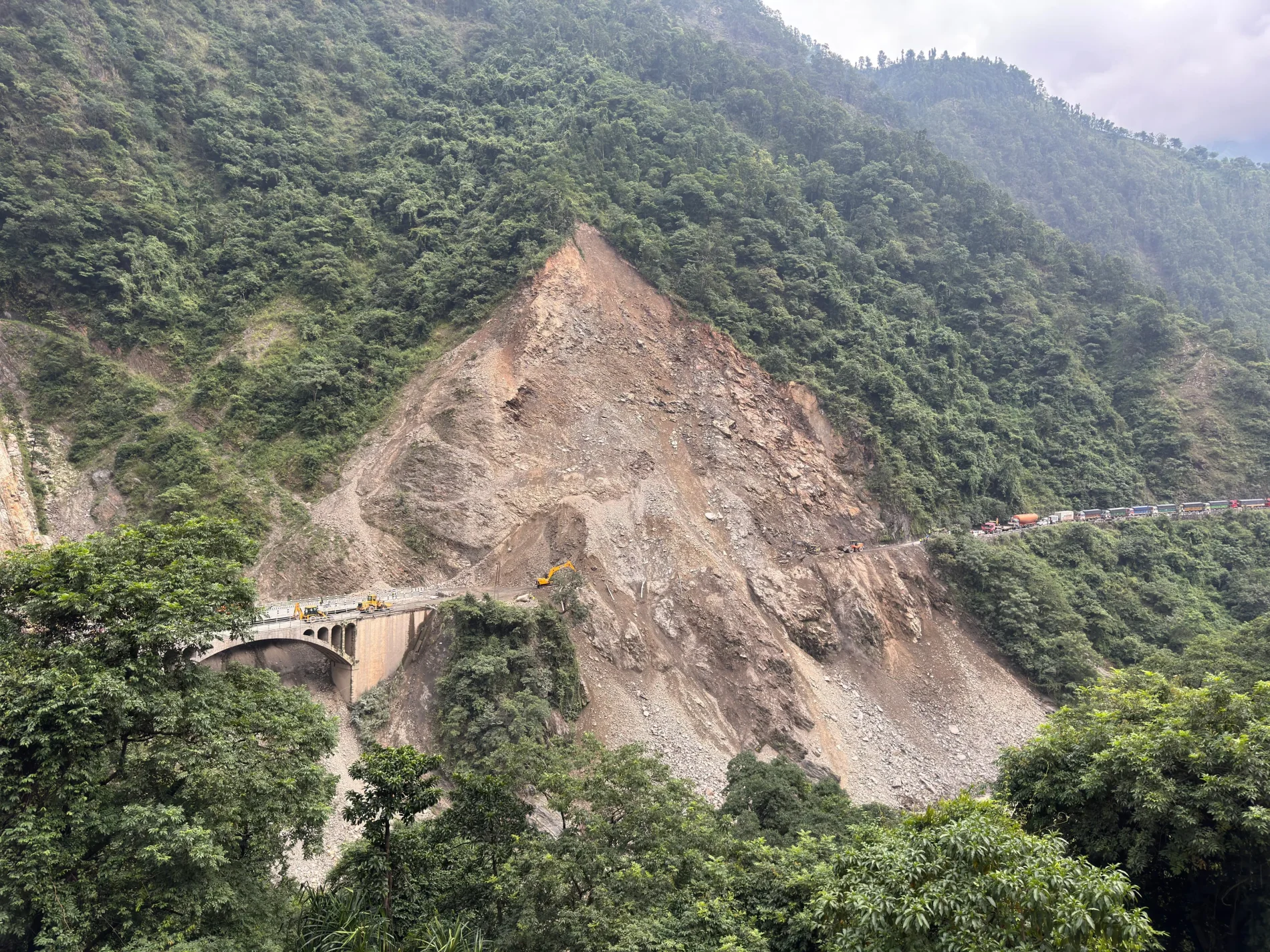
Your Nepal Trek Is Booked, but the Trail Is Closed: What Now?
Imagine arriving in Nepal with your trekking boots ready, your flights booked, your bags packed, and...
Read more