


07/07/2026
Silvermoon Adventure
Annapurna Base Camp Trek in March: Is It the Best Time to Start the Spring Season? (2026 Guide)
Share:

 Read Time
This blog has 7081 words .This blog has 47752 characters.This blog take 24 minutes to read.
Annapurna Base Camp in March marks the beginning of Nepal’s popular spring trekking season. As winter fades and temperatures gradually rise, the Annapurna region comes alive with blooming rhododendron forests, clear mountain views, and pleasant trekking conditions. March offers an excellent balance of comfortable weather, vibrant natural scenery, and reliable trail conditions, making it one of the most popular months to visit Annapurna Base Camp.
Choosing ABC in March allows trekkers to enjoy longer daylight hours and milder temperatures compared to the winter months. The lower sections of the trail become greener as spring begins, while the higher elevations still retain patches of snow, creating a beautiful contrast between colorful forests and snow-capped Himalayan peaks. These changing landscapes make every stage of the trek visually rewarding.
One of the biggest attractions of ABC during March is the spectacular mountain scenery. The crisp spring air often provides outstanding visibility, allowing trekkers to admire iconic peaks such as Annapurna I, Machhapuchhre (Fishtail), Annapurna South, Hiunchuli, and Gangapurna. The combination of clear skies and blooming rhododendrons creates some of the most photogenic landscapes in the Annapurna region.
March is also a great time for trekkers seeking comfortable hiking conditions. Daytime temperatures are generally pleasant for walking, while the nights, although still chilly at higher elevations, are warmer than during the winter months. Most teahouses, transportation services, and trekking facilities operate smoothly, making trip planning convenient and hassle-free.
Whether you’re an experienced trekker or embarking on your first Himalayan adventure, ABC trek in March offers an unforgettable journey through diverse landscapes, traditional mountain villages, and breathtaking alpine scenery. This guide covers everything you need to know, including weather, temperatures, trail conditions, accommodation, costs, packing tips, safety advice, and expert recommendations to help you plan a successful Annapurna Base Camp in March adventure.
Why Choose the Annapurna Base Camp Trek?
Choosing Annapurna Base Camp in March is an excellent decision for trekkers looking to experience the Himalayas during one of the best times of the year. As spring begins, the Annapurna region offers pleasant temperatures, blooming forests, clear mountain views, and well-maintained trails. These favorable conditions make March one of the most sought-after months for both first-time and experienced trekkers.
One of the main reasons to choose ABC in March is the comfortable trekking weather. Daytime temperatures are ideal for hiking, while the cold of winter begins to ease. Although nights remain cool at higher elevations, the overall climate is much more comfortable than in January and February, allowing trekkers to enjoy longer and more enjoyable days on the trail.
Another highlight of ABC during March is the spectacular natural scenery. Rhododendron forests begin to bloom, adding vibrant shades of red, pink, and white to the hillsides. Combined with snow-capped peaks and lush valleys, these colorful landscapes create one of the most beautiful trekking experiences in Nepal.
Mountain visibility is also excellent during March. Clear mornings often provide uninterrupted views of Annapurna I, Machhapuchhre (Fishtail), Annapurna South, Hiunchuli, Gangapurna, and several surrounding peaks. The fresh spring air and stable weather make this month particularly popular among photographers and nature enthusiasts.
A March trek to ABC also offers reliable trekking infrastructure. Nearly all teahouses, lodges, transportation services, and local businesses operate at full capacity, ensuring trekkers have access to comfortable accommodation, warm meals, and essential services throughout the journey.
Although March attracts more trekkers than the winter months, the lively atmosphere adds to the overall experience. You’ll have opportunities to meet fellow adventurers from around the world while still enjoying the peaceful beauty of the Annapurna region. For anyone seeking ideal weather, breathtaking scenery, and a memorable Himalayan journey, ABC trek in March is one of the finest trekking experiences Nepal has to offer.
Weather on the Annapurna Base Camp Trek
The weather during Annapurna Base Camp in March is one of the main reasons why this month is considered the beginning of the peak trekking season. As spring arrives, the cold winter conditions gradually give way to warmer temperatures, longer daylight hours, and more stable weather. These improvements create excellent trekking conditions while still preserving the beauty of the snow-covered Himalayan peaks.
During ABC in March, mornings are usually cool and clear, providing ideal conditions for hiking and enjoying panoramic mountain views. As the day progresses, temperatures become pleasantly warm, making long hours on the trail comfortable. Evenings and nights remain chilly, especially at higher elevations, but they are noticeably milder than during January and February.
One of the biggest advantages of ABC during March is the excellent visibility. The air is generally dry and fresh, allowing trekkers to enjoy uninterrupted views of Annapurna I, Machhapuchhre (Fishtail), Annapurna South, Hiunchuli, Gangapurna, and many other surrounding peaks. These clear conditions make March one of the favorite months for photography and sightseeing.
Rainfall is usually minimal during March, although occasional light showers may occur toward the end of the month as spring progresses. Snow is still possible at higher elevations, particularly near Machhapuchhre Base Camp (MBC) and Annapurna Base Camp, but heavy snowfall becomes less common than in the winter months. This results in safer and more comfortable trekking conditions for most visitors.
The pleasant spring weather also brings new life to the landscape. Forests begin to turn green, rhododendron flowers start blooming, and the trails become more colorful and vibrant. These seasonal changes make a March trek to ABC especially rewarding for trekkers who appreciate both mountain scenery and natural beauty.
Overall, ABC trek in March offers a near-perfect combination of stable weather, comfortable temperatures, and spectacular Himalayan views. With favorable conditions throughout most of the month, March is widely regarded as one of the best times to experience the Annapurna Base Camp Trek.
Temperature on the Annapurna Base Camp Trek
Temperatures during Annapurna Base Camp in March are generally comfortable for trekking, making the month one of the most favorable times to visit the Annapurna region. As spring begins, daytime temperatures gradually rise, creating pleasant hiking conditions, while nights remain cool, especially at higher elevations. Compared to January and February, March offers a noticeable improvement in overall comfort.
In the lower sections of ABC in March, including villages such as Nayapul, Ghandruk, and Chhomrong, daytime temperatures typically range between 15°C and 22°C (59°F to 72°F). Nighttime temperatures usually remain between 5°C and 10°C (41°F to 50°F), providing relatively mild conditions for resting after a day of trekking.
As you continue climbing through Bamboo, Dovan, Himalaya, and Deurali, temperatures become cooler due to the increasing altitude. During the day, these areas generally experience temperatures between 8°C and 15°C (46°F to 59°F), while nighttime temperatures often fall to around -2°C to 3°C (28°F to 37°F).
The coldest temperatures are found near Machhapuchhre Base Camp (MBC) and Annapurna Base Camp. During ABC during March, daytime temperatures at these elevations usually range from 3°C to 8°C (37°F to 46°F). At night, temperatures commonly drop to between -6°C and -2°C (21°F to 28°F). Although freezing conditions are still possible, they are generally less severe than during the winter months.
One of the benefits of a March trek to ABC is the comfortable daytime climate. The warmer spring sunshine makes trekking enjoyable, while the cooler mornings and evenings provide refreshing mountain air. Dressing in layers allows you to adjust your clothing as temperatures change throughout the day.
Although March offers milder weather, mountain temperatures can change quickly, particularly at higher elevations. Carrying warm clothing, a down jacket, gloves, and a quality sleeping bag remains essential for ABC trek in March, ensuring you stay comfortable throughout your Himalayan adventure.
Trail Conditions on the Annapurna Base Camp Trek
The trail conditions during Annapurna Base Camp in March are among the best of the year, making it one of the most popular months for trekking. As winter comes to an end, most of the snow at lower elevations melts away, leaving dry, stable, and well-defined trails. The combination of pleasant weather and reliable trail conditions allows trekkers to enjoy a comfortable and rewarding journey through the Annapurna region.
During ABC in March, the lower sections of the trail are generally dry and easy to walk. Forest paths, stone staircases, suspension bridges, and village trails remain in excellent condition, making navigation straightforward for both beginners and experienced trekkers. The comfortable temperatures also make long hiking days less physically demanding than during the colder winter months.
As you gain altitude, small patches of snow may still be found near Deurali, Machhapuchhre Base Camp (MBC), and Annapurna Base Camp, particularly during the early weeks of the month. However, these sections are usually well-trodden and remain accessible with proper trekking boots. Heavy snowfall becomes much less common than in January and February, allowing for safer and more predictable trekking conditions.
One of the advantages of ABC during March is the low chance of heavy rainfall. The trails are typically dry, reducing the risk of muddy or slippery paths that are more common during the monsoon season. This makes walking more enjoyable and helps trekkers maintain a steady pace throughout the journey.
Although trail conditions are generally excellent, it’s still important to wear sturdy trekking boots with good grip and carry trekking poles for extra balance, especially on steep ascents and descents. Checking local weather updates before heading to higher elevations is also recommended, as mountain conditions can change unexpectedly.
Overall, ABC trek in March offers some of the most favorable trail conditions of the year. With dry paths, minimal snow, and stable weather, March provides an ideal environment for trekkers looking to enjoy a safe, scenic, and memorable Himalayan adventure.
Mountain Views on the Annapurna Base Camp Trek
One of the biggest highlights of Annapurna Base Camp in March is the spectacular mountain scenery. As spring begins, the combination of clear skies, fresh mountain air, and snow-covered peaks creates some of the finest views in the Himalayas. March is widely regarded as one of the best months for enjoying the dramatic landscapes of the Annapurna region.
Throughout ABC in March, trekkers are rewarded with stunning views of Annapurna I (8,091 m), Machhapuchhre (Fishtail), Annapurna South, Hiunchuli, Gangapurna, and several other towering peaks. These majestic mountains remain covered in snow, creating a striking contrast against the blue spring sky. Every stage of the trek offers new perspectives, making the journey as rewarding as the destination itself.
As you ascend through forests, villages, and alpine valleys, the mountain scenery becomes increasingly impressive. The section between Machhapuchhre Base Camp (MBC) and Annapurna Base Camp is particularly memorable, as the trail opens into the breathtaking Annapurna Sanctuary. During ABC during March, trekkers are surrounded by a natural amphitheater of towering Himalayan peaks, creating one of the most iconic viewpoints in Nepal.
Another unique feature of a March trek to ABC is the colorful spring landscape. Blooming rhododendron forests add vibrant shades of red, pink, and white to the lower and middle sections of the trail, beautifully complementing the snow-capped mountains in the background. This combination of flowers and Himalayan scenery makes March especially popular among photographers and nature lovers.
Early mornings usually offer the clearest mountain views, with the rising sun casting golden light across the snowy peaks before illuminating the entire Annapurna range. The crisp spring air also provides excellent visibility, allowing trekkers to fully appreciate the grandeur of the surrounding mountains.
Overall, ABC trek in March offers some of the most breathtaking mountain views of the year. With clear weather, vibrant spring landscapes, and panoramic Himalayan vistas, March provides an unforgettable trekking experience for anyone exploring the Annapurna Base Camp route.
Crowds and Trekking Experience on the Annapurna Base Camp Trek
Annapurna Base Camp in March marks the beginning of the peak spring trekking season, attracting trekkers from around the world. As the weather becomes warmer and the trails offer excellent conditions, the number of visitors gradually increases throughout the month. Despite the growing popularity, March still provides an enjoyable balance between a lively trekking atmosphere and the opportunity to experience the natural beauty of the Annapurna region.
During ABC in March, the trails are noticeably busier than in January and February, especially in the second half of the month. You’ll meet trekkers from different countries, creating a friendly and social environment. Sharing meals in teahouses, exchanging travel stories, and meeting fellow adventurers become memorable parts of the overall trekking experience.
Although more people are on the trail, overcrowding is rarely a major issue during early March. As the month progresses and spring reaches its peak, popular villages and teahouses become busier, particularly around Chhomrong, Deurali, Machhapuchhre Base Camp (MBC), and Annapurna Base Camp. Booking a guided trek or starting your walk early each morning can help you avoid the busiest times.
One of the highlights of ABC during March is the vibrant atmosphere created by the arrival of spring. Blooming rhododendron forests, comfortable weather, and active teahouses add energy to the journey without taking away from the peaceful mountain scenery. Even with more trekkers on the route, there are still plenty of quiet moments to enjoy the forests, rivers, waterfalls, and spectacular Himalayan landscapes.
A March trek to ABC also offers a well-organized trekking experience. Most teahouses, restaurants, transportation services, and trekking agencies are fully operational, making it easy to find accommodation, enjoy a variety of meals, and access essential services throughout the route.
Overall, ABC trek in March provides a wonderful combination of excellent trekking conditions, a welcoming social atmosphere, and breathtaking scenery. If you enjoy meeting other trekkers while exploring one of Nepal’s most beautiful mountain regions, March is an outstanding time to visit Annapurna Base Camp.
Pros of the Annapurna Base Camp Trek
1. Excellent Spring Weather
One of the biggest advantages of Annapurna Base Camp in March is the pleasant spring weather. Warmer temperatures, longer daylight hours, and generally stable conditions make trekking comfortable throughout the journey.
2. Spectacular Mountain Views
ABC in March offers outstanding visibility, with clear skies providing breathtaking views of Annapurna I, Machhapuchhre, Annapurna South, Hiunchuli, Gangapurna, and many other Himalayan peaks.
3. Blooming Rhododendron Forests
March marks the beginning of the rhododendron blooming season. The colorful forests add vibrant shades of red, pink, and white to the landscape, making the trek even more scenic.
4. Comfortable Daytime Temperatures
The warmer spring climate allows trekkers to hike comfortably during the day without the extreme cold experienced in the winter months. This makes ABC during March suitable for a wide range of trekkers.
5. Reliable Trail Conditions
Most trails are dry and well maintained, with only small patches of snow remaining at higher elevations. These favorable conditions make the trek safer and more enjoyable.
Cons of the Annapurna Base Camp Trek
1. More Crowded Trails
As Annapurna Base Camp in March marks the start of the peak spring trekking season, the number of trekkers increases significantly. Popular sections of the trail and viewpoints can become busy, especially during the second half of the month.
2. Teahouses Fill Up Quickly
The growing popularity of ABC in March means accommodation at popular overnight stops may fill up faster than during winter. Trekkers visiting in late March may need to book through a trekking agency or arrive early to secure a room.
3. Higher Demand for Transportation
Tourist buses, domestic flights, and jeeps between Kathmandu, Pokhara, and the trailhead become busier during March. Booking transportation in advance is recommended, particularly during weekends and holidays.
4. Slightly Higher Trekking Costs
Although permit fees remain the same, the increased demand during the spring season can result in higher prices for guides, porters, equipment rentals, and transportation services.
5. Occasional Afternoon Clouds
While mornings are usually clear, some afternoons during ABC during March may become cloudy as temperatures rise. Trekkers hoping for the best mountain views should begin hiking early in the day.
What to Pack for the Annapurna Base Camp Trek
Packing appropriately for Annapurna Base Camp in March is essential for a comfortable and enjoyable trekking experience. Although March brings warmer temperatures and marks the beginning of the spring season, the weather can still vary considerably with altitude. While lower elevations may feel pleasantly warm during the day, mornings, evenings, and higher sections of the trail remain cold. Carrying the right combination of clothing and gear will help you stay prepared for changing mountain conditions.
The best strategy for ABC in March is to dress in layers. Start with lightweight, moisture-wicking thermal base layers to keep sweat away from your skin. Add a fleece or insulated mid-layer for warmth, and finish with a waterproof and windproof outer jacket to protect against cold winds or occasional light rain. A down jacket is still highly recommended for overnight stays at higher elevations, where temperatures often fall below freezing.
For your lower body, pack comfortable trekking pants, thermal leggings for colder nights, and several pairs of moisture-wicking trekking socks. A warm hat, insulated gloves, sunglasses with UV protection, and a neck gaiter or buff are also useful, especially when trekking through exposed alpine sections during ABC during March.
Footwear is equally important. Waterproof trekking boots with good ankle support and strong grip are ideal for the varied terrain, including stone steps, forest trails, and occasional snowy patches near the base camp. Trekking poles are also recommended, as they provide additional balance and reduce strain on your knees during steep climbs and descents.
Other essential items for a March trek to ABC include a comfortable backpack with a rain cover, a reusable water bottle or hydration system, sunscreen, lip balm, toiletries, a headlamp, a basic first-aid kit, personal medications, a power bank, and extra camera batteries. Although March is warmer than winter, carrying a sleeping bag rated for cold temperatures is still advisable because teahouse bedrooms are generally unheated.
Packing smart rather than packing heavy is the key to a successful ABC trek in March. By bringing versatile clothing and reliable trekking gear, you’ll be well prepared to enjoy the comfortable spring weather, colorful rhododendron forests, and spectacular Himalayan scenery throughout your journey.
Trekking Difficulty on the Annapurna Base Camp Trek
Annapurna Base Camp in March is considered a moderate trek and is suitable for most people with a reasonable level of physical fitness. Thanks to the pleasant spring weather, dry trails, and longer daylight hours, March is one of the easiest and most comfortable months to complete the trek. Although the route does not require technical climbing skills, it still involves several days of continuous walking through varied mountain terrain.
During ABC in March, trekkers usually hike for 5 to 7 hours each day, depending on the itinerary and walking pace. The route includes thousands of stone steps, suspension bridges, forest trails, rocky paths, and gradual ascents through beautiful mountain villages before reaching Annapurna Base Camp at 4,130 meters (13,550 feet).
Compared to the winter months, the trail conditions in March are generally much better. Most lower sections are dry, and only small patches of snow may remain near Machhapuchhre Base Camp (MBC) and Annapurna Base Camp during the early part of the month. These favorable conditions make ABC during March less physically demanding than trekking in January or February.
Despite the comfortable weather, altitude remains one of the biggest challenges. As you climb higher, the thinner air can make walking more tiring, even for experienced trekkers. Maintaining a slow and steady pace, taking regular breaks, and following a proper acclimatization schedule are essential for completing the trek safely.
Preparing before your March trek to ABC can greatly improve your overall experience. Regular walking, hiking, jogging, cycling, or other cardiovascular exercises in the weeks leading up to your trip will help build stamina and strengthen your legs for the long uphill and downhill sections.
Whether you’re a first-time trekker or an experienced hiker, ABC trek in March is an achievable and rewarding adventure. With proper preparation, suitable trekking gear, and a sensible itinerary, you’ll be able to enjoy the incredible landscapes, welcoming mountain villages, and breathtaking Himalayan scenery that make this trek one of Nepal’s most popular destinations.
Altitude and Acclimatization Tips
Altitude is one of the most important factors to consider during Annapurna Base Camp in March. Although March offers comfortable weather and excellent trekking conditions, the trek still reaches an elevation of 4,130 meters (13,550 feet) at Annapurna Base Camp. At this altitude, oxygen levels are significantly lower than at sea level, making proper acclimatization essential for every trekker.
During ABC in March, anyone can experience altitude sickness regardless of age, fitness level, or previous trekking experience. Common symptoms include headaches, dizziness, nausea, fatigue, shortness of breath, difficulty sleeping, and loss of appetite. These symptoms are usually mild at first, but they should never be ignored. If they become severe or continue to worsen, the safest option is to descend to a lower elevation immediately.
The best way to prevent altitude sickness is to follow a gradual itinerary. Avoid climbing too quickly, maintain a slow and steady pace, and allow your body enough time to adjust as you gain altitude. Most standard itineraries for ABC during March are designed with proper acclimatization in mind, reducing the risk of altitude-related problems.
Staying hydrated is equally important. Even though the weather is pleasant during spring, your body loses water through physical activity and the dry mountain air. Drinking 3 to 4 liters of water each day, eating balanced meals, and avoiding excessive alcohol consumption will help your body adapt more effectively to the altitude.
Getting enough rest is another essential part of acclimatization. Listen to your body throughout the trek and avoid pushing yourself beyond your limits. Wearing appropriate clothing and keeping yourself warm, especially during the cold mornings and evenings, also helps maintain your energy levels during a March trek to ABC.
Some trekkers choose to carry altitude medication such as Acetazolamide (Diamox) after consulting a medical professional. While medication may help reduce the risk of altitude sickness, it should never replace proper acclimatization or sensible trekking practices.
With a gradual ascent, adequate hydration, and careful attention to your body’s signals, ABC trek in March can be completed safely and comfortably. Taking the time to acclimatize properly allows you to fully enjoy the breathtaking scenery and unforgettable experience of trekking to Annapurna Base Camp.
Permits Required for the Annapurna Base Camp Trek
If you’re planning Annapurna Base Camp in March, obtaining the necessary trekking permits is an important part of your preparation. The permit requirements remain the same throughout the year, regardless of the season, and every trekker must carry the required documents before entering the Annapurna Conservation Area. These permits help protect the environment, support local communities, and improve the management of trekking routes.
The primary permit required for ABC in March is the Annapurna Conservation Area Permit (ACAP). This permit is mandatory for all trekkers entering the Annapurna Conservation Area and contributes to conservation efforts, trail maintenance, wildlife protection, and sustainable tourism in the region.
Depending on the latest regulations introduced by the Nepalese authorities, trekkers may also need a Trekkers’ Information Management System (TIMS) Card. The TIMS card helps authorities monitor trekking activities and supports search and rescue operations in case of emergencies. Since trekking regulations may change over time, it’s always advisable to check the current requirements before beginning your trek.
You can obtain these permits in Kathmandu or Pokhara before starting your journey. If you’re booking ABC during March through a registered trekking company, they will usually arrange all the necessary permits on your behalf, saving you time and ensuring everything is prepared before the trek begins.
Throughout the route, you’ll pass several permit checkpoints where officials may ask to see your documents. Always carry your original permits along with your passport, and it’s also a good idea to keep digital copies on your phone as a backup in case they are misplaced.
Since March is one of the busiest trekking months in Nepal, it’s recommended to arrange your permits before arriving at the trailhead. This helps avoid unnecessary delays and allows you to begin your March trek to ABC without any complications.
By obtaining the required permits in advance and staying informed about the latest trekking regulations, you can enjoy ABC trek in March with confidence while contributing to the conservation of one of Nepal’s most spectacular mountain regions.
Accommodation on the Annapurna Base Camp Trek
Accommodation during Annapurna Base Camp in March is comfortable, reliable, and widely available throughout the trekking route. As March marks the beginning of the peak spring trekking season, nearly all teahouses and lodges are open and fully operational. Trekkers can expect warm hospitality, basic but comfortable facilities, and a welcoming atmosphere in the mountain villages along the trail.
Most accommodation during ABC in March consists of traditional teahouses. Rooms are generally simple, offering twin beds with mattresses, pillows, and blankets. While the facilities are basic, they provide everything needed for a comfortable night’s rest after a full day of trekking. At higher elevations, bedrooms are usually unheated, so carrying a warm sleeping bag is still recommended, even though March is milder than the winter months.
One thing to keep in mind is that March is a popular trekking month. As the month progresses, especially from mid-March onward, teahouses in villages such as Chhomrong, Deurali, Machhapuchhre Base Camp (MBC), and Annapurna Base Camp can fill up quickly. If you’re trekking independently, arriving at your destination earlier in the afternoon increases your chances of securing your preferred accommodation. Trekkers traveling with a guide or trekking agency often have rooms reserved in advance.
During ABC during March, most teahouses offer additional services such as hot showers, Wi-Fi, battery charging, filtered or boiled drinking water, and laundry facilities at lower elevations. These services usually require an extra fee, and availability may become more limited as you climb higher into the mountains.
The shared dining hall is the heart of every teahouse, where trekkers gather to enjoy warm meals, relax beside the central heating stove, and share stories from the day’s hike. These cozy spaces provide a welcoming environment, particularly during the cool evenings.
Overall, ABC trek in March offers excellent accommodation options with reliable services throughout the route. Although demand is higher than in the winter months, planning ahead and starting your trek early each day will help ensure a smooth and enjoyable lodging experience in the beautiful Annapurna region.
Food on the Annapurna Base Camp Trek
Food during Annapurna Base Camp in March is both nourishing and varied, providing trekkers with the energy needed for long days on the trail. As March is one of the busiest trekking months in Nepal, nearly all teahouses are fully stocked and offer an extensive menu. Whether you prefer traditional Nepali meals or familiar international dishes, you’ll find plenty of options throughout the journey.
The most popular meal during ABC in March is Dal Bhat, Nepal’s traditional combination of steamed rice, lentil soup, seasonal vegetables, and curry. It is rich in carbohydrates, protein, and essential nutrients, making it an excellent choice for maintaining energy during the trek. Many teahouses also provide free refills of Dal Bhat, making it one of the most filling and economical meals available.
In addition to Dal Bhat, trekkers can enjoy fried rice, noodles, pasta, pizza, momos, soups, potatoes, chapati, sandwiches, and a variety of egg dishes. Breakfast menus commonly include porridge, muesli, pancakes, Tibetan bread, toast, omelets, and boiled eggs, providing a hearty start before another day of trekking.
Hot drinks remain popular during ABC during March, especially during the cool mornings and evenings. Tea, coffee, hot chocolate, ginger tea, lemon honey tea, and garlic soup are widely available and help keep trekkers warm at higher elevations. Staying hydrated is equally important, so drinking plenty of purified or boiled water throughout the trek is highly recommended.
Although March is a busy trekking season, food quality is generally excellent because teahouses receive regular supplies. However, prices gradually increase as you gain altitude since all ingredients must be transported by porters or pack animals. Carrying a few snacks such as energy bars, nuts, dried fruits, or chocolate can also provide a quick energy boost between meals during your March trek to ABC.
Overall, ABC trek in March offers a satisfying food experience with a wide variety of fresh, nutritious meals. Combined with the warm hospitality of local teahouses, the delicious food helps make the journey to Annapurna Base Camp both enjoyable and memorable.
Transportation to and from the Annapurna Base Camp Trek
Reaching Annapurna Base Camp in March is convenient, as transportation services operate regularly during the busy spring trekking season. Most trekkers begin their journey from Pokhara, which serves as the main gateway to the Annapurna region. Whether you travel independently or with a trekking company, there are several reliable options to reach the trailhead.
If you’re traveling from Kathmandu, you can choose between a tourist bus, a private vehicle, or a domestic flight to Pokhara. Tourist buses are the most economical option and usually take 7 to 9 hours, depending on traffic and road conditions. Domestic flights take approximately 25 to 30 minutes and provide spectacular aerial views of the Himalayan range. Since March is a popular travel month, booking flights and bus tickets in advance is highly recommended.
From Pokhara, you’ll continue by road to the trekking starting point. Depending on your itinerary, the trek may begin from Nayapul, Siwai, Jhinu Danda, or Ghandruk. Local buses, shared jeeps, and private jeeps are available for these routes. During ABC in March, road conditions are generally good, making the journey smooth and comfortable. Many trekkers prefer private jeeps because they are faster, more flexible, and reduce travel time.
After completing ABC during March, you’ll return to the nearest road-accessible village and travel back to Pokhara using the same transportation options. Many trekkers spend a night in Pokhara to relax before returning to Kathmandu or continuing to other destinations in Nepal.
If you’ve booked a March trek to ABC through a registered trekking company, transportation is often included in the package. This typically covers transfers between Kathmandu, Pokhara, and the trailhead, allowing you to focus on the trekking experience rather than travel arrangements.
Although transportation is generally reliable in March, the increased number of trekkers means buses, flights, and jeeps can become fully booked during peak periods. Reserving your tickets early and allowing some flexibility in your itinerary will help ensure a smooth journey.
Overall, ABC trek in March offers excellent transportation accessibility, with multiple travel options and well-connected routes making it easy to reach one of Nepal’s most iconic trekking destinations.
Cost of the Annapurna Base Camp Trek
The cost of Annapurna Base Camp in March depends on your trekking style, itinerary, group size, and whether you choose to trek independently or with a guide. Since March marks the beginning of the peak spring trekking season, demand for guides, porters, transportation, and accommodation increases. However, with proper planning, the trek remains affordable and offers excellent value for money.
If you plan to complete ABC in March independently, you can expect to spend around USD 35 to USD 60 per day on accommodation, meals, and basic trekking expenses. This estimate does not include transportation, permits, travel insurance, equipment rental, or personal purchases. As you climb to higher elevations, the prices of food, drinks, and other supplies gradually increase because goods are transported by porters or pack animals.
Accommodation in teahouses is generally affordable, although prices may be slightly higher during the busy spring season. Most rooms are simple and reasonably priced, while additional services such as hot showers, Wi-Fi, battery charging, and filtered or boiled drinking water usually require separate payment.
For those seeking a more convenient experience, many trekking companies offer all-inclusive packages for ABC during March. These packages commonly include transportation, trekking permits, accommodation, meals, guide and porter services, and sometimes trekking equipment. Depending on the itinerary and level of service, guided packages generally cost between USD 700 and USD 1,300 per person.
When budgeting for your March trek to ABC, it’s also wise to set aside extra money for snacks, drinks, tips for guides and porters, souvenirs, and unexpected expenses. Since there are no ATMs along the trekking route and most teahouses do not accept credit cards, carrying enough cash from Kathmandu or Pokhara is essential.
Overall, ABC trek in March provides outstanding value for its cost. With pleasant weather, spectacular mountain views, blooming rhododendron forests, and reliable trekking facilities, the experience easily justifies the investment. Careful budgeting and advance planning will help you enjoy a smooth, comfortable, and unforgettable Himalayan adventure.
Safety Tips for the Annapurna Base Camp Trek
Trekking to Annapurna Base Camp in March is generally safe, thanks to the stable spring weather and well-maintained trails. However, like any high-altitude adventure, it still requires careful preparation and sensible decision-making. By following a few important safety guidelines, you can enjoy a comfortable and memorable journey while minimizing potential risks.
Before beginning ABC in March, check the latest weather forecast and trail conditions. Although March usually experiences clear skies and pleasant temperatures, mountain weather can change quickly. Occasional snowfall or strong winds may affect the higher sections of the trail, so staying informed is always a good idea.
Altitude remains one of the most important safety considerations. Since ABC during March reaches 4,130 meters (13,550 feet), trekkers should ascend gradually, maintain a comfortable pace, and drink plenty of water throughout the journey. If you experience symptoms such as headaches, dizziness, nausea, or unusual fatigue, inform your guide or trekking companions immediately and avoid climbing higher until the symptoms improve.
Wearing the right clothing is equally important. Spring temperatures can vary greatly between lower villages and higher elevations, so dressing in layers is the best approach. Carry a warm down jacket, waterproof outer layer, insulated gloves, a woolen hat, and quality trekking boots with good grip to stay comfortable in changing conditions.
Starting your trek early each morning is another useful safety tip. Early departures allow you to take advantage of clear weather, enjoy the best mountain views, and reach your destination before afternoon clouds or cooler evening temperatures arrive.
It’s also wise to carry a basic first-aid kit, personal medications, a headlamp, a power bank, sunscreen, lip balm, and enough drinking water for each day’s hike. Even though teahouses provide essential services, having your own supplies adds an extra level of safety and convenience during a March trek to ABC.
If you’re unfamiliar with high-altitude trekking, hiring a licensed guide is highly recommended. Guides provide valuable local knowledge, monitor weather conditions, assist with navigation, and offer support in case of emergencies.
With proper preparation, responsible trekking practices, and awareness of mountain conditions, ABC trek in March is a safe and highly rewarding adventure that offers unforgettable views, welcoming local culture, and one of Nepal’s finest trekking experiences.
Our Expert Trekking Advice
If you’re planning Annapurna Base Camp in March, you’re choosing one of the finest times of the year to experience this iconic Himalayan trek. March offers an excellent combination of comfortable weather, blooming rhododendron forests, clear mountain views, and reliable trail conditions. With the right preparation, your journey can be both enjoyable and unforgettable.
Our first recommendation is to book your trek early. Since March marks the beginning of the busy spring trekking season, accommodation, transportation, guides, and porters become increasingly popular as the month progresses. Making reservations in advance helps ensure a smoother and more organized trekking experience.
Although the weather during ABC in March is generally favorable, temperatures can still vary significantly between lower villages and higher elevations. Packing clothing that can be layered is the best way to stay comfortable throughout the day. A warm down jacket, waterproof outer layer, quality trekking boots, and a suitable sleeping bag are still essential, especially for nights at higher altitudes.
Another important piece of advice is to trek at a steady pace. Don’t rush to reach Annapurna Base Camp, as gradual ascents reduce the risk of altitude sickness and allow you to fully appreciate the stunning scenery along the way. Stay hydrated, eat nutritious meals, and take regular breaks whenever needed.
Starting your daily hike early is also highly recommended during ABC during March. Morning hours usually offer the clearest skies and the best mountain views, while afternoon clouds are more likely to develop later in the day. Early starts also allow you to reach your destination comfortably before evening temperatures begin to drop.
If this is your first Himalayan adventure, consider hiring a licensed guide. A guide can assist with navigation, provide local insights, monitor weather conditions, and offer valuable support throughout your March trek to ABC. Their experience can make your trek safer, easier, and more enjoyable.
Finally, remember to respect the local culture and natural environment. Stay on marked trails, minimize waste, carry a reusable water bottle, and support local teahouses whenever possible. Responsible trekking helps preserve the beauty of the Annapurna region for future visitors.
With thoughtful planning, the right equipment, and a positive mindset, ABC trek in March offers an incredible opportunity to experience Nepal’s breathtaking landscapes, rich mountain culture, and world-famous Himalayan scenery at one of the best times of the year.
Suggested Blog Post
- Annapurna Base Camp Trek in January
- Annapurna Base Camp Trek in February
- Annapurna Base Camp Trek in March
- Annapurna Base Camp Trek in April
- Annapurna Base Camp Trek in May
- Annapurna Base Camp Trek in June
- Annapurna Base Camp Trek in July
- Annapurna Base Camp Trek in August
- Annapurna Base Camp Trek in September
- Annapurna Base Camp Trek in October
- Annapurna Base Camp Trek in November
- Annapurna Base Camp Trek in December
Conclusion
Annapurna Base Camp in March is one of the best times to experience this world-renowned Himalayan trek. As spring begins, the Annapurna region welcomes trekkers with pleasant temperatures, blooming rhododendron forests, clear mountain views, and stable weather. These ideal conditions make March a favorite month for both first-time visitors and experienced trekkers looking for a memorable adventure in Nepal.
Throughout ABC in March, you’ll pass through traditional Gurung and Magar villages, lush forests, terraced farmland, rushing rivers, and alpine landscapes before reaching the breathtaking Annapurna Sanctuary. Along the way, you’ll enjoy spectacular views of Annapurna I, Machhapuchhre, Annapurna South, Hiunchuli, Gangapurna, and several other towering Himalayan peaks. The combination of snow-capped mountains and colorful spring blossoms creates a landscape that is both unique and unforgettable.
Although March attracts more trekkers than the winter months, the excellent weather, reliable trail conditions, and fully operating teahouses make the journey comfortable and enjoyable. With proper preparation, suitable trekking gear, and a well-planned itinerary, most people with a reasonable level of fitness can successfully complete the trek.
Another advantage of ABC during March is the vibrant atmosphere along the trail. You’ll have opportunities to meet trekkers from around the world while still finding peaceful moments to appreciate the region’s natural beauty. The welcoming hospitality of local teahouses, delicious mountain meals, and stunning scenery add to the overall experience.
If you’re looking for a trek that combines comfortable weather, breathtaking Himalayan panoramas, colorful spring landscapes, and a rewarding cultural experience, ABC trek in March is an outstanding choice. Whether you’re trekking independently or with a guide, March offers everything needed for a safe, enjoyable, and unforgettable journey to one of Nepal’s most iconic trekking destinations.
FAQs
Is March a good time to visit Annapurna Base Camp?
Yes, Annapurna Base Camp in March is considered one of the best times to trek. The month offers pleasant weather, blooming rhododendron forests, clear mountain views, and stable trail conditions, making it ideal for both beginners and experienced trekkers.
How cold is ABC in March?
During ABC in March, daytime temperatures at Annapurna Base Camp usually range between 3°C and 8°C (37°F to 46°F), while nighttime temperatures typically fall between -6°C and -2°C (21°F to 28°F). Lower elevations are considerably warmer.
Does it snow during ABC during March?
Yes, light snowfall is still possible, especially in the early part of March and at higher elevations such as Machhapuchhre Base Camp (MBC) and Annapurna Base Camp. However, heavy snowfall is much less common than during the winter months.
Are the trails crowded in March?
Yes, ABC in March marks the beginning of the busy spring trekking season. The trails become increasingly crowded, particularly from mid to late March, although they are generally less busy than in April.
What should I pack for a March trek to ABC?
For a March trek to ABC, pack layered clothing, a warm down jacket, waterproof trekking boots, thermal base layers, gloves, a woolen hat, trekking poles, sunglasses, sunscreen, a sleeping bag suitable for cold temperatures, and a basic first-aid kit.
Is ABC trek in March suitable for beginners?
Yes, ABC trek in March is suitable for beginners with a reasonable level of fitness. The pleasant weather and good trail conditions make March one of the easiest months to complete the trek, although proper acclimatization is still essential.
How many days are needed for Annapurna Base Camp in March?
Most trekkers complete Annapurna Base Camp in March in 7 to 11 days, depending on the chosen itinerary, starting point, and pace. Some itineraries may include additional acclimatization or sightseeing days.
Are teahouses open in March?
Yes. Nearly all teahouses along the route are open during March. Since it is a popular trekking month, accommodation is widely available, but booking in advance or arriving early is recommended during the busiest weeks.
Do I need crampons for ABC in March?
In most cases, crampons are not necessary during ABC in March. However, lightweight microspikes can be useful in early March if snow or ice remains on the upper sections of the trail.
Is altitude sickness a concern during ABC in March?
Yes. Since the trek reaches 4,130 meters (13,550 feet), altitude sickness remains a possibility. Ascending gradually, staying hydrated, eating well, and allowing enough time for acclimatization are the best ways to reduce the risk.
Is travel insurance necessary?
Yes, comprehensive travel insurance is highly recommended for ABC in March. Your policy should cover high-altitude trekking, emergency medical treatment, and helicopter evacuation in case of emergencies.
Which is better: ABC in March or April?
Both months are excellent for trekking. ABC in March offers cooler temperatures, blooming rhododendrons, and slightly fewer crowds, while April provides warmer weather, fuller rhododendron blooms, and a livelier atmosphere. The better choice depends on whether you prefer quieter trails or the peak of the spring trekking season.
Quick Links

Similar Blogs
View all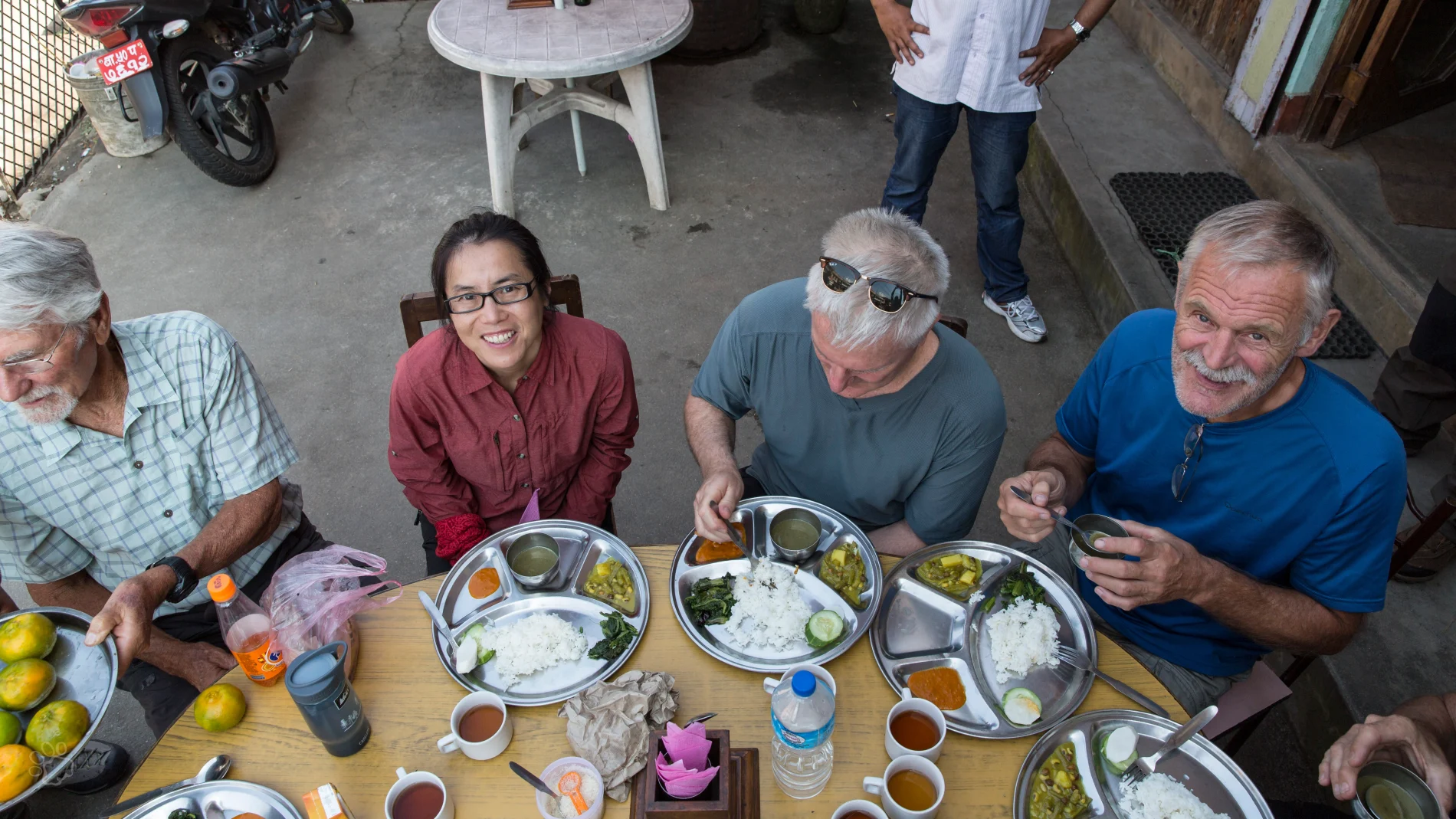
13/10/2026
Manaslu Circuit Trek After the October 2026 Floods: Trail Conditions, Safety and Travel Updates
The Manaslu Circuit Trek is one of Nepal’s most rewarding Himalayan journeys, taking trekkers through traditional...
Read more
13/10/2026
Your Nepal Trek Is Booked, but the Trail Is Closed: What Now?
Imagine arriving in Nepal with your trekking boots ready, your flights booked, your bags packed, and...
Read more