

Annapurna Base Camp Trek in June: Is It the Best Time Before Monsoon? (2026 Guide)
Share:

 Read Time
This blog has 7275 words .This blog has 43084 characters.This blog take 24 minutes to read.
June is the start of the monsoon season in Nepal. This is a great time to visit Annapurna Base Camp. Annapurna Base Camp in June is really nice because there are not people around. The trails are quiet. The landscapes are very green. You get to see the Annapurna region when it is at its best.
The hills are full of plants and the rivers are flowing really well. The waterfalls are beautiful. The forests are full of life. This makes for a peaceful and nice trek.
In the part of June the mornings are usually sunny. Then you get clouds. Sometimes it rains in the afternoon. As June goes on it rains often.. If you start your trek early in the morning you can still see the mountains really clearly. The mountains look amazing with the sun shining on them and the clouds around.
One of the things about going to Annapurna Base Camp in June is that there are not many people. The trails and the teahouses are very quiet. This is great for people who want to enjoy the Annapurna region without all the crowds. The weather is also warm which makes it nice to trek. You just need to make sure you have a rain jacket.
Even though it rains a lot in June Annapurna Base Camp is still a place to visit. You get to see the landscapes and there are not many people around. If you are okay, with getting a wet June can be a great time to go to Annapurna Base Camp.
This guide will tell you everything you need to know about Annapurna Base Camp in June. You will learn about the weather the temperatures and what the trailsre like. You will also learn about the mountains. How many people are around. The guide will help you figure out if June is a time for you to visit Annapurna Base Camp.
Why Choose the Annapurna Base Camp Trek In June?
Annapurna Base Camp is a place to visit in June. This time is really different from the spring and autumn seasons. Even though June is the start of the monsoon season in Nepal it is a time for people who like adventure and do not mind getting a little wet. The trails are peaceful the views are amazing. The mountain air is fresh. If you like nature and taking pictures and you want to trek without a lot of people around June can be a time to go to the Annapurna region. You just need to be prepared for the rain.
One good thing about going to Annapurna Base Camp in June is the way the landscape looks. The rain makes everything green and beautiful. The rivers are full the waterfalls are big. The fields are fresh and green. The mountains still have snow on them which makes the views really colorful and interesting. This is a time to see the Annapurna region.
Another good thing about going to Annapurna Base Camp in June is that there are not people around. Most people wait until autumn to go trekking so the trails are quiet and the teahouses are not crowded. This makes the trekking experience more peaceful. You can talk to the local people more easily. The people who own the teahouses have time to talk to you which makes you feel welcome.
The weather in June is also comfortable for trekking. It is warm in the parts of the trail and cool in the higher parts. Even though it rains in the afternoons the mornings are usually clear. You can see the mountains really well. If you start trekking you can avoid the rain.
Annapurna Base Camp in June is a choice, for people who want to be alone see beautiful nature and experience the Himalayas in a different way. If you have rain gear can change your plans if needed and have a positive attitude June can be a great time to go to the Annapurna region. You will see the Annapurna region when it is green and fresh which is really beautiful.
Weather on the Annapurna Base Camp Trek In June
The Annapurna Base Camp weather in June is a time when the dry spring season changes to the summer monsoon in Nepal. This month is very changeable with the first half of June having a mix of sunshine and clouds and some rain and the second half of June having rain that is heavier.. People can still go trekking if they are well prepared and know about the weather at this time of year.
A normal day on the Annapurna Base Camp trek in June usually starts with air and clear skies. The early morning is a time to see the mountains before clouds cover the valleys and peaks. As the day gets warmer the air gets more wet. This makes clouds and rain in the afternoon or evening. These rain showers can be light or very heavy so people need to bring rain gear.
The Annapurna region gets a lot of rain in June. This makes everything look green and beautiful. The forests are full of life the fields are growing well. The rivers and waterfalls are flowing fast. The mist in the valleys creates a feeling and it makes the trek look even more beautiful. Even though the mountains are not always visible when the weather is clear people can see the snow on the peaks rising above the clouds.
It rarely snows in June around the Annapurna Base Camp unless the weather is unusual. The main thing to think about is the rain. The trails can get wet. The air is more wet than in the spring so people should wear clothes that dry fast.
Overall the Annapurna Base Camp in June is a place to go trekking. It is warm the landscapes are beautiful. There are not as many people. Even though it rains more as the month goes on people can still have an fun trip if they start early are flexible and are prepared for the weather. The Annapurna Base Camp trek, in June is an experience.
Temperature on the Annapurna Base Camp Trek In June
Temperatures at Annapurna Base Camp in June are usually warm and nice at lower elevations where summer starts to feel more like it. As you go up to mountains it gets cooler making it great for trekking even though its warmer in the valleys. June is the start of the monsoon season. Its still good weather for hiking and the trek is enjoyable if you’re okay with some rain and changing mountain conditions.
At elevations like Nayapul, Ghandruk, Jhinu Danda and Chhomrong (around 800–2,000 meters) daytime temperatures are usually between 20°C and 30°C. It’s warm, light and breathable clothes are best for trekking during the day. Nights are mild 12°C to 18°C making evenings in teahouses comfortable without being too cold.
As you go up through Bamboo, Dovan, Himalaya and Deurali (around 2,000–3,500 meters) it gets cooler. Daytime temperatures are usually between 14°C and 22°C making it nice for hiking on long days. At night it can drop to 6°C to 10°C so a fleece jacket or light insulated layer is useful after sunset.
At Annapurna Base Camp (4,130 meters) daytime temperatures are usually between 7°C and 14°C depending on the weather. Nighttime temperatures can drop to around 0°C to 5°C. It can feel chilly especially if its windy or rainy.
Overall Annapurna Base Camp in June has temperatures for the whole trek with warm days in lower valleys and cool conditions, at higher elevations. Wearing layers is the way to adjust to changing temperatures, altitude and weather for a safe and comfortable trekking experience.
Trail Conditions on the Annapurna Base Camp Trek In June
The Annapurna Base Camp trail conditions in June are really different from the spring months because June is when the monsoon season in Nepal starts. Even though you can still do the trek you need to be ready for walking conditions that’re wetter and more difficult especially in the second half of the month. The rain and the high humidity and the plants that are growing everywhere make the trek really beautiful. You also need to be more careful on the trail.
The lower parts of the route like Nayapul, Ghandruk, Chhomrong, Bamboo and Sinuwa get really damp after it rains. The trails in the forest and the stone steps can get muddy and slippery especially after it rains in the afternoon. You need to be careful where you step on the rocks and the steps that are covered in moss so you need to wear waterproof boots that can grip the ground. It is also an idea to use trekking poles because they help you balance and they are easier on your knees when you are walking on ground that is not even or slippery.
In the higher parts of the trail like Deurali, Machhapuchhre Base Camp and Annapurna Base Camp there is usually no snow in June.. The rain can make some parts of the trail wet and the small streams that you need to cross might have more water than they do in the spring. The trail is not really hard to walk on. You need to be careful when you are crossing bridges or walking on steep steps or narrow paths in the forest after it has rained.
June is also when the plants grow fast so the forests are greener and more beautiful than at any other time of the year. This makes the trek really pretty. It also means that you might see leeches in the lower parts of the forest when it has been raining for a while. You can use salt or insect spray. Wear special socks to keep the leeches away.
Overall doing the Annapurna Base Camp trek in June can be really great if you are ready for the monsoon. If you start your hike early wear clothes use trekking poles and are careful, on the wet parts of the trail you can have a really good time and see the beautiful scenery and the unique things that June brings to the Annapurna region.
Mountain Views on the Annapurna Base Camp Trek in June
The mountain scenery during Annapurna Base Camp in June offers a unique and dramatic experience compared to the peak trekking seasons. Although June marks the beginning of the monsoon, the Annapurna region still rewards trekkers with breathtaking Himalayan panoramas, especially during the early morning hours. Clear skies are most common shortly after sunrise, allowing hikers to witness the snow-covered peaks before clouds gradually gather around the mountains later in the day. Those who start trekking early are often rewarded with spectacular views and excellent photography opportunities.
Throughout the trek, magnificent Himalayan giants accompany you at every stage of the journey. The iconic Annapurna I (8,091 meters) dominates the Annapurna Sanctuary with its massive snow-covered face, while the sacred Machhapuchhre (Fishtail) stands out with its distinctive pyramid-shaped summit. As you continue climbing through the valley, you’ll also enjoy remarkable views of Annapurna South, Hiunchuli, and Gangapurna, each contributing to the dramatic mountain panorama. The lush green forests and terraced hills below create a striking contrast against the brilliant white peaks, making June one of the most colorful months to experience the Annapurna region.
One of the highlights of an ABC trek in June is reaching Annapurna Base Camp itself. Surrounded by towering Himalayan peaks on nearly every side, trekkers are treated to an unforgettable 360-degree mountain amphitheater. On clear mornings, the sunrise transforms the snow-covered mountains into brilliant shades of gold, orange, and pink, creating one of the most memorable moments of the entire trek. While afternoon clouds may partially hide the peaks, these shifting weather conditions often produce beautiful misty landscapes that add a mystical atmosphere to the mountains.
June’s fresh monsoon moisture also enhances the natural beauty of the region. Dense forests become vibrant green, waterfalls cascade down steep cliffs, and clouds drifting through the valleys create dramatic scenery unlike any other season. For photographers and nature enthusiasts, ABC during June provides countless opportunities to capture both crystal-clear mountain vistas and atmospheric Himalayan landscapes. With an early start and a little patience, trekkers can enjoy some of the most unique and rewarding mountain views in the Annapurna region.
Crowds and Trekking Experience on the Annapurna Base Camp Trek in June
The trekking experience during Annapurna Base Camp in June is noticeably quieter than in the peak spring and autumn seasons. As June marks the beginning of the monsoon, the number of visitors gradually decreases, making the trails and teahouses much less crowded. For trekkers who value peace, solitude, and a closer connection with nature, this quieter atmosphere is one of the biggest advantages of visiting the Annapurna region in June.
Unlike the busy months of April and May, you’ll often find long stretches of the trail with very few other hikers. This allows you to enjoy the sounds of flowing rivers, singing birds, and rustling forests without the distractions of large trekking groups. The peaceful environment also makes it easier to appreciate the natural beauty of the Annapurna Conservation Area, from dense rhododendron forests and bamboo groves to mist-covered valleys and dramatic mountain landscapes.
The teahouse experience is equally enjoyable during ABC in June. With fewer guests, lodge owners have more time to interact with trekkers, creating a warm and welcoming atmosphere. Meals are served more quickly, rooms are easier to find, and there is usually no need to compete for accommodation, even at popular overnight stops such as Machhapuchhre Base Camp and Annapurna Base Camp. This relaxed environment provides an excellent opportunity to learn about local culture and hospitality while enjoying peaceful evenings in the mountains.
Although the trekking experience is quieter, June’s weather can occasionally influence daily plans. Afternoon rain showers may encourage trekkers to begin walking earlier in the morning, when the skies are generally clearer and mountain views are at their best. Flexible scheduling and allowing extra time for weather-related delays can make the journey more enjoyable and less stressful.
Overall, ABC during June offers a calm, refreshing, and less commercial trekking experience. The combination of uncrowded trails, lush green scenery, friendly teahouses, and tranquil surroundings creates a unique Himalayan adventure that appeals to nature lovers, photographers, and trekkers seeking a more peaceful alternative to Nepal’s busiest trekking seasons.
Pros of the Annapurna Base Camp Trek in June
1. Peaceful and Less Crowded Trails
June sees far fewer trekkers than the busy spring and autumn seasons, allowing you to enjoy a quieter and more relaxing journey. The peaceful trails create a stronger connection with nature and offer a more personal trekking experience.
2. Lush Green Landscapes
The arrival of the monsoon transforms the Annapurna region into a vibrant paradise. Dense forests, terraced fields, and hillsides become beautifully green, while rivers and waterfalls flow at their fullest, creating stunning scenery throughout the trek.
3. Comfortable Temperatures
June offers warm temperatures at lower elevations and pleasantly cool weather in the mountains. The climate is comfortable for trekking, especially during the morning hours before afternoon rain showers develop.
4. Easier Availability of Teahouses
With fewer trekkers on the route, finding accommodation is much easier than during the peak seasons. Most teahouses have plenty of available rooms, allowing for a more relaxed and flexible itinerary.
5. Better Opportunities for Wildlife and Nature Observation
The fresh vegetation and quieter environment make June an excellent time to observe birds, butterflies, and other wildlife within the Annapurna Conservation Area. Nature lovers will appreciate the region’s rich biodiversity during this season.
Cons of the Annapurna Base Camp Trek in June
1. Frequent Rainfall
June marks the beginning of the monsoon season, so trekkers should expect regular afternoon and evening showers. Rain can occasionally disrupt trekking plans and reduce overall comfort, especially during the second half of the month.
2. Slippery and Muddy Trails
Continuous rainfall makes many sections of the trail wet and muddy. Stone staircases, forest paths, and uneven terrain can become slippery, requiring extra caution and good-quality waterproof trekking boots.
3. Reduced Mountain Visibility
Although mornings often offer clear views, clouds usually build as the day progresses. This can limit visibility of the Himalayan peaks, particularly during the afternoon, making early starts essential for the best scenery.
4. Higher Humidity
The arrival of the monsoon brings increased humidity, especially at lower elevations. Warm and humid conditions can make trekking feel more physically demanding and may cause clothing to remain damp for longer periods.
5. Leeches in Forested Areas
Leeches become more common on lower forest trails during the rainy season. While they are generally harmless, many trekkers find them unpleasant. Wearing long socks, using leech socks, or carrying salt can help manage this minor inconvenience.
What to Pack for the Annapurna Base Camp Trek in June
Packing appropriately for Annapurna Base Camp in June is essential because the trek combines warm temperatures, increasing humidity, and frequent monsoon showers. Your gear should focus on staying dry while remaining comfortable during long days of hiking. Lightweight, quick-drying clothing is the best choice, as cotton tends to stay wet for longer. Pack moisture-wicking T-shirts, trekking pants, and a lightweight fleece for cooler mornings and evenings. Although June is warmer than the spring months, you’ll still need a down or insulated jacket for higher elevations, especially at Machhapuchhre Base Camp and Annapurna Base Camp. A high-quality waterproof jacket and waterproof rain pants are among the most important items to carry.
Footwear is equally important during the monsoon season. Waterproof trekking boots with good ankle support and deep tread provide better grip on muddy trails, wet rocks, and slippery stone staircases. Pack several pairs of moisture-wicking trekking socks and consider bringing gaiters or leech socks, as leeches can appear in lower forested sections after rainfall. Lightweight sandals or camp shoes are also useful for relaxing in teahouses after a day of trekking. Trekking poles are highly recommended because they improve stability on slippery terrain and reduce pressure on your knees during steep descents.
A three-season sleeping bag rated to around 0°C to -5°C is usually sufficient for June, as temperatures are milder than during spring and autumn. Carry a 30 to 40-liter backpack with a waterproof rain cover, and use dry bags or waterproof stuff sacks to keep clothes, electronics, and important documents protected from moisture. A reusable water bottle or hydration bladder, water purification tablets or a portable filter, sunscreen, insect repellent, sunglasses, and a wide-brimmed hat should also be included in your gear.
Finally, pack a basic first-aid kit containing blister treatment, antiseptic cream, pain relievers, bandages, personal medications, and any altitude medication recommended by your doctor. A headlamp, power bank, charging cables, camera, and spare batteries are also useful, as electricity may be limited at higher elevations. With the right clothing and waterproof equipment, ABC in June can be a comfortable, safe, and enjoyable adventure despite the seasonal rain.
Trekking Difficulty on the Annapurna Base Camp Trek in June
The Annapurna Base Camp Trek in June is considered moderately challenging, but the arrival of the monsoon season makes the journey slightly more demanding than during the peak spring and autumn months. While the trekking route remains non-technical and suitable for beginners with good physical fitness, rain, slippery trails, and higher humidity require additional preparation and caution. With the right equipment and a well-planned itinerary, most trekkers can successfully complete the trek and enjoy the lush beauty of the Annapurna region.
Most itineraries involve 5 to 7 hours of trekking each day, depending on your pace and overnight stops. The route includes continuous ascents and descents, thousands of stone staircases, suspension bridges, forest trails, and mountain paths. The climb to Chhomrong and the final ascent from Deurali through Machhapuchhre Base Camp to Annapurna Base Camp are among the most physically demanding sections. During June, these trails may become wet after rainfall, making careful footing even more important.
One of the main challenges of ABC during June is the trail condition rather than the altitude alone. Rain can make stone steps, muddy paths, and forest sections slippery, increasing the need for waterproof trekking boots with good grip. Trekking poles are strongly recommended, as they improve balance and reduce strain on the knees, particularly on steep descents. Starting your hikes early in the morning also helps avoid the heaviest afternoon showers and provides more comfortable walking conditions.
Altitude remains another important factor. Annapurna Base Camp stands at 4,130 meters, where the reduced oxygen level can affect trekkers regardless of fitness. Walking at a steady pace, drinking plenty of water, eating nutritious meals, and following a gradual ascent help minimize the risk of altitude sickness. It is important to listen to your body and avoid rushing, even if the daily distances appear manageable.
Overall, Annapurna Base Camp in June is a rewarding trek for hikers who are physically prepared and comfortable trekking in changing weather conditions. With proper rain gear, suitable footwear, good fitness, and a flexible approach, the trek offers an unforgettable Himalayan adventure through lush forests, peaceful trails, and spectacular mountain landscapes.
Altitude and Acclimatization Tips for the Annapurna Base Camp Trek in June
Reaching Annapurna Base Camp in June is a deal. You have to walk to a high place, 4,130 meters above sea level, where the air is thinner and there is less oxygen. Even though it is warmer in June than in the spring or autumn the high altitude is still a problem. Every single person who goes on this trek should take this seriously. It does not matter how old you are or how fit you are the high altitude can still affect you. So you have to be careful and get ready properly to have an fun trek to Annapurna Base Camp.
Most people who trek to Annapurna Base Camp start to feel the effects of the altitude after they cross 3,000 meters. This is especially true between Deurali, Machhapuchhre Base Camp and Annapurna Base Camp. The common problem people have at high altitude is Acute Mountain Sickness or AMS for short. The first signs of AMS are headaches feeling dizzy feeling sick being tired not wanting to eat having trouble breathing and having trouble sleeping. You should never ignore these signs. If they get worse you should go down to a place and get medical help if you need it.
The best way to avoid getting AMS is to go up the mountain not rush. Most plans for trekking to Annapurna Base Camp are made so that your body has time to get used to the altitude. Walking slowly taking breaks and not trying hard is much better than trying to get to the top fast. Even if you feel strong at the beginning it is very important to save your energy as you go higher.
Drinking water is very important when you are trekking to Annapurna Base Camp in June. It is warm and humid so you lose a lot of water when you sweat. You should try to drink least 3 to 4 liters of water every day and eat food that gives you energy. You should not drink alcohol or smoke when you are trekking because these things can make it harder, for your body to get used to the altitude.
Some people take medicine called Diamox to help prevent altitude sickness.. You should only take this medicine if a doctor tells you to and you should not use it instead of going up the mountain slowly. If you follow a plan drink enough water watch out for signs of AMS and respect the high altitude you can have a great time trekking to Annapurna Base Camp in June. Trekking to Annapurna Base Camp is an experience and Annapurna Base Camp is a wonderful place to visit.
Permits Required for the Annapurna Base Camp Trek in June
Before you start the Annapurna Base Camp trek in June you need to get the permits to enter the protected area. These permits help take care of the environment maintain the trails and let the local authorities keep an eye on visitors to ensure their safety. The permit requirements are the same no what time of year you go and you should always carry the original permits with you because they will be checked at several checkpoints along the way.
The main permit you need is the Annapurna Conservation Area Permit, which is required for everyone who enters the Annapurna Conservation Area. This permit helps pay for projects that protect the environment maintain the trails, protect wildlife and support the community. You will need to show your Annapurna Conservation Area Permit at checkpoints so keep it handy along with your passport.
You might also need a Trekkers Information Management System card.. The rules for trekking in Nepal have changed a lot recently and whether or not you need a Trekkers Information Management System card depends on whether you are trekking on your own or with a guide. Because the rules can change it is an idea to check with the Nepal Tourism Board or a trekking agency to find out what you need to do before your trip. This way you can avoid problems before you start trekking.
You can get the permits in Kathmandu or Pokhara from the Nepal Tourism Board offices or a trekking agency can arrange them for you as part of a package. To apply you usually need a passport, passport photos if they are required and the permit fees. It is also an idea to make copies of your travel documents just in case.
Even though June is the start of the monsoon season getting the permits is still straightforward and the government offices are open, as usual. Getting your permits before you leave Kathmandu or Pokhara means you can start your trip without any hassle. Once you have all the documents you can enjoy the beautiful landscapes, peaceful trails and amazing mountain scenery that make the Annapurna Base Camp trek in June such a special adventure.
Accommodation on the Annapurna Base Camp Trek in June
Accommodation during the Annapurna Base Camp trip in June is comfortable and easy to find. The Annapurna Base Camp trail has a lot of family-run teahouses that provide lodging for trekkers. These teahouses are in villages like Ghandruk, Chhomrong, Bamboo and Deurali and also in stops like Machhapuchhre Base Camp and the Annapurna Base Camp. You can rest, eat meals and experience the hospitality of the local mountain communities at these places.
Most of the teahouses have rooms with two single beds, mattresses, pillows and blankets. The rooms are clean but basic. Most of the time you have to share a bathroom with other people. As you go higher up the mountain the accommodation is more basic. It is still comfortable enough to stay for the night. It can get chilly at night around the Annapurna Base Camp so it is a good idea to bring a warm sleeping bag.
You can find things like showers, Wi-Fi and charging stations at many of the teahouses but you usually have to pay extra for them. The internet and electricity may not work well when you are higher up because many of the lodges use solar power. It is an idea to bring a power bank so you can keep your phone and other devices charged during the trip.
One of the things about going to the Annapurna Base Camp in June is that there are not as many trekkers. The teahouses are usually not fully booked so you have freedom to plan your day. Most of the time you can find a place to stay without making a reservation of time. However if you are traveling with a group or during a holiday it is still a good idea to book ahead of time.
Overall the accommodation on the Annapurna Base Camp trip, in June is simple and comfortable. The local families are very welcoming. Since it is not as busy you can have a relaxed time and you can enjoy the peaceful evenings and the authentic culture of the Annapurna Base Camp area surrounded by the beautiful Annapurna Himalayas.
Food on the Annapurna Base Camp Trek in June
Food during Annapurna Base Camp in June is fresh and good for you. You can find it easily along the trekking route. Even though its the start of the season tea houses are still open and serve many kinds of food. This food gives you energy for days of hiking.The menus get a bit simpler as you go higher. You can still have full home-cooked meals made with local ingredients.The trekking season is quieter so you get your meals quickly. Can relax.
The best food on the trek is Dal Bhat, a Nepal dish. It has steamed rice, lentil soup, vegetables, pickles and curry. It’s good for you. Gives you energy. Many tea houses give you refills.
Other popular foods are:
- Fried rice
- Vegetable noodles
- Pasta
- Macaroni
- Momos (Nepali dumplings)
- Pizza
- Potatoes
- Soups
- Egg dishes
Since its hard to bring meat in the rain many people choose vegetarian meals. They’re fresher and easier to digest.
In the morning you can have:
- Porridge
- Oatmeal
- Muesli
- Pancakes
- bread
- Toast
- Chapati
- Eggs
- Fruit
These meals give you energy for the day. You can also have drinks like:
- Black tea
- Milk tea
- Ginger tea
- Lemon tea
- Coffee
- chocolate
They’re nice on cool rainy mornings. Some people like garlic soup. They think it helps with the altitude.
It’s very important to drink water. The weather is more humid so you lose more water. Bring a water bottle and water purification tablets or a portable filter. This way you have drinking water and reduce plastic waste.
You can buy snacks like:
- Chocolate
- Energy bars
- Biscuits
- Nuts
- Dried fruit
in villages.. They cost more as you go higher. Overall the food on the Annapurna Base Camp Trek in June is good and right, for trekking in the Himalayas.
Transportation to and from the Annapurna Base Camp Trek in June
Transportation for Annapurna Base Camp in June is usually good. Since the monsoon season is starting travelers should plan for some extra time to get there. Most people who trek to Annapurna Base Camp start in Kathmandu. Then take a small plane or a tourist bus to Pokhara, which is the main city near Annapurna Base Camp. The small plane ride takes about 25 to 30 minutes and the tourist bus ride takes around 7 to 9 hours depending on the roads and traffic. In June it can rain sometimes which can make the roads bad so flying is a choice for people who do not have a lot of time.
From Pokhara people go to the start of the trail by jeep or local vehicle to places like Nayapul, Siwai, Jhinu Danda or Ghandruk depending on what they want to do. This car ride usually takes 1.5 to 3 hours. Even though the roads are better now the heavy rain in June can make some parts of the road rough. If it rains a lot there can be landslides or the road might be closed for a little while so it is a good idea to be flexible with your travel plans.
After people finish trekking to Annapurna Base Camp they usually go back to Pokhara by jeep from Jhinu Danda, Siwai or Nayapul. A lot of trekkers spend a day resting in Pokhara before going to Kathmandu by small plane or tourist bus. This extra day also gives them some time in case the weather is bad and it affects their travel plans.
Since June is the start of the monsoon season small plane flights might be. Canceled sometimes because it is hard to see. Also driving on the roads might take longer than usual after a lot of rain. Booking your travel plans with a trekking agency and having an extra day in your plans can help you avoid getting stressed if there are delays because of the weather.
Overall getting to Annapurna Base Camp in June is still easy and well organized, with the weather challenges. If you plan ahead are flexible and check the weather often it is easy to get to the start of the trail and safely and you can really enjoy the unique beauty of the Annapurna region during the early monsoon season. Annapurna Base Camp is a place to visit and with some planning you can have a great time trekking to Annapurna Base Camp.
Cost of the Annapurna Base Camp Trek in June
The cost of Annapurna Base Camp in June is usually lower than it is during the months of April, May, October and November. This is because June is when the monsoon season starts so there are not many people trekking. Many hotels, trekking agencies and transportation providers lower their prices, which makes June a time to go for people who do not want to spend a lot of money and do not mind getting a little wet.
If you are trekking on your own you will probably spend around USD 30 to 55 per day. This will cover the cost of a place to stay, food, water, transportation and other basic things you need to trek. The cost of a place to stay is the same all year but food, snacks and other things cost more as you get higher up the mountain because they have to be carried up by people or animals.
If you want a guide to show you the way a package tour of Annapurna Base Camp will cost between USD 450 and USD 1,000 per person for 7 to 12 days. The final cost depends on what you want to do how many people are in your group, where you stay and what is included. Most packages include transportation from Kathmandu and Pokhara a ride to the start of the trail permits, a place to stay, food, a guide and help carrying your things. Some packages also include a hotel room, a ride from the airport and a private car.
You should also think about the costs, like insurance renting or buying trekking gear, snacks, water charging your phone using the internet taking a hot shower doing laundry buying souvenirs and tipping your guide and the people who carry your things. It is an idea to have some Nepalese Rupees with you because you cannot use a machine to get money out of the bank on the trail and most places do not take credit cards.
Overall going to Annapurna Base Camp in June is a value. It is cheaper than times of the year and it is easier to find a place to stay. If you plan carefully you can have a time, in the mountains without spending too much money. Annapurna Base Camp is a place to visit in June because the prices are lower and there are not as many people so you can really enjoy Annapurna Base Camp.
Safety Tips for the Annapurna Base Camp Trek in June
1. Start Early and Check the Weather
June marks the beginning of the monsoon season, so mornings usually have clearer weather than afternoons. Start your trek early, check the weather forecast, and follow your guide’s advice before setting out each day.
2. Take Altitude Seriously
Although June is warmer, Annapurna Base Camp (4,130 m / 13,550 ft) is still a high-altitude destination. Walk at a steady pace, drink plenty of water, eat nutritious meals, and watch for symptoms of altitude sickness such as headache, dizziness, or nausea.
3. Wear Proper Rain Gear
Rain can make the trails muddy and slippery. Wear waterproof trekking boots with good grip, carry a rain jacket, rain pants, a backpack rain cover, and trekking poles for better balance and safety.
4. Pack Essential Safety Equipment
Carry a first-aid kit, personal medicines, sunscreen, insect repellent, a headlamp, a power bank, water purification tablets, and extra dry clothes. In lower forest areas, leech socks or long socks can provide extra protection.
5. Trek Responsibly and with a Guide
Choose a licensed local guide, stay on marked trails, and avoid trekking during heavy rain or storms. Comprehensive travel insurance with emergency helicopter evacuation is also strongly recommended for a safe Annapurna Base Camp Trek in June.
Our Expert Trekking Advice for the Annapurna Base Camp Trek in June
If you are planning to visit Annapurna Base Camp in June you need to be flexible and prepare well for the trip. The Annapurna Base Camp in June is very different from the Annapurna Base Camp during the peak trekking seasons. You will see a lot of landscapes the trails will be peaceful and the mountain atmosphere will be really refreshing. It is true that it might rain sometimes. That should not stop you from going. If you plan well and have the idea of what to expect June can be a great time to explore the Annapurna region.
Our first tip is to start your trek in the morning. The sky is usually clear. You can see the mountains really well in the morning.. In the afternoon it often gets cloudy and rainy. If you start early you will have plenty of time to reach where you want to go before the weather gets bad. We also think it is an idea to keep an extra day free in your plan because sometimes heavy rain or problems with transportation can cause delays.
When you are packing for the Annapurna Base Camp in June you need to make sure you have the things. You will need boots that’re waterproof, a good rain jacket, rain pants, a cover for your backpack and clothes that dry quickly. It is also an idea to bring some dry bags or special sacks that can keep your clothes and important things dry. Trekking poles can help you walk on trails and insect repellent or special socks can make it more comfortable to walk through the forest.
Even though it is warmer in June than in the spring you should not forget about the altitude. You should walk at a pace that feels comfortable drink a lot of water. Least 3 to 4 liters every day. Eat food that is good, for you and give your body time to get used to the high altitude. If you start to feel sick because of the altitude you should tell your guide away and not go any higher until you feel better.
Finally you should enjoy the beauty of the Annapurna Base Camp in June. The forests are covered in mist the waterfalls are really powerful the teahouses are quiet and the valleys are really green. You should respect the customs support the family-run teahouses do not throw trash on the ground and leave the trails in the same condition as you found them. If you prepare well and are flexible the Annapurna Base Camp in June will give you a beautiful and unforgettable experience of trekking in the Himalayas.
Suggested Blog Post
- Annapurna Base Camp Trek in January
- Annapurna Base Camp Trek in February
- Annapurna Base Camp Trek in March
- Annapurna Base Camp Trek in April
- Annapurna Base Camp Trek in May
- Annapurna Base Camp Trek in June
- Annapurna Base Camp Trek in July
- Annapurna Base Camp Trek in August
- Annapurna Base Camp Trek in September
- Annapurna Base Camp Trek in October
- Annapurna Base Camp Trek in November
- Annapurna Base Camp Trek in December
FAQs
1. Is June a good time for the Annapurna Base Camp Trek?
Yes, June can be a good time for trekkers who don’t mind occasional rain and prefer quieter trails. While it marks the beginning of the monsoon season, early mornings often offer clear mountain views, and the lush green landscapes create a unique trekking experience.
2. How hot is the Annapurna Base Camp Trek in June?
Lower elevations generally experience daytime temperatures between 20°C and 30°C (68°F to 86°F), while Annapurna Base Camp remains much cooler, with daytime temperatures around 7°C to 14°C (45°F to 57°F). Evenings and early mornings can still feel chilly at higher elevations.
3. Does it rain every day in June?
Not necessarily. Rainfall becomes more frequent during June, especially later in the month, but it does not usually rain all day. Many mornings are clear and dry, while showers commonly develop during the afternoon or evening.
4. Can I see the mountains clearly in June?
Yes, but timing is important. The best mountain views are usually available early in the morning before clouds build up. Starting your trek at sunrise greatly improves your chances of seeing Annapurna I, Machhapuchhre, Annapurna South, and other surrounding peaks.
5. Are the trails slippery in June?
Yes. Rain can make forest paths, stone staircases, and rocky sections slippery, particularly after afternoon showers. Waterproof trekking boots with good grip and trekking poles are highly recommended for safe walking.
6. Are leeches common on the Annapurna Base Camp Trek in June?
Yes, leeches may be found in lower forested areas during the monsoon season. They are harmless but can be unpleasant. Wearing long socks, using leech socks, carrying salt, or applying insect repellent can help reduce encounters.
7. Is the Annapurna Base Camp Trek suitable for beginners in June?
Yes, beginners with good physical fitness can complete the trek in June. However, they should be prepared for wet weather, slippery trails, and changing mountain conditions. Trekking with a licensed guide is highly recommended during the monsoon season.
8. How many days does the Annapurna Base Camp Trek take?
Most trekkers complete the trek in 7 to 12 days, depending on the route, pace, acclimatization schedule, and transportation arrangements. Adding one extra day to your itinerary is advisable in June in case of weather-related delays.
9. Are teahouses open during June?
Yes. Teahouses remain open throughout June, and accommodation is generally easier to find than during the peak trekking months. The quieter season also allows for a more relaxed and personalized experience.
10. Do I need waterproof gear for the trek?
Absolutely. A waterproof jacket, rain pants, backpack rain cover, waterproof trekking boots, and quick-drying clothing are essential for trekking comfortably during June. Keeping electronics and clothing in waterproof bags is also recommended.
11. Is altitude sickness still a concern in June?
Yes. Even though June is warmer, Annapurna Base Camp is located at 4,130 meters, so altitude sickness remains a potential risk. Gradual ascent, proper hydration, nutritious meals, and adequate rest are essential for safe acclimatization.
12. Is travel insurance necessary for the Annapurna Base Camp Trek?
Yes. Comprehensive travel insurance that covers high-altitude trekking and emergency helicopter evacuation is strongly recommended. Weather-related emergencies and medical evacuations can be costly without proper insurance coverage.
13. What is the biggest advantage of trekking to Annapurna Base Camp in June?
The biggest advantage is the peaceful trekking experience. With far fewer visitors than in spring or autumn, you’ll enjoy quiet trails, easy access to teahouse accommodation, lush green landscapes, and a more authentic connection with the local mountain communities.
14. Can transportation be affected by the weather in June?
Yes. Heavy rainfall may occasionally delay domestic flights or slow road travel between Kathmandu, Pokhara, and the trekking trailheads. Keeping a flexible itinerary and allowing an extra travel day is recommended during the monsoon season.
15. Which is better: June or July for the Annapurna Base Camp Trek?
For most trekkers, June is the better choice. While both months fall within the monsoon season, June generally experiences less rainfall, better trail conditions, and more opportunities for clear morning mountain views. July typically brings heavier rain, increased humidity, and a greater likelihood of landslides and transportation disruptions, making June the more favorable option.

Similar Blogs
View all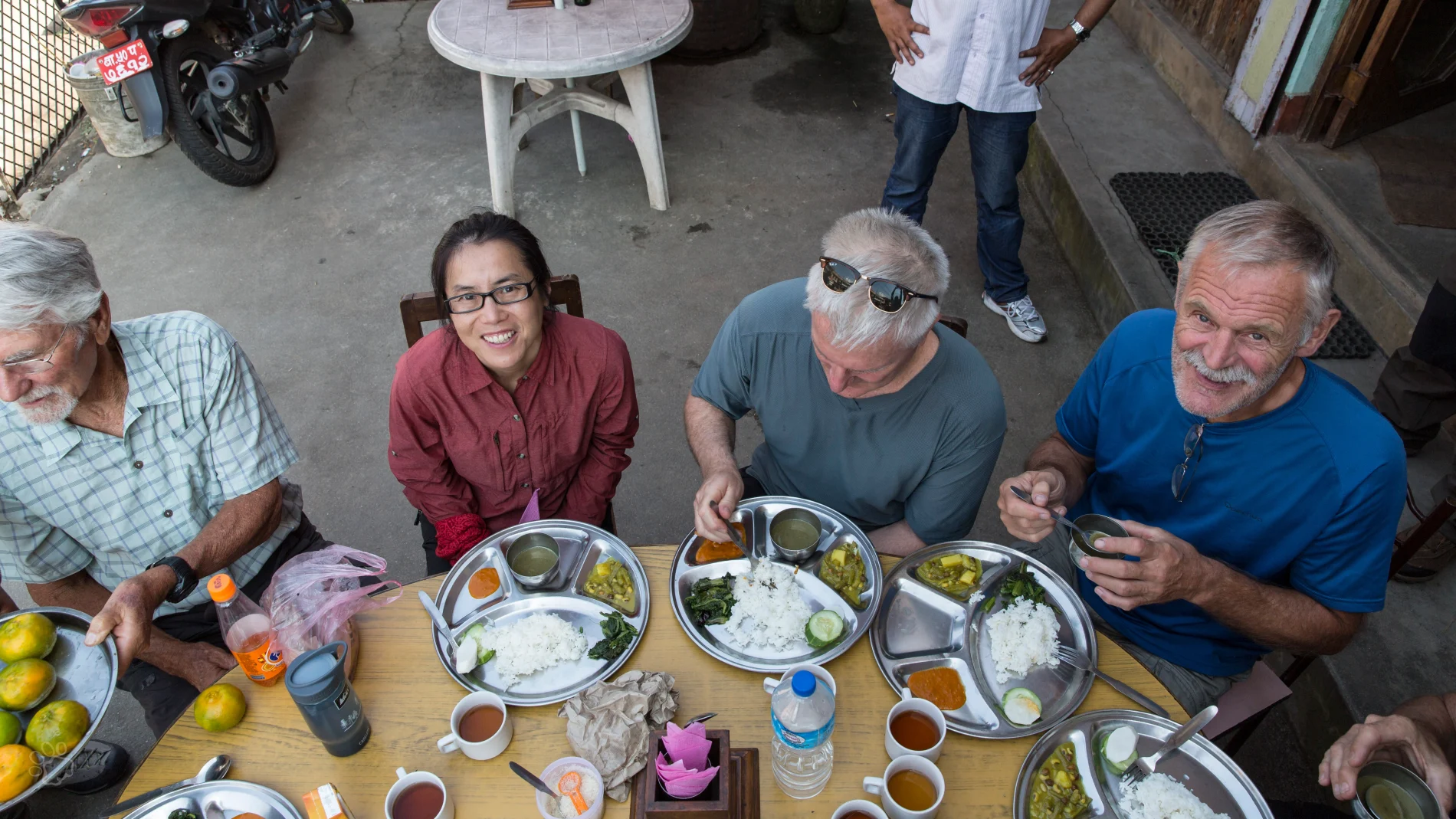
13/10/2026
Manaslu Circuit Trek After the October 2026 Floods: Trail Conditions, Safety and Travel Updates
The Manaslu Circuit Trek is one of Nepal’s most rewarding Himalayan journeys, taking trekkers through traditional...
Read more
13/10/2026
Your Nepal Trek Is Booked, but the Trail Is Closed: What Now?
Imagine arriving in Nepal with your trekking boots ready, your flights booked, your bags packed, and...
Read more