

Annapurna Base Camp Trek in July: Weather, Temperature, Cost, Difficulty & Complete Guide (2026)
Share:

 Read Time
This blog has 5424 words .This blog has 36562 characters.This blog take 18 minutes to read.
The Annapurna Base Camp Trek in July offers a unique trekking experience for travelers who enjoy lush green landscapes, peaceful trails, and the beauty of Nepal’s monsoon season. Although July is one of the wettest months of the year, it transforms the Annapurna region into a vibrant paradise filled with blooming vegetation, flowing waterfalls, mist-covered forests, and refreshing mountain scenery. Unlike the busy spring and autumn seasons, July attracts fewer trekkers, making it an excellent choice for those seeking a quieter and more authentic Himalayan adventure.
The trek begins through traditional Gurung and Magar villages, terraced farmlands, dense rhododendron and bamboo forests, and scenic river valleys before reaching Annapurna Base Camp (4,130 m / 13,550 ft). Along the route, trekkers can enjoy spectacular views of Annapurna I (8,091 m), Machhapuchhre (Fishtail), Annapurna South, Hiunchuli, and Gangapurna whenever the clouds clear, especially during the early morning hours.
While the monsoon brings regular rainfall, proper preparation allows trekkers to enjoy the journey safely and comfortably. Waterproof trekking gear, quality hiking boots, flexible travel plans, and an experienced local guide help overcome seasonal challenges such as muddy trails and occasional leeches at lower elevations. In return, you’ll experience fresh mountain air, vibrant forests, fewer crowds, and a peaceful atmosphere that many trekkers miss during peak seasons.
At Silver Moon Adventure, we carefully plan every Annapurna Base Camp Trek in July by monitoring weather conditions, arranging reliable logistics, and providing experienced local guides. If you’re looking for a quieter Himalayan adventure surrounded by breathtaking monsoon landscapes and authentic local culture, July offers a rewarding and unforgettable journey to one of Nepal’s most iconic trekking destinations.
Why Choose the Annapurna Base Camp Trek in July?
The Annapurna Base Camp Trek in July is an excellent choice for trekkers who enjoy peaceful trails, lush green landscapes, and a unique monsoon trekking experience. While July is part of Nepal’s rainy season, it offers a completely different perspective of the Annapurna region. The forests are at their greenest, waterfalls flow with full force, rivers become more vibrant, and the surrounding hills are covered in fresh vegetation, creating breathtaking natural scenery.
One of the biggest advantages of trekking ABC in July is the significantly lower number of visitors. Unlike the crowded spring and autumn seasons, the trails and teahouses remain quiet, allowing you to enjoy a more relaxing and authentic Himalayan adventure. The peaceful atmosphere also provides better opportunities to connect with local communities and experience the traditional culture of the Gurung and Magar villages along the route.
Although mountain views may occasionally be hidden by monsoon clouds, early mornings often reward trekkers with spectacular panoramas of Annapurna I, Machhapuchhre (Fishtail), Annapurna South, Hiunchuli, and Gangapurna. The dramatic contrast between the misty valleys and snow-capped peaks creates unforgettable photography opportunities rarely seen during other seasons.
July trekking does require proper preparation. Waterproof clothing, sturdy trekking boots, rain protection, and a flexible itinerary are essential because rainfall can make some sections muddy and slippery. However, with experienced guides and careful planning, these seasonal challenges are manageable.
At Silver Moon Adventure, we carefully organize every Annapurna Base Camp Trek in July by monitoring weather conditions, selecting safe routes, and providing experienced local guides. If you want to experience the Annapurna region away from the crowds while enjoying Nepal’s vibrant monsoon landscapes, July is a rewarding time to begin your Himalayan adventure.
Temperature on the Annapurna Base Camp Trek in July
The temperature on the Annapurna Base Camp Trek in July is generally mild and comfortable for trekking, although conditions vary with altitude. As July falls during Nepal’s monsoon season, lower elevations remain warm and humid, while higher areas are cooler and more refreshing. Despite regular rainfall, temperatures are rarely extreme, making the trek enjoyable with the right clothing and preparation.
In the lower sections of the trail, including Pokhara, Ghandruk, Jhinu Danda, and Chhomrong, daytime temperatures usually range between 18°C and 26°C (64°F to 79°F). Nights are pleasantly cool, with temperatures around 14°C to 18°C (57°F to 64°F). The warm weather supports lush greenery, blooming vegetation, and vibrant landscapes throughout the route.
As you ascend through Bamboo, Dovan, Deurali, and Machhapuchhre Base Camp (MBC), temperatures gradually decrease. Daytime temperatures generally range from 10°C to 18°C (50°F to 64°F), while nighttime temperatures fall to around 5°C to 10°C (41°F to 50°F). Frequent rain and cloudy conditions can make the air feel cooler, so carrying lightweight warm layers is recommended.
At Annapurna Base Camp (4,130 m / 13,550 ft), daytime temperatures usually range between 8°C and 14°C (46°F to 57°F). During the night and early morning, temperatures typically drop to 2°C to 6°C (36°F to 43°F). Freezing temperatures are uncommon in July, but chilly mornings and cool mountain winds are normal.
At Silver Moon Adventure, we recommend dressing in layers and carrying waterproof clothing to adapt to changing weather conditions. With proper gear and preparation, the Annapurna Base Camp Trek in July offers comfortable trekking temperatures and a refreshing Himalayan experience, even during the monsoon season.
Trail Conditions on the Annapurna Base Camp Trek in July
The trail conditions on the Annapurna Base Camp Trek in July are more challenging than during the spring and autumn seasons because July is part of Nepal’s monsoon. Regular rainfall makes sections of the trail muddy, slippery, and occasionally wet. However, with proper preparation, suitable trekking gear, and an experienced guide, the trek remains achievable and rewarding for adventurous hikers.
The lower sections of the route, including Ghandruk, Jhinu Danda, Chhomrong, Sinuwa, and Bamboo, receive the most rainfall. Forest trails, stone staircases, and suspension bridges can become slippery, while dense vegetation creates a beautiful green landscape. Leeches may also be found in humid forest areas, so wearing long trekking socks, gaiters, or using leech repellent is recommended.
As you climb toward Dovan, Deurali, Machhapuchhre Base Camp (MBC), and Annapurna Base Camp (ABC), rainfall generally becomes lighter, and the trails are often less muddy. However, occasional landslides or small rockfalls may occur on certain sections after heavy rain. Following your guide’s instructions and checking daily weather updates are essential for a safe trekking experience.
Despite the monsoon conditions, July offers a unique advantage. The forests are lush and vibrant, rivers and waterfalls flow at full strength, and the surrounding hillsides are covered in fresh greenery. The peaceful trails and beautiful natural scenery create a completely different trekking experience compared to the busy peak seasons.
At Silver Moon Adventure, we carefully monitor weather forecasts and trail conditions throughout the Annapurna Base Camp Trek in July. Our experienced local guides select the safest routes, adjust itineraries when necessary, and ensure every trekker enjoys a safe, comfortable, and memorable Himalayan adventure during the monsoon season.
Mountain Views on the Annapurna Base Camp Trek in July
The mountain views on the Annapurna Base Camp Trek in July are different from those during the peak trekking seasons because July falls in Nepal’s monsoon period. While clouds and mist often cover the higher peaks during the afternoon, clear mornings frequently reward trekkers with breathtaking views of the Annapurna Himalayas. With a little patience and good timing, July still offers unforgettable mountain scenery.
Throughout the trek, you’ll have opportunities to admire Annapurna I (8,091 m), Machhapuchhre (Fishtail), Annapurna South, Hiunchuli, Gangapurna, and several surrounding peaks. Early morning is usually the best time for mountain photography, as the skies are often clearer before clouds build later in the day. The contrast between the snow-covered mountains, green valleys, and drifting monsoon clouds creates dramatic landscapes that are unique to this season.
One of the highlights of ABC during July is the lush environment surrounding the mountains. Dense rhododendron and bamboo forests, vibrant hillsides, cascading waterfalls, and mist-covered valleys add a magical atmosphere to the trek. Although mountain views may not be visible all day, the ever-changing weather creates beautiful scenery that many photographers and nature lovers find especially rewarding.
Reaching Annapurna Base Camp is still an unforgettable experience. When the clouds clear, trekkers are surrounded by magnificent Himalayan peaks rising above the Annapurna Sanctuary. These brief moments of clear visibility often become the most memorable part of the journey.
At Silver Moon Adventure, we carefully plan each day’s schedule to maximize your chances of enjoying clear mountain views, especially during the early morning hours. With experienced local guides and flexible planning, the Annapurna Base Camp Trek in July offers a unique combination of dramatic Himalayan landscapes, vibrant monsoon scenery, and unforgettable mountain moments.
Crowds and Trekking Experience on the Annapurna Base Camp Trek in July
The Annapurna Base Camp Trek in July offers one of the quietest trekking experiences of the year. Since July falls during Nepal’s monsoon season, far fewer trekkers visit the Annapurna region compared to the busy spring and autumn months. This creates a peaceful atmosphere, allowing you to enjoy the natural beauty of the Himalayas without crowded trails or fully booked teahouses.
One of the biggest advantages of ABC during July is the opportunity to trek at your own pace. Popular villages such as Ghandruk, Chhomrong, Bamboo, Deurali, Machhapuchhre Base Camp (MBC), and Annapurna Base Camp (ABC) are much quieter, giving you more time to appreciate the scenery, take photographs, and relax in the tranquil mountain environment. The calm surroundings make the journey feel more personal and immersive.
The monsoon season also enhances the trekking experience with lush green forests, colorful wildflowers, powerful waterfalls, and mist-covered hillsides. While occasional rain showers and cloudy weather are part of the adventure, they create a unique atmosphere that is very different from the dry trekking seasons. Many trekkers enjoy the fresh mountain air and vibrant landscapes that only July can offer.
Accommodation is generally easy to find during July, as most teahouses along the main route remain open and are less crowded. You’ll often receive quicker service and have more opportunities to interact with local families, making the cultural experience even more memorable.
At Silver Moon Adventure, we carefully plan every Annapurna Base Camp Trek in July to ensure a safe and enjoyable journey despite the monsoon conditions. If you prefer peaceful trails, authentic village experiences, and the stunning greenery of the Annapurna region, July is an excellent time to experience this iconic Himalayan trek.
Pros of the Annapurna Base Camp Trek in July
1. Lush Green Landscapes
July transforms the Annapurna region into a vibrant paradise with dense forests, green hillsides, blooming wildflowers, and flowing rivers. The fresh monsoon scenery creates a unique and refreshing trekking experience that is rarely seen during other seasons.
2. Peaceful Trails and Fewer Crowds
One of the biggest advantages of the Annapurna Base Camp Trek in July is the quiet atmosphere. With fewer trekkers on the route, you can enjoy peaceful trails, uncrowded teahouses, and a more relaxing journey through the Himalayas.
3. Beautiful Waterfalls and Fresh Mountain Scenery
Monsoon rain brings the landscape to life. Waterfalls are at their most impressive, rivers flow strongly, and mist-covered valleys create breathtaking views. Nature lovers and photographers will find plenty of opportunities to capture stunning scenery.
4. Comfortable Temperatures for Trekking
Unlike the colder winter months, July offers mild temperatures throughout the trek. The warm weather makes daytime hiking comfortable, while the cooler mountain air at higher elevations provides a refreshing trekking experience.
5. Great Value and Better Accommodation Availability
Since July is the off-season, teahouses are generally less crowded, making it easier to find accommodation. Some trekking agencies may also offer more flexible package prices, allowing trekkers to enjoy the Annapurna Base Camp Trek in July at excellent value.
Cons of the Annapurna Base Camp Trek in July
1. Frequent Rainfall
July is one of the wettest months in Nepal, so trekkers should expect regular rain, especially in the lower sections of the trail. Rain showers can occasionally delay trekking and reduce visibility, making waterproof clothing and rain protection essential.
2. Muddy and Slippery Trails
Continuous rainfall makes some parts of the Annapurna Base Camp Trek in July muddy and slippery. Stone staircases, forest paths, and steep sections require extra caution. Good-quality waterproof trekking boots and trekking poles are highly recommended for better stability.
3. Limited Mountain Views During the Day
Although clear mountain views are possible, especially in the early morning, clouds and mist often cover the Himalayan peaks during the afternoon. Trekkers should remain flexible and take advantage of clear weather whenever it appears.
4. Leeches in Lower Forest Areas
The warm and humid monsoon climate creates ideal conditions for leeches in dense forests below Bamboo and Sinuwa. While they are harmless, they can be uncomfortable. Wearing long socks, gaiters, and using leech repellent can help prevent this minor inconvenience.
5. Possibility of Landslides and Travel Delays
Heavy monsoon rain can occasionally cause landslides or road disruptions between Kathmandu, Pokhara, and the trekking starting point. Flight delays due to poor weather are also possible. Planning an extra buffer day and trekking with an experienced company like Silver Moon Adventure helps minimize these risks and ensures a safer journey.
What to Pack for the Annapurna Base Camp Trek in July
Packing the right gear for the Annapurna Base Camp Trek in July is essential because the monsoon season brings frequent rain, humid conditions, and muddy trails. Choosing lightweight, waterproof, and quick-drying equipment will help you stay comfortable throughout the trek. Since weather conditions can change quickly, dressing in layers is the best way to adapt to varying temperatures at different elevations.
A high-quality waterproof jacket, rain cover for your backpack, and waterproof trekking boots are among the most important items to carry. Quick-drying trekking clothes, moisture-wicking base layers, and a light fleece jacket provide comfort during cool mornings and evenings. A poncho or rain pants can also be useful during heavy rainfall.
To walk safely on slippery trails, bring trekking poles and wear boots with good grip. In the lower forest sections, especially around Sinuwa and Bamboo, gaiters or leech socks can help protect against leeches during the monsoon season. Pack several pairs of quick-drying trekking socks to keep your feet dry and reduce the risk of blisters.
Other essential items include a headlamp, sunglasses, sunscreen, hat, water bottle, water purification tablets or filter, power bank, personal medications, basic first-aid kit, insect repellent, and quick-drying towel. Waterproof bags or dry sacks are highly recommended to keep your electronics, documents, and clothing dry throughout the trek.
At Silver Moon Adventure, we provide every trekker with a detailed packing checklist before departure. With the right equipment and proper preparation, the Annapurna Base Camp Trek in July becomes a comfortable, safe, and enjoyable adventure, allowing you to fully experience the beauty of Nepal’s lush monsoon landscapes.
Trekking Difficulty on the Annapurna Base Camp Trek in July
The Annapurna Base Camp Trek in July is considered moderately challenging, but the monsoon season adds a few extra difficulties. While the trek does not require technical climbing skills, trekkers should be prepared for muddy trails, slippery stone steps, frequent rain, and high humidity. With good physical fitness, proper equipment, and an experienced guide, most healthy beginners and experienced trekkers can successfully complete the journey.
The trek usually takes 7 to 12 days, depending on the itinerary and starting point. Most trekking days involve 5 to 7 hours of walking through forests, traditional villages, suspension bridges, stone staircases, and alpine landscapes. During July, rain can make some sections more demanding, so maintaining a steady pace and allowing extra time each day is recommended.
One of the most challenging sections is the steep climb and descent around Chhomrong, where long stone staircases can become slippery after rainfall. The trail from Deurali to Machhapuchhre Base Camp (MBC) and finally to Annapurna Base Camp (ABC) also requires extra caution, especially if the ground is wet. Trekking poles and waterproof boots with good grip greatly improve safety and comfort.
Altitude remains another important factor. Annapurna Base Camp sits at 4,130 meters (13,550 feet), where oxygen levels are lower than at sea level. Although altitude sickness is less common than on higher Himalayan treks, proper acclimatization, staying hydrated, eating nutritious meals, and walking at a comfortable pace are essential for a safe journey.
At Silver Moon Adventure, our experienced local guides carefully monitor weather conditions, trail safety, and each trekker’s health throughout the Annapurna Base Camp Trek in July. With professional guidance, the right preparation, and a well-planned itinerary, you can safely enjoy one of Nepal’s most beautiful and rewarding monsoon trekking adventures.
Altitude and Acclimatization Tips for the Annapurna Base Camp Trek in July
Proper altitude management is essential during the Annapurna Base Camp Trek in July, even though the trek is considered moderate. The trail reaches Annapurna Base Camp (4,130 m / 13,550 ft), where oxygen levels are lower than at sea level. As you gain elevation, your body needs time to adjust, making acclimatization an important part of a safe and enjoyable trekking experience.
A gradual ascent is the best way to reduce the risk of Acute Mountain Sickness (AMS). Most ABC itineraries pass through villages such as Chhomrong, Bamboo, Dovan, Deurali, and Machhapuchhre Base Camp (MBC) before reaching Annapurna Base Camp, allowing your body to adapt naturally. Walking at a steady pace, taking regular breaks, and avoiding rushing uphill will help you acclimatize more effectively.
Although July’s cooler mountain temperatures can make trekking comfortable, the humid monsoon weather may cause you to sweat more than expected. Staying well hydrated is essential, so aim to drink 3 to 4 liters of water each day. Eating balanced meals rich in carbohydrates and getting enough rest will also help your body perform better at higher elevations.
Be aware of common symptoms of altitude sickness, including headache, dizziness, nausea, fatigue, loss of appetite, and difficulty sleeping. If symptoms become severe or continue to worsen, it is important to descend to a lower altitude and seek guidance from your trekking guide. Ignoring AMS symptoms can lead to serious health risks.
At Silver Moon Adventure, your safety is our highest priority. Our experienced local guides monitor each trekker throughout the journey, provide advice on acclimatization, and adjust the itinerary if necessary. With proper pacing, hydration, and expert support, the Annapurna Base Camp Trek in July can be completed safely while enjoying the incredible beauty of Nepal’s monsoon Himalayas.
Permits Required for the Annapurna Base Camp Trek in July
Before starting the Annapurna Base Camp Trek in July, every foreign trekker must obtain the required permits to enter the protected Annapurna region. These permits are mandatory and help support conservation projects, trail maintenance, environmental protection, and local community development. Carrying valid permits throughout the trek ensures a smooth journey, as they are checked at several points along the route.
The primary permit required is the Annapurna Conservation Area Permit (ACAP), which allows entry into the Annapurna Conservation Area, Nepal’s largest protected conservation region. The permit fees contribute to preserving the area’s unique biodiversity, maintaining trekking trails, and supporting sustainable tourism initiatives that benefit local communities.
Under Nepal’s current trekking regulations, most foreign trekkers are also required to trek with a licensed guide in the Annapurna region. Booking your trek through a registered trekking company like Silver Moon Adventure ensures that all necessary permits, documentation, and trekking requirements are arranged before your journey begins, allowing you to focus entirely on the adventure.
Permits can be obtained in Kathmandu or Pokhara before the trek starts. You’ll generally need a valid passport and the applicable permit fee during the application process. Since July is part of the monsoon season and sees fewer trekkers, permit offices are usually less crowded, making the process quicker and more convenient.
At Silver Moon Adventure, we handle all permit arrangements and official documentation for our guests. Our experienced team stays up to date with the latest trekking regulations, ensuring your Annapurna Base Camp Trek in July begins smoothly, legally, and without unnecessary delays.
Accommodation on the Annapurna Base Camp Trek in July
Accommodation on the Annapurna Base Camp Trek in July is comfortable, welcoming, and generally easier to find than during Nepal’s peak trekking seasons. Since July falls in the monsoon season, the number of trekkers is lower, allowing you to enjoy quieter teahouses, better room availability, and a more relaxed mountain experience. Most lodges along the main trekking route remain open throughout the month, providing essential services for trekkers.
During the trek, you’ll stay in traditional family-run teahouses located in villages such as Ghandruk, Chhomrong, Sinuwa, Bamboo, Dovan, Deurali, Machhapuchhre Base Camp (MBC), and Annapurna Base Camp (ABC). Rooms are simple but comfortable, usually equipped with twin beds, mattresses, pillows, and blankets. Shared bathrooms are common, especially at higher elevations, while some lower villages offer private rooms with attached bathrooms.
One of the highlights of staying in these teahouses is experiencing the warm hospitality of local mountain communities. After a day of trekking, guests gather in the dining area to enjoy freshly prepared meals, hot drinks, and conversations with fellow trekkers. During July, the peaceful atmosphere allows for more meaningful interactions with local hosts and a more authentic cultural experience.
Although July is warmer than winter, evenings at higher elevations can still be cool and damp due to monsoon weather. Carrying a lightweight sleeping bag is recommended for extra comfort, particularly when staying near Machhapuchhre Base Camp and Annapurna Base Camp.
At Silver Moon Adventure, we carefully select reliable and well-maintained teahouses to ensure our guests enjoy clean accommodation, good hospitality, and comfortable overnight stays throughout the Annapurna Base Camp Trek in July. Our experienced team handles all accommodation arrangements, allowing you to relax and fully enjoy your Himalayan adventure.
Food on the Annapurna Base Camp Trek in July
Food on the Annapurna Base Camp Trek in July is fresh, nutritious, and designed to provide the energy needed for long trekking days. Despite the monsoon season, most teahouses along the ABC route serve a wide variety of meals, ensuring trekkers have enough options throughout the journey. Eating well is especially important in July because hiking in warm and humid conditions requires plenty of energy and proper hydration.
The most popular and highly recommended meal is Dal Bhat, Nepal’s traditional dish made with rice, lentil soup, seasonal vegetables, curry, and pickles. It is rich in carbohydrates and nutrients, making it the ideal choice for trekkers. Many teahouses also offer free refills of Dal Bhat, making it one of the best value meals on the trail.
Besides Dal Bhat, you’ll find a variety of dishes including fried rice, noodles, pasta, momos (Nepali dumplings), soups, potatoes, pizza, pancakes, porridge, eggs, toast, Tibetan bread, sandwiches, and seasonal vegetables. Breakfast usually includes porridge, omelets, muesli, pancakes, and hot drinks such as tea, coffee, or hot chocolate to provide a good start before each day’s hike.
Because July is warm and humid, staying hydrated is essential. Drink at least 3 to 4 liters of water each day and carry water purification tablets or a reusable filter bottle to reduce plastic waste. Hot soups, ginger tea, lemon tea, and garlic soup are also excellent choices, helping you stay hydrated while supporting acclimatization at higher elevations.
At Silver Moon Adventure, we encourage trekkers to choose freshly prepared local meals that provide lasting energy throughout the trek. Our experienced guides also recommend the best food options based on altitude and daily trekking conditions, ensuring your Annapurna Base Camp Trek in July is both enjoyable and well-fueled from start to finish.
Transportation to and from the Annapurna Base Camp Trek in July
Transportation for the Annapurna Base Camp Trek in July is straightforward, but travelers should be prepared for occasional weather-related delays because July falls during Nepal’s monsoon season. Most trekkers begin their journey in Kathmandu, travel to Pokhara, and then continue by road to the trekking starting point. Planning a flexible itinerary with an extra buffer day is recommended in case heavy rainfall affects road or flight schedules.
The journey usually starts with travel from Kathmandu to Pokhara. You can choose a tourist bus, private vehicle, or a domestic flight. Tourist buses take around 7 to 9 hours, while flights take approximately 25 to 30 minutes. Although flights are faster, monsoon weather can occasionally cause delays or cancellations due to poor visibility, so flexibility is important.
From Pokhara, you’ll travel by private jeep or local vehicle to the trailhead, depending on your itinerary. Popular starting points include Ghandruk, Jhinu Danda, Siwai, and Nayapul. Road conditions can become muddy after heavy rain, but local drivers are experienced in navigating monsoon routes safely.
After completing the Annapurna Base Camp Trek in July, you’ll return to Pokhara by road before continuing to Kathmandu. Many trekkers choose to spend an extra day in Pokhara to relax by Phewa Lake, explore the city, or allow additional time in case of weather-related travel changes.
At Silver Moon Adventure, we arrange all transportation, including airport transfers, Kathmandu–Pokhara travel, and transfers to and from the trekking trailhead. Our experienced team continuously monitors weather and road conditions to ensure your Annapurna Base Camp Trek in July begins and ends as safely and smoothly as possible.
Cost of the Annapurna Base Camp Trek in July
The cost of the Annapurna Base Camp Trek in July depends on your itinerary, group size, and the services included in your trekking package. Since July is part of Nepal’s monsoon season, the trails are less crowded, and some trekking companies may offer more flexible package prices. However, the overall cost is generally similar to other times of the year because permits, transportation, accommodation, and meals remain largely unchanged.
The main expenses include transportation, ACAP permit, licensed guide, porter (optional), teahouse accommodation, meals, travel insurance, and personal expenses. Additional costs may include hot showers, Wi-Fi, charging electronic devices, snacks, bottled drinks, and tips for guides and porters.
Accommodation and meal prices gradually increase with altitude because supplies are transported to remote mountain villages by porters and mules. Carrying enough Nepalese cash is recommended, as ATMs are not available along the trekking route, and most teahouses do not accept card payments.
If you choose a guided trekking package, most services are included, making your trip more convenient and hassle-free. A professional package typically covers permits, transportation, accommodation, meals, an experienced licensed guide, porter services (if selected), and all required logistics. This allows you to focus on enjoying the trek rather than arranging each service individually.
At Silver Moon Adventure, we offer transparent pricing with no hidden costs. Our Annapurna Base Camp Trek in July packages are designed to provide excellent value, combining experienced local guides, reliable transportation, comfortable teahouse accommodation, permit arrangements, and personalized service. Whether you’re trekking solo, with friends, or in a group, we ensure a safe, well-organized, and unforgettable Himalayan adventure.
Safety Tips for the Annapurna Base Camp Trek in July
1. Carry Reliable Waterproof Gear
July is part of Nepal’s monsoon season, so rain is common throughout the trek. Pack a waterproof jacket, rain pants, backpack rain cover, and waterproof trekking boots to stay dry and comfortable. Keeping your clothes and essential items dry will make your trek much more enjoyable.
2. Walk Carefully on Wet and Slippery Trails
Frequent rainfall can make stone staircases, forest paths, and steep sections slippery. Wear trekking boots with good grip, use trekking poles for extra balance, and avoid rushing, especially when descending or crossing wet bridges.
3. Stay Hydrated and Watch for Altitude Sickness
Even during the rainy season, staying hydrated is essential. Drink 3–4 liters of water daily, eat nutritious meals, and maintain a steady walking pace. Be aware of symptoms of Acute Mountain Sickness (AMS) such as headache, dizziness, nausea, or unusual fatigue, and inform your guide immediately if you feel unwell.
4. Be Prepared for Leeches and Insects
Leeches are common in the lower forest sections during July. Wearing long trekking socks, gaiters, or applying leech repellent can help protect you. Carry insect repellent to reduce mosquito and insect bites in lower-altitude villages.
5. Trek with an Experienced Guide
Monsoon weather can change quickly, and heavy rain may occasionally affect trail or road conditions. Trekking with an experienced local guide ensures better route planning, regular weather updates, and immediate assistance if conditions change. At Silver Moon Adventure, our professional guides closely monitor weather and trail conditions to ensure your Annapurna Base Camp Trek in July is safe, well-organized, and enjoyable.
Our Expert Trekking Advice for July
The Annapurna Base Camp Trek in July offers a unique Himalayan adventure for trekkers who enjoy peaceful trails, lush green landscapes, and the beauty of Nepal’s monsoon season. While July brings regular rainfall, proper planning and the right equipment make the trek both safe and highly rewarding. If you are looking to experience the Annapurna region away from the peak-season crowds, July is an excellent time to visit.
Our first recommendation is to start your trek early each morning. Mornings usually have clearer skies and better mountain views, while rain showers are more common during the afternoon. An early start also allows you to complete your daily hike before the trails become wetter and more slippery.
Packing the right gear is equally important. Carry a waterproof jacket, rain cover, quick-drying clothing, waterproof trekking boots, and trekking poles to stay comfortable during changing weather conditions. Keeping your backpack and electronics dry with waterproof bags or dry sacks is also highly recommended.
Since monsoon weather can change quickly, it’s important to remain flexible with your itinerary. Occasional rain, road delays, or cloudy conditions are part of the experience, so allowing an extra day in your travel schedule is a smart decision. Trekking with a licensed local guide also provides added safety, as they are familiar with current trail conditions and weather patterns.
At Silver Moon Adventure, we carefully plan every Annapurna Base Camp Trek in July using the latest weather updates, experienced local guides, and well-organized logistics. Our team ensures you enjoy a safe, comfortable, and memorable journey while discovering the vibrant beauty of the Annapurna region. With the right preparation and expert support, July can become one of the most rewarding times to experience this iconic Himalayan trek.
Suggested Blog Post
- Annapurna Base Camp Trek in January
- Annapurna Base Camp Trek in February
- Annapurna Base Camp Trek in March
- Annapurna Base Camp Trek in April
- Annapurna Base Camp Trek in May
- Annapurna Base Camp Trek in June
- Annapurna Base Camp Trek in July
- Annapurna Base Camp Trek in August
- Annapurna Base Camp Trek in September
- Annapurna Base Camp Trek in October
- Annapurna Base Camp Trek in November
- Annapurna Base Camp Trek in December
Conclusion
The Annapurna Base Camp Trek in July is a rewarding adventure for trekkers who want to experience the Himalayas in a quieter and greener season. Although July is part of Nepal’s monsoon, it offers a unique trekking experience with lush forests, cascading waterfalls, vibrant landscapes, and peaceful trails that are rarely found during the peak trekking months. With proper planning and the right equipment, trekking to Annapurna Base Camp (4,130 m) in July can be both safe and unforgettable.
Throughout the journey, you’ll pass through traditional Gurung and Magar villages, terraced fields, bamboo and rhododendron forests, suspension bridges, and beautiful river valleys before reaching the spectacular Annapurna Sanctuary. While afternoon clouds are common, early mornings often reward trekkers with breathtaking views of Annapurna I, Machhapuchhre (Fishtail), Annapurna South, Hiunchuli, and other snow-capped Himalayan peaks.
One of the greatest advantages of the Annapurna Base Camp Trek in July is the peaceful trekking environment. With fewer visitors on the trail, you’ll enjoy a more relaxed atmosphere, better accommodation availability, and authentic interactions with local communities. The fresh monsoon scenery also creates incredible photography opportunities, making July an excellent choice for nature lovers and adventurous trekkers.
Although rainfall, muddy trails, and occasional travel delays are part of the monsoon season, these challenges can be easily managed with waterproof gear, a flexible itinerary, and the support of experienced local guides. Proper preparation allows you to fully appreciate the beauty and tranquility of the Annapurna region during one of its greenest months.
At Silver Moon Adventure, we are committed to providing safe, well-organized, and memorable trekking experiences throughout the year. Our experienced guides, carefully planned itineraries, reliable logistics, and personalized service ensure that your Annapurna Base Camp Trek in July is comfortable, enjoyable, and hassle-free from start to finish.
If you’re looking for a Himalayan adventure filled with lush landscapes, peaceful trails, authentic culture, and unforgettable mountain scenery, the Annapurna Base Camp Trek in July is an excellent choice. Join Silver Moon Adventure and discover the unique beauty of Nepal’s monsoon season on one of the country’s most iconic trekking routes.

Similar Blogs
View all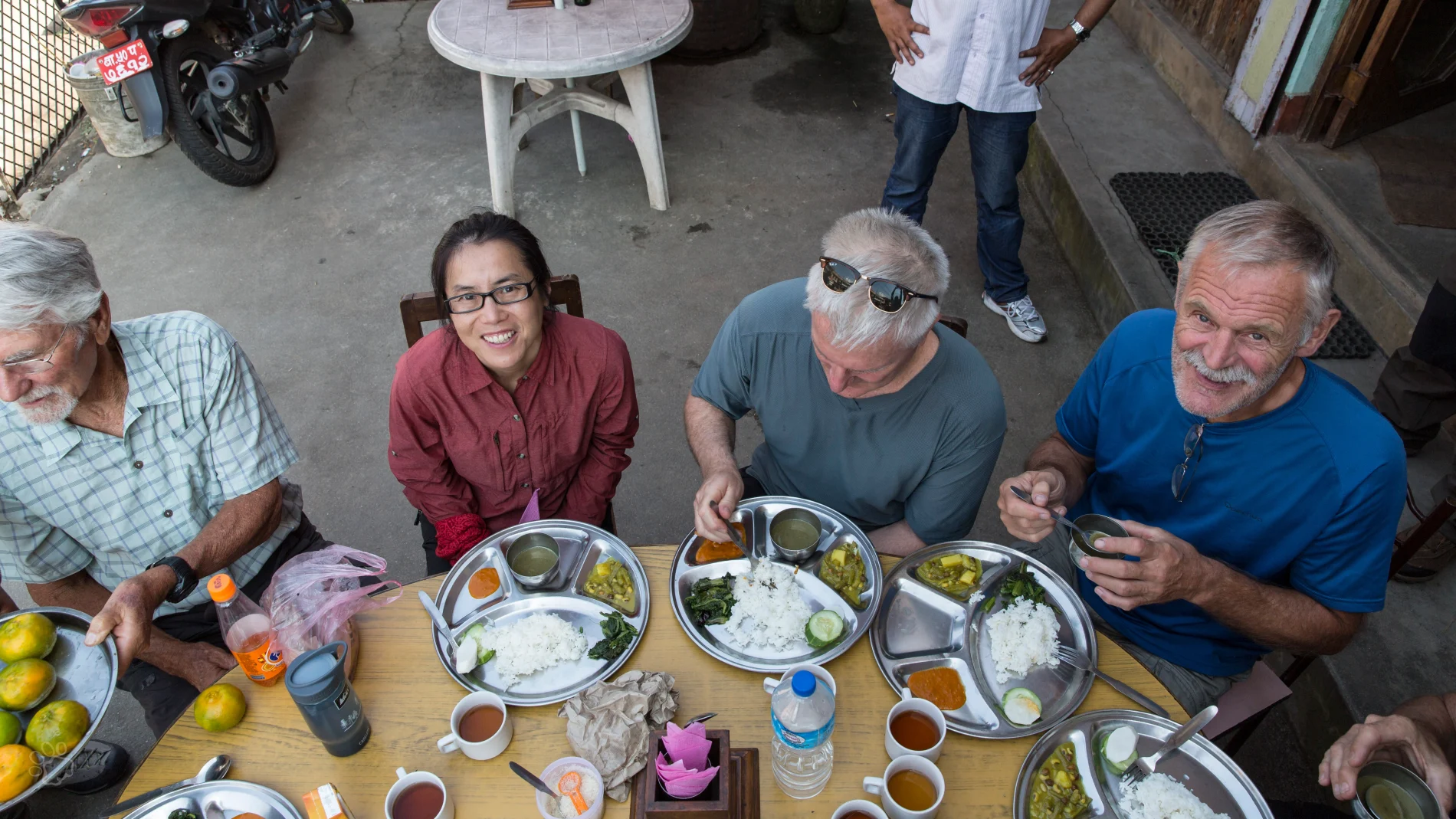
13/10/2026
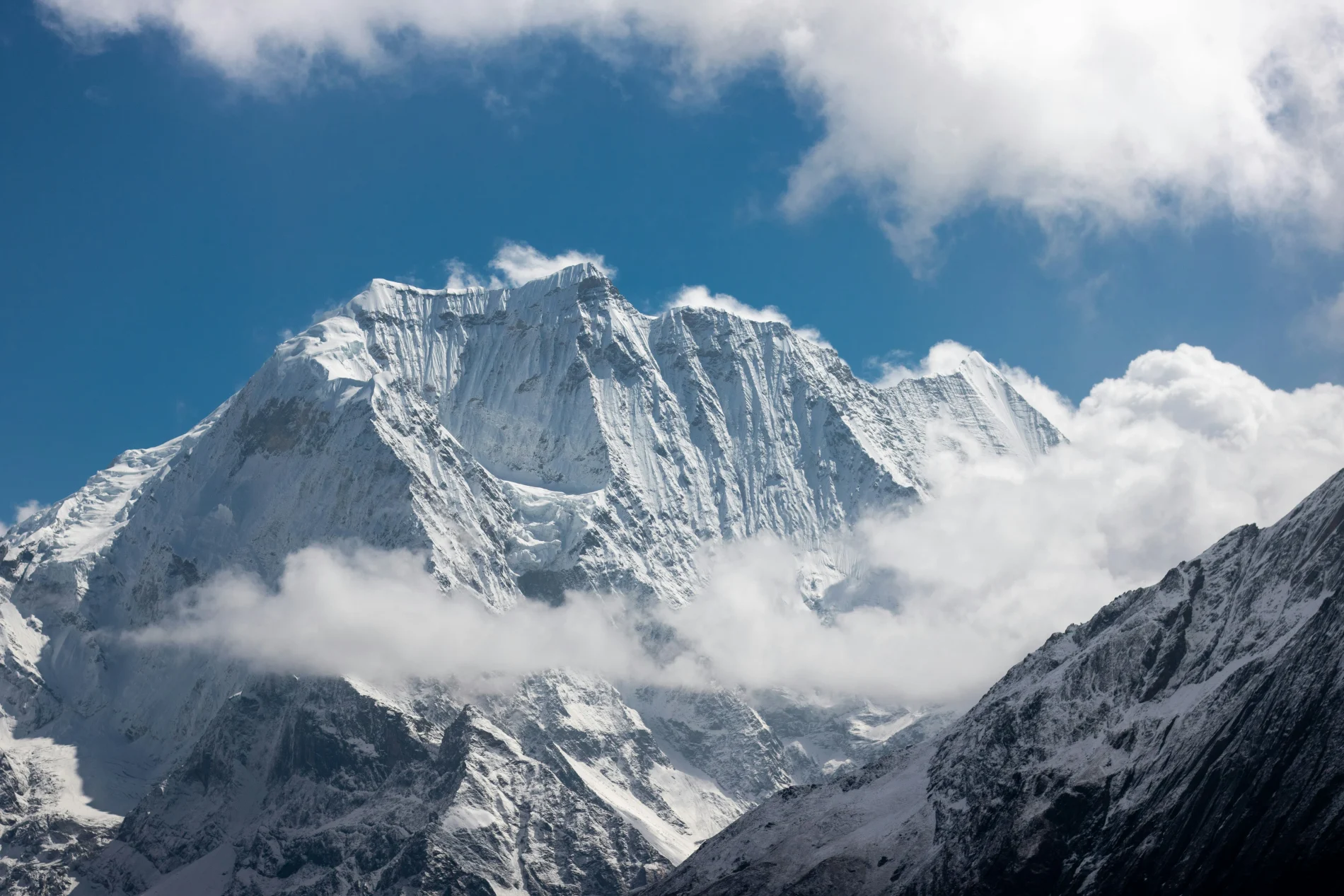
Manaslu Circuit Trek After the October 2026 Floods: Trail Conditions, Safety and Travel Updates
The Manaslu Circuit Trek is one of Nepal’s most rewarding Himalayan journeys, taking trekkers through traditional...
Read more
13/10/2026
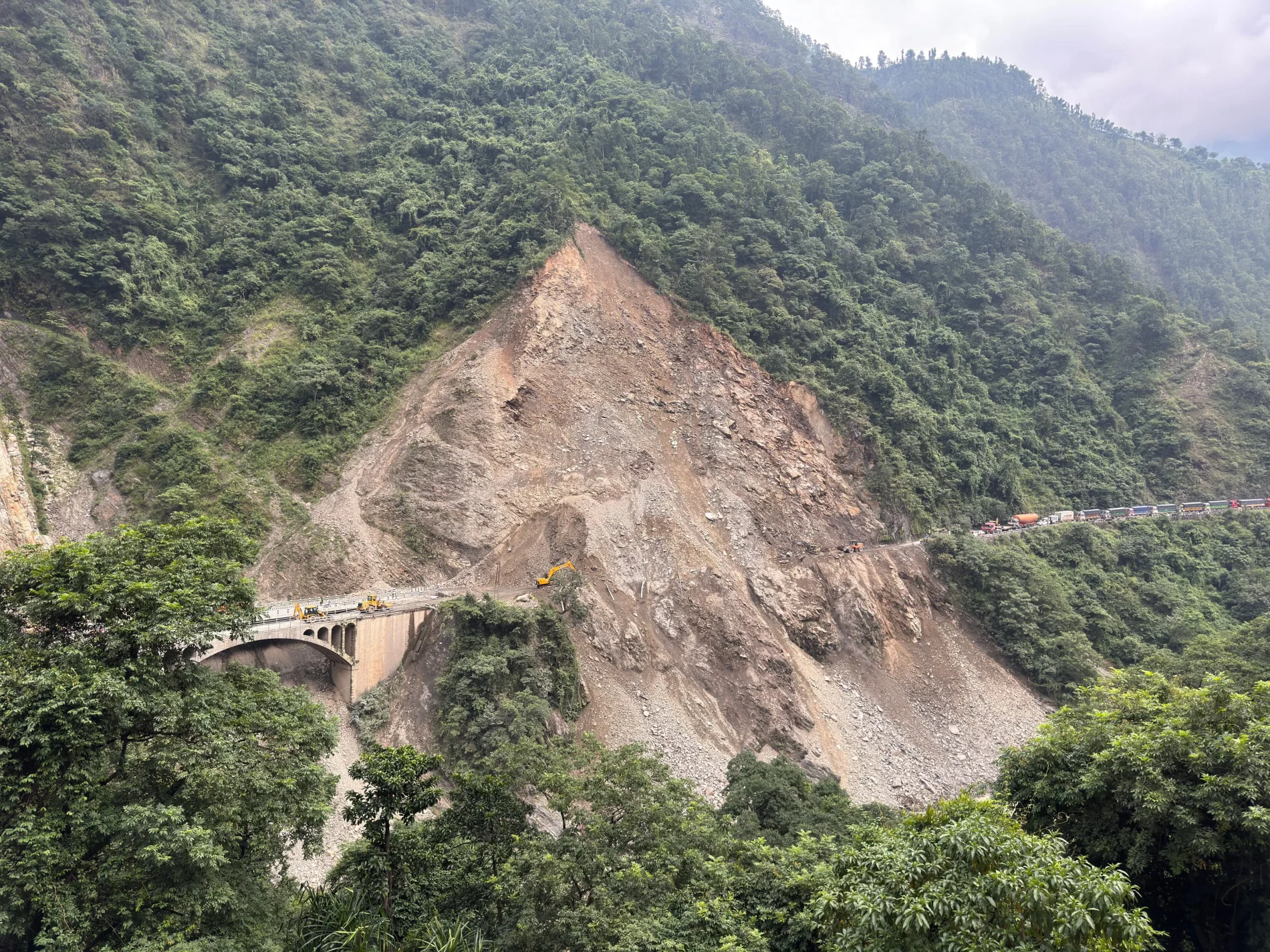
Your Nepal Trek Is Booked, but the Trail Is Closed: What Now?
Imagine arriving in Nepal with your trekking boots ready, your flights booked, your bags packed, and...
Read more