

Annapurna Base Camp Trek in August: Is It Worth Trekking During the Monsoon? (2026 Guide)
Share:

 Read Time
This blog has 6591 words .This blog has 44176 characters.This blog take 22 minutes to read.
The Annapurna Base Camp Trek in August is one of the most underrated Himalayan adventures in Nepal. As August falls in the heart of the monsoon season, many trekkers automatically rule it out and wait for the busy autumn months. However, those who choose to trek during this time are often rewarded with an experience that is completely different from the classic peak-season trek. Instead of crowded trails and fully booked teahouses, August offers peaceful trekking routes, lush green forests, powerful waterfalls, and a quieter atmosphere that allows you to appreciate the natural beauty of the Annapurna region at your own pace.
One of the first things you’ll notice while trekking in August is how alive the landscape feels. The monsoon rains transform the hillsides into a vibrant green paradise. Dense rhododendron forests, bamboo groves, terraced farmland, and moss-covered stone paths create a refreshing environment that is rarely seen during the dry months. Every corner of the trail seems to have a waterfall flowing from the cliffs above, while rivers fed by glacial melt and monsoon rain rush through the deep valleys below. For nature lovers and photographers, this is one of the most beautiful times of the year to experience the Annapurna Conservation Area.
The weather in August is undoubtedly more unpredictable than in spring or autumn, but it is often misunderstood. Many people imagine constant heavy rain from morning until night, but that is not usually the case. In reality, mornings are frequently clear or partly cloudy, providing excellent conditions for trekking. Rain showers are more common during the afternoon and evening, which is why most experienced guides recommend starting each day’s hike early. By following a well-planned schedule, many trekkers complete the majority of their walking before the heaviest rainfall begins.

Annapurna Base Camp with Mardi Himal Trek- 12 days
The Annapurna Base Camp with Mardi Himal Trek is one of Nepal’s most rewarding Himalayan journeys, combining two very...
Duration:
12 days
Max altitude:
4,500 meters at Mardi Himal Base Camp
Mountain views are another concern for anyone planning the Annapurna Base Camp Trek in August. While visibility can change quickly due to passing clouds, the mountains are certainly not hidden for the entire month. Clear mornings after overnight rainfall often reveal spectacular views of Annapurna I, Machhapuchhre (Fishtail), Annapurna South, Hiunchuli, and Gangapurna. The constantly changing weather also creates dramatic scenes as clouds drift through the valleys and around the towering peaks, giving photographers opportunities to capture unique images that are rarely possible during the dry seasons.
Another advantage of trekking in August is the peaceful atmosphere along the trail. Popular villages such as Ghandruk, Chhomrong, Bamboo, Deurali, and Annapurna Base Camp welcome far fewer visitors compared to October or November. This means you can enjoy quieter teahouses, better room availability, and a more personal connection with local hosts. Instead of competing for accommodation or waiting in crowded dining halls, you’ll often find yourself relaxing in a calm environment while sharing stories with fellow trekkers and local families.
That said, August trekking also comes with its own challenges. Rain can make sections of the trail muddy and slippery, particularly through the lower forests between Jhinu Danda and Bamboo. Leeches are also common in humid, forested areas during the monsoon season, although they disappear as you gain altitude. These challenges are easily managed with proper waterproof trekking boots, trekking poles, gaiters, and rain gear. Trekkers who arrive prepared generally find that these inconveniences are minor compared to the incredible beauty of the surrounding landscape.
The Annapurna Base Camp Trek in August is particularly well suited to travelers who enjoy nature, photography, and quieter trekking experiences. If your priority is guaranteed crystal-clear mountain views every day, October or November may be a better choice. However, if you want to experience the Himalayas in their greenest and most vibrant state while avoiding the crowds of peak season, August can be an outstanding month to visit.
Ultimately, there is no “bad” time to trek to Annapurna Base Camp—only different experiences. August offers a side of the Annapurna region that many trekkers never see: lush forests, dramatic cloud formations, roaring waterfalls, and peaceful trails that allow you to connect more deeply with nature. With realistic expectations, proper preparation, and a flexible attitude, the Annapurna Base Camp Trek in August can become one of the most memorable and rewarding adventures in Nepal.
Weather and Temperature During the Annapurna Base Camp Trek in August
One of the most common questions trekkers ask before planning the Annapurna Base Camp Trek in August is, “What is the weather really like?” Since August falls in the middle of Nepal’s monsoon season, many people assume that trekking is impossible due to continuous rainfall. While it is true that August is one of the wettest months of the year, the reality is much more balanced than most travelers expect. The weather is dynamic rather than consistently rainy, and with proper planning, trekking during this month can be both enjoyable and rewarding.

Starts from
USD 800
Annapurna Base Camp Trek from Pokhara to Pokhara- 08 days
The Annapurna Base Camp Trek from Pokhara to Pokhara is a well-balanced journey that takes you from lowland villages...
Duration:
08 days
Max altitude:
4,130 meters at Annapurna Base Camp
The monsoon brings warm temperatures, high humidity, and regular rain showers to the Annapurna region. However, it rarely rains heavily throughout the entire day. In many cases, mornings begin with calm weather, light clouds, or even bright sunshine. As the day progresses, moisture rises from the valleys, forming thicker clouds that often result in afternoon or evening showers. This daily weather pattern is one of the main reasons experienced trekking guides recommend starting early every morning. Beginning your trek shortly after sunrise not only helps you avoid the heaviest rainfall but also increases your chances of enjoying clear mountain views before clouds gather around the peaks.
The lower sections of the Annapurna Base Camp Trek, including Pokhara, Nayapul, Ghandruk, Jhinu Danda, Chhomrong, and Bamboo, experience the warmest temperatures during August. Daytime temperatures generally range between 22°C and 28°C (72°F to 82°F), while nighttime temperatures remain comfortable at around 17°C to 20°C (63°F to 68°F). Because of the warm and humid climate, trekkers often find themselves hiking in lightweight clothing during the day. Moisture-wicking shirts and quick-drying trekking pants are much more comfortable than heavy layers, especially when climbing the long stone staircases that characterize the lower part of the trail.
As you continue higher toward Dovan, Himalaya, Deurali, Machhapuchhre Base Camp (MBC), and finally Annapurna Base Camp (ABC), the weather gradually becomes cooler. At these elevations, daytime temperatures usually range from 8°C to 15°C (46°F to 59°F), creating ideal conditions for trekking. Even during August, evenings and early mornings at Annapurna Base Camp can feel surprisingly cold, with temperatures often dropping to 2°C to 6°C (36°F to 43°F). Although snowfall is uncommon during this month, carrying a warm fleece or insulated jacket is still essential for staying comfortable after sunset and during the early morning hours.
Of course, rainfall also presents certain challenges. Some sections of the trail become muddy, stone staircases can be slippery, and waterproof gear becomes an essential part of your trekking equipment. Fortunately, the Annapurna Base Camp route is one of Nepal’s best-maintained trekking trails, with numerous stone-paved sections, suspension bridges, and well-established teahouses along the way. While rain may slow your pace slightly, it rarely prevents trekkers from reaching their destination.
Another important factor to consider is visibility. Unlike October and November, when crystal-clear skies are common throughout the day, August offers changing mountain views that depend on local weather conditions. Some mornings reveal breathtaking panoramas of Annapurna I, Machhapuchhre (Fishtail), Annapurna South, Hiunchuli, and Gangapurna, while on other days the peaks may remain hidden behind clouds until later in the afternoon. These constantly shifting conditions create dramatic scenery, with mountain peaks appearing and disappearing through moving clouds. For photographers, these atmospheric landscapes often produce some of the most unique images of the entire year.

Starts from
USD 620
Annapurna Base Camp Trek via Ghandruk Village- 10 days
The Annapurna Base Camp Trek via Ghandruk Village is a classic Himalayan trek that combines dramatic mountain scenery, authentic...
Duration:
10 days
Max altitude:
4,130 meters at Annapurna Base Camp
Humidity is another noticeable feature of August trekking. The air feels much more humid in the lower valleys than during spring or autumn, which means you’ll sweat more while hiking. Staying hydrated is particularly important during this season. Carrying a reusable water bottle and drinking plenty of purified water throughout the day will help maintain your energy levels and reduce fatigue. Fortunately, the cooler temperatures at higher elevations provide welcome relief after leaving the humid forests behind.
Despite being the wettest month of the year, August does not experience the extreme cold found in winter. In fact, many trekkers appreciate the moderate temperatures because they can enjoy long days of hiking without worrying about freezing conditions. The comfortable climate, combined with quieter trails and stunning green scenery, makes August an attractive option for travelers who don’t mind occasional rain.
Overall, the weather during the Annapurna Base Camp Trek in August requires flexibility rather than fear. Trekkers who arrive expecting some rainfall, pack the right waterproof clothing, and follow an early morning trekking schedule often discover that August offers an unforgettable Himalayan experience. While the mountains may play hide-and-seek behind drifting clouds, the combination of lush landscapes, refreshing temperatures, and peaceful trails creates a trekking adventure that is unlike any other season in Nepal.
Trail Conditions During the Annapurna Base Camp Trek in August
The trail conditions during the Annapurna Base Camp Trek in August are more challenging than in the peak trekking seasons due to the ongoing monsoon. Regular rainfall makes certain sections of the trail muddy, slippery, and occasionally uneven, especially through the dense forests between Jhinu Danda, Chhomrong, Sinuwa, Bamboo, and Dovan. However, the route remains open, and thousands of trekkers successfully complete the trek every year during the monsoon with proper preparation and the right equipment.
One advantage of the Annapurna Base Camp Trek is that much of the trail is well-established, with stone staircases, stone-paved paths, and sturdy suspension bridges crossing rivers and streams. While these paths can become slippery after rain, wearing quality waterproof trekking boots with good grip and using trekking poles significantly improves stability and confidence on the trail.
The continuous rainfall transforms the Annapurna region into a lush green paradise. Forests become vibrant, waterfalls flow at their fullest, and rivers carry fresh glacial water through the valleys. These beautiful landscapes make the occasional muddy sections worthwhile for many trekkers. You may also encounter leeches in the lower forest areas, particularly after heavy rain, but they are harmless and can easily be avoided by wearing long socks, gaiters, or using a leech repellent.

Starts from
USD 555
Short Annapurna Base Camp Trek- 09 days
The Short Annapurna Base Camp Trek is a great choice if you want to experience the Himalayas without spending...
Duration:
09 days
Max altitude:
4,130 meters at Annapurna Base Camp
Although minor landslides are possible during periods of heavy rainfall, local authorities and guides closely monitor the trail, and any temporary obstructions are usually cleared quickly. Hiring an experienced local guide is especially beneficial during August, as they are familiar with current trail conditions and can adjust the route if necessary.
Overall, the Annapurna Base Camp Trek in August remains a safe and enjoyable adventure for well-prepared trekkers. With the right gear, careful footing, and a flexible itinerary, you can experience one of Nepal’s most beautiful trekking routes in its greenest and most peaceful season.
Mountain Views During the Annapurna Base Camp Trek in August
One of the biggest concerns about trekking to Annapurna Base Camp in August is whether the mountains will be visible. Since August falls during Nepal’s monsoon season, cloud cover is more frequent than in spring or autumn. However, this doesn’t mean you’ll miss the Himalayan views entirely. Many trekkers are rewarded with spectacular mountain scenery, especially during the early morning when the skies are often clearer before afternoon clouds begin to form.
As you ascend through the Annapurna Conservation Area, you’ll have opportunities to see some of Nepal’s most iconic peaks, including Annapurna I (8,091 m), Machhapuchhre (Fishtail), Annapurna South, Hiunchuli, and Gangapurna. The views may appear and disappear throughout the day as clouds move across the valleys, creating a dramatic and ever-changing landscape that is unique to the monsoon season.
One of the most magical moments of an August trek is waking up at Annapurna Base Camp after an overnight rain. If the weather clears, the surrounding snow-capped mountains often emerge from the clouds, creating breathtaking panoramic views that feel even more rewarding because they are less predictable. These dramatic scenes, combined with the lush green valleys below, offer excellent photography opportunities that differ from the crystal-clear but drier landscapes of autumn.

Starts from
USD 480
Short Annapurna Base Camp Trek from Pokhara to Pokhara- 05 days
The 5-day short Annapurna Base Camp trek from Pokhara is ideal for those who want a short yet meaningful...
Duration:
05 days
Max altitude:
4,130 meters at Annapurna Base Camp
To improve your chances of enjoying mountain views, it’s best to begin trekking early each morning and remain flexible with your schedule. Weather in the Himalayas can change quickly, and a cloudy morning may turn into a clear afternoon—or the opposite.
While August cannot guarantee uninterrupted mountain views every day, it offers a unique and atmospheric experience. For many trekkers, watching the Annapurna range appear through drifting clouds is one of the most memorable highlights of the entire journey.
Crowds and Trekking Experience on the Annapurna Base Camp Trek in August
If you’re looking for a peaceful Himalayan adventure, the Annapurna Base Camp Trek in August is an excellent choice. Since August falls during Nepal’s monsoon season, the number of trekkers is significantly lower than in the popular spring (March–May) and autumn (September–November) seasons. As a result, the trails are much quieter, allowing you to enjoy the trek without the large crowds that are common during peak months.
One of the biggest advantages of trekking in August is the opportunity to experience the Annapurna Conservation Area in a calm and relaxing environment. Instead of walking behind long groups of hikers, you’ll often have entire sections of the trail almost to yourself. This peaceful atmosphere allows you to appreciate the sounds of nature, including flowing rivers, birdsong, and the impressive waterfalls that become even more spectacular during the monsoon season.
The quieter trekking season also means teahouses are less crowded. Finding accommodation is rarely a problem, even without booking in advance, and you’ll usually have a better choice of rooms. Dining halls are more relaxed, meals are served more quickly, and local hosts often have more time to interact with guests. This creates a more personal experience and gives you the chance to learn more about the culture and traditions of the people living in the Annapurna region.

Starts from
USD 665
Annapurna Base Camp Trek via Poon Hill – 12 days
The Annapurna Base Camp Trek via Poon Hill is the kind of journey that unfolds naturally over time. This...
Duration:
12 days
Max altitude:
4,130 meters at Annapurna Base Camp
Another benefit of fewer crowds is the flexibility it gives your itinerary. If weather conditions change or you decide to spend extra time in a particular village, it’s much easier to adjust your plans without worrying about fully booked lodges. This flexibility is especially valuable during the monsoon season, when weather can occasionally affect your daily schedule.
While the trail is much quieter than during peak trekking seasons, you won’t be completely alone. You’ll still meet fellow adventurers who appreciate the beauty of off-season trekking and are seeking a more authentic Himalayan experience. If your goal is to enjoy nature, avoid crowds, and experience the mountains at a slower pace, the Annapurna Base Camp Trek in August is one of the best times to visit.
Pros of ABC Trek in August
1. Peaceful Trails with Fewer Trekkers
One of the biggest advantages of choosing the ABC trek during August is the peaceful atmosphere along the trail. Since August is part of Nepal’s monsoon season, far fewer people attempt the trek compared to the busy spring and autumn months. This means you can enjoy the forests, villages, and mountain landscapes without constantly encountering large groups of trekkers. The quieter environment also allows you to walk at your own pace, take breaks whenever you like, and truly connect with the natural beauty of the Annapurna Conservation Area.
2. Lush Green Landscapes and Beautiful Waterfalls
August transforms the entire ABC route into a vibrant green paradise. Regular rainfall nourishes the forests, terraced fields, and alpine vegetation, making the scenery incredibly fresh and colorful. You’ll pass countless waterfalls flowing at full strength, mist-covered hills, and crystal-clear rivers that add a magical touch to the journey. If you love nature and landscape photography, trekking to Annapurna Base Camp in August offers scenery that is very different from the dry seasons.
3. Easier to Find Accommodation
Because the monsoon season attracts fewer trekkers, finding a room in the teahouses is rarely a problem. You don’t usually need to book accommodation in advance, giving you greater flexibility to adjust your itinerary if the weather changes. The quieter teahouses also provide a more relaxing environment, and you’ll often receive more personal attention from local hosts, making your stay even more enjoyable.
4. Comfortable Trekking Temperatures
Unlike winter, when temperatures can drop well below freezing at higher elevations, ABC during August offers relatively mild weather. Days are warm enough for comfortable hiking, while evenings at higher altitudes remain cool without being excessively cold. With the right waterproof clothing, most trekkers find the temperatures pleasant throughout the journey.
5. A More Authentic Himalayan Experience
Off-season trekking gives you the chance to experience the Annapurna region in a more genuine and relaxed way. Villages are quieter, trails are less commercial, and interactions with local families often feel more personal. Instead of focusing on crowds and busy lodges, you can take time to enjoy the culture, traditional mountain lifestyle, and peaceful surroundings. For travelers seeking a quieter and more immersive adventure, August is one of the most rewarding months to visit ABC.
Cons of ABC Trek in August
1. Frequent Rainfall Can Disrupt Your Trek
The biggest drawback of trekking to ABC in August is the frequent rainfall brought by Nepal’s monsoon season. Although it doesn’t usually rain all day, afternoon and evening showers are common, and weather conditions can change quickly. Rain can occasionally delay your daily trek or reduce visibility, so it’s important to remain flexible with your itinerary and always carry reliable waterproof gear.
2. Slippery and Muddy Trails
Continuous rain makes parts of the ABC trail wet and muddy, especially in the lower forest sections between Jhinu Danda, Chhomrong, Sinuwa, and Bamboo. Stone staircases and rocky paths can also become slippery after heavy rain. While the route is generally well maintained, trekkers need to walk more carefully than they would during the dry seasons. Good-quality trekking boots with excellent grip and a pair of trekking poles are highly recommended.
3. Mountain Views Are Less Predictable
Unlike autumn, when clear skies are common throughout the day, Annapurna Base Camp during August experiences more cloud cover due to the monsoon. Some days offer breathtaking views of Annapurna I, Machhapuchhre (Fishtail), and the surrounding Himalayan peaks, while on other days the mountains may remain hidden behind clouds. Early mornings usually provide the best chance for clear views, but patience is essential when trekking during this season.
4. Leeches in Lower Forest Areas
One challenge that surprises many first-time monsoon trekkers is the presence of leeches. They are commonly found in the warm, damp forests at lower elevations after rainfall. Although leeches are harmless and do not spread diseases, many trekkers find them unpleasant. Wearing long trekking socks, gaiters, and using insect repellent can help minimize encounters until you reach the higher elevations, where leeches are no longer a concern.
5. Possibility of Flight and Travel Delays
If your itinerary includes travel during the monsoon, heavy rain can occasionally affect road conditions and transportation schedules. While the ABC trek itself doesn’t require the flights associated with the Everest region, road travel to and from Pokhara may sometimes take longer than expected due to weather or temporary landslides. Adding an extra buffer day to your itinerary is a smart way to avoid unnecessary stress and ensure you don’t miss your international flight home.
What to Pack for the ABC Trek in August
Packing wisely is one of the most important parts of preparing for the ABC trek during August. Since this month falls in Nepal’s monsoon season, you’ll need to be ready for warm temperatures, occasional heavy rain, muddy trails, and cooler conditions at higher elevations. The key is to pack light while making sure your gear keeps you dry, comfortable, and protected throughout the journey.
A high-quality waterproof jacket is essential because rain showers can occur at any time, especially in the afternoon. Pair it with a rain cover for your backpack to keep your clothes, electronics, and important documents dry. Wearing quick-drying trekking clothes is also a smart choice, as cotton takes much longer to dry in the humid mountain climate. Instead of carrying heavy clothing, pack lightweight layers that can be added or removed as temperatures change during the day.
Your footwear plays a major role in ensuring a safe and comfortable trek. Waterproof trekking boots with good ankle support and a strong grip are highly recommended because sections of the ABC trail can become muddy and slippery after rainfall. Bringing an extra pair of comfortable camp shoes or sandals is also useful for relaxing at the teahouses after a long day of hiking.
Although August is warm at lower elevations, temperatures at Annapurna Base Camp can still become quite cold during the early morning and at night. A warm fleece jacket, lightweight insulated jacket, gloves, and a woolen hat will help keep you comfortable. Don’t forget trekking poles, as they provide extra stability on wet stone steps and uneven terrain.
Finally, carry a small first-aid kit, sunscreen, sunglasses, a reusable water bottle, water purification tablets, insect repellent, and a power bank for charging your electronic devices. With the right equipment, trekking to Annapurna Base Camp in August becomes much more comfortable, allowing you to focus on enjoying the beautiful landscapes rather than worrying about the changing weather.
Trekking Difficulty on the ABC Trek in August
The ABC trek during August is considered a moderately challenging adventure, but the monsoon season adds a few extra difficulties compared to trekking in spring or autumn. While the route itself does not require any technical climbing skills, regular rainfall, muddy trails, and slippery stone staircases can make the journey more physically demanding. Trekkers should be prepared to walk carefully and maintain a steady pace throughout the trek.
The route to Annapurna Base Camp involves several days of hiking, with daily walking times generally ranging from 5 to 7 hours. One of the most demanding sections is the long series of stone steps between Jhinu Danda, Chhomrong, and Sinuwa. During August, these steps can become wet after rain, requiring extra caution. Using trekking poles can significantly reduce the strain on your knees while improving balance on slippery surfaces.
Another factor that affects the difficulty is the weather. Rain showers can increase humidity at lower elevations, making some uphill climbs feel more tiring than during the cooler autumn season. Fortunately, temperatures remain relatively comfortable throughout the trek, so you won’t have to deal with the extreme cold that is common during winter. Staying hydrated, taking regular breaks, and starting your hike early each morning can make a noticeable difference in your overall comfort.
Although ABC during August is slightly more challenging because of the trail conditions, it is still suitable for beginners who have a reasonable level of fitness and prepare properly. Regular walking, stair climbing, or light cardio exercises before your trip will help build the stamina needed for the trek.
With the right mindset, appropriate gear, and a well-planned itinerary, the additional challenges of the monsoon season become manageable. Many trekkers find that the peaceful trails, lush landscapes, and rewarding mountain experience make the extra effort well worth it.
Altitude and Acclimatization Tips for ABC During August
Although the ABC trek in August is not as high as the Everest Base Camp Trek, altitude should never be underestimated. Annapurna Base Camp sits at 4,130 meters (13,550 feet), where the oxygen level is significantly lower than at sea level. As you gain elevation, your body needs time to adjust to the thinner air. Regardless of the season, there is always a possibility of experiencing Acute Mountain Sickness (AMS) if you ascend too quickly.
The good news is that most standard ABC itineraries are designed with gradual altitude gain, allowing your body to acclimatize naturally. Villages such as Chhomrong, Bamboo, Deurali, and Machhapuchhre Base Camp (MBC) provide ideal overnight stops before reaching Annapurna Base Camp. Following a well-planned itinerary instead of rushing the trek greatly reduces the risk of altitude-related problems.
August’s warmer temperatures can make trekking feel easier than during winter, but the humid weather may also cause you to sweat more. Staying well-hydrated is essential because dehydration can increase the likelihood of altitude sickness. Aim to drink at least 3 to 4 liters of water each day, avoid excessive alcohol, and eat nutritious meals to maintain your energy levels throughout the trek.
It is also important to recognize the early symptoms of altitude sickness. Headache, loss of appetite, nausea, dizziness, unusual fatigue, and difficulty sleeping are some of the most common signs. If these symptoms become worse instead of improving with rest, the safest decision is to stop ascending and descend to a lower altitude immediately. Ignoring serious symptoms can lead to life-threatening complications.
The best way to enjoy trekking to Annapurna Base Camp in August is to walk at a comfortable pace, avoid overexertion, and listen to your body. Most trekkers who follow a proper itinerary, stay hydrated, and take enough time to acclimatize complete the trek safely and enjoy the incredible mountain scenery without experiencing serious altitude-related issues.
Permits Required for the ABC Trek in August
Before starting the ABC trek during August, every trekker must obtain the necessary permits to enter the protected trekking region. These permits are mandatory throughout the year, including the monsoon season, and are checked at several checkpoints along the trail. Traveling without the required documents can result in fines or being denied entry, so it’s important to arrange them before beginning your trek.
To complete the trek legally, you’ll need two permits: the Annapurna Conservation Area Permit (ACAP) and the Trekkers’ Information Management System (TIMS) Card (if applicable based on the latest trekking regulations and how you are trekking). These permits help support conservation efforts, maintain trekking trails, improve local infrastructure, and enhance the safety of trekkers by keeping records of visitors entering the region.
The ACAP is required because the trail passes through the Annapurna Conservation Area, Nepal’s largest protected conservation region. The permit fee contributes to environmental conservation, wildlife protection, trail maintenance, and community development projects in the villages along the trekking route. Whether you trek in August or any other month, this permit remains compulsory.
The TIMS Card is designed to help authorities keep track of trekkers in the event of emergencies such as severe weather, accidents, or natural disasters. Depending on Nepal’s current trekking regulations, the TIMS requirement may vary, especially if you are trekking independently or with a licensed guide. It’s always a good idea to confirm the latest permit requirements before your trip or book through a registered trekking company that will arrange all the necessary paperwork on your behalf.
Most trekking agencies in Nepal include permit processing as part of their package, making the process quick and hassle-free. If you’re organizing the trek independently, you can obtain the permits in Kathmandu or Pokhara before heading to the trailhead. Carry both your permits and passport with you throughout the trek, as they may be checked at multiple locations along the ABC route.
Accommodation on the Annapurna Base Camp Trek in August
Accommodation on the Annapurna Base Camp Trek in August is comfortable, peaceful, and generally easier to find than during Nepal’s peak trekking seasons. Since August falls within the monsoon season, the number of trekkers on the trail is much lower, allowing most teahouses to have plenty of available rooms. Unlike October and November, advance booking is usually not essential, although reserving accommodation is still recommended if you’re traveling with a large group or during Nepalese public holidays.
Throughout the trek, you’ll stay in traditional family-run teahouses located in villages such as Ghandruk, Chhomrong, Sinuwa, Bamboo, Deurali, Machhapuchhre Base Camp (MBC), and Annapurna Base Camp (ABC). Most rooms are simple twin-sharing accommodations with comfortable beds, pillows, mattresses, and blankets. While facilities become more basic at higher elevations, the warm hospitality of local families creates a welcoming atmosphere that adds to the overall trekking experience.
Many teahouses at lower elevations provide private rooms, attached bathrooms, hot showers, and Wi-Fi for an additional charge. As you climb higher, shared bathrooms become more common, and services such as internet access, battery charging, and hot showers may require a small extra fee. Despite the simpler facilities, the teahouses provide everything needed for a comfortable stay during the trek.
Because fewer trekkers visit the Annapurna region in August, teahouses are generally quieter and more relaxed. This allows trekkers to enjoy a peaceful evening, receive more personalized service from lodge owners, and experience the authentic mountain lifestyle without the crowds often seen during autumn.
At Silver Moon Adventure, we carefully select clean, comfortable, and reliable teahouses throughout the trek to ensure a pleasant stay for every guest. Our experienced team handles all accommodation arrangements, allowing you to enjoy the Annapurna Base Camp Trek in August without worrying about finding suitable lodging along the trail.
Food on the Annapurna Base Camp Trek in August
Food on the Annapurna Base Camp Trek in August remains fresh, nutritious, and widely available despite the monsoon season. Although fewer trekkers travel during August, most teahouses continue to serve a full selection of meals to meet the needs of visitors. Freshly prepared local dishes provide the energy required for long days of trekking while offering an authentic taste of Nepali mountain hospitality.
The most popular meal along the ABC trail is Dal Bhat, Nepal’s traditional combination of steamed rice, lentil soup, seasonal vegetables, curry, and pickles. Rich in carbohydrates, protein, and essential nutrients, Dal Bhat supplies long-lasting energy and is often served with unlimited refills at many teahouses. For this reason, it remains the preferred meal for many trekkers throughout the journey.
In addition to traditional Nepali cuisine, teahouses commonly offer fried rice, noodles, pasta, momos, soups, pizza, sandwiches, Tibetan bread, pancakes, porridge, eggs, and a variety of potato dishes. Breakfast usually includes toast, oatmeal, muesli, omelets, tea, coffee, and hot chocolate. While food prices gradually increase with altitude due to transportation costs, the quality and variety remain consistently good throughout the trek.
Staying hydrated is especially important during August because the warm and humid weather increases fluid loss while trekking. Carry a reusable water bottle and refill it with boiled or filtered water whenever possible. Many trekkers also use water purification tablets or portable filters to ensure safe drinking water while reducing plastic waste.
At Silver Moon Adventure, we encourage our guests to enjoy freshly prepared local meals that support the mountain communities while providing the nutrition needed for trekking. Combined with the welcoming hospitality of local teahouses, every meal becomes an enjoyable part of the Annapurna Base Camp Trek in August.
Transportation to and from the Annapurna Base Camp Trek in August
Transportation to and from the Annapurna Base Camp Trek in August is available throughout the month, although monsoon weather can occasionally affect travel schedules. Tourist buses, private vehicles, and domestic flights continue operating between Kathmandu and Pokhara, but heavy rainfall may sometimes cause road delays or temporary flight disruptions. Allowing extra travel time and maintaining a flexible itinerary is highly recommended when trekking during August.
Most trekkers begin by traveling from Kathmandu to Pokhara, the gateway to the Annapurna region. Tourist buses generally take around 7 to 9 hours depending on road conditions, while domestic flights take approximately 25 to 30 minutes. Although flights are usually the fastest option, weather-related delays or cancellations can occasionally occur during the monsoon season because of reduced visibility.
From Pokhara, the journey continues by road to trekking starting points such as Ghandruk, Siwai, Jhinu Danda, or Nayapul, depending on your itinerary. Shared jeeps, local buses, and private jeeps operate regularly, although heavy rainfall may occasionally slow travel on some sections of the road.
After completing the trek, you’ll return to Pokhara before continuing to Kathmandu. Many trekkers spend an additional day in Pokhara to relax and allow flexibility in case weather affects transportation schedules.
At Silver Moon Adventure, we carefully monitor weather forecasts and transportation conditions throughout the monsoon season. Our experienced team arranges reliable transportation, adjusts itineraries when necessary, and provides continuous support to ensure your Annapurna Base Camp Trek in August runs as smoothly and safely as possible.
Cost of the Annapurna Base Camp Trek in August
The Annapurna Base Camp Trek in August is generally more affordable than during the peak trekking months of spring and autumn. Since fewer trekkers visit the Annapurna region during the monsoon season, accommodation prices may be slightly lower, and finding available guides, porters, and transportation is usually easier. This makes August an attractive option for budget-conscious travelers looking for a quieter trekking experience.
The main expenses include trekking permits, transportation between Kathmandu and Pokhara, teahouse accommodation, meals, travel insurance, and personal trekking equipment. Additional costs may include Wi-Fi, hot showers, battery charging, bottled drinks, snacks, laundry services, and tips for guides and porters. Since there are no ATMs along the trekking route, withdrawing sufficient cash in Pokhara before beginning the trek is essential.
Many trekkers choose an all-inclusive package, which covers permits, transportation, accommodation, meals during the trek, licensed guides, porter services, government taxes, and logistical support. Booking a package provides greater convenience and allows trekkers to focus entirely on enjoying the adventure.
Although August offers better availability than the busy trekking seasons, selecting a professional trekking company remains important. Experienced guides, flexible itineraries, and reliable local support become even more valuable during the monsoon season when weather conditions can change unexpectedly.
At Silver Moon Adventure, we provide affordable and flexible Annapurna Base Camp Trek in August packages designed to suit different travel styles and budgets. Our experienced guides, transparent pricing, and carefully organized services ensure outstanding value while delivering a safe and memorable Himalayan adventure.
Safety Tips for the Annapurna Base Camp Trek in August
The Annapurna Base Camp Trek in August requires extra preparation because it takes place during Nepal’s monsoon season. Rainfall, muddy trails, slippery stone steps, and occasional leeches at lower elevations create additional challenges compared to the dry trekking months. However, with proper planning, quality equipment, and experienced guidance, the trek remains safe and highly rewarding.
Waterproof trekking boots with excellent grip, trekking poles, and high-quality rain gear are essential for maintaining stability and staying comfortable on wet trails. Wearing quick-drying clothing, waterproof jackets, and backpack rain covers helps protect both you and your equipment throughout the journey.
Altitude sickness remains an important consideration because Annapurna Base Camp is located at 4,130 meters (13,550 feet). Walk at a comfortable pace, stay hydrated, eat nutritious meals, and allow sufficient time for acclimatization. If symptoms such as headaches, dizziness, nausea, or unusual fatigue develop, inform your guide immediately.
Weather conditions can change rapidly during August, so checking daily forecasts and following your guide’s advice is essential. Heavy rainfall may occasionally cause temporary landslides or travel delays, making flexibility an important part of any monsoon trekking itinerary.
At Silver Moon Adventure, guest safety is always our highest priority. Our licensed guides closely monitor weather conditions, assess trail safety each day, and adjust itineraries whenever necessary. With experienced leadership, reliable logistics, and professional local support, you can confidently enjoy the Annapurna Base Camp Trek in August while exploring the beauty of Nepal’s monsoon Himalayas.
Our Expert Trekking Advice for August
If you’re planning the Annapurna Base Camp Trek in August, flexibility and preparation are the keys to a successful adventure. Although August is part of Nepal’s monsoon season, it rewards trekkers with peaceful trails, lush green landscapes, spectacular waterfalls, and a unique natural beauty rarely seen during other months.
Our first recommendation is to pack appropriate monsoon trekking gear, including waterproof clothing, backpack covers, waterproof boots, quick-drying layers, and trekking poles. Carrying extra dry clothes and protecting electronic devices in waterproof bags will make your trek much more comfortable.
Begin trekking early each morning whenever possible. Rainfall is often lighter during the morning hours, while clouds may briefly clear to reveal magnificent views of Annapurna I, Machhapuchhre (Fishtail), Annapurna South, Hiunchuli, and surrounding Himalayan peaks.
Allow extra time in your travel schedule because weather may occasionally affect road transportation or domestic flights. Maintaining a flexible itinerary helps reduce stress if delays occur and allows you to fully enjoy the journey.
At Silver Moon Adventure, we have extensive experience guiding trekkers throughout the monsoon season. Our knowledgeable local guides carefully monitor weather conditions, select the safest routes, and provide personalized support throughout your adventure. Whether you’re traveling alone or with a group, we ensure your Annapurna Base Camp Trek in August is safe, enjoyable, and filled with unforgettable Himalayan experiences.
Suggested Blog Post
- Annapurna Base Camp Trek in January
- Annapurna Base Camp Trek in February
- Annapurna Base Camp Trek in March
- Annapurna Base Camp Trek in April
- Annapurna Base Camp Trek in May
- Annapurna Base Camp Trek in June
- Annapurna Base Camp Trek in July
- Annapurna Base Camp Trek in August
- Annapurna Base Camp Trek in September
- Annapurna Base Camp Trek in October
- Annapurna Base Camp Trek in November
- Annapurna Base Camp Trek in December
Conclusion
The Annapurna Base Camp Trek in August offers a unique Himalayan adventure for trekkers who don’t mind occasional rain in exchange for peaceful trails, vibrant landscapes, and a quieter trekking experience. Although August falls within Nepal’s monsoon season, it transforms the Annapurna region into a lush paradise filled with green forests, flowing waterfalls, blooming wildflowers, and fresh mountain air. For nature lovers, photographers, and travelers seeking fewer crowds, August provides a completely different perspective of the Annapurna Base Camp Trek.
As you make your way along the trail, you’ll pass through traditional Gurung and Magar villages, scenic rice terraces, dense rhododendron and bamboo forests, rushing rivers, suspension bridges, and beautiful alpine landscapes before reaching the spectacular Annapurna Base Camp. While clouds may occasionally cover the mountains, patient trekkers are often rewarded with breathtaking views of Annapurna I, Machhapuchhre (Fishtail), Annapurna South, Hiunchuli, and Gangapurna after rainfall, when the skies briefly clear and visibility improves.
August requires more preparation than the peak trekking seasons. Rain showers, muddy sections, slippery stone steps, and occasional leeches at lower elevations are common during this month. However, with waterproof trekking gear, proper hiking boots, rain protection, and a flexible itinerary, these challenges can be managed comfortably. Since fewer trekkers visit the region, teahouses are generally quieter, allowing for a more relaxed and personal trekking experience.
Weather conditions in August can change quickly, so flexibility is essential. Occasional heavy rainfall may cause temporary travel delays or minor trail disruptions, particularly on the roads between Pokhara and the trek’s starting point. Checking weather forecasts, allowing extra travel time, and trekking with experienced local guides significantly improve both safety and enjoyment during the journey.
At Silver Moon Adventure, we specialize in organizing safe and well-planned treks throughout every season, including the monsoon months. Our experienced local guides continuously monitor weather conditions, adjust itineraries when necessary, and provide expert support from beginning to end. From arranging permits and transportation to securing comfortable teahouse accommodation, we take care of every detail so you can focus on enjoying your adventure.
If you’re looking for a peaceful trekking experience surrounded by lush Himalayan scenery, fewer crowds, and the refreshing beauty of Nepal’s monsoon season, the Annapurna Base Camp Trek in August is an excellent choice. With careful preparation and the expert guidance of Silver Moon Adventure, you’ll discover a quieter and equally rewarding side of one of Nepal’s most iconic trekking destinations.

Similar Blogs
View all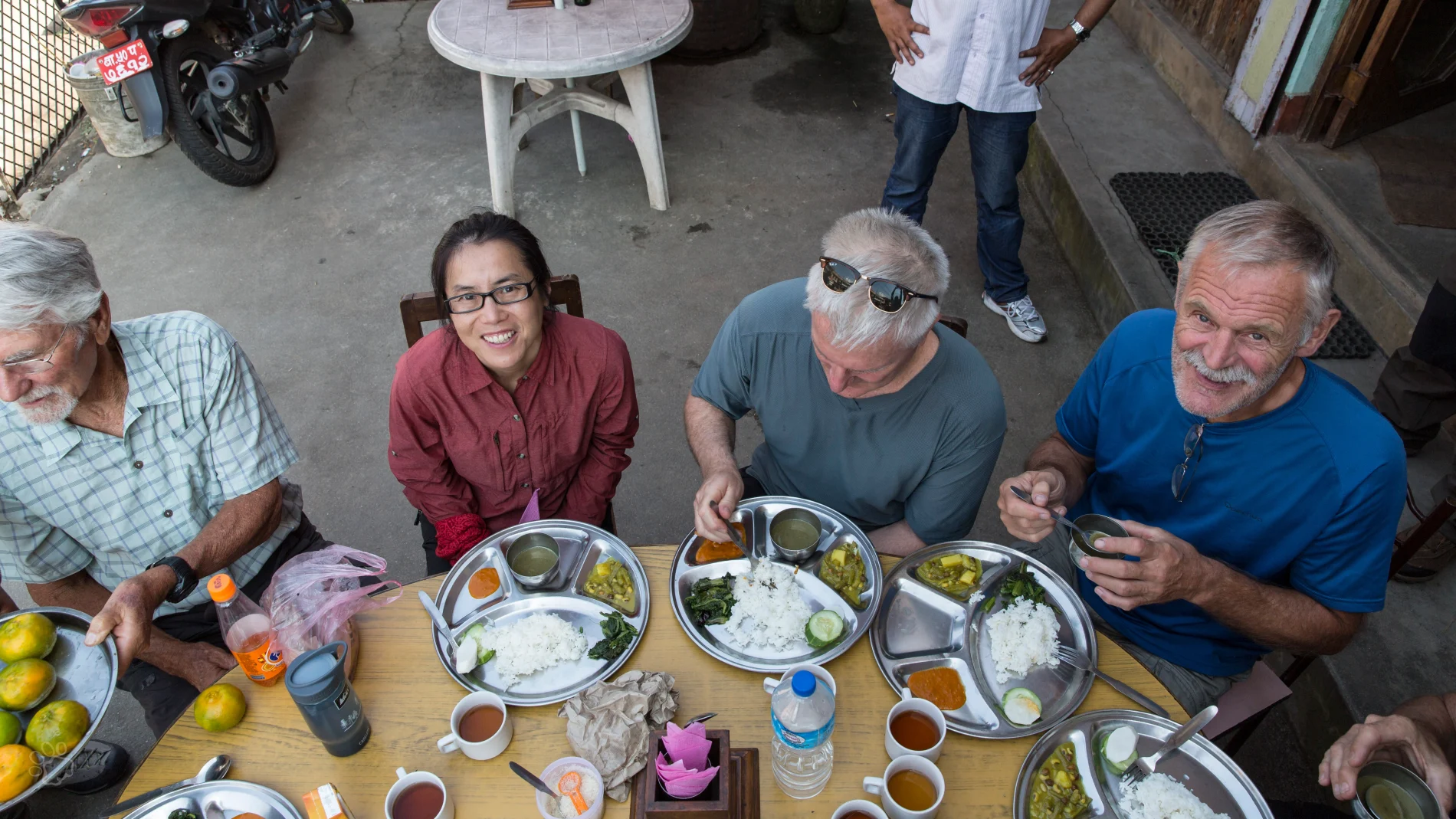
13/10/2026
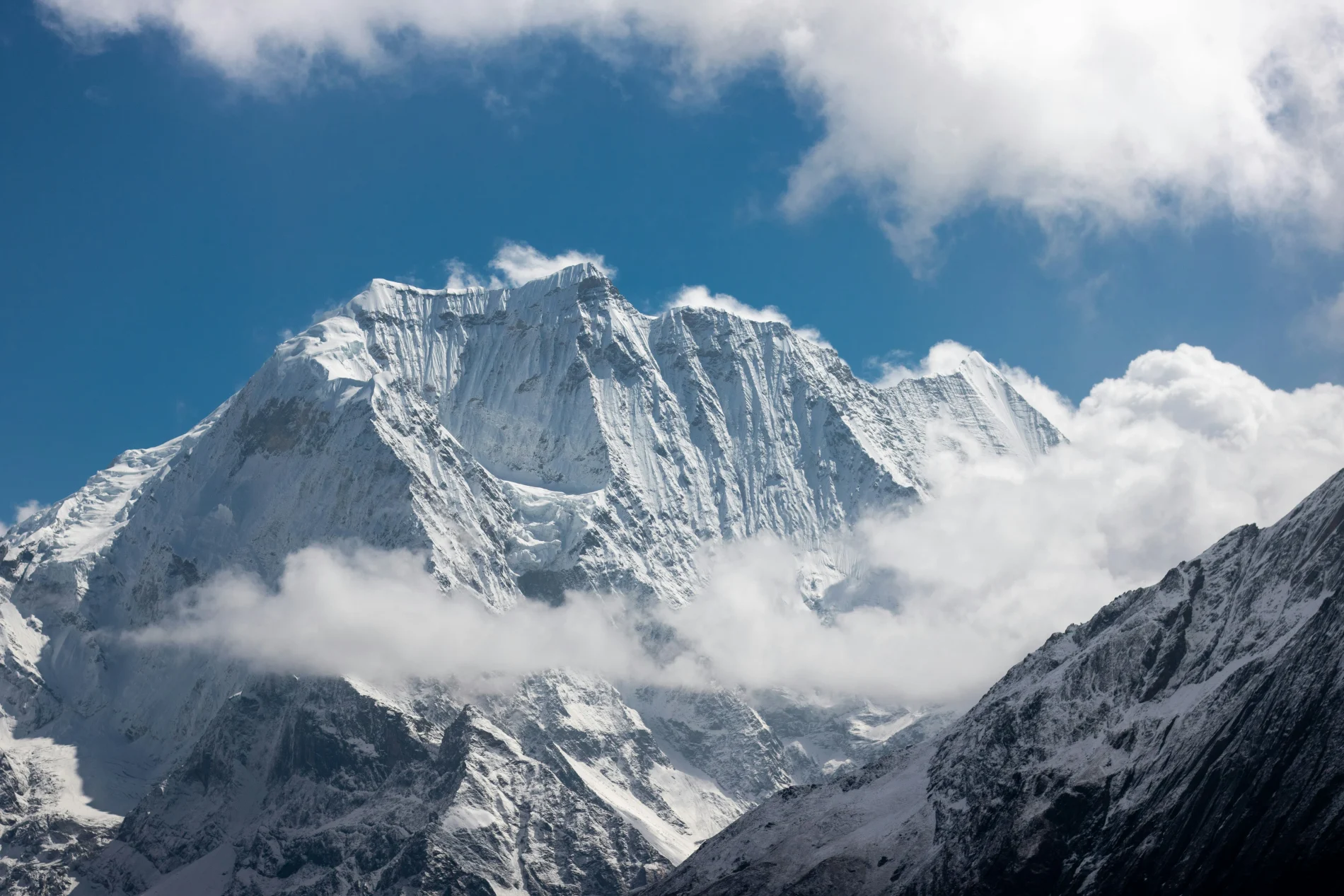
Manaslu Circuit Trek After the October 2026 Floods: Trail Conditions, Safety and Travel Updates
The Manaslu Circuit Trek is one of Nepal’s most rewarding Himalayan journeys, taking trekkers through traditional...
Read more
13/10/2026
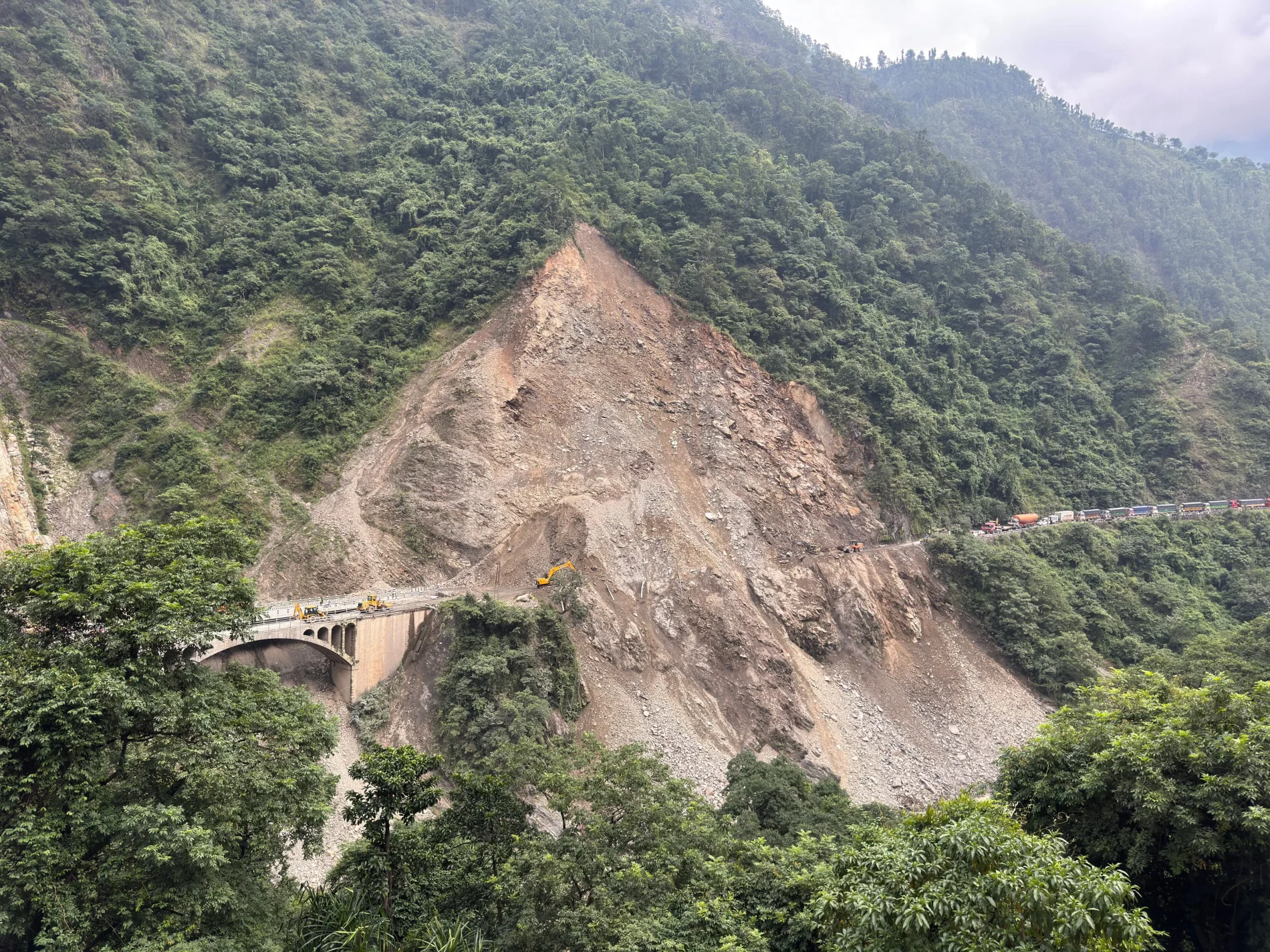
Your Nepal Trek Is Booked, but the Trail Is Closed: What Now?
Imagine arriving in Nepal with your trekking boots ready, your flights booked, your bags packed, and...
Read more