Lobuche: An Important Stop on the Everest Base Camp Trek
Share:
 Read Time
This blog has 2430 words .This blog has 15821 characters.This blog take 8 minutes to read.
Lobuche is located in the upper Khumbu region of Nepal, close to the Khumbu Glacier and on the classic route toward Everest Base Camp. On a typical Lobuche Everest Base Camp Trek, trekkers reach Lobuche after walking from Dingboche or Pheriche through the increasingly rugged Himalayan landscape.
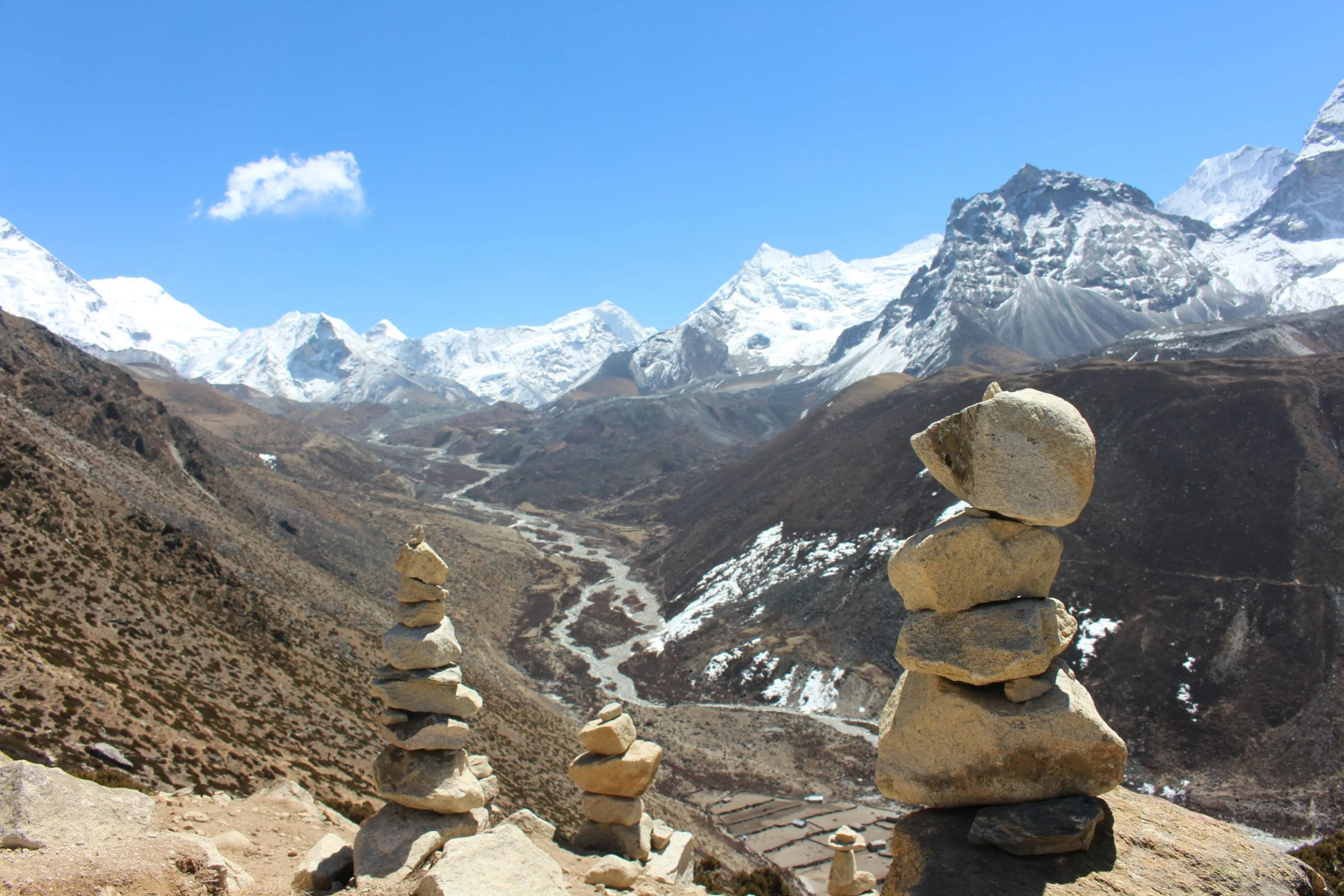
The route gradually changes as you gain elevation. Around Namche Bazaar, the trail is surrounded by forests and green hills. Near Dingboche, the vegetation becomes thinner. By the time you arrive in Lobuche, the surroundings are dominated by rocks, glaciers, barren slopes, and towering Himalayan peaks.
According to the Nepal Tourism Board, the journey from Dingboche or Pheriche to Lobuche generally takes around six hours, although the actual walking time depends on the itinerary, weather, trail conditions, and individual trekking speed. The route then continues toward Gorak Shep and Everest Base Camp.
This location makes the Lobuche Everest Base Camp Trek particularly significant because Lobuche sits close to the final settlements before Base Camp.
Lobuche Altitude and Acclimatization
The altitude of Lobuche is approximately 4,940 meters (16,207 feet) above sea level. At this elevation, acclimatization becomes one of the most important parts of the Lobuche Everest Base Camp Trek.
The higher you climb, the less oxygen is available in the air. As a result, you may notice heavier breathing, slower walking, tiredness, headaches, or difficulty sleeping. Even trekkers who are physically fit can experience these effects because altitude affects the body differently from person to person.
That is why a properly planned Lobuche Everest Base Camp Trek should include adequate acclimatization before reaching this elevation.
The Nepal Tourism Board recommends gradual altitude gain and proper acclimatization when trekking in the mountains. It also advises trekkers to take symptoms of altitude sickness seriously and descend when symptoms become severe or continue to worsen.
You should therefore avoid treating Lobuche as a place where you simply arrive, eat, sleep, and immediately continue higher without considering how your body feels.
The Trail From Dingboche to Lobuche
The walk from Dingboche toward Lobuche is one of the most scenic and memorable sections of the Lobuche Everest Base Camp Trek.
After leaving Dingboche, the trail gradually climbs through a dry and open mountain landscape. The vegetation becomes increasingly limited, while rocky slopes and enormous peaks dominate the views.
One of the important areas along this section is Thukla. Trekkers pass through the Thukla Pass area, where memorials have been built in memory of climbers and Sherpas who lost their lives in the Himalayas.
The memorial area is quiet and emotional. Many trekkers stop for a few moments before continuing toward Lobuche. It is a reminder that the Everest region is not only a beautiful trekking destination but also a challenging high-mountain environment.
From Thukla, the trail continues toward Lobuche. The walking is not technical for trekkers following the standard route, but the altitude can make the day feel considerably harder.
For that reason, the Lobuche Everest Base Camp Trek should be approached with a steady rhythm rather than a race to reach the village.
What Makes Lobuche Special?
Lobuche is a small settlement, but its location gives it a unique atmosphere.
There are no large urban facilities, busy roads, or modern shopping areas. Instead, the village mainly serves trekkers, guides, porters, climbers, and local residents travelling through the upper Khumbu.
During the Lobuche Everest Base Camp Trek, arriving in Lobuche can feel like entering a completely different world. The lower valleys are now far behind, and the mountains seem much closer.
The surrounding landscape is particularly impressive. Rocky mountains rise around the valley, while the Khumbu Glacier and surrounding high-altitude terrain add to the dramatic scenery.
For many trekkers, Lobuche is also the point where the reality of reaching Everest Base Camp becomes much stronger. Gorak Shep is next, and Base Camp is no longer a distant idea written on an itinerary.
Accommodation in Lobuche
Accommodation in Lobuche generally consists of simple teahouses and mountain lodges.
During the Lobuche Everest Base Camp Trek, trekkers should expect basic facilities rather than hotel-style comfort. Rooms generally contain beds and mattresses, while bathrooms are often shared.
Some lodges provide additional services such as hot showers, charging facilities, and internet access, although availability can vary depending on the lodge and current conditions.
The dining room is often the warmest and most social area of the lodge. After spending several hours walking in cold mountain air, sitting down with a hot meal and a warm drink can become one of the most enjoyable parts of the evening.
Because Lobuche is a popular overnight stop, accommodation can become busy during the main trekking seasons. For an organized Lobuche Everest Base Camp Trek, arranging accommodation ahead of time can make the journey more comfortable.
Do not expect the same facilities you would find in Kathmandu or Pokhara. At nearly 5,000 meters, simplicity is part of the experience.
Food and Drinking Water in Lobuche
Food is an important part of staying healthy during the Lobuche Everest Base Camp Trek because your body needs energy to continue walking at high altitude.
Teahouses usually serve familiar trekking meals such as dal bhat, noodles, pasta, rice, potatoes, soup, eggs, and other simple dishes. Menus may be more limited than in larger villages, but there are generally enough options to keep trekkers fueled.
Warm soup can be especially comforting after a cold day on the trail. Dal bhat remains popular because it provides carbohydrates and other nutrients that can help support long trekking days.
Hydration is equally important. Cold weather can reduce your feeling of thirst, but your body still needs regular fluids. Carry a reusable bottle and drink throughout the day rather than waiting until you become thirsty.
During the Lobuche Everest Base Camp Trek, avoiding dehydration is particularly important because dehydration can make altitude-related discomfort feel worse.
Weather in Lobuche
Weather is another major consideration when planning the Lobuche Everest Base Camp Trek.
Lobuche is significantly colder than Kathmandu, Pokhara, and the lower villages along the Everest route. Mornings and evenings can be especially cold, while strong winds can make conditions feel even colder.
Spring and autumn are generally popular periods for trekking in the Everest region because they often provide favorable conditions. However, Himalayan weather can change quickly, so trekkers should always be prepared for changing conditions.
Winter is considerably colder, while the monsoon season brings different challenges, particularly on the lower parts of the route.
For a Lobuche Everest Base Camp Trek, layering is more practical than relying on a single thick jacket. Thermal clothing, a warm mid-layer, an insulated jacket, gloves, a warm hat, and a waterproof outer layer can all be useful.
The right clothing will depend on your trekking season, itinerary, and personal tolerance for cold.
Lobuche to Gorak Shep
After spending the night in Lobuche, the route continues toward Gorak Shep.
This is an exciting part of the Lobuche Everest Base Camp Trek because Gorak Shep is the last major settlement before Everest Base Camp.
Although the distance may not seem especially long, the altitude makes the walk demanding. You are now operating at an elevation where the reduced oxygen level can significantly affect your walking speed.
The landscape also becomes increasingly rocky and glacial. Instead of forests or agricultural fields, the trail is surrounded by high mountains and exposed Himalayan terrain.
The Nepal Tourism Board identifies Gorak Shep as the final settlement on the main Everest Base Camp route before the trail continues toward Base Camp and Kala Patthar.
The best approach during this part of the Lobuche Everest Base Camp Trek is to maintain a comfortable rhythm. Take breaks when needed, drink water regularly, and do not feel pressured to match the walking speed of another trekker.
Lobuche to Everest Base Camp
For most trekkers, this is the section they have been waiting for since beginning the Lobuche Everest Base Camp Trek.
From Lobuche, the route continues toward Gorak Shep and eventually Everest Base Camp. The trail passes through a dramatic high-altitude environment influenced by the Khumbu Glacier and surrounding mountains.
The excitement of being close to Base Camp can make trekkers want to move quickly. However, this is exactly when patience becomes important. You are still walking at very high altitude, and fatigue from the previous days can accumulate.
The Nepal Tourism Board notes that the upper Everest route includes challenging glacial terrain and recommends appropriate care while trekking in the region.
During the Lobuche Everest Base Camp Trek, reaching Base Camp should be treated as a journey rather than simply a finish line. Stop for photographs, appreciate the landscape, and follow your guide’s instructions.
When you finally arrive, the surrounding glacier, mountains, prayer flags, and expedition activity create a memorable atmosphere.
What Should You Know Before Staying in Lobuche?
Before starting the Lobuche Everest Base Camp Trek, it is important to understand that Lobuche is a high-altitude mountain settlement.
You should be prepared for several things.
The altitude is serious. At approximately 4,940 meters, your body is working with considerably less oxygen than at sea level.
Facilities are basic. Teahouses provide the essentials, but you should not expect city-level comfort.
The weather is cold. Warm clothing is necessary, particularly at night.
Services can be limited. Electricity, internet, hot water, and charging facilities may not always be available in the same way as at lower elevations.
Your body may feel tired. By this point, you have already spent several days walking, so accumulated fatigue can become noticeable.
Most importantly, listen to your body. Headache, dizziness, nausea, unusual weakness, difficulty breathing, or worsening symptoms should not simply be ignored because Everest Base Camp is close.
The Nepal Tourism Board’s mountain safety guidance emphasizes gradual acclimatization and taking altitude-related symptoms seriously.
Tips for a Comfortable Stay in Lobuche
These simple tips can make the Lobuche Everest Base Camp Trek more comfortable:
- Walk slowly and avoid unnecessary rushing.
- Drink water regularly.
- Eat enough even if your appetite decreases.
- Keep your warm clothing easy to reach.
- Carry a headlamp.
- Charge important electronics whenever electricity is available.
- Use a sleeping bag suitable for cold conditions.
- Keep personal items organized.
- Follow your guide’s instructions.
- Do not ignore altitude symptoms.
- Carry your rubbish properly and avoid leaving waste on the trail.
- Respect local people, monasteries, memorials, and cultural sites.
The upper Khumbu is part of Sagarmatha National Park, a protected area managed by Nepal’s Department of National Parks and Wildlife Conservation. Responsible trekking is therefore important for protecting the area’s natural and cultural environment.
Why Lobuche Matters on the Everest Base Camp Trek
Lobuche matters because it represents a major transition in the journey.
Earlier in the Lobuche Everest Base Camp Trek, trekkers experience forests, rivers, suspension bridges, villages, and green mountain slopes. At Lobuche, most of that has disappeared.
The environment becomes colder and more exposed. The mountains appear larger, the air becomes thinner, and the walking becomes more demanding.
At the same time, you are getting closer to Everest Base Camp.
That combination makes Lobuche memorable. It is both a practical overnight stop and a psychological milestone. You can look back at the trail you have already completed while knowing that the final section toward Base Camp is approaching.
Why Choose Silver Moon Adventure for the Everest Base Camp Trek?
A successful Lobuche Everest Base Camp Trek requires more than simply following a route on a map. Acclimatization, accommodation, transportation, permits, guides, daily walking distances, and mountain conditions all need to be considered.
Silver Moon Adventure focuses on organizing the practical side of the journey so trekkers can concentrate on the experience itself.
Local guides can also be particularly useful in the upper Khumbu because they understand the trail, local conditions, and the challenges associated with high altitude.
You can explore the Everest Base Camp Trek package to see the complete journey and itinerary.
Final Thoughts
Lobuche may be a small mountain settlement, but its importance during the Lobuche Everest Base Camp Trek is much bigger than its size suggests.
At nearly 5,000 meters, it introduces trekkers to one of the highest and most demanding sections of the Everest route. The landscape becomes dramatic, the facilities become simpler, and the effects of altitude become more noticeable.
Yet that is also what makes Lobuche special.
It is the place where the journey begins to feel completely immersed in the high Himalayas. Gorak Shep is ahead, Everest Base Camp is getting closer, and the mountains surrounding you make it clear that you have travelled a long way from the starting point.
The Lobuche Everest Base Camp Trek is ultimately about more than reaching Base Camp. It is about experiencing the changing landscape, adapting to altitude, meeting people along the trail, and appreciating each stage of the journey.
So when you arrive in Lobuche, do not think of it as simply another place to spend the night.
Stop. Look around. Take it in. Everest Base Camp is close, but Lobuche is part of the story.
Frequently Asked Questions
1. What is the altitude of Lobuche?
Lobuche is approximately 4,940 meters (16,207 feet) above sea level.
2. Is Lobuche on the Everest Base Camp route?
Yes. Lobuche is one of the main overnight settlements on the route toward Gorak Shep and Everest Base Camp.
3. How long does it take to reach Lobuche from Dingboche?
The Nepal Tourism Board describes the walk from Dingboche or Pheriche to Lobuche as approximately six hours, although actual time varies according to conditions and walking pace.
4. Is accommodation available in Lobuche?
Yes. Basic teahouses and lodges provide accommodation for trekkers.
5. Is Lobuche difficult because of altitude?
Yes, altitude can make walking more demanding because Lobuche is close to 5,000 meters above sea level.
6. What comes after Lobuche?
The main route continues toward Gorak Shep, followed by Everest Base Camp. Many itineraries also include Kala Patthar.
7. Can altitude sickness happen in Lobuche?
Yes. Altitude sickness can occur at high elevations. Nepal Tourism Board advises trekkers to take symptoms seriously and descend if serious symptoms develop.
8. What should I pack for Lobuche?
Warm layers, thermal clothing, gloves, a warm hat, suitable trekking socks, a cold-weather sleeping bag, water bottles, a headlamp, and personal medication are useful.
9. What is the weather like in Lobuche?
Lobuche is cold because of its high elevation. Nights and early mornings can be particularly cold, while wind and changing mountain weather can affect conditions.
10. Why is Lobuche important on the Everest Base Camp Trek?
Lobuche is important because it is a high-altitude overnight stop located between Dingboche or Pheriche and Gorak Shep. It gives trekkers an important place to rest before continuing toward Everest Base Camp.

Similar Blogs
View all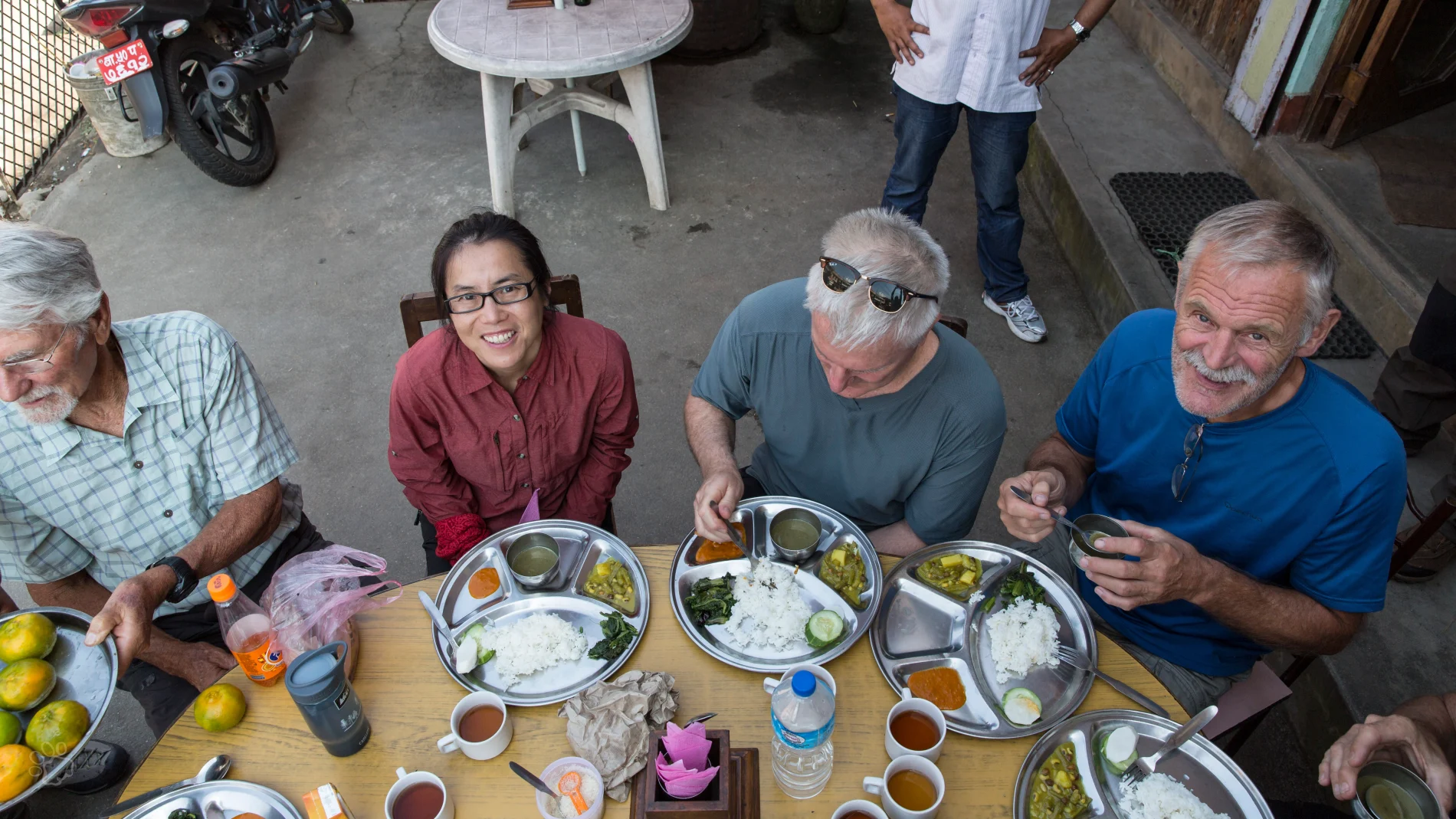
13/10/2026
Manaslu Circuit Trek After the October 2026 Floods: Trail Conditions, Safety and Travel Updates
The Manaslu Circuit Trek is one of Nepal’s most rewarding Himalayan journeys, taking trekkers through traditional...
Read more
13/10/2026
Your Nepal Trek Is Booked, but the Trail Is Closed: What Now?
Imagine arriving in Nepal with your trekking boots ready, your flights booked, your bags packed, and...
Read more