Everest Base Camp Trek Routes: How to Choose the Right One
Share:
 Read Time
This blog has 2348 words .This blog has 15417 characters.This blog take 8 minutes to read.
Choosing between Everest Base Camp Trek Routes can be confusing. At first glance, many itineraries seem to promise the same thing: walk through the Khumbu region, see the world’s highest mountain, and reach Everest Base Camp. But once you look closely, the routes can differ significantly in walking days, acclimatization, altitude, scenery, difficulty, and the amount of the Everest region you actually experience.
So, how do you know which route is right for you?
The answer is not simply choosing the longest itinerary or the cheapest package. Your available time, trekking experience, comfort with altitude, preferred scenery, walking pace, and expectations from the journey all matter. A route that looks perfect on a website can feel very different when you are actually walking above 4,000 meters.
This guide breaks down the important things to consider before choosing between Everest Base Camp Trek Routes, so you can compare itineraries based on the experience you actually want.
1. Start With How Much Time You Actually Have
The first thing to consider when comparing Everest Base Camp Trek Routes is your available time.
A classic Everest Base Camp itinerary generally takes around two weeks, while routes that include Gokyo Valley, Cho La Pass, or other additional destinations require more time. There are also shorter options using helicopter transportation for part of the journey.
More days do not automatically mean a better trek. However, additional time can allow the itinerary to spread walking more comfortably, include acclimatization days, and explore more of the Khumbu region.
If Everest Base Camp itself is your primary objective and your schedule is limited, a classic itinerary may make sense. If you have more time and want to experience more than the main trail, a Gokyo or Cho La itinerary can provide a broader journey.
Before booking, ask yourself: How many days can I realistically spend in the mountains without turning the trek into a race?
Because altitude has never cared about your annual leave allowance.
2. Check Acclimatization Before Looking at the Price
One of the most important things to compare between Everest Base Camp Trek Routes is the acclimatization schedule.
Your body needs time to adjust as you gain altitude. A well-planned itinerary therefore does more than simply move you from one village to the next. It considers where you sleep, how quickly you gain elevation, and where you have opportunities to rest and acclimatize.
The Department of National Parks and Wildlife Conservation provides information about altitude-related risks and trekking routes within Sagarmatha National Park, including the progression through the Khumbu region toward Everest Base Camp.
When comparing itineraries, look carefully at the days around Namche Bazaar and Dingboche or Pheriche. These areas are commonly used for acclimatization before trekkers continue toward higher elevations.
A longer itinerary can therefore have a practical advantage if those extra days are being used intelligently.
The question is not simply, “How many days does this trek take?” Ask instead, “How are those days being used?”
3. Look at Sleeping Altitude, Not Just the Highest Point
Many travelers compare Everest Base Camp Trek Routes by looking at the highest elevation mentioned in the itinerary.
That is useful, but it does not tell you the entire story.
Your sleeping altitude matters because spending nights progressively higher in the mountains places different demands on your body. Two itineraries might reach a similar maximum altitude but approach that point differently.
Look at where you spend each night after Namche. Check when the itinerary moves toward Dingboche, Lobuche and Gorak Shep, and identify where acclimatization is scheduled.
This is particularly important because Everest Base Camp is not simply a sightseeing destination that you drive to and leave. You walk there after several days of gaining altitude.
A good route should therefore feel progressive rather than rushed.
There is no prize for reaching a high altitude quickly. The mountain will still be there tomorrow.
4. Decide Whether You Want the Classic Route or More of the Everest Region
Not all Everest Base Camp Trek Routes are designed to provide the same experience.
The classic route takes trekkers through major Khumbu settlements such as Namche Bazaar, Tengboche, Dingboche, Lobuche and Gorak Shep before reaching Everest Base Camp.
But the Everest region offers considerably more.
Some itineraries combine Everest Base Camp with Gokyo Valley, while others add Cho La Pass to create a longer circuit through different parts of the Khumbu. The official Sagarmatha National Park information also identifies Gokyo and other major valleys and trekking areas within the park.
This gives you an important choice.
Do you want the traditional Everest Base Camp experience, or do you want to explore more of the Everest region during the same trip?
If Base Camp is your main objective, the classic trail may provide everything you need. If you have additional time and want lakes, glaciers, high passes and different mountain perspectives, an extended route may be more appealing.
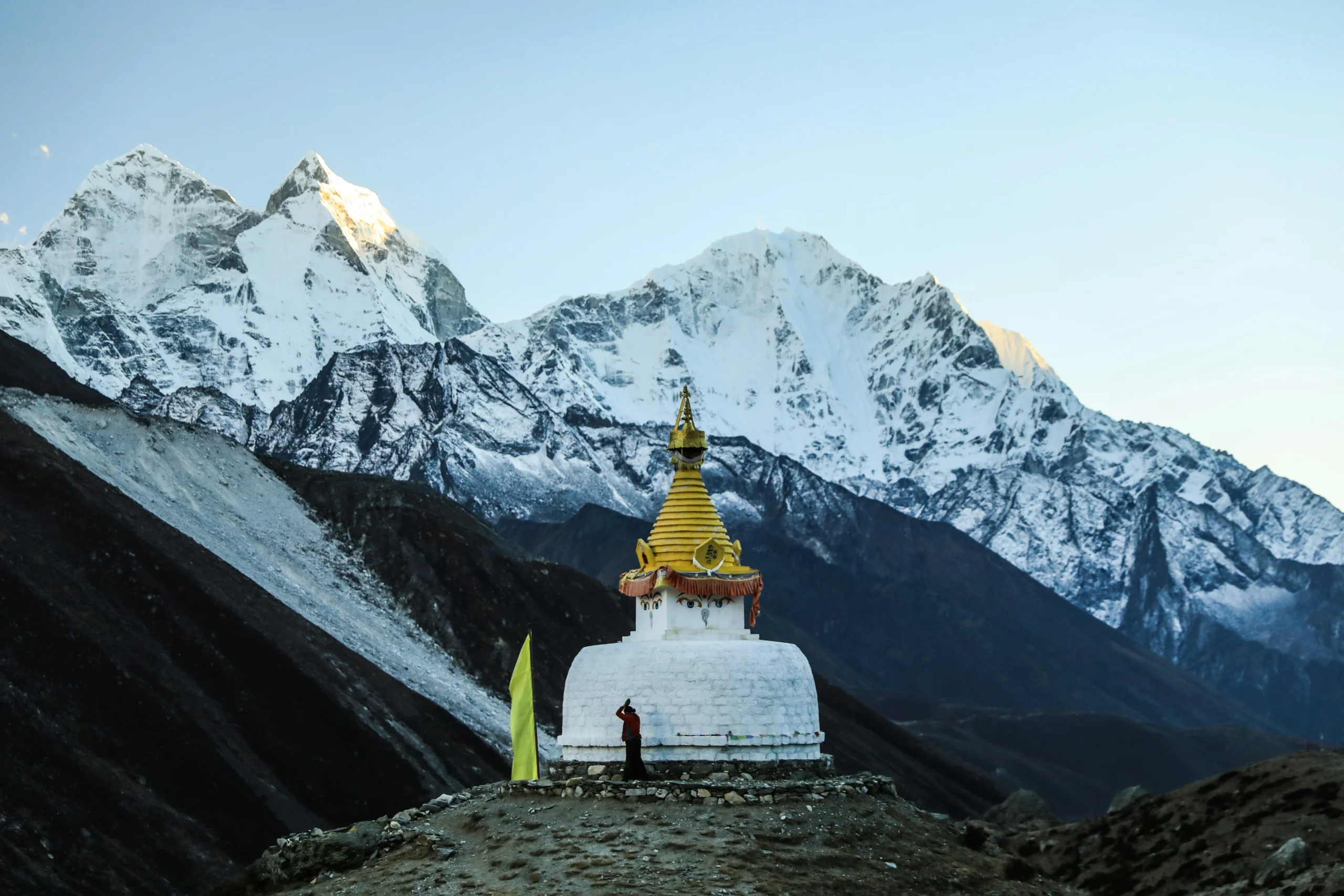
5. Think About the Scenery You Actually Want
Scenery is another major factor when comparing Everest Base Camp Trek Routes.
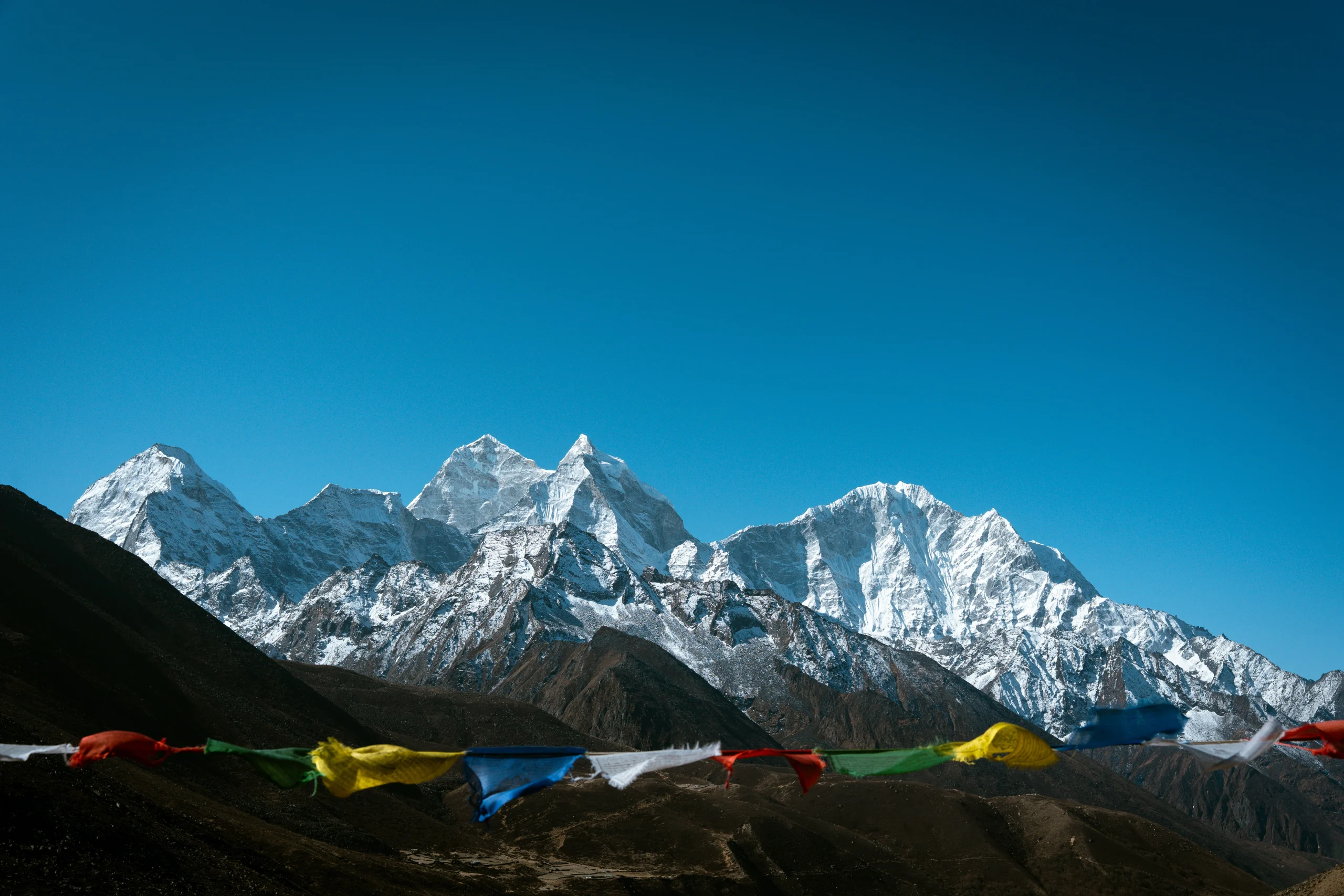
The classic route already provides spectacular Himalayan scenery, including views of peaks such as Ama Dablam, Lhotse, Nuptse, Pumori and Everest. But adding destinations such as Gokyo changes the visual character of the journey.
Gokyo introduces high-altitude lakes, glaciers and different mountain viewpoints. A route involving Cho La Pass adds another high-altitude landscape and makes the journey more varied.
So instead of simply asking, “Which route has the best views?”, ask a more useful question:
What kind of mountain scenery do I want to spend my holiday experiencing?
If your dream is to stand at Everest Base Camp after following the classic Khumbu trail, you may not need additional destinations. If you want your trek to include lakes, high passes and multiple valleys, a longer route may better match your expectations.
Your route determines what you actually get to see.
6. Compare Walking Hours, Not Just Total Trekking Days
Another common mistake when comparing Everest Base Camp Trek Routes is looking only at the total number of days.
Two 14-day itineraries can have very different daily schedules.
One may have relatively balanced walking days, while another may include longer stages. The distance itself is also not the whole story. Terrain, elevation and accumulated fatigue can make a walking day considerably harder than the number of kilometers suggests.
Pay attention to daily walking hours, especially during the higher sections of the trek.
A five-hour walk at a lower altitude does not necessarily feel like a five-hour walk close to 5,000 meters.
Your watch may say five hours. Your lungs may submit a formal complaint.
When comparing Everest Base Camp Trek Routes, look at the complete daily itinerary instead of judging difficulty from the total number of trekking days.

Starts from
USD 1,275
Everest Base Camp Trek- 14 days
The Everest Base Camp trek is not just about getting to the base of the world’s highest mountain. It...
Duration:
14 days
Max altitude:
5,555 meters at Kala Patthar
7. Match the Route With Your Trekking Experience
Your previous trekking experience should also influence your choice.
Someone who regularly hikes long distances and has experience at altitude may be comfortable considering a more demanding itinerary. A person going on their first high-altitude trek may prefer a straightforward route with a carefully planned acclimatization schedule.
That does not mean first-time trekkers cannot go to Everest Base Camp. It simply means the itinerary should match their preparation and expectations.
When comparing Everest Base Camp Trek Routes, consider whether you are comfortable with consecutive walking days, steep uphill sections, cold mornings, basic mountain accommodation and the physical demands of high altitude.
You do not need to choose the hardest route simply because it sounds impressive.
There is no trophy waiting at the finish line for making your holiday unnecessarily difficult.
8. Consider the Season Before Choosing Your Route
Season should be part of the decision before you book any of the Everest Base Camp Trek Routes.
Weather can influence visibility, flight operations and trail conditions. These factors can become even more important when your itinerary includes higher or more demanding sections.
For example, routes involving Cho La Pass require additional consideration because the pass is a high-altitude section where snow and ice can affect trail conditions depending on the season.
The classic Everest Base Camp route may be more straightforward in terms of route planning, but weather can still affect flights and trekking conditions.
So don’t ask only, “Can I do this route?”
Ask, “What conditions might I encounter when I am there?”
That small difference can make your planning considerably more realistic.
9. Find Out What Happens If Your Plan Changes
This is one of the questions people often forget when comparing Everest Base Camp Trek Routes.
Mountain itineraries do not always go exactly according to schedule.
Flights can be delayed. Weather can change. A trekker may need an additional rest day. Someone may experience altitude-related symptoms and need to descend rather than continue upward.
A responsible itinerary should therefore have some flexibility.
Before booking, understand what happens if you cannot follow the original itinerary exactly. Ask about alternative arrangements, additional accommodation, transportation and what support is available if your plan changes.
This becomes particularly important on longer Everest Base Camp Trek Routes involving high passes or multiple valleys.
A route should be treated as a plan, not a contract with the mountain.
10. Compare the Complete Experience
Finally, do not compare Everest Base Camp Trek Routes only by the number of days or the headline price.
Look at what is actually included.
Consider accommodation, meals, transportation, permits, guides, porters, acclimatization days and emergency planning. Also check how the itinerary handles flights and potential changes.
Two packages can use similar route names while offering very different experiences.
For example, one itinerary might focus entirely on reaching Base Camp through the classic trail, while another might include Gokyo Valley, additional acclimatization or helicopter transportation.
The right choice depends on what you value.
If you want a straightforward Everest experience, keep the route simple. If you want more variety and have sufficient time, consider an itinerary covering more of the region.
Which Everest Base Camp Trek Route Is Right for You?
After comparing the different Everest Base Camp Trek Routes, the choice becomes much easier when you identify your main priority.
If you want the traditional journey through the Khumbu, consider the Everest Base Camp Trek. This follows the classic approach through Namche, Tengboche, Dingboche, Lobuche and Gorak Shep before reaching Base Camp.
If you want to combine Everest Base Camp with the famous Gokyo Valley, consider the Everest Base Camp with Gokyo Lake Trek. This gives you a broader experience of the Everest region.
For travelers looking for a more demanding adventure, the Everest Base Camp with Cho La Pass Trek combines Everest Base Camp with Gokyo and the high Cho La Pass.
There are also shorter itineraries for travelers who want to reduce their return walking time. The Everest Base Camp Trek with Heli Return uses helicopter transportation for part of the journey.
Each option answers a different travel priority. That is why choosing Everest Base Camp Trek Routes should begin with your own expectations rather than someone else’s itinerary.
Why Choose Silver Moon Adventure?
Silver Moon Adventure provides different Everest-region trekking options, allowing travelers to compare the classic Everest Base Camp experience with itineraries involving Gokyo, Cho La Pass and helicopter return.
Before booking, discuss your trekking background, available time, preferred pace and expectations with your trekking operator. The more accurately the itinerary matches the traveler, the easier it becomes to prepare for the actual journey.
In Summary
Choosing between Everest Base Camp Trek Routes is ultimately about matching the mountain experience with the person taking the journey.
Start with your available time, then look at acclimatization, sleeping altitude, walking hours, terrain and season. After that, decide whether you want the classic Everest Base Camp experience or a broader journey through Gokyo and the high passes.
The most important question is not “Which route looks the most impressive?”
It is:
“Which route fits my time, experience and expectations?”
Once you answer that, comparing Everest Base Camp Trek Routes becomes much simpler.
FAQs About Everest Base Camp Trek Routes
1. What are the main Everest Base Camp Trek Routes?
The main Everest Base Camp Trek Routes include the classic Everest Base Camp trail, Gokyo combinations, routes involving Cho La Pass and itineraries that use helicopter transportation for part of the journey.
2. How do I choose the right Everest Base Camp Trek Route?
Compare your available time, trekking experience, fitness, preferred scenery, acclimatization schedule, walking hours and comfort with high-altitude terrain.
3. Is the classic Everest Base Camp route suitable for first-time trekkers?
It can be suitable for properly prepared trekkers, but altitude should always be taken seriously. A sensible itinerary with gradual elevation gain and acclimatization is important.
4. Are longer Everest Base Camp Trek Routes better?
Not necessarily. Longer routes can provide additional scenery and acclimatization opportunities, but they may also involve more walking and higher physical demands.
5. What is the highest point on the Everest Base Camp trek?
Everest Base Camp is at 5,364 meters. Some itineraries also include Kala Patthar, which reaches approximately 5,555 meters.
6. How many days are needed for Everest Base Camp?
The duration depends on the itinerary. A classic Everest Base Camp trek commonly takes around two weeks, while Gokyo and high-pass itineraries generally require more time.
7. Is the Gokyo route part of the Everest Base Camp Trek Routes?
Yes. Some itineraries combine Gokyo Valley with Everest Base Camp, allowing trekkers to experience more of the Everest region during one journey.
8. Is Cho La Pass difficult?
Cho La Pass is a high-altitude section and can make an itinerary considerably more demanding than the classic route. Conditions can also vary depending on weather and season.
9. What should I compare before booking?
When comparing Everest Base Camp Trek Routes, examine the daily itinerary, acclimatization schedule, sleeping elevations, walking hours, accommodation, transportation, support, permits and contingency arrangements.
10. Can Everest Base Camp Trek Routes be customized?
Some itineraries can be adjusted according to available time, trekking experience, preferred destinations and transportation requirements. Discuss customization with your trekking operator before booking.

Similar Blogs
View all
13/10/2026
Manaslu Circuit Trek After the October 2026 Floods: Trail Conditions, Safety and Travel Updates
The Manaslu Circuit Trek is one of Nepal’s most rewarding Himalayan journeys, taking trekkers through traditional...
Read more
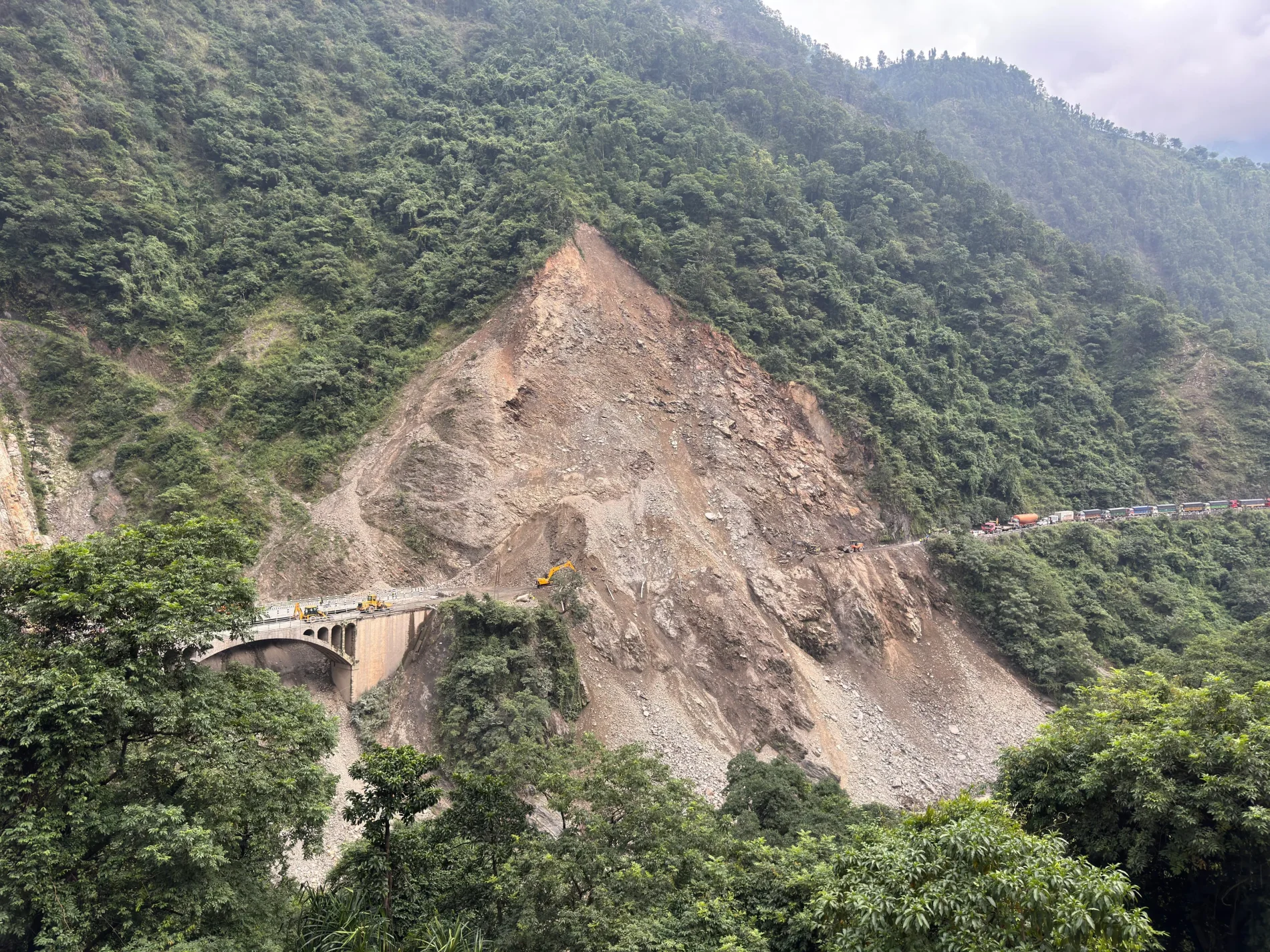
13/10/2026
Your Nepal Trek Is Booked, but the Trail Is Closed: What Now?
Imagine arriving in Nepal with your trekking boots ready, your flights booked, your bags packed, and...
Read more