


Everest Base Camp Accommodation
Share:
 Read Time
This blog has 2703 words .This blog has 17814 characters.This blog take 9 minutes to read.
When planning the Everest Base Camp Trek, one of the common questions travelers have is, “Where will I sleep during the trek?” Unlike a city tour, an Everest Base Camp journey takes you through remote mountain villages where accommodation is designed around the needs of trekkers.
Everest Base Camp accommodation mainly consists of teahouses and mountain lodges. These provide a bed, basic facilities, dining areas and a place to rest after a long day of walking. However, the experience changes as you gain altitude. While villages such as Lukla and Namche Bazaar offer a wider choice of accommodation and facilities, places such as Lobuche and Gorak Shep are much more basic.
Understanding what to expect before your trek can help you pack properly and prepare for the conditions. Although the facilities are simple, staying in local teahouses is also an important part of experiencing the culture and atmosphere of the Khumbu region.
What Is Everest Base Camp Accommodation Like?
The standard accommodation on the Everest Base Camp Trek is a teahouse or mountain lodge. These are generally locally operated establishments that provide rooms and meals for trekkers.
Most rooms are simple and practical. Twin-sharing rooms are common, with two beds, mattresses, pillows and blankets. At lower elevations, some lodges offer more facilities, while accommodation becomes increasingly basic as the trail climbs higher.
The main dining room is often the warmest part of the lodge. Trekkers gather there in the evening to eat, talk and warm themselves around a central stove or heater.
Therefore, you should think of EBC accommodation as comfortable mountain shelter rather than luxury accommodation. The purpose is to give trekkers a safe and convenient place to sleep, eat and recover between walking days.
Types of Accommodation on the Everest Base Camp Trek
Teahouses
Teahouses are the most common form of accommodation along the Everest Base Camp route.
Many are family-run businesses that have been serving trekkers for years. A typical teahouse includes private or twin-sharing bedrooms, a dining room and basic bathroom facilities.
Some teahouses are quite comfortable at lower elevations, while those at higher elevations tend to have fewer facilities.
Mountain Lodges and Guesthouses
You will also find lodges and guesthouses along the route. The terminology can vary, but they generally provide similar services to teahouses.
The quality and facilities can differ between properties. Some may have attached bathrooms or better common areas, while others provide very basic rooms and shared facilities.
Hotels in Kathmandu and Lukla
Accommodation before and after the trek is different from accommodation on the trail.
In Kathmandu, trekkers can choose from a wide range of hotels. Lukla also has a selection of hotels, lodges and guesthouses, and facilities are generally more developed than in the higher villages.
Once you begin climbing deeper into the Khumbu, however, the accommodation becomes much more focused on basic trekking needs.
Everest Base Camp Accommodation by Village
Accommodation changes considerably as you move from the lower Khumbu toward Everest Base Camp.
Lukla Accommodation
Lukla is usually the starting or ending point for the classic EBC trekking itinerary.
Because it is an important gateway to the Everest region, there are several hotels, lodges and guesthouses. Trekkers can generally find more comfortable rooms and facilities here than at higher elevations.
It is often a useful place to rest before beginning the trek or after completing the journey.
Phakding Accommodation
Phakding is one of the first major overnight stops after Lukla.
There are several teahouses and lodges in the area, offering basic rooms and dining facilities. Since Phakding is at a relatively lower elevation, accommodation can feel more comfortable compared with the higher villages.
The village also provides an early opportunity to experience the traditional teahouse atmosphere of the Everest region.
Namche Bazaar Accommodation
Namche Bazaar is one of the largest settlements along the Everest Base Camp route and offers a wider range of accommodation.
You can find numerous teahouses, lodges and guesthouses, with facilities generally better developed than farther up the trail. Some properties offer private rooms and additional amenities.
Namche is also an important acclimatization stop. Therefore, trekkers commonly spend extra time here rather than simply passing through.
Tengboche Accommodation
Tengboche is known for its famous monastery and spectacular mountain surroundings.
Accommodation options are more limited than in Namche Bazaar, but trekkers can still find teahouses and lodges for overnight stays.
The environment is quieter and more remote, and nights can be considerably colder. Rooms are generally simple, while the dining area provides a place for trekkers to relax after the day’s walk.
Dingboche Accommodation
Dingboche is another important acclimatization location on the EBC route.
Several teahouses operate here, providing basic rooms and dining facilities. Because of the altitude, temperatures can drop significantly after sunset.
Trekkers often spend an additional night in Dingboche to allow their bodies to adjust to the increasing altitude.
Lobuche Accommodation
Lobuche is located at a significantly higher elevation, and accommodation becomes noticeably more basic.
There are fewer lodges compared with lower villages, and rooms are generally simple. During busy trekking periods, the available accommodation can become crowded.
The cold conditions also make the common dining area particularly important because it provides a warmer place to spend the evening.
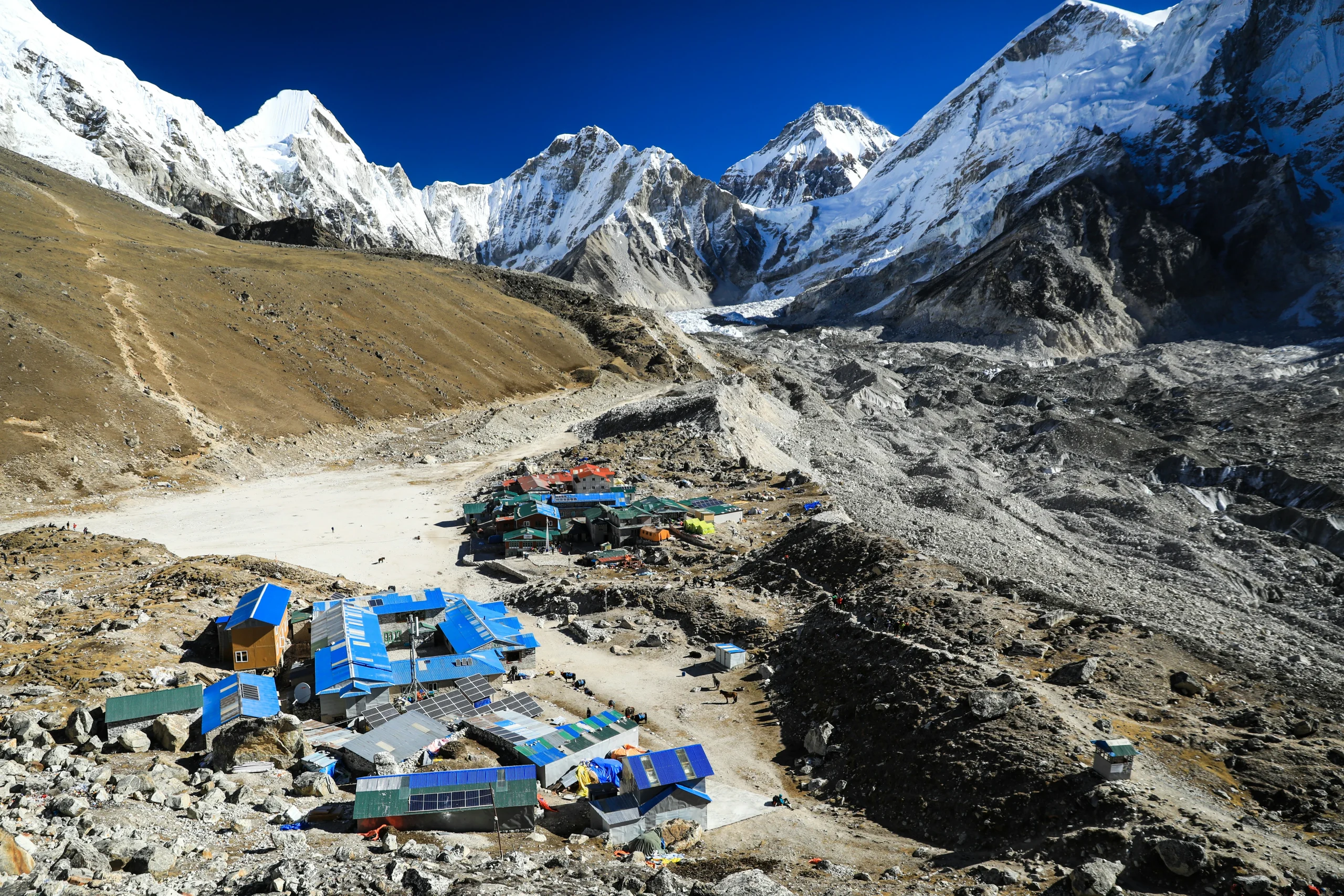
Gorak Shep Accommodation
Gorak Shep is one of the highest overnight settlements on the standard Everest Base Camp trekking route.
Accommodation here is very basic compared with what travelers may be accustomed to at lower elevations. There are fewer lodges, rooms are simple, and facilities are limited.
Because of the altitude and cold temperatures, trekkers should be properly prepared with warm clothing and a suitable sleeping bag.
Gorak Shep is normally used as the overnight base for the visit to Everest Base Camp.
Can You Stay Overnight at Everest Base Camp?
For a standard Everest Base Camp trekking itinerary, trekkers generally do not stay overnight at Everest Base Camp.
Instead, Gorak Shep is normally the final overnight settlement before visiting Base Camp.
A typical schedule involves walking from Gorak Shep to Everest Base Camp during the day, spending some time at Base Camp, taking photographs and enjoying the surroundings, and then returning to Gorak Shep for the night.
This distinction is important because the name of the trek can sometimes make travelers assume that accommodation is available directly at Base Camp. Standard trekking itineraries do not normally work that way.
What Are the Rooms Like on the EBC Trek?
Rooms on the Everest Base Camp route are generally simple.
A typical room may contain:
- Two single beds
- Mattress
- Pillow
- Blankets
- Basic bedside or storage space
Twin-sharing is common, although room arrangements vary between lodges.
At lower elevations, some accommodation may offer private rooms with additional facilities. However, as you climb higher, rooms generally become smaller and more basic.
Heating is another important difference. Bedrooms are usually not heated like hotel rooms. The dining room is often the main heated or warm communal area.
Therefore, a warm sleeping bag is an important part of your trekking equipment.
Are Bathrooms Private or Shared?
Bathroom facilities depend on the lodge and altitude.
At lower elevations, some teahouses and lodges may offer rooms with attached bathrooms or more comfortable bathroom facilities.
Higher on the trail, shared bathrooms become increasingly common. Facilities are basic, and trekkers should not expect the same standards found in city hotels.
Hot showers may be available in many places, although they can cost extra and become less readily available as you gain altitude.
It is useful to carry basic toiletries, toilet paper and hand sanitizer so that you are prepared regardless of the facilities available at your lodge.
Are Hot Showers Available on the Everest Base Camp Trek?
Hot showers are available at many teahouses, particularly in lower villages.
However, they should not be considered unlimited or guaranteed throughout the entire trek.
Depending on the location, a lodge may provide:
- Hot shower
- Gas-heated shower
- Solar-heated water
- Bucket shower
Hot water becomes more difficult to provide at higher elevations because of the remote environment and limited resources.
For this reason, many trekkers choose to shower less frequently at higher elevations and focus on staying warm and comfortable.
Is Wi-Fi and Electricity Available?
Connectivity and electricity are available along much of the Everest Base Camp route, but the quality and reliability can vary.
Wi-Fi
Many teahouses offer Wi-Fi, particularly in larger villages such as Namche Bazaar.
However, the connection can become slower or less reliable as you move toward higher elevations. It is better to treat internet access as a useful extra rather than something you can depend on continuously.
Electricity
Electricity is available at many lodges, and trekkers can often charge their phones, cameras and other electronic devices.
Charging may involve an additional fee, particularly at higher elevations.
Carrying a power bank is therefore a good idea, especially if you are using your phone for photography, navigation or communication.
What Is the Dining Area Like?
The dining room is an important part of Everest Base Camp accommodation.
After spending several hours walking, trekkers usually gather in the dining area for meals and conversation. In many teahouses, the dining room has a central stove or heating system that provides warmth during the colder evenings.
Menus vary between lodges, but trekkers can generally find a combination of Nepali and international meals.
Common options include:
- Dal bhat
- Noodles
- Pasta
- Soup
- Rice
- Eggs
- Bread
- Potatoes
- Tea and coffee
The dining room is often more than simply a place to eat. It becomes a shared space where trekkers from different countries meet and exchange stories from the trail.
How Cold Are the Rooms?
The temperature depends heavily on altitude, weather and time of year.
At lower elevations, nights can be cold but are generally more manageable. As you move toward Lobuche and Gorak Shep, temperatures can become much colder, particularly after sunset.
Bedrooms generally have limited or no heating, while the dining room may have a central stove.
This is why proper layering and a quality sleeping bag are important. Even when blankets are provided, having your own warm sleeping system can make a significant difference to your comfort.
What Should You Bring for Everest Base Camp Accommodation?
You do not need to carry everything you would take to a hotel. However, a few items can make teahouse accommodation considerably easier.
Sleeping bag
A good sleeping bag is one of the most important items for higher elevations.
Sleeping bag liner
A liner can provide additional warmth and help keep your sleeping bag clean.
Headlamp
Power interruptions and dark corridors can make a headlamp useful, particularly when getting up early for a trekking day.
Power bank
Useful for charging phones and cameras when electricity is unavailable or limited.
Universal adapter
Helpful if you are carrying several electronic devices.
Earplugs
Teahouses are shared environments, so earplugs can be useful when other trekkers wake up early or return late.
Toiletries
Carry your basic personal hygiene products, including a small towel, toothbrush, toothpaste and hand sanitizer.
Toilet paper and tissues
It is useful to carry your own supply because availability can vary.
Warm socks
Keeping your feet warm at night is particularly important at higher elevations.
Tips for Staying in Everest Base Camp Teahouses
A few simple habits can make your accommodation experience much easier.
1. Carry a good sleeping bag.
Even when blankets are available, temperatures can be very low at higher elevations.
2. Charge your devices whenever possible.
Do not wait until your phone or camera battery is completely empty.
3. Keep a power bank with you.
It provides useful backup when charging opportunities are limited.
4. Carry some cash.
Additional services such as hot showers, Wi-Fi and charging may involve separate payments.
5. Keep your valuables with you.
Avoid leaving important documents, money or electronics unattended.
6. Respect shared spaces.
Dining rooms and bathrooms are shared by many trekkers, so keeping them clean and respecting other guests is important.
7. Prepare for simple facilities.
The higher you go, the more basic the accommodation becomes.
8. Keep warm at night.
Use layers, warm socks and your sleeping bag rather than relying on room heating.
9. Carry basic toiletries.
Being prepared means you are less dependent on what is available at individual lodges.
10. Be flexible.
Accommodation standards and availability can vary depending on weather, season and trekking traffic.
Why Choose Silver Moon Adventure for Your Everest Base Camp Trek?
Accommodation is an important part of planning an Everest Base Camp journey, especially because the facilities change as the trail gains altitude.
Silver Moon Adventure can arrange appropriate accommodation according to the trekking itinerary, including overnight stops in the main villages along the route. Proper planning also means considering acclimatization days, walking distances and the availability of suitable lodges.
For international trekkers, having local support can make the process easier, from coordinating accommodation and transportation to providing guide support throughout the journey.
In Summary
Everest Base Camp accommodation is simple, practical and closely connected to the experience of trekking through the Khumbu region. Teahouses and mountain lodges provide the main form of accommodation, with twin-sharing rooms, dining areas and basic facilities.
The standard of accommodation generally changes with altitude. Lukla and Namche Bazaar offer more choices and facilities, while Tengboche, Dingboche, Lobuche and Gorak Shep become progressively more basic. Bathrooms may be shared, hot showers can be limited, and Wi-Fi and electricity may not always be reliable.
Most importantly, trekkers should remember that Everest Base Camp itself is normally visited as a day excursion, with Gorak Shep serving as the usual overnight base.
With a warm sleeping bag, suitable clothing and realistic expectations, staying in Everest’s mountain teahouses can become an enjoyable and memorable part of the journey.
Frequently Asked Questions
1. What type of accommodation is available on the Everest Base Camp trek?
Teahouses, mountain lodges and guesthouses are the main forms of accommodation on the Everest Base Camp route. The facilities vary depending on the village and altitude.
2. What are Everest Base Camp teahouses like?
Teahouses are generally simple, locally operated accommodations offering bedrooms, dining areas and basic bathroom facilities.
3. Are private rooms available on the EBC trek?
Private rooms are available at some lodges, particularly in lower settlements. However, availability can be limited at higher elevations and during busy trekking periods.
4. Do Everest Base Camp teahouses have bathrooms?
Yes. Teahouses have bathroom facilities, although the type and standard vary. Shared bathrooms become more common at higher elevations.
5. Are bathrooms shared on the Everest Base Camp trek?
Shared bathrooms are common, particularly in higher-altitude villages. Some lower-altitude lodges may have rooms with private bathrooms.
6. Can you take a hot shower on the EBC trek?
Hot showers are available at many teahouses, but they may cost extra and become less available as you gain altitude.
7. Is Wi-Fi available at Everest Base Camp teahouses?
Many teahouses provide Wi-Fi, but connection quality varies and can become less reliable at higher elevations.
8. Can I charge my phone on the Everest Base Camp trek?
Charging facilities are available at many lodges. However, charging may cost extra, and electricity can be limited in some locations.
9. Do I need a sleeping bag for the EBC trek?
Yes. A suitable sleeping bag is strongly recommended because rooms can become very cold, particularly at higher elevations.
10. Where do you sleep before reaching Everest Base Camp?
Gorak Shep is normally the final overnight accommodation point before trekkers visit Everest Base Camp.
11. Can you stay overnight at Everest Base Camp?
Standard Everest Base Camp trekking itineraries generally do not include overnight accommodation at Base Camp. Trekkers usually return to Gorak Shep after visiting Base Camp.
12. What is accommodation like in Gorak Shep?
Gorak Shep accommodation is very basic compared with lower villages. Rooms are simple, facilities are limited and temperatures can be very cold.
13. Is accommodation included in an Everest Base Camp trekking package?
This depends on the trekking package and operator. Travelers should check the itinerary and inclusions carefully before booking.
14. Should I book Everest Base Camp accommodation in advance?
Advance planning is useful, particularly during busy trekking periods. Organized treks can arrange accommodation as part of the itinerary.
15. Is Everest Base Camp teahouse accommodation comfortable?
Teahouses are comfortable in the context of a high-altitude trek, but they should not be compared with luxury hotels. Facilities become increasingly basic as you climb higher.

Similar Blogs
View all
18/09/2026
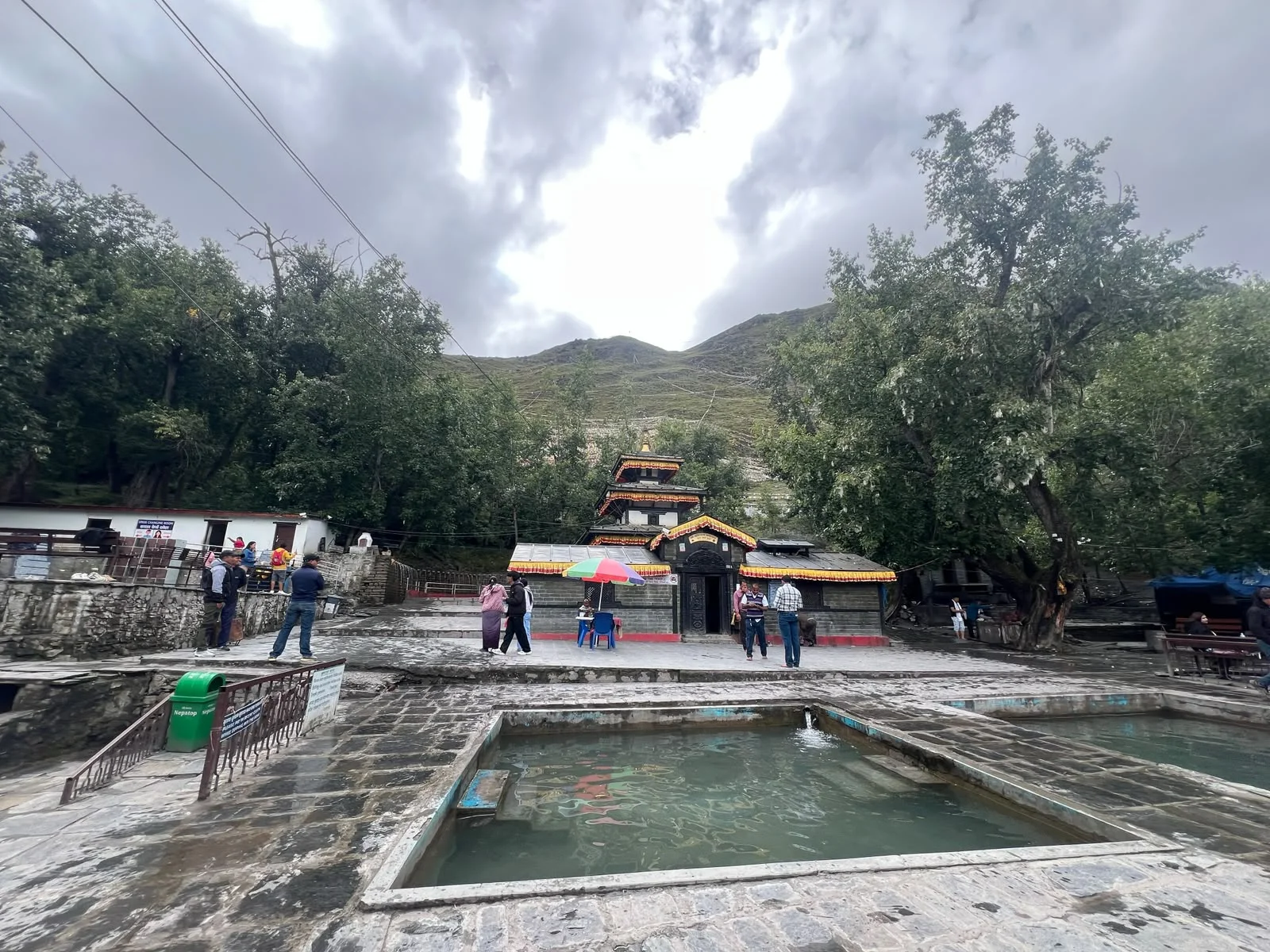
Discover Muktinath Yatra: Spiritual Journey in the Mustang Region
Muktinath Temple is one of the most famous religious and cultural destinations in Nepal, located in...
Read more
18/09/2026
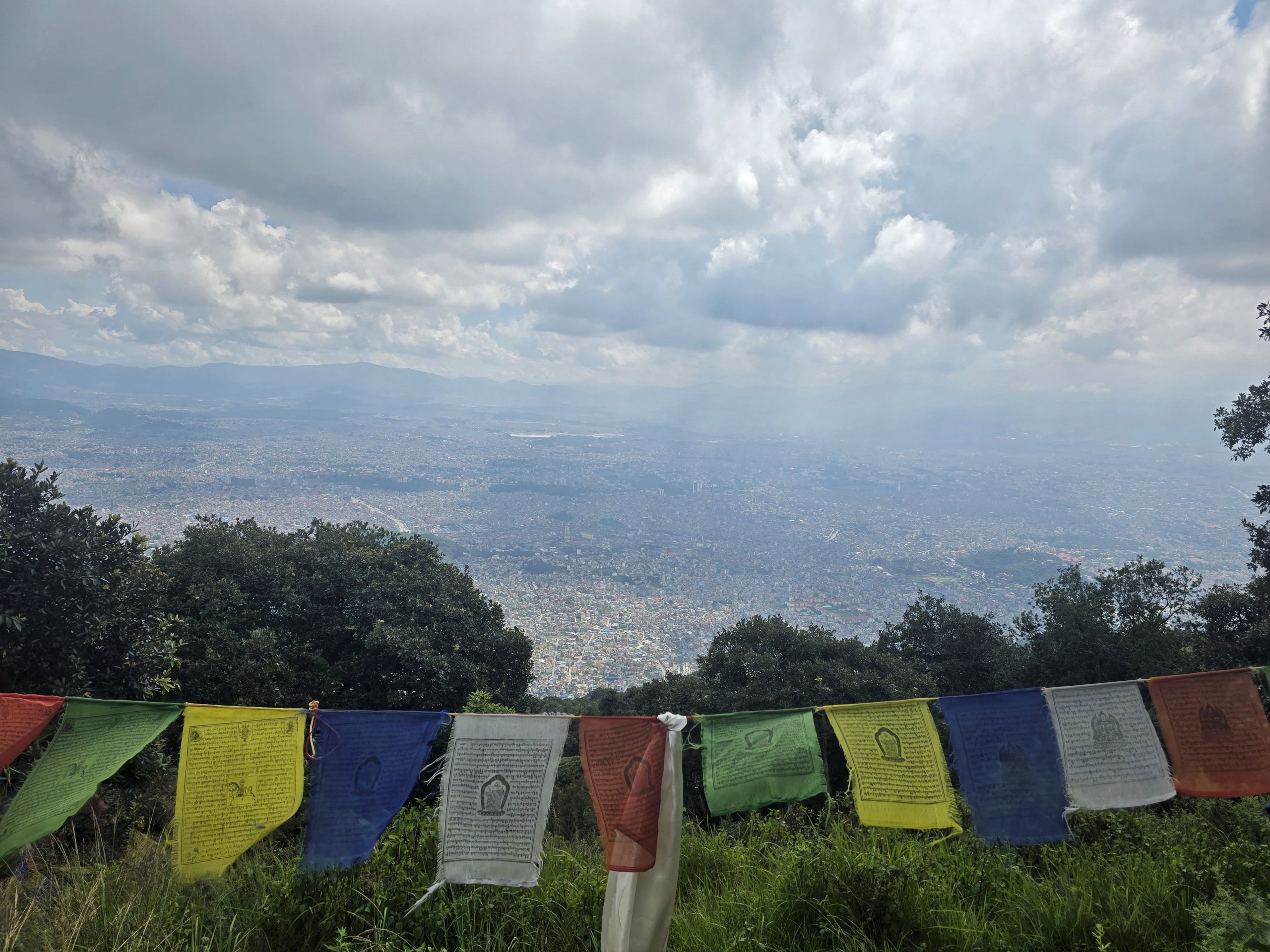
New Year in Nepal 2027: A Complete Travel Guide for Foreign Visitors
New Year in Nepal 2027 offers foreign travelers a unique chance to welcome the beginning of...
Read more


