

7 Best Spring Treks in Nepal: Complete Guide for March, April & May – Silver Moon Adventure and Tours.
Share:

 Read Time
This blog has 5735 words .This blog has 35089 characters.This blog take 19 minutes to read.
Spring really is the best time for trekking in Nepal everything just comes alive. Picture yourself on the trails from March to May: the weather’s just right, the mountain views are crisp, and rhododendron forests explode into color. The air feels fresh, and the landscapes are vibrant. Whether you’re winding through Annapurna, Langtang, Everest, or Manaslu, the scenery looks almost unreal under those clear spring skies.
Most trekkers pick spring because the weather stays steady. The days are warm, the nights are cool but not freezing up high, and there’s barely a cloud in the sky. You can walk longer, see the Himalayas in full glory, and you don’t have to worry much about rain or snow messing with your plans.
Rhododendrons are everywhere — hills blanketed in pinks, reds, and purples. In regions like Annapurna, Langtang, and Everest, you can’t help but stop and stare. And it’s not just the flowers; spring skies make those famous peaks like Everest, Annapurna, Dhaulagiri, and Langtang Lirung look even more dramatic.
Trekking in spring isn’t just about nature. You’ll wander through mountain villages and get a taste of local life — the food, the monasteries, the warm, genuine hospitality. With comfortable weather, you naturally spend more time soaking in the culture.
At Silver Moon Adventure, we plan our spring trekking packages to blend adventure, safety, and authentic Himalayan moments. Whether you want the classic Everest Base Camp route, dream of Annapurna Base Camp, or prefer the quieter Langtang Valley, spring gives you the best chance to experience Nepal’s wild and welcoming spirit.
So if you’re thinking about trekking, spring is the season you want. The mountains are clear, the air is mild, and the landscapes are unforgettable. Whether you’re new to trekking or already hooked, Nepal’s spring trails offer something special.
Top 7 Spring Treks in Nepal
Spring is the busiest trekking season here thousands arrive just for the magic of the Himalayas. March, April, and May are steady, skies clear up, and the rhododendrons make the hills glow like natural gardens. It’s hard not to be awestruck by the snowy peaks, wildlife, and the real Himalayan culture as you walk.
Doesn’t matter if it’s your first trek or your tenth. Spring has something for everyone. Some trails are gentle and scenic, perfect if you want an easy start. Others are tougher, with high passes and remote valleys for those who want a challenge. Each route has its own story; pick based on how fit you feel, how much time you have, and what grabs your interest.
The best spring treks mix mountain views, authentic villages, ancient monasteries, thick forests, glacial rivers, and cultural surprises. From the legend of Everest Base Camp to the quiet Langtang Valley or the hidden world of Upper Mustang, every journey is different.
And at Silver Moon Adventure, we go out of our way to make things safe and unforgettable, no matter your experience. Our local guides know the routes inside out, and we keep itineraries flexible so you get what you came for.
Here are seven spring treks in Nepal that stand out for scenery, flowers, and the pure thrill of hiking in the Himalayas.
Everest Base Camp Trek – The Ultimate Spring Adventure
If you’re looking for a dream trek, Everest Base Camp trek in spring is it. Imagine walking to the foot of the highest mountain in the world with perfect weather and clear views. March through May, Everest and its neighbors — Lhotse, Nuptse, Ama Dablam — all show off. The views just won’t quit.
Visibility is fantastic this time of year. The high-altitude trail is tough, but spring weather makes everything safer and so much more fun. You pass through valleys, over wild rivers, and through Sherpa villages surrounded by peaks that look almost painted.
What makes this trek special isn’t just the mountains; it’s the Sherpa culture. Stop by ancient monasteries like Tengboche, chat with locals, and see how life flows in the shadow of Everest. And with forests blooming and landscapes full of color, every day feels fresh.
Your adventure starts with a flight from Kathmandu to Lukla, then you trek through villages like Namche Bazaar, Tengboche, and Gorak Shep before hitting Base Camp itself (5,364 m). If you’re up for sunrise views, Kala Patthar is a must.
Our EBC package focuses on safety and unforgettable memories. We team you up with experienced guides and build in time to acclimatize, so you can truly enjoy the Himalayan magic. Whether you live for mountains or you’re just curious, EBC in spring is a mix of thrill, beauty, and culture.
Why spring Everest Base Camp Trek stands out:
- Stand under Everest at Base Camp (5,364 m).
- Catch sunrise from Kala Patthar (5,545 m) — you won’t forget it.
- Meet Sherpas and get a real taste of their traditions.
- See monasteries like Tengboche, surrounded by mountains.
- Namche Bazaar buzzes with energy and stories.
- Walk through rhododendron forests and Sagarmatha National Park.
- Snap the best photos of Everest, Ama Dablam, Lhotse, Thamserku, and Island Peak.
- Try that thrilling flight between Kathmandu and Lukla.

Starts from
USD 1,275
Everest Base Camp Trek- 14 days
The Everest Base Camp trek is not just about getting to the base of the world’s highest mountain. It...
Duration:
14 days
Max altitude:
5,555 meters at Kala Patthar
Annapurna Base Camp Trek – Chasing Color Through Rhododendron Forests
The Annapurna Base Camp Trek is really something else in spring. You walk right into the heart of the Annapurna region, weaving through villages, endless rhododendron forests, and open vistas. March to May, flowers turn the trails into a living tapestry — and the weather is just right for big views, especially of Annapurna I, Machhapuchhre (Fishtail), Hiunchuli, and Gangapurna.
You start in gentle hills, pass through villages like Ghandruk, Chhomrong, and Bamboo, and the local Gurung and Magar people welcome you into their homes and traditions. Higher up, you leave the fields behind for raw mountain valleys surrounded by giants.
Reaching Base Camp feels big — you’re surrounded by a ring of Himalayan peaks. Sunrises and sunsets up there are legendary.
ABC isn’t just for hardcore trekkers, either; if you’ve got a decent fitness level, spring makes it manageable and fun. Beyond landscapes, you get local culture, mountain food, and stories you won’t find elsewhere.
Our Annapurna Base Camp route is designed for comfort, safety, and plenty of time to really explore — led by guides who know the area deeply.
Highlights of Annapurna Base Camp Trek in Spring:
- Stand at Base Camp, circled by mountains.
- Watch the sun hit Annapurna I, Fishtail, Hiunchuli, and Gangapurna.
- Walk through forests blanketed with rhododendrons.
- Experience the Gurung and Magar way of life.
- Ghandruk — a village with heart and views.
- Peaceful sanctuary vibes at the top.
- Sunrise and sunset — more than just Instagram moments.
- Wrap your trek in diverse terrain and plenty of good food.

Starts from
USD 665
Annapurna Base Camp Trek via Poon Hill – 12 days
The Annapurna Base Camp Trek via Poon Hill is the kind of journey that unfolds naturally over time. This...
Duration:
12 days
Max altitude:
4,130 meters at Annapurna Base Camp
Langtang Gosaikunda Trek – Mixing Sacred Lakes and Spring Snow
Langtang Gosaikunda Trek balances mountain scenery, holy lakes, and village culture — right near Kathmandu, but a world apart. In spring, rhododendrons and greenery make the landscapes pop, and you get clear mountain views.The route takes you through Langtang National Park — forests, rivers, and wildlife everywhere. Walk through villages like Syabrubesi, Lama Hotel, Langtang Village, and Kyanjin Gompa. Everywhere, you’ll meet Tamang and Sherpa communities who live life deep in the mountains.Gosaikunda Lake (4,380 m) is the heart of the trek. Surrounded by snowy peaks, it’s a spiritual place for Hindus and Buddhists. You also cross Lauribina La Pass (4,610 m), a spot for jaw-dropping panoramas.Spring makes everything friendlier: flowers in bloom, mild temperatures, clear skies. The trek isn’t crazy tough you need some fitness, but most can handle it.We plan Langtang Gosaikunda treks with local guides who keep things safe and smooth, so you can focus on the natural beauty and local culture.
Highlights of Langtang Gosaikunda Trek
- Gosaikunda Lake — spiritual and stunning.
- Forests painted with rhododendron blooms.
- Views of Langtang Lirung, Ganesh Himal, Dorje Lakpa, and more.
- Tamang and Sherpa culture felt in every village.
- Lauribina La Pass for wide-open vistas.
- Langtang National Park — peaceful trails, wildlife, greenery.
- Kyanjin Gompa and Langtang Valley for time out and meditation.
- Comfortable walks and clear days.

Starts from
USD 790
Langtang Gosainkunda Trek- 14 days
The Langtang Gosainkunda Trek is one of the most beautiful and diverse trekking experiences in Nepal. This 14-day Himalayan...
Duration:
14 days
Max altitude:
4,800m at Kyanjin Ri
Annapurna Circuit Trek – Classic Spring Loop Through the Himalayas
The Annapurna Circuit is a classic, and spring adds a fresh twist. From lush valleys to dry high-altitude deserts, you see nature in full bloom, with flowers and greenery everywhere.
Why is spring ideal? The temperatures stay mild, the skies stay blue, and the Himalayan views — Annapurna I, Dhaulagiri, Manaslu, Fishtail, Tilicho Peak — are epic. You start low in green hills, pass villages like Chame, Pisang, Manang, and Muktinath, and gradually move into the wilderness.
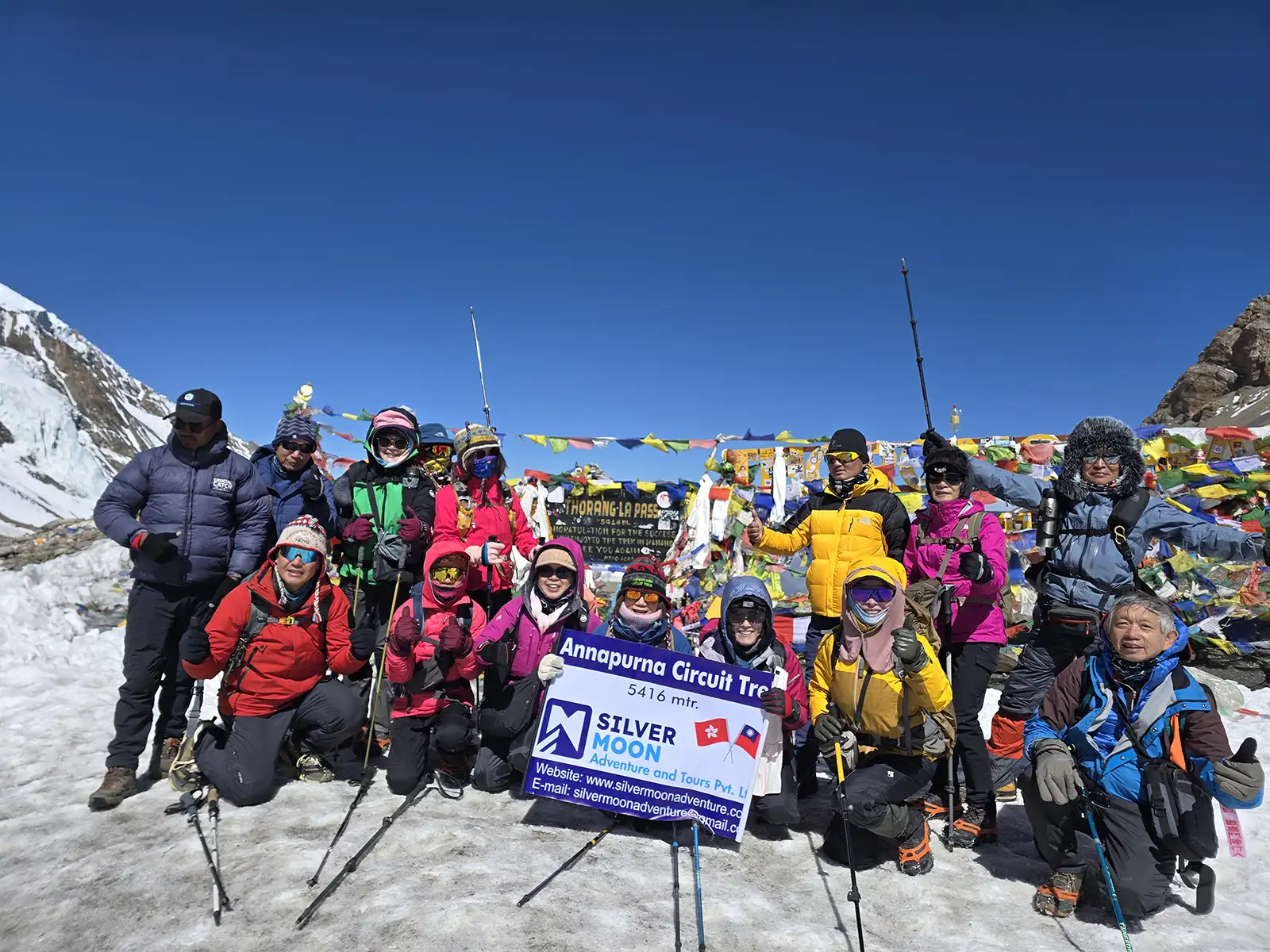
The showstopper is the Thorong La Pass (5,416 m), one of the highest in the world. Climbing up, you’ll catch sweeping views across snowy ridges. Down in Muktinath, you’ll find the famous temple revered in both Hindu and Buddhist faiths.
The circuit is challenging — altitude and distance — but spring makes it manageable. If you want the full Himalayan experience, mixing rugged nature and unique cultures, this is the trek.We put careful planning and guide expertise into our Annapurna Circuit packages to make sure you get a safe, unforgettable journey.
Annapurna Circuit trek highlights in spring:
- Thorong La Pass — high altitude glory.
- Stunning mountain views (Annapurna, Dhaulagiri, Manaslu, Fishtail, Tilicho Peak).
- Trails alive with spring growth and flowers.
- Village life from Manang to Pisang, Chame, Muktinath.
- Distinct cultures (Gurung, Manangi, Tibetan influence).
- Sacred sites, rivers, forests, and tough but beautiful landscapes.
Starts from
USD 740
Annapurna Circuit Trek – 13 days
The Annapurna Circuit is one of the most popular trekking routes in Nepal. It is perfect for people who...
Duration:
13 days
Max altitude:
5,416m at Thorong La Pass
Manaslu Circuit Trek – For Those Seeking Remote, Authentic Adventure
Manaslu Circuit is a quieter, wilder trek, wrapping around Nepal’s eighth-highest peak. Spring here means uncrowded trails, forests full of flowers, and clear views. The route winds through the Manaslu Conservation Area, past villages like Soti Khola, Namrung, Samagaun, and Samdo — where cultures blend Gurung and Tibetan influences.
The biggest challenge, and highlight, is crossing Larkya La Pass (5,106 m). It’s a long, dramatic pass with views that sum up what trekking in Nepal is all about: high peaks, glaciers, deep valleys, ancient Buddhist monasteries.
Though the Manaslu Circuit is tough — remote terrain, altitude — spring’s steady weather makes all the difference. You get open skies, comfortable temperatures, and scenery that feels untouched.Our package focuses on safety, acclimatization, and authentic local encounters, led by expert guides.
Why spring Manaslu Circuit stands out:
- Trek near Mount Manaslu (8,163 m).
- Larkya La Pass — wild and panoramic.
- Quiet trails with fewer trekkers.
- Blend of Gurung and Tibetan culture, ancient monasteries.
- Forests, rivers, glaciers, remote landscapes.
- Best time for adventure and discovery.

Starts from
USD 1,149
Manaslu Circuit Trek – 14 days
The Manaslu Circuit Trek is one of the most beautiful and adventurous trekking journeys in Nepal. This incredible Himalayan...
Duration:
14 days
Max altitude:
5,160m at Larkya La Pass
Mardi Himal Trek – Quick, Scenic, and Full of Spring Color
Mardi Himal is ideal if you want a short journey with killer mountain views. You’re in the Annapurna region, on gentle but scenic trails, perfect for those with less time. March to May, rhododendrons bloom, skies stay clear, and even a few days on the trail feel special.
asdadassdasdsadsadasdsdsadadNo matter which trek you pick, spring in Nepal lets you see the real Himalayas: wild, colorful, full of culture, and unforgettable.
The Mardi Himal Trek sweeps you through lush forests, quiet mountain trails, and the heart of traditional villages. All the while, the Annapurna mountains loom in the distance — pretty hard to beat, scenery-wise. What really sets this trek apart is how peaceful it feels. Unlike the busier trails, Mardi Himal stays calm, so you can actually breathe, soak in the views, and listen to the silence of the hills.
The big moment comes when you hit Mardi Himal Base Camp, up at 4,500 meters. From here, you’ll stand right beneath Mardi Himal and Machhapuchhre (also called “Fishtail”) — both seriously stunning. If you climb to the upper ridge, get ready: you’ll see Annapurna South, Hiunchuli, Machhapuchhre, and Annapurna I spread out in a massive panoramic view. Spring sunrises and sunsets from here? Absolutely unforgettable.
This trek isn’t one of those month-long marathons. It’s short, but it packs a punch. You’ll walk through changing environments: green forests and terraced fields at first, then you’ll break out above the trees into alpine meadows and those huge, open mountain vistas. The walk isn’t too technical and suits anyone reasonably fit, from first-timers after a challenge to seasoned trekkers just looking to unwind in the Himalayas.
At Silver Moon Adventure, we’ve shaped our Mardi Himal package to make the whole thing smooth and memorable. Our local guides know the trails inside and out, and our itineraries have plenty of breathing space so you can enjoy every step. We take care of the details so you can just focus on the scenery and the adventure.
Why do trekkers love the Mardi Himal Trek in spring?
• Reaching Mardi Himal Base Camp (4,500 m) right under those mountains.
• Getting close enough to Machhapuchhre, Annapurna South, Hiunchuli, and Annapurna I to really appreciate how huge they are.
• Walking through rhododendron forests—that pink and red bloom hits its peak in spring.
• Escaping the crowds for peaceful trails.
• Watching sunrises and sunsets light up the Himalayas right from the ridge.
• Visiting villages where you can sample local food and get to know the mountain way of life.
• Covering forests, hills, meadows, and ridgeline viewpoints—so much variety for a short trek.
• Taking those must-have photos from the viewpoint.
• It’s the ideal trip if you only have a week or so and want to really see Nepal.
• It’s one of the best choices for beginners looking to step into the world of spring trekking.

Starts from
USD 550
Mardi Himal Trek- 09 days
The Mardi Himal Trek is a beautiful short trekking journey in the Annapurna region that offers a perfect balance...
Duration:
09 days
Max altitude:
4,500 meters at Mardi Himal Base Camp
Everest Base Camp Trek via Gokyo Lake – Spring Adventure in the Himalayas
Now, if you want a long journey through some of the wildest, grandest parts of Nepal, the Everest Base Camp Trek via Gokyo Lake is about as good as it gets. Especially in spring, the whole region wakes up—lakes shine turquoise, the hills break out in rhododendrons, and the air is clear enough that mountains look close enough to touch.
Spring (March through May) brings balmy weather, flowering hillsides, and incredible mountain panoramas. You’ll see Everest, Lhotse, Cho Oyu, Makalu, Ama Dablam, Nuptse—the superstars—all in one trip.
It all starts with a crazy little flight into Lukla, then you follow winding paths through famous Sherpa villages: Namche Bazaar, Dole, Machhermo, and the stunning Gokyo Valley. Along the way, you’ll share the trail with prayer wheels, ancient monasteries, yaks, and the daily rhythm of life in the high country.
One of the real highlights is the Gokyo Lakes—six sacred, other-worldly, blue-green lakes tucked beneath the biggest mountains you’ve ever seen. Add the challenge of crossing Cho La Pass (5,420 m), arriving at Everest Base Camp (5,364 m), and then climbing to Kala Patthar (5,545 m) for perhaps the best sunrise over Everest you’ll ever witness.
Spring is prime time. The weather is the right kind of cold, flowers crowd the forests, and the visibility stretches all the way to Tibet. Sure, it’s a tough trip — you’re going high, and you’ll feel it — but with sensible acclimatization and support, this trek is well worth it for anyone who dreams of wild places.
Silver Moon Adventure handles all the tricky parts — our guides are local legends, the itinerary covers your acclimatization, and we’re with you every step of the way.
What makes the Everest Base Camp via Gokyo Lake worth it in spring?
• Wandering around the Gokyo Lakes, surrounded by icy peaks.
• Checking Everest Base Camp off your life list.
• Watching the sun come up from Kala Patthar and paint Everest gold.
• Getting over Cho La Pass for big-mountain views.
• Staring out at Everest, Lhotse, Cho Oyu, Makalu, Ama Dablam, and Nuptse—all on the same trek.
• Experiencing Sherpa culture, old monasteries, and high-mountain hospitality.
• Walking through hills flush with rhododendron flowers.
• Stopping at legendary places like Namche Bazaar and the wild Gokyo Valley.
• Trekking inside Sagarmatha National Park.
• Tackling one of the most complete and memorable treks you’ll ever do.

Starts from
USD 1,565
Everest Base Camp with Gokyo Lake Trek- 16 days
The Everest Base Camp with Gokyo Lake Trek is one of the most beautiful and rewarding trekking experiences in...
Duration:
16 days
Max altitude:
5,555 meters at Kala Patthar
Spring Weather & Temperatures in the Himalayas
Spring is the secret sauce that makes these treks so good. In March through May, pretty much all the classic routes have predictable weather, clear skies, and steady temperatures. That means trekkers get the best chances for stunning views and pleasant walking. Lower and mid-altitude routes (Ghorepani, Mardi Himal, Annapurna Base Camp, Langtang) give you mild days perfect for hiking. Bring a jacket for the evenings, but you won’t freeze. The higher you go (Everest, Manaslu, Upper Mustang), it’s colder at night but worth it for the mountains.
Early spring (March) can feel fresh and crisp, but as the month goes on, trails get warmer and those first rhododendrons start popping. In April, the flowers are at their best, the skies stay blue, and everybody’s out for the views and photos. May heats up at lower altitudes, but higher up, it’s still dreamy — right before the monsoon rolls in.
You get dry trails, few weather surprises, and some of the clearest mountain vistas of the entire year. We plan our trips around these conditions and our guides know how to keep you safe and comfortable no matter what the mountains throw at you.
What makes trekking in Nepal so special in spring?
There’s just something about spring in Nepal. The snow’s still clinging to the biggest peaks, the forest is a ridiculous patchwork of color, and the weather makes long days on the trail genuinely enjoyable. The skies open up and you can see mountains that most people only dream about. You’ll wander through rhododendron jungles, stroll past waterfalls, climb up to high, windy viewpoints, and follow old yak paths through a landscape that feels prehistoric.
But it’s not just nature—spring means festivals, farming, and village life kicking back into gear after winter. If you like meeting new people, there’s a good chance you’ll share tea with a local or see a dance in some mountainside monastery. Whether you want a mellow trek or you’re chasing your next big challenge, there’s something for everyone: short beginner routes (Ghorepani Poon Hill, Mardi Himal), or long, tough adventures like Everest Base Camp or the Manaslu Circuit.
We build our spring treks with years of local know-how, so you get the safest and most rewarding experience. Our guides help you go beyond the guidebook, into real moments with locals and the landscape.
With its mix of wild scenery, clear air, easy walking temps, and the friendliest mountain culture on earth, a spring trek in Nepal is the kind of adventure you’ll talk about for years.
Wildlife, Flowers, and Natural Wonders: Even More Reasons to Trek in Spring
It’s not just the mountains—spring in Nepal means wildlife and wildflowers everywhere you look. Those rhododendron forests set the hills on fire with color (red, pink, white) everywhere from Annapurna to Everest and Manaslu. If you’re lucky, you could spot Himalayan wildlife: thar, musk deer, the rare red panda, sometimes even a glimpse of the elusive snow leopard. Birdwatchers spot everything from colorful pheasants to eagles.
The land itself is alive in spring. Forest slopes, snowmelt rivers, and green fields set off the dramatic snowy summits. Every turn in the trail offers some new photo op. And you’ll walk through mountain villages that feel quieter and more traditional than ever. Farmers start planting, local festivals kick off, and you get a sense of daily life that’s hard to find in busier seasons.
With Silver Moon Adventure, our guides help you spot wildlife, discover hidden corners, and soak up local traditions safely and comfortably.
How hard are spring treks in Nepal, really?
Trek difficulty really comes down to the route you pick and your own fitness. Spring makes the weather friendlier, but mountains are always mountains — you’ll feel the altitude the higher you go and long days add up. The easiest treks, like Ghorepani Poon Hill, Mardi Himal, or Langtang Valley are designed for beginners or families — you’ll walk comfy distances and stay at lower elevations. They’re great if you’re trying trekking for the first time.
If you’re looking for something tougher, Annapurna Base Camp pushes things a bit higher (4,130 m) and means longer days. It isn’t technical—just be ready for some good hills and a bit more altitude. With decent prep, beginners with determination can make it.
For the full adventure, Everest Base Camp, Manaslu Circuit, and Upper Mustang take you high, long, and remote. Everest Base Camp hits 5,364 m and the Manaslu Circuit’s Larkya La Pass is 5,106 m. You need to be fit, confident with multi-day hikes, and take acclimatization seriously.
Even in spring, get ready for long days on the trail, changing weather, and the wild beauty of being miles from anywhere. We help you figure out the right trek for your goals, experience, and fitness. Our guides are trained to keep you healthy, acclimatized, and safe from start to finish.
Best months for spring trekking: March, April, May
The classic window for spring trekking in Nepal is March, April, and May — each month with its own feel:
March — Early spring, still chilly up high, but you get peaceful trails and fresh mountain air. Lower down, it’s great for quiet treks and seeing new growth after winter.
April — The sweet spot. All the flowers are out, the skies are blue, temps are near perfect, and you’ll see more trekkers on the popular routes. For sheer beauty, it’s hard to beat April.
May — The warmest of the three, especially at lower elevations. Up high, you still get snowcapped views and dry trails. May is great if you want warm days and fewer crowds before the monsoon starts to sweep in.
How do you pick? If you want less company and don’t mind a little chill, go in March. If you want all the color and action, April is legendary. For sunshine and a little more warmth, pick May.
Silver Moon Adventure helps you match the season to your plans—no matter your experience or expectations—and takes care of the rest, so you get the most out of your trip.
Spring in Nepal serves up bluebird days, endless wildflowers, smiling locals, and the greatest mountain show on earth. March, April, and May are really your golden window for trekking here. If you go, you’ll understand why trekkers keep coming back year after year.
Complete Packing List for Spring Trekking in Nepal
Getting your packing right before a spring trek in Nepal is key if you want the Himalayas to be truly unforgettable, instead of just chilly or a hassle. Spring—March through May—is definitely prime trekking season. The skies go clear, the temperatures are comfortable, and the mountains show off their best views. But don’t get too relaxed: mountain weather loves surprises, so you need to be ready for anything.
You won’t need the same gear for every trek. If you’re heading out on something easier or shorter, like Ghorepani Poon Hill or Mardi Himal, you can stick with lighter stuff. If you’re aiming for Everest Base Camp, Manaslu Circuit, or Upper Mustang, you’ll need extra warm layers and more gear. The winds and cold at altitude aren’t here for a good time.
Clothing and Layering System for Spring Trekking
The weather swings a lot—days feel surprisingly warm and sunny, but once the sun drops, it gets cold fast, especially at higher elevations. Smart trekking means layering up. Start with comfy, moisture-wicking base layers; pack lightweight trekking shirts, a warm fleece, and a decent waterproof shell. Bring a down jacket for evenings in the higher mountains, too. Good pants (not jeans), warm socks, gloves, a hat, and a neck warmer can be lifesavers when the temperatures drop.
Essential Trekking Gear
The right equipment makes all the difference, especially if you’re out for more than a few days. You’ll need a backpack that fits well and has a rain cover, plus trekking poles for balance on those endless ascents and descents. Other must-haves: solid sleeping bag, UV-protection sunglasses, a reliable headlamp, reusable water bottle, and a basic first-aid kit. On remote trails, you can’t expect to find these essentials if you forget them.
Personal Care and Health
Don’t ignore sun protection—the sunlight is strong at high altitude. Bring sunscreen, lip balm with SPF, and good sunglasses. Pack personal meds, a basic medical kit, hand sanitizer, wet wipes, and something for water purification. You’ll thank yourself for having snacks like nuts, chocolate, or energy bars during the long walking days.
Documents and Accessories
Before you set off, check you’ve got your passport, all the needed permits, travel insurance, some extra cash, and emergency contacts. Electronics help, too—a phone, power bank, chargers, and a camera for the views. Since power is scarce in many villages, bring extra batteries.
A Few Extras for Comfort
After a day on the trail, you’ll appreciate the small comforts: lightweight sandals for tea houses, dry bags for electronics, gaiters for muddy sections, a towel, and maybe a book or cards for slow evenings. It’s those bits and pieces that make a big difference.
At Silver Moon Adventure, we walk every client through the gear they need for their chosen trek. Our team knows the routes and what works best, whether you’re trekking low or going high-altitude.
Prep well and pack right, and you won’t just survive—you’ll actually enjoy every minute: from the wild views, to the cozy villages, to the sense of doing something truly epic.
How Much Does Spring Trekking in Nepal Cost?
What you’ll spend on a spring trek depends on where you want to go, how long you’ll be walking, your accommodation style, transport options, permits, guides, porters, and whatever you spend day-to-day on the trail. Spring is peak season, for good reason: most visitors aim for these months because of the less-muddy, more-picture-perfect weather.
Costs can range from straightforward to significant. Short classics like Ghorepani Poon Hill and Mardi Himal cost less—they’re easier to get to, don’t take as long, and you won’t need as much equipment or expensive permits. Head to Everest Base Camp, Manaslu Circuit, or Upper Mustang, and the price creeps up: expect extra permits, more meals and nights out, and the higher cost of being far from civilization.
The largest costs usually cover your transportation, rooms, meals, permits, and guide services. Most trek packages include teahouse stays, three meals daily, permits, airport transfers, and a trekking guide. Going with a local guide isn’t just a nice-to-have; it’s genuinely useful, especially for local insight, safety, and altitude management.
Each region comes with its own expenses. Restricted areas like Upper Mustang and Manaslu need special permits—hiking there costs more. Everest Base Camp adds in the cost of flights to/from Lukla and higher prices in the mountains.
Don’t forget the “little” stuff that adds up: travel insurance, buying or renting gear, snacks, charges for power or hot showers, extra drinks, tips, and souvenirs. Better to plan ahead and budget for these, instead of getting caught out on the trail.
At Silver Moon Adventure, we lay it all out. Our spring trekking packages are transparent, well-planned, and designed for real trekkers. Whether you want a quick, scenic walk or a tough, high-elevation mission, we help you find the right trip for your budget and adventure goals.
If you do your homework and choose the right people, you’ll find trekking in Nepal in spring to be worth every rupee.
Essential Tips for a Safe and Successful Spring Trek in Nepal
A smooth spring trek comes down to a few basics: planning, knowing your limits, and keeping a positive attitude. Spring weather is usually great, but don’t get overconfident—the Himalayas can throw anything at you.
First off, pick a route that matches your fitness and experience. Nepal offers a huge range, from easy walks like Ghorepani Poon Hill to tougher treks like Everest Base Camp or Manaslu. Check the altitude and the days on the trail—some treks are gentle, others have lots of ups and downs and thin air.
Don’t rush. Proper acclimatization is more than a buzzword out here—go slowly, drink plenty of water, and listen to your guide. You don’t want to mess around with altitude sickness.
Have the gear sorted—especially for warmth. Even in spring, nights can get cold quick. Bring layers, solid boots, a weatherproof jacket, sunscreen, sunglasses, and the basics from your packing list.
Eat and drink well. You’ll be burning calories all day, so keep up your energy with good local meals. Dal Bhat, soup, noodles, and quick snacks help you keep your pace steady.
Treat the mountains and locals with respect. Trekking in Nepal means passing through communities with deep traditions. Don’t litter; support local businesses; and follow eco-friendly practices.
Going with a pro trekking company makes a huge difference for planning, safety, and experience. Our team at Silver Moon Adventure focuses on keeping you comfortable, safe, and making sure you get the most out of your trek, from start to finish.
If you prep properly, stay flexible, treat people and the trail well, and trust experienced local guides, you’ll go home with stories and memories that last a lifetime.
Why Choose Silver Moon Adventure for Your Spring Trek in Nepal?
If you want your spring trek to be more than just a box to check, picking the right company matters. With Silver Moon Adventure, you’re not just walking—you’re really experiencing the mountains, the people, and the culture, all with some peace of mind about your safety.
Our guides know the Himalayas inside out. We create custom itineraries around your style, pace, and what you want from your trip. Whether you want the classics or something off the beaten path, we’ll make it fit.
We put safety first, always. Our local guides are pros when it comes to altitude, weather, and route logistics, so you can relax and enjoy the trek.
Trekking with us means you get more than just a walk—you get a real connection to the local culture. We encourage you to visit villages, meet people, and see how life really happens up high.
We’re honest and flexible. Want a quick escape? Eyeing a major Himalayan adventure? We’ll match you with the right package and take care of the details, so you can just focus on the journey.
And we care about the future of trekking in Nepal. Respecting communities, supporting local businesses, and keeping the environment clean are all part of how we operate.
Whether this is your first trek or another notch in your travel belt, we’re here to help you get the most out of Nepal’s spring trekking season—safely, comfortably, and with a little local flair.
Frequently Asked Questions About Spring Treks in Nepal
1. What is the best spring trek in Nepal?
The Everest Base Camp Trek is one of the best spring treks in Nepal because it offers stunning views of Mount Everest, beautiful Himalayan landscapes, and unique Sherpa culture. However, Annapurna Base Camp Trek, Langtang Valley Trek, and Mardi Himal Trek are also excellent choices depending on your time and experience.
2. Which month is best for spring trekking in Nepal?
April is the best month for spring trekking in Nepal because it offers clear skies, stable weather, comfortable temperatures, and beautiful rhododendron flowers. March and May are also good months for Himalayan adventures.
3. Is spring good for trekking in Nepal?
Yes, spring is one of the best seasons for trekking in Nepal because of pleasant weather, clear mountain views, and dry trekking trails.
4. What are the popular spring treks in Nepal?
The most popular spring treks in Nepal include Everest Base Camp Trek, Annapurna Base Camp Trek, Langtang Valley Trek, Manaslu Circuit Trek, Mardi Himal Trek, Ghorepani Poon Hill Trek, and Upper Mustang Trek.
5. Is spring trekking in Nepal suitable for beginners?
Yes, many spring treks in Nepal are suitable for beginners. Short routes like Ghorepani Poon Hill Trek, Mardi Himal Trek, and Langtang Valley Trek are great options for first-time trekkers.
6. What mountains can I see during spring trekking?
During spring trekking in Nepal, you can see famous peaks like Mount Everest, Annapurna, Manaslu, Dhaulagiri, Lhotse, Nuptse, Ama Dablam, and Langtang Lirung.
7. Is Everest Base Camp Trek possible in spring?
Yes, Everest Base Camp Trek in spring is highly recommended because of stable weather, clear mountain views, and excellent trekking conditions.
8. What is the temperature during spring trekking in Nepal?
The temperature during spring trekking in Nepal usually ranges from warm conditions in lower areas to cold temperatures at higher altitudes. Higher regions can become freezing at night.
9. Do I need a guide for spring trekking in Nepal?
A guide is recommended for spring trekking in Nepal, especially for high-altitude routes like Everest Base Camp and Manaslu Circuit Trek, for safety and better experience.
10. How much does a spring trek in Nepal cost?
The cost of spring trekking in Nepal depends on the route, duration, accommodation, permits, and services. Short treks are cheaper, while high-altitude treks require a higher budget.
11. What should I pack for spring trekking in Nepal?
For spring trekking in Nepal, pack layered clothing, trekking boots, warm jackets, sunscreen, sunglasses, personal medicines, and essential trekking gear.
12. Are spring treks crowded in Nepal?
Yes, spring is a popular trekking season in Nepal, but less crowded routes like Manaslu Circuit and Upper Mustang Trek offer peaceful trekking experiences.
13. Can I see rhododendron flowers during spring treks?
Yes, spring is the best time to see rhododendron flowers in Nepal, especially on trekking routes like Annapurna, Langtang, and Everest regions.
14. Why choose Silver Moon Adventure for spring trekking?
Silver Moon Adventure provides safe, well-planned, and memorable spring trekking packages in Nepal with experienced guides and personalized services.
15. How can I book a spring trek in Nepal?
You can book your spring trek in Nepal with Silver Moon Adventure by choosing your preferred trekking route and contacting our experienced trekking team.
Similar Blogs
View all
13/10/2026
Manaslu Circuit Trek After the October 2026 Floods: Trail Conditions, Safety and Travel Updates
The Manaslu Circuit Trek is one of Nepal’s most rewarding Himalayan journeys, taking trekkers through traditional...
Read more
13/10/2026
Your Nepal Trek Is Booked, but the Trail Is Closed: What Now?
Imagine arriving in Nepal with your trekking boots ready, your flights booked, your bags packed, and...
Read more