

Trekking Langtang Valley in May: Warm Weather, Wildflowers, & Pre-Monsoon Tips
Share:

 Read Time
This blog has 6428 words .This blog has 42775 characters.This blog take 21 minutes to read.
The Langtang Valley Trek in May offers an incredible opportunity to experience the Himalayas during the final month of Nepal’s spring trekking season. As spring gradually transitions toward early summer, the Langtang region remains lush, colorful, and full of life. Warm temperatures, flourishing forests, blooming wildflowers at higher elevations, and impressive Himalayan scenery make May a favorite month for trekkers who prefer comfortable hiking conditions without the extreme cold of winter.
The journey begins in Syabrubesi and follows scenic trails through Langtang National Park, where oak, pine, bamboo, and rhododendron forests create a refreshing natural setting. While rhododendrons begin to fade at lower elevations, they continue blooming beautifully in higher areas, adding vibrant colors to the landscape. Passing through Lama Hotel and Langtang Village, trekkers gradually ascend toward Kyanjin Gompa, the cultural and scenic heart of the trek. Along the way, magnificent peaks such as Langtang Lirung, Gangchempo, Dorje Lakpa, Yala Peak, and Langshisa Ri dominate the skyline, offering unforgettable Himalayan panoramas.
One of the biggest advantages of the Langtang Valley Trek in May is its pleasant climate. The Langtang Valley Trek Weather in May is generally stable, with warm days that are ideal for hiking and cool evenings at higher elevations. Mornings usually provide the clearest mountain views, while light afternoon clouds occasionally develop as temperatures rise. Thanks to the favorable Langtang Valley Trek Trail Conditions in May, longer daylight hours, and excellent opportunities to hike to Tserko Ri, May continues to be one of the most rewarding months for trekkers seeking spectacular scenery, rich Tamang culture, and a memorable Himalayan adventure.
Why Choose the Langtang Valley Trek in May?
If you want to experience the Himalayas at the end of the vibrant spring season, the Langtang Valley Trek in May is an excellent choice. The trails remain alive with greenery, alpine flowers continue to bloom at higher elevations, and the weather is warm enough for comfortable trekking without the freezing conditions of winter. Although May marks the transition toward the pre-monsoon season, it still offers many clear mornings and rewarding trekking days.
One of the biggest reasons to choose May is the pleasant Langtang Valley Trek Weather in May. Daytime temperatures are warmer than in March and April, making long ascents and descents more comfortable. While brief afternoon clouds or isolated showers may occasionally occur, they rarely disrupt the overall trekking experience. Starting your hikes early allows you to enjoy the clearest skies and the best mountain visibility.
The scenery is another major highlight. From Syabrubesi through Langtang National Park, the trail is surrounded by lush forests, flowing rivers, waterfalls, and colorful vegetation. Higher elevations near Langtang Village and Kyanjin Gompa still showcase blooming rhododendrons and vibrant alpine meadows. These changing landscapes make the Langtang Valley Trek Landscapes in May feel fresh and diverse throughout the journey.
For trekkers hoping to reach Tserko Ri, May remains one of the most rewarding months. Early morning climbs often reveal breathtaking views of Langtang Lirung, Gangchempo, Dorje Lakpa, Yala Peak, and Langshisa Ri before clouds begin building later in the day. Combined with fully operational teahouses, abundant local food, and long daylight hours, the Langtang Valley Trek in May delivers an unforgettable blend of natural beauty, cultural experiences, and comfortable trekking conditions.
Langtang Valley Trek Weather in May
The Langtang Valley Trek Weather in May is characterized by warm days, cool mountain evenings, and the gradual transition from spring to the pre-monsoon season. While May is warmer than March and April, it still provides excellent trekking conditions, especially during the first half of the month. Most mornings begin with bright sunshine and clear skies, creating ideal conditions for hiking and enjoying the Himalayan scenery before afternoon clouds develop.
One noticeable difference from April is that temperatures continue to rise, particularly at lower elevations like Syabrubesi. As warm air moves into the valleys, brief afternoon cloud cover or isolated showers become slightly more common, especially toward the end of May. However, these weather changes are usually short-lived and rarely affect an entire trekking day. Starting your walk early not only helps you avoid the warmest part of the afternoon but also rewards you with the clearest mountain views.
As the trail climbs through Langtang National Park, Lama Hotel, and Langtang Village, the weather becomes cooler and more refreshing. Higher elevations around Kyanjin Gompa continue to enjoy crisp mountain air, making evenings comfortable for resting after a full day of trekking. The warmer spring climate also supports blooming alpine vegetation and greener landscapes, adding even more beauty to the journey.
Overall, the Langtang Valley Trek Weather in May offers an excellent balance between comfort and adventure. With proper planning and early starts, trekkers can enjoy dry trails, pleasant hiking conditions, and spectacular morning views of Langtang Lirung, Gangchempo, Dorje Lakpa, Yala Peak, and Langshisa Ri. Despite occasional afternoon clouds, May remains one of the most rewarding months for exploring the Langtang Valley.
Langtang Valley Trek Temperature in May
The Langtang Valley Trek Temperature in May is among the warmest of the spring trekking season, offering comfortable conditions for hiking from the lower valleys to the high Himalayan settlements. Compared to March and April, daytime temperatures are noticeably milder, allowing trekkers to enjoy long walking days without the intense cold often experienced earlier in the year. However, temperature differences between lower and higher elevations remain significant, so dressing in layers is still essential.
At the beginning of the trek in Syabrubesi, daytime temperatures are pleasantly warm, making lightweight trekking clothing suitable for most of the day. As you ascend through Langtang National Park, the air gradually becomes cooler, particularly around Lama Hotel and Langtang Village, where mornings and evenings remain refreshingly crisp. By the time you reach Kyanjin Gompa, daytime conditions are ideal for exploring the surrounding valley, but temperatures can still drop sharply after sunset due to the high altitude.
One advantage of the warmer Langtang Valley Trek Temperature in May is that it makes side trips more enjoyable. The early morning hike to Tserko Ri still requires warm clothing because temperatures before sunrise can be low, but as the sun rises, conditions quickly become more comfortable. The reward is a breathtaking panorama of Langtang Lirung, Gangchempo, Dorje Lakpa, Yala Peak, and Langshisa Ri under the clear morning sky.
Although May brings warmer days, trekkers should not underestimate the mountain climate. Carrying a fleece, insulated jacket, gloves, and a waterproof outer layer is recommended, as weather can change quickly at higher elevations. With the right clothing, the pleasant Langtang Valley Trek Temperature in May creates an ideal environment for enjoying one of Nepal’s most scenic Himalayan adventures.
Langtang Valley Trek Trail Conditions in May
The Langtang Valley Trek Trail Conditions in May remain excellent, making it one of the last ideal opportunities to trek before the monsoon season arrives. Most of the route is dry, well-marked, and easy to navigate, allowing trekkers to enjoy the journey without worrying about heavy snow or muddy trails. Although occasional afternoon showers become slightly more common toward the end of May, they are usually brief and have little impact on the overall trekking experience.
From Syabrubesi, the trail follows scenic river valleys and dense forests within Langtang National Park. During May, the paths are surrounded by lush greenery, blooming alpine vegetation, and flowing streams fed by melting snow from the higher mountains. The sections leading to Lama Hotel and Langtang Village remain in good condition, with stone staircases, suspension bridges, and forest trails providing a comfortable trekking route.
As you gain altitude, the landscape becomes more open and rugged. The trail from Langtang Village to Kyanjin Gompa is generally free of significant snow, making walking easier than in early spring. Trekkers planning the climb to Tserko Ri will also find the route more accessible, although starting before sunrise is recommended to enjoy firmer ground, cooler temperatures, and the clearest mountain views.
One thing to keep in mind is that warmer afternoons can soften parts of the trail near streams or glacial melt areas. Wearing sturdy trekking boots with good grip and using trekking poles will improve stability on uneven terrain. Overall, the Langtang Valley Trek Trail Conditions in May provide an excellent balance of safety, accessibility, and scenic beauty, allowing trekkers to fully appreciate the spectacular surroundings dominated by Langtang Lirung, Gangchempo, Dorje Lakpa, Yala Peak, and Langshisa Ri.

Starts from
USD 540
Langtang Valley Trek- 10 days
The Langtang Trek is one of the best short trekking adventures in Nepal. This 10-day journey takes you into...
Duration:
10 days
Max altitude:
4,800m at Kyanjin Ri
Langtang Valley Trek Mountain Views in May
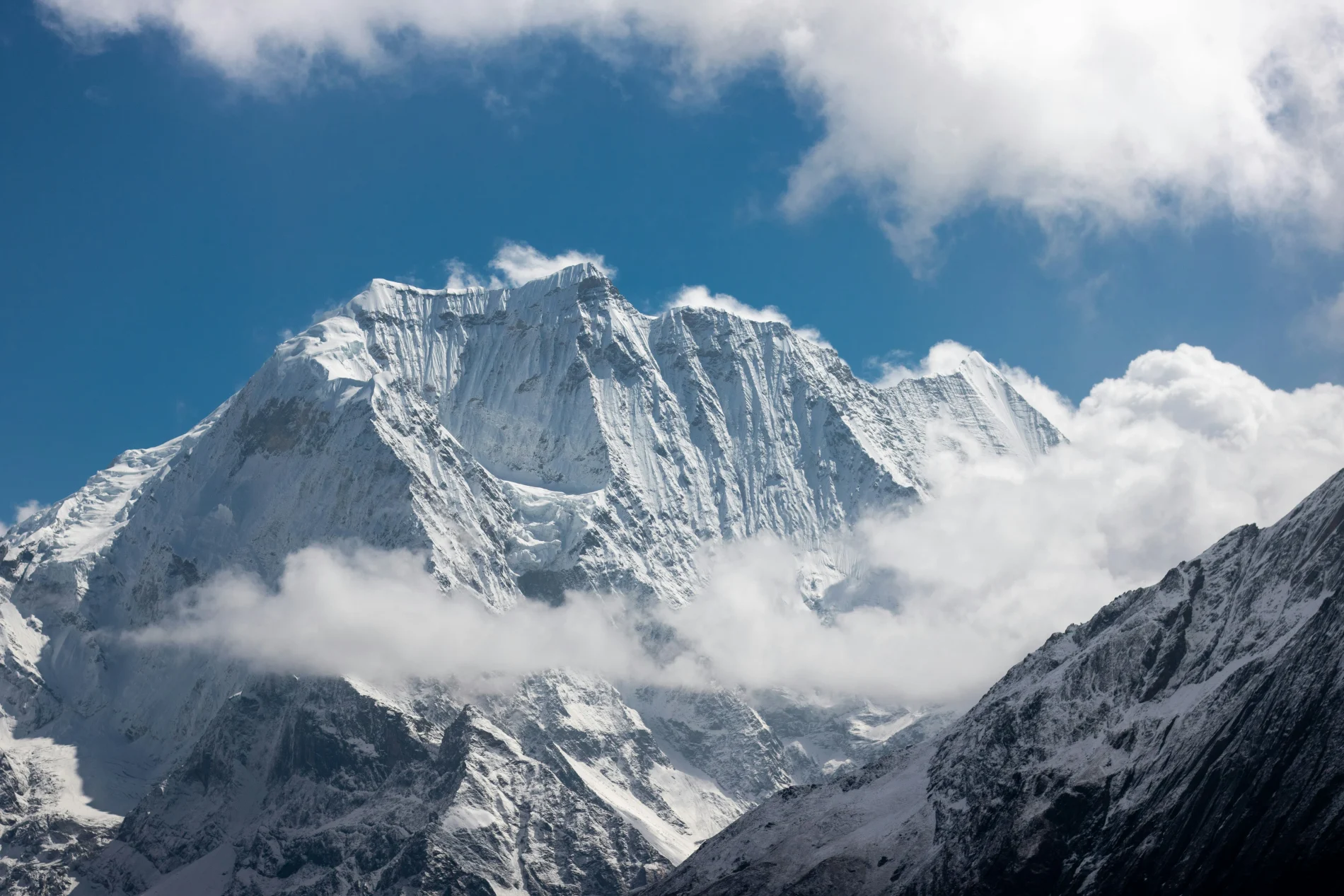
The Langtang Valley Trek Mountain Views in May are among the highlights of trekking during the late spring season. Although warmer temperatures bring a greater chance of afternoon cloud formation than in April, mornings are typically clear and offer outstanding visibility across the Langtang Himalayas. Trekkers who begin walking early are often rewarded with crisp panoramas, golden sunrise light, and some of the best photography opportunities of the year.
As you leave Syabrubesi and ascend through Langtang National Park, glimpses of snow-covered peaks gradually appear above the forest canopy. After passing Lama Hotel and Langtang Village, the valley widens dramatically, revealing breathtaking views that become even more impressive as you approach Kyanjin Gompa. The contrast between lush spring vegetation, glacial rivers, and towering mountains creates a landscape that is unique to May.
The optional hike to Tserko Ri is one of the best ways to experience the Langtang Valley Trek Mountain Views in May. Most trekkers begin before dawn, reaching the summit as the first sunlight illuminates Langtang Lirung, Gangchempo, Dorje Lakpa, Yala Peak, and Langshisa Ri. The combination of clear morning skies and warm spring light produces spectacular panoramic views that are difficult to match during other seasons.
While light haze or clouds may develop later in the afternoon, they rarely diminish the overall trekking experience if you plan your day well. Early starts, stable morning weather, and the vibrant green landscapes of late spring make May an excellent month for mountain lovers, photographers, and anyone hoping to witness the dramatic beauty of the Langtang region at its finest.
Langtang Valley Trek Landscapes in May
The Langtang Valley Trek Landscapes in May showcase the Langtang region at its greenest and most vibrant before the arrival of the monsoon. Warm spring temperatures encourage forests, alpine meadows, and river valleys to flourish, creating a striking contrast with the snow-covered Himalayan peaks. While lower-elevation rhododendrons begin to fade, higher sections of the trail still display colorful blossoms, ensuring the scenery remains rich and diverse throughout the journey.
The trek starts in Syabrubesi, where terraced fields, flowing rivers, and dense forests create a picturesque introduction to the Langtang region. As you enter Langtang National Park, the trail passes through forests of oak, pine, bamboo, and rhododendron, with birdsong and cascading waterfalls adding to the peaceful atmosphere. May is also a great month for nature lovers, as the warmer weather brings increased wildlife activity and vibrant alpine vegetation.
Beyond Lama Hotel, the landscape gradually changes. Thick forests give way to open valleys, glacial streams, and traditional yak grazing pastures around Langtang Village and Kyanjin Gompa. These higher elevations reveal dramatic mountain scenery, where green meadows blend seamlessly into rugged cliffs, glaciers, and towering peaks. The hike to Tserko Ri offers an even broader perspective, combining panoramic Himalayan views with sweeping vistas of the valley below.
One of the unique features of May is the balance between lush greenery and snow-capped mountains. Peaks such as Langtang Lirung, Gangchempo, Dorje Lakpa, Yala Peak, and Langshisa Ri rise above blooming alpine landscapes, creating unforgettable scenery at every stage of the trek. For photographers and nature enthusiasts, May delivers one of the most visually rewarding trekking experiences in the Langtang region.
Crowds and Trekking Experience in May
The Langtang Valley Trek in May offers a lively trekking atmosphere while still providing plenty of opportunities to enjoy the peaceful beauty of the Himalayas. As the final month of Nepal’s spring trekking season, May continues to attract visitors from around the world. However, the number of trekkers often varies throughout the month, with early May remaining busy and the trails becoming noticeably quieter as the pre-monsoon season approaches.
From Syabrubesi to Langtang National Park, you’ll encounter a mix of solo trekkers, couples, guided groups, and adventure enthusiasts exploring one of Nepal’s most scenic valleys. Popular overnight stops such as Lama Hotel, Langtang Village, and Kyanjin Gompa are usually active, creating a friendly environment where travelers exchange stories, trekking advice, and experiences over dinner in the teahouses.
Unlike April, which is often fully booked, late May offers a more relaxed experience. Many teahouses still operate at full capacity, but finding accommodation becomes slightly easier toward the end of the month. This allows trekkers to enjoy the same spectacular scenery with fewer people on the trail, particularly during morning hikes and side trips.
The overall trekking experience is enhanced by the region’s vibrant spring landscapes and warm hospitality. Early morning walks reward hikers with clear views of Langtang Lirung, Gangchempo, Dorje Lakpa, Yala Peak, and Langshisa Ri, while the hike to Tserko Ri remains one of the trek’s biggest highlights. If you prefer a balance between a social trekking atmosphere and quieter mountain trails, the Langtang Valley Trek in May offers an ideal combination before the arrival of the summer monsoon.
Pros of the Langtang Valley Trek in May
1. Warm and Comfortable Trekking Weather
The Langtang Valley Trek Weather in May is ideal for spending long hours on the trail. Daytime temperatures are warmer than in March and April, reducing the need for heavy winter clothing while still providing cool, refreshing mornings and evenings at higher elevations. This makes trekking more comfortable from Syabrubesi to Kyanjin Gompa.
2. Lush Spring Landscapes at Their Peak
May transforms the Langtang region into a vibrant natural paradise. Dense forests inside Langtang National Park, blooming alpine flowers, green meadows, and glacier-fed rivers create some of the most picturesque Langtang Valley Trek Landscapes in May. The contrast between fresh greenery and snow-covered peaks makes every stage of the trek visually rewarding.
3. Excellent Morning Mountain Views
Although light clouds may develop later in the day, mornings usually provide outstanding visibility. Trekkers who start early can enjoy breathtaking Langtang Valley Trek Mountain Views in May, with Langtang Lirung, Gangchempo, Dorje Lakpa, Yala Peak, and Langshisa Ri standing out against the clear Himalayan sky. Sunrise from Tserko Ri is especially memorable during this season.
4. Fully Open Teahouses and Better Food Choices
Since May remains part of the spring trekking season, teahouses along the route are fully operational. Villages such as Lama Hotel, Langtang Village, and Kyanjin Gompa offer a wider variety of freshly prepared meals, comfortable accommodation, and warm hospitality, making the overall trekking experience more enjoyable.
5. Fewer Crowds Toward the End of the Month
While early May is still busy, the number of trekkers gradually decreases as the month progresses. This allows late-May visitors to enjoy many of the same favorable Langtang Valley Trek Trail Conditions in May and beautiful scenery as April, but with quieter trails, a more relaxed atmosphere, and greater flexibility when choosing accommodation.
Cons of the Langtang Valley Trek in May
1. Afternoon Clouds Become More Frequent
Unlike April, May brings a higher chance of afternoon cloud cover as the pre-monsoon season approaches. While mornings usually offer excellent visibility, clouds can gradually build over the mountains later in the day, occasionally reducing the Langtang Valley Trek Mountain Views in May. Starting your trek early is the best way to enjoy clear panoramas.
2. Occasional Pre-Monsoon Showers
The Langtang Valley Trek Weather in May is generally stable, but short afternoon showers become more common, particularly in the second half of the month. These brief showers rarely last long, yet they can make some forest sections damp and slightly slippery. Carrying a lightweight waterproof jacket and a backpack rain cover is highly recommended.
3. Warmer Conditions at Lower Elevations
The Langtang Valley Trek Temperature in May is pleasant in the mountains, but lower sections around Syabrubesi can feel noticeably warmer during the afternoon. Hiking in the early morning, staying hydrated, and taking regular breaks help prevent fatigue, especially on the initial ascent through Langtang National Park.
4. Haze Can Reduce Distant Views
Toward the end of May, increasing humidity may create light haze in the valleys. Although nearby peaks such as Langtang Lirung remain impressive, distant Himalayan ranges may appear less sharp than they do in March or early April. Fortunately, sunrise hikes to Tserko Ri often provide the clearest visibility before haze develops.
5. Peak Season Demand Early in the Month
The first half of May is still a popular trekking period, so accommodation in Lama Hotel, Langtang Village, and Kyanjin Gompa can fill quickly. Booking your trek in advance is advisable if you’re traveling during this period, particularly if you have fixed travel dates or prefer specific teahouses.
What to Pack for the Langtang Valley Trek in May
Packing for the Langtang Valley Trek in May requires a balance between lightweight clothing for warm daytime hikes and insulated layers for chilly mountain mornings and nights. Although May is one of the warmest months of the spring trekking season, the weather changes noticeably with altitude. You’ll experience mild conditions in Syabrubesi, cooler temperatures around Langtang Village, and cold early mornings at Kyanjin Gompa, especially if you’re planning the sunrise hike to Tserko Ri.
Start with moisture-wicking base layers and breathable trekking shirts that keep you comfortable during long walks. A lightweight fleece is useful for cooler evenings, while a down jacket remains essential for higher elevations. Since the Langtang Valley Trek Weather in May can bring occasional afternoon showers, pack a waterproof jacket, rain cover for your backpack, and quick-drying trekking pants. These items add very little weight but can make a big difference if the weather changes unexpectedly.
Footwear is equally important. Sturdy trekking boots with good grip provide confidence on rocky trails, suspension bridges, and uneven mountain paths. Trekking poles are highly recommended, especially for steep descents and the climb to Tserko Ri, where they help reduce pressure on your knees and improve balance.
Don’t forget sun protection. The stronger May sunshine at high altitude makes sunglasses, sunscreen, a sun hat, and lip balm essential. A reusable water bottle, water purification tablets, personal medications, a headlamp, power bank, and a basic first-aid kit should also be included in your backpack. Packing smart rather than packing heavy will help you enjoy the Langtang Valley Trek in May comfortably while exploring the spectacular landscapes of Langtang National Park.
Langtang Valley Trek Difficulty in May
The Langtang Valley Trek Difficulty in May is generally rated as moderate, making it suitable for both first-time Himalayan trekkers and experienced hikers with a good level of fitness. The trek does not require technical climbing or mountaineering skills, but it does involve several consecutive days of walking, continuous elevation gain, and high-altitude hiking. Most trekkers spend between 5 and 7 hours on the trail each day, depending on their itinerary and walking pace.
One reason many people choose the Langtang Valley Trek in May is the favorable trekking environment. The Langtang Valley Trek Weather in May is warmer than earlier spring months, reducing the physical strain caused by cold temperatures. In addition, the Langtang Valley Trek Trail Conditions in May are usually dry and well-defined, allowing trekkers to focus on the climb rather than navigating snow or muddy paths. This makes the route feel more manageable, especially between Syabrubesi, Lama Hotel, and Langtang Village.
The greatest challenge is not the trail itself but the increasing altitude. As you approach Kyanjin Gompa and continue toward Tserko Ri, the thinner air can make steep climbs feel more demanding than they appear. Walking at a steady pace, taking regular breaks, and maintaining good hydration are far more effective than trying to move quickly.
Preparing before your trip can make a noticeable difference. Regular walking, hiking, stair climbing, or cardio exercises for a few weeks before departure will improve endurance and reduce fatigue on the trail. With proper preparation, sensible acclimatization, and realistic daily goals, most trekkers find the Langtang Valley Trek in May to be a rewarding challenge rather than an overwhelming one, leaving them free to enjoy spectacular views of Langtang Lirung, Gangchempo, Dorje Lakpa, and the surrounding Himalayas.
Altitude and Acclimatization for the Langtang Valley Trek in May
Altitude is one of the most important factors to consider during the Langtang Valley Trek in May. Although the warmer spring weather makes trekking more comfortable, it does not reduce the effects of high elevation. The trek begins at approximately 1,500 meters in Syabrubesi and gradually climbs to Kyanjin Gompa at around 3,870 meters. Many trekkers also continue to Tserko Ri, which rises to nearly 5,000 meters and is the highest point of the trek for most visitors.
The gradual ascent is one of Langtang’s biggest advantages, giving your body time to adjust as you move through Langtang National Park, Lama Hotel, and Langtang Village. However, altitude sickness can still affect anyone, regardless of age or fitness level. Common symptoms include headaches, dizziness, nausea, loss of appetite, and unusual fatigue. Ignoring these warning signs can lead to more serious health problems, so it’s important to listen to your body throughout the journey.
A well-planned itinerary should include an acclimatization day at Kyanjin Gompa. Rather than resting all day, take a short hike to a higher elevation before returning to sleep in the village. This “climb high, sleep low” strategy helps your body adapt more efficiently and prepares you for the challenging ascent to Tserko Ri the following morning.
The pleasant Langtang Valley Trek Weather in May makes acclimatization hikes more enjoyable, but staying hydrated, eating nutritious meals, avoiding alcohol, and maintaining a slow, steady pace remain essential. With proper acclimatization and sensible planning, most trekkers complete the Langtang Valley Trek in May safely while enjoying spectacular views of Langtang Lirung, Gangchempo, Dorje Lakpa, Yala Peak, and Langshisa Ri throughout the adventure.
Langtang Valley Trek Permits in May
Obtaining the necessary permits is an essential step before starting the Langtang Valley Trek in May. Since the trekking route passes through the protected landscapes of Langtang National Park, every trekker must carry valid permits throughout the journey. These permits support trail maintenance, environmental conservation, wildlife protection, and the sustainable development of local communities that depend on tourism.
For most trekkers, the required documents include the Langtang National Park Entry Permit and any other permits or registration documents that are required under the latest trekking regulations. Because permit requirements may change over time, it’s always advisable to confirm the current rules before your departure rather than relying on outdated information.
Many trekkers choose Silver Moon Adventure and Tours to handle permit arrangements before arriving at the trailhead. Having the paperwork prepared in advance saves time, reduces unnecessary stress, and helps ensure that all required documents are in order before you leave Kathmandu. This is particularly useful during May, when the first half of the month remains a busy trekking period and permit offices may experience higher visitor numbers.
Permit checkpoints are located along the route, so you’ll need to keep your original permits and identification readily available. They may be inspected as you travel from Syabrubesi through Langtang National Park, Lama Hotel, Langtang Village, and finally to Kyanjin Gompa. Keeping these documents in a waterproof pouch is a practical precaution, especially if brief pre-monsoon showers occur.
Securing the correct permits before your adventure allows you to enjoy the Langtang Valley Trek in May with confidence, knowing you’ve met all legal requirements while helping preserve one of Nepal’s most spectacular Himalayan trekking destinations.

Starts from
USD 790
Langtang Gosainkunda Trek- 14 days
The Langtang Gosainkunda Trek is one of the most beautiful and diverse trekking experiences in Nepal. This 14-day Himalayan...
Duration:
14 days
Max altitude:
4,800m at Kyanjin Ri
Langtang Valley Trek Food in May
The Langtang Valley Trek Food in May is both satisfying and diverse, giving trekkers plenty of options to stay energized throughout the journey. As May remains part of Nepal’s busy spring trekking season, teahouses receive regular supplies from lower villages, allowing them to prepare fresh meals with seasonal ingredients. This means you’ll often find a wider menu than during the colder winter months, particularly in popular stops such as Lama Hotel, Langtang Village, and Kyanjin Gompa.
The staple meal on the trek is Dal Bhat, a traditional Nepali dish made with rice, lentil soup, vegetables, and pickles. Its balanced nutrition and unlimited refills in many teahouses make it the preferred choice for long trekking days. Besides Dal Bhat, most lodges also serve noodles, fried rice, pasta, momos, soups, potatoes, Tibetan bread, pancakes, porridge, eggs, and simple desserts. In May, fresh leafy vegetables and locally produced dairy items, including yak cheese around Kyanjin Gompa, are often more readily available than during the colder months.
Many trekkers arrange their meals as part of a trekking package with Silver Moon Adventure and Tours, making it easier to plan daily stops and accommodate vegetarian or other dietary preferences. Having experienced local support also helps trekkers choose safe, nutritious meals that provide enough energy for the trail.
To stay healthy at higher elevations, drink plenty of water, eat regular meals, and avoid excessive alcohol. A well-balanced diet not only keeps your energy levels high but also supports better acclimatization. Combined with the pleasant Langtang Valley Trek Weather in May, good food and warm teahouse hospitality become an essential part of the overall trekking experience.
Langtang Valley Trek Transportation in May
Getting to the starting point of the Langtang Valley Trek in May is straightforward, and the spring season generally offers reliable road conditions. The adventure begins in Syabrubesi, which is connected to Kathmandu by a mountain highway. The drive usually takes around 7–9 hours, depending on road conditions, traffic, and weather. Since May arrives before the full monsoon season, landslides and major road disruptions are less common, although occasional road maintenance or short delays can still occur.
Trekkers can choose from several transportation options based on their budget and travel style. Public buses are the most affordable choice and operate regularly from Kathmandu. Shared jeeps are faster and more comfortable, making them popular among independent trekkers. Those looking for greater convenience often prefer private jeeps, which offer flexible departure times, fewer stops, and extra space for luggage.
To make travel arrangements easier, many visitors book their transportation through Silver Moon Adventure and Tours. This helps secure reliable vehicles, experienced drivers, and coordinated departure times, particularly during the first half of May when trekking activity remains high. It also reduces the stress of organizing transport after arriving in Kathmandu.
After reaching Syabrubesi, the trekking route passes through Langtang National Park, Lama Hotel, Langtang Village, and finally Kyanjin Gompa before returning along the same trail. Booking your return transportation in advance is a practical decision, especially if you have a fixed travel schedule or onward flights. With multiple transport options and generally favorable road conditions, reaching the Langtang trailhead in May is convenient, allowing you to begin your Himalayan adventure with confidence.
Langtang Valley Trek Cost in May
The Langtang Valley Trek Cost in May offers excellent value for trekkers looking to experience the Himalayas during the spring season. Although May is still considered a popular trekking month, especially in its first half, the overall cost remains lower than many of Nepal’s longer or more remote trekking routes. Your total budget will depend on factors such as the length of your itinerary, transportation, accommodation, guide and porter services, and personal spending along the trail.
The main expenses typically include trekking permits, transportation between Kathmandu and Syabrubesi, teahouse accommodation, daily meals, drinking water, internet or charging fees, and optional services such as hot showers and laundry. If you plan to hire a licensed guide or porter, these costs should also be included in your budget. While prices are fairly consistent throughout May, accommodation and transportation may be in greater demand during the first few weeks of the month.
Many trekkers choose Silver Moon Adventure and Tours to organize their trekking package because it combines permits, transportation, accommodation, and experienced guide services into a well-planned itinerary. This not only simplifies budgeting but also reduces the chances of unexpected expenses during the trek.
Although trekking costs may be slightly higher than during the quiet winter season, the overall experience often justifies the investment. The pleasant Langtang Valley Trek Weather in May, spectacular mountain scenery, vibrant spring landscapes, and fully operational teahouses create excellent value for money. Planning your budget in advance allows you to enjoy the Langtang Valley Trek in May with greater confidence while focusing on the unforgettable journey through Langtang National Park to Kyanjin Gompa and beyond.
Safety Tips for the Langtang Valley Trek in May
The Langtang Valley Trek in May is one of the safest spring trekking experiences in Nepal, but proper preparation is still essential for a successful journey. As May marks the transition toward the pre-monsoon season, trekkers should be prepared for warm afternoons, occasional showers, and changing mountain weather. Following a few practical safety measures will help you enjoy the trek with confidence.
Start your trek early each day. Morning hours usually offer the most stable Langtang Valley Trek Weather in May and the clearest mountain views. Beginning your hike at sunrise also helps you reach your destination before afternoon clouds or brief showers develop, especially if you’re planning to climb Tserko Ri.
Allow enough time for acclimatization. Even though temperatures are warmer, altitude remains the biggest challenge. Spend an extra night at Kyanjin Gompa, stay well hydrated, and never ignore symptoms such as headaches, dizziness, or nausea. A slow and steady pace is always safer than rushing to higher elevations.
Pack for changing weather conditions. Carry lightweight clothing for warm days, but don’t forget a waterproof jacket, warm layers, gloves, and a hat. Weather in the Himalayas can change quickly, particularly above Langtang Village, so being prepared is always the best approach.
Many trekkers rely on Silver Moon Adventure and Tours for experienced local guides who monitor weather conditions, assist with route planning, and respond quickly if unexpected situations arise. Their local knowledge can be especially valuable for first-time visitors to the Langtang region.
Finally, stay on marked trails, drink purified water, respect local customs, and avoid trekking alone in remote areas. With sensible planning and responsible decision-making, the Langtang Valley Trek in May is a safe, enjoyable, and unforgettable Himalayan adventure.
Our Expert Advice for the Langtang Valley Trek in May
The Langtang Valley Trek in May is an excellent choice for trekkers who enjoy warm spring weather, vibrant landscapes, and fewer crowds than the peak weeks of April. To make the most of your journey, we recommend starting your trek in the first half of May if your priority is crystal-clear mountain views. While the weather remains favorable throughout the month, afternoon clouds and occasional pre-monsoon showers become more common toward the end of May.
One of the best decisions you can make is to begin hiking early each morning. Not only will you avoid the warmest part of the day, but you’ll also experience the clearest views of Langtang Lirung, Gangchempo, Dorje Lakpa, Yala Peak, and Langshisa Ri. If your itinerary includes Tserko Ri, leaving before sunrise is highly recommended, as the panoramic views are often at their best during the early morning hours.
From our experience, rushing through the trek is one of the most common mistakes. At Silver Moon Adventure and Tours, we encourage trekkers to include an acclimatization day at Kyanjin Gompa and allow extra time to explore the surrounding valley. This not only improves safety but also gives you the opportunity to visit local cheese factories, interact with the Tamang community, and fully appreciate the region’s natural beauty instead of simply walking from one teahouse to the next.
Finally, pack light, stay flexible, and respect the pace of the mountains. Weather can change quickly in the Himalayas, but with thoughtful planning and realistic expectations, the Langtang Valley Trek in May offers an unforgettable combination of adventure, culture, and breathtaking spring scenery.
Suggested Blog Post
- Langtang Valley Trek In January
- Langtang Valley Trek In February
- Langtang Valley Trek In March
- Langtang Valley Trek In April
- Langtang Valley Trek In May
- Langtang Valley Trek In June
- Langtang Valley Trek In July
- Langtang Valley Trek In August
- Langtang Valley Trek In September
- Langtang Valley Trek In October
- Langtang Valley Trek In November
- Langtang Valley Trek In December
Conclusion
The Langtang Valley Trek in May is an outstanding choice for anyone looking to experience the Himalayas during the final weeks of Nepal’s spring trekking season. With warm daytime temperatures, lush green forests, blooming alpine flowers, and spectacular mountain scenery, May offers a perfect balance between adventure and comfort. Although occasional afternoon clouds become more common as the month progresses, early mornings continue to reward trekkers with breathtaking Himalayan views and unforgettable trekking experiences.
The journey from Syabrubesi through Langtang National Park, Lama Hotel, Langtang Village, and Kyanjin Gompa showcases the remarkable diversity of the Langtang region. Every stage of the trek offers something unique, from peaceful forests and glacier-fed rivers to alpine meadows and dramatic mountain landscapes. For many trekkers, the sunrise hike to Tserko Ri becomes the highlight of the adventure, providing panoramic views of Langtang Lirung, Gangchempo, Dorje Lakpa, Yala Peak, and Langshisa Ri stretching across the horizon.
Planning ahead is especially beneficial if you’re trekking during the first half of May, when demand for accommodation and transportation remains high. Silver Moon Adventure and Tours helps trekkers organize permits, transportation, accommodation, experienced guides, and personalized itineraries, making the entire journey smoother and more enjoyable.
Whether your goal is to capture stunning photographs, immerse yourself in Tamang culture, or simply enjoy one of Nepal’s most scenic trekking routes, the Langtang Valley Trek in May delivers an experience that exceeds expectations. With the right preparation and a well-paced itinerary, May offers everything needed for a safe, rewarding, and truly memorable Himalayan adventure.
FAQs
1. Is May a good time for the Langtang Valley Trek?
Yes. The Langtang Valley Trek in May is one of the best spring trekking experiences in Nepal. Warm temperatures, lush green landscapes, blooming alpine flowers, and clear morning mountain views make May an excellent month for both beginners and experienced trekkers. Early May is busier, while the second half of the month offers a quieter trekking experience.
2. How is the Langtang Valley Trek Weather in May?
The Langtang Valley Trek Weather in May is generally warm and stable. Mornings are usually sunny with excellent visibility, while afternoon clouds or brief pre-monsoon showers may develop, particularly toward the end of the month. Starting your trek early helps you enjoy the best weather conditions.
3. What is the Langtang Valley Trek Temperature in May?
The Langtang Valley Trek Temperature in May varies according to altitude. Lower areas like Syabrubesi experience warm daytime conditions, while higher elevations around Kyanjin Gompa remain cool, especially during the night and early morning. Layered clothing is recommended throughout the trek.
4. What are the Langtang Valley Trek Trail Conditions in May?
The Langtang Valley Trek Trail Conditions in May are generally excellent. Most trails are dry, well-maintained, and free of significant snow. Although occasional afternoon showers may make some sections slightly damp, the routes remain safe and comfortable for trekking.
5. Is the Langtang Valley Trek difficult in May?
The Langtang Valley Trek Difficulty in May is considered moderate. The trek involves daily walks of 5–7 hours, gradual altitude gain, and some steep climbs, particularly on the hike to Tserko Ri. With reasonable fitness and proper acclimatization, most trekkers can complete the route successfully.
6. Is altitude sickness a concern during the Langtang Valley Trek in May?
Yes. Despite the warmer spring weather, altitude sickness remains a possibility above Langtang Village and Kyanjin Gompa. Walking slowly, staying hydrated, and including an acclimatization day greatly reduce the risk of altitude-related illness.
7. Is Tserko Ri worth hiking in May?
Absolutely. The hike to Tserko Ri is one of the highlights of the Langtang Valley Trek in May. Trekkers who leave before sunrise are rewarded with spectacular panoramic views of Langtang Lirung, Gangchempo, Dorje Lakpa, Yala Peak, and Langshisa Ri before afternoon clouds begin to form.
8. What food is available during the Langtang Valley Trek in May?
The Langtang Valley Trek Food in May includes Dal Bhat, noodles, fried rice, soups, pasta, momos, Tibetan bread, pancakes, porridge, eggs, potatoes, and seasonal vegetables. Around Kyanjin Gompa, trekkers can also enjoy locally produced yak cheese and other dairy products.
9. How is the accommodation during the Langtang Valley Trek in May?
The Langtang Valley Trek Accommodation in May mainly consists of family-run teahouses offering simple but comfortable rooms, warm meals, and basic facilities. Accommodation is usually easy to find, although early booking is recommended during the first half of May.
10. How do I get to the Langtang Valley Trek starting point?
The trek begins in Syabrubesi, which is approximately 7–9 hours by road from Kathmandu. The Langtang Valley Trek Transportation in May includes public buses, shared jeeps, and private jeeps, with roads generally remaining accessible before the monsoon season begins.
11. How much does the Langtang Valley Trek cost in May?
The Langtang Valley Trek Cost in May depends on your itinerary, transportation, accommodation, guide or porter services, and personal expenses. Although early May is still a busy season, Langtang remains one of Nepal’s most affordable multi-day Himalayan treks.
12. What should I pack for the Langtang Valley Trek in May?
Pack lightweight trekking clothes, a fleece, a down jacket, waterproof layers, sturdy trekking boots, trekking poles, sunglasses, sunscreen, a reusable water bottle, a headlamp, personal medications, and a rain cover for your backpack. Since May weather can change during the afternoon, waterproof gear is especially useful.
13. Are permits required for the Langtang Valley Trek in May?
Yes. All trekkers must obtain the required permits before entering Langtang National Park. As permit regulations may change, it’s always best to verify the latest requirements before your trip.
14. Should I book my Langtang Valley Trek in advance for May?
Yes. If you’re trekking in early May, advance booking is recommended because accommodation, transportation, and guides are still in high demand. Silver Moon Adventure and Tours can assist with permits, transportation, accommodation, and itinerary planning, making the entire trekking experience more convenient.
15. Why should I choose the Langtang Valley Trek in May?
The Langtang Valley Trek in May combines warm spring weather, vibrant green landscapes, excellent morning mountain views, comfortable trekking conditions, fully operational teahouses, and rewarding hikes to Tserko Ri. For trekkers seeking beautiful scenery before the monsoon season arrives, May is one of the most enjoyable months to explore the Langtang region.
Similar Blogs
View all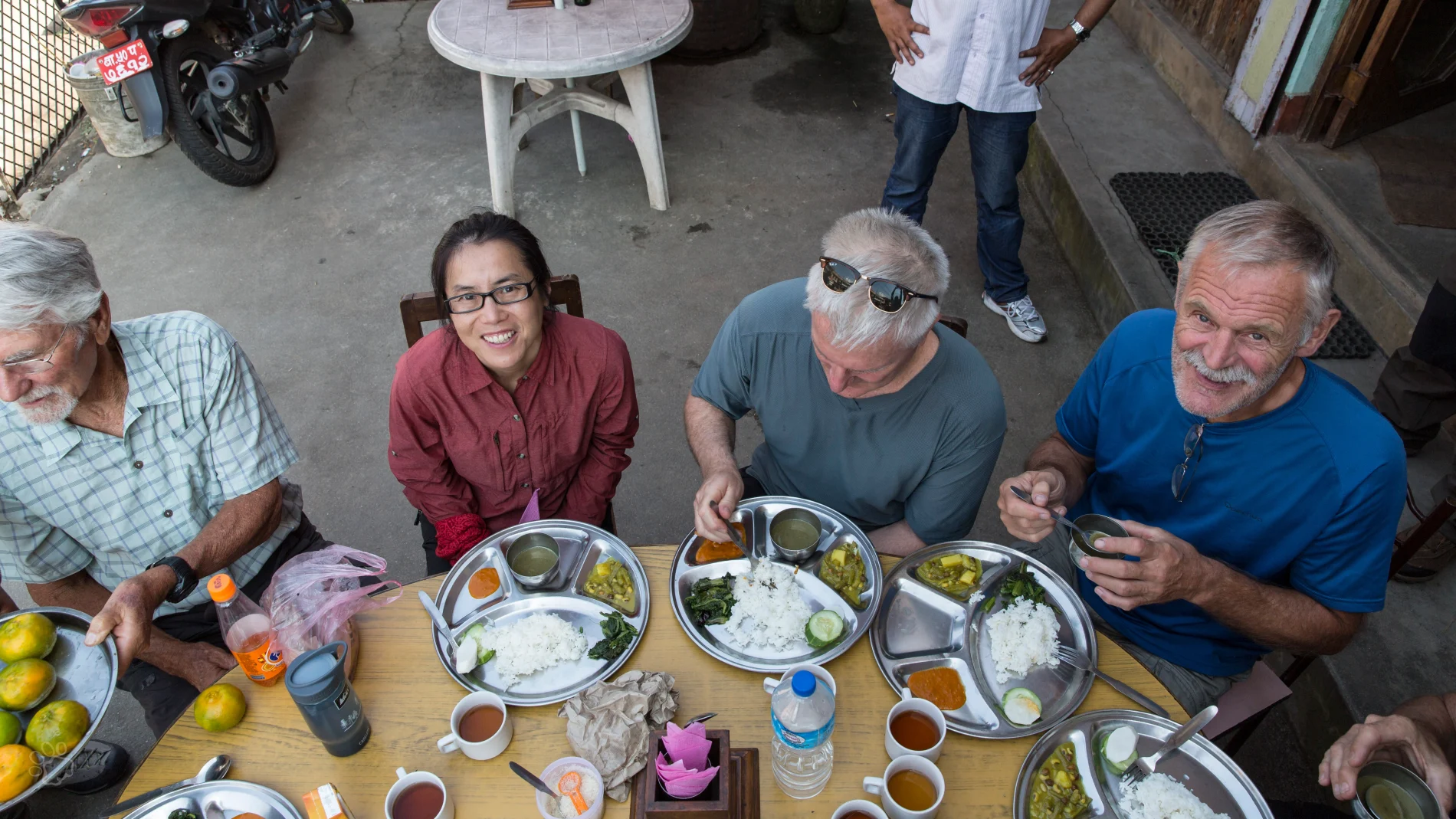
13/10/2026
Manaslu Circuit Trek After the October 2026 Floods: Trail Conditions, Safety and Travel Updates
The Manaslu Circuit Trek is one of Nepal’s most rewarding Himalayan journeys, taking trekkers through traditional...
Read more
13/10/2026
Your Nepal Trek Is Booked, but the Trail Is Closed: What Now?
Imagine arriving in Nepal with your trekking boots ready, your flights booked, your bags packed, and...
Read more