

Langtang valley trek in August-A full guide
Share:
 Read Time
This blog has 8732 words .This blog has 61154 characters.This blog take 29 minutes to read.
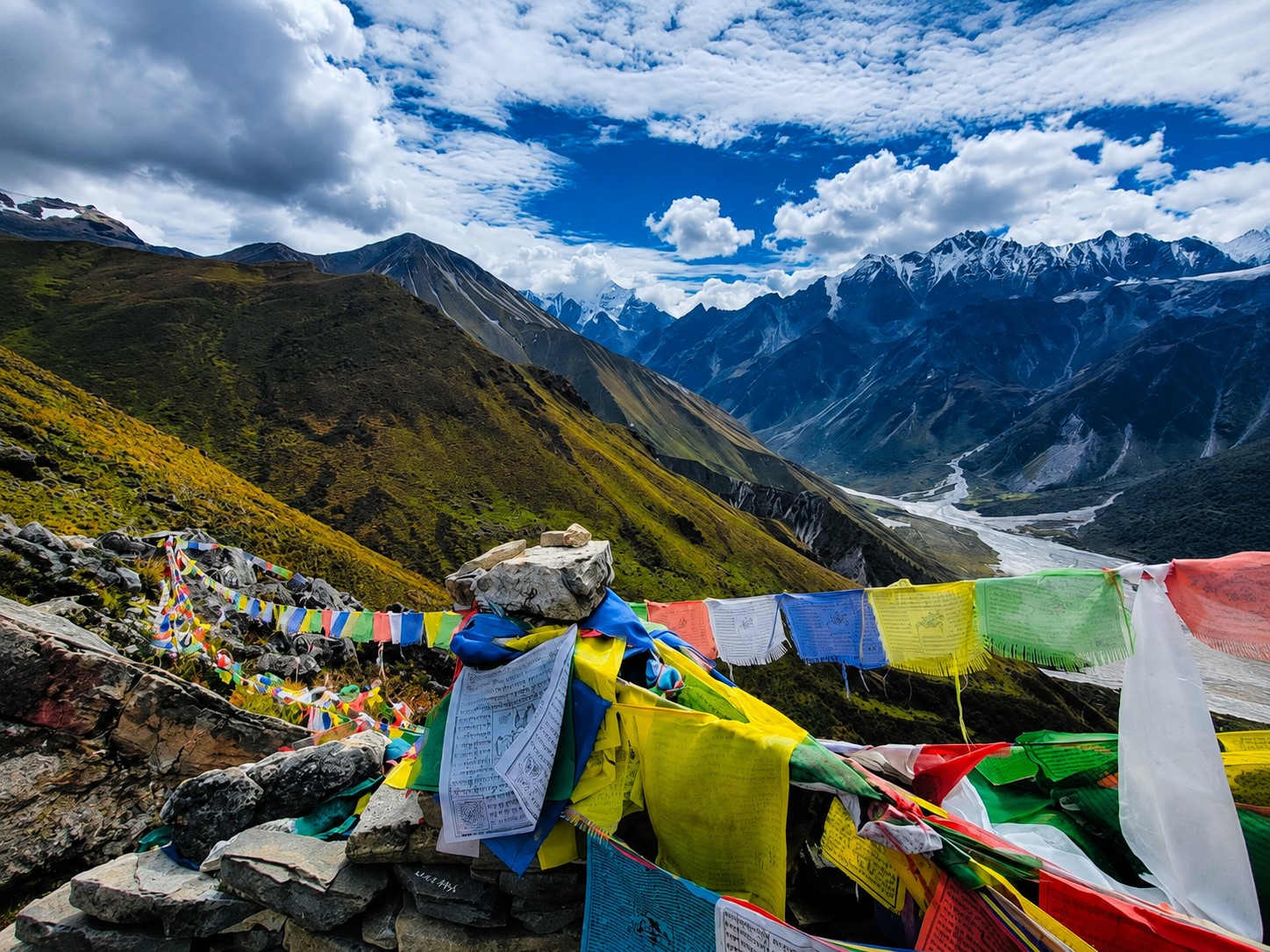
The Langtang Valley Trek in August offers an unforgettable Himalayan adventure during the heart of Nepal’s monsoon season. While August is known for regular rainfall and lush green landscapes, it also presents a quieter, more peaceful trekking experience that appeals to nature lovers, photographers, and adventurous travelers seeking to avoid the crowds of spring and autumn. The valley comes alive with vibrant forests, blooming wildflowers, roaring waterfalls, and crystal-clear rivers, creating a breathtaking environment unlike any other time of the year.
Situated north of Kathmandu near the Tibetan border, the Langtang Valley is one of Nepal’s most accessible trekking destinations. The journey begins in Syabrubesi and gradually ascends through Langtang National Park, passing charming Tamang villages, dense bamboo and rhododendron forests, alpine meadows, and glacier-fed valleys before reaching the picturesque village of Kyanjin Gompa. Along the route, trekkers have opportunities to admire majestic Himalayan peaks such as Langtang Lirung, Gangchempo, Dorje Lakpa, Yala Peak, and Langshisa Ri, particularly during the clear mornings that are common before afternoon clouds develop.
Although August experiences frequent rain showers, they are often concentrated in the afternoon or evening, leaving many mornings ideal for trekking. Early starts not only provide more comfortable hiking conditions but also increase the chances of enjoying spectacular mountain views before mist and clouds roll into the valley. With proper waterproof clothing, reliable trekking boots, and a flexible itinerary, trekking during August is both manageable and highly rewarding.

Starts from
USD 540
Langtang Valley Trek- 10 days
The Langtang Trek is one of the best short trekking adventures in Nepal. This 10-day journey takes you into...
Duration:
10 days
Max altitude:
4,800m at Kyanjin Ri
One of the greatest advantages of the Langtang Valley Trek in August is the peaceful atmosphere. The trails are significantly less crowded than during Nepal’s peak trekking seasons, allowing visitors to experience the region’s natural beauty at a slower pace. Family-run teahouses offer warm hospitality, while the quieter environment creates more opportunities to interact with local Tamang communities and gain insight into their traditions, culture, and mountain lifestyle.
For trekkers who appreciate lush scenery, dramatic landscapes, authentic cultural experiences, and a true sense of adventure, the Langtang Valley Trek in August is an outstanding choice. While the monsoon demands extra preparation and flexibility, it also reveals one of the greenest and most vibrant sides of the Himalayas. With realistic expectations and careful planning, August delivers a memorable trekking experience filled with breathtaking scenery, peaceful trails, and unforgettable moments in Nepal’s Langtang Valley.
Why Choose the Langtang Valley Trek in August?
The Langtang Valley Trek in August is an excellent choice for trekkers who enjoy lush Himalayan landscapes, peaceful trails, and a more authentic mountain experience. Although August falls in the middle of Nepal’s monsoon season, it transforms the Langtang region into a vibrant green paradise filled with blooming vegetation, powerful waterfalls, and refreshing mountain scenery. For travelers willing to embrace occasional rain, August offers a side of the Himalayas that many visitors never get to experience.
One of the biggest reasons to choose the Langtang Valley Trek in August is the incredible natural beauty created by the monsoon. The forests of Langtang National Park become exceptionally green, wildflowers bloom along the trails, and waterfalls flow at their most impressive. The contrast between the lush valley floor and the snow-covered peaks of Langtang Lirung, Gangchempo, Dorje Lakpa, Yala Peak, and Langshisa Ri creates breathtaking scenery throughout the trek.
Another major advantage is the peaceful atmosphere. Compared with the busy spring and autumn seasons, the trails between Syabrubesi, Lama Hotel, Langtang Village, and Kyanjin Gompa are much quieter. This allows trekkers to hike at a relaxed pace, enjoy uninterrupted nature, and spend more time interacting with local Tamang communities.
Although the Langtang Valley Trek Weather in August includes frequent afternoon showers, mornings are often clear and provide excellent opportunities for mountain views. Starting your hikes early each day greatly improves your chances of enjoying spectacular Himalayan panoramas before clouds build later in the afternoon.
For trekkers seeking solitude, vibrant landscapes, dramatic monsoon scenery, and meaningful cultural encounters, the Langtang Valley Trek in August offers a rewarding and memorable Himalayan adventure that feels very different from Nepal’s peak trekking months
Langtang Valley Trek Weather in August
The Langtang Valley Trek Weather in August is characterized by warm temperatures, high humidity, and regular monsoon rainfall. As one of the wettest months in Nepal, August brings lush greenery, flowing waterfalls, and fresh mountain air that transform the Langtang Valley into a spectacular natural paradise. Although rain showers are common, they often occur during the afternoon or evening, while mornings frequently offer the best conditions for trekking and sightseeing.
At the beginning of the trek in Syabrubesi, the weather is generally warm and humid, creating comfortable conditions for hiking. Morning skies are often partly clear before clouds gradually build later in the day. Starting your trek shortly after sunrise allows you to enjoy cooler temperatures, better visibility, and a higher chance of seeing the surrounding Himalayan peaks before afternoon showers arrive.
As you continue through Langtang National Park, Lama Hotel, Langtang Village, and Kyanjin Gompa, temperatures gradually become cooler with increasing altitude. However, weather conditions can change rapidly. Sunshine, mist, clouds, and light rain may all occur within a single day, making layered clothing and waterproof gear essential throughout the journey.
The monsoon weather also creates some of the most beautiful landscapes of the year. Dense forests become vibrant green, alpine meadows flourish with fresh vegetation, and countless waterfalls cascade down steep mountain slopes. Rivers fed by glaciers and seasonal rainfall flow at their strongest, adding even more beauty to the already spectacular scenery. Even when clouds partially cover the mountains, the drifting mist creates a magical atmosphere that many photographers and nature lovers find unforgettable.
While afternoon cloud cover can occasionally reduce long-distance mountain visibility, early mornings often reward trekkers with impressive views of Langtang Lirung, Gangchempo, Dorje Lakpa, Yala Peak, and Langshisa Ri. Planning daily hikes around the weather is one of the best ways to maximize both safety and scenic opportunities during August.
Overall, the Langtang Valley Trek Weather in August requires flexibility rather than concern. With proper waterproof clothing, a well-planned itinerary, and early morning starts, trekkers can safely enjoy one of the greenest, most peaceful, and naturally beautiful seasons in the Langtang Valley.
Langtang Valley Trek Temperature in August
The Langtang Valley Trek Temperature in August remains pleasant for trekking despite the ongoing monsoon season. While August brings regular rainfall and high humidity, temperatures across the Langtang region are generally comfortable, allowing trekkers to enjoy long hiking days without the extreme cold experienced during the winter months. As you gain elevation, the temperature gradually decreases, creating a refreshing mountain climate that balances the warm conditions of the lower valleys.
The trek begins in Syabrubesi, where daytime temperatures usually range between 20°C and 28°C (68°F to 82°F). Nights remain relatively mild, with temperatures typically ranging from 15°C to 20°C (59°F to 68°F). The warm and humid climate makes lightweight, moisture-wicking clothing the most comfortable choice, while a waterproof jacket should always be carried due to the possibility of sudden rain showers.
As the trail climbs through Langtang National Park, Lama Hotel, and Langtang Village, temperatures become cooler and more comfortable for trekking. During the day, temperatures generally range from 15°C to 20°C (59°F to 68°F), while evenings become noticeably cooler. Frequent cloud cover and mountain breezes can make the weather feel slightly colder than the actual temperature, especially after rainfall.
Upon reaching Kyanjin Gompa, situated at approximately 3,870 meters, daytime temperatures usually range between 10°C and 18°C (50°F to 64°F). At night, temperatures commonly fall to 5°C to 10°C (41°F to 50°F). Trekkers planning an early morning ascent to Tserko Ri should expect even cooler conditions before sunrise, when temperatures may drop to around 0°C to 5°C (32°F to 41°F) depending on weather conditions.
One of the advantages of the Langtang Valley Trek Temperature in August is the absence of extreme winter cold or heavy snowfall along the main trekking route. Instead, the primary challenge is staying dry during periods of rain. Wearing breathable, quick-drying layers allows trekkers to remain comfortable throughout the day while adapting easily to changing mountain weather.
Overall, the Langtang Valley Trek Temperature in August is favorable for trekking, provided you pack appropriate clothing for both warm valley conditions and cooler high-altitude mornings and evenings. With layered clothing, waterproof gear, and proper preparation, August offers comfortable trekking conditions amidst the lush greenery, dramatic waterfalls, and spectacular Himalayan scenery that define the Langtang Valley during the monsoon season.
Langtang Valley Trek Trail Conditions in August
The Langtang Valley Trek Trail Conditions in August are influenced by the peak of Nepal’s monsoon season. Frequent rainfall makes certain sections of the trail wetter and more challenging than during the popular spring and autumn trekking months. However, the trekking route remains open, and with proper preparation, suitable equipment, and a flexible itinerary, August offers a safe and highly rewarding trekking experience through one of Nepal’s most scenic Himalayan valleys.
The trek begins in Syabrubesi and gradually climbs through the dense forests of Langtang National Park, where the effects of the monsoon are most noticeable. Forest paths, stone staircases, and exposed tree roots often become muddy and slippery after rainfall, particularly on the section between Syabrubesi and Lama Hotel. Wearing waterproof trekking boots with excellent grip and using trekking poles greatly improves stability and helps reduce the risk of slipping on wet terrain.
One of the highlights of trekking in August is experiencing the Langtang region at its greenest. Continuous rainfall nourishes the forests, creating vibrant landscapes filled with moss-covered rocks, blooming wildflowers, towering trees, and lush vegetation. Numerous waterfalls flow down the mountainsides at full strength, while glacial rivers become more powerful, adding dramatic scenery throughout the journey. These breathtaking landscapes are unique to the monsoon season and offer outstanding opportunities for nature photography.
As you ascend toward Langtang Village and Kyanjin Gompa, the trail gradually becomes more open and rocky. Although muddy sections become less common at higher elevations, rain can still make loose rocks and uneven paths slippery. Starting your trek early in the morning remains the best strategy, as trail conditions are generally drier and weather is often more stable before afternoon showers develop.
Trekkers should also be aware of leeches in the lower forested sections of Langtang National Park, particularly between Syabrubesi and Lama Hotel after heavy rainfall. While leeches are harmless, wearing long socks, gaiters, and applying insect repellent can help minimize discomfort during these sections of the trek.
Overall, the Langtang Valley Trek Trail Conditions in August require greater caution than during the dry seasons, but they remain manageable for well-prepared trekkers. With waterproof gear, quality hiking boots, trekking poles, and sensible pacing, you can safely enjoy the peaceful trails, lush forests, roaring waterfalls, and spectacular Himalayan scenery that make August one of the most naturally beautiful times to explore the Langtang Valley.
Langtang Valley Trek Mountain Views in August
The Langtang Valley Trek Mountain Views in August offer a unique and ever-changing Himalayan experience. As August falls during the height of Nepal’s monsoon season, mountain visibility depends largely on the time of day and local weather patterns. While afternoon clouds and occasional rain are common, early mornings often reveal spectacular views of the snow-capped Himalayas before mist gradually rises from the valleys. For trekkers who plan their days wisely, August still provides unforgettable mountain panoramas.
The best time to enjoy the mountains is shortly after sunrise. During the early morning hours, the skies are usually clearer, allowing trekkers to witness breathtaking views of Langtang Lirung, Gangchempo, Dorje Lakpa, Yala Peak, and Langshisa Ri. The combination of fresh monsoon air, lush green valleys, and brilliant white mountain peaks creates a dramatic contrast that is unique to this time of year.
As you trek from Syabrubesi through Langtang National Park, Lama Hotel, Langtang Village, and finally to Kyanjin Gompa, the scenery constantly changes. Instead of uninterrupted blue skies, August often presents moving clouds, drifting mist, and soft morning sunlight that create a magical Himalayan atmosphere. These changing conditions produce stunning landscapes and offer photographers exceptional opportunities to capture dramatic mountain scenery.
One of the highlights of the trek is the early morning climb to Tserko Ri, one of the best viewpoints in the Langtang region. When weather conditions are favorable, the summit rewards trekkers with panoramic views across the Langtang Himal. Watching the first sunlight illuminate the surrounding glaciers and snow-covered peaks while clouds drift below is an unforgettable experience that makes the climb worthwhile.
Although afternoon cloud cover may occasionally limit long-distance visibility, the mountain scenery remains impressive throughout the journey. Mist weaving through pine forests, clouds wrapping around towering cliffs, and glimpses of Himalayan summits emerging between breaks in the clouds create a landscape that is both dramatic and constantly evolving.
Overall, the Langtang Valley Trek Mountain Views in August are not defined by endless clear skies but by their dynamic beauty. Trekkers who embrace the monsoon season, start their hikes early, and remain flexible with the weather are rewarded with breathtaking Himalayan scenery, peaceful surroundings, and a distinctive mountain experience that few visitors have the chance to enjoy.
Langtang Valley Trek Landscapes in August
The Langtang Valley Trek Landscapes in August are among the most breathtaking and vibrant in the entire year. August falls during the height of Nepal’s monsoon season, transforming the Langtang Valley into a lush Himalayan paradise filled with dense forests, colorful wildflowers, roaring waterfalls, and crystal-clear rivers. While many trekkers prefer the dry seasons for uninterrupted mountain views, August offers a completely different perspective, where nature is at its freshest and most alive.
From the moment you begin your trek in Syabrubesi, you’ll notice the remarkable transformation brought by the monsoon. The trail through Langtang National Park is lined with thick forests of oak, bamboo, pine, and rhododendron that flourish under the seasonal rains. Moss-covered rocks, ferns, and vibrant green vegetation blanket the landscape, while birds and other wildlife become more active in the cool, moist environment. Every section of the trail feels fresh, peaceful, and full of life.
One of the defining features of the Langtang Valley Trek in August is the abundance of waterfalls. Seasonal rainfall feeds countless streams that tumble down steep mountain cliffs, creating spectacular waterfalls throughout the valley. These powerful cascades, combined with fast-flowing glacial rivers, add constant movement and energy to the landscape, making every day of the trek visually rewarding.
As you climb toward Langtang Village and Kyanjin Gompa, the scenery gradually changes from dense subtropical forests to wide alpine meadows and rugged mountain terrain. The vivid green valleys contrast beautifully with the snow-covered peaks of Langtang Lirung, Gangchempo, Dorje Lakpa, Yala Peak, and Langshisa Ri. Even when clouds drift across the mountains, they create an enchanting atmosphere as mist slowly moves through the valleys, adding depth and drama to the already spectacular scenery.
The hike to Tserko Ri provides another unforgettable perspective of the Langtang region. On clear mornings, trekkers can enjoy panoramic views of glaciers, alpine grasslands, winding rivers, and towering Himalayan peaks stretching across the horizon. The combination of monsoon greenery below and snow-covered summits above creates one of the most distinctive landscapes found anywhere in Nepal.
Another unique aspect of the Langtang Valley Trek Landscapes in August is the remarkable biodiversity. The monsoon supports a rich variety of plant life, making the forests and meadows especially colorful and vibrant. Wildflowers bloom along the trails, while the surrounding hillsides burst with fresh vegetation, offering endless opportunities for photography and nature observation.
Overall, the Langtang Valley Trek Landscapes in August deliver an unforgettable visual experience. The lush forests, dramatic waterfalls, mist-covered valleys, alpine meadows, and towering Himalayan peaks combine to create one of the most beautiful trekking environments in Nepal. For trekkers who appreciate nature in its purest and most vibrant form, August offers a truly magical journey through the heart of the Langtang Valley.
Crowds and Trekking Experience in August
The Langtang Valley Trek in August offers one of the quietest and most relaxing trekking experiences in Nepal. Since August falls during the peak monsoon season, the number of trekkers is considerably lower than in the popular spring and autumn months. This creates a peaceful atmosphere throughout the journey, allowing you to enjoy the natural beauty of the Langtang Valley without crowded trails or busy teahouses.
From the moment you leave Syabrubesi, you’ll notice the calm surroundings. The trails through Langtang National Park are often quiet, giving trekkers the opportunity to walk at a comfortable pace while listening to the sounds of rushing rivers, singing birds, and waterfalls flowing down the mountainsides. Instead of passing large trekking groups, you’ll often spend long stretches of the trail immersed in nature, making the journey feel more personal and rewarding.
The peaceful environment continues in villages such as Lama Hotel, Langtang Village, and Kyanjin Gompa. Because fewer trekkers visit during August, teahouses are generally less crowded, creating a warm and welcoming atmosphere. Local Tamang families often have more time to interact with visitors, share stories about their culture and traditions, and provide personalized hospitality. These meaningful cultural exchanges are one of the highlights of trekking during the monsoon season.
Another advantage of the Langtang Valley Trek in August is the flexibility it offers. Finding accommodation is rarely difficult, allowing trekkers to adjust their itinerary based on the weather without worrying about fully booked lodges. If afternoon rain becomes heavier than expected or you wish to spend an extra day exploring around Kyanjin Gompa, making changes to your schedule is usually much easier than during the busy trekking seasons.
Although August requires flexibility due to occasional rainfall, many experienced trekkers believe the peaceful atmosphere is one of the month’s greatest advantages. The combination of quiet trails, lush green landscapes, welcoming mountain villages, and fewer tourists creates a genuine Himalayan experience that is difficult to find during Nepal’s peak trekking months.
For travelers seeking solitude, authentic cultural encounters, and a deeper connection with nature, the Langtang Valley Trek in August provides an unforgettable trekking experience. The calm surroundings allow you to appreciate every aspect of the journey, from the spectacular scenery and vibrant forests to the hospitality of the local communities, making August one of the most rewarding months to explore the Langtang Valley.
Pros of the Langtang Valley Trek in August
1. Lush Green Himalayan Landscapes
One of the greatest advantages of the Langtang Valley Trek in August is the incredible natural beauty created by the monsoon season. Continuous rainfall transforms the entire valley into a vibrant green paradise filled with dense forests, blooming wildflowers, moss-covered rocks, and flourishing alpine meadows. As you trek through Langtang National Park, every section of the trail feels fresh and alive, while powerful waterfalls and crystal-clear rivers add even more charm to the breathtaking scenery.
2. Peaceful Trails and Fewer Crowds
August is considered the off-season for trekking in Nepal, meaning far fewer visitors explore the Langtang region. This allows you to enjoy quiet trails from Syabrubesi to Kyanjin Gompa without the crowds commonly seen during spring and autumn. The peaceful atmosphere creates a more relaxing trekking experience and gives you the opportunity to fully appreciate the sounds of nature, including flowing rivers, birdsong, and cascading waterfalls.
3. Comfortable Trekking Temperatures
The Langtang Valley Trek Temperature in August remains pleasant despite the monsoon season. Lower elevations are warm, while higher villages such as Langtang Village and Kyanjin Gompa enjoy cool mountain air. Unlike winter, trekkers do not have to deal with freezing daytime temperatures or heavy snowfall on the main trail. With proper waterproof clothing and layered outfits, trekking conditions remain comfortable throughout the journey.
4. Easy Availability of Accommodation
Since August attracts fewer trekkers, finding accommodation is usually simple. Family-run teahouses in Lama Hotel, Langtang Village, and Kyanjin Gompa generally have plenty of available rooms, allowing trekkers to travel at a relaxed pace without worrying about advance bookings. The quieter season also means local hosts can provide more personalized service and a warm, welcoming atmosphere.
5. Excellent Opportunities for Nature and Photography
The Langtang Valley Trek in August offers outstanding opportunities for photographers and wildlife enthusiasts. Early mornings often reveal magnificent views of Langtang Lirung, Gangchempo, Dorje Lakpa, Yala Peak, and Langshisa Ri, while drifting clouds and mist create dramatic Himalayan landscapes throughout the day. Combined with lush forests, vibrant vegetation, roaring waterfalls, and colorful alpine flowers, August provides some of the most photogenic scenery of the entire year.
Cons of the Langtang Valley Trek in August
1. Frequent Rainfall Throughout the Trek
The biggest challenge of the Langtang Valley Trek in August is the regular monsoon rainfall. Although it does not usually rain all day, afternoon and evening showers are common and can sometimes be heavy. The Langtang Valley Trek Weather in August is highly unpredictable, so trekkers should always carry waterproof clothing and be prepared to adjust their daily schedule according to changing weather conditions.
2. Slippery and Muddy Trail Conditions
The Langtang Valley Trek Trail Conditions in August become more demanding because of continuous rainfall. Forest trails, rocky sections, and stone staircases—especially between Syabrubesi and Lama Hotel—can become muddy and slippery. Trekking requires extra caution, and waterproof hiking boots with good traction, along with trekking poles, are essential for maintaining balance and reducing the risk of falls.
3. Limited Mountain Visibility During the Afternoon
Although mornings often provide clear skies, clouds usually build as the day progresses. This means iconic Himalayan peaks such as Langtang Lirung, Gangchempo, Dorje Lakpa, Yala Peak, and Langshisa Ri may be partially or completely hidden during the afternoon. Trekkers looking for uninterrupted mountain views throughout the day may find August less favorable than the autumn trekking season.
4. Leeches and Insects in the Lower Forests
Warm temperatures and continuous rainfall create ideal conditions for leeches and insects in the dense forests of Langtang National Park, particularly between Syabrubesi and Lama Hotel. While leeches are harmless, many trekkers find them unpleasant. Wearing gaiters, long trekking socks, and applying insect repellent can significantly reduce this minor inconvenience.
5. Possibility of Transportation Delays
Heavy rainfall during August can occasionally affect road conditions between Kathmandu and Syabrubesi. Minor landslides, muddy roads, or temporary road maintenance may cause travel delays, especially after prolonged rain. Although the road generally remains open, it is highly recommended to include at least one extra buffer day in your itinerary to accommodate any unexpected transportation disruptions before or after the trek.
What to Pack for the Langtang Valley Trek in August
Packing wisely is essential for a successful Langtang Valley Trek in August. As August falls during Nepal’s peak monsoon season, trekkers should be prepared for warm temperatures, frequent rain showers, high humidity, and slippery trails. Choosing lightweight, waterproof, and quick-drying gear will help you stay comfortable throughout the journey while minimizing the weight of your backpack.
Your clothing should include moisture-wicking base layers, lightweight trekking shirts, and quick-drying trekking pants that remain comfortable even in humid weather. A high-quality waterproof jacket with a hood and waterproof rain trousers are indispensable, as the Langtang Valley Trek Weather in August can change quickly, especially during the afternoon. Carrying several pairs of moisture-wicking trekking socks is equally important, as dry feet help prevent blisters and improve comfort during long hiking days.
Footwear plays a crucial role during the monsoon season. Waterproof trekking boots with strong ankle support and excellent grip are highly recommended for navigating the Langtang Valley Trek Trail Conditions in August. Trekking poles provide additional stability on muddy paths, wet rocks, and steep descents, while gaiters help keep mud, water, and occasional leeches out of your boots in the lower forest sections of Langtang National Park.
Although August is relatively warm, temperatures become noticeably cooler as you gain altitude toward Langtang Village and Kyanjin Gompa. Pack a fleece jacket or lightweight insulated jacket for chilly mornings and evenings. If you plan to hike to Tserko Ri, warm gloves, a woolen hat, and thermal base layers are recommended for the early morning climb when temperatures can approach freezing.
Other essential items include sunglasses, sunscreen, lip balm, insect repellent, a reusable water bottle, water purification tablets or a portable water filter, a headlamp, spare batteries, a power bank, personal medications, quick-drying towels, dry bags for electronics, and a compact first-aid kit. Waterproof pouches are also useful for protecting your passport, permits, phone, camera, and other valuables from unexpected rain.
Since weather conditions may occasionally delay transportation or require itinerary adjustments, packing a small reserve of energy bars, trail snacks, and an extra set of dry clothing is always a good idea. These items can make a significant difference during longer trekking days or unexpected weather changes.
With the right equipment and thoughtful preparation, the Langtang Valley Trek in August becomes a comfortable and rewarding adventure. Reliable rain gear, sturdy footwear, layered clothing, and essential trekking accessories will allow you to fully enjoy the valley’s lush forests, dramatic waterfalls, peaceful mountain villages, and breathtaking Himalayan scenery throughout the monsoon season.
Langtang Valley Trek Difficulty in August
The Langtang Valley Trek Difficulty in August is generally rated as moderate to moderately challenging. The trekking route remains the same as in other seasons, but the monsoon weather introduces additional challenges such as slippery trails, muddy sections, frequent rainfall, and high humidity. With proper preparation, good physical fitness, and the right trekking equipment, the trek is suitable for both beginners with hiking experience and seasoned trekkers.
The journey starts in Syabrubesi at an elevation of approximately 1,500 meters and gradually ascends through Langtang National Park, Lama Hotel, Langtang Village, before reaching Kyanjin Gompa at around 3,870 meters. Most trekking days involve 5 to 7 hours of walking, including long uphill climbs, gradual ascents, and occasional steep descents. While the Langtang Valley Trek Temperature in August remains pleasant, the warm and humid conditions at lower elevations can make hiking feel more physically demanding.
One of the main factors increasing the Langtang Valley Trek Difficulty in August is the trail condition. Continuous rainfall often makes forest paths, stone staircases, wet rocks, and exposed tree roots slippery, particularly between Syabrubesi and Lama Hotel. Waterproof trekking boots with excellent traction and trekking poles are highly recommended to improve balance and reduce fatigue during challenging sections.
Altitude is another important consideration. As you climb toward Langtang Village, Kyanjin Gompa, and eventually Tserko Ri, the oxygen level gradually decreases, increasing the possibility of altitude sickness. Trekkers should maintain a slow and steady pace, stay well hydrated, eat nutritious meals, and allow sufficient time for acclimatization. Spending an extra night at Kyanjin Gompa before attempting Tserko Ri is strongly recommended for better altitude adjustment.
The Langtang Valley Trek Weather in August also requires flexibility. Afternoon rain showers may occasionally delay hiking or reduce visibility, making early morning departures the best strategy. Starting your trek shortly after sunrise not only provides more stable weather conditions but also offers the highest chance of enjoying spectacular views of Langtang Lirung, Gangchempo, Dorje Lakpa, Yala Peak, and Langshisa Ri before clouds develop later in the day.
Overall, the Langtang Valley Trek Difficulty in August is manageable for trekkers who are reasonably fit, properly equipped, and prepared for monsoon conditions. Although the rainy season adds an extra level of challenge, it also rewards hikers with peaceful trails, lush green landscapes, dramatic waterfalls, vibrant forests, and an authentic Himalayan experience that is rarely found during Nepal’s busier trekking seasons.
Altitude and Acclimatization for the Langtang Valley Trek in August
Altitude remains one of the most important factors to consider during the Langtang Valley Trek in August. Although the monsoon season brings warmer temperatures and lush green landscapes, it does not reduce the effects of high altitude. As you ascend through the Langtang Valley, the air becomes thinner and oxygen levels gradually decrease, making proper acclimatization essential for a safe and enjoyable trekking experience.
The trek begins in Syabrubesi at an elevation of approximately 1,500 meters before gradually climbing through Langtang National Park, Lama Hotel, and Langtang Village to reach Kyanjin Gompa, which sits at around 3,870 meters above sea level. Many trekkers also choose to hike to Tserko Ri, a spectacular viewpoint at nearly 5,000 meters that offers panoramic views of the Langtang Himal. Because of this significant altitude gain, allowing your body enough time to adapt is extremely important.
The most effective way to acclimatize is to ascend gradually without rushing between overnight stops. Walking at a steady pace, taking regular breaks, and avoiding unnecessary physical exertion help your body adjust naturally to the thinner mountain air. Spending an additional night at Kyanjin Gompa is highly recommended, particularly if you plan to climb Tserko Ri. A short acclimatization hike during the day followed by sleeping at the same elevation is an excellent strategy for reducing the risk of altitude sickness.
Staying well hydrated is especially important during the Langtang Valley Trek in August. The combination of physical activity, warm temperatures, and high humidity increases fluid loss, even when you may not feel thirsty. Drinking plenty of purified water, eating nutritious meals, and limiting alcohol consumption all help your body acclimatize more effectively and maintain energy throughout the trek.
Trekkers should also recognize the early symptoms of Acute Mountain Sickness (AMS). Common warning signs include persistent headaches, dizziness, nausea, fatigue, shortness of breath, loss of appetite, and difficulty sleeping. If these symptoms become worse or fail to improve with rest, descending to a lower altitude is the safest and most effective treatment. Ignoring altitude-related symptoms can lead to more serious health complications.
Hiring an experienced guide through Silver Moon Adventure and Tours can provide additional peace of mind during the trek. Local guides are trained to recognize early signs of altitude sickness, recommend appropriate acclimatization strategies, monitor trekkers’ health, and adjust the itinerary if necessary. Their knowledge becomes especially valuable when trekking during the monsoon season, when weather and trail conditions may require greater flexibility.
With proper acclimatization, sensible pacing, adequate hydration, and careful attention to your body’s signals, most trekkers complete the Langtang Valley Trek in August without experiencing serious altitude-related issues. By respecting the mountain environment and allowing enough time to adapt, you can safely enjoy the spectacular scenery, peaceful villages, and unforgettable Himalayan landscapes that make the Langtang Valley one of Nepal’s finest trekking destinations.
Langtang Valley Trek Permits in August
Before beginning the Langtang Valley Trek in August, every trekker must obtain the required permits to enter the protected Langtang region. These permits are mandatory throughout the year, including the monsoon season, and are checked at designated checkpoints along the trekking route. Carrying the correct permits ensures a smooth trekking experience while supporting the conservation of one of Nepal’s most beautiful national parks.
The trek passes through Langtang National Park, Nepal’s first Himalayan national park, which is home to diverse wildlife, alpine forests, glaciers, and traditional Tamang villages. Permit fees contribute to trail maintenance, environmental conservation, wildlife protection, and sustainable tourism development within the region. Since permit policies and fees may occasionally change, it is always advisable to verify the latest requirements before your trek.
Most trekkers arrange their permits before leaving Kathmandu. Many travelers choose Silver Moon Adventure and Tours to organize all necessary permits as part of their trekking package. This saves time, eliminates unnecessary paperwork, and allows trekkers to focus on preparing for their Himalayan adventure rather than administrative procedures.
During the Langtang Valley Trek in August, protecting your permits from rain is especially important. Frequent monsoon showers can easily damage paper documents if they are not properly stored. Keep your permits, passport, travel insurance details, and identification inside a waterproof document pouch or a sealed dry bag throughout the trek.
Permit inspections are carried out at several checkpoints between Syabrubesi, Langtang National Park, Lama Hotel, Langtang Village, and Kyanjin Gompa. Trekkers should keep their permits readily accessible, as officials may request to see them during the journey. Having organized documents helps ensure quick and efficient checkpoint procedures.
If you are trekking with a licensed guide, they will usually assist with permit checks and ensure all documentation is in order. This is another reason many trekkers prefer guided trips, particularly during the monsoon season when weather and travel logistics can occasionally become more complicated.
Obtaining the proper permits is an essential part of planning the Langtang Valley Trek in August. By following the regulations of Langtang National Park, respecting local conservation efforts, and carrying your permits securely throughout the journey, you contribute to the long-term protection of this remarkable Himalayan destination while enjoying a safe and hassle-free trekking experience.
Langtang Valley Trek Accommodation in August
The Langtang Valley Trek Accommodation in August provides a comfortable and peaceful stay throughout the journey despite the monsoon season. Since August is considered the off-season for trekking in Nepal, the number of visitors is significantly lower than during spring and autumn. This means accommodation is generally easy to find, allowing trekkers to enjoy a more relaxed experience in the mountain villages without worrying about fully booked teahouses.
Accommodation along the trekking route mainly consists of traditional family-run teahouses. These lodges offer clean and simple twin-sharing rooms equipped with beds, mattresses, pillows, and blankets. Most teahouses provide shared bathroom facilities, while a few larger lodges in Langtang Village and Kyanjin Gompa may offer private attached bathrooms for an additional cost. Basic amenities such as hot showers, Wi-Fi, and mobile charging are available in many lodges, although these services usually require a small extra payment and may occasionally be affected by weather conditions or power availability.
One of the greatest advantages of the Langtang Valley Trek Accommodation in August is the quiet and welcoming atmosphere. With fewer trekkers staying overnight, teahouse owners often have more time to interact with guests, provide personalized service, and share stories about the Langtang region, Tamang culture, and local traditions. This creates a warm, authentic Himalayan experience that many visitors find more enjoyable than the busy peak trekking seasons.
Many trekkers choose to arrange their accommodation through Silver Moon Adventure and Tours, which helps simplify the trekking experience. By booking accommodation in advance through an experienced local operator, trekkers can enjoy a well-organized itinerary while maintaining flexibility if monsoon weather requires slight adjustments to the daily schedule. This allows travelers to focus on enjoying the trek rather than worrying about logistics.
The cozy dining halls found in Lama Hotel, Langtang Village, and Kyanjin Gompa become welcoming gathering places after a day of trekking. Freshly prepared meals, warm drinks, and the friendly hospitality of local families create a comfortable environment where trekkers can relax, socialize, and prepare for the next day’s adventure.
Although occasional rain showers are part of the Langtang Valley Trek Weather in August, the accommodation along the route remains reliable and comfortable. Combined with peaceful surroundings, lush green landscapes, and traditional mountain hospitality, the Langtang Valley Trek Accommodation in August offers an enjoyable and memorable stay that perfectly complements the beauty of the Himalayan journey.
Langtang Valley Trek Food in August
The Langtang Valley Trek Food in August is nutritious, freshly prepared, and designed to provide the energy required for long days of hiking through the Himalayas. Despite the monsoon season, teahouses along the trekking route continue to serve a wide variety of meals using locally available ingredients. From Syabrubesi to Kyanjin Gompa, trekkers can enjoy hearty dishes that help maintain energy levels while trekking through the lush landscapes of the Langtang Valley.
The most popular and recommended meal during the trek is Dal Bhat, Nepal’s traditional dish consisting of steamed rice, lentil soup, seasonal vegetables, and pickles. Rich in carbohydrates, protein, vitamins, and minerals, Dal Bhat is considered the ideal trekking meal because it provides sustained energy for hiking at higher altitudes. Many teahouses also offer free refills, making it one of the most filling and economical choices throughout the trek.
In addition to Dal Bhat, most teahouses serve a diverse menu that includes fried rice, vegetable noodles, pasta, soups, momos (Nepali dumplings), Tibetan bread, chapati, pancakes, porridge, eggs, potatoes, sandwiches, and seasonal vegetables. These freshly prepared meals cater to both Nepali and international trekkers, ensuring there is something suitable for a variety of tastes and dietary preferences.
One of the highlights of reaching Kyanjin Gompa is the opportunity to taste the area’s famous yak cheese. Produced locally using traditional methods, Langtang yak cheese is well known throughout Nepal and has become one of the region’s signature specialties. Many trekkers enjoy visiting the local cheese factory while spending an acclimatization day in the village.
Many travelers choose Silver Moon Adventure and Tours to organize their trekking package, including accommodation and meals at trusted teahouses along the route. This makes meal planning much easier, particularly for trekkers with vegetarian or vegan dietary requirements. Guides can also recommend freshly prepared dishes and ensure meals are arranged according to individual preferences whenever possible.
Because the Langtang Valley Trek Weather in August is warm and humid, staying hydrated is especially important. Trekkers should drink plenty of purified water throughout the day, begin each morning with a nutritious breakfast, and carry water purification tablets or a reusable water filter to ensure safe drinking water while reducing plastic waste.
Although transportation delays caused by monsoon weather may occasionally affect the availability of certain fresh ingredients, the Langtang Valley Trek Food in August remains satisfying, wholesome, and well-suited to the physical demands of trekking. Combined with the warm hospitality of local teahouses and the peaceful atmosphere of the off-season, every meal becomes an enjoyable part of the unforgettable Langtang trekking experience.
Langtang Valley Trek Transportation in August
Transportation for the Langtang Valley Trek in August requires careful planning because the journey takes place during Nepal’s peak monsoon season. The trek begins in Syabrubesi, located approximately 120 kilometers north of Kathmandu. Under normal road conditions, the drive takes around 7 to 9 hours, but heavy rainfall during August can occasionally increase travel time due to muddy roads, temporary landslides, or road maintenance. Although the road generally remains open throughout the month, travelers should be prepared for possible delays and maintain a flexible schedule.
There are several transportation options available for reaching Syabrubesi. Public buses operate daily from Kathmandu and are the most budget-friendly option for trekkers. However, buses can be crowded and slower, especially during the rainy season. Shared jeeps provide a faster and more comfortable alternative, while private jeeps offer the greatest convenience, allowing travelers to enjoy flexible departure times, greater comfort, and stops along the route whenever necessary.
Many trekkers choose to arrange their transportation through Silver Moon Adventure and Tours, particularly during August when weather conditions can change unexpectedly. Experienced local operators monitor road conditions closely, organize reliable vehicles, and adjust travel plans when necessary to ensure a smoother journey. Having transportation arranged in advance minimizes stress and allows trekkers to begin their adventure with greater confidence.
After completing the trek at Kyanjin Gompa, you’ll retrace the same scenic route through Langtang Village, Lama Hotel, Langtang National Park, and back to Syabrubesi, where you’ll board your vehicle for the return journey to Kathmandu. Because heavy rainfall may occasionally affect road conditions, it is strongly recommended to include at least one extra buffer day in your overall travel itinerary before booking international flights or connecting travel plans.
During the drive, travelers can enjoy beautiful views of rolling hills, terraced farmland, traditional villages, and fast-flowing mountain rivers. In August, the monsoon rains make the countryside exceptionally green, offering a scenic introduction to the Langtang region long before the trek begins.
Although transportation during the Langtang Valley Trek in August may occasionally experience weather-related delays, careful planning and realistic expectations make the journey straightforward. With reliable transportation, flexible scheduling, and support from an experienced local trekking operator, reaching the starting point of the trek is both safe and convenient, allowing you to focus on the spectacular Himalayan adventure that awaits in the Langtang Valley.
Safety Tips for the Langtang Valley Trek in August
The Langtang Valley Trek in August is a spectacular adventure through one of Nepal’s most beautiful Himalayan regions, but trekking during the monsoon season requires extra preparation and awareness. Frequent rainfall, slippery trails, changing mountain weather, and occasional transportation delays mean that safety should always be a priority. With the right planning, equipment, and a flexible mindset, August remains a safe and rewarding time to explore the Langtang Valley.
Start your trek early every morning. The Langtang Valley Trek Weather in August is generally more stable during the morning hours. Clearer skies, cooler temperatures, and a lower chance of rainfall make early departures the best choice for both trekking and sightseeing. Starting early also increases your chances of enjoying panoramic views of Langtang Lirung, Gangchempo, Dorje Lakpa, Yala Peak, and Langshisa Ri before afternoon clouds develop.
Use high-quality waterproof trekking gear. A waterproof jacket, rain trousers, backpack rain cover, and waterproof trekking boots are essential during August. Frequent rain can quickly soak clothing and equipment, making trekking uncomfortable and increasing the risk of cold-related problems at higher elevations. Packing electronics, permits, and important documents inside waterproof dry bags or sealed pouches provides additional protection.
Walk carefully on slippery trails. The Langtang Valley Trek Trail Conditions in August often include muddy paths, wet rocks, exposed tree roots, and slippery stone staircases, particularly between Syabrubesi and Lama Hotel. Trekking poles provide additional stability, reduce pressure on your knees, and help maintain balance on difficult sections of the trail.
Pay close attention to altitude. Although August is warmer than winter, altitude sickness remains a risk as you ascend toward Langtang Village, Kyanjin Gompa, and Tserko Ri. Maintain a slow pace, stay hydrated, eat regular meals, and allow sufficient time for acclimatization. If you experience persistent headaches, dizziness, nausea, or unusual fatigue, avoid climbing higher until symptoms improve. If symptoms worsen, descend immediately.
Stay informed about weather and road conditions. Heavy rainfall can occasionally affect transportation between Kathmandu and Syabrubesi or cause temporary trail disruptions. Keeping at least one extra buffer day in your itinerary provides flexibility if weather-related delays occur. Before beginning each day’s hike, ask your guide or teahouse owner about the latest weather forecast and trail conditions.
Many trekkers choose Silver Moon Adventure and Tours for their August trek because experienced local guides continuously monitor weather conditions, assess trail safety, and adjust the itinerary whenever necessary. Their local knowledge helps trekkers avoid unnecessary risks while ensuring a safer and more enjoyable Himalayan experience.
With careful preparation, proper waterproof equipment, sensible pacing, and respect for mountain conditions, the Langtang Valley Trek in August is both safe and incredibly rewarding. By planning ahead and remaining flexible throughout your journey, you can confidently experience the lush forests, peaceful villages, dramatic waterfalls, and breathtaking Himalayan scenery that make August one of the most unique months to visit the Langtang Valley.
Our Expert Advice for the Langtang Valley Trek in August
The Langtang Valley Trek in August is an excellent choice for trekkers who appreciate peaceful trails, lush monsoon landscapes, and authentic Himalayan culture. While August brings regular rainfall and changing weather conditions, it also reveals the Langtang Valley at its greenest and most vibrant. With proper planning, quality trekking gear, and realistic expectations, August can offer one of the most rewarding trekking experiences in Nepal.
Our first recommendation is to begin trekking early every morning. The Langtang Valley Trek Weather in August is generally more stable before midday, offering cooler temperatures, better visibility, and a greater chance of enjoying spectacular mountain views. Early departures also help you complete most of your hiking before afternoon rain showers become more frequent.
Investing in reliable waterproof equipment is essential. Waterproof trekking boots with excellent grip, a high-quality rain jacket, waterproof trousers, a backpack rain cover, and quick-drying clothing will significantly improve your comfort throughout the trek. Waterproof dry bags for electronics, permits, and important documents are equally valuable during the monsoon season.
At Silver Moon Adventure and Tours, we strongly recommend building flexibility into your itinerary. Including at least one extra buffer day allows you to adjust your schedule if heavy rainfall affects road transportation to Syabrubesi or temporarily changes trail conditions. A flexible itinerary reduces unnecessary stress and allows you to enjoy the journey at a comfortable pace.
Altitude should never be underestimated, even during the warmer monsoon months. Trek slowly, stay well hydrated, eat nutritious meals, and allow sufficient time for acclimatization as you ascend toward Langtang Village, Kyanjin Gompa, and Tserko Ri. Spending an additional night at Kyanjin Gompa before attempting Tserko Ri is one of the best ways to improve acclimatization and maximize your chances of enjoying the spectacular panoramic views.
Choosing an experienced local guide can greatly enhance your trekking experience. Local guides understand the Langtang Valley Trek Trail Conditions in August, monitor weather forecasts, recommend the safest daily schedules, and provide valuable insight into the history, culture, and traditions of the local Tamang communities. Their experience becomes particularly valuable during the monsoon season when mountain weather can change quickly.
Most importantly, embrace August for what makes it unique. Instead of expecting cloudless skies every day, enjoy the emerald-green forests, blooming wildflowers, roaring waterfalls, mist-covered valleys, and peaceful mountain villages that define the Langtang region during the monsoon. Early morning views of Langtang Lirung, Gangchempo, Dorje Lakpa, Yala Peak, and Langshisa Ri often reward those who rise early, creating unforgettable Himalayan memories.
With thoughtful preparation, quality equipment, and a flexible mindset, the Langtang Valley Trek in August becomes much more than a mountain hike—it becomes an opportunity to experience one of Nepal’s most beautiful trekking regions in its freshest, quietest, and most naturally vibrant season.
Suggested Blog Post
- Langtang Valley Trek In January
- Langtang Valley Trek In February
- Langtang Valley Trek In March
- Langtang Valley Trek In April
- Langtang Valley Trek In May
- Langtang Valley Trek In June
- Langtang Valley Trek In July
- Langtang Valley Trek In August
- Langtang Valley Trek In September
- Langtang Valley Trek In October
- Langtang Valley Trek In November
- Langtang Valley Trek In December
Conclusion
The Langtang Valley Trek in August offers a unique opportunity to experience one of Nepal’s most beautiful trekking destinations during the vibrant monsoon season. While August brings regular rainfall and changing weather conditions, it also transforms the Langtang Valley into a lush green paradise filled with blooming vegetation, roaring waterfalls, crystal-clear rivers, and peaceful mountain trails. For trekkers seeking a quieter and more authentic Himalayan adventure, August is an excellent time to visit.
The journey from Syabrubesi through Langtang National Park, Lama Hotel, Langtang Village, and Kyanjin Gompa showcases the remarkable diversity of the Langtang region. Along the way, trekkers are rewarded with dense forests, alpine meadows, traditional Tamang villages, and magnificent views of Langtang Lirung, Gangchempo, Dorje Lakpa, Yala Peak, and Langshisa Ri during clear morning hours. For those who hike to Tserko Ri, the panoramic Himalayan scenery becomes one of the most memorable highlights of the entire trek.
Although the Langtang Valley Trek Weather in August requires flexibility, proper preparation makes the journey both safe and enjoyable. Packing quality waterproof clothing, wearing sturdy trekking boots, allowing extra travel time, and following good acclimatization practices all contribute to a successful trekking experience. Starting each day early not only provides more favorable weather but also maximizes your chances of witnessing spectacular mountain views before afternoon clouds develop.
Many trekkers choose Silver Moon Adventure and Tours to organize permits, transportation, accommodation, experienced guides, and complete trekking logistics. Local expertise is especially valuable during the monsoon season, helping trekkers adapt to changing weather conditions while ensuring a smooth, safe, and enjoyable journey through the Langtang Valley.
If you dream of trekking through emerald-green forests, dramatic waterfalls, peaceful Himalayan villages, and breathtaking mountain landscapes without the crowds of the peak seasons, the Langtang Valley Trek in August is an outstanding choice. With careful planning, realistic expectations, and an adventurous spirit, August delivers an unforgettable Himalayan experience that combines natural beauty, rich culture, and peaceful exploration in one of Nepal’s most spectacular trekking regions.
FAQs
1. Is August a good time for the Langtang Valley Trek?
Yes. The Langtang Valley Trek in August is an excellent choice for trekkers who enjoy lush green landscapes, peaceful trails, and fewer crowds. Although August is part of Nepal’s monsoon season, early morning trekking often provides clear mountain views, while the valley is at its most vibrant and colorful.
2. How is the Langtang Valley Trek Weather in August?
The Langtang Valley Trek Weather in August is warm, humid, and characterized by regular monsoon rainfall. Rain showers usually occur during the afternoon or evening, while mornings are often clearer and provide the best conditions for trekking and sightseeing.
3. What is the Langtang Valley Trek Temperature in August?
The Langtang Valley Trek Temperature in August is pleasant for trekking. Lower elevations such as Syabrubesi experience warm daytime temperatures, while higher destinations like Langtang Village and Kyanjin Gompa are cooler, especially during the morning and nighttime.
4. Are the Langtang Valley Trek Trail Conditions in August safe?
Yes. The Langtang Valley Trek Trail Conditions in August are generally safe with proper preparation. However, rain can make trails muddy and slippery, especially in forest sections. Waterproof trekking boots, trekking poles, and careful walking are strongly recommended.
5. Is the Langtang Valley Trek difficult in August?
The Langtang Valley Trek Difficulty in August is considered moderate to moderately challenging. The route remains suitable for most trekkers, but monsoon rain, slippery trails, and high humidity make it slightly more demanding than during the dry seasons.
6. Can I see mountain views during the Langtang Valley Trek in August?
Yes. Although afternoon clouds are common, the Langtang Valley Trek Mountain Views in August are often spectacular during the early morning. Trekkers can enjoy beautiful views of Langtang Lirung, Gangchempo, Dorje Lakpa, Yala Peak, and Langshisa Ri before clouds develop later in the day.
7. Are teahouses open during the Langtang Valley Trek in August?
Yes. Most teahouses remain open throughout August. Since it is the off-season, accommodation is generally easy to find in Lama Hotel, Langtang Village, and Kyanjin Gompa, offering a peaceful and comfortable stay.
8. What food is available during the Langtang Valley Trek in August?
The Langtang Valley Trek Food in August includes Dal Bhat, noodles, fried rice, pasta, soups, momos, Tibetan bread, pancakes, eggs, potatoes, porridge, sandwiches, and seasonal vegetables. Visitors to Kyanjin Gompa can also enjoy the region’s famous locally produced yak cheese.
9. Are leeches common during the Langtang Valley Trek in August?
Yes. Leeches are commonly found in the lower forest sections of Langtang National Park, especially between Syabrubesi and Lama Hotel after rainfall. Wearing long socks, gaiters, and using insect repellent can help minimize the problem.
10. How do I travel to Syabrubesi in August?
The trek begins in Syabrubesi, which can be reached from Kathmandu by public bus, shared jeep, or private jeep. The Langtang Valley Trek Transportation in August is generally reliable, although heavy rain may occasionally cause road delays, so allowing an extra travel day is recommended.
11. How much does the Langtang Valley Trek cost in August?
The Langtang Valley Trek Cost in August depends on transportation, permits, accommodation, meals, guide or porter services, trekking equipment, and personal expenses. Since August is the off-season, overall costs are often lower than during spring and autumn.
12. What should I pack for the Langtang Valley Trek in August?
Essential items include waterproof trekking boots, a rain jacket, waterproof trousers, quick-drying clothing, warm layers, trekking poles, a backpack rain cover, sunglasses, sunscreen, insect repellent, water purification tablets, a headlamp, dry bags, and a first-aid kit. Reliable waterproof gear is essential during August.
13. Are permits required for the Langtang Valley Trek in August?
Yes. All trekkers must obtain the required permits before entering Langtang National Park. Since permit regulations may change, checking the latest requirements before your trip is recommended.
14. Should I book my Langtang Valley Trek in August in advance?
Although August is quieter than the peak trekking seasons, booking in advance is still advisable, especially if you require private transportation, experienced guides, or customized trekking services. Silver Moon Adventure and Tours can arrange permits, accommodation, transportation, and complete trekking logistics.
15. Why should I choose the Langtang Valley Trek in August?
The Langtang Valley Trek in August is ideal for trekkers seeking lush green landscapes, peaceful trails, dramatic waterfalls, authentic Tamang culture, and fewer crowds. With proper preparation and a flexible itinerary, August offers one of the most unique and rewarding trekking experiences in the Nepalese Himalayas.
Similar Blogs
View all
13/10/2026
Manaslu Circuit Trek After the October 2026 Floods: Trail Conditions, Safety and Travel Updates
The Manaslu Circuit Trek is one of Nepal’s most rewarding Himalayan journeys, taking trekkers through traditional...
Read more
13/10/2026
Your Nepal Trek Is Booked, but the Trail Is Closed: What Now?
Imagine arriving in Nepal with your trekking boots ready, your flights booked, your bags packed, and...
Read more