

Annapurna Circuit Trek in September: A Complete Guide for 2026
Share:

 Read Time
This blog has 3691 words .This blog has 25582 characters.This blog take 12 minutes to read.
The Annapurna Circuit Trek in September marks the beginning of Nepal’s autumn trekking season and offers a rewarding mix of fresh landscapes, improving weather, and fewer crowds. While early September may still experience occasional post-monsoon showers, conditions become significantly more stable by the middle of the month. As the skies gradually clear, trekkers enjoy impressive views of the Annapurna, Dhaulagiri, Manaslu, and Lamjung Himal ranges.
The trek typically takes 12 to 18 days and reaches its highest point at Thorong La Pass, standing at 5,416 meters above sea level. Along the route, trekkers pass through picturesque villages such as Chame, Pisang, Manang, and Muktinath while experiencing the traditions of Gurung, Manangi, and Thakali communities. Green forests, flowing waterfalls, and freshly washed mountain landscapes make September especially attractive for nature lovers and photographers. For trekkers seeking quieter trails and steadily improving weather before the busy October season, September is an excellent time to complete the Annapurna Circuit Trek.
Why Choose the Annapurna Circuit Trek in September?
The Annapurna Circuit Trek in September is an excellent choice for trekkers who want to enjoy the start of Nepal’s autumn season without the large crowds of October. Although the first week may still receive occasional post-monsoon showers, weather conditions improve rapidly as the month progresses. By mid to late September, clear skies, fresh mountain air, and impressive Himalayan views make the trek increasingly rewarding.
One of September’s biggest advantages is the vibrant landscape. Hillsides remain lush and green after the monsoon, waterfalls flow at their fullest, and forests look fresh and colorful. These conditions create outstanding opportunities for nature photography and scenic trekking. The trails are also quieter, allowing trekkers to enjoy a more peaceful experience in villages such as Chame, Pisang, and Manang.
For trekkers seeking a balance between favorable weather, beautiful scenery, and fewer visitors, September offers excellent value. With proper preparation and flexible planning, the Annapurna Circuit Trek in September delivers a memorable Himalayan adventure before the peak trekking season begins.
Weather on the Annapurna Circuit Trek in September
The weather on the Annapurna Circuit Trek in September changes noticeably throughout the month as Nepal transitions from the monsoon to the autumn season. Early September may still bring occasional afternoon showers, particularly at lower elevations such as Besisahar and Chame. However, rainfall gradually decreases, humidity drops, and skies become much clearer after the second week. By late September, the trail experiences stable weather, dry conditions, and excellent mountain visibility.
Daytime temperatures generally range between 15°C and 22°C at lower elevations, while Manang experiences cooler conditions of around 8°C to 15°C. Near Thorong La Pass at 5,416 meters, temperatures can fall below freezing during the early morning and nighttime. Despite the cooler conditions at higher altitudes, daytime trekking remains comfortable with appropriate clothing.
Our trekking advice: We recommend planning your trek from mid to late September for the most reliable weather, clearer Himalayan views, and safer trail conditions while still enjoying fewer crowds than October.
Temperature on the Annapurna Circuit Trek in September
Temperature on the Annapurna Circuit Trek in September varies with altitude and the time of day. Lower sections of the trail, including Besisahar, Dharapani, and Chame, remain relatively warm, with daytime temperatures ranging from 15°C to 22°C. As the trek climbs toward Manang, daytime temperatures generally range between 8°C and 15°C, while nights become noticeably cooler. At higher elevations, including Thorong Phedi, High Camp, and Thorong La Pass at 5,416 meters, early morning temperatures can fall to -5°C or even lower.
Despite the cooler conditions at higher altitudes, September provides comfortable daytime temperatures for trekking. The fresh post-monsoon air also makes hiking more enjoyable, especially during the second half of the month. Since temperatures change significantly throughout the day, dressing in layers is the best approach.
Our trekking advice: Carry moisture-wicking base layers, a fleece jacket, and a warm down jacket to stay comfortable as temperatures vary from warm valleys to freezing mountain passes.
Annapurna Circuit Trek Weather in September
We recommend starting your trek in the second half of September when the monsoon has largely ended. During this period, trails become drier, mountain views improve significantly, and weather conditions are much more stable while still avoiding the peak-season crowds of October.
Trail Conditions on the Annapurna Circuit Trek in September
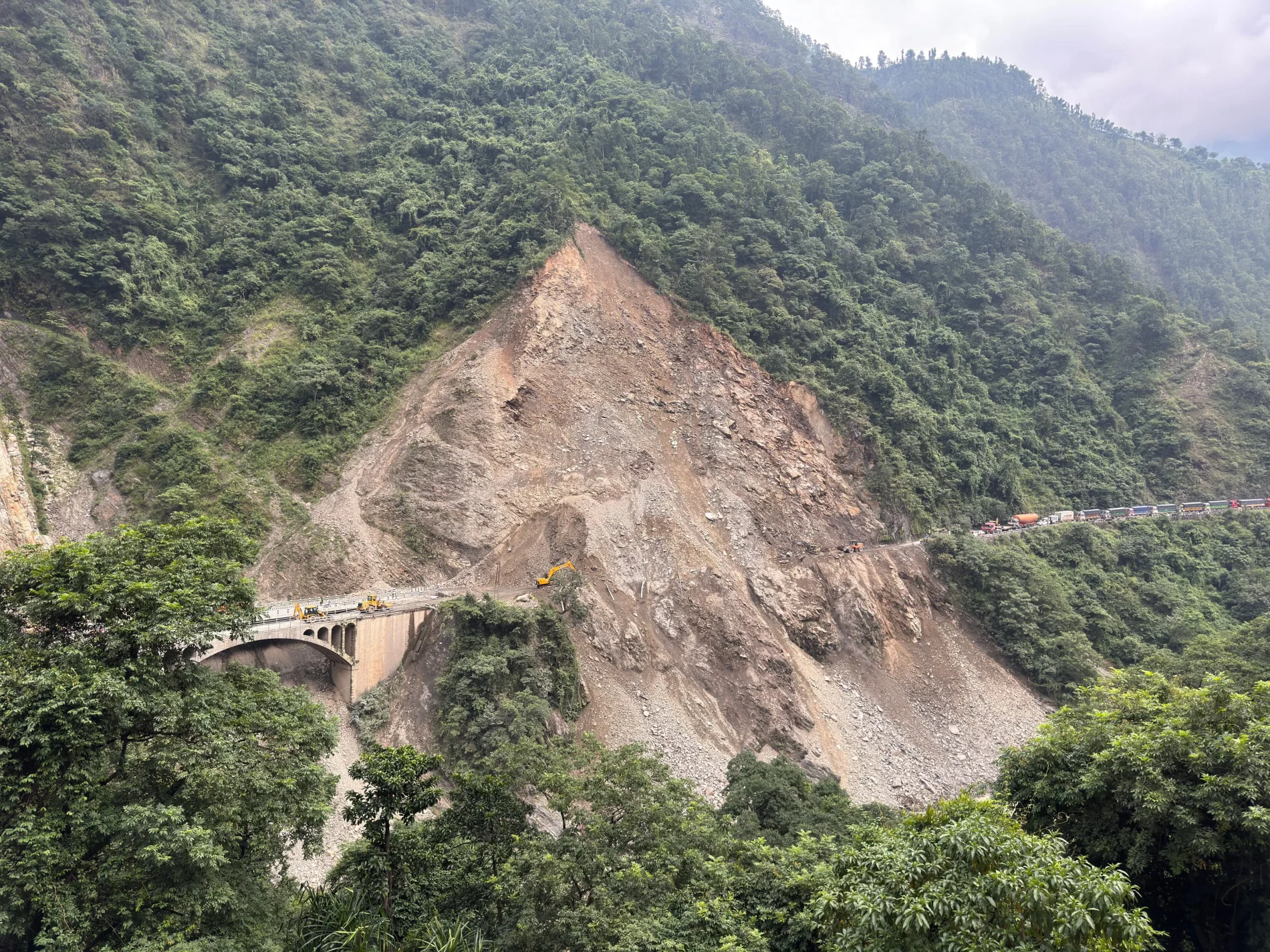
Trail conditions on the Annapurna Circuit Trek in September improve steadily as the month progresses. During the first week, lower sections of the trail between Besisahar and Chame may still be muddy or slippery due to lingering monsoon rainfall. Landslides can occasionally affect roads leading to the trek, although the walking trails usually remain open. By mid to late September, rainfall decreases significantly, allowing the trails to dry and become much easier to navigate.
Higher sections of the route, including Manang, Yak Kharka, Thorong Phedi, and Thorong La Pass, generally experience stable trail conditions because these areas receive less rainfall than the lower valleys. River crossings become safer, and visibility improves, making the trek more enjoyable.
Mountain Views on the Annapurna Circuit Trek in September
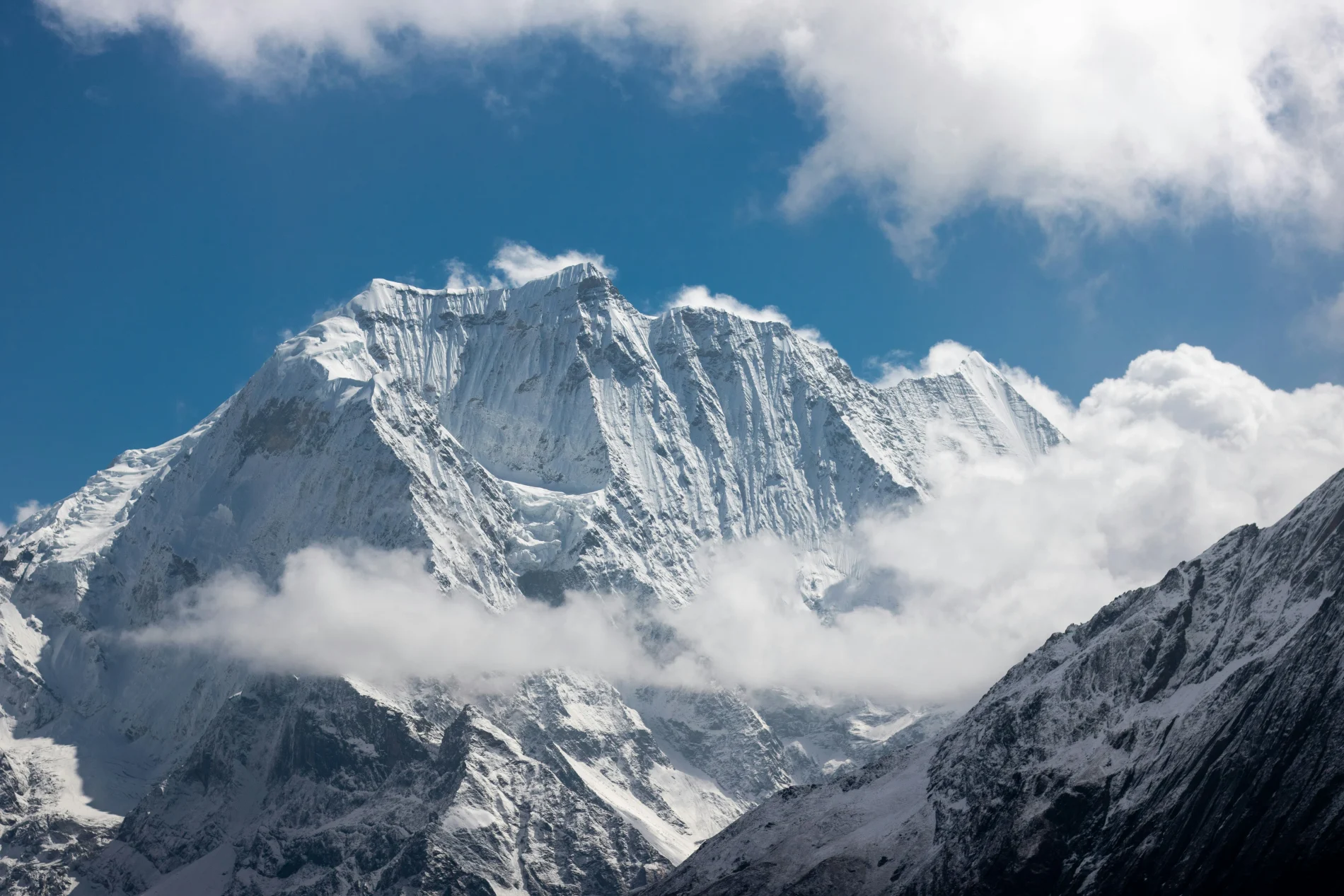
September offers increasingly impressive mountain views as the monsoon gradually withdraws from the Himalayas. During the first week, clouds may still cover some peaks, particularly in the afternoon. However, visibility improves significantly by mid to late September, revealing spectacular panoramas throughout the Annapurna Circuit. Early mornings usually provide the clearest conditions, making them the best time for photography and sightseeing.
As the trail climbs through Chame, Pisang, and Manang, trekkers enjoy outstanding views of Annapurna II, Annapurna III, Annapurna IV, Gangapurna, Lamjung Himal, and Pisang Peak. After crossing Thorong La Pass at 5,416 meters, the scenery changes dramatically, with expansive views of the Dhaulagiri, Nilgiri, and Tukuche peaks dominating the landscape. The fresh post-monsoon atmosphere also enhances visibility, allowing distant Himalayan peaks to appear sharp and vibrant.
For photographers and nature enthusiasts, the second half of September provides some of the year’s finest mountain scenery before the peak trekking crowds arrive.
Crowds and Trekking Experience in September
The Annapurna Circuit Trek in September offers a quieter and more relaxed trekking experience than the peak autumn months of October and November. Since the main trekking season has not yet reached its busiest period, the trails, teahouses, and popular viewpoints are generally less crowded. This allows trekkers to enjoy a more peaceful atmosphere while exploring traditional villages and interacting with local communities.
Early September sees relatively few visitors because of the lingering monsoon conditions. However, the number of trekkers gradually increases during the second half of the month as the weather becomes more stable. Even then, the route remains less congested than in October, making it easier to find accommodation and enjoy popular stops such as Manang and Thorong Phedi.
For trekkers who value quieter trails, flexible accommodation options, and a more personal trekking experience without sacrificing beautiful mountain scenery, September is an excellent time to complete the Annapurna Circuit Trek.
Pros of the Annapurna Circuit Trek in September
Fewer Crowds
September is quieter than October, allowing trekkers to enjoy a more peaceful experience on the trail. Teahouses are less crowded, and popular stops such as Manang and Thorong Phedi are generally easier to access.
Fresh Post–Monsoon Landscapes
The monsoon leaves the region lush and vibrant. Green hillsides, dense forests, flowing waterfalls, and full rivers create some of the most colorful scenery of the year.
Improving Weather Conditions
Although early September may receive occasional showers, weather conditions improve steadily throughout the month. By mid to late September, clear skies and stable conditions become more common.
Better Availability of Accommodation
Since the peak trekking season has not yet begun, finding rooms in teahouses is usually easier. Trekkers also enjoy greater flexibility when planning their daily itinerary.
Excellent Photography Opportunities
Fresh landscapes combined with increasingly clear mountain views create ideal conditions for photography. The contrast between green valleys and snow-covered Himalayan peaks makes September especially attractive for nature photographers.
Cons of the Annapurna Circuit Trek in September
Occasional Monsoon Rain
Early September may still experience occasional rainfall, particularly in the lower sections of the trail. Wet conditions can make some paths muddy and reduce visibility during the first week of the month.
Slippery Trail Sections
Trails between Besisahar and Dharapani may remain slippery after heavy rain. Landslides or small rockfalls are also possible in certain areas, although major routes are usually cleared quickly.
Limited Mountain Views in Early September
Cloud cover is more common during the first half of the month, especially in the afternoon. Trekkers may need to wait until mid or late September for consistently clear Himalayan views.
Leeches at Lower Elevations
Leeches can still be present in forested sections below around 2,500 meters, particularly after rainfall. Although harmless, they can be uncomfortable for some trekkers.
Weather Can Change Quickly
September is a transitional month between the monsoon and autumn seasons. Sunny mornings may be followed by afternoon clouds or light showers, so trekkers should remain prepared for changing weather conditions throughout the journey.
What to Pack for the Annapurna Circuit Trek in September
Packing the right gear is essential for a comfortable and safe Annapurna Circuit Trek in September. Since the month marks the transition from the monsoon to autumn, trekkers should prepare for warm daytime temperatures at lower elevations, cool conditions at higher altitudes, and occasional rain during the first half of the month. Layered clothing is the best approach, allowing you to adjust to changing temperatures throughout the day.
Essential items include waterproof trekking boots, moisture-wicking base layers, a fleece jacket, a down jacket, waterproof rain gear, trekking pants, warm gloves, a wool hat, and quality hiking socks. A sleeping bag rated for sub-zero temperatures is recommended for overnight stays near Thorong Phedi and High Camp. Don’t forget trekking poles, sunglasses, sunscreen, a reusable water bottle, a headlamp, and a basic first-aid kit.
Packing light while carrying the right essentials will make your trek more comfortable and help you adapt to the changing weather and varying altitudes along the Annapurna Circuit.
Trekking Difficulty in September
The Annapurna Circuit Trek in September is considered a moderately challenging to challenging trek, primarily because of its long duration, varied terrain, and high altitude. The trek usually takes 12 to 18 days and reaches its highest point at Thorong La Pass, which stands at 5,416 meters. Trekkers should be prepared to walk 5 to 8 hours each day over steep ascents, rocky trails, suspension bridges, and mountain paths.
Weather conditions in September can also influence the difficulty of the trek. Early in the month, occasional rain may leave lower trails muddy and slippery, while higher elevations remain cool throughout the day. By mid to late September, trail conditions improve significantly, making the journey more comfortable and predictable.
With good physical fitness, proper acclimatization, and a steady pace, most trekkers can successfully complete the Annapurna Circuit Trek in September. Previous high-altitude trekking experience is helpful but not essential for those who prepare adequately before the journey.
Altitude and Acclimatization Tips
Proper acclimatization is one of the most important factors for completing the Annapurna Circuit Trek in September safely. The trek reaches its highest point at Thorong La Pass, 5,416 meters above sea level, where the oxygen level is significantly lower than at sea level. Although September offers favorable trekking conditions, altitude sickness can affect anyone, regardless of age or fitness level.
A gradual ascent helps the body adjust to increasing elevation. Most itineraries include an acclimatization day in Manang at 3,540 meters, allowing trekkers to rest while taking short hikes to higher elevations before returning to sleep. Staying well hydrated, eating nutritious meals, avoiding alcohol, and maintaining a steady walking pace also reduce the risk of altitude-related illness.
Trekkers should recognize common symptoms of Acute Mountain Sickness (AMS), including headache, nausea, dizziness, loss of appetite, and unusual fatigue. If symptoms become severe or worsen, the safest option is to descend immediately and seek medical assistance if necessary.
Permits Required for the Annapurna Circuit Trek in September
All trekkers must obtain the required permits before starting the Annapurna Circuit Trek in September. The two mandatory permits are the Annapurna Conservation Area Permit (ACAP) and the Trekkers’ Information Management System (TIMS) Card. These permits support conservation efforts, help maintain trekking trails, and improve trekker safety by recording visitor information.
The Annapurna Conservation Area Permit (ACAP) costs approximately USD 23 (NPR 3,000) for foreign nationals, while the TIMS Card costs around USD 15–20, depending on whether you trek independently or through a registered trekking agency. Permit fees are subject to change, so it is advisable to verify the latest rates before your trip.
Both permits can be obtained in Kathmandu or Pokhara before beginning the trek. Keep your permits and passport readily available, as officials check them at several checkpoints along the Annapurna Circuit.
Note: If your blog is for 2026 and you want maximum accuracy, it’s a good idea to verify the latest permit fees before publishing, as government charges can change.
Accommodation and Food on the Annapurna Circuit Trek in September
September offers good availability of teahouses along the Annapurna Circuit, especially during the first half of the month before the peak trekking season begins. Most villages, including Chame, Pisang, Manang, Yak Kharka, Thorong Phedi, and Muktinath, have comfortable teahouses providing basic rooms, warm meals, and essential facilities. As the month progresses, the number of trekkers increases, but finding accommodation is generally easier than in October.
Accommodation typically costs between $5 and $15 per night, depending on the location and available facilities. Rooms at higher elevations may cost slightly more, particularly if meals are not purchased at the same teahouse.
Food prices gradually increase with altitude because supplies are transported by porters, mules, or helicopters. A plate of Dal Bhat usually costs $6–10, fried rice $5–8, noodles $4–7, breakfast items $4–8, tea or coffee $1–4, and bottled drinking water $1–5, depending on the village. Most trekkers spend approximately $30–50 per day on accommodation, meals, snacks, and drinks during the trek.
Transportation to and from the Trailhead
Transportation is an important part of planning the Annapurna Circuit Trek in September. Most trekkers begin their journey with a tourist bus or private jeep from Kathmandu to Besisahar, followed by another jeep ride to Dharapani or Chame, depending on the road conditions and chosen itinerary. September’s improving weather usually keeps roads open, although occasional rain during the first half of the month may cause minor delays on mountain roads.
After completing the trek, most trekkers finish at Jomsom. From there, you can take a domestic flight to Pokhara if weather permits or travel by shared jeep or local bus through Tatopani and Beni. Some itineraries continue through Ghorepani and Poon Hill before ending at Nayapul, followed by a drive to Pokhara.
#Approximate transportation costs are:
Tourist bus (Kathmandu to Besisahar): $10–15
Shared jeep (Besisahar to Chame): $20–30
Private jeep (Kathmandu to Chame): $180–250 per vehicle
Jomsom to Pokhara flight: $120–150
Shared jeep (Jomsom to Pokhara): $25–40
Tourist bus (Pokhara to Kathmandu): $10–15
Safety Tips for the Annapurna Circuit Trek in September
Although September offers improving trekking conditions, proper preparation is essential for a safe and enjoyable journey. Early in the month, occasional rain can make lower trails muddy and slippery, while higher elevations remain cold throughout the trek. Checking the weather forecast before setting out each day and starting your hike early in the morning can help you avoid afternoon clouds or light showers.
Altitude sickness is one of the biggest challenges on the Annapurna Circuit. Follow a gradual itinerary, include an acclimatization day in Manang, stay well hydrated, and avoid climbing too quickly. If you experience severe symptoms of Acute Mountain Sickness (AMS), descend immediately and seek medical assistance.
Travel with comprehensive travel insurance that covers high-altitude trekking and emergency helicopter evacuation. Carry a basic first-aid kit, extra snacks, a power bank, and sufficient cash, as ATMs become limited after Besisahar. Hiring a licensed guide also improves safety by providing local knowledge, weather updates, and assistance in case of emergencies.
Our Expert Trekking Advice
Based on our experience guiding trekkers on the Annapurna Circuit, September is an excellent month for those who prefer quieter trails and fresh post-monsoon landscapes. If your schedule allows, we recommend starting your trek after the second week of September, when rainfall decreases, skies become clearer, and trail conditions improve significantly.
A well-planned itinerary with proper acclimatization is essential for a safe and enjoyable trek. Spend an extra day in Manang to help your body adjust to the altitude before crossing Thorong La Pass. Walk at a steady pace, stay hydrated, eat nutritious meals, and avoid rushing to higher elevations.
Pack layered clothing, waterproof gear, and sturdy trekking boots, as weather conditions can still change during September. Booking a licensed guide not only enhances your safety but also enriches your experience with local knowledge and cultural insights. With the right preparation and realistic expectations, the Annapurna Circuit Trek in September offers a rewarding combination of spectacular mountain scenery, peaceful trails, and authentic Himalayan culture.
Suggested Blog Post
- Annapurna Circuit Trek in January
- Annapurna Circuit Trek in February
- Annapurna Circuit Trek in March
- Annapurna Circuit Trek in April
- Annapurna Circuit Trek in May
- Annapurna Circuit Trek in June
- Annapurna Circuit Trek in July
- Annapurna Circuit Trek in August
- Annapurna Circuit Trek in September
- Annapurna Circuit Trek in October
- Annapurna Circuit Trek in November
- Annapurna Circuit Trek in December
Conclusion
The Annapurna Circuit Trek in September is an excellent choice for trekkers seeking beautiful post-monsoon landscapes, improving weather, and a quieter trekking experience before the busy autumn season begins. While the first half of the month may still experience occasional rainfall, conditions become significantly more stable from mid-September onward, bringing clearer skies and spectacular Himalayan views.
The trek offers an unforgettable journey through diverse landscapes, traditional mountain villages, and the challenging Thorong La Pass at 5,416 meters. Along the way, trekkers experience the rich cultures of the Gurung, Manangi, and Thakali communities while enjoying panoramic views of the Annapurna, Dhaulagiri, Manaslu, and Nilgiri ranges.
With proper preparation, suitable gear, and a well-planned itinerary that includes adequate acclimatization, September provides an ideal balance of pleasant weather, fewer crowds, and excellent trekking conditions. For those looking to experience one of Nepal’s most iconic trekking routes in a peaceful setting, the Annapurna Circuit Trek in September is a rewarding and memorable adventure.
Frequently Asked Questions (FAQs)
1. Is September a good time for the Annapurna Circuit Trek?
Yes, September is a great time for the Annapurna Circuit Trek, especially from mid to late September. The weather becomes more stable after the monsoon, the skies gradually clear, and the trails are much quieter than during the peak trekking season in October.
2. What is the weather like on the Annapurna Circuit Trek in September?
The weather varies throughout the month. Early September may experience occasional rain, while mid to late September offers clear skies, dry trails, and comfortable trekking temperatures. Higher elevations remain cold, particularly around Thorong La Pass.
3. What is the temperature on the Annapurna Circuit Trek in September?
Lower elevations usually experience daytime temperatures between 15°C and 22°C. Around Manang, temperatures range from 8°C to 15°C, while Thorong La Pass can drop to -5°C or lower during the early morning.
4. Can I cross Thorong La Pass in September?
Yes. Thorong La Pass at 5,416 meters is generally accessible in September. Weather conditions improve significantly after the second week of the month, making the crossing safer and more enjoyable.
5. How difficult is the Annapurna Circuit Trek in September?
The trek is considered moderately challenging to challenging due to its long duration, high altitude, and daily walking distances. Proper acclimatization and good physical fitness are essential.
6. How many days does the Annapurna Circuit Trek in September take?
Most itineraries take between 12 and 18 days, depending on your starting point, chosen route, acclimatization schedule, and transportation plans.
7. What permits are required for the Annapurna Circuit Trek in September?
Trekkers need two permits: the Annapurna Conservation Area Permit (ACAP) and the Trekkers’ Information Management System (TIMS) Card before beginning the trek.
8. What should I pack for the Annapurna Circuit Trek in September?
Pack layered clothing, a waterproof jacket, a down jacket, trekking boots, warm gloves, a hat, sunglasses, trekking poles, sunscreen, and a sleeping bag suitable for sub-zero temperatures.
9. Are teahouses open in September?
Yes. Teahouses operate throughout September, providing accommodation and meals along the entire route. Availability is generally better than during the busy month of October.
10. How much does the Annapurna Circuit Trek in September cost?
The average cost ranges from approximately $700 to $900 for independent trekkers and $1,000 to $1,400 for a standard guided trek, depending on the itinerary and included services.
11. Is altitude sickness common on the Annapurna Circuit Trek?
Altitude sickness is a potential risk because the trek reaches 5,416 meters. Following a gradual itinerary, staying hydrated, and spending an acclimatization day in Manang greatly reduce the risk.
12. Is September less crowded than October?
Yes. September attracts fewer trekkers than October, allowing for a quieter experience on the trails and easier access to teahouse accommodation, particularly during the first half of the month.
13. What are the best highlights of the Annapurna Circuit Trek in September?
Highlights include Thorong La Pass, Manang, Muktinath Temple, traditional Gurung and Thakali villages, lush post-monsoon landscapes, waterfalls, and spectacular views of the Annapurna and Dhaulagiri mountain ranges.
14. Can beginners do the Annapurna Circuit Trek in September?
Yes. Beginners with good physical fitness and a properly planned itinerary can successfully complete the trek. Hiring a licensed guide is recommended for first-time high-altitude trekkers.
15. Why choose the Annapurna Circuit Trek in September?
The Annapurna Circuit Trek in September offers fresh green landscapes, steadily improving weather, fewer crowds, comfortable trekking conditions, and outstanding Himalayan scenery. It is an excellent choice for trekkers who want to enjoy the beauty of autumn before the peak trekking season begins.

Similar Blogs
View all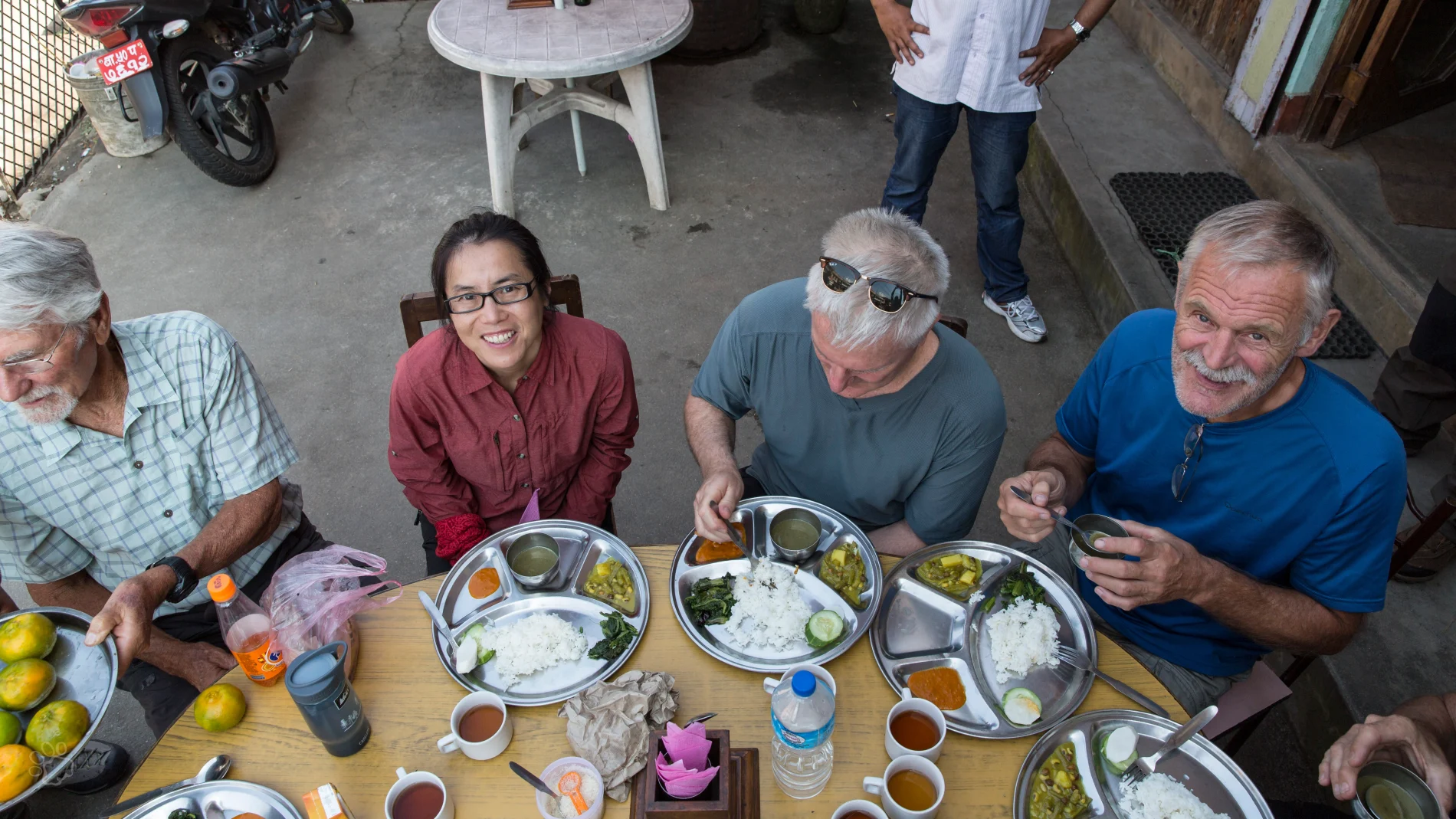
13/10/2026
Manaslu Circuit Trek After the October 2026 Floods: Trail Conditions, Safety and Travel Updates
The Manaslu Circuit Trek is one of Nepal’s most rewarding Himalayan journeys, taking trekkers through traditional...
Read more
13/10/2026
Your Nepal Trek Is Booked, but the Trail Is Closed: What Now?
Imagine arriving in Nepal with your trekking boots ready, your flights booked, your bags packed, and...
Read more