Annapurna Circuit Trek in August: A Complete Guide for 2026
Share:
 Read Time
This blog has 6634 words .This blog has 45528 characters.This blog take 22 minutes to read.
The Annapurna Circuit Trek in August takes place during the final phase of Nepal’s summer monsoon, offering trekkers a peaceful journey through lush valleys, vibrant forests, and dramatic Himalayan landscapes. Although August receives regular rainfall at lower elevations, much of the route beyond Manang lies within the Himalayan rain-shadow region, where precipitation is significantly lower. This unique geography makes the Annapurna Circuit one of Nepal’s most suitable high-altitude treks during the monsoon season.
Having guided trekkers on the Annapurna Circuit throughout the summer months, I’ve found that August offers a rewarding combination of quiet trails, thriving landscapes, and surprisingly good trekking conditions in the upper valleys. The lower sections feature green hillsides, powerful waterfalls, and flowing rivers at their seasonal peak, while the dry terrain around Manang, Thorong La Pass, and the Mustang region provides a striking contrast. Although afternoon rain showers and cloud cover are common in the lower valleys, early mornings often reveal impressive views of Annapurna, Dhaulagiri, Manaslu, Gangapurna, Tilicho Peak, and the surrounding Himalayan peaks.
This complete guide covers everything you need to know before planning the Annapurna Circuit Trek in August, including weather, temperatures, trail conditions, mountain views, accommodation, food, transportation, permits, costs, packing recommendations, altitude considerations, and practical safety tips. Whether you’re looking to avoid the crowds of spring and autumn or experience the Annapurna region during its greenest season, this guide will help you prepare for a safe, enjoyable, and memorable Himalayan adventure.
Why Choose the Annapurna Circuit Trek in August?
The Annapurna Circuit Trek in August is an excellent option for trekkers seeking peaceful trails and dramatic monsoon scenery. Although August falls within Nepal’s rainy season, the Annapurna Circuit remains one of the country’s best trekking choices because much of the route beyond Manang lies in the Himalayan rain-shadow region. This means the higher sections of the trek receive considerably less rainfall than many other popular trekking destinations.
One of the biggest advantages of trekking in August is the lack of crowds. With most visitors choosing the spring or autumn seasons, the trails remain quiet, teahouses are less busy, and you’ll have greater flexibility when choosing accommodation. The peaceful atmosphere also provides more opportunities to enjoy the natural surroundings and experience the hospitality of local mountain communities.
August transforms the Annapurna region into one of Nepal’s greenest landscapes. The lower valleys are filled with lush forests, terraced farmland, colorful vegetation, powerful waterfalls, and fast-flowing rivers fed by the monsoon rains. As the trail climbs toward Manang, Yak Kharka, and Thorong La Pass (5,416 m), the scenery gradually changes into the dry alpine environment of the rain-shadow region. While afternoon showers are common below Manang, mornings often provide clear mountain views and excellent photography conditions.
Another advantage of trekking in August is the relaxed pace of the season. Most teahouses along the main route remain open, accommodation is easy to find, and some trekking agencies offer attractive off-season package prices. Although weather-related road or flight delays occasionally occur, careful planning and a flexible itinerary usually minimize disruptions.
For trekkers who enjoy quieter trails, vibrant monsoon landscapes, and a more relaxed Himalayan experience, the Annapurna Circuit Trek in August is a rewarding choice. With suitable rain gear, proper preparation, and realistic expectations, August offers a unique perspective on one of Nepal’s most iconic trekking routes.
Weather in August
The Annapurna Circuit weather in August is characterized by warm temperatures, high humidity in the lower valleys, and frequent monsoon rainfall. As the final full month of Nepal’s summer monsoon, August often experiences similar weather to July. However, one of the Annapurna Circuit’s greatest advantages is that much of the trail beyond Manang lies within the Himalayan rain-shadow region, where rainfall is considerably lower than in many other trekking areas of Nepal.
Weather conditions vary significantly with elevation. Lower sections of the trek, including Besisahar, Chame, and surrounding foothill villages, typically receive regular afternoon and evening rain showers. Trails in these areas are often muddy, and cloud cover is common throughout the day. As trekkers ascend toward Manang, Yak Kharka, and Thorong Phedi, rainfall decreases noticeably, humidity drops, and trekking conditions generally become more favorable.
The weather around Thorong La Pass (5,416 m) remains highly unpredictable throughout August. While heavy monsoon rain is uncommon at this elevation, trekkers may encounter strong winds, low cloud, occasional snowfall, or rapidly changing weather. Early morning crossings provide the safest conditions, with calmer weather, better visibility, and a lower chance of afternoon cloud buildup.
Overall, the Annapurna Circuit Trek in August remains a practical option for well-prepared trekkers despite the ongoing monsoon. Starting each day early, carrying dependable waterproof gear, and allowing extra time for possible transportation or weather-related delays are essential. Although lower elevations receive regular rainfall, the combination of lush landscapes, quieter trails, and the drier rain-shadow region makes August one of the better monsoon months for trekking the Annapurna Circuit.
Temperature in August
The Annapurna Circuit temperature in August remains warm at the lower elevations while staying pleasantly cool in the higher alpine regions. August is one of the warmest months of the year in Nepal, with monsoon conditions bringing higher humidity to the foothills. Despite the summer season, temperatures near Thorong La Pass (5,416 m) can still drop below freezing during the early morning, making warm clothing essential throughout the trek.
In the lower sections, including Besisahar and Chame, daytime temperatures generally range from 22°C to 28°C (72°F to 82°F), while nighttime temperatures usually remain between 13°C and 17°C (55°F to 63°F). As you ascend toward Manang, Yak Kharka, and Thorong Phedi, daytime temperatures typically range from 12°C to 18°C (54°F to 64°F). Nights become much cooler, with temperatures commonly falling between 0°C and -3°C (32°F to 27°F).
The coldest part of the trek remains Thorong La Pass, where early morning temperatures generally range from -3°C to -7°C (27°F to 19°F). Strong winds can make the pass feel significantly colder, especially before sunrise when most trekkers begin the ascent. A down jacket, insulated gloves, a warm hat, and windproof outer layers remain essential despite the warm weather experienced at lower elevations.
Overall, the Annapurna Circuit Trek in August offers comfortable trekking temperatures across most of the route. While humidity and rainfall make the lower valleys feel warmer, the higher elevations remain cool and enjoyable for hiking. By packing clothing suitable for both warm afternoons and cold high-altitude mornings, trekkers can comfortably experience the diverse climates that make the Annapurna Circuit one of Nepal’s most remarkable trekking routes.
Temperature Table
Trail Conditions
The Annapurna Circuit Trek in August presents a combination of wet monsoon trails at lower elevations and relatively dry alpine paths in the Himalayan rain-shadow region. As one of the wettest months in Nepal, August brings frequent rainfall to the foothills, creating muddy trails, slippery stone steps, and occasional waterlogged sections. However, conditions improve considerably as the trek climbs beyond Manang, where rainfall decreases and the landscape becomes much drier.
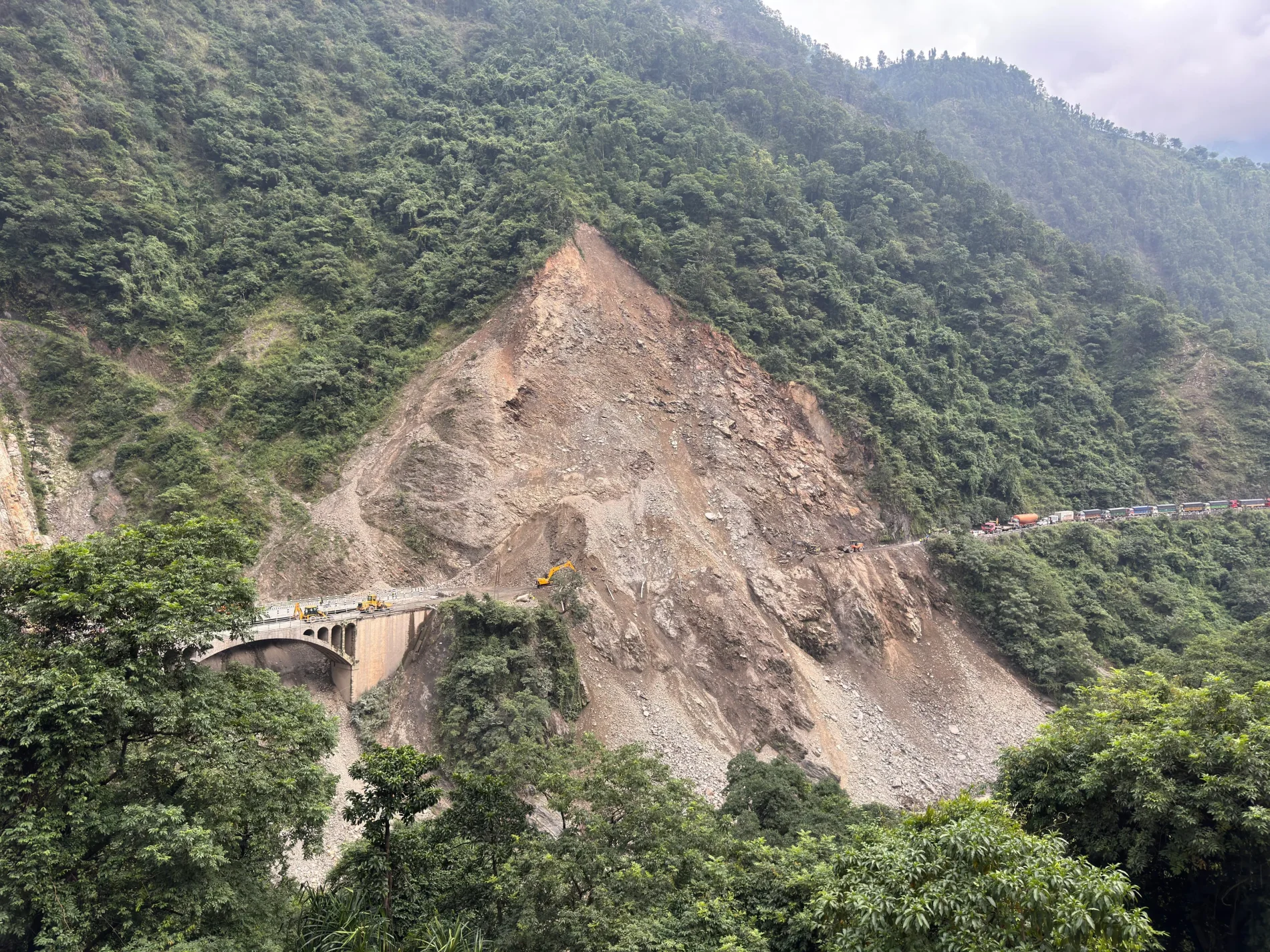
From Besisahar to Chame, expect muddy forest trails, flowing streams, and occasional sections affected by heavy rain. Landslides and temporary road disruptions may occur in the lower valleys after prolonged rainfall, particularly along the road between Besisahar and Chame. Waterproof trekking boots with good grip, trekking poles, and waterproof gaiters are highly recommended for maintaining stability and comfort on wet terrain.
Once you reach Manang, the environment changes dramatically. The trail enters the Himalayan rain-shadow, where rainfall becomes much less frequent and trekking conditions are generally drier. The routes to Yak Kharka, Thorong Phedi, and Thorong La Pass (5,416 m) are usually well-maintained and easier to walk than the lower monsoon-affected sections. Although cloud cover, strong winds, or occasional light snowfall may occur near the pass, extended periods of heavy rain are uncommon at these elevations.
Weather conditions around Thorong La Pass remain unpredictable regardless of the season. Crossing the pass early in the morning provides the best chance of stable weather, clearer skies, and safer trekking conditions before clouds and stronger winds develop later in the day.
Overall, the Annapurna Circuit in August remains a rewarding trek for those prepared for monsoon conditions. With reliable waterproof equipment, sturdy footwear, careful pacing, and a flexible itinerary, trekkers can safely navigate the wetter lower sections while enjoying the quieter trails and dry alpine scenery that make the Annapurna Circuit one of Nepal’s best monsoon trekking destinations.
Mountain Views
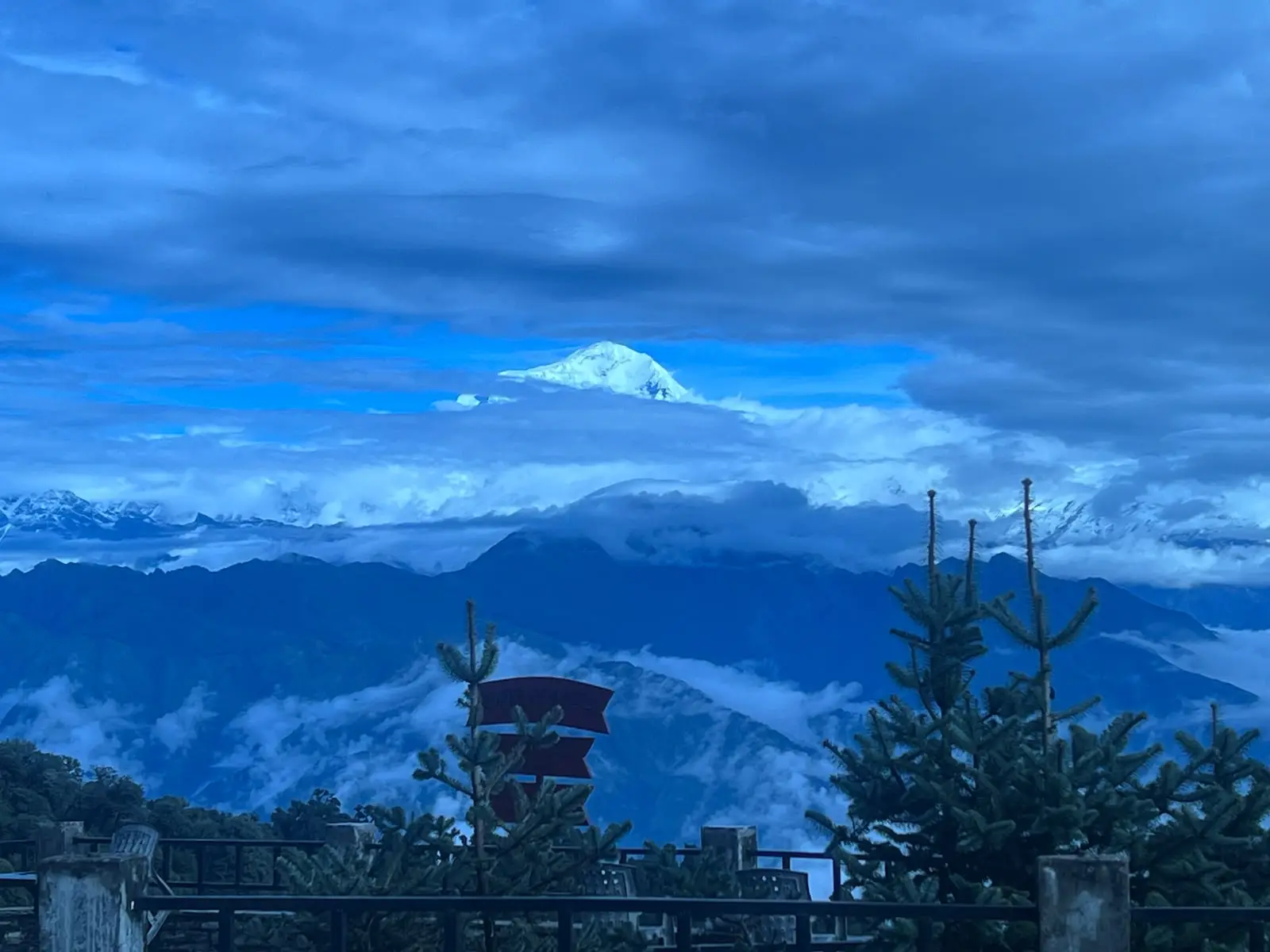
The Annapurna Circuit Trek in August offers rewarding mountain scenery for trekkers who plan their days around the monsoon weather. While cloud cover is more common than during the spring and autumn trekking seasons, early mornings frequently provide clear skies, particularly in the Himalayan rain-shadow region beyond Manang. Trekkers who begin hiking shortly after sunrise often enjoy spectacular Himalayan views before clouds build later in the day.
Throughout the trek, you’ll have opportunities to admire some of Nepal’s highest and most beautiful peaks, including Annapurna II, Annapurna III, Annapurna IV, Gangapurna, Tilicho Peak, Chulu East, Chulu West, Manaslu, Dhaulagiri, Nilgiri, and Tukuche Peak. The lower valleys are often wrapped in mist following overnight rain, creating dramatic scenery, while the higher elevations around Manang, Thorong La Pass, and Muktinath frequently enjoy much clearer visibility.
Some of the best viewpoints during August are found around Upper Pisang, Manang, Yak Kharka, the ascent to Thorong La Pass (5,416 m), and the descent toward Muktinath. Monsoon rainfall also helps wash dust and haze from the atmosphere, producing crisp mountain views whenever the skies clear. The contrast between vibrant green valleys, drifting clouds, and snow-covered peaks creates exceptional photography opportunities.
Although afternoon clouds and occasional rain showers are common in August, they rarely prevent trekkers from enjoying memorable Himalayan panoramas. By starting each day early and remaining flexible with your itinerary, you can maximize your chances of experiencing the breathtaking mountain scenery that makes the Annapurna Circuit Trek in August one of Nepal’s most rewarding monsoon adventures.
Landscapes
The Annapurna Circuit Trek in August offers some of the most vibrant and contrasting landscapes of the entire year. The monsoon season reaches its peak in the lower valleys, transforming forests, farmland, and hillsides into lush green scenery filled with colorful vegetation, flowing rivers, and spectacular waterfalls. As the trail climbs into the Himalayan rain-shadow beyond Manang, the landscape changes dramatically to dry alpine valleys, rugged cliffs, and the striking desert-like terrain of Mustang.
The trek begins through fertile foothills, traditional Gurung villages, terraced rice fields, and dense forests of pine, oak, and rhododendron. Frequent rainfall keeps the vegetation fresh and vibrant, while rivers and waterfalls flow at their strongest, creating impressive natural scenery throughout the lower sections of the route. Mist drifting through the valleys often adds a dramatic atmosphere, especially during the early morning hours.
Beyond Manang, the scenery changes completely. The influence of the monsoon weakens as the trail enters the rain-shadow region, revealing broad alpine valleys, glacial streams, rocky mountainsides, and towering snow-covered peaks. After crossing Thorong La Pass (5,416 m), the descent into the Mustang region introduces dry hills, colorful rock formations, ancient villages, and wide open valleys that provide a remarkable contrast to the lush greenery encountered earlier in the trek.
One of the greatest highlights of the Annapurna Circuit Trek in August is experiencing these dramatic geographical transitions within a single journey. From monsoon-fed forests and cascading waterfalls to high-altitude alpine terrain and the arid landscapes of Mustang, August showcases the incredible ecological diversity that has made the Annapurna Circuit one of the world’s most celebrated trekking routes.
Crowds and Trekking Experience
The Annapurna Circuit Trek in August offers one of the most peaceful trekking experiences in Nepal. Since August falls during the monsoon season, the number of trekkers is significantly lower than during the popular spring and autumn months. Those who choose to trek at this time are rewarded with quiet trails, uncrowded teahouses, and a more relaxed atmosphere throughout the journey.
The lower sections of the route see relatively few visitors, while villages such as Manang, Yak Kharka, and Thorong Phedi remain calm even during the busiest days of the month. This quieter environment allows trekkers to enjoy uninterrupted mountain scenery, spend more time interacting with local families, and experience the authentic culture of the Annapurna region without the crowds typically seen during peak trekking seasons.
Despite the lower number of trekkers, most teahouses along the main Annapurna Circuit remain open throughout August. Accommodation is generally easy to find, and independent trekkers rarely need to reserve rooms in advance. The relaxed pace of the season also gives trekkers greater flexibility to adjust their itinerary if heavy rain or transportation delays affect travel plans in the lower valleys.
One of the most rewarding aspects of trekking in August is the sense of solitude. Long stretches of the trail can be surprisingly quiet, allowing you to fully appreciate the sounds of flowing rivers, waterfalls, forests, and mountain winds. Combined with the lush monsoon landscapes and the dry alpine scenery beyond Manang, the Annapurna Circuit Trek in August provides a unique and memorable Himalayan experience for trekkers who value nature, tranquility, and adventure over crowds.
Pros
- Very Few Crowds: August is one of the quietest months on the Annapurna Circuit, allowing you to enjoy peaceful trails, uncrowded viewpoints, and a more relaxed trekking experience.
- Lush Monsoon Landscapes: The lower valleys are at their greenest, with dense forests, vibrant terraced fields, blooming vegetation, rushing rivers, and spectacular waterfalls creating beautiful scenery throughout the trek.
- Rain-Shadow Region: Much of the route beyond Manang lies within the Himalayan rain-shadow, where rainfall is significantly lower than in many other trekking regions of Nepal, providing better trekking conditions at higher elevations.
- Comfortable Trekking Temperatures: Warm daytime temperatures make hiking pleasant in the lower and middle elevations, while the alpine region remains cool and comfortable for trekking.
- Easy Accommodation: Most teahouses along the main route remain open, and finding a room is rarely difficult because of the low number of trekkers.
- Excellent Photography Opportunities: Fresh monsoon air often produces vibrant colors and dramatic contrasts between green valleys, low clouds, and snow-covered Himalayan peaks during clear mornings.
- Potential Off-Season Savings: Some trekking agencies, hotels, and transportation providers offer lower prices during August, making it one of the more budget-friendly months to complete the Annapurna Circuit.
Cons
- Frequent Monsoon Rain: Heavy afternoon and evening rainfall is common in the lower sections of the trek, resulting in muddy trails and slippery walking conditions.
- Landslide Risk: Continuous rainfall can occasionally trigger landslides or temporary road closures between Kathmandu, Besisahar, and Chame, potentially causing transportation delays.
- Cloudier Mountain Views: Afternoon cloud cover is more frequent during August, making early morning starts essential for the best mountain views and photography.
- Wet and Humid Lower Valleys: High humidity and persistent moisture can make trekking less comfortable below Manang, making quality waterproof gear essential.
- Transportation Disruptions: Road travel and flights, especially between Jomsom and Pokhara, may occasionally be delayed or canceled because of monsoon weather.
- Leeches on Forest Trails: Leeches are common in damp forested areas during August, particularly after rainfall in the lower elevations. Carrying salt or insect repellent can help reduce inconvenience.
- Flexible Itinerary Needed: Weather conditions can change quickly during the monsoon, so allowing extra days in your itinerary for possible transportation or trail delays is highly recommended.
What to Pack
Packing properly for the Annapurna Circuit Trek in August is essential because you’ll encounter warm, humid monsoon conditions in the lower valleys and cool alpine temperatures at higher elevations. Since August is one of Nepal’s wettest months, reliable waterproof gear is just as important as warm clothing. A well-planned layering system will help you stay comfortable as the weather and altitude change throughout the trek.
Begin with lightweight, moisture-wicking base layers, followed by a fleece or lightweight insulated jacket for cooler mornings and evenings. A high-quality waterproof and windproof rain jacket, waterproof rain pants, and a backpack rain cover are essential for protecting yourself and your equipment from frequent rain showers. A warm down jacket is still necessary for overnight stays at higher elevations and for the early morning crossing of Thorong La Pass (5,416 m).
Choose waterproof trekking boots with excellent grip and ankle support to safely navigate muddy trails, wet rocks, and slippery descents in the lower sections of the route. Trekking poles provide additional stability on uneven terrain, while quick-drying or merino wool socks help keep your feet comfortable throughout the journey. Dry bags or waterproof stuff sacks are strongly recommended to protect clothing, electronics, and important documents inside your backpack.
Other important items include UV-protection sunglasses, sunscreen, SPF lip balm, insect repellent, a reusable water bottle or hydration system, water purification tablets or a portable filter, a headlamp with spare batteries, a basic first-aid kit, personal medications, and a power bank. A lightweight quick-drying towel and comfortable camp shoes are also useful after rainy trekking days. By packing carefully for both monsoon conditions and high-altitude weather, you’ll be well prepared to enjoy the Annapurna Circuit Trek in August safely and comfortably.
Trekking Difficulty
The Annapurna Circuit Trek in August is considered a moderately difficult to challenging trek. While the overall route is the same as in other seasons, the peak monsoon conditions add extra challenges such as muddy trails, slippery paths, occasional landslides, and possible transportation delays. However, once you enter the Himalayan rain-shadow region beyond Manang, trekking conditions generally become much drier and more comfortable.
Most trekking days involve 5 to 8 hours of hiking across a variety of terrain, including forest trails, suspension bridges, stone staircases, alpine meadows, and the demanding ascent to Thorong La Pass (5,416 m). The lower sections require extra care because rain can make trails slippery, while the higher elevations become physically demanding due to reduced oxygen levels and steep mountain terrain.
Altitude remains the greatest challenge throughout the trek. Above 3,000 meters, the thinner air makes every uphill climb more strenuous regardless of the season. The crossing of Thorong La Pass is the most difficult day of the journey, usually beginning before sunrise to take advantage of calmer weather, firmer trail conditions, and better visibility. Good physical fitness, gradual acclimatization, and steady pacing are essential for completing the trek safely.
Although August is much quieter than the peak trekking seasons, beginners should not underestimate the physical demands of the Annapurna Circuit. Preparing with regular hiking, cardiovascular training, and leg-strengthening exercises before your trip will significantly improve your trekking experience. Including an acclimatization day in Manang further increases your chances of successfully adapting to the altitude.
Hiring a licensed local guide is especially beneficial during August. A guide can monitor weather forecasts, recommend safer alternatives if heavy rain affects the lower sections, assist with transportation changes, and recognize the early signs of altitude sickness. With proper preparation, dependable rain gear, and a flexible itinerary, the Annapurna Circuit Trek in August remains a challenging but highly rewarding Himalayan adventure.
Altitude & Acclimatization
Altitude is the most important factor to consider on the Annapurna Circuit Trek in August. While the monsoon season brings warm temperatures and abundant greenery to the lower valleys, it does not reduce the effects of high altitude. As you climb above 3,000 meters, oxygen levels decrease significantly, making proper acclimatization essential for a safe and successful trek.
Most trekkers schedule an additional acclimatization day in Manang (3,540 m) before continuing toward Yak Kharka, Thorong Phedi, and Thorong La Pass (5,416 m). This rest day allows your body to gradually adapt to the thinner air while giving you the opportunity to complete a short acclimatization hike to a higher elevation before returning to sleep in Manang. Following the principle of “climb high, sleep low” remains one of the most effective ways to minimize the risk of altitude sickness.
The most common symptoms of Acute Mountain Sickness (AMS) include headache, nausea, dizziness, unusual fatigue, loss of appetite, and difficulty sleeping. These warning signs should never be ignored. If symptoms become more severe or fail to improve with rest, stop ascending immediately and descend to a lower elevation if necessary. Although August’s weather differs from other seasons, altitude sickness remains a year-round risk on the Annapurna Circuit.
To improve acclimatization, drink plenty of purified water, eat regular carbohydrate-rich meals, avoid excessive alcohol, and maintain a slow, steady walking pace. Warm temperatures and humid conditions in the lower valleys can increase fluid loss, making hydration particularly important during August. Once you reach the drier rain-shadow region beyond Manang, maintaining proper hydration remains equally important for high-altitude performance.
With a gradual itinerary, sufficient rest, and careful attention to your body’s signals, most trekkers successfully complete the Annapurna Circuit Trek in August. Respecting the altitude, rather than rushing the journey, is the key to safely crossing Thorong La Pass and enjoying one of Nepal’s most spectacular trekking adventures.
Permits
If you’re planning the Annapurna Circuit Trek in August, you’ll need the same permits required throughout the year. Although August falls during Nepal’s monsoon season and sees fewer trekkers than the spring and autumn months, the permit requirements remain unchanged. Permit checkpoints are located at several points along the route, so you should carry your documents with you throughout the trek.
The trek requires two official permits: the Annapurna Conservation Area Permit (ACAP) and the Trekkers’ Information Management System (TIMS) Card. The ACAP supports conservation efforts, trail maintenance, and sustainable tourism within the Annapurna Conservation Area, while the TIMS Card helps improve trekker safety and supports route management.
As of the latest guidelines, the ACAP costs NPR 3,000 for most foreign trekkers, while the TIMS Card costs NPR 2,000 when obtained through a registered trekking agency. SAARC nationals receive discounted permit fees. Because permit regulations and fees may change over time, it’s always advisable to confirm the latest requirements before traveling to Nepal.
Both permits can be obtained in Kathmandu or Pokhara before your trek begins. Many trekkers arrange them through a licensed trekking agency, which handles the paperwork and ensures everything is completed correctly. Since August is a quieter trekking month, the application process is usually quick, with shorter waiting times than during the peak trekking seasons.
Before starting your trek, check that your passport details are correctly printed on both permits and keep them easily accessible for inspection at the various checkpoints. Having your permits ready in advance allows you to begin the Annapurna Circuit Trek in August smoothly and focus on enjoying one of Nepal’s most diverse and scenic Himalayan journeys.
Accommodation
Accommodation on the Annapurna Circuit Trek in August remains comfortable and readily available throughout the main trekking route. Although August falls during Nepal’s monsoon season, most teahouses continue operating and welcome trekkers with warm hospitality. Because visitor numbers are relatively low, finding a room is rarely difficult, making August one of the most relaxed months for securing accommodation.
Most teahouses offer simple twin-sharing rooms equipped with beds, mattresses, pillows, and blankets. In lower villages such as Besisahar, Chame, and Pisang, many lodges also provide attached bathrooms, hot showers, Wi-Fi, and charging facilities for an additional fee. As you climb toward Manang, Yak Kharka, and Thorong Phedi, accommodation becomes more basic, with shared bathrooms and unheated bedrooms. The communal dining hall remains the warmest and most social area of each teahouse, where trekkers gather for meals and relaxation.
One of the biggest advantages of trekking in August is the excellent availability of accommodation. With fewer trekkers on the trail compared to spring and autumn, independent trekkers usually have no difficulty finding a room without making advance reservations. Those trekking with a licensed agency often have accommodation arranged in advance, providing additional convenience and flexibility if weather conditions require itinerary changes.
Accommodation prices remain affordable, especially when you eat dinner and breakfast at the same teahouse where you stay. While facilities become simpler at higher elevations, the friendly hospitality of local families, freshly prepared meals, and peaceful mountain atmosphere make staying in Annapurna’s teahouses one of the most memorable parts of the Annapurna Circuit Trek in August.
Food
Food on the Annapurna Circuit Trek in August is nutritious, satisfying, and widely available throughout the route. Despite the ongoing monsoon season, most teahouses on the main Annapurna Circuit continue serving a full menu of freshly prepared meals. Whether you’re trekking through the lush lower valleys or the drier landscapes beyond Manang, you’ll find plenty of wholesome food to fuel long days of hiking.
The most popular meal is Dal Bhat, Nepal’s traditional dish of steamed rice, lentil soup, seasonal vegetables, and pickles. Rich in carbohydrates, protein, and essential nutrients, Dal Bhat provides sustained energy for high-altitude trekking. Most teahouses also offer free refills, making it the preferred choice of many experienced trekkers and local guides.
In addition to Dal Bhat, teahouse menus commonly include fried rice, noodles, pasta, momos, soups, spaghetti, pizza, potatoes, pancakes, porridge, eggs, Tibetan bread, chapati, sandwiches, and homemade desserts such as apple pie. Hot drinks including ginger tea, lemon tea, masala tea, mint tea, black tea, coffee, and hot chocolate are available throughout the trek and are especially welcome during cool mornings, rainy afternoons, and chilly evenings at higher elevations.
As you gain altitude, food prices gradually increase because supplies must be transported to remote mountain villages by porters, pack animals, or vehicles where roads are accessible. During August, choosing freshly cooked meals is particularly important because the warm, humid conditions in the lower valleys can affect food storage. Drinking plenty of purified water, maintaining good hygiene, and avoiding excessive alcohol—especially above 3,000 meters—will help support proper acclimatization and keep you healthy throughout the Annapurna Circuit Trek in August.
Transportation
Transportation for the Annapurna Circuit Trek in August requires a degree of flexibility because August falls near the end of Nepal’s monsoon season. Regular transportation services continue to operate, but heavy rainfall can occasionally affect road conditions in the lower hills. Most trekkers travel from Kathmandu or Pokhara to Besisahar, then continue by four-wheel-drive jeep to Dharapani or Chame, depending on their chosen itinerary.
The drive from Kathmandu to Besisahar usually takes 6 to 8 hours by tourist bus, local bus, or private vehicle. From Besisahar, shared and private jeeps continue to Dharapani in approximately 3 to 4 hours or to Chame in around 5 to 6 hours. During August, prolonged rainfall may occasionally cause landslides, temporary road closures, or travel delays, especially along the Besisahar–Chame section. Building extra time into your travel schedule is highly recommended.
After completing the trek, many trekkers finish in Muktinath or Jomsom. From Muktinath, you can take a jeep to Jomsom and continue by road to Pokhara, a journey that generally takes 8 to 10 hours, depending on weather and road conditions. Alternatively, scenic flights from Jomsom to Pokhara operate when weather permits. However, cloud cover and monsoon conditions in August can increase the likelihood of flight delays or cancellations, so it’s wise to keep your itinerary flexible.
Transportation costs vary according to the type of vehicle and level of comfort you choose. Shared jeeps are the most economical option, while private jeeps offer greater convenience and flexibility. Many licensed trekking agencies include transportation as part of their trekking packages, simplifying logistics during the rainy season. With careful planning and realistic expectations, transportation for the Annapurna Circuit Trek in August remains straightforward despite occasional weather-related disruptions.
Cost
The Annapurna Circuit Trek cost in August varies depending on your itinerary, travel style, group size, and the services you choose. As August is part of Nepal’s monsoon season, it is considered a low trekking season, and travelers can often find slightly lower prices than during the busy spring and autumn months. With fewer trekkers on the trail, August offers excellent value for those seeking a quieter and more budget-friendly Himalayan adventure.
Independent trekkers should budget approximately USD 35 to 60 per day for accommodation, meals, drinking water, and personal expenses on the trail. This estimate excludes permits, transportation, travel insurance, guide or porter fees, equipment rental, and tips. As with every season, food and beverage prices increase gradually with altitude because supplies must be transported to remote mountain villages.
For trekkers who prefer an organized experience, most licensed trekking agencies offer Annapurna Circuit Trek packages ranging from USD 850 to USD 1,500 per person, depending on the itinerary, group size, accommodation standard, and included services. Many packages include permits, transportation, teahouse accommodation, a licensed guide, and in some cases porter services, meals, and airport transfers.
In addition to the main trekking expenses, you should budget for personal costs such as hot showers, Wi-Fi, charging electronic devices, laundry, snacks, bottled or purified drinking water, and tips for guides and porters. If you don’t own trekking equipment, renting items such as a down jacket, sleeping bag, waterproof clothing, or trekking poles in Kathmandu or Pokhara is an affordable and practical option.
Although occasional weather-related delays are possible during August, the month often provides better overall value than Nepal’s peak trekking seasons. With fewer crowds, readily available accommodation, and competitive trekking package prices, the Annapurna Circuit Trek in August remains an excellent choice for trekkers looking to experience one of Nepal’s classic Himalayan routes at a more relaxed pace and reasonable cost.
Safety Tips
The Annapurna Circuit Trek in August can be completed safely with proper planning and preparation. As August is one of the wettest months of Nepal’s monsoon season, trekkers should be prepared for heavy rainfall in the lower valleys, slippery trails, occasional landslides, and changing mountain weather. By taking sensible precautions and maintaining a flexible itinerary, you can enjoy a safe and rewarding trekking experience.
Check the Weather Before Crossing Thorong La Pass
Although much of the route beyond Manang lies in the Himalayan rain-shadow, weather around Thorong La Pass (5,416 m) can still change rapidly. Strong winds, low clouds, and occasional snowfall are possible even in August. Always check the latest local weather conditions and consult your guide or teahouse owners before crossing the pass.
Acclimatize Properly
Altitude sickness remains the most significant health risk on the Annapurna Circuit throughout the year. Spend an extra acclimatization day in Manang, ascend gradually, and never ignore symptoms such as headache, nausea, dizziness, or unusual fatigue. If symptoms worsen, descend immediately to a lower elevation.
Use High-Quality Waterproof Gear
Frequent rain in the lower sections makes reliable waterproof equipment essential. Carry a waterproof jacket, rain pants, backpack rain cover, waterproof trekking boots, and dry bags to keep your clothing and electronics protected. Trekking poles will also improve stability on muddy and slippery trails.
Stay Hydrated and Eat Freshly Cooked Food
Warm temperatures and high humidity increase the risk of dehydration, even during rainy weather. Drink plenty of purified water, eat freshly prepared meals, and avoid excessive alcohol, particularly above 3,000 meters, to support proper acclimatization and maintain your energy levels.
Start Trekking Early Each Day
Early mornings generally provide the clearest skies, the best mountain views, and the most stable weather conditions. Starting your hike early also helps you avoid afternoon rain showers, thicker cloud cover, and stronger winds, especially during the ascent to Thorong La Pass.
Prepare for Transportation Delays
Heavy rainfall can occasionally cause landslides or temporary road closures between Kathmandu, Besisahar, and Chame. Build one or two extra days into your travel schedule to accommodate possible transportation disruptions without affecting your international travel plans.
Hire a Licensed Local Guide
Hiring a licensed guide is highly recommended during August. A guide can monitor weather forecasts, advise on trail conditions, manage transportation changes, recognize early symptoms of altitude sickness, and provide valuable local knowledge throughout the trek. Their expertise enhances both your safety and your overall experience on the Annapurna Circuit Trek in August.
Our Expert Trekking Advice
Based on years of experience guiding trekkers on the Annapurna Circuit Trek, August is an excellent month for those who prioritize peaceful trails, lush scenery, and a more authentic Himalayan experience over guaranteed clear skies. While the lower valleys receive regular monsoon rainfall, the rain-shadow region beyond Manang often provides much drier trekking conditions than many first-time visitors expect.
The secret to a successful Annapurna Circuit Trek in August is timing your day well. Start hiking as early as possible each morning to take advantage of the clearest weather and the best mountain views. Afternoon rain and cloud cover are common in the lower elevations, so reaching your destination before the weather changes will make your trek more comfortable and enjoyable.
Invest in quality waterproof equipment before you begin. A reliable rain jacket, waterproof trekking boots, backpack rain cover, and dry bags are essential for protecting both yourself and your gear. At the same time, don’t underestimate the cold temperatures at higher elevations—carry a warm down jacket and insulating layers for the early morning crossing of Thorong La Pass (5,416 m).
Maintain a flexible itinerary throughout your journey. Monsoon weather can occasionally delay road transportation or flights, so avoid scheduling tight connections immediately after your trek. Allowing an extra day or two in your travel plans provides peace of mind and helps you adapt to changing conditions without unnecessary stress.
If this is your first Himalayan trek, hiring a licensed local guide is one of the best investments you can make. A guide can assist with route planning, monitor weather and altitude conditions, arrange logistics, and provide valuable cultural insights along the way. With realistic expectations, careful preparation, and respect for mountain conditions, the Annapurna Circuit Trek in August offers a rewarding combination of solitude, dramatic landscapes, and unforgettable Himalayan scenery.
Suggested Blog Post
- Annapurna Circuit Trek in January
- Annapurna Circuit Trek in February
- Annapurna Circuit Trek in March
- Annapurna Circuit Trek in April
- Annapurna Circuit Trek in May
- Annapurna Circuit Trek in June
- Annapurna Circuit Trek in July
- Annapurna Circuit Trek in August
- Annapurna Circuit Trek in September
- Annapurna Circuit Trek in October
- Annapurna Circuit Trek in November
- Annapurna Circuit Trek in December
Conclusion
The Annapurna Circuit Trek in August offers a unique opportunity to experience one of Nepal’s most iconic trekking routes during the final phase of the summer monsoon. While the lower valleys receive regular rainfall and vibrant greenery, much of the trail beyond Manang lies within the Himalayan rain-shadow region, where trekking conditions are generally much drier. This combination of lush landscapes, quiet trails, and diverse mountain scenery makes August an appealing choice for adventurous trekkers.
Although August requires flexibility because of changing weather, muddy lower trails, and the possibility of transportation delays, the trek remains highly achievable with proper planning. Carrying reliable waterproof gear, allowing extra travel time, following a gradual acclimatization schedule, and starting each trekking day early will help you make the most of your journey.
From the terraced hills and waterfalls of the lower Annapurna region to the dramatic crossing of Thorong La Pass (5,416 m) and the arid valleys of Mustang, the Annapurna Circuit Trek in August showcases an extraordinary range of landscapes and cultures. The quieter atmosphere also allows for more meaningful interactions with local communities and a deeper appreciation of the region’s natural beauty.
If you’re looking for fewer crowds, vibrant monsoon scenery, and a rewarding high-altitude adventure, August is an excellent time to trek the Annapurna Circuit. With thoughtful preparation, appropriate equipment, and respect for both the weather and altitude, you’ll enjoy one of Nepal’s most diverse and memorable Himalayan trekking experiences.
FAQs
1. Is August a good time for the Annapurna Circuit Trek?
Yes. August is a good time for the Annapurna Circuit Trek if you prefer quieter trails and don’t mind trekking during the monsoon season. While the lower valleys receive frequent rainfall, much of the route beyond Manang lies in the Himalayan rain-shadow, where conditions are considerably drier.
2. What is the weather like on the Annapurna Circuit in August?
The Annapurna Circuit weather in August is warm and humid at lower elevations, with regular afternoon and evening rain showers. Higher sections around Manang, Thorong La Pass, and Mustang generally receive much less rainfall due to the rain-shadow effect.
3. How cold is the Annapurna Circuit in August?
Temperatures vary with altitude. Lower villages typically experience daytime temperatures between 22°C and 28°C, while early morning temperatures at Thorong La Pass (5,416 m) usually range from -3°C to -7°C. Warm clothing remains essential for higher elevations.
4. Does it rain on the Annapurna Circuit in August?
Yes. Rain is common during August, especially between Besisahar and Chame. However, rainfall decreases significantly beyond Manang, making the upper sections of the Annapurna Circuit one of Nepal’s better trekking options during the monsoon.
5. Is Thorong La Pass open in August?
Yes. Thorong La Pass is generally open during August. However, weather conditions can change rapidly, so trekkers should always check local forecasts and trail conditions before attempting the crossing.
6. Is August better than July for the Annapurna Circuit Trek?
Both months offer similar trekking conditions. August often has comparable rainfall to July, though rainfall may gradually decrease toward the end of the month as the monsoon begins to weaken. Both months provide lush scenery, quiet trails, and the benefit of the Himalayan rain-shadow beyond Manang.
7. Can beginners do the Annapurna Circuit Trek in August?
Yes. Beginners with good physical fitness can complete the trek successfully by following a gradual itinerary, acclimatizing properly, carrying suitable rain gear, and ideally trekking with a licensed local guide.
8. What should I pack for the Annapurna Circuit Trek in August?
Pack quick-drying clothing, a waterproof jacket and rain pants, waterproof trekking boots, thermal layers, a down jacket, trekking poles, a backpack rain cover, dry bags, sunscreen, insect repellent, and a sleeping bag rated to at least -10°C to -15°C.
9. Are teahouses open in August?
Yes. Most teahouses on the main Annapurna Circuit remain open throughout August. Because the trail is relatively quiet, accommodation is usually easy to find without advance reservations.
10. How much does the Annapurna Circuit Trek cost in August?
Independent trekkers generally spend around USD 35–60 per day, while guided trekking packages typically range from USD 850 to USD 1,500, depending on the itinerary, accommodation standard, and included services.
11. Are mountain views good in August?
Yes. Mountain views are often best during the early morning before clouds build later in the day. The rain-shadow region beyond Manang frequently enjoys clearer conditions than the lower valleys.
12. What permits are required for the Annapurna Circuit Trek in August?
You’ll need two permits: the Annapurna Conservation Area Permit (ACAP) and the Trekkers’ Information Management System (TIMS) Card before starting the trek.
13. Is altitude sickness a concern in August?
Yes. Altitude sickness remains a serious risk regardless of the season. Spending an acclimatization day in Manang, ascending gradually, staying hydrated, and recognizing the early symptoms of AMS are essential for a safe trek.
14. Is August crowded on the Annapurna Circuit?
No. August is one of the least crowded months on the Annapurna Circuit. The monsoon season keeps visitor numbers low, allowing trekkers to enjoy peaceful trails and a more relaxed atmosphere.
15. Is the Annapurna Circuit Trek worth doing in August?
Absolutely. If you’re seeking lush landscapes, fewer crowds, and the unique advantage of trekking through the Himalayan rain-shadow region, the Annapurna Circuit Trek in August is well worth considering. With proper preparation and a flexible itinerary, it offers a memorable and rewarding Himalayan adventure.

Similar Blogs
View all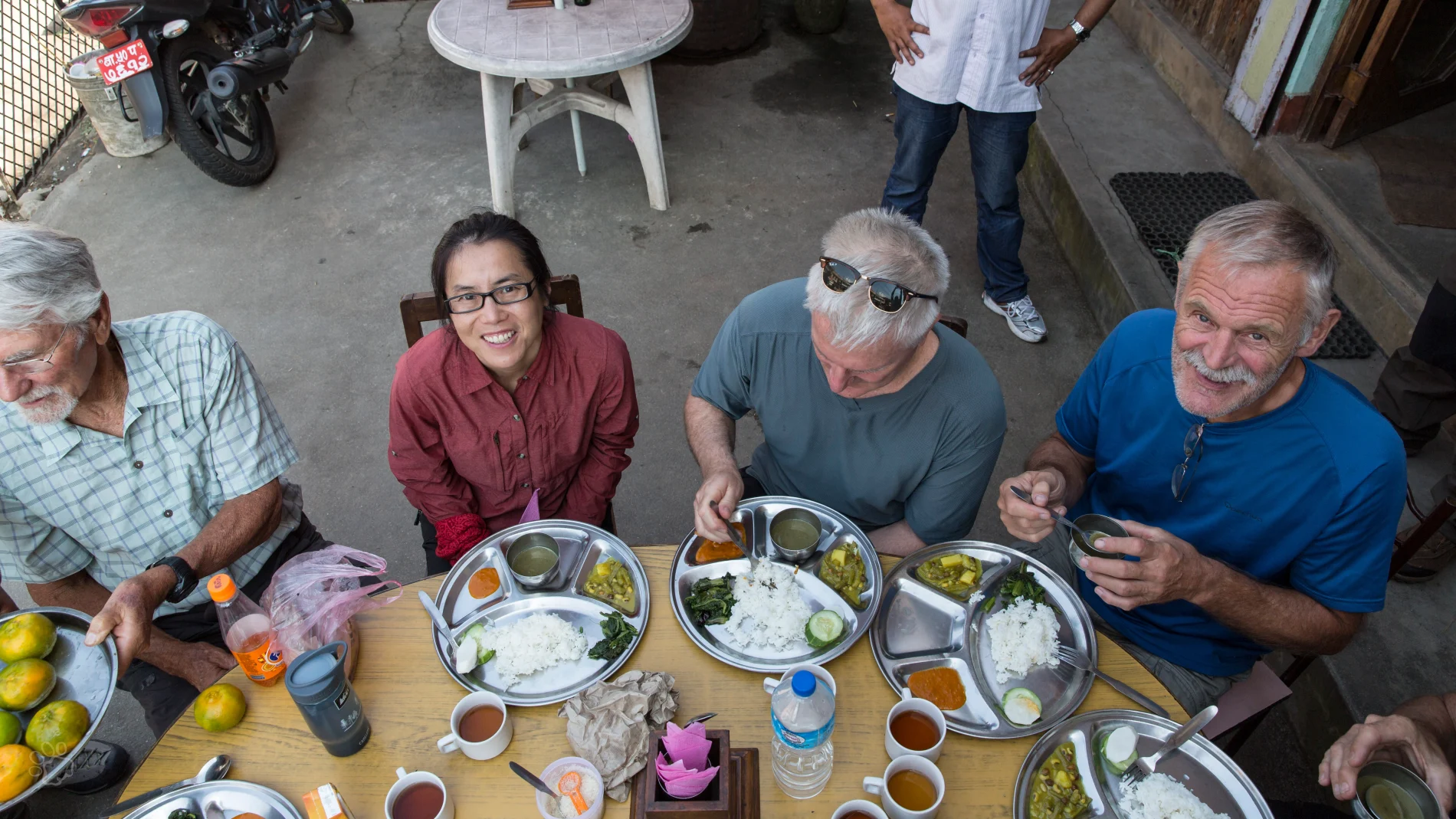
13/10/2026
Manaslu Circuit Trek After the October 2026 Floods: Trail Conditions, Safety and Travel Updates
The Manaslu Circuit Trek is one of Nepal’s most rewarding Himalayan journeys, taking trekkers through traditional...
Read more
13/10/2026
Your Nepal Trek Is Booked, but the Trail Is Closed: What Now?
Imagine arriving in Nepal with your trekking boots ready, your flights booked, your bags packed, and...
Read more