Why Choose Mardi Himal Trek?
Share:
 Read Time
This blog has 2950 words .This blog has 19707 characters.This blog take 10 minutes to read.
Introduction
The Mardi Himal Trek is one of the most appealing short Himalayan treks in Nepal for travelers who want beautiful mountain scenery without committing to a very long trekking itinerary. Located in the Annapurna region, the trail takes you from lower green hills and forests toward high alpine landscapes with impressive views of the surrounding Himalayan peaks.
One of the main reasons to choose the Mardi Himal Trek is the variety of scenery packed into a relatively short journey. The trail passes through forests, mountain villages, open hillsides and high viewpoints before reaching the Mardi Himal Base Camp area. Nepal Tourism Board’s Pokhara trekking material describes the Mardi Himal Base Camp route as a 6–8 day trek reaching around 4,120 meters, with mountain views, rhododendron forest and relatively few trekkers.
For travelers visiting Pokhara, it also offers a convenient way to experience the Himalayas while keeping time available for other parts of a Nepal holiday.
So, why choose Mardi Himal Trek? Here are the main reasons this trek deserves a place on your Nepal itinerary.
What Makes Mardi Himal Trek Special?
The appeal of the Mardi Himal Trek comes from its combination of mountain scenery, changing landscapes, forest trails and high-altitude viewpoints. Instead of spending most of the journey in one type of landscape, you gradually move through different environments as you gain elevation.
You can begin among green hills and local settlements, walk through rhododendron and other forest areas, and eventually reach more exposed alpine terrain with views toward some of the famous peaks of the Annapurna region.
The route also has an advantage for travelers who have limited time in Nepal. While the exact itinerary depends on the starting point, acclimatization plan and trekking pace, Nepal Tourism Board material places the Mardi Himal Base Camp trek in the 6–8 day range.
10 Reasons to Choose Mardi Himal Trek
1. Enjoy Spectacular Himalayan Mountain Views
One of the biggest reasons to choose the Mardi Himal Trek is the mountain scenery.
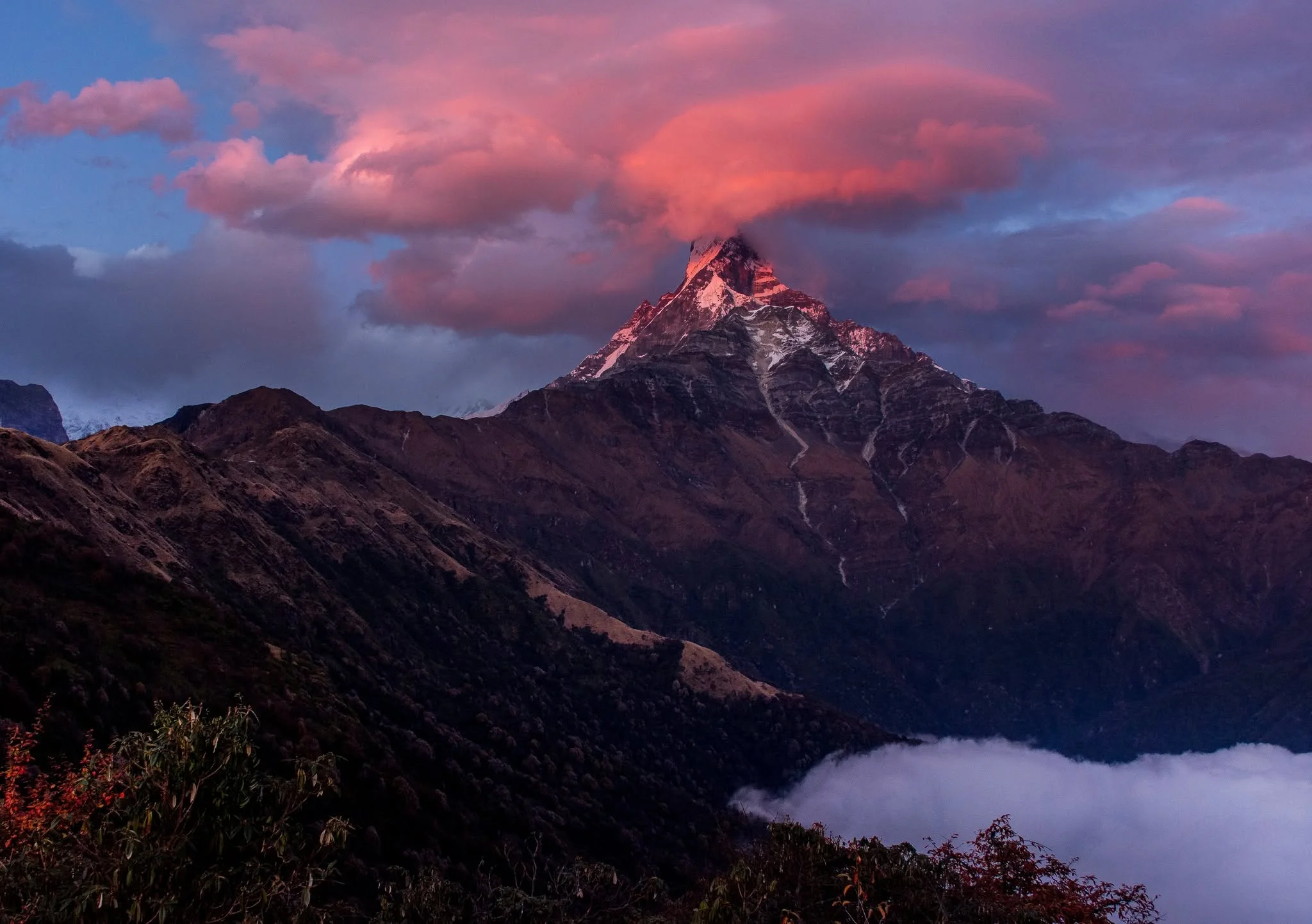
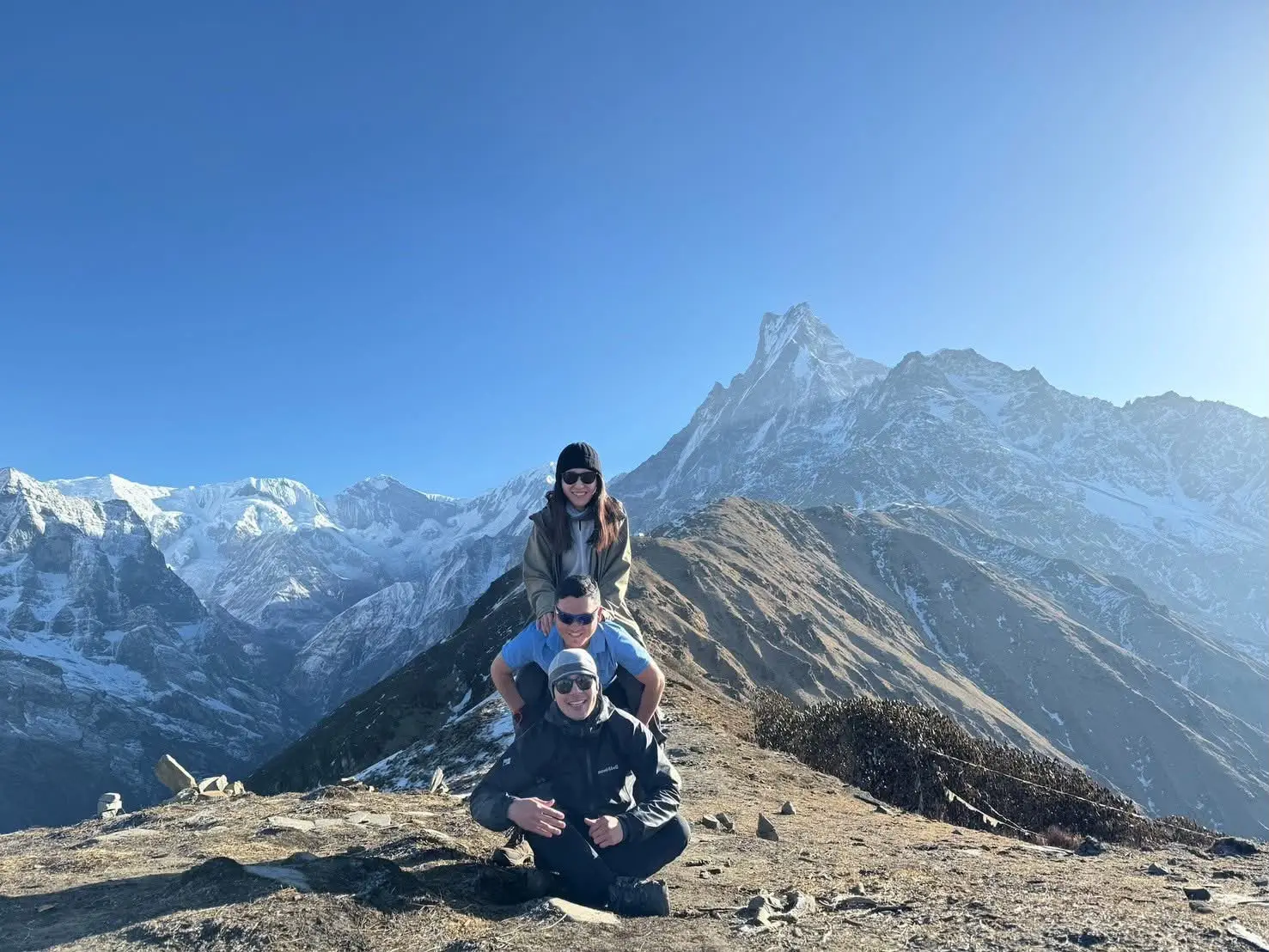
As you gain altitude, the landscape opens up and the surrounding Himalayan peaks become increasingly prominent. Views can include Mardi Himal, Machhapuchhre (Fishtail), Annapurna South and Hiunchuli, depending on the location, weather and visibility.
Machhapuchhre is particularly recognizable because of its distinctive pointed shape. Seeing these mountains from the trekking trail creates a very different experience from simply viewing them from a city or viewpoint.
For photographers, the changing light throughout the day can also make the same mountain landscape look completely different in the morning, afternoon and evening.
2. Experience a Short Himalayan Trek
Not every traveler has the time to spend two or three weeks trekking in Nepal.
The Mardi Himal Trek provides a way to experience a genuine Himalayan trekking environment within a comparatively compact itinerary. Nepal Tourism Board’s trekking information lists the Mardi Himal Base Camp route at approximately 6–8 days, although actual itineraries can vary.
This makes it particularly interesting for international travelers who want to combine trekking with other destinations such as Kathmandu, Pokhara, Chitwan or cultural tours.
A shorter trek does not mean there is no physical challenge. The route still includes substantial uphill walking and altitude gain, so preparation remains important.
3. Walk Through Beautiful Rhododendron Forests
The lower and middle sections of the trail provide a very different atmosphere from the higher mountain terrain.
Parts of the route pass through forest, including areas known for rhododendron vegetation. During spring, rhododendrons add color to the landscape and make the forest sections especially attractive.
Nepal Tourism Board identifies spring as an important trekking season and highlights the country’s rhododendrons and flowering landscapes during this period.
Walking beneath trees and then gradually emerging into open mountain landscapes is one of the things that gives the trek its visual variety.
4. Reach the Mardi Himal Viewpoint
The higher sections of the trek provide some of its most memorable scenery.
As the trail climbs toward the Mardi Himal Base Camp area, the forest becomes less dominant and the landscape becomes increasingly open. From the higher viewpoints, you can look across the surrounding mountains and valleys.
The changing landscape is part of the experience. You begin with vegetation and village scenery and eventually find yourself surrounded by a much more alpine environment.
This gradual transformation makes the journey itself just as important as reaching the final viewpoint.
5. Enjoy a Quieter Trekking Experience
The Mardi Himal Trek can be a good option for travelers who want a mountain experience without choosing one of Nepal’s most heavily established trekking corridors.
Nepal Tourism Board has specifically described Mardi Himal as offering peaceful paths and stunning scenery, particularly in its coverage of trekking around Pokhara.
However, it is better to think of the route as quieter in character rather than completely empty. Trail traffic changes depending on the season, weather and particular section of the route.
For many travelers, that balance provides an enjoyable experience: enough infrastructure to make trekking practical while still allowing plenty of time to appreciate the mountain surroundings.
6. Easily Combine the Trek With Pokhara
Another reason to choose the Mardi Himal Trek is its connection with Pokhara.
Pokhara is one of Nepal’s major tourism and adventure destinations, and it is an important starting point for trekking in the Annapurna region. This makes Mardi Himal particularly convenient for travelers who already plan to visit the city.
Before or after the trek, you can spend time around Phewa Lake, explore the Lakeside area, visit viewpoints or simply rest before continuing your Nepal journey.
You can also combine the trek with a Pokhara Tour to create a broader itinerary that includes both Himalayan trekking and time in the city.
7. Experience Different Landscapes in One Trek
The scenery changes considerably as you gain altitude.
A typical journey can take you through:
- Green hills and countryside
- Local villages
- Forest trails
- Rhododendron vegetation
- Open ridges
- Alpine landscapes
- High mountain viewpoints
This variety is one of the strongest features of the Mardi Himal Trek.
Rather than seeing the same type of scenery for several days, you experience a gradual transition from lower elevations toward the high Himalayas.
That also makes the trek interesting from a photography perspective. Forests, villages, trails, clouds, mountain peaks and open ridges all provide different subjects along the route.
8. A Good Option for First-Time Himalayan Trekkers
The Mardi Himal Trek can be an attractive introduction to Himalayan trekking for travelers who are physically prepared and understand the demands of walking at altitude.
However, it should not be described as an effortless trek.
There are uphill sections, long walking days and significant elevation gain. Weather can also change quickly in mountain environments.
Nepal Tourism Board notes that many trekking routes in Nepal reach substantial elevations and advises trekkers to take appropriate precautions, particularly as altitude increases.
If this is your first trek, regular walking or hiking before your trip, proper footwear and sensible pacing can make the experience much more comfortable.
9. Experience Local Teahouse Trekking
The Mardi Himal Trek is also an opportunity to experience Nepal’s teahouse trekking culture.
Instead of staying in large hotels throughout the journey, trekkers generally stay in simple mountain lodges or teahouses along the route.
This provides a different travel experience. You can eat local meals, rest after a day of walking and meet other trekkers following the same trail.
The accommodation is generally simple rather than luxurious, but that simplicity is part of the mountain experience.
For international travelers, staying in local lodges also provides a closer connection to the communities and landscapes through which they are traveling.
10. Fit Himalayan Adventure Into a Larger Nepal Holiday
A major advantage of a shorter trek is flexibility.
Many international visitors do not come to Nepal only for trekking. They may also want to explore Kathmandu, visit cultural heritage sites, spend time in Pokhara or travel to other parts of the country.
The Mardi Himal Trek can fit naturally into this kind of itinerary.
For example, a traveler could spend several days exploring Kathmandu before traveling to Pokhara, complete the trek, return to Pokhara for some rest and then continue to another destination.
This makes Mardi Himal especially interesting for travelers who want a combination of adventure, nature and cultural experiences rather than a holiday focused entirely on trekking.
Best Time for Mardi Himal Trek
Choosing the right season can make a major difference to your trekking experience.
Nepal Tourism Board generally identifies September to November and February to May as favorable periods for trekking because of suitable daytime weather and conditions.
Spring
March to May is a popular period for trekking. Forests can become particularly attractive as rhododendrons and other vegetation come into bloom.
Spring is a good choice if you want to combine mountain scenery with colorful landscapes.
Autumn
September to November is another popular trekking period. After the monsoon, mountain views can become clearer, while the trails are generally more comfortable for walking.
Nepal Tourism Board also highlights autumn as an important trekking season in Nepal.
Winter
Winter trekking is possible, but temperatures become colder as you gain elevation. Snow and changing trail conditions can also affect the higher sections.
Nepal’s mountain temperatures can fall below freezing during winter, so proper cold-weather equipment is important.
Monsoon
The monsoon season brings substantial rainfall to many parts of Nepal. Rain, clouds, muddy trails and reduced mountain visibility can affect the experience.
That does not mean trekking is impossible, but travelers should understand that conditions can be very different from the popular spring and autumn seasons.
Is Mardi Himal Trek Difficult?
The Mardi Himal Trek is generally considered a moderate-to-demanding trekking experience rather than a simple walk.
Nepal Tourism Board’s Pokhara trekking material classifies the Mardi Himal Base Camp Trek as medium-hard and lists the highest point at around 4,120 meters.
The difficulty comes from several factors:
- Continuous uphill and downhill walking
- Increasing altitude
- Long trekking days
- Uneven mountain trails
- Weather changes
- Colder conditions at higher elevations
Your experience will also depend on your fitness level, trekking pace and itinerary.
You do not need to be an experienced mountaineer to undertake the trek, but you should be comfortable with several hours of walking on consecutive days.
Who Should Choose Mardi Himal Trek?
Travelers With Limited Time
If you want Himalayan scenery but cannot spend several weeks trekking, Mardi Himal can fit more easily into a shorter Nepal itinerary.
First-Time Trekkers
With appropriate preparation and a sensible itinerary, the route can provide a rewarding introduction to Himalayan trekking.
Mountain Photography Lovers
The changing landscapes, forest trails, ridges and mountain views provide plenty of opportunities for photography.
Nature Lovers
The trek combines forests, vegetation, mountain landscapes and changing environments as you gain elevation.
Travelers Visiting Pokhara
If Pokhara is already part of your Nepal trip, Mardi Himal provides an opportunity to add a Himalayan trekking experience without moving to a completely different region.
Mardi Himal Trek Compared With Other Short Treks in Nepal
Nepal has several trekking routes that can fit into a relatively short holiday, but each offers a different experience.
The right choice depends on the type of experience you want, the amount of time available and your physical preparation.
For travelers interested in a longer Annapurna experience, you can also explore the Annapurna Base Camp Trek.
What to Expect During Mardi Himal Trek
Before choosing the trek, it helps to understand what the experience is actually like.
You should expect mountain trails rather than paved walking paths, simple accommodation, basic facilities in higher areas and changing weather.
You may spend several hours walking each day, with some days involving substantial elevation gain or descent.
The higher you travel, the colder the environment can become. Nepal Tourism Board notes that temperatures generally decrease as altitude increases, with an average drop of around 6°C for every 1,000 meters of elevation gain.
At the same time, the reward is the changing landscape and the opportunity to spend several days surrounded by the Himalayan environment.
How to Prepare for Mardi Himal Trek
Good preparation can make the Mardi Himal Trek much more enjoyable.
Improve Your Fitness
Start walking regularly several weeks before the trek. Include uphill walking, stairs or hiking where possible.
Bring Suitable Footwear
Choose comfortable trekking shoes with good grip. Avoid wearing completely new shoes on the first day of the trek.
Prepare for Changing Weather
Mountain weather can change quickly. Pack layers so you can adjust your clothing throughout the day.
Stay Hydrated
Drink enough water throughout the trek. Nepal Tourism Board also recommends safe drinking water practices while traveling in Nepal.
Take Altitude Seriously
The highest parts of the trek are above 4,000 meters, so altitude should not be ignored. Walk at a reasonable pace and communicate with your trekking team if you experience unusual symptoms.
Pack Light but Smart
Your backpack should contain the essentials rather than unnecessary items. Warm layers, rain protection, sunscreen, personal medication, a water bottle, basic toiletries and appropriate trekking equipment are more useful than carrying too much.
Why Choose Silver Moon Adventure
Silver Moon Adventure organizes the Mardi Himal Trek with attention to practical trekking arrangements, route planning, accommodation, transportation and support throughout the journey.
For international travelers, having local trekking support can make the logistics of a Himalayan journey much easier. The team can help coordinate the trek so travelers can concentrate on enjoying the trail, mountain scenery and experience.
If you are planning a Mardi Himal Trek, you can choose an itinerary based on your available time, trekking experience and preferred pace.
In Summary
The Mardi Himal Trek offers a combination of Himalayan mountain views, forest trails, rhododendron landscapes, local teahouses and high-altitude scenery within a relatively short trekking itinerary.
It can be particularly suitable for travelers who want to experience the Annapurna region while keeping enough time for other parts of Nepal. The route is not completely effortless, and preparation is important because of the altitude and changing terrain. However, for travelers who are prepared for the physical demands, the combination of scenery and trekking experience makes Mardi Himal an interesting choice for a Himalayan adventure.
Whether you are visiting Nepal for the first time or returning for another mountain experience, Mardi Himal provides an opportunity to spend several days walking through some of the diverse landscapes surrounding the Annapurna region.
FAQs About Mardi Himal Trek
1.Why should I choose Mardi Himal Trek?
The Mardi Himal Trek is a good option for travelers who want Himalayan mountain views, forest trails, alpine landscapes and a relatively short trekking itinerary. It also has convenient access from the Pokhara area.
2.Is Mardi Himal Trek suitable for beginners?
It can be suitable for beginners with reasonable fitness and proper preparation. However, it is not an effortless hike. The route includes uphill sections, long walking days and significant altitude gain.
3.How many days is Mardi Himal Trek?
The duration depends on the itinerary and starting point. Nepal Tourism Board material lists the Mardi Himal Base Camp Trek at around 6–8 days.
4.What is the highest point of Mardi Himal Trek?
The Mardi Himal Base Camp area is around 4,120 meters according to Nepal Tourism Board’s trekking information.
5.What mountains can you see during Mardi Himal Trek?
Depending on weather and location along the trail, trekkers can see Mardi Himal, Machhapuchhre, Annapurna South, Hiunchuli and other surrounding Himalayan peaks.
6.What is the best time for Mardi Himal Trek?
Spring and autumn are generally popular trekking seasons. Nepal Tourism Board identifies September to November and February to May as favorable periods for trekking in Nepal.
7.Is Mardi Himal Trek difficult?
Nepal Tourism Board’s Pokhara trekking material classifies the Mardi Himal Base Camp Trek as medium-hard. The difficulty comes from elevation gain, uphill and downhill sections and changing mountain conditions.
8.Can I do Mardi Himal Trek from Pokhara?
Yes. Pokhara is an important gateway to the Annapurna region, and Mardi Himal is one of the trekking options accessible from the Pokhara area.
9.Is Mardi Himal Trek good for first-time trekkers?
It can be a good introduction to Himalayan trekking for people with reasonable fitness who prepare properly. First-time trekkers should still take altitude, weather and daily walking distances seriously.
10.What should I pack for Mardi Himal Trek?
Essential items generally include trekking shoes, warm layers, rain protection, comfortable trekking clothes, a water bottle, sunscreen, personal medication, basic toiletries and other necessary trekking equipment.
11.Are teahouses available on the Mardi Himal trail?
Yes, teahouse and lodge accommodation is available along the route, although facilities become simpler at higher elevations.
12.Can Mardi Himal Trek be combined with a Pokhara tour?
Yes. Because of its connection with the Pokhara area, travelers can combine the trek with time exploring Pokhara, including its lakeside and other attractions.
13.Can I do Mardi Himal Trek in winter?
Winter trekking is possible, but higher sections can be very cold and may experience snow. Proper equipment and current trail conditions should be considered before departure.
14.Can I trek Mardi Himal during the monsoon?
Trekking during the monsoon is possible, but rainfall, clouds, slippery trails and reduced mountain visibility can affect the experience. Travelers should be prepared for wet conditions.
15.Do I need physical preparation for Mardi Himal Trek?
Yes. Regular walking, hiking, stair climbing or other cardiovascular activities before the trek can help you handle the long walking days and elevation changes more comfortably.

Similar Blogs
View all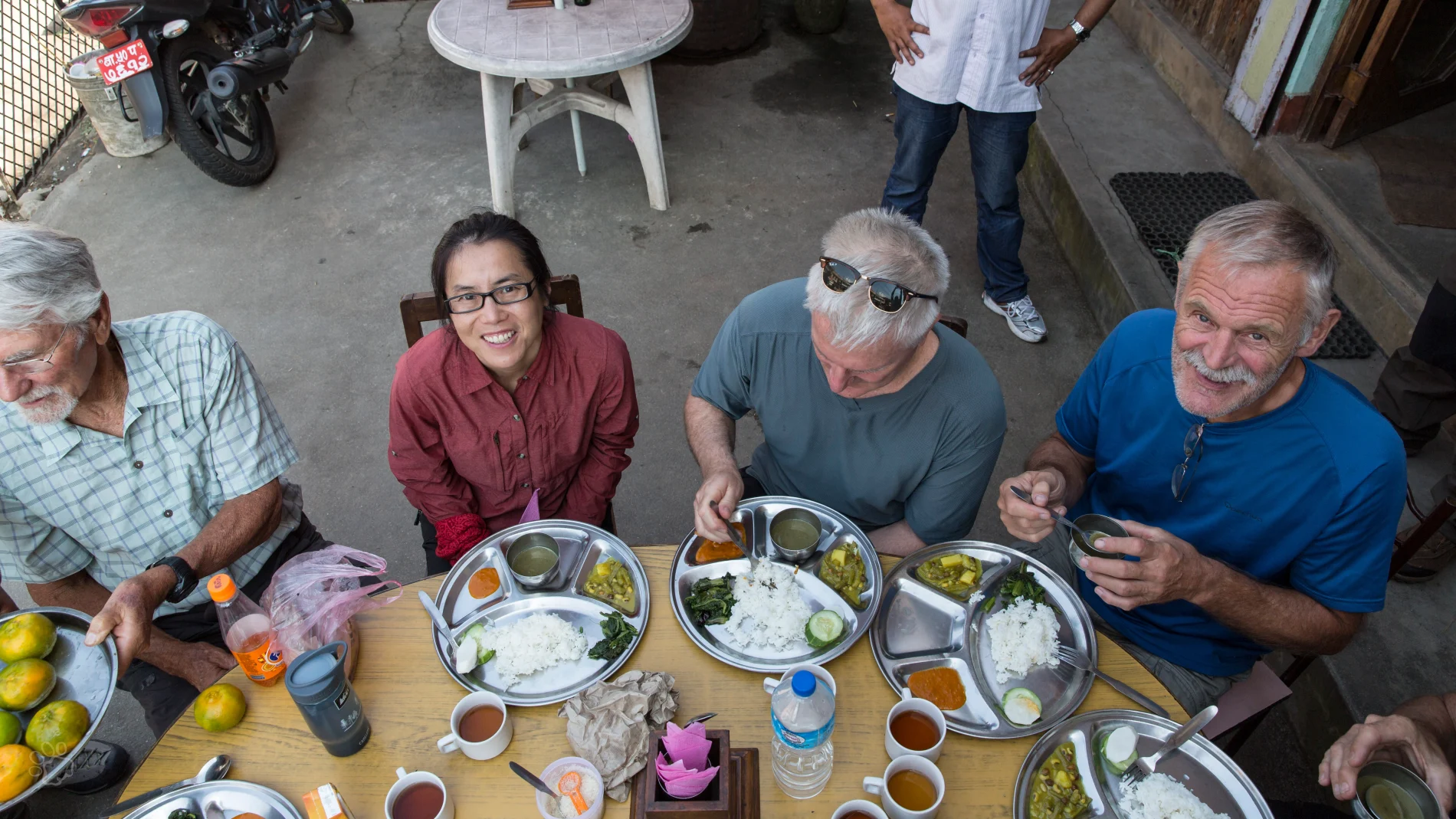
13/10/2026
Manaslu Circuit Trek After the October 2026 Floods: Trail Conditions, Safety and Travel Updates
The Manaslu Circuit Trek is one of Nepal’s most rewarding Himalayan journeys, taking trekkers through traditional...
Read more
13/10/2026
Your Nepal Trek Is Booked, but the Trail Is Closed: What Now?
Imagine arriving in Nepal with your trekking boots ready, your flights booked, your bags packed, and...
Read more