

Nepal in January: The Ultimate Winter Travel Guide for Weather, Trekking & Tours (2026)
Share:

 Read Time
This blog has 4305 words .This blog has 30078 characters.This blog take 14 minutes to read.
Nepal in January offers a unique combination of snow-covered Himalayan peaks, pleasant sightseeing weather, peaceful trekking trails, and exciting wildlife experiences. As the coldest month of the year, January transforms Nepal into a winter wonderland, making it an excellent time for travelers who enjoy crisp mountain air, clear blue skies, and breathtaking panoramic views. While the higher Himalayan regions receive snowfall, the hills remain cool and refreshing, and the Terai plains enjoy mild temperatures that are perfect for jungle safaris and cultural tours.
Unlike the busy autumn trekking season, January attracts fewer visitors, allowing travelers to explore Nepal’s famous destinations with greater peace and comfort. Whether you want to witness the sunrise over the Himalayas, trek through the Annapurna or Everest regions, explore UNESCO World Heritage Sites in Kathmandu Valley, or enjoy a wildlife safari in Chitwan National Park, January offers unforgettable experiences across the country.
Nepal is geographically divided into three distinct regions—Himal (Mountain Region), Pahad (Hill Region), and Terai (Plain Region). Each region has a different climate during January, giving travelers a wide variety of travel experiences. Adventure seekers can enjoy snowy mountain trails in the Himalayas, nature lovers can explore the green hills of Pokhara and Bandipur, while families and wildlife enthusiasts can experience pleasant weather in Chitwan, Lumbini, and Bardia National Park.
Although temperatures can drop below freezing in high-altitude areas, the dry weather, excellent visibility, and stable conditions make January one of the best months for mountain photography, sightseeing, birdwatching, and selected trekking adventures. With proper planning, suitable clothing, and expert guidance, travelers can comfortably explore Nepal’s diverse landscapes during the winter season.
In this complete guide by Silver Moon Adventure and Tour, you’ll discover everything you need to know about Nepal in January, including weather conditions, the best places to visit, recommended treks, festivals, accommodation, food, travel tips, and practical advice to help you plan an unforgettable winter holiday in Nepal.
About Nepal
Nepal is a beautiful landlocked country in South Asia, nestled between China (Tibet Autonomous Region) to the north and India to the east, west, and south. Despite covering an area of only 147,516 square kilometers, Nepal is one of the world’s most geographically diverse countries. From the world’s highest mountains to lush jungles and fertile plains, the country offers incredible natural beauty, rich cultural heritage, and unforgettable travel experiences throughout the year.
Home to Mount Everest (8,848.86 meters), the highest mountain on Earth, Nepal is often called the Land of the Himalayas. However, Nepal is much more than just mountains. The country is also famous for ancient temples, UNESCO World Heritage Sites, colorful festivals, diverse wildlife, adventure tourism, and the warm hospitality of its people.
One of Nepal’s greatest geographical features is its division into three distinct regions: the Himal (Mountain Region), the Pahad (Hill Region), and the Terai (Plain Region). Each region has its own landscape, climate, culture, and attractions, making Nepal an ideal destination for every type of traveler.
Himal (Mountain Region)
The Himal Region lies in northern Nepal and is home to the world’s highest mountain range, the Himalayas. This region includes eight of the world’s fourteen peaks above 8,000 meters, including Mount Everest, Kanchenjunga, Lhotse, Makalu, Cho Oyu, Dhaulagiri, Manaslu, and Annapurna I.
During January, the Himal Region experiences cold temperatures and frequent snowfall at higher elevations. Although trekking becomes more challenging, the mountain views are exceptionally clear because the skies remain dry and cloud-free. Famous trekking destinations in this region include the Everest Base Camp Trek, Annapurna Base Camp Trek, Manaslu Circuit Trek, Langtang Valley Trek, and Upper Mustang.
Pahad (Hill Region)
The Pahad Region stretches across central Nepal and consists of green hills, valleys, rivers, forests, and historic cities. This region is home to popular destinations such as Kathmandu, Pokhara, Bandipur, Nagarkot, Dhulikhel, and Gorkha.
In January, the weather in the hill region is cool and generally dry. Mornings and evenings can be chilly, while daytime temperatures are pleasant for sightseeing, short hikes, and cultural exploration. Visitors can enjoy panoramic Himalayan views, explore UNESCO World Heritage Sites, visit temples and monasteries, and experience Nepal’s unique traditions.
Terai (Plain Region)
The Terai Region is located in southern Nepal along the border with India. It is characterized by flat plains, subtropical forests, rivers, wetlands, and fertile agricultural land. Compared to the Himal and Pahad regions, the Terai has a much warmer climate during winter.
January is one of the best months to visit the Terai because the weather is mild and comfortable. Popular destinations include Chitwan National Park, Bardia National Park, Lumbini (the birthplace of Lord Buddha), Janakpur, and Koshi Tappu Wildlife Reserve. Travelers can enjoy jungle safaris, birdwatching, cultural experiences, and wildlife photography while comfortably exploring the region.
Top Reasons to Visit Nepal in January
January is one of the most rewarding months to visit Nepal, especially for travelers who enjoy peaceful destinations, crystal-clear mountain views, and pleasant winter adventures. Although it is the coldest month of the year, Nepal’s diverse geography means that each region offers a different experience. While the Himal Region is covered with snow, the Pahad (Hill) Region enjoys cool and sunny days, and the Terai Region remains mild and comfortable for wildlife safaris and cultural tours.
Unlike the busy autumn season, January welcomes fewer tourists, allowing visitors to explore Nepal’s famous attractions without large crowds. From trekking beneath the majestic Himalayas to spotting wildlife in Chitwan National Park, January provides countless opportunities for memorable travel experiences.
1. Spectacular Himalayan Mountain Views
One of the biggest reasons to visit Nepal in January is the exceptional visibility. The winter season brings dry weather and clear skies, allowing travelers to enjoy breathtaking views of the Himalayas.
Snow-covered peaks such as Mount Everest, Annapurna, Dhaulagiri, Manaslu, Langtang Lirung, Machhapuchhre (Fishtail), and Ganesh Himal look especially stunning during January. Whether you are trekking, sightseeing, or taking a mountain flight, the scenery is among the best of the year.
2. Fewer Tourists and Peaceful Destinations
January falls outside Nepal’s peak trekking season, so many popular destinations are much quieter. Famous places like Kathmandu, Pokhara, Nagarkot, Bandipur, and Chitwan offer a more peaceful atmosphere, allowing visitors to enjoy attractions without long queues or crowded viewpoints.
Trekkers can also experience quieter trails and tea houses, making the journey more relaxing and enjoyable.
3. Excellent Weather for Sightseeing
Although mornings and evenings are cool, daytime temperatures in the Pahad Region are generally comfortable for sightseeing. This makes January an excellent time to explore UNESCO World Heritage Sites, temples, monasteries, museums, and historic cities.
Popular destinations such as Kathmandu, Bhaktapur, Patan, Pokhara, and Bandipur experience dry weather with plenty of sunshine, creating ideal conditions for outdoor exploration.
4. Incredible Wildlife Safari Experiences
The Terai Region enjoys pleasant winter weather during January, making it one of the best times for jungle safaris. Cooler temperatures encourage animals to move more actively during the day, improving wildlife viewing opportunities.
Visitors to Chitwan National Park, Bardia National Park, and Koshi Tappu Wildlife Reserve may spot One-Horned Rhinoceroses, Royal Bengal Tigers, Asian Elephants, Gharial Crocodiles, deer species, and hundreds of bird species.
5. Perfect Season for Selected Treks
While high-altitude trekking requires proper preparation, many popular trekking routes remain suitable during January. Trails often feature snow-covered landscapes, clear mountain panoramas, and fewer trekkers.
Some of the best treks for January include:
- Ghorepani Poon Hill Trek
- Mardi Himal Trek
- Langtang Valley Trek
- Annapurna Base Camp Trek
- Everest View Trek
- Pikey Peak Trek
- Lower Mustang Trek
Experienced trekkers can also undertake the Everest Base Camp Trek with appropriate winter equipment and professional guidance.
6. Beautiful Winter Landscapes
Nepal transforms into a picturesque winter destination during January. The Himal Region is covered in snow, creating dramatic alpine scenery, while the Pahad Region remains green with crisp mountain air. In the Terai Region, forests, rivers, and grasslands provide beautiful landscapes for nature lovers and photographers.
This diversity allows travelers to experience snow-capped mountains, rolling green hills, and subtropical jungles within a single trip.
7. Rich Cultural Experiences and Festivals
January is also a wonderful month to experience Nepal’s cultural traditions. Festivals such as Maghe Sankranti and, in some years, Sonam Lhosar, bring communities together through traditional food, music, dances, and religious ceremonies.
Visiting Nepal during these celebrations allows travelers to experience the country’s diverse cultures while enjoying its winter beauty.
8. Better Hotel Availability and Great Value
Since January is generally less crowded than the peak autumn season, travelers often have more accommodation choices and may find better rates at hotels and resorts in many destinations. This makes it easier to plan a comfortable trip while enjoying excellent value.
At Silver Moon Adventure and Tour, we carefully design winter itineraries that combine the best of Nepal’s Himal, Pahad, and Terai regions. Whether you dream of trekking through snowy mountain landscapes, exploring historic cities, or enjoying a wildlife safari, our experienced team ensures a safe, comfortable, and unforgettable Nepal in January adventure.
Nepal Weather in January
Understanding the weather in Nepal in January is essential for planning a comfortable and enjoyable winter trip. January is generally the coldest month of the year, but the weather varies significantly across Nepal because of its unique geography. The country is divided into three distinct geographical regions—Himal (Mountain Region), Pahad (Hill Region), and Terai (Plain Region)—and each experiences different temperatures and weather conditions during January.
Overall, January is characterized by dry weather, clear blue skies, low humidity, and excellent mountain visibility. Rainfall is minimal in most parts of the country, while higher elevations receive regular snowfall. These conditions make January one of the best months for mountain photography, sightseeing, wildlife safaris, and selected trekking adventures.
Weather in the Himal (Mountain Region)
The Himal Region experiences harsh winter conditions during January. High-altitude areas receive frequent snowfall, and temperatures often remain below freezing, especially during the night. Famous trekking destinations such as Everest Base Camp, Annapurna Base Camp, Manaslu, Langtang, and Upper Dolpo become much colder, with snow covering many trails and mountain passes.
However, the reward is breathtaking scenery. The dry winter atmosphere provides crystal-clear views of the Himalayas, making January one of the best months for mountain photography and panoramic viewpoints.
Weather in the Pahad (Hill Region)
The Pahad (Hill) Region enjoys cool and pleasant winter weather. Cities such as Kathmandu, Pokhara, Bandipur, Nagarkot, Dhulikhel, and Gorkha experience chilly mornings and evenings, while daytime temperatures are comfortable for sightseeing and outdoor activities.
January is an excellent time to visit the hill region because the skies are usually clear, allowing visitors to enjoy spectacular Himalayan views. Rainfall is uncommon, and the weather remains stable throughout most of the month.
Weather in the Terai (Plain Region)
The Terai Region has the warmest weather in Nepal during January. Destinations such as Chitwan National Park, Bardia National Park, Lumbini, Janakpur, and Koshi Tappu Wildlife Reserve experience mild daytime temperatures, making them ideal for jungle safaris, birdwatching, and cultural tours.
Mornings may begin with light fog, especially near rivers and wetlands, but the fog usually clears as the day progresses, giving way to sunny and pleasant weather.
Snowfall in January
Snowfall is common in Nepal’s higher Himalayan regions during January. Popular trekking areas above approximately 3,000 meters often experience fresh snow, creating spectacular winter landscapes. While this enhances the beauty of the mountains, it can also make some high passes and trails more challenging. Travelers planning high-altitude treks should carry proper winter equipment and trek with experienced guides.
Rainfall in January
January is one of Nepal’s driest months. Most destinations receive very little rainfall, which contributes to clear skies and excellent visibility. On rare occasions, western disturbances may bring light rain to the hills or snowfall to higher elevations, but prolonged rainfall is uncommon.
Best Places to Visit in Nepal in January
One of the biggest advantages of visiting Nepal in January is the country’s incredible geographical diversity. From the snow-covered Himalayan mountains to the green hills and warm subtropical plains, Nepal offers completely different travel experiences within a relatively short distance. Whether you are looking for breathtaking mountain scenery, cultural heritage, peaceful hill stations, or exciting wildlife adventures, January is an excellent time to explore the country.
Because the weather varies across the Himal (Mountain Region), Pahad (Hill Region), and Terai (Plain Region), travelers can choose destinations that best match their interests and travel style.
Best Places to Visit in the Himal Region
The Himal Region is ideal for travelers who dream of snow-covered mountains, breathtaking trekking routes, and spectacular Himalayan panoramas. January offers exceptionally clear skies, making it one of the best months for mountain photography and scenic viewpoints. However, temperatures remain very cold, especially at higher elevations.
Everest Region
Home to Mount Everest, the world’s highest mountain, the Everest Region is one of Nepal’s most iconic destinations. Visitors can enjoy breathtaking mountain views, Sherpa culture, monasteries, and unforgettable trekking experiences. Even if you are not planning the Everest Base Camp Trek, shorter journeys such as the Everest View Trek are excellent during January.
Annapurna Region
The Annapurna Region remains one of Nepal’s most popular trekking destinations throughout winter. Routes like the Annapurna Base Camp Trek, Mardi Himal Trek, and Ghorepani Poon Hill Trek reward visitors with snowy landscapes, peaceful trails, and spectacular sunrise views over the Annapurna and Dhaulagiri ranges.
Langtang Region
Located north of Kathmandu, the Langtang Region offers beautiful alpine scenery, traditional Tamang villages, glaciers, and snow-covered valleys. January is suitable for experienced trekkers prepared for cold weather.
Best Places to Visit in the Pahad (Hill) Region
The Pahad Region experiences cool but pleasant weather during January, making it perfect for sightseeing, cultural exploration, and short hiking trips.
Kathmandu
Nepal’s capital city is home to several UNESCO World Heritage Sites, including ancient temples, monasteries, palaces, and bustling local markets. The dry winter weather makes sightseeing comfortable throughout the day.
Pokhara
Pokhara is one of Nepal’s most beautiful cities, famous for Phewa Lake, stunning Himalayan views, caves, waterfalls, and adventure sports. January offers clear mornings that provide magnificent views of Machhapuchhre (Fishtail) and the Annapurna range.
Nagarkot
Nagarkot is one of the best hill stations near Kathmandu for watching sunrise and panoramic Himalayan scenery. On clear January mornings, visitors can enjoy spectacular mountain views stretching across central and eastern Nepal.
Bandipur
Bandipur is a charming hill town known for its traditional Newari architecture, peaceful atmosphere, and scenic mountain views. January’s pleasant weather makes it an ideal destination for relaxation and cultural exploration.
Bhaktapur and Patan
These historic cities showcase Nepal’s rich cultural heritage through beautifully preserved temples, courtyards, museums, and traditional architecture. Cooler January temperatures make walking tours much more comfortable.
Best Places to Visit in the Terai Region
The Terai Region enjoys the warmest climate in Nepal during January, making it perfect for wildlife safaris, birdwatching, religious tourism, and family holidays.
Chitwan National Park
January is one of the best months to visit Chitwan National Park. Pleasant temperatures and dry weather create excellent conditions for jeep safaris, canoe rides, jungle walks, birdwatching, and wildlife photography. Visitors may spot the famous One-Horned Rhinoceros, Royal Bengal Tiger, crocodiles, deer, and hundreds of bird species.
Bardia National Park
For travelers seeking a quieter wildlife experience, Bardia National Park offers peaceful jungle adventures and one of Nepal’s best opportunities to observe the Royal Bengal Tiger in its natural habitat.
Lumbini
The birthplace of Lord Buddha, Lumbini is one of the world’s most important pilgrimage destinations. The pleasant winter weather allows visitors to comfortably explore monasteries, meditation gardens, and UNESCO-listed heritage sites.
Koshi Tappu Wildlife Reserve
Nature lovers and birdwatchers should not miss Koshi Tappu Wildlife Reserve, which becomes a paradise for migratory birds during January. It is one of Nepal’s finest destinations for bird photography and wetland exploration.
Best Treks in Nepal in January
January is a fantastic month for trekking in Nepal, especially for travelers who enjoy peaceful trails, snow-covered landscapes, and crystal-clear Himalayan views. Although winter brings colder temperatures to higher elevations, the dry weather and excellent visibility create ideal conditions for many trekking routes. With proper preparation, suitable clothing, and experienced guides, trekking in Nepal during January can be one of the most rewarding experiences of the year.
Not every trekking route is equally suitable during winter. Lower and mid-altitude treks remain comfortable, while high-altitude expeditions require additional preparation due to snowfall and freezing temperatures. Fortunately, Nepal offers a wide range of trekking options for both beginners and experienced adventurers.
Ghorepani Poon Hill Trek

Starts from
USD 550
Ghorepani Ghandruk Trek- 09 days
The Ghorepani Ghandruk Trek is one of the most popular trekking routes in the Annapurna region of Nepal. This...
Duration:
09 days
Max altitude:
2,874 meters at Ghorepani
The Ghorepani Poon Hill Trek is one of the best winter treks in Nepal. Since the maximum altitude is relatively moderate, it remains accessible throughout January for most trekkers.
The highlight of this trek is the spectacular sunrise from Poon Hill, where visitors can enjoy panoramic views of Annapurna, Dhaulagiri, Machhapuchhre (Fishtail), Nilgiri, and Hiunchuli. Snow-covered trails and fewer trekkers make the experience even more memorable.
Mardi Himal Trek

Starts from
USD 550
Mardi Himal Trek- 09 days
The Mardi Himal Trek is a beautiful short trekking journey in the Annapurna region that offers a perfect balance...
Duration:
09 days
Max altitude:
4,500 meters at Mardi Himal Base Camp
The Mardi Himal Trek is another excellent choice during January. This short but rewarding trek offers breathtaking views of Machhapuchhre, Annapurna South, Hiunchuli, and Mardi Himal.
Winter transforms the trail into a peaceful alpine landscape covered with snow near the higher sections. Although temperatures are cold, the clear skies provide incredible mountain scenery throughout the journey.
Langtang Valley Trek

Starts from
USD 540
Langtang Valley Trek- 10 days
The Langtang Trek is one of the best short trekking adventures in Nepal. This 10-day journey takes you into...
Duration:
10 days
Max altitude:
4,800m at Kyanjin Ri
Located north of Kathmandu, the Langtang Valley Trek is famous for its glaciers, traditional Tamang villages, alpine forests, and spectacular Himalayan scenery.
January brings fresh snowfall to the upper valley, creating beautiful winter landscapes. While the weather is colder than autumn, experienced trekkers are rewarded with quieter trails and stunning mountain views.
Annapurna Base Camp Trek

Starts from
USD 620
Annapurna Base Camp Trek via Ghandruk Village- 10 days
The Annapurna Base Camp Trek via Ghandruk Village is a classic Himalayan trek that combines dramatic mountain scenery, authentic...
Duration:
10 days
Max altitude:
4,130 meters at Annapurna Base Camp
The Annapurna Base Camp Trek remains one of Nepal’s most popular trekking adventures during winter. January offers exceptional visibility and dramatic snow-covered scenery throughout the Annapurna Sanctuary.
Although temperatures become much colder near the base camp, proper winter gear and experienced guides make the trek achievable for well-prepared hikers.
Everest Base Camp Trek

Starts from
USD 1,275
Everest Base Camp Trek- 14 days
The Everest Base Camp trek is not just about getting to the base of the world’s highest mountain. It...
Duration:
14 days
Max altitude:
5,555 meters at Kala Patthar
The Everest Base Camp Trek is possible during January but is best suited for trekkers with good physical fitness and winter trekking experience. Cold temperatures and occasional snowfall make the journey more challenging, but the reward is peaceful trails and some of the clearest mountain views of the year.
Trekkers can enjoy spectacular panoramas of Mount Everest, Lhotse, Nuptse, Ama Dablam, and Pumori under brilliant blue winter skies.
Everest View Trek

Starts from
USD 1,717
Everest Two Passes Trek – 18 days
The Everest two Passes Trek is one of the most exciting and complete trekking adventures in the Everest region...
Duration:
18 days
Max altitude:
5,555 meters at Kala Patthar
If you want to experience the Everest region without trekking all the way to Base Camp, the Everest View Trek is an excellent winter alternative. It offers magnificent Himalayan scenery, Sherpa culture, and comfortable trekking distances while avoiding the more demanding high-altitude sections.
Pikey Peak Trek
The Pikey Peak Trek has become increasingly popular because it offers one of Nepal’s finest panoramic viewpoints. During January, trekkers can witness spectacular sunrise views over Everest, Kanchenjunga, Makalu, Annapurna, Manaslu, and many other Himalayan peaks.
Festivals in Nepal in January
January is a wonderful time to experience Nepal’s rich culture and traditions. Along with beautiful winter landscapes, travelers can witness colorful festivals celebrated by different ethnic communities across the country. These festivals offer an opportunity to enjoy traditional music, local cuisine, religious ceremonies, and cultural performances while learning more about Nepal’s diverse heritage.
One of the major festivals celebrated in January is Maghe Sankranti, which usually falls in mid-January. It marks the beginning of the Nepali month of Magh and is considered an important harvest festival. Families gather to enjoy traditional foods such as til ko laddu (sesame sweets), chaku (molasses candy), yam (tarul), sweet potatoes, ghee, and khichadi. Many people also visit sacred rivers like Devghat to take holy baths and offer prayers for good health and prosperity.
Another important celebration is Sonam Lhosar, the New Year festival of the Tamang community, which may fall in late January or early February depending on the lunar calendar. The festival is celebrated with traditional dances, cultural performances, family gatherings, and delicious local dishes. Visitors can experience these celebrations in Kathmandu Valley and other Tamang-populated regions.
Besides these major festivals, many local communities organize winter fairs, temple celebrations, and cultural events throughout Nepal. Visitors exploring the Himal, Pahad, or Terai regions during January can enjoy authentic cultural experiences that make their journey even more memorable. At Silver Moon Adventure and Tour, we can include these cultural celebrations in your itinerary, allowing you to experience Nepal’s vibrant traditions alongside its breathtaking natural beauty.
Why Choose Silver Moon Adventure and Tour?
Planning a trip to Nepal in January requires local knowledge, careful preparation, and a well-organized itinerary. At Silver Moon Adventure and Tour, we specialize in creating unforgettable travel experiences that showcase the very best of Nepal during the winter season. Whether you want to trek through the Himalayas, explore the cultural heritage of Kathmandu Valley, relax in the scenic hills of Pokhara, or enjoy a thrilling wildlife safari in Chitwan National Park, our experienced team ensures every detail of your journey is professionally managed.
We offer a wide range of services, including trekking packages, cultural tours, jungle safaris, peak climbing, family holidays, luxury tours, transportation, accommodation, experienced guides, and customized itineraries tailored to your interests, budget, and travel schedule. Our knowledgeable local guides prioritize your safety while sharing valuable insights into Nepal’s culture, history, wildlife, and natural beauty.
With transparent pricing, reliable customer support, and years of experience in Nepal’s tourism industry, Silver Moon Adventure and Tour is committed to making your winter holiday smooth, safe, and memorable. Whether you are visiting Nepal for the first time or returning for another adventure, we are here to help you discover the beauty of the Himal, Pahad, and Terai with confidence and comfort.
Conclusion
Nepal in January is a fantastic destination for travelers seeking breathtaking Himalayan scenery, peaceful trekking trails, rich cultural experiences, and unforgettable wildlife adventures. While the Himal Region is covered with snow and offers spectacular mountain views, the Pahad (Hill) Region enjoys cool, sunny weather that is ideal for sightseeing, and the Terai Region provides pleasant temperatures for jungle safaris and cultural tours. This unique geographical diversity allows visitors to experience snow-capped peaks, green hills, and subtropical forests in a single journey.
Whether you are planning to trek to Annapurna Base Camp, explore the heritage sites of Kathmandu Valley, relax beside Phewa Lake in Pokhara, or discover the incredible wildlife of Chitwan National Park, January offers fewer crowds, clear skies, and memorable travel experiences throughout Nepal. With proper planning and the right winter clothing, it is one of the most rewarding months to visit the country.
At Silver Moon Adventure and Tour, we are dedicated to helping you experience the very best of Nepal with professionally organized trekking adventures, cultural tours, wildlife safaris, and customized holiday packages. Contact our team today and let us help you plan an unforgettable Nepal in January adventure tailored to your travel style and interests.
FAQs
1. Is January a good time to visit Nepal?
Yes, January is a great time to visit Nepal. The weather is generally dry with clear skies, making it perfect for sightseeing, wildlife safaris, and many trekking adventures. Although the mountain regions are cold, the views of the Himalayas are spectacular.
2. How cold is Nepal in January?
The temperature depends on the region. The Himalayas experience freezing temperatures and snowfall, the hill region remains cool with pleasant daytime weather, and the Terai enjoys mild winter temperatures suitable for outdoor activities.
3. Does it snow in Nepal during January?
Yes. Snowfall is common in high-altitude Himalayan regions such as Everest, Annapurna, Langtang, and Manaslu. Lower hill regions like Kathmandu and Pokhara rarely receive snow.
4. Which region of Nepal has the best weather in January?
The Terai region, including Chitwan National Park, Lumbini, and Bardia National Park, has the warmest and most comfortable weather during January. The hill region is also excellent for sightseeing.
5. What are the best places to visit in Nepal in January?
Some of the best destinations include Kathmandu, Pokhara, Chitwan National Park, Lumbini, Nagarkot, Bandipur, Bardia National Park, and the Annapurna and Everest regions.
6. Is trekking in Nepal possible in January?
Yes. Popular treks such as the Ghorepani Poon Hill Trek, Mardi Himal Trek, Langtang Valley Trek, Annapurna Base Camp Trek, and Everest View Trek are suitable during January with proper winter preparation.
7. What clothes should I pack for Nepal in January?
Pack warm layered clothing, a down jacket, thermal wear, gloves, a woolen hat, waterproof trekking shoes, warm socks, sunglasses, sunscreen, and a sleeping bag if you plan to trek.
8. Is Chitwan National Park worth visiting in January?
Absolutely. January is one of the best months to visit Chitwan National Park because the cool weather is ideal for jeep safaris, canoe rides, birdwatching, and spotting wildlife such as the One-Horned Rhinoceros and Royal Bengal Tiger.
9. Are hotels and tea houses open in January?
Yes. Most hotels, resorts, and tea houses remain open throughout January, although some high-altitude lodges may have limited services depending on weather conditions.
10. Why travel with Silver Moon Adventure and Tour in January?
Silver Moon Adventure and Tour offers professionally guided treks, cultural tours, jungle safaris, transportation, accommodation, and customized itineraries to help you enjoy a safe, comfortable, and unforgettable winter holiday in Nepal.

Similar Blogs
View all
13/10/2026
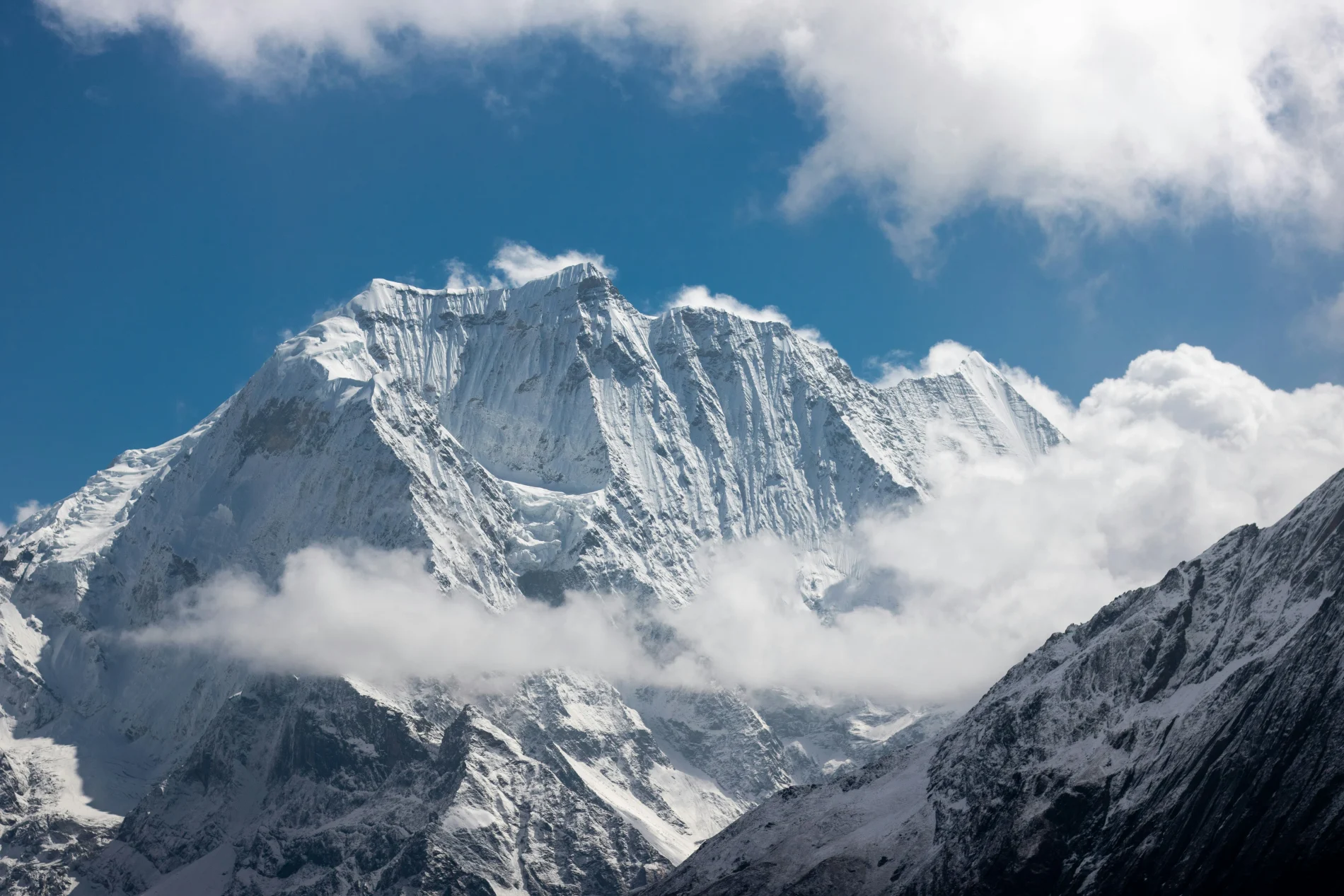
Manaslu Circuit Trek After the October 2026 Floods: Trail Conditions, Safety and Travel Updates
The Manaslu Circuit Trek is one of Nepal’s most rewarding Himalayan journeys, taking trekkers through traditional...
Read more
13/10/2026
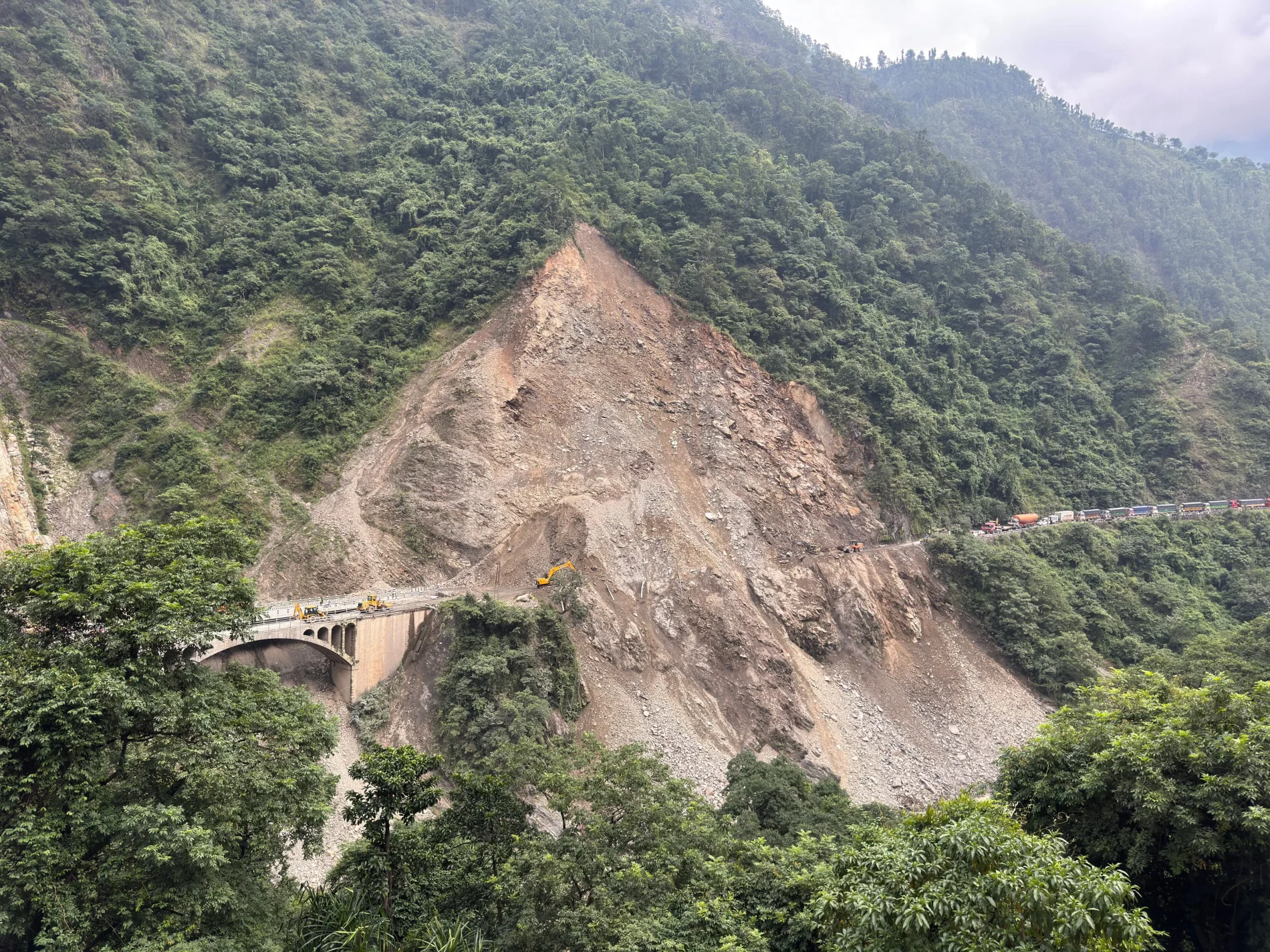
Your Nepal Trek Is Booked, but the Trail Is Closed: What Now?
Imagine arriving in Nepal with your trekking boots ready, your flights booked, your bags packed, and...
Read more