10 Things That Will Surprise You While Trekking in Nepal
Share:
 Read Time
This blog has 2416 words .This blog has 15680 characters.This blog take 8 minutes to read.
Trekking in Nepal is often imagined as a straightforward equation: mountains, hiking boots, a backpack and a long trail leading toward Everest, Annapurna or another Himalayan viewpoint. The reality is much richer. The things that will surprise you while trekking in Nepal are often not the things shown in photographs. They are the small changes in landscape, the rhythm of mountain life, the food waiting at the end of a long day, the way altitude changes your pace, and the fact that a simple tea house can become one of your favorite places on the entire journey.
Nepal’s trekking routes pass through forests, farmland, villages, high alpine valleys and some of the highest terrain on Earth. Popular routes such as Everest, Annapurna and Langtang also bring travelers into close contact with local communities and different cultural traditions. Every day can feel different.
Here are some things first-time trekkers often discover only after arriving.
1. The landscape can change dramatically in a single trek
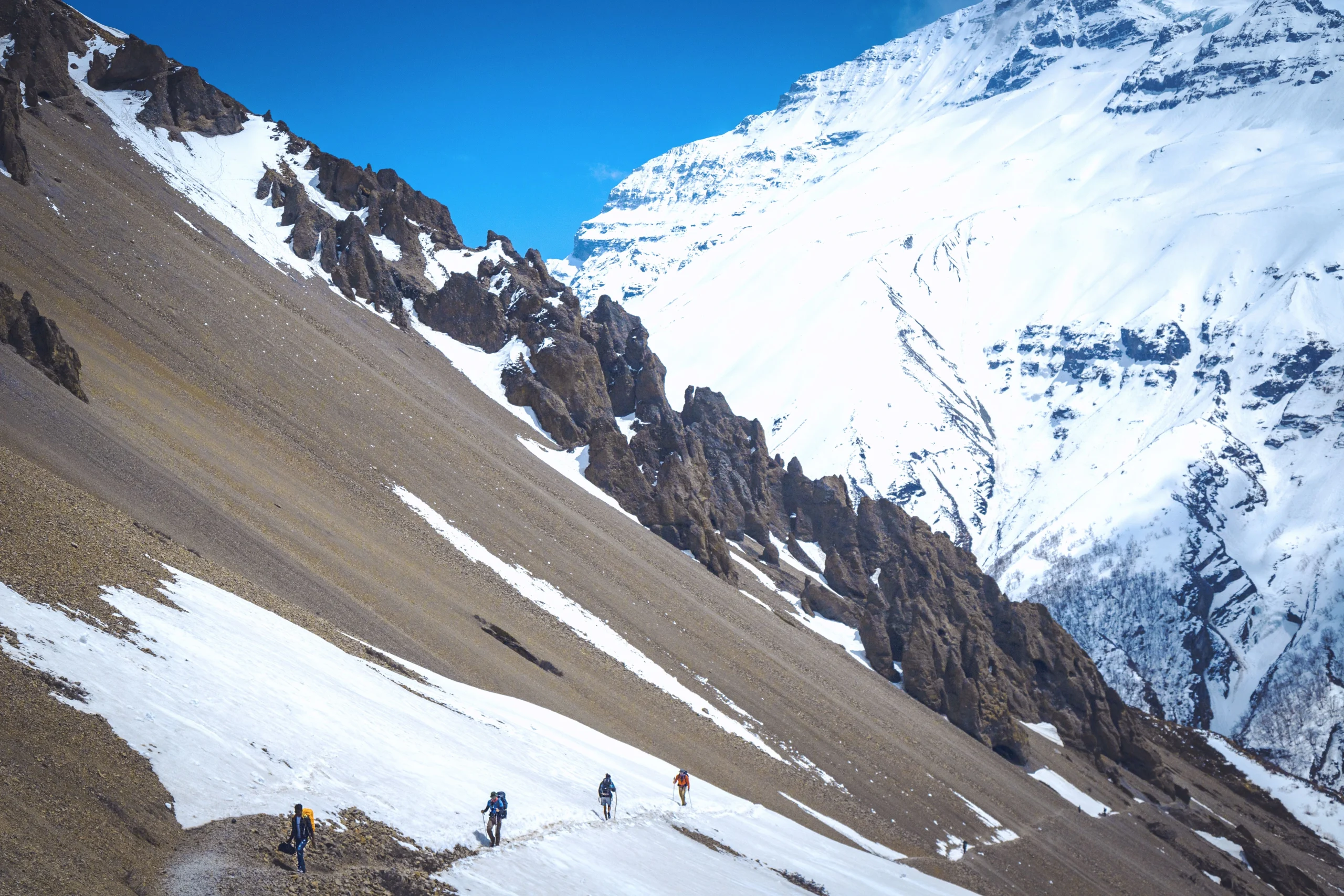
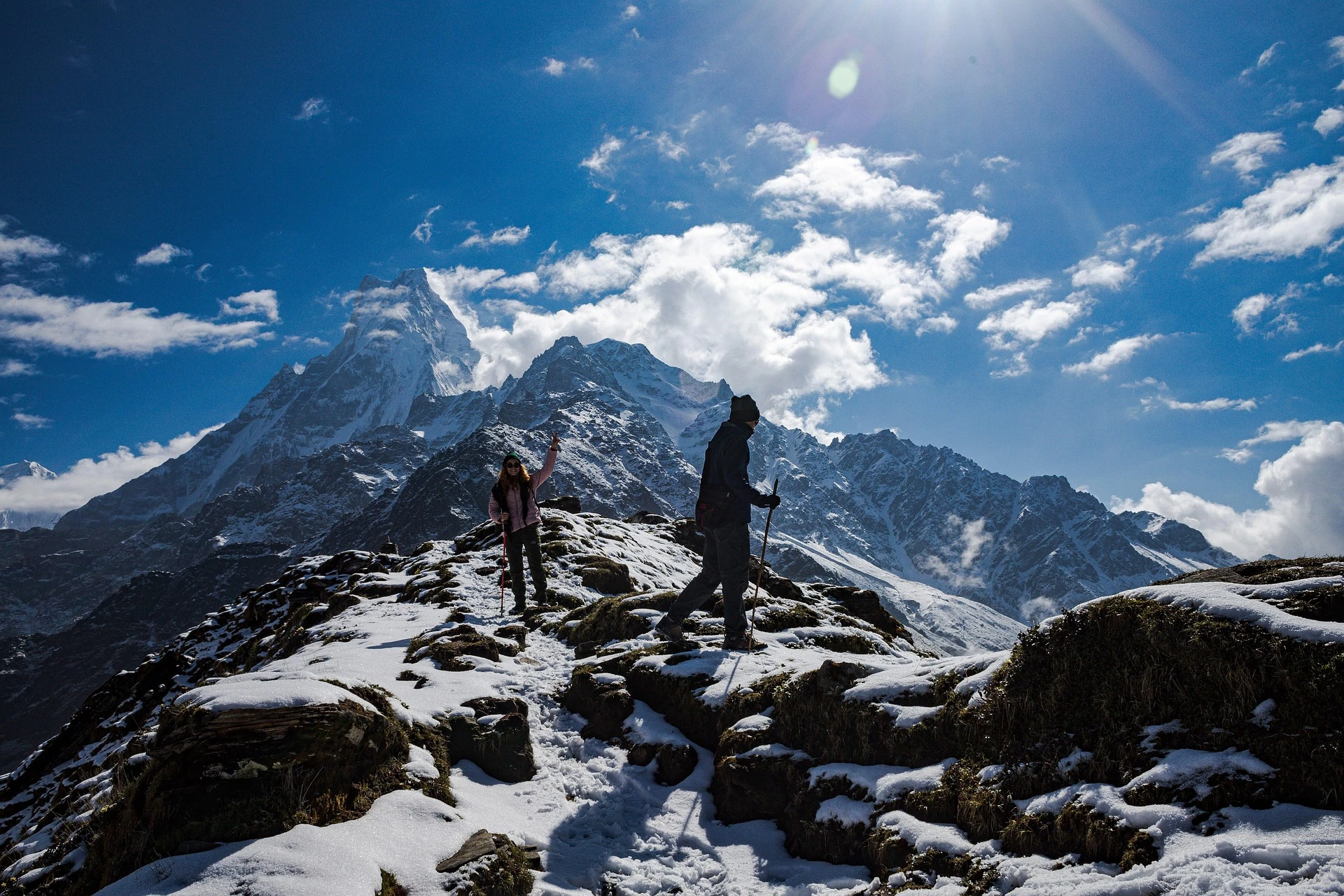
One of the first things that will surprise you while trekking in Nepal is how quickly the scenery changes.
You might begin among green hills and terraced fields, then move into pine forests, alpine meadows, rocky slopes, glacial valleys and snow-covered peaks.
This is particularly noticeable on longer routes. The Annapurna Circuit, for example, moves through very different environments as it crosses the mountain range. The Everest region also changes dramatically as the trail climbs from lower valleys toward Namche, Tengboche, Dingboche and the higher Khumbu.
The journey between the mountains is part of the experience.
2. You may walk through real villages, not just “trekking stops”
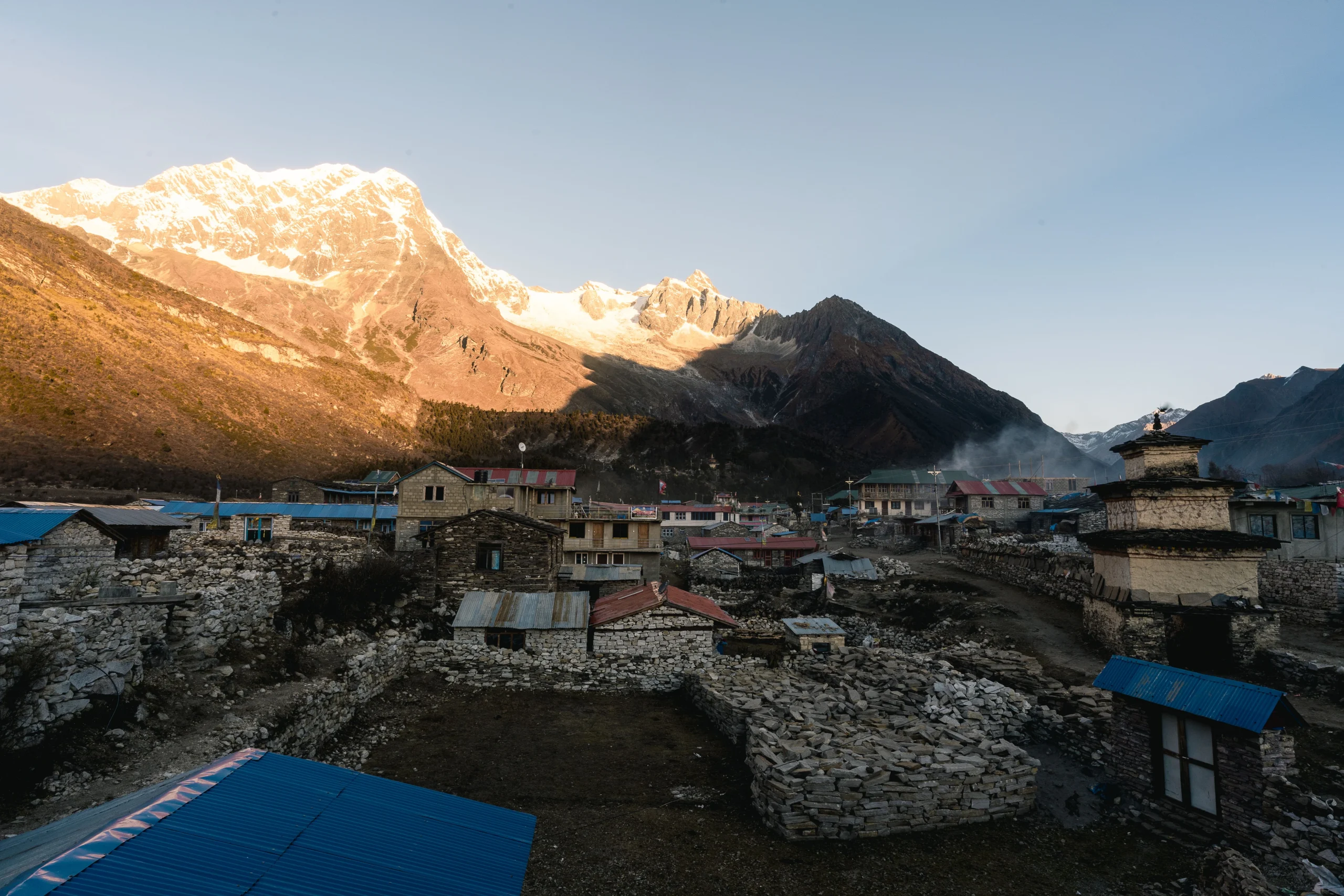
The things that will surprise you while trekking in Nepal are often connected to these everyday encounters.
Many trekking routes pass through villages where people live, farm, trade, raise animals and run small lodges. You may see children walking to school, farmers working in fields, horses or mules carrying supplies, and local residents going about their normal routines.
On routes such as Langtang, Annapurna and Everest, the cultural experience can be just as memorable as the mountain scenery. Depending on the region, you may encounter Tamang, Gurung, Sherpa, Magar and other communities, each with their own traditions, architecture and local identity.
Remember that these are living communities, not attractions. Ask before taking photographs, respect religious places, and follow local customs.
3. A tea house becomes much more than a place to sleep
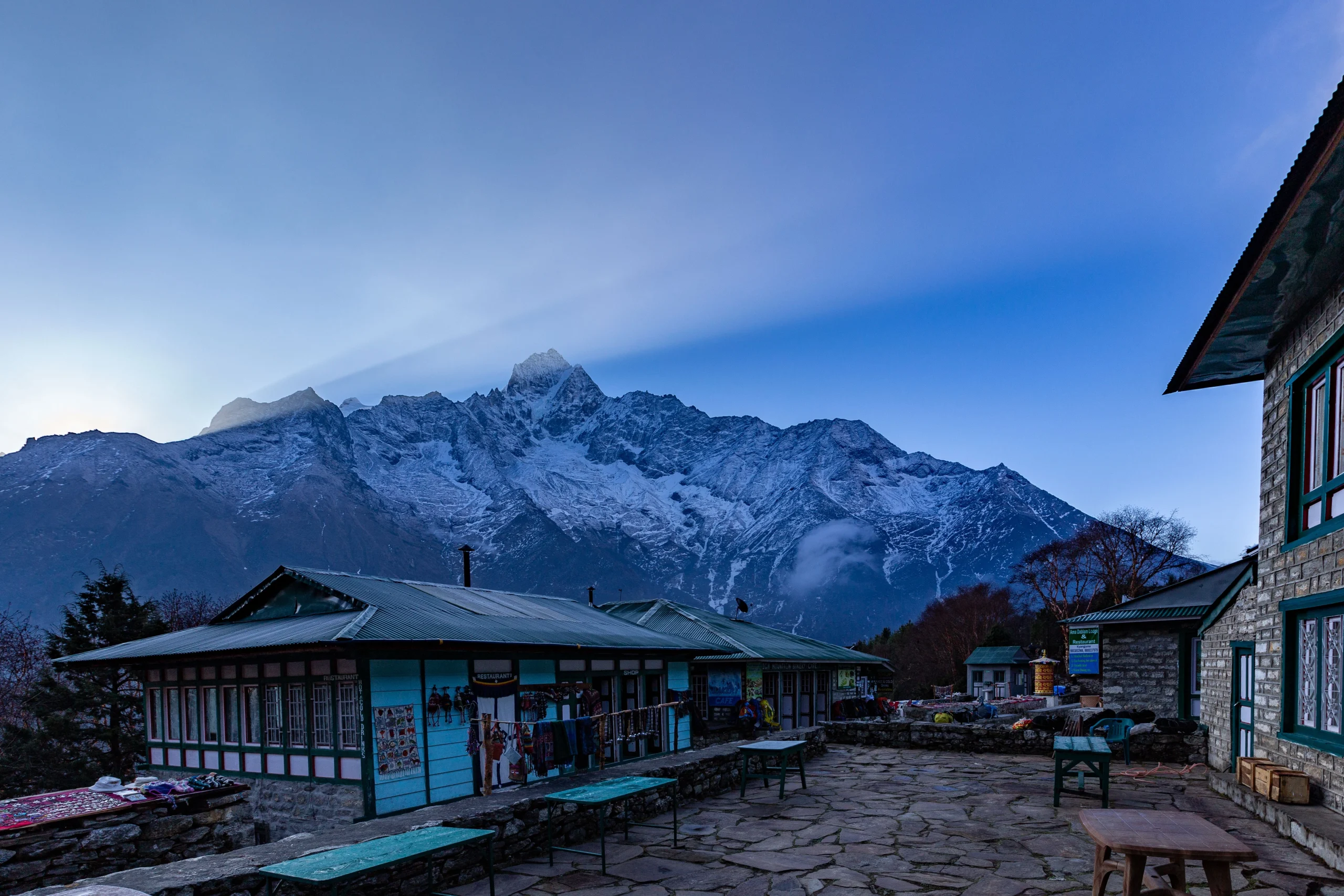
The things that will surprise you while trekking in Nepal can begin the moment you arrive at your first lodge.
Many first-time visitors imagine that remote Himalayan trekking means camping every night. One of the biggest things that will surprise you while trekking in Nepal is how many established routes are supported by tea houses and mountain lodges.
A tea house can be surprisingly social. After several hours of walking, trekkers gather around a dining room, order dal bhat, noodles or soup, dry their clothes, charge a phone, talk with guides and compare the day’s walk with people they met on the trail.
Facilities vary considerably. Lower-elevation lodges can be more comfortable, while higher and remote lodges tend to be simpler. Wi-Fi and hot showers may be available in many places, but they should not be treated as guaranteed services.
That is what makes tea house trekking distinctive: you spend nights inside the communities along the route.
4. The food can be far more varied than you expect
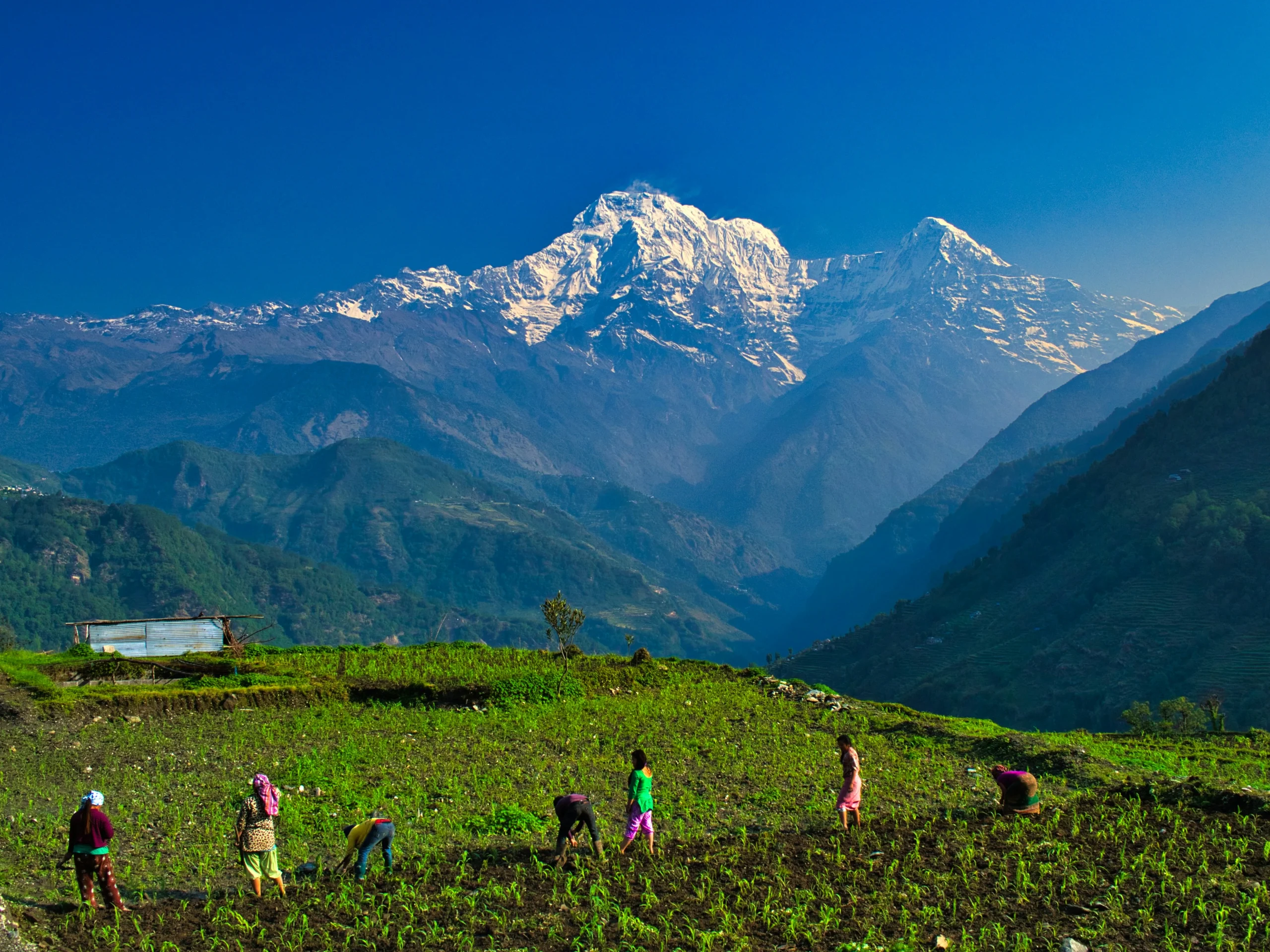
The things that will surprise you while trekking in Nepal can even show up on the dinner table.
If you assume that you will eat only rice and lentils for two weeks, prepare to be surprised.
Dal bhat is a trekking staple for good reason. It is filling, familiar to local cooks and practical for long days on the trail. But menus on established trekking routes can include noodles, fried rice, pasta, momos, soups, potatoes, pancakes, eggs, porridge, Tibetan bread, sandwiches and other dishes.
As you climb higher, however, the menu can become more limited. Supplies have to reach remote settlements, and transporting ingredients becomes harder and more expensive.
One of the things that will surprise you while trekking in Nepal is how satisfying a simple meal can become after six or seven hours of walking. A bowl of hot soup or a plate of dal bhat can feel considerably more exciting at altitude than it would in Kathmandu.
5. A “normal” walking day may feel completely different at altitude
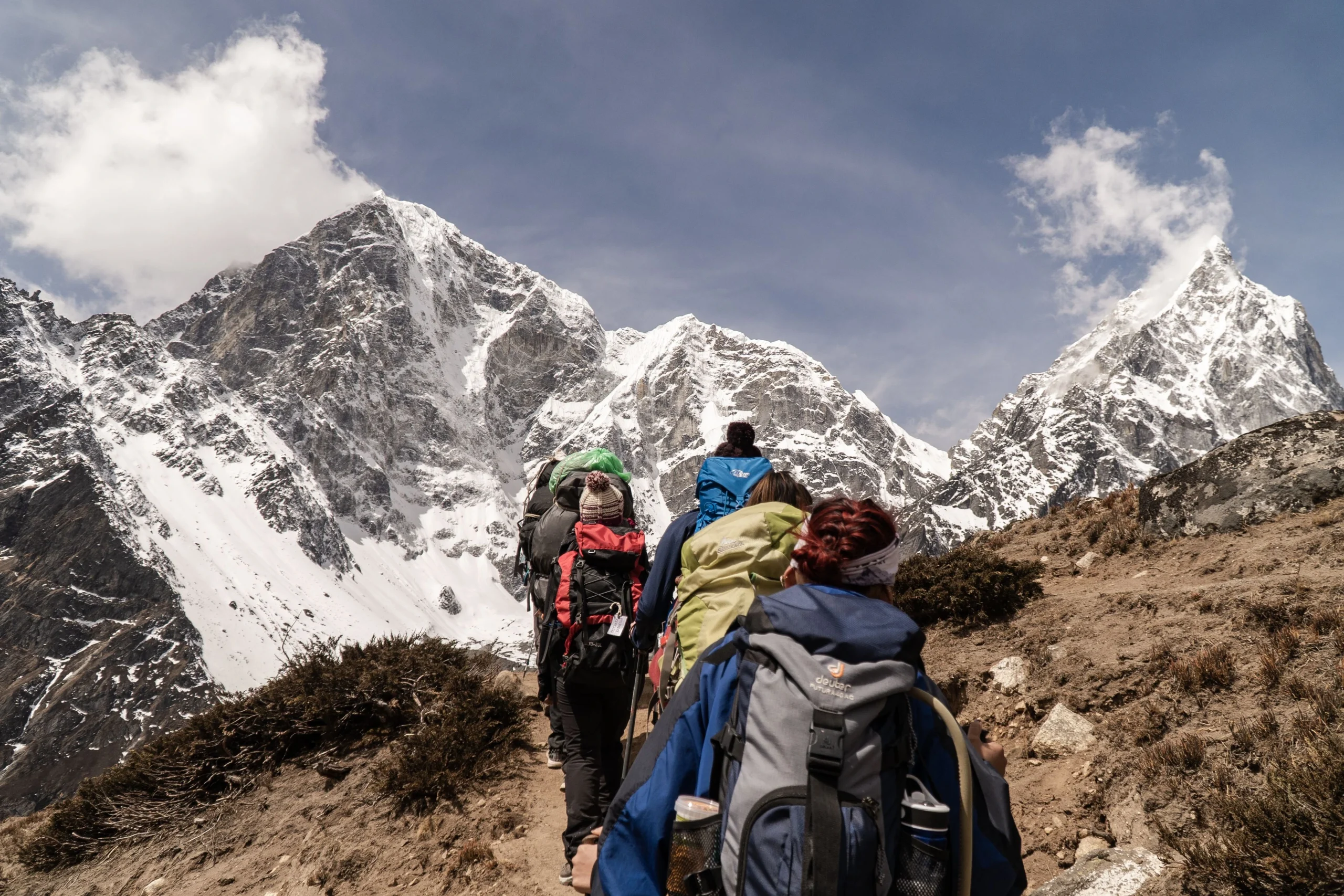
Another major surprise is that distance does not tell the whole story.
Five hours of walking at a lower elevation can feel very different from five hours at 4,000 metres. The air is thinner, climbs feel harder, and your usual walking rhythm may disappear.
Fitness helps with endurance, but being fit does not make someone immune to altitude illness. The body needs time to acclimatize as elevation increases. That is why responsible itineraries include gradual ascent and acclimatization days rather than simply trying to reach the highest point as quickly as possible.
If you develop symptoms of altitude illness, do not treat them as something you must simply push through. Never continue ascending while significant symptoms are worsening, and follow the advice of your guide or medical professionals.
This is one of the things that will surprise you while trekking in Nepal: sometimes the strongest decision on the trail is slowing down. For detailed medical guidance on gradual ascent and altitude illness, trekkers can also refer to the CDC Yellow Book’s high-altitude travel guidance.
6. You may wake up earlier than you ever planned
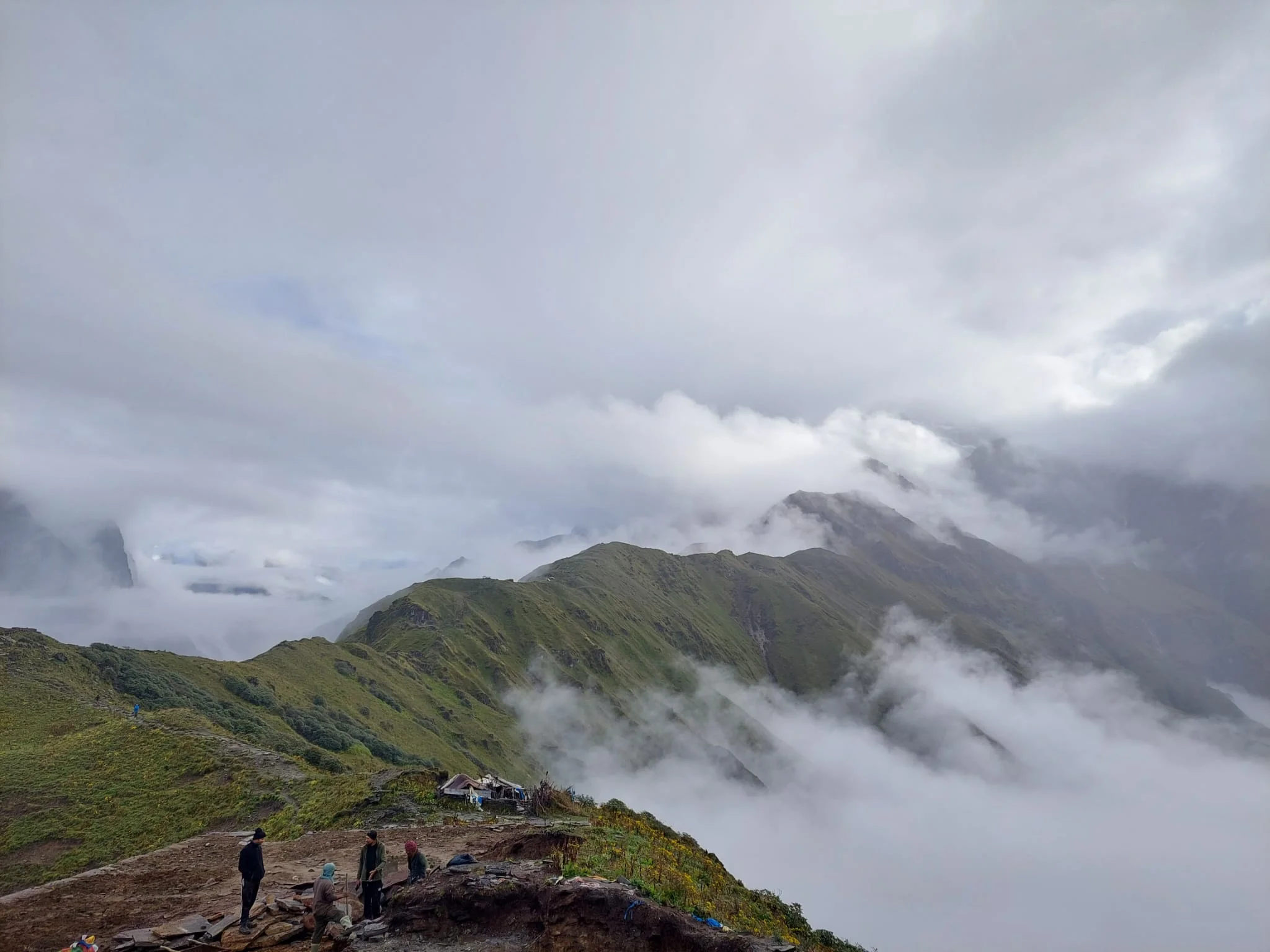
The things that will surprise you while trekking in Nepal sometimes begin before sunrise.
Mountain mornings have a way of changing your schedule.
On many trekking days, an early start makes sense because weather conditions can change later in the day, viewpoints are often clearer in the morning, and some routes require several hours of walking.
Then there are sunrise viewpoints. Places such as Poon Hill and Kala Patthar can require an early-morning walk when it is still dark. You may be leaving your warm bed while everyone in your normal life is still asleep.
Then the sky begins to brighten over the mountains, and the early start suddenly feels worthwhile.
7. The weather can change your entire day
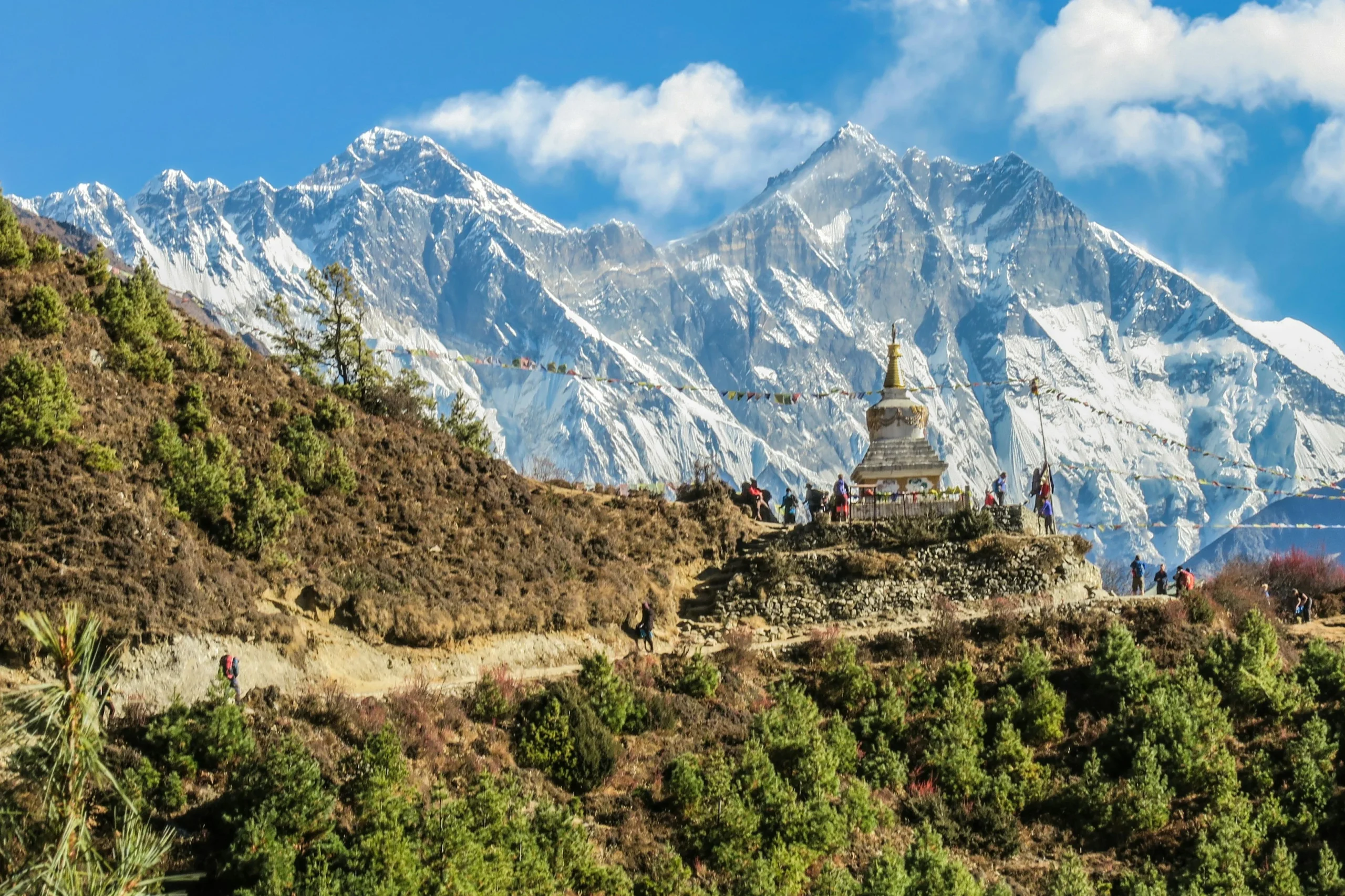
The things that will surprise you while trekking in Nepal include how quickly conditions can change above the valleys.
Mountain weather is not always interested in your itinerary.
A morning can begin with blue skies and excellent visibility before clouds move in during the afternoon. Rain, wind, snow, fog or sudden temperature changes can affect how comfortable the trail feels.
This is especially important because Nepal has several trekking seasons, and conditions vary significantly by region and elevation. Some rain-shadow areas can behave very differently from routes exposed to the monsoon.
One of the things that will surprise you while trekking in Nepal is how much the mountains can control the timetable. A guide may recommend leaving earlier, stopping sooner or changing a plan because the conditions have changed.
That is not poor planning. In the Himalayas, flexibility is part of good planning.
8. The trail can be busy and incredibly quiet at the same time
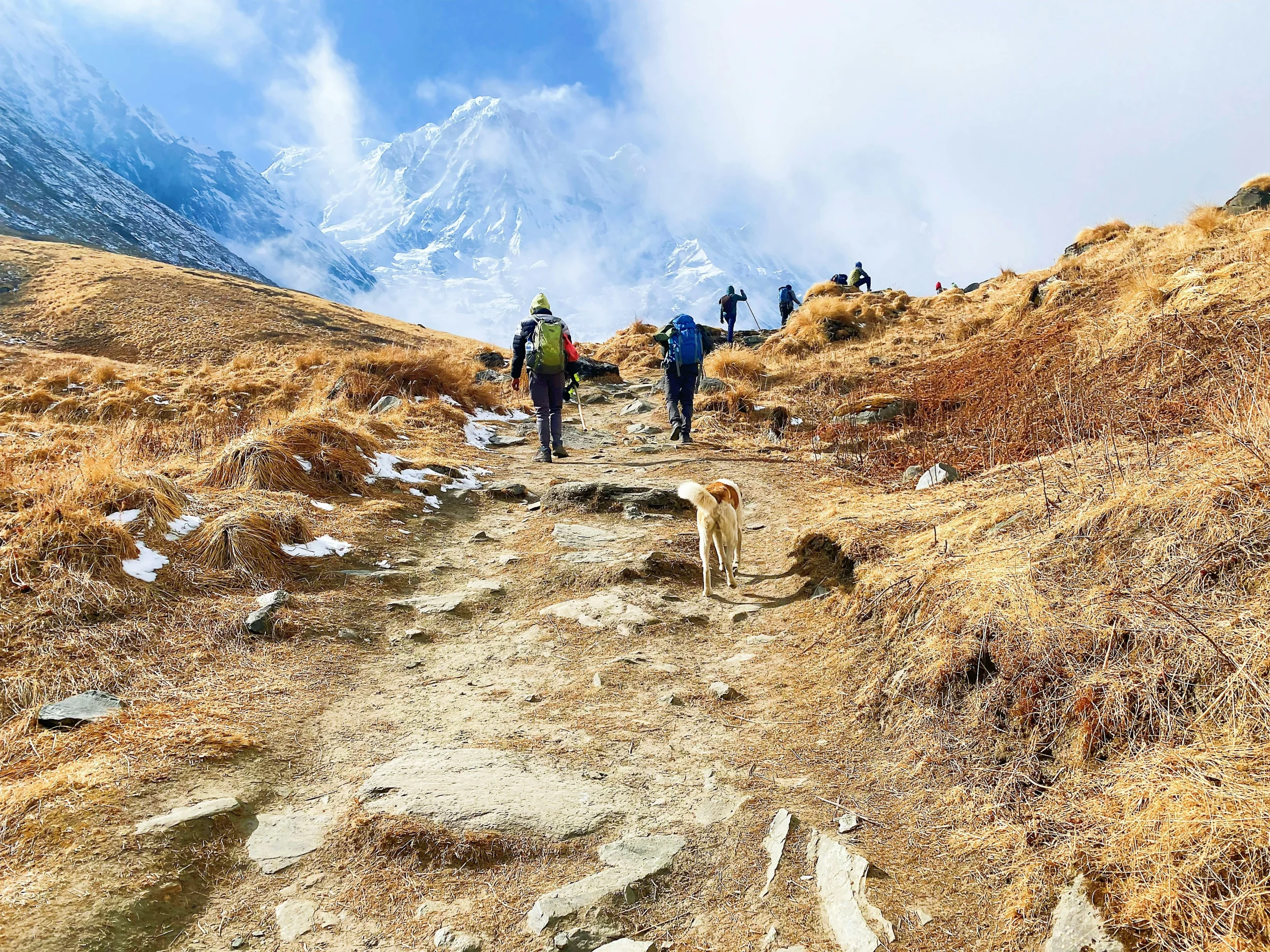
The things that will surprise you while trekking in Nepal also include the contrast between busy trail sections and complete silence.
Another of the things that will surprise you while trekking in Nepal is the strange relationship between crowds and silence.
On popular routes during peak trekking seasons, you may share sections of trail with trekkers from many countries. At busy tea houses, dining rooms can become lively places filled with different languages and stories.
Then you walk around the next bend and everything becomes quiet.
You hear wind, a river, birds, footsteps or the occasional bell from an animal carrying supplies.
Even on famous routes, the mountains can make every other person seem very small.
9. The hardest part may be going downhill
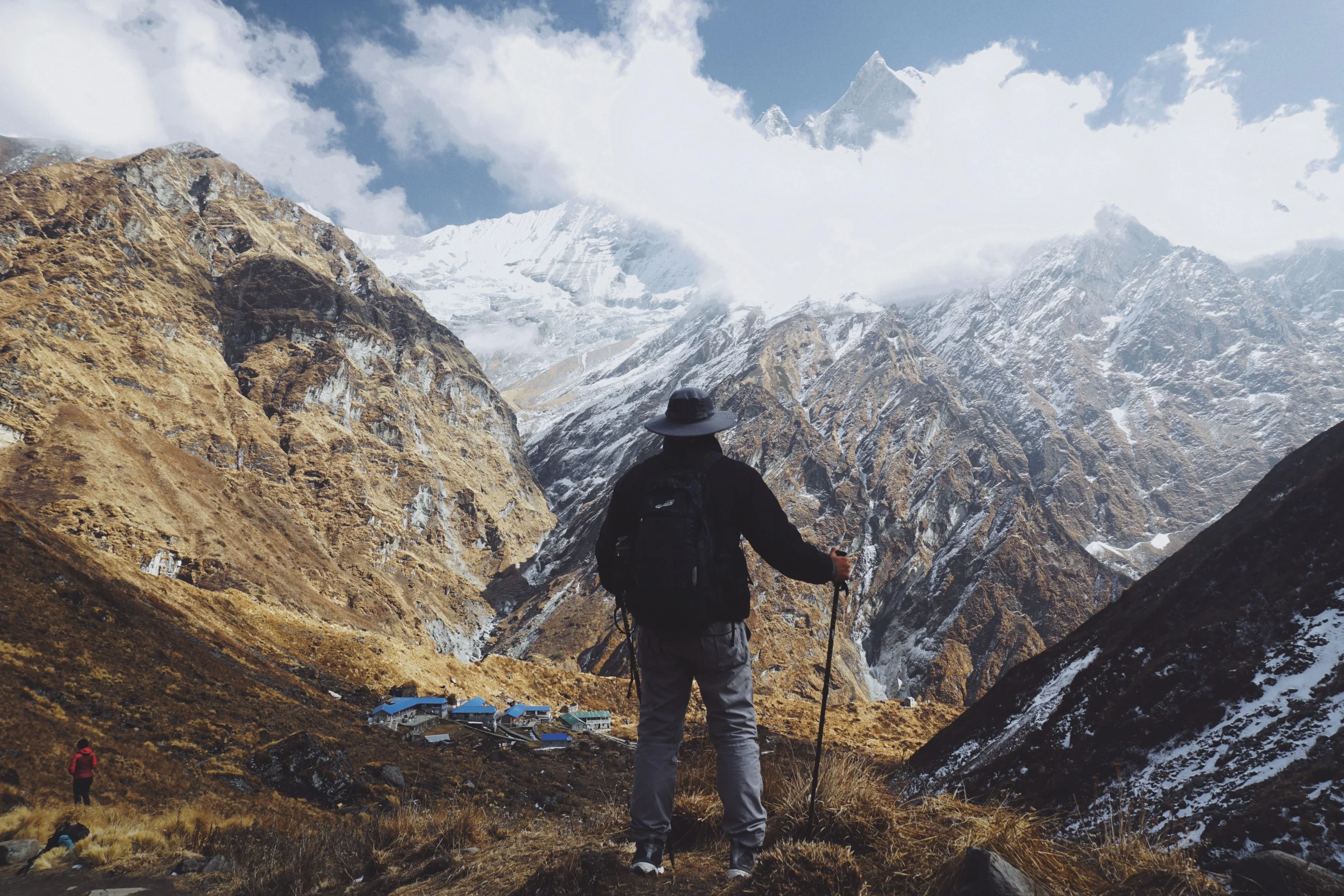
The things that will surprise you while trekking in Nepal are not always waiting at the highest point.
Many first-time trekkers prepare mentally for steep uphill walking. They sometimes forget about the return.
Downhill sections can be tough on the knees, ankles and thighs, particularly after several consecutive trekking days. A trail that looks easy on a map can involve long descents over uneven stone steps.
This is another reason not to judge a trek only by distance or total days.
Good footwear, trekking poles if you use them, controlled pacing and sensible rest breaks can help.
You may reach the top of a pass thinking, “That was the hard part.”
Then you look down.
10. The journey can feel more important than the destination
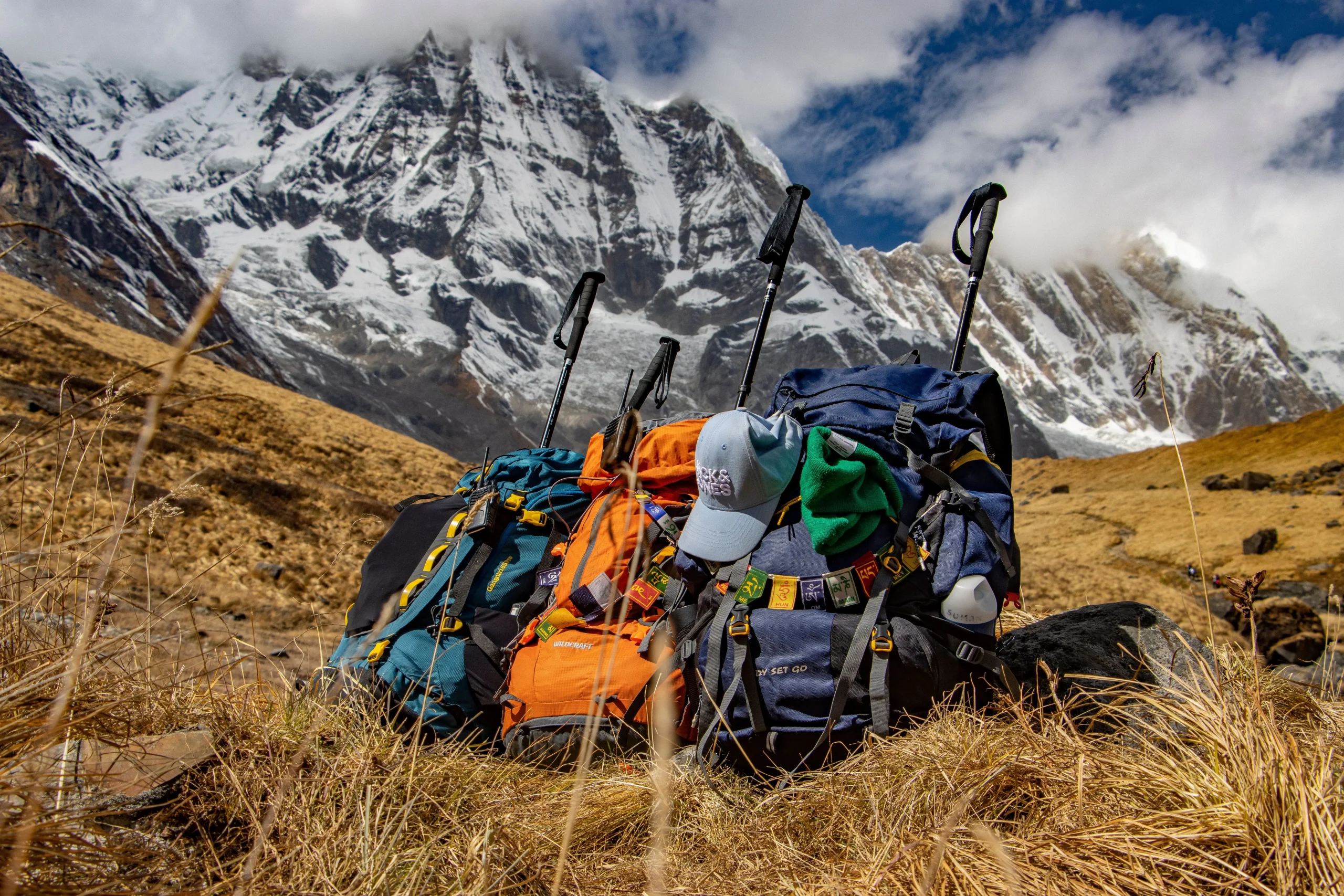
The things that will surprise you while trekking in Nepal may ultimately have little to do with the final viewpoint.
You may begin the trek thinking only about Everest Base Camp, Annapurna Base Camp, a high pass or a particular viewpoint.
Then something changes.
The trail itself becomes the story.
The forests before the mountains. The villages between valleys. The people you meet. The changing weather. The daily meals. The gradual increase in altitude. The feeling of reaching a village after a long climb.
Nepal’s trekking routes are not simply corridors leading to a destination. They are journeys through changing landscapes and living mountain communities.
That is perhaps the biggest lesson behind the things that will surprise you while trekking in Nepal.
What should you prepare for?
The best preparation is not trying to eliminate every surprise. It is preparing well enough to enjoy them.
Choose an itinerary that matches your experience and available time. Pay attention to altitude, daily walking hours and acclimatization rather than looking only at the number of days. Pack for changing weather, carry essential personal items and keep a power bank available.
Most importantly, remain flexible. A mountain trek can change because of weather, trail conditions or how your body responds to altitude. A good trekking plan leaves room for sensible decisions rather than treating the itinerary like a fixed race.
If you are considering your first Himalayan adventure, routes including the Annapurna Base Camp Trek, Mardi Himal Trek, Langtang Valley Trek and Everest Base Camp Trek offer very different experiences. The right choice depends on your available time, preferred landscape, fitness, altitude tolerance and the experience you want from Nepal.
Final Thoughts
The things that will surprise you while trekking in Nepal are rarely limited to dramatic mountain views. You may be surprised by changing landscapes, village life, tea houses, simple meals, unpredictable weather and the way altitude changes your pace.
You may also discover something less tangible: trekking gives you a different way of experiencing time.
You walk. You eat. You rest. You talk. You watch the weather. You wake before sunrise. Then you walk again.
Somewhere between the first day and the last, Nepal can stop feeling like a destination and start feeling like a place you are experiencing one step at a time.
That is what makes trekking in Nepal so memorable.
Frequently Asked Questions
1. What are the biggest things that will surprise you while trekking in Nepal?
Common surprises include changing landscapes, tea houses, varied food, fast-changing weather, altitude effects and early mornings.
2. Is trekking in Nepal harder than it looks?
It can be. Difficulty depends on the route, elevation, daily walking hours, terrain and your experience. A moderate-looking day can feel much harder at high altitude.
3. Are tea houses comfortable during trekking in Nepal?
Many established routes have tea houses with beds, dining areas, bathrooms and sometimes hot showers or Wi-Fi. Facilities generally become simpler at higher and more remote elevations.
4. What food can you eat while trekking in Nepal?
Common choices include dal bhat, noodles, fried rice, pasta, momos, soups, potatoes, pancakes, eggs and Tibetan bread.
5. Can beginners trek in Nepal?
Yes. Nepal has trekking routes suitable for different experience levels. Beginners should choose an itinerary appropriate for their fitness and experience and should pay particular attention to altitude and acclimatization.
6. How quickly does altitude affect trekkers in Nepal?
Altitude affects people differently. Symptoms can occur after ascending to higher sleeping elevations, which is why gradual ascent and acclimatization are important.
7. Is Wi-Fi available while trekking in Nepal?
Wi-Fi is available in many tea houses on popular routes, but connection quality varies. Remote or high-altitude sections may have limited or no reliable internet access.
8. Why do trekkers wake up so early in Nepal?
Early starts can help trekkers make the most of stable morning weather, complete long walking days and reach viewpoints for sunrise.
9. What should I pack for trekking in Nepal?
Essential items depend on the route and season, but trekkers generally need suitable footwear, warm and waterproof layers, a sleeping bag appropriate to the conditions, sun protection, personal toiletries, water equipment, basic first aid and power management for electronics.
10. What makes trekking in Nepal different from other mountain destinations?
Nepal combines high Himalayan scenery with established trekking routes, mountain villages, tea houses and diverse cultural experiences. The journey can involve both spectacular landscapes and everyday community life, rather than only wilderness walking.
Similar Blogs
View all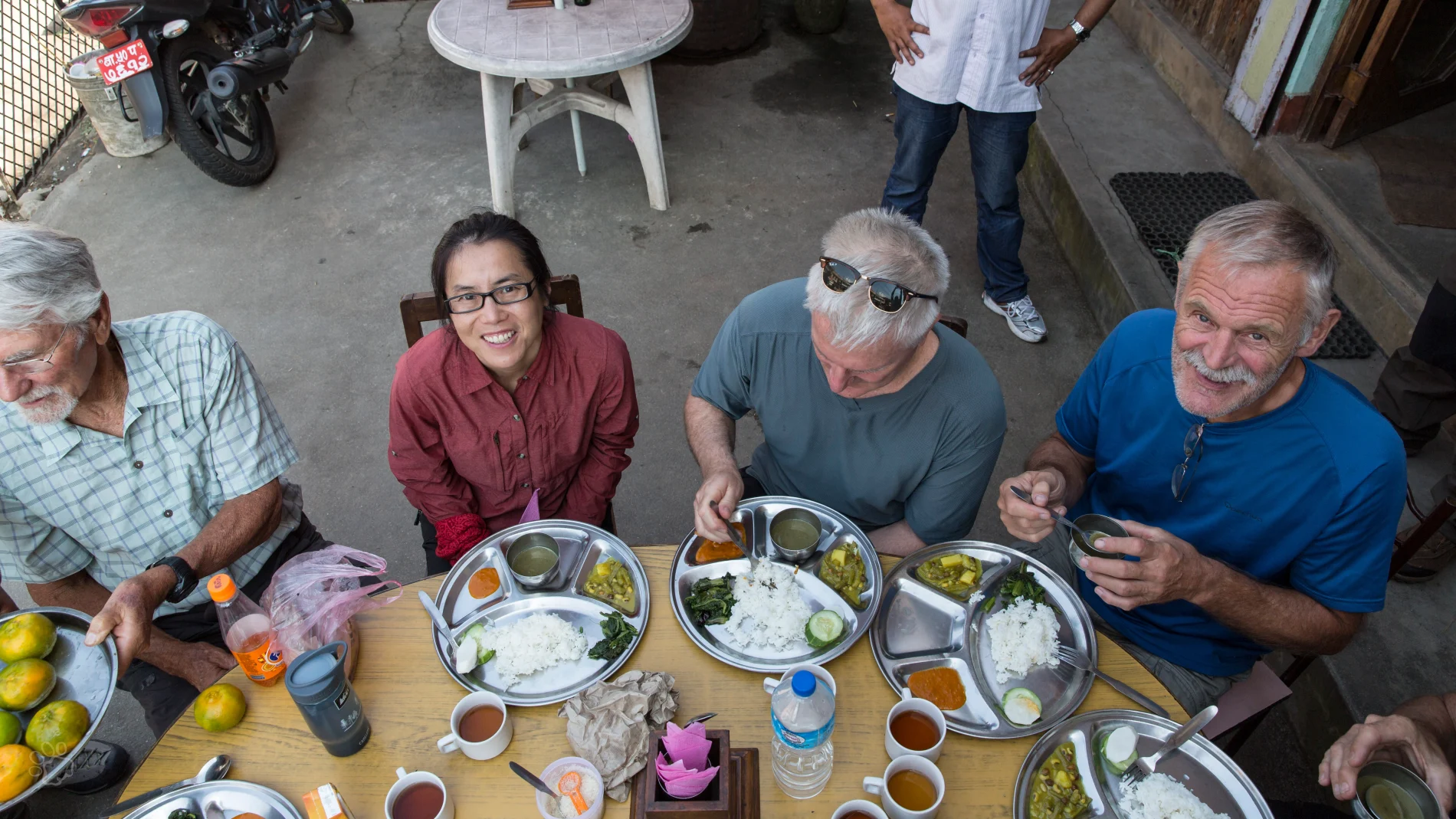
13/10/2026
Manaslu Circuit Trek After the October 2026 Floods: Trail Conditions, Safety and Travel Updates
The Manaslu Circuit Trek is one of Nepal’s most rewarding Himalayan journeys, taking trekkers through traditional...
Read more
13/10/2026
Your Nepal Trek Is Booked, but the Trail Is Closed: What Now?
Imagine arriving in Nepal with your trekking boots ready, your flights booked, your bags packed, and...
Read more