Ultimate Guide to High Altitude Acclimatization for Treks
Share:
 Read Time
This blog has 2572 words .This blog has 17582 characters.This blog take 9 minutes to read.
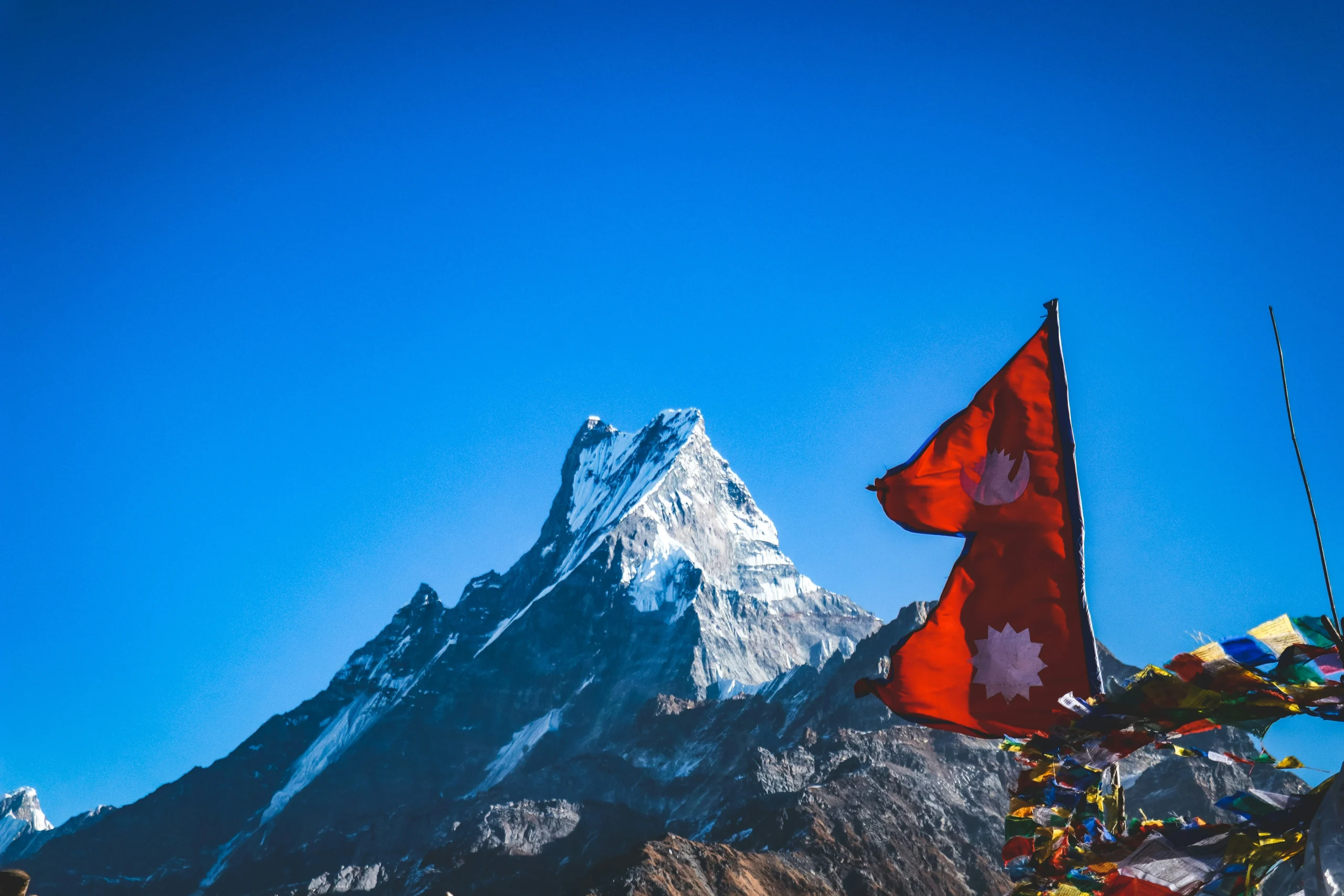
Trekking at high altitude is very different from walking at sea level. The landscape may look beautiful and the trail may seem manageable, but your body has to work harder because there is less oxygen available as elevation increases. That is why high altitude acclimatization is one of the most important parts of preparing for a Himalayan trek.
Whether you are planning an Everest Base Camp Trek, Annapurna Base Camp Trek, Langtang Trek, or another demanding mountain journey, acclimatization can affect how comfortable and safely you travel. Although fitness helps you handle long walking days, it does not automatically protect you from altitude sickness. Your body simply needs time to adjust to the changing environment.
The good news is that proper high altitude acclimatization does not have to be complicated. A sensible itinerary, gradual ascent, appropriate rest days, good hydration, enough food, and awareness of warning signs can make a significant difference.
According to the CDC Yellow Book, the most important factors affecting altitude illness are the altitude at which you begin sleeping and how quickly your sleeping altitude increases.
What Is High Altitude Acclimatization?
High altitude acclimatization is the process through which your body gradually adjusts to lower oxygen availability as you climb higher.
At sea level, your body receives plenty of oxygen with every breath. However, atmospheric pressure decreases as you climb. The percentage of oxygen in the air remains roughly the same, but each breath contains fewer oxygen molecules available for your body.
Your breathing therefore becomes deeper and faster. Your heart rate can increase, and your body begins making other adjustments to cope with the lower oxygen environment.
The CDC explains that the most important part of acute acclimatization happens during the first few days after reaching high altitude, while further adaptation can continue for weeks or months.
This is why high altitude acclimatization should be treated as part of the trek itself rather than something you can completely prepare for at home.
Why Acclimatization Matters on a Trek
Imagine arriving in the mountains and immediately climbing several hundred meters higher every day. You might feel strong on the first morning, but your body may not have enough time to adapt before the next increase in elevation.
This is where problems can begin.
Poor high altitude acclimatization can increase the risk of acute mountain sickness, commonly called AMS. Typical symptoms include headache, tiredness, dizziness, nausea, vomiting, and loss of appetite.
Although mild symptoms can sometimes settle after resting at the same elevation, continuing to climb while feeling worse can become dangerous.
For this reason, a well-designed trekking itinerary does not focus only on reaching the destination quickly. Instead, it gives your body enough time to adjust along the way.
How Does Your Body Acclimatize to Altitude?
Your body starts responding almost immediately after you reach higher elevation.
One of the first changes is increased breathing. Your body attempts to bring more oxygen into the bloodstream by increasing ventilation. Over the following days, additional physiological changes occur.
The first 3–5 days are particularly important for acute high altitude acclimatization, according to the CDC.
You may notice:
- Faster breathing
- Increased heart rate
- More frequent urination
- Changes in sleep
- Reduced appetite
- Lower exercise performance
- Greater fatigue during uphill walking
These changes do not necessarily mean something is wrong. In many cases, they are normal responses to altitude.
However, there is an important difference between normal adjustment and altitude illness. Understanding that difference is one of the most valuable skills you can have before beginning a high-altitude trek.
What Altitude Is Considered High?
Altitude classifications can vary slightly depending on the source, but altitude illness becomes an important concern once travelers reach approximately 2,450 m (8,000 ft) or higher.
The CDC notes that any traveler who is not acclimatized and sleeps at or above approximately 2,450 m can be at risk, although some people can experience symptoms at lower elevations.
For Himalayan trekkers, this becomes particularly relevant because many popular routes spend several days above 3,000 m.
For example, the Everest region presents a significant acclimatization challenge. The CDC notes that trekkers in the Everest region commonly sleep at elevations between approximately 4,267 and 5,150 m, while some hiking points exceed 5,486 m.
Therefore, high altitude acclimatization becomes increasingly important as your itinerary moves higher.
The Most Important Rule: Climb Slowly
One of the simplest principles of high altitude acclimatization is gradual ascent.
The CDC recommends avoiding an increase from low altitude to a sleeping elevation above approximately 2,750 m in a single day. Once above 3,000 m, travelers should generally increase their sleeping elevation by no more than about 500 m per day and add an extra acclimatization day for each additional 1,000 m of sleeping elevation gain.
This does not mean that every trek must follow exactly the same schedule. Terrain, route design, previous altitude exposure, and individual response all matter.
A good trekking itinerary therefore allows flexibility.
If your body is responding well, you can continue according to the planned schedule. If symptoms develop, however, the safest decision may be to remain at the same elevation or descend.
Acclimatization Days: Why Rest Does Not Mean Doing Nothing
An acclimatization day is often misunderstood.
It does not necessarily mean staying inside your lodge all day.
On many Himalayan routes, trekkers spend an acclimatization day at one village and take a shorter hike to a higher viewpoint before returning to sleep at the same elevation.
This approach follows the basic principle of going higher during the day while keeping your sleeping elevation stable.
For example, on an acclimatization day you might:
- Wake up normally.
- Eat breakfast.
- Hike gradually to a higher viewpoint.
- Spend some time exploring the area.
- Return to the same village.
- Sleep at the original elevation.
This gives your body additional exposure to altitude without unnecessarily increasing your sleeping altitude.
Such days are especially valuable on demanding routes such as the Everest Base Camp trek.
How Many Acclimatization Days Do You Need?
There is no universal number that works for every trekker.
Your itinerary should depend on the maximum elevation, rate of ascent, sleeping altitude, route conditions, and how your body responds.
For many Himalayan trekking itineraries, acclimatization days are included around major altitude transitions.
The CDC recommends spending 2–3 nights around 2,450–2,750 m before continuing higher when possible, because this can significantly reduce the risk of acute mountain sickness.
Once above 3,000 m, gradual increases in sleeping altitude become particularly important.
Therefore, when comparing trekking itineraries, do not look only at the number of days. Look carefully at where you sleep each night.

Everest Base Camp Luxury Trek – 16 days
The Everest Base Camp Luxury Trek offers a more comfortable and personalized way to experience one of the world’s...
Duration:
16 days
Max altitude:
5,545 meters at Kala Patthar
Common Symptoms of Altitude Sickness
Recognizing altitude sickness early is an essential part of high altitude acclimatization.
Acute mountain sickness can cause:
- Headache
- Fatigue
- Dizziness
- Nausea
- Vomiting
- Loss of appetite
- Poor sleep
Symptoms commonly appear within several hours after reaching a higher elevation or after ascending further.
Mild symptoms may improve after staying at the same altitude and allowing your body time to adjust.
However, one rule should always be taken seriously:
Do not continue ascending to sleep at a higher elevation while experiencing symptoms of altitude illness.
If symptoms become worse despite resting at the same altitude, descent is necessary.
Serious Altitude Illness: When It Becomes an Emergency
Altitude sickness can become much more serious.
Two severe conditions are high-altitude cerebral edema (HACE) and high-altitude pulmonary edema (HAPE).
HACE can involve confusion, extreme tiredness, unusual drowsiness, and loss of coordination. HAPE can cause severe breathlessness, weakness, and cough. Both require urgent descent and medical attention.
If a trekker develops serious symptoms, the priority is not reaching the next village, viewpoint, or mountain pass.
The priority is getting to a lower elevation as quickly and safely as possible.
Good high altitude acclimatization reduces risk, but it cannot guarantee that altitude illness will never occur.
Does Being Fit Prevent Altitude Sickness?
This is one of the biggest misconceptions about high altitude acclimatization.
Being physically fit can help you handle long walking days, steep trails, and carrying a backpack. However, fitness does not eliminate the risk of altitude illness.
The CDC specifically notes that physical fitness does not determine a person’s susceptibility to altitude illness.
A very fit runner can still experience AMS, while someone with moderate fitness may acclimatize well.
Altitude affects the body differently from ordinary physical exertion.
That is why you should never assume that because you exercise regularly, you can safely ascend faster than the recommended pace.
Hydration and Nutrition at High Altitude
Staying hydrated is an important part of high altitude acclimatization, particularly because trekking involves physical exertion, cold weather, dry air, and long walking hours.
Drink regularly throughout the day rather than waiting until you feel extremely thirsty.
At the same time, excessive water consumption is not a shortcut to acclimatization. Your goal should be normal hydration rather than forcing yourself to drink unreasonable amounts.
Food is equally important.
Your appetite may decrease at altitude, although your body is still working hard. Eat regular meals and include carbohydrates, protein, and energy-rich snacks.
Useful trekking snacks can include:
- Nuts
- Dried fruit
- Energy bars
- Chocolate
- Biscuits
- Trail mix
- Fresh or dried fruit
Good nutrition supports your energy levels, although food itself does not prevent altitude illness.
Sleep at High Altitude
Sleep can become surprisingly difficult during high altitude acclimatization.
Above roughly 2,700 m, periodic breathing during sleep becomes very common. You may wake up several times during the night or notice that your breathing pattern changes.
This does not necessarily mean that you are developing serious altitude sickness.
However, poor sleep can make the following trekking day feel much harder.
For better sleep:
- Keep yourself warm.
- Avoid alcohol.
- Maintain a comfortable sleeping routine.
- Avoid heavy exercise immediately before bed.
- Keep your sleeping bag and clothing dry.
- Follow your normal bedtime routine as much as possible.
The CDC advises avoiding alcohol during the first 48 hours at high altitude, and respiratory depressants should not be used simply to force sleep.
Avoid Alcohol During Initial Acclimatization
Alcohol and high altitude are not a useful combination.
Alcohol can affect sleep, hydration, and judgment, while your body is already dealing with reduced oxygen availability.
For this reason, avoiding alcohol during the initial period of high altitude acclimatization is a sensible precaution.
The CDC recommends avoiding alcohol during the first 48 hours after arriving above approximately 2,450 m.
Although a drink may seem harmless at a mountain lodge, it is better to let your body concentrate on adjusting to the altitude.
Should You Take Acetazolamide?
Acetazolamide is a medication commonly used to help prevent acute mountain sickness and speed acclimatization.
It is not something trekkers should automatically take without considering their individual circumstances.
The CDC states that acetazolamide can accelerate acclimatization and reduce the occurrence and severity of AMS. It may be particularly useful when a gradual ascent is not possible.
Because medications can have side effects and may not be appropriate for everyone, discuss acetazolamide with a qualified healthcare professional before your trek.
Medication should complement a sensible itinerary rather than replace gradual ascent.
High Altitude Acclimatization on Popular Nepal Treks
Nepal offers trekking routes with very different altitude profiles.
The Annapurna Base Camp route reaches a much lower maximum elevation than Everest Base Camp, while Langtang offers another distinct altitude progression.
For example, the CDC lists the highest sleeping point in the Langtang region at approximately 3,830 m. In the Everest region, trekkers commonly spend nights above 4,000 m and may hike considerably higher.
Practical Tips for Better Acclimatization
If you are preparing for a Himalayan trek, keep these practical rules in mind:
1. Increase elevation gradually
Do not rush simply because you feel strong on the first few days.
2. Pay attention to sleeping altitude
The altitude where you sleep matters particularly when planning your ascent.
3. Include acclimatization days
Extra days can provide valuable time for your body to adapt.
4. Walk at a comfortable pace
Slow and steady is often more effective than trying to match the fastest person in the group.
5. Eat regularly
Even if your appetite decreases, try to maintain regular meals.
6. Drink regularly
Keep yourself normally hydrated throughout the day.
7. Avoid alcohol initially
Give your body time to adjust before consuming alcohol.
8. Tell your guide about symptoms
Do not hide a headache, nausea, dizziness, or unusual fatigue because you are worried about slowing the group.
9. Never ignore worsening symptoms
If symptoms become more serious, staying higher is not a test of toughness.
10. Be prepared to descend
A safe trekking itinerary should always have a plan for altitude-related problems.
Why Choose Silver Moon Adventure?
Choosing a trekking company that understands high altitude acclimatization can make the experience more organized and comfortable.
Silver Moon Adventure plans Himalayan trekking itineraries with appropriate altitude progression, acclimatization stops, experienced trekking staff, and practical support throughout the journey. Although every trekker responds differently to altitude, having a structured itinerary and knowledgeable local team can help you recognize problems early and make sensible decisions on the trail.
For international trekkers, this local support can be particularly useful because Himalayan routes can change with weather, trail conditions, and individual circumstances.
Final Thoughts
High altitude acclimatization is not about proving how quickly you can climb. It is about giving your body enough time to adapt to an environment where oxygen availability is lower.
A carefully planned itinerary, gradual ascent, acclimatization days, sensible hydration, nutritious meals, adequate rest, and early recognition of symptoms all contribute to a safer trekking experience.
Most importantly, listen to your body. Feeling tired after a long uphill day is normal, but worsening headache, nausea, dizziness, confusion, breathing difficulties, or coordination problems should never be ignored.
The mountains will still be there tomorrow.
Your health comes first.
Frequently Asked Questions
1. What is high altitude acclimatization?
High altitude acclimatization is the process by which the body gradually adjusts to reduced oxygen availability as you travel to higher elevations. It normally develops over several days and continues with longer exposure.
2. At what altitude does acclimatization become important?
Altitude illness can occur from around 2,450 m (8,000 ft), although susceptibility varies between individuals. Risk generally increases as elevation and ascent speed increase.
3. How long does high altitude acclimatization take?
The most important acute adjustments generally occur during the first 3–5 days after ascending. Further physiological adaptation can continue for weeks or months.
4. Does physical fitness prevent altitude sickness?
No. Fitness can improve your ability to handle physical activity, but it does not remove your risk of altitude illness.
5. How much should I ascend each day?
Once above approximately 3,000 m, the CDC recommends increasing sleeping altitude by no more than about 500 m per day, with an additional acclimatization day for every 1,000 m of sleeping-altitude gain.
6. Can I take a rest day without hiking?
Yes. However, many trekking itineraries use acclimatization days for a gradual hike to a higher elevation followed by a return to the same sleeping altitude.
7. What are the first symptoms of altitude sickness?
Common symptoms include headache, fatigue, dizziness, nausea, vomiting, and reduced appetite.
8. Should I continue climbing if I have altitude sickness symptoms?
No. You should not ascend to a higher sleeping altitude while experiencing symptoms of altitude illness. If symptoms worsen despite resting, descent is necessary.
9. Does drinking more water prevent altitude sickness?
Normal hydration is important during trekking, but drinking excessive amounts of water does not replace gradual ascent and proper acclimatization.
10. Is medication necessary for high-altitude trekking?
Not necessarily. The need for medication depends on the itinerary, ascent rate, previous altitude experience, medical history, and individual risk. Speak with a healthcare professional before using altitude medication.
Similar Blogs
View all
13/10/2026
Manaslu Circuit Trek After the October 2026 Floods: Trail Conditions, Safety and Travel Updates
The Manaslu Circuit Trek is one of Nepal’s most rewarding Himalayan journeys, taking trekkers through traditional...
Read more
13/10/2026
Your Nepal Trek Is Booked, but the Trail Is Closed: What Now?
Imagine arriving in Nepal with your trekking boots ready, your flights booked, your bags packed, and...
Read more