Best Time for Everest Base Camp Trek: Month-by-Month Guide
Share:
 Read Time
This blog has 3076 words .This blog has 20360 characters.This blog take 10 minutes to read.
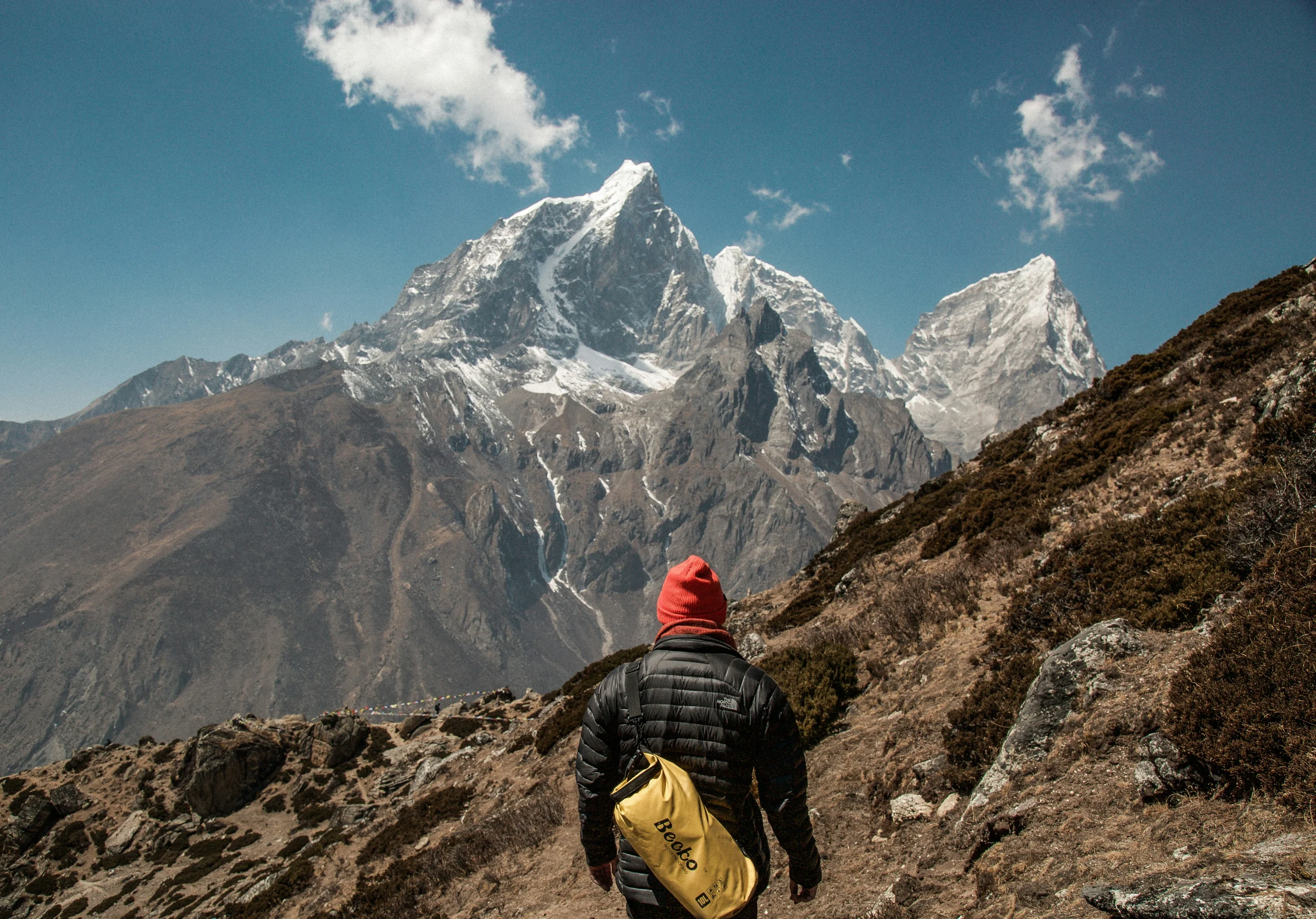
Choosing the best time for Everest Base Camp trek can make a huge difference to your experience in the Khumbu. The same trail can feel completely different depending on whether you walk it beneath crisp autumn skies, through spring sunshine, in winter cold, or under monsoon clouds.
For most trekkers, the two main trekking windows are spring (March to May) and autumn (late September to November). These periods generally offer the best combination of mountain visibility, manageable temperatures and accessible trails. Autumn is particularly popular for its clear post-monsoon skies, while spring brings warmer conditions, flowering rhododendrons and the excitement of the Everest climbing season.
But saying “go in spring or autumn” is only half an answer.
March is not April. October is not November. January is not automatically impossible. And June is not exactly the month you want to discover that clouds have opinions about your Everest photographs.
So, what is the best time for Everest Base Camp trek for you?
Let’s go month by month.
Everest Base Camp Trek at a Glance
| Month | Weather | Crowds | Mountain Views | Overall |
|---|---|---|---|---|
| January | Very cold | Very low | Excellent when clear | Challenging |
| February | Cold | Very low | Good | Challenging |
| March | Cold to mild | Moderate | Good to very good | Very good |
| April | Mild and pleasant | High | Very good | Excellent |
| May | Warmer, increasingly cloudy | Moderate–high | Good in mornings | Very good |
| June | Wet and cloudy | Low | Limited | Not ideal |
| July | Monsoon | Very low | Poor | Not recommended |
| August | Monsoon | Very low | Poor | Not recommended |
| September | Transitioning | Moderate | Improving | Good |
| October | Stable and clear | Very high | Excellent | Best overall |
| November | Cold and clear | High, then lower | Excellent | Excellent |
| December | Cold and dry | Low | Very good | Challenging |
These are broad seasonal patterns rather than guarantees. Mountain weather can change quickly, particularly at higher elevations, and Lukla flights remain weather-dependent.
Why Timing Matters on the Everest Base Camp Trek
Everest Base Camp is not a normal low-altitude hiking destination. The route climbs from Lukla at around 2,860 meters to Everest Base Camp at 5,364 meters, with Kala Patthar reaching about 5,555 meters on Silver Moon’s standard itinerary.
At those elevations, weather affects much more than whether you need a jacket.
It can influence:
Mountain visibility
Trail conditions
Snow and ice
Temperature
Flight schedules
Teahouse availability
Crowds
How comfortable the trekking days feel
Your overall experience at Everest Base Camp and Kala Patthar
That is why choosing your dates should be part of your trek planning, not something decided after booking the flights.
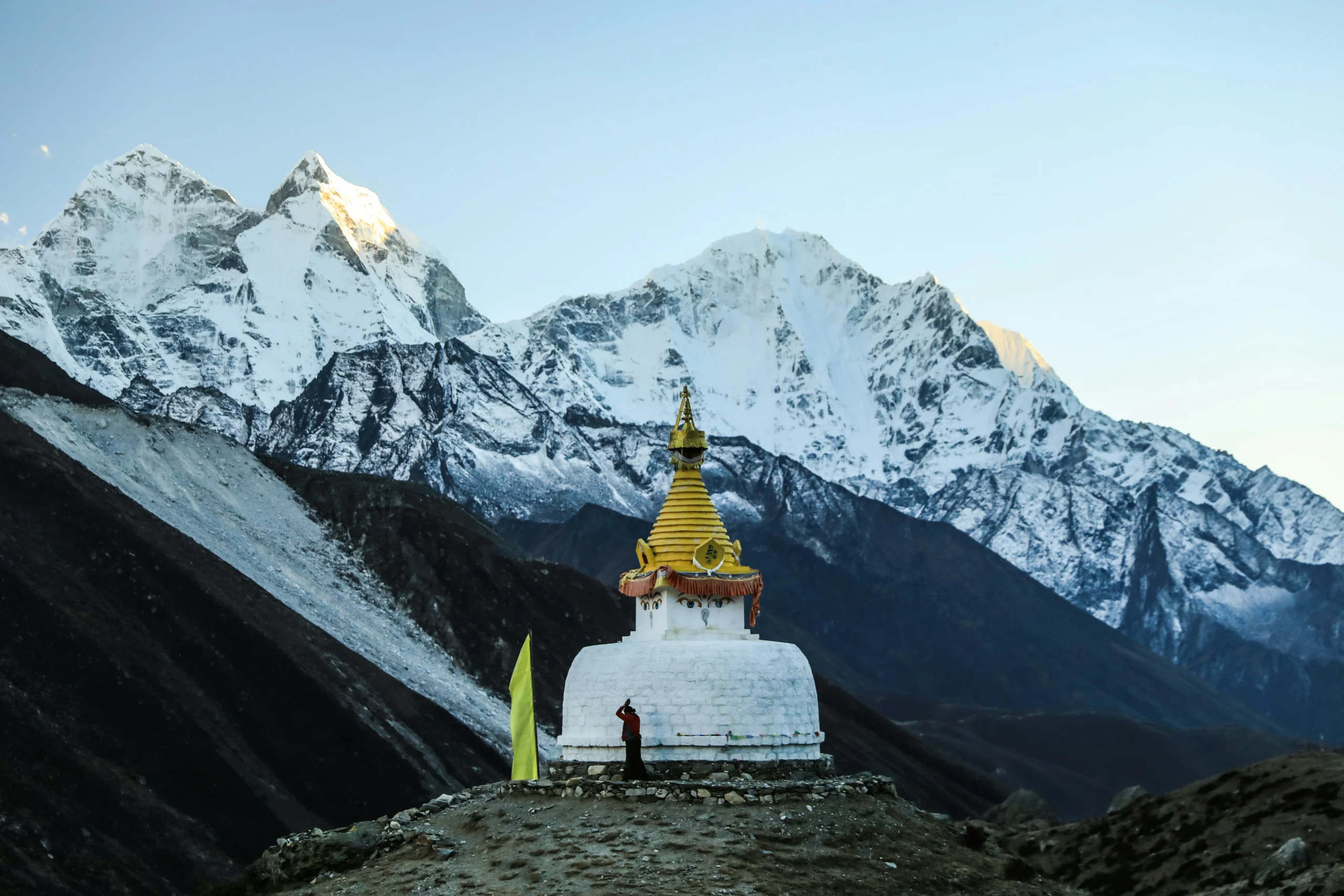
March: The Beginning of Spring
March marks the beginning of the spring trekking season in the Everest region.
The higher parts of the route can still be cold, particularly early in the month, but conditions gradually become more pleasant as spring develops.
The biggest advantage of March is that you can enjoy the beginning of the popular trekking season without the crowds that arrive later in April and October.
Mountain views can be excellent on clear days, while the lower parts of the trail begin showing signs of spring.
March is a particularly good choice for trekkers who want a balance between decent weather and fewer people.
Best for: Trekkers who want spring conditions with less congestion.
Watch out for: Cold nights and potentially wintry conditions at higher elevations early in the month.
April: Warm Spring and Everest Expedition Season
April is one of the strongest choices for the Everest Base Camp trek.
The days become warmer, spring vegetation is at its best at lower elevations, and the Everest region becomes increasingly lively.
Rhododendrons add color to the lower sections of the trail, while the higher landscape remains dominated by snow-covered peaks and dramatic Himalayan scenery.
April is also an exciting time to be around Everest Base Camp because climbing expeditions are preparing for summit attempts during the spring climbing season.
The downside?
Everyone else knows April is good too.
Popular trails and teahouses can become busy.
Best for: First-time trekkers, photographers, spring scenery and people who want to experience the Everest region during climbing season.
Watch out for: Crowds and busy accommodation.
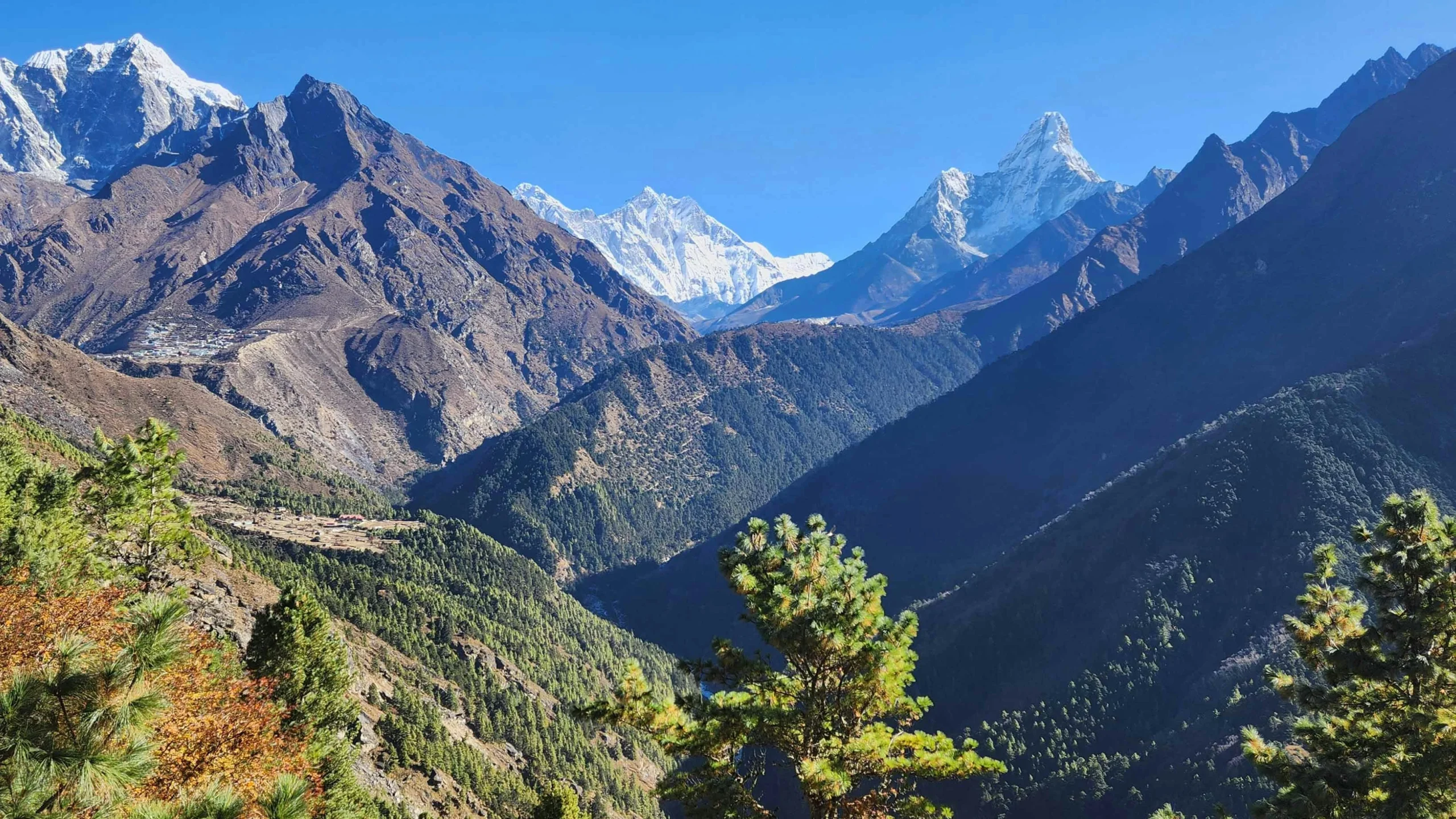
May: Warmer Days Before the Monsoon
May is the final major month of the spring trekking season.
Temperatures are generally warmer, particularly at lower elevations. However, as the monsoon approaches, clouds and occasional precipitation become more likely.
Early mornings can still provide excellent mountain views, while afternoons may become less predictable.
May can therefore be a good option for trekkers who prefer warmer conditions and have some flexibility in their schedule.
The closer you get to the monsoon period, however, the less predictable conditions can become.
Best for: Warmer trekking conditions and trekkers who prefer the spring season but cannot travel in April.
Watch out for: Increasing cloud cover and the approaching monsoon.
June: The Monsoon Starts Changing the Game
June is when the situation becomes much less predictable.
Nepal’s monsoon begins affecting most trekking regions, bringing increased rainfall, cloud cover and less reliable mountain visibility.
The Everest region is not completely inaccessible, but June is no longer the straightforward trekking experience most first-time visitors imagine when they picture Everest.
Rain can affect lower sections of the trail, while clouds can hide the mountains that you travelled halfway around the world to see.
There are also fewer trekkers, which sounds attractive until you realize there is usually a reason the trail suddenly became quiet.
Best for: Flexible and experienced trekkers who understand monsoon conditions.
Watch out for: Rain, cloud, flight disruptions and reduced mountain visibility.
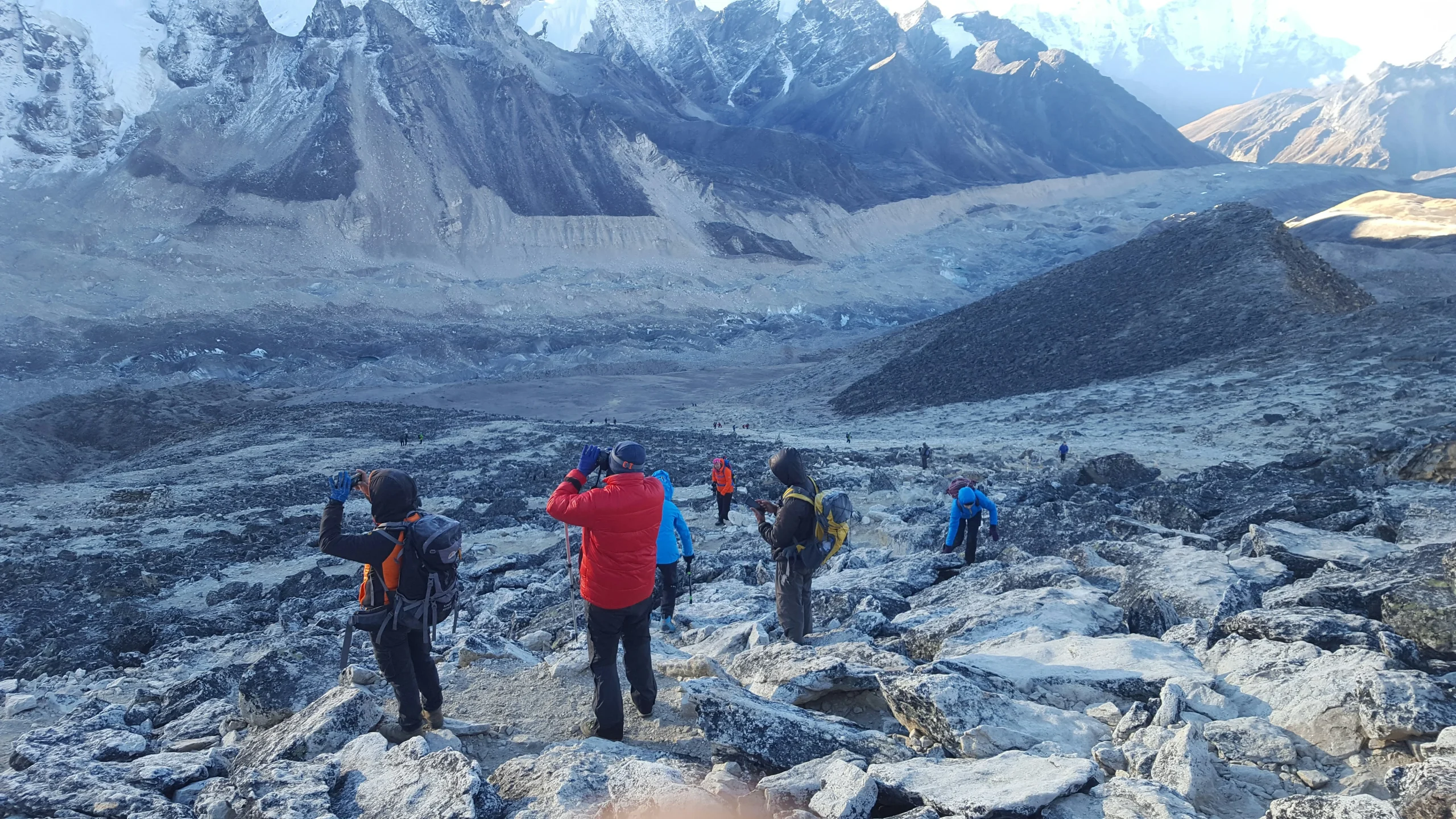
July: Monsoon in Full Force
July is generally one of the least attractive months for the classic Everest Base Camp experience.
Monsoon conditions dominate much of Nepal, bringing rain, clouds and reduced visibility.
The lower sections of the Everest trail can become wet, while mountain views may disappear behind cloud cover.
The trail is much quieter, but solitude is not particularly useful if your dream photograph consists entirely of a cloud.
For most international trekkers, July is not the first choice for Everest Base Camp.
Best for: Very flexible, experienced trekkers who specifically want an off-season adventure.
Watch out for: Rain, poor visibility, slippery trails and flight disruptions.
August: Quiet, Green and Wet
August continues the monsoon season.
The Everest region is quieter than during spring and autumn, but the trade-off is wet and cloudy weather, especially at lower elevations.
The landscape can look beautifully green, and the absence of crowds may appeal to adventurous travelers.
However, if your main goal is spectacular Himalayan visibility, August is difficult to recommend over the main trekking seasons.
Best for: Experienced travelers prioritizing solitude over mountain visibility.
Watch out for: Monsoon rain, cloud cover and transportation delays.
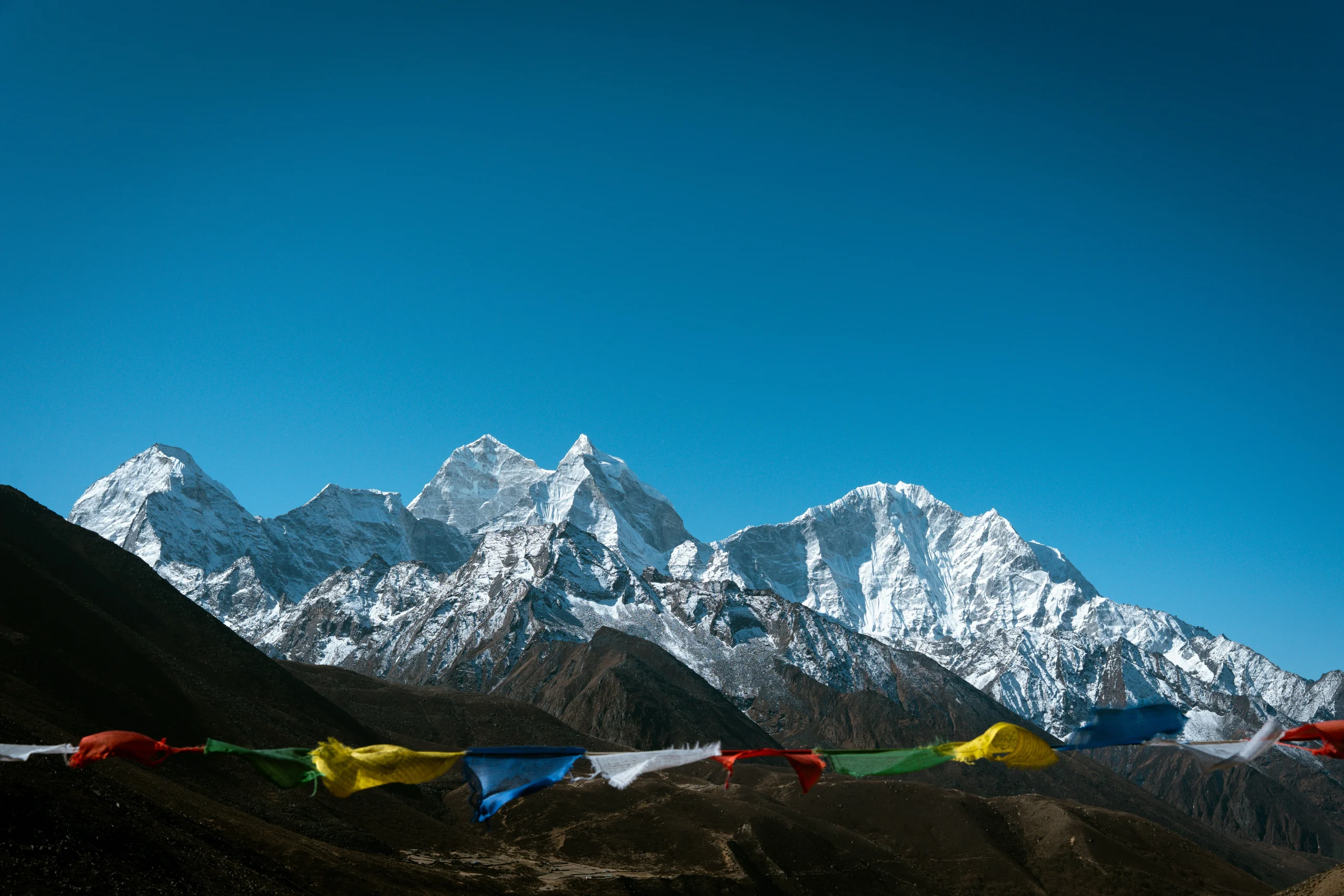
September: The Season Begins to Reopen
September is a transition month.
Early September can still experience monsoon influence, while conditions generally improve as the month progresses.
Late September can be a particularly interesting period for travelers who want to get ahead of the October crowds.
The trails become busier as autumn approaches, and mountain visibility usually improves.
The important word here is late.
Early September and late September can feel like two different trekking seasons.
Best for: Flexible trekkers looking for the beginning of autumn with potentially fewer crowds.
Watch out for: Early-month rain and changing conditions.
October: The Best Overall Month for Everest Base Camp
If someone asks for one simple answer to “What is the best time for Everest Base Camp trek?”, October is the strongest all-round choice.
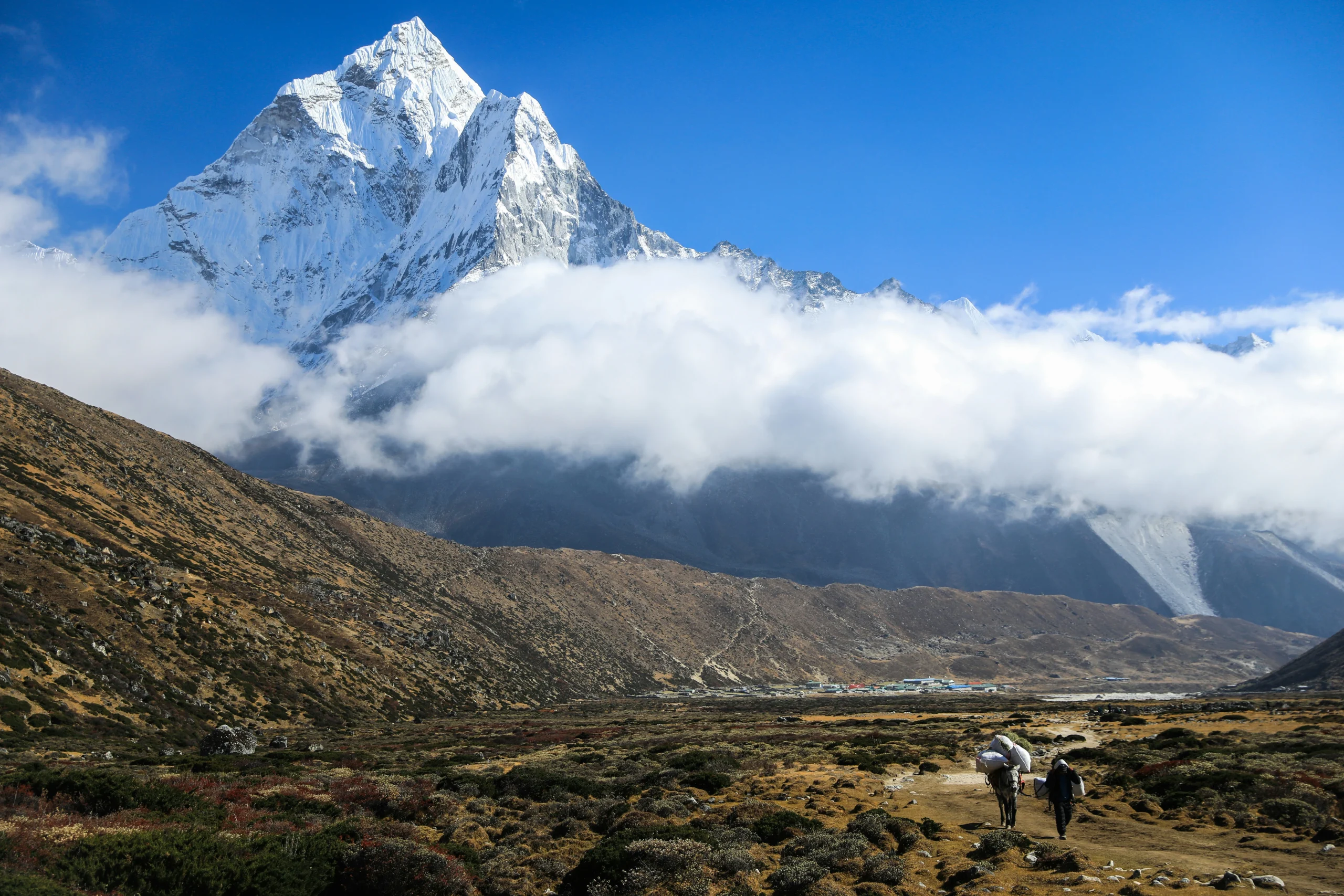
The monsoon has generally ended, the air becomes clearer, trails are usually dry, and mountain visibility is often excellent.
This is why October is also one of the busiest months on the Everest Base Camp trail. The same conditions that attract you attract thousands of other trekkers.
And honestly, there is a funny little contradiction here:
You go to the Himalayas looking for solitude and discover 40 people taking the same photograph of Ama Dablam.
Still, October earns its reputation for good reason.
Clear mornings, stable conditions and spectacular Himalayan scenery make it an excellent month for first-time trekkers.
Best for: First-time trekkers, photographers and anyone prioritizing reliable autumn conditions.
Watch out for: Crowds and the need to arrange accommodation and flights well in advance.
November: Clear Skies and Fewer Crowds
November is another excellent month for the Everest Base Camp trek.
The weather generally remains dry and clear, but temperatures begin dropping as winter approaches.
The first half of November can offer an excellent combination of visibility and somewhat more manageable crowds compared with October.
Later in the month, the nights become noticeably colder, particularly at higher elevations.
For trekkers who don’t mind cold mornings, November can be one of the smartest choices.
You get the spectacular autumn scenery without necessarily experiencing October at its busiest.
Best for: Photographers, clear mountain views and trekkers who prefer cooler, quieter conditions.
Watch out for: Increasingly cold nights later in the month.
December: Cold, Clear and Surprisingly Peaceful
December marks the beginning of winter conditions in the Everest region.
The days can still be clear and the mountain views can be spectacular, but temperatures drop considerably at higher elevations.
The biggest advantage is solitude.
The trail becomes much quieter compared with October and November.
The biggest disadvantage is, well, winter.
At high elevations, cold temperatures can become serious, and accommodation availability can be more limited than during peak trekking periods.
December is therefore possible, but it is better suited to trekkers who are prepared for cold-weather conditions and have some flexibility.
Best for: Experienced trekkers, photographers and travelers who value quiet trails.
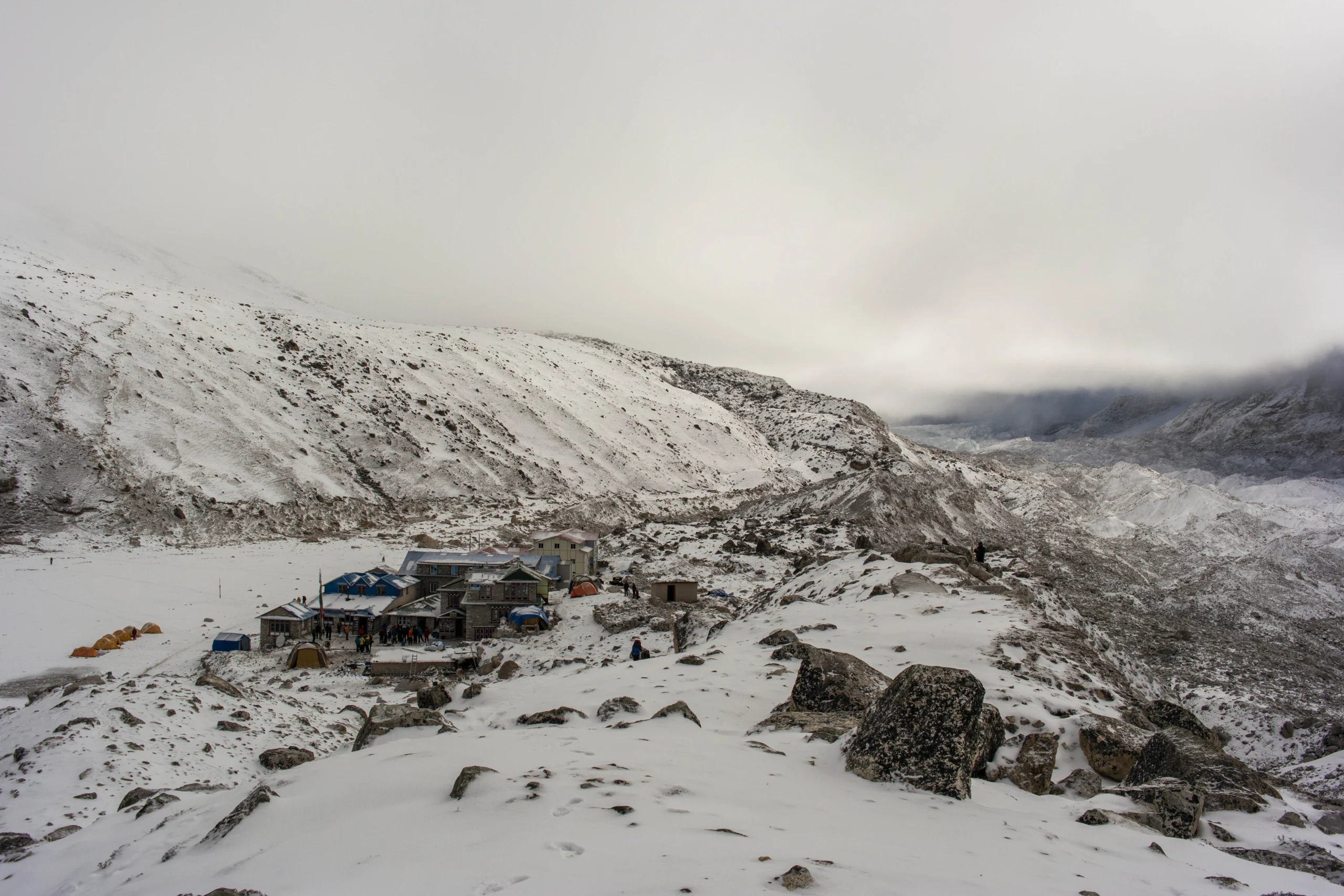
Watch out for: Freezing temperatures, snow and reduced services at higher elevations.
So, What Is the Best Time for Everest Base Camp Trek?
If we had to rank the main choices:
Best overall: October
October offers one of the strongest combinations of clear skies, stable weather, comfortable trekking conditions and spectacular mountain visibility.
The price for those advantages is crowds.
Best for spring: April
April brings warmer conditions, beautiful spring landscapes and the atmosphere of the Everest climbing season.
Best for clear views with fewer people: November
November provides excellent visibility and increasingly quieter trails, although temperatures are lower.
Best for fewer crowds: March
March offers the beginning of spring with less congestion than the peak months.
Best for winter experience: December
December can be rewarding for experienced trekkers who are properly prepared for cold conditions.
Least suitable for most trekkers: July and August
The monsoon makes these months much less attractive for a classic Everest Base Camp experience because of rain, cloud cover and transportation uncertainty.
Spring vs Autumn: Which Is Better?
The two main seasons are both excellent, but they feel different.
Spring is about warmer days, flowering landscapes and the excitement of the Everest climbing season.
Autumn is about crisp air, clearer skies and dramatic mountain visibility after the monsoon.
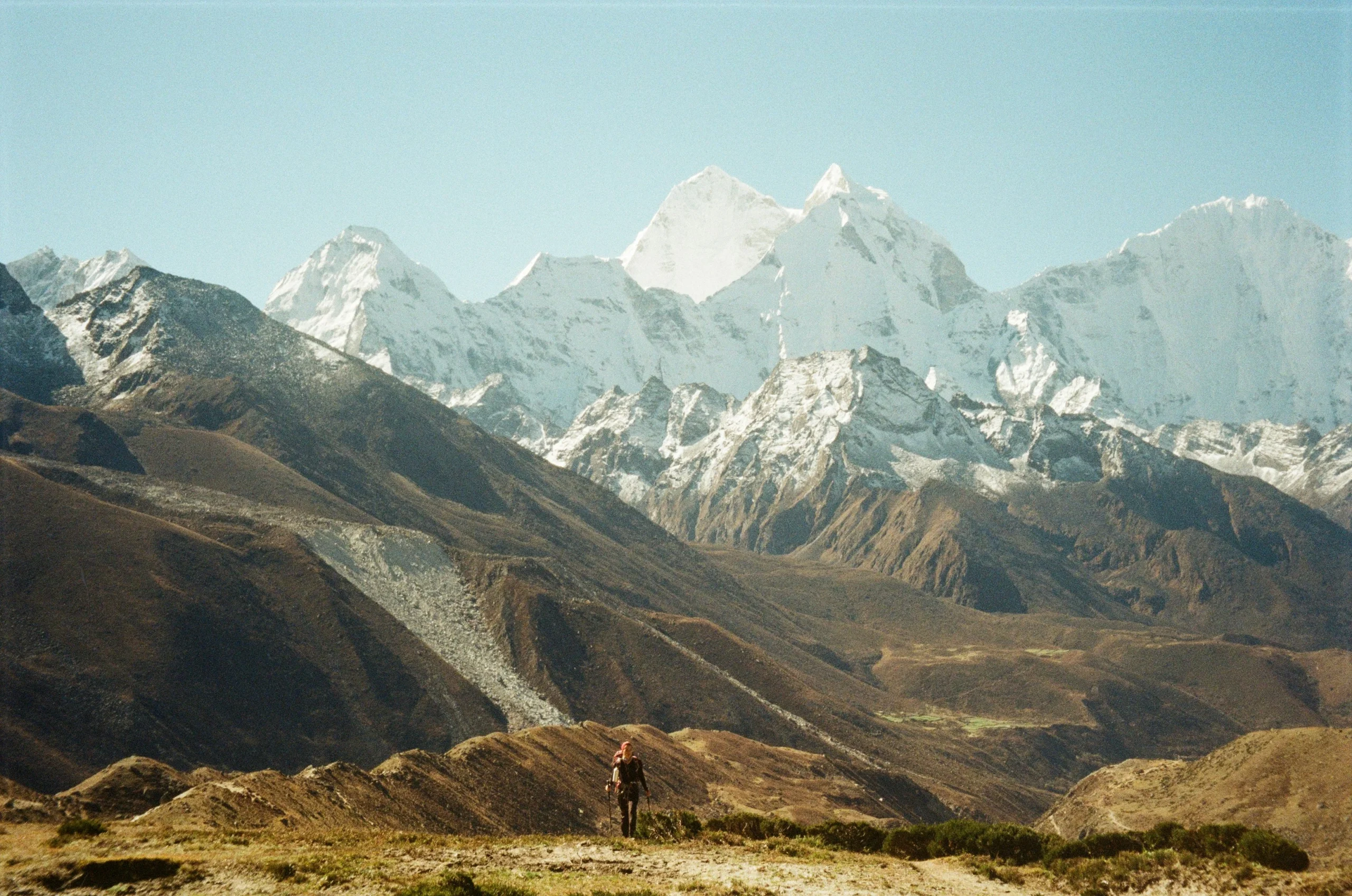
If your priority is the clearest possible Himalayan scenery, autumn generally has the advantage.
If you prefer warmer conditions and spring landscapes, April is difficult to beat.
For a first Everest Base Camp trek, October is probably the safest all-round recommendation, while April is the strongest spring alternative.
Does the Month Affect Crowds?
Absolutely.
October is generally the busiest period because conditions are so favorable. April is also busy, while November starts busy and becomes quieter as the month progresses.
March and late September can offer a useful middle ground.
Winter is much quieter, while the monsoon months see far fewer trekkers.
But fewer people should not automatically mean better.
There is a reason October has a crowd problem.
The weather is good.
Sometimes everyone has the same good idea.
What About Lukla Flights?
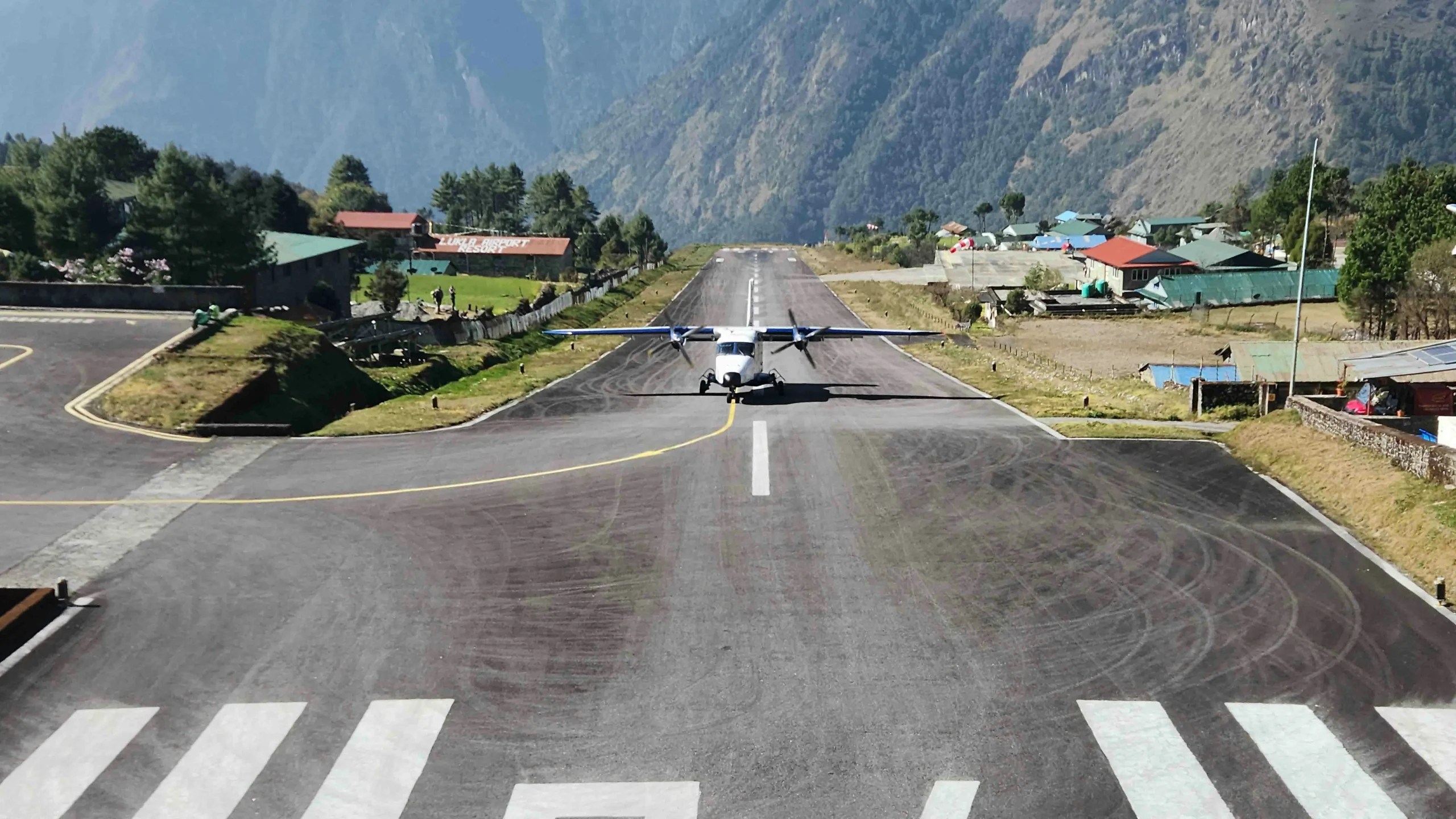
Flights to and from the Everest region are particularly sensitive to mountain weather.
Even during the best trekking seasons, flight delays can happen.
Silver Moon’s current Everest Base Camp itinerary uses the Manthali/Ramechhap–Lukla flight arrangement during periods when that routing applies, and the company specifically recommends keeping buffer days because Himalayan weather can change rapidly.
This is one reason it is wise not to schedule your international departure immediately after the expected end of your trek.
The mountains do not care that your international flight leaves tomorrow.
Give yourself some breathing room.
What Should You Pack for Different Seasons?
Your packing list should change according to your trekking month.
For spring and autumn, layers are the most practical approach. You may start a morning wearing several layers and end the afternoon wondering why you packed all of them.
For winter, prioritize serious cold-weather gear, including a warm insulated jacket, gloves, thermal layers, a warm sleeping bag and appropriate footwear.
For monsoon, waterproof protection becomes much more important, particularly at lower elevations.
Regardless of season, you should prepare for cold conditions at high altitude because even the warmer trekking months can become very cold after sunset.
Is Everest Base Camp Trek Possible Outside the Best Seasons?
Yes.
The phrase “best time” does not mean “only possible time.”
Winter trekking is possible with proper preparation, while some trekkers also complete the route during the monsoon.
However, conditions become less predictable outside the main spring and autumn windows.
For most international visitors making a once-in-a-lifetime trip to Everest Base Camp, it makes sense to choose a period that gives them a stronger chance of favorable weather and good mountain visibility.
Choose the Month That Matches Your Trekking Style
There is no single perfect month for every trekker.
If you want the best overall conditions, choose October.
If you want spring scenery and warmer days, choose April.
If you want clear views and somewhat fewer people, consider November.
If you want a quieter spring trek, consider March.
If you want winter solitude, December can be rewarding if you are properly equipped.
And if your only available holiday falls during the monsoon, don’t immediately give up on Nepal. It may simply mean looking at different regions or adjusting your expectations.
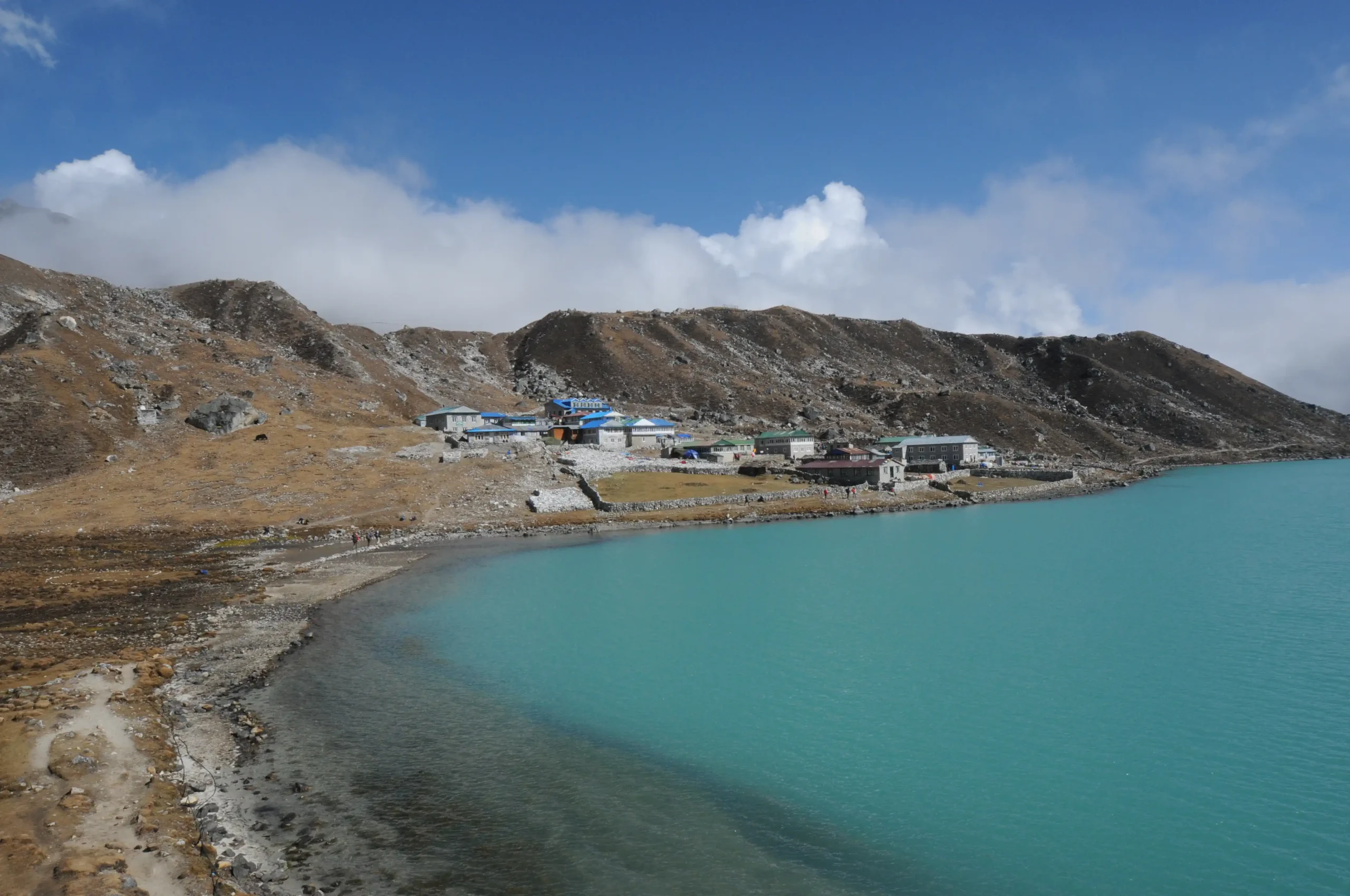
Starts from
USD 1,275
Gokyo Lake Trek – 14 days
If you dream of standing above a chain of sparkling turquoise lakes while gazing at Mount Everest and some...
Duration:
14 days
Max altitude:
5,357 meters at Gokyo Ri
Plan Your Everest Base Camp Trek With Silver Moon Adventure
The right month is only one part of a successful Everest Base Camp trek.
Altitude acclimatization, pacing, accommodation, permits, guides, transportation and weather flexibility all matter.
Silver Moon Adventure’s 14-day Everest Base Camp Trek follows the classic route through Lukla, Phakding, Namche Bazaar, Tengboche, Dingboche, Lobuche and Gorak Shep before reaching Everest Base Camp and Kala Patthar. The itinerary includes acclimatization days at Namche and Dingboche and is designed for trekkers looking for a complete Khumbu experience.
For travelers who want the trek but prefer a quicker return from the mountains, Silver Moon also offers an Everest Base Camp Trek with Helicopter Return.
The most important thing is choosing the experience that fits your schedule, fitness and expectations rather than simply following the calendar.
Final Thoughts
The best time for Everest Base Camp trek depends on what you want from the journey.
For most travelers, October is the best overall month, thanks to stable autumn weather, clear mountain views and generally excellent trail conditions. April is the standout spring option, while November offers another excellent combination of clear skies and gradually quieter trails.
March and late September can be smart choices for travelers who want to avoid the busiest periods. Winter offers solitude but demands more preparation, while the monsoon months bring greater uncertainty and are generally less suitable for the classic Everest experience.
Ultimately, there is no magical date when the Himalayas promise perfect weather.
There is only a better probability.
And if you are going all the way to Everest Base Camp, stacking the odds in your favor is a pretty good idea.
FAQs
1. What is the best month for Everest Base Camp trek?
October is generally the best all-round month for the Everest Base Camp trek because it usually offers stable weather, clear mountain views and good trail conditions. April and November are also excellent alternatives.
2. Is April better than October for Everest Base Camp?
It depends on what you want. April offers warmer spring conditions, flowering landscapes and the excitement of the Everest climbing season. October generally offers clearer post-monsoon skies and more consistent mountain visibility.
3. Can I trek to Everest Base Camp in November?
Yes. November is one of the best months for the trek. The weather is generally clear and dry, although temperatures become colder as the month progresses.
4. Is Everest Base Camp trek possible in winter?
Yes, experienced and well-prepared trekkers can trek to Everest Base Camp during winter. However, temperatures are much lower and snowfall can affect higher sections of the route.
5. Can I do the Everest Base Camp trek during monsoon?
It is possible, but June to August is generally not the preferred period. Rain, clouds, reduced mountain visibility and potential flight disruptions make the trek less predictable.
6. Which month has the fewest trekkers on the Everest Base Camp trail?
The winter and monsoon months generally have fewer trekkers. January and February are particularly quiet, while July and August are also very quiet because of monsoon conditions.
7. Is October too crowded for Everest Base Camp?
October can be crowded because it is one of the most popular trekking months. If you want excellent autumn conditions with fewer people, November can be a better compromise.
8. What if I want Everest views but hate crowds?
November is worth considering. You can still get excellent autumn mountain visibility while the number of trekkers generally decreases as the month progresses.
9. Does Everest know which month I booked?
Probably not. Everest has been there considerably longer than your booking confirmation, and it has shown very little interest in following travel itineraries.
10. If October is the best month, why doesn’t everyone just go then?
They do. That is precisely why October can be busy. The Himalayas have excellent marketing without even trying.

Similar Blogs
View all
13/10/2026
Manaslu Circuit Trek After the October 2026 Floods: Trail Conditions, Safety and Travel Updates
The Manaslu Circuit Trek is one of Nepal’s most rewarding Himalayan journeys, taking trekkers through traditional...
Read more
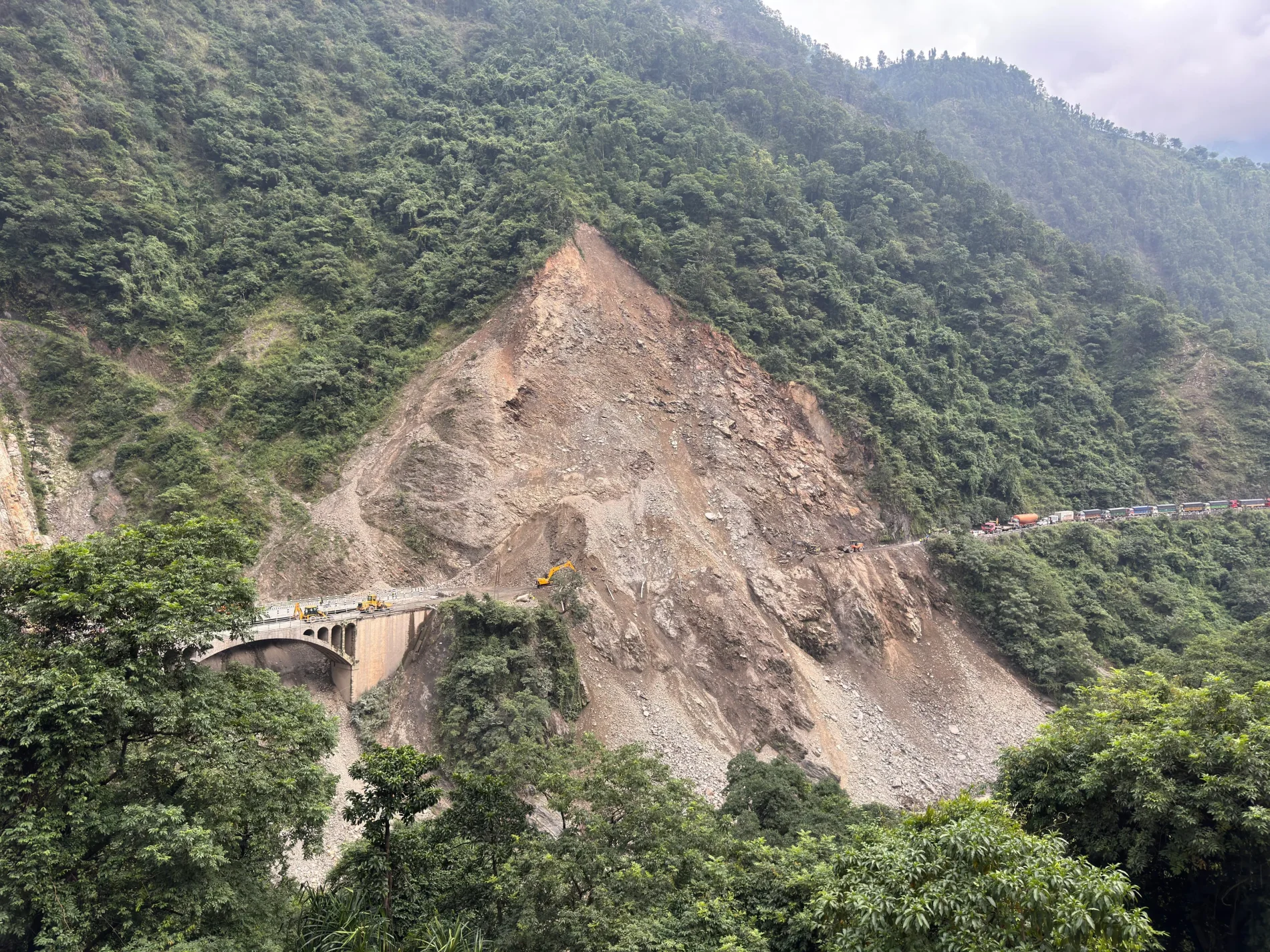
13/10/2026
Your Nepal Trek Is Booked, but the Trail Is Closed: What Now?
Imagine arriving in Nepal with your trekking boots ready, your flights booked, your bags packed, and...
Read more