Badimalika–Ramaroshan Forest Conservation Area: A New Destination for Nature, Wildlife, and Adventure in Nepal
Share:
 Read Time
This blog has 7154 words .This blog has 51603 characters.This blog take 24 minutes to read.
Nepal is a country blessed with incredible natural diversity, from the world’s highest mountains to deep valleys, dense forests, ancient cultures, and rare wildlife habitats. While famous destinations such as Everest, Annapurna, and Langtang attract millions of visitors every year, many remote areas of Nepal still preserve untouched beauty and offer unique experiences for travelers seeking something different. Among these emerging destinations, Badimalika Conservation Area has become an important name because of its combination of Himalayan landscapes, biodiversity, religious importance, and adventure opportunities.
The Badimalika Ramaroshan Forest Conservation Area represents one of the newest efforts to protect the natural and cultural treasures of Nepal’s far-western region. Located in Bajura and Achham districts of Sudurpashchim Province, this conservation area covers a wide range of landscapes, including high-altitude grasslands, mountain forests, peaceful valleys, rivers, and traditional settlements. The region is not only important from an environmental perspective but also carries deep cultural and spiritual value because of the famous Badimalika Temple, which attracts thousands of pilgrims every year.
Unlike many popular trekking regions that have busy trails and crowded viewpoints, Badimalika provides a more peaceful and authentic Himalayan experience. Travelers visiting this region can explore untouched landscapes, walk through beautiful forests, witness local lifestyles, and enjoy breathtaking views of the surrounding mountains. Because the area has remained less developed compared to other trekking destinations, it offers a rare opportunity to experience Nepal’s natural beauty in its original form.
The declaration of the Badimalika–Ramaroshan Forest Conservation Area has also increased attention toward wildlife and biodiversity protection in western Nepal. The region provides a suitable environment for various Himalayan animals, birds, medicinal plants, and forest ecosystems. Nature lovers, photographers, bird watchers, and adventure seekers can find exciting opportunities to explore this hidden destination while respecting conservation principles.
Badimalika is not only a place for adventure but also a destination where nature, culture, and spirituality come together. The peaceful trails, traditional villages, sacred sites, and rich biodiversity make it a promising destination for future eco-tourism in Nepal. As responsible travel continues to grow, Badimalika Conservation Area has the potential to become one of the most attractive off-the-beaten-path destinations for travelers looking for a meaningful Himalayan journey.
What is Badimalika–Ramaroshan Forest Conservation Area?
The Badimalika Ramaroshan Forest Conservation Area is a newly established protected area in the far-western region of Nepal that focuses on preserving the natural environment, wildlife, forests, and cultural heritage of the area. It was declared to protect the unique Himalayan ecosystem while creating opportunities for sustainable tourism and community-based conservation. This conservation area highlights the importance of balancing environmental protection with the economic and social development of local communities.
Located across Bajura and Achham districts of Sudurpashchim Province, the conservation area includes diverse landscapes ranging from lower forest regions to high-altitude mountain environments. The area is home to beautiful alpine grasslands, dense forests, traditional villages, rivers, and peaceful Himalayan surroundings. Because of its wide variation in altitude and natural conditions, it supports different types of plants, animals, and bird species.
The main purpose of establishing this conservation area is to protect valuable natural resources and maintain the ecological balance of the region. The forests within the area provide important habitats for Himalayan wildlife, while the grasslands and mountain ecosystems support various species that depend on these environments for survival. Conservation efforts also help protect medicinal plants, local vegetation, and the traditional relationship between communities and nature.
Along with environmental importance, the area holds strong cultural and religious significance. The famous Badimalika Temple is located in this region and is considered a sacred pilgrimage site by many Nepalese people. The combination of natural beauty and spiritual value makes this conservation area different from many other protected regions of Nepal.
The establishment of the Badimalika–Ramaroshan Forest Conservation Area has opened new possibilities for eco-tourism, trekking, wildlife exploration, and responsible travel. As infrastructure and tourism services continue to develop, the region can provide visitors with an opportunity to discover a less-explored side of Nepal while contributing to the conservation of its natural and cultural heritage.
Location and Geography of Badimalika Conservation Area
The Badimalika Conservation Area is located in the remote and beautiful landscape of Sudurpashchim Province, Nepal, covering parts of Bajura and Achham districts. This region lies in the western Himalayan area of Nepal, where dramatic mountain landscapes, deep valleys, forests, and traditional settlements create a unique natural environment. Because of its remote location, the area has remained less affected by large-scale development, allowing visitors to experience Nepal’s authentic Himalayan beauty.
The conservation area includes a wide range of geographical features, from green forests in lower elevations to high mountain grasslands and rocky landscapes at higher altitudes. This variation in elevation creates different ecosystems within a relatively small region. As travelers move through the area, they can experience changing landscapes, including lush forests, open meadows, mountain ridges, rivers, and panoramic Himalayan views.
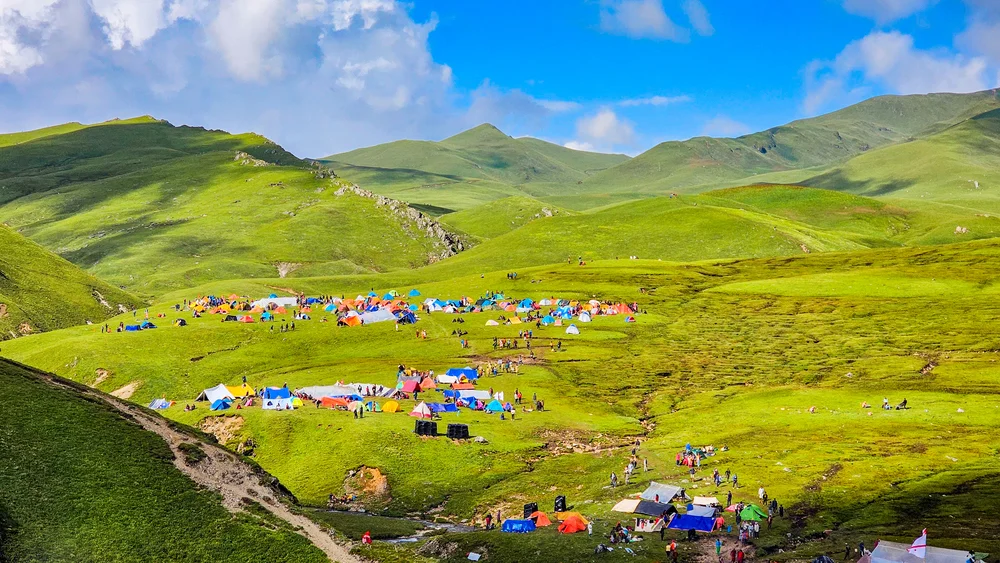
One of the most attractive features of the region is its peaceful alpine environment. The high-altitude areas around Badimalika are covered with beautiful grasslands that become colorful during the flowering season. These open landscapes provide excellent viewpoints of surrounding mountains and create a perfect setting for trekking, photography, and nature exploration. Unlike many famous trekking routes of Nepal, the trails here remain quiet, allowing travelers to enjoy the natural surroundings without large crowds.
The geography of the Badimalika–Ramaroshan Forest Conservation Area also plays an important role in supporting biodiversity. The combination of forests, wetlands, alpine meadows, and mountain ecosystems provides suitable habitats for different species of animals and birds. The region’s natural diversity makes it an important area for conservation as well as a promising destination for wildlife enthusiasts.
Besides natural attractions, the geography of Badimalika is closely connected with local communities and their traditional lifestyles. Villages located around the conservation area reflect the unique culture, customs, and daily life of people living in Nepal’s far-western mountains. Visitors can experience traditional hospitality, local food, and cultural practices while exploring the surrounding landscapes.
Because of its untouched environment, diverse terrain, and cultural richness, Badimalika Conservation Area offers a rare opportunity to discover a hidden Himalayan destination where adventure, nature, and local traditions come together.
Animals Found in Badimalika Conservation Area
The Badimalika Conservation Area is an important region for protecting Nepal’s Himalayan biodiversity. Because the area includes different landscapes such as forests, alpine meadows, and high mountain environments, it provides suitable habitats for various species of wildlife. Although the region is still being explored and studied in detail, its natural ecosystem supports many Himalayan animals that depend on these forests and mountain habitats for survival.
One of the remarkable aspects of Badimalika wildlife is the presence of mountain animals that are adapted to challenging Himalayan conditions. The forests and remote landscapes provide shelter for species that prefer less disturbed environments. Travelers exploring the region may have opportunities to observe signs of wildlife activity, footprints, and natural habitats while walking through peaceful trails.
Himalayan Black Bear
The Himalayan Black Bear is one of the important mammals associated with Nepal’s forest regions. These bears usually live in forest areas with plenty of vegetation and natural food sources. The dense forests around the Badimalika region provide a suitable environment for such mountain wildlife. However, visitors should always maintain distance and follow responsible travel practices because these are wild animals living in their natural habitat.
Musk Deer
The high-altitude forests and mountain landscapes of western Nepal are also known as habitats for the Musk Deer. This small but valuable Himalayan animal prefers quiet forest environments and is known for its shy nature. Conservation areas like Badimalika play an important role in protecting these species by preserving their natural habitats and reducing threats caused by habitat loss.
Himalayan Thar
The rocky mountain slopes and alpine areas around Badimalika can support Himalayan Thar, a wild goat species commonly found in Himalayan regions. These animals are well adapted to steep terrain and are often seen in high mountain landscapes. Their presence represents the health of the mountain ecosystem and highlights the importance of protecting natural habitats.
Leopard and Other Mountain Predators
The forests of the Badimalika region may also provide habitat for predators such as the leopard. These animals play an important role in maintaining ecological balance by controlling populations of other species. Although wildlife sightings are not guaranteed, the possibility of encountering traces of mountain predators adds excitement for nature lovers exploring this remote area.
Ghoral and Wild Boar
Other animals found in Nepal’s mid-hill and Himalayan forest ecosystems, including Ghoral and Wild Boar, can also be associated with the natural environment of the Badimalika region. Ghoral are adapted to steep rocky landscapes, while wild boars commonly inhabit forest areas where food and shelter are available.
Small Mammals and Forest Species
Apart from larger animals, the conservation area supports various smaller mammals and forest species. Animals such as foxes, martens, squirrels, and other local wildlife contribute to the rich biodiversity of the region. These smaller species are equally important because they maintain the natural food chain and help keep the ecosystem balanced.
The protection of wildlife is one of the major reasons behind establishing the Badimalika–Ramaroshan Forest Conservation Area. By preserving forests and natural landscapes, the region can continue to provide a safe environment for Himalayan animals while offering travelers an opportunity to experience Nepal’s hidden wildlife destinations in a responsible way.
Birds of Badimalika Conservation Area
The Badimalika Conservation Area is not only important for protecting Himalayan landscapes and wildlife but also offers a promising environment for bird lovers and nature photographers. The region’s diverse geography, including forests, alpine grasslands, rivers, and high-altitude areas, creates different habitats where various bird species can survive. Because the area remains less disturbed compared to many popular destinations in Nepal, it provides a peaceful environment for observing Himalayan birds in their natural surroundings.
The combination of lower forest areas and higher mountain landscapes allows different species of birds to live within the conservation area. During a journey through Badimalika, visitors can experience the sounds of forest birds, observe colorful species flying across mountain valleys, and enjoy the unique birdlife of Nepal’s far-western region.
Himalayan Monal (Danphe)
The Himalayan Monal, also known as Danphe, is one of the most beautiful birds found in Nepal’s Himalayan region. It is also the national bird of Nepal and is admired for its colorful feathers and unique appearance. The forested mountain areas around Badimalika provide a suitable environment for this species. Spotting a Himalayan Monal during a trek can become one of the most memorable experiences for bird watchers visiting the region.
Kalij Pheasant
The Kalij Pheasant is another attractive bird species associated with Nepal’s forest areas. These birds usually prefer forest edges, hillsides, and areas with good vegetation coverage. The peaceful forests of Badimalika offer suitable conditions for observing such species while exploring trekking trails.
Blood Pheasant
The high-altitude Himalayan environment of western Nepal is also suitable for birds like the Blood Pheasant, which is known for its beautiful appearance and mountain habitat. These birds usually live in alpine regions and are considered a special attraction for visitors interested in Himalayan bird watching.
Himalayan Griffon and Birds of Prey
The open mountain landscapes of Badimalika provide opportunities to observe large birds of prey, including the Himalayan Griffon and different species of eagles and hawks. These birds often fly above mountain valleys and use rising air currents to travel across the Himalayan landscape. Watching these powerful birds soaring above the mountains adds a unique experience for nature enthusiasts.
Forest Birds and Himalayan Songbirds
Apart from large and colorful species, Badimalika is also home to various smaller forest birds. Woodpeckers, mountain songbirds, and other local bird species contribute to the rich biodiversity of the conservation area. Their presence reflects the healthy forest ecosystem and the importance of protecting natural habitats.
A New Destination for Bird Watching in Nepal
Because of its untouched forests, peaceful trails, and diverse landscapes, Badimalika bird watching has great potential to become a popular activity for travelers interested in nature exploration. Early morning walks through forests and alpine areas provide the best chance to hear bird calls and observe different species in their natural habitat.
The conservation of forests and wildlife habitats will play an important role in protecting these bird species for future generations. As tourism develops in the region, responsible bird watching and eco-friendly travel can help visitors enjoy the beauty of Badimalika while supporting long-term conservation efforts.
Plants and Forest Ecosystem of Badimalika Conservation Area
The Badimalika Conservation Area is rich not only in wildlife and birds but also in diverse plant life that supports the entire Himalayan ecosystem. The region’s changing altitude, climate, and geographical conditions create different types of forests and vegetation zones. From green hill forests to alpine grasslands, the area represents the natural beauty and ecological importance of Nepal’s far-western landscape.
The forests of Badimalika play a major role in maintaining biodiversity because they provide food, shelter, and breeding areas for many animals and birds. These forests also protect soil, regulate water sources, and maintain the balance of the mountain environment. Since the area remains relatively untouched, visitors can experience a natural ecosystem where plants and wildlife continue to exist together.
Rhododendron Forests
One of the most attractive features of the Badimalika region is its beautiful rhododendron forests. Rhododendron is the national flower of Nepal and is commonly found in Himalayan regions. During the spring season, these forests become colorful with blooming flowers, creating a stunning landscape for trekkers and nature lovers.
Walking through rhododendron-covered trails provides a peaceful experience where travelers can enjoy fresh mountain air, beautiful scenery, and the natural charm of Nepal’s highland forests. These forests are also important habitats for different bird species and small animals.
Alpine Grasslands
The high-altitude areas of Badimalika are known for their open alpine meadows and grasslands. These areas become especially beautiful during warmer months when various wildflowers and Himalayan plants cover the landscape. Alpine grasslands are important because they provide feeding areas for mountain animals and contribute to the unique beauty of the region.
These wide-open landscapes also offer excellent viewpoints of surrounding Himalayan peaks and make the journey through Badimalika a memorable experience for adventure travelers.
Medicinal Plants and Himalayan Herbs
The forests and mountain areas around Badimalika are also valuable because of their variety of medicinal plants and Himalayan herbs. Local communities have traditionally used many plants for natural remedies and daily needs. Protecting these plant resources is an important part of conservation because they hold ecological, cultural, and economic value.
The preservation of medicinal plants also supports local knowledge and helps maintain the connection between communities and their natural surroundings.
Importance of Forest Conservation
The forest ecosystem of the Badimalika–Ramaroshan Forest Conservation Area is essential for protecting wildlife, maintaining clean water sources, and reducing environmental damage. Healthy forests help prevent soil erosion, support mountain agriculture, and create a safe environment for different species.
As tourism grows in this region, sustainable practices will be important to protect these natural resources. Responsible trekking, avoiding waste, respecting local ecosystems, and supporting conservation efforts can help ensure that Badimalika remains a beautiful and untouched destination for future generations.
The combination of forests, alpine vegetation, medicinal plants, and mountain landscapes makes Badimalika Conservation Area a valuable natural treasure of Nepal. It is not only a destination for adventure but also a place where visitors can understand the importance of protecting Himalayan ecosystems.
Badimalika Temple and Cultural Importance
The Badimalika Temple is one of the most important cultural and religious attractions located within the Badimalika region. Dedicated to Goddess Malika, this sacred site holds deep spiritual value for many Hindu devotees across Nepal. Surrounded by peaceful Himalayan landscapes, green hills, and high-altitude meadows, the temple represents a unique connection between nature, religion, and local traditions.
Located at a high elevation in Bajura district of Sudurpashchim Province, Badimalika Temple is considered one of the significant pilgrimage destinations in western Nepal. Every year, thousands of devotees travel through challenging mountain trails to visit the temple and take part in religious activities. The journey itself is considered a spiritual experience because visitors pass through remote villages, beautiful landscapes, and untouched natural surroundings.
The temple is associated with Goddess Malika, who is worshipped as a powerful form of the Hindu goddess. According to local beliefs, the area has great spiritual energy, and many pilgrims visit to seek blessings, peace, and prosperity. The religious importance of Badimalika has been preserved for generations through local traditions, festivals, and cultural practices.
One of the major events connected with the temple is the Badimalika pilgrimage, which usually takes place during the month of Bhadra according to the Nepali calendar. During this period, devotees from different parts of Nepal gather in the region to participate in worship and cultural activities. The pilgrimage also provides visitors with an opportunity to experience the unique traditions and hospitality of the local communities.
Apart from its religious significance, Badimalika Temple is also important from a tourism perspective. The route to the temple offers breathtaking views of Himalayan landscapes, peaceful forests, and wide alpine grasslands. Because the area combines spiritual importance with natural beauty, it attracts not only pilgrims but also trekkers, photographers, and adventure seekers.
Can Tourists Visit Badimalika Temple?
Yes, tourists can visit Badimalika Temple and explore the surrounding landscapes. Although the destination is traditionally known as a pilgrimage site, travelers from different backgrounds can experience its natural beauty, cultural importance, and peaceful environment. Visitors should respect local customs, protect the sacred surroundings, and follow responsible travel practices while exploring the region.
The connection between the temple and the newly declared Badimalika–Ramaroshan Forest Conservation Area makes this destination even more special. Travelers visiting the region can experience a rare combination of spiritual heritage, Himalayan nature, biodiversity, and traditional mountain culture in one journey.
With increasing interest in off-the-beaten-path destinations, Badimalika Temple has the potential to become one of Nepal’s most meaningful cultural and adventure destinations, where visitors can discover both the spiritual heart and natural beauty of far-western Nepal.
Ramaroshan: The Natural Gem
Located within the newly established Badimalika–Ramaroshan Forest Conservation Area, Ramaroshan is one of the most beautiful and peaceful natural destinations of Achham district in Sudurpashchim Province. Known for its stunning lakes, green forests, traditional villages, and untouched landscapes, Ramaroshan offers a completely different experience from Nepal’s more crowded tourist destinations. The area represents the hidden natural beauty of western Nepal and has great potential for eco-tourism, trekking, and nature exploration.
The main attraction of Ramaroshan is its collection of beautiful lakes surrounded by hills, forests, and mountain landscapes. Often referred to as the “Twelve Lakes and Eighteen Meadows”, the region is famous for its peaceful water bodies and wide green landscapes. These natural features create a perfect environment for visitors who want to enjoy photography, hiking, bird watching, and relaxing moments away from busy city life.
The forests around Ramaroshan are another important part of its natural identity. Covered with different types of Himalayan vegetation, these forests provide shelter for various birds, animals, and plant species. Walking through the forest trails allows visitors to experience fresh mountain air, the sounds of nature, and the peaceful atmosphere of a less-explored Himalayan region.
Ramaroshan is also rich in cultural experiences because local communities have preserved their traditional lifestyle for generations. Visitors can interact with local people, experience traditional hospitality, taste local foods, and learn about the customs and daily activities of mountain communities. This connection between nature and local culture makes Ramaroshan more than just a sightseeing destination.
For adventure travelers, Ramaroshan provides opportunities for peaceful hiking and exploration. Unlike popular trekking routes where trails can become crowded during peak seasons, Ramaroshan offers a quiet journey through natural landscapes. The combination of lakes, forests, villages, and mountain views creates an ideal setting for travelers seeking an authentic experience in Nepal.
The inclusion of Ramaroshan within the Badimalika Conservation Area highlights its importance in protecting natural resources and promoting sustainable tourism. Conservation efforts can help preserve the region’s lakes, forests, wildlife, and cultural heritage while creating better opportunities for local communities.
With its untouched beauty, peaceful environment, and rich biodiversity, Ramaroshan Nepal is becoming an emerging destination for travelers who want to discover the hidden side of Nepal. Together with Badimalika, it represents a perfect blend of adventure, nature, culture, and conservation in the far-western Himalayas.
Badimalika Trek Nepal: A New Adventure Experience
The Badimalika Trek Nepal is an emerging trekking experience that takes travelers into one of the most peaceful and less-explored regions of western Nepal. Unlike the famous trekking routes of Everest and Annapurna, where trails are often busy with international trekkers, Badimalika offers a quieter journey through remote mountain landscapes, traditional villages, alpine meadows, and culturally rich communities.
The trek is centered around the beautiful Badimalika Temple and the surrounding landscapes of the newly established Badimalika–Ramaroshan Forest Conservation Area. The journey allows travelers to explore the natural and cultural treasures of Bajura while experiencing the authentic lifestyle of people living in Nepal’s far-western mountains.
One of the biggest attractions of the Badimalika Trek is its untouched natural beauty. The trail passes through green forests, open grasslands, mountain ridges, and peaceful valleys that showcase the diversity of Nepal’s Himalayan environment. During spring, the route becomes especially attractive with blooming rhododendron forests and colorful Himalayan flowers, while autumn offers clear skies and excellent mountain views.
The trekking route also provides opportunities to observe the region’s rich biodiversity. Travelers walking through forest areas may experience different landscapes that support Himalayan birds, plants, and wildlife. Bird lovers and nature photographers can enjoy exploring the natural surroundings while maintaining respect for the fragile mountain ecosystem.
Another special feature of the trek is its cultural connection. The route passes through traditional villages where visitors can learn about local customs, food, festivals, and daily mountain life. The hospitality of local communities adds a meaningful element to the journey, making the trek more than just a physical adventure.
Difficulty Level of Badimalika Trek
The Badimalika Trek is considered a moderate to challenging trekking experience because of its remote location, high-altitude sections, and limited infrastructure. The trail includes uphill climbs, uneven mountain paths, and walking through natural terrain. However, travelers with good physical fitness and proper preparation can complete this adventure successfully.
Since the region is still developing as a trekking destination, facilities such as accommodation and transportation may be more basic compared to popular trekking areas. This makes the journey suitable for travelers who enjoy authentic experiences and are comfortable exploring less-developed Himalayan routes.
Why Choose Badimalika Trek?
Badimalika Trek is ideal for those who want to discover a different side of Nepal. The journey offers peaceful trails, sacred landscapes, beautiful nature, and a chance to explore a destination before it becomes widely known. It combines adventure, culture, spirituality, and conservation in one unforgettable Himalayan experience.
With the establishment of the Badimalika–Ramaroshan Forest Conservation Area, this region has the potential to become one of Nepal’s most attractive off-the-beaten-path trekking destinations. Travelers visiting Badimalika are not only exploring a beautiful place but also supporting the growth of responsible and sustainable tourism in western Nepal.
Best Time to Visit Badimalika Conservation Area
Choosing the right season is important for enjoying the beauty of Badimalika Conservation Area because the region experiences different weather conditions throughout the year. Since the destination is located in a remote Himalayan landscape with high-altitude areas, forests, and open grasslands, the experience can change significantly depending on the month of travel.
The best time to visit Badimalika is usually during the spring and autumn seasons when the weather is stable, trails are more comfortable, and the surrounding landscapes are at their most beautiful. During these months, travelers can enjoy clear mountain views, pleasant temperatures, colorful forests, and better conditions for trekking and nature exploration.
Spring Season (March to May)
Spring is one of the most beautiful seasons to explore Badimalika Trek Nepal. During this period, the forests become colorful with blooming rhododendron flowers and fresh greenery covers the hills. The weather remains comfortable for walking, while the clear surroundings create excellent opportunities for photography and nature observation.
This season is also favorable for bird lovers because many bird species become more active during warmer months. Travelers exploring forests and alpine areas can enjoy the peaceful sounds of Himalayan birds along with beautiful mountain scenery.
Autumn Season (September to November)
Autumn is considered the most popular trekking season in Nepal, and it is also an excellent time to visit Badimalika. After the monsoon ends, the skies become clearer, offering better views of surrounding mountains and landscapes. The trails are usually dry, making trekking more enjoyable and comfortable.
The pleasant temperatures and stable weather conditions make autumn ideal for travelers who want to explore the conservation area, visit Badimalika Temple, and experience local culture without major weather difficulties.
Winter Season (December to February)
Winter brings a different charm to Badimalika with snow-covered landscapes and a peaceful atmosphere. Travelers who enjoy cold weather and quiet trails may find this season attractive. However, higher areas can become very cold, and snowfall may create challenges on some trekking sections.
Proper warm clothing and preparation are necessary for winter visits, especially for those planning to explore higher-altitude areas.
Monsoon Season (June to August)
The monsoon season brings heavy rainfall to many parts of Nepal, including the western hills. During this period, Badimalika becomes greener, and forests look fresh and vibrant. However, rain can make mountain trails muddy and slippery, while transportation to remote areas may become less reliable.
Although monsoon is not the preferred season for most trekkers, it can still appeal to experienced travelers who want to enjoy lush landscapes and fewer crowds.
Overall, March to May and September to November are the most recommended months for visiting Badimalika Conservation Area because they provide the best combination of weather, scenery, and trekking conditions. However, each season offers a unique experience depending on what type of adventure travelers are looking for.
Wildlife and Bird Watching Experience in Badimalika
The Badimalika Conservation Area offers an exciting opportunity for travelers who want to experience Nepal’s natural world beyond traditional sightseeing. With its diverse landscapes, including forests, alpine grasslands, mountain slopes, and peaceful valleys, the region provides a suitable environment for different species of animals and birds. For nature lovers, photographers, and adventure seekers, exploring the wildlife and birdlife of Badimalika can become one of the most memorable parts of the journey.
Unlike crowded tourist destinations, the remote environment of Badimalika allows visitors to connect closely with nature. The quiet trails, fresh mountain air, and untouched surroundings create a perfect atmosphere for observing wildlife in a natural setting. Although wildlife sightings depend on season, weather, and luck, the experience of walking through a protected Himalayan ecosystem itself is highly rewarding.
Best Experience for Wildlife Lovers
Travelers exploring Badimalika wildlife can discover different habitats while moving through forests and mountain landscapes. The conservation area protects important ecosystems that support Himalayan animals, including forest-dwelling mammals and mountain species. Early morning and late afternoon are generally considered the best times for nature observation because many animals and birds are more active during these periods.
While trekking through the region, visitors may notice animal footprints, sounds from the forest, and signs of wildlife movement. These small discoveries make the journey more exciting because they allow travelers to understand how different species survive in the Himalayan environment.
Bird Watching in Badimalika
The diverse environment of Badimalika makes it a promising destination for bird watching in Nepal. The combination of forests, open meadows, and high-altitude landscapes attracts different bird species throughout the year. Bird enthusiasts can enjoy watching colorful Himalayan birds, listening to natural bird calls, and capturing beautiful moments through photography.
The best bird-watching experience usually comes during peaceful morning walks when the forest is active. Travelers can explore different sections of the conservation area while looking for species such as Himalayan Monal, pheasants, eagles, and various mountain songbirds.
Photography and Nature Exploration
Badimalika provides excellent opportunities for wildlife and landscape photography. The combination of rare birds, mountain scenery, forests, traditional villages, and changing landscapes creates endless subjects for photographers. However, visitors should always maintain a safe distance from animals and avoid disturbing their natural behavior.
Responsible photography is an important part of conservation tourism. Avoiding loud noises, not feeding wildlife, and respecting natural habitats help protect the environment while allowing future travelers to enjoy the same experience.
Responsible Wildlife Tourism
Since Badimalika–Ramaroshan Forest Conservation Area is focused on protecting nature and biodiversity, responsible travel is essential. Visitors should follow conservation guidelines, avoid littering, respect local communities, and support eco-friendly tourism practices.
The growth of wildlife and bird-watching tourism can provide benefits to local communities while encouraging the protection of forests and natural resources. By visiting responsibly, travelers can contribute to the long-term preservation of this unique Himalayan destination.
With its peaceful environment, rich biodiversity, and untouched landscapes, Badimalika Conservation Area has the potential to become one of Nepal’s most attractive destinations for wildlife lovers, bird watchers, and nature explorers seeking an authentic Himalayan experience.
Conservation and Eco-Tourism Opportunities in Badimalika
The establishment of the Badimalika–Ramaroshan Forest Conservation Area has created new opportunities to protect the natural and cultural treasures of Nepal’s far-western region while promoting sustainable tourism. Conservation in this area is not limited to protecting forests and wildlife; it also focuses on maintaining the balance between nature, local communities, and responsible travel. Since Badimalika is still a less-explored destination, proper planning and eco-friendly tourism practices are important to preserve its untouched beauty for future generations.
The Badimalika Conservation Area is home to diverse ecosystems, including mountain forests, alpine grasslands, water sources, and natural habitats that support various animals, birds, and plant species. Protecting these resources helps maintain the ecological balance of the region while providing a safe environment for Himalayan wildlife. The conservation of forests is especially important because they provide shelter for different species, protect water sources, reduce soil erosion, and support the traditional lifestyle of local communities.
Eco-tourism can become an important source of development for the people living around Badimalika and Ramaroshan. As more travelers visit the region, local communities can benefit through homestays, local guides, transportation services, traditional food, and cultural experiences. This connection between tourism and local livelihood encourages people to protect their natural surroundings because the environment becomes an important part of their economic future.
The natural beauty of Badimalika provides great potential for future trekking, bird watching, wildlife exploration, and nature-based tourism. The peaceful trails, sacred landscapes, Himalayan views, and rich biodiversity can attract travelers who are searching for authentic experiences away from crowded destinations. However, tourism development should focus on sustainability by improving facilities while avoiding damage to forests, wildlife habitats, and local culture.
Responsible travel will play a major role in the long-term success of Badimalika–Ramaroshan Forest Conservation Area. Visitors can support conservation by avoiding littering, respecting local traditions, protecting wildlife, and following eco-friendly travel practices. When travelers, local communities, and conservation authorities work together, Badimalika can become a model destination where tourism growth and environmental protection develop side by side.
With its natural beauty, cultural importance, and biodiversity, Badimalika Conservation Area has the potential to become one of Nepal’s most promising eco-tourism destinations. The region offers not only an opportunity to explore a hidden Himalayan landscape but also a chance to support conservation and sustainable development in western Nepal.
How to Reach Badimalika Conservation Area
Reaching the Badimalika Conservation Area is an adventure in itself because the destination is located in the remote Himalayan region of Bajura and Achham districts in Sudurpashchim Province. Unlike easily accessible tourist areas of Nepal, the journey to Badimalika takes travelers through scenic landscapes, rural settlements, mountain roads, and peaceful countryside areas. The remote location is one of the reasons why the region has preserved its natural beauty and traditional lifestyle.
Travelers usually begin their journey from Kathmandu, the capital city of Nepal. From Kathmandu, there are different options to reach the far-western region, including flights and road transportation. Many travelers prefer to take a flight from Kathmandu to Dhangadhi, which is one of the major gateways to Sudurpashchim Province. After reaching Dhangadhi, the journey continues by road toward Bajura or nearby trekking starting points depending on the chosen route.
Another option is traveling by road from Kathmandu to the western region. Although the drive takes longer, it allows visitors to experience Nepal’s changing landscapes, from busy urban areas to peaceful hills and mountain settlements. The road journey provides views of rivers, forests, terraced fields, and rural communities, making the travel experience more connected with local life.
After reaching the Bajura or Achham area, visitors continue their journey through local transportation and trekking trails. The final sections usually involve walking through mountain paths, forests, villages, and open landscapes. Since the region is still developing as a tourism destination, travelers should be prepared for basic facilities and a more natural trekking experience compared to popular trekking routes.
The journey to Badimalika Temple and surrounding areas requires proper planning because transportation services and trail conditions can vary depending on the season. During the monsoon period, rainfall may affect road conditions, while winter snowfall can create challenges in higher areas. Traveling with experienced local guides can make the journey safer and more comfortable, especially for first-time visitors to this remote region.
Although reaching Badimalika Conservation Area requires more time and effort, the experience is rewarding because travelers are welcomed by untouched landscapes, peaceful mountain environments, unique culture, and natural beauty. The journey itself becomes an important part of the adventure, allowing visitors to discover one of Nepal’s most hidden and promising destinations.
Why Visit Badimalika Conservation Area?
The Badimalika Conservation Area is an ideal destination for travelers who want to experience a different side of Nepal beyond the well-known trekking routes. With its combination of natural beauty, cultural heritage, wildlife, and peaceful mountain landscapes, the region offers a unique journey for adventure seekers, nature lovers, and those looking for authentic Himalayan experiences. Because the area is still less explored, visitors can enjoy a quieter environment where traditions and nature remain closely connected.
One of the main reasons to visit Badimalika Nepal is its untouched natural beauty. The region offers stunning views of hills, mountains, forests, rivers, and wide alpine meadows that create a peaceful atmosphere throughout the journey. Unlike crowded trekking destinations, the trails of Badimalika provide a more private and relaxing experience where travelers can enjoy the sounds of nature and the beauty of the Himalayan environment.
The rich biodiversity of the region is another important attraction. The conservation area protects different ecosystems that support various birds, animals, and plant species. Travelers interested in wildlife, bird watching, and photography can explore the forests and landscapes while experiencing the natural diversity of western Nepal. The opportunity to discover Himalayan wildlife in a less disturbed environment makes Badimalika a special destination for nature enthusiasts.
Badimalika is also famous for its cultural and spiritual importance. The sacred Badimalika Temple attracts pilgrims from different parts of Nepal, creating a unique connection between religion and nature. Visitors can explore traditional villages, experience local hospitality, and learn about the customs and lifestyle of mountain communities. This cultural experience adds more meaning to the journey and allows travelers to understand the heritage of the far-western region.
Another reason to visit this destination is the opportunity to support sustainable tourism. By exploring Badimalika–Ramaroshan Forest Conservation Area, travelers contribute to the growth of local tourism and encourage the protection of natural resources. Responsible tourism can help communities develop while ensuring that forests, wildlife, and cultural traditions remain protected.
For those searching for a peaceful, authentic, and less-crowded Himalayan adventure, Badimalika offers an unforgettable experience. The combination of trekking, spirituality, biodiversity, and local culture makes it one of the most promising emerging destinations in Nepal. Visiting Badimalika is not only about discovering a beautiful place but also about becoming part of the journey toward sustainable tourism and conservation.
Why Choose Silver Moon Adventure and Tour for Badimalika Exploration?
Exploring a remote destination like Badimalika Conservation Area requires proper planning, local knowledge, and careful preparation because the region is still developing as a trekking destination. Choosing an experienced travel partner helps travelers enjoy a safer and more comfortable journey while experiencing the natural and cultural beauty of western Nepal.
Silver Moon Adventure and Tour focuses on creating well-organized travel experiences that allow visitors to explore Nepal’s hidden destinations with proper guidance and support. From transportation arrangements and trekking plans to local coordination and itinerary management, every part of the journey can be prepared according to travelers’ needs.
Traveling to remote areas like Badimalika is not only about reaching the destination but also about understanding the local culture, respecting the environment, and enjoying the journey responsibly. With proper planning, travelers can explore mountain landscapes, traditional villages, wildlife habitats, and sacred sites while supporting sustainable tourism practices.
A well-managed Badimalika journey allows visitors to experience the untouched beauty of Sudurpashchim Province with confidence. Whether travelers are interested in trekking, nature exploration, photography, or cultural experiences, proper guidance can make the adventure more meaningful and memorable.
By choosing a responsible travel company, visitors can enjoy the beauty of Badimalika–Ramaroshan Forest Conservation Area while contributing to the growth of eco-tourism and local communities in this emerging Himalayan destination.
Conclusion
The Badimalika–Ramaroshan Forest Conservation Area represents the natural, cultural, and ecological richness of Nepal’s far-western region. With its beautiful mountain landscapes, peaceful forests, diverse wildlife, colorful bird species, traditional villages, and sacred Badimalika Temple, this destination offers a unique experience that combines adventure, spirituality, and nature exploration.
Unlike many popular destinations of Nepal, Badimalika provides an opportunity to discover a less-explored Himalayan region where travelers can enjoy quiet trails, untouched landscapes, and authentic local experiences. The conservation area not only protects valuable forests and biodiversity but also creates new possibilities for responsible tourism and community development.
As interest in off-the-beaten-path destinations continues to grow, Badimalika Conservation Area has the potential to become one of Nepal’s most attractive eco-tourism and trekking destinations. Visitors who explore this region can experience the beauty of western Nepal while contributing to the preservation of its natural resources and supporting local communities.
A journey to Badimalika is more than just a trip to a remote mountain destination; it is an opportunity to connect with nature, understand local traditions, and witness the hidden beauty of Nepal. With proper conservation and sustainable tourism practices, Badimalika can continue to inspire travelers while remaining a protected treasure for future generations.
FAQs
1. What is Badimalika Conservation Area?
Badimalika Conservation Area, officially known as the Badimalika–Ramaroshan Forest Conservation Area, is a protected natural area in Nepal’s Sudurpashchim Province. It was established to conserve the region’s forests, biodiversity, wildlife habitats, natural resources, and cultural heritage while promoting sustainable tourism.
2. Where is Badimalika Conservation Area located?
The Badimalika Conservation Area is located in the far-western region of Nepal, covering areas of Bajura and Achham districts in Sudurpashchim Province. The region is known for its remote mountain landscapes, forests, alpine meadows, traditional villages, and sacred sites.
3. Why was Badimalika declared as a conservation area?
Badimalika was declared as a conservation area to protect its unique Himalayan ecosystem, including forests, wildlife, birds, plants, and cultural heritage. The conservation area also aims to encourage eco-tourism and support local communities through sustainable development.
4. What animals can be found in Badimalika Conservation Area?
The region provides habitat for various Himalayan wildlife species. Animals associated with the area include Himalayan Black Bear, Musk Deer, Himalayan Thar, Ghoral, Leopard, Wild Boar, and other small forest mammals. Wildlife sightings depend on season, location, and natural conditions.
5. Which birds can be seen in Badimalika?
Badimalika is a promising destination for bird lovers because of its diverse forest and mountain ecosystem. Visitors may find Himalayan Monal (Danphe), Kalij Pheasant, Blood Pheasant, Himalayan Griffon, eagles, hawks, woodpeckers, and different Himalayan songbirds.
6. Can tourists visit Badimalika Temple?
Yes, tourists can visit Badimalika Temple. Although it is an important religious destination for pilgrims, travelers can also explore the temple area to experience its cultural significance, peaceful surroundings, and beautiful Himalayan landscapes.
7. What is the best time to visit Badimalika?
The best time to visit Badimalika Conservation Area is during spring (March to May) and autumn (September to November). These months offer comfortable weather, clear mountain views, better trekking conditions, and excellent opportunities for nature exploration.
8. Is Badimalika Trek difficult?
The Badimalika Trek Nepal is considered a moderate to challenging trek because of its remote location, mountain trails, and limited infrastructure. Travelers with good fitness levels and proper preparation can enjoy this adventure successfully.
9. Is Badimalika suitable for beginners?
Badimalika can be suitable for beginners who are physically prepared and travel with proper guidance. However, beginners should understand that it is a remote trekking region with fewer facilities compared to popular routes like Everest and Annapurna.
10. Is Badimalika good for bird watching?
Yes, Badimalika is an excellent destination for bird watching because of its forests, alpine landscapes, and peaceful environment. Early morning walks provide better opportunities to observe different Himalayan bird species.
11. How can I reach Badimalika Conservation Area?
Travelers can reach Badimalika by traveling from Kathmandu toward Sudurpashchim Province through flight or road transportation. The journey usually involves reaching the Bajura or Achham region and continuing through local transport and trekking trails.
12. What makes Badimalika different from other trekking destinations in Nepal?
Badimalika offers a less-crowded and more authentic Himalayan experience. Unlike popular trekking regions, it combines natural landscapes, wildlife, religious importance, and traditional mountain culture in a peaceful environment.
13. Can international tourists visit Badimalika?
Yes, international tourists can visit Badimalika. Foreign travelers should plan properly, arrange necessary permits if required, and consider traveling with experienced local guides because the area is remote.
14. What kind of accommodation is available in Badimalika?
Accommodation in Badimalika is more basic compared to developed trekking areas. Travelers may stay in local lodges, homestays, or simple mountain accommodations depending on the route and available facilities.
15. Why should travelers visit Badimalika Conservation Area?
Travelers should visit Badimalika to experience untouched Himalayan landscapes, unique wildlife, peaceful trekking trails, local culture, and the spiritual beauty of western Nepal. It is an ideal destination for those looking for an authentic adventure away from crowded tourist areas.

Similar Blogs
View all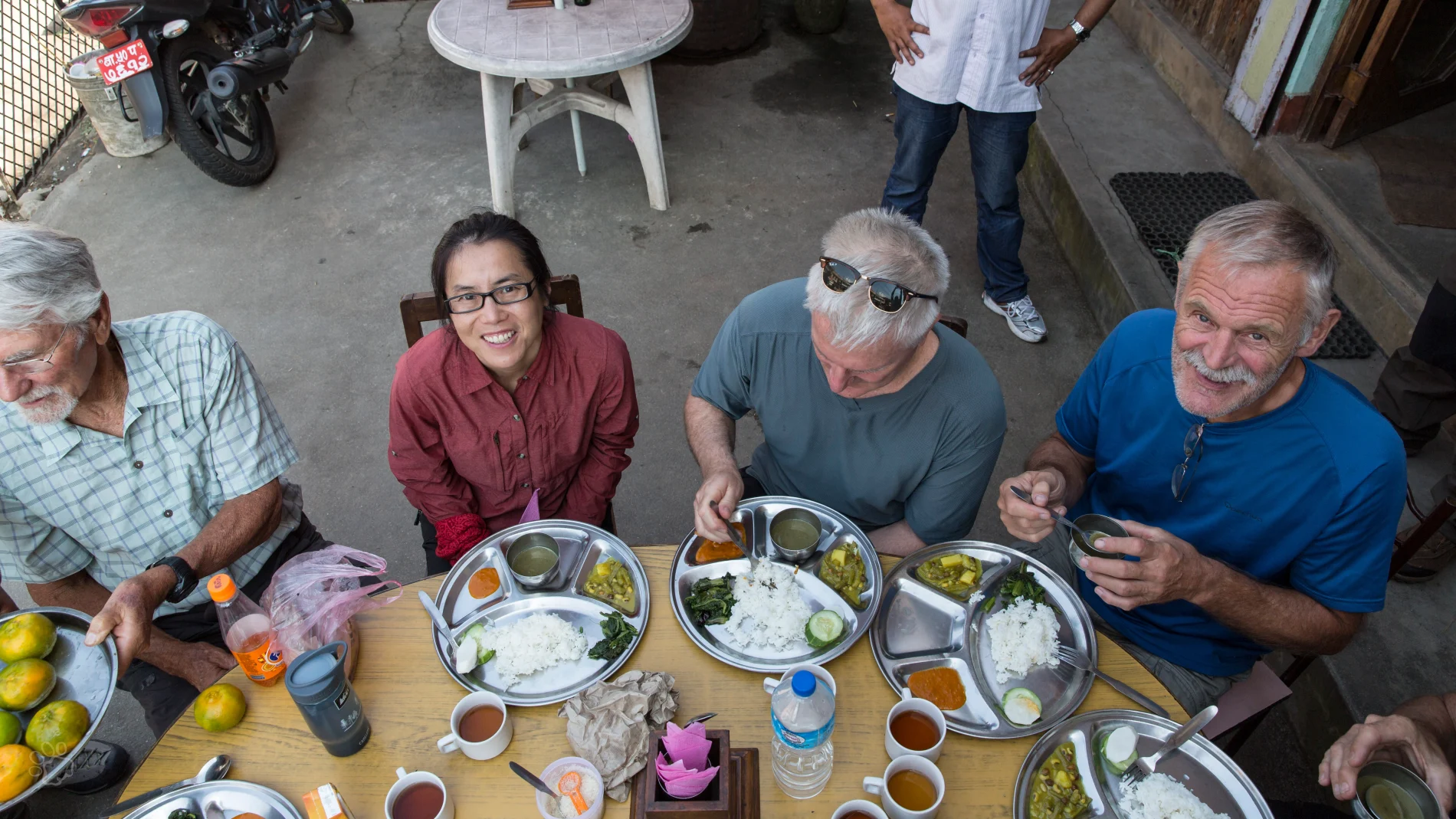
13/10/2026
Manaslu Circuit Trek After the October 2026 Floods: Trail Conditions, Safety and Travel Updates
The Manaslu Circuit Trek is one of Nepal’s most rewarding Himalayan journeys, taking trekkers through traditional...
Read more
13/10/2026
Your Nepal Trek Is Booked, but the Trail Is Closed: What Now?
Imagine arriving in Nepal with your trekking boots ready, your flights booked, your bags packed, and...
Read more