

Solo Trekking to Everest Base Camp: Complete Guide for Independent Travelers
Share:
 Read Time
This blog has 4462 words .This blog has 31005 characters.This blog take 15 minutes to read.
The dream of reaching the base of Mount Everest attracts adventure lovers from every corner of the world. For many trekkers, solo trekking to Everest Base Camp is a personal challenge that offers freedom, self-discovery, and an unforgettable Himalayan experience. Walking through beautiful Sherpa villages, crossing suspension bridges, and witnessing some of the highest mountains on Earth creates memories that last a lifetime.
The Everest Base Camp Trek is one of the most popular trekking routes in Nepal, and many travelers wonder if they can complete this journey independently without joining a group. Because the trail is well-established, tea houses are available along the route, and local communities are welcoming, experienced travelers can complete the trek on their own with proper preparation.
However, trekking alone in the Everest region requires more responsibility. The journey takes you into a high-altitude environment where weather conditions can change quickly, oxygen levels decrease, and physical challenges become greater as you gain elevation. Therefore, understanding the route, preparing your body, carrying suitable equipment, and knowing safety measures are essential before starting the adventure.
A solo journey to Everest Base Camp is not only about reaching a famous destination; it is also about making smart decisions throughout the trek. Proper acclimatization, travel insurance, emergency planning, and awareness of altitude-related risks can make your experience safer and more enjoyable.
At Silver Moon Adventure and Tour, we support travelers who want to explore the Everest region with confidence. From arranging permits and Lukla flights to providing experienced local guides and complete trekking assistance, our team helps create a smooth Himalayan adventure according to your needs.
In this guide, we will explore everything about solo trekking to Everest Base Camp, including its possibility, route, permits, challenges, costs, safety tips, and important things to know before trekking alone in Nepal.
Can You Do Solo Trekking to Everest Base Camp?
Yes, solo trekking to Everest Base Camp is possible for travelers who are physically prepared, mentally confident, and understand the challenges of high-altitude trekking. The Everest region is one of Nepal’s most developed trekking areas, with a clearly marked trail, comfortable tea houses, and regular movement of trekkers throughout the season.
The classic Everest Base Camp route is not a technical climbing route, which means trekkers do not need mountaineering skills. However, it requires good endurance because the journey involves walking for several hours each day through mountain terrain, steep uphill sections, and high-altitude landscapes.
One of the biggest advantages of trekking independently is flexibility. Solo trekkers can choose their own pace, spend extra time at viewpoints, and enjoy the peaceful atmosphere of the Himalayas. They can also interact more closely with local Sherpa communities and experience the culture of the Everest region in a personal way.
Although the trail is popular, solo trekkers should not underestimate the difficulties. Altitude sickness, changing weather, flight delays, and unexpected health issues can become serious challenges when traveling without support. Having proper knowledge about acclimatization, emergency procedures, and trekking preparation is extremely important.
For first-time Himalayan trekkers, joining an experienced trekking company like Silver Moon Adventure and Tour can provide additional safety and convenience. Professional guidance helps with logistics, local knowledge, and emergency support while allowing travelers to fully enjoy the beauty of Everest.

Starts from
USD 1,275
Everest Base Camp Trek- 14 days
The Everest Base Camp trek is not just about getting to the base of the world’s highest mountain. It...
Duration:
14 days
Max altitude:
5,555 meters at Kala Patthar
Everest Base Camp Solo Trek Route Overview
The classic Everest Base Camp route begins with an exciting mountain flight from Kathmandu to Lukla Airport, which is known as the gateway to the Everest region. From Lukla, trekkers enter the beautiful Khumbu Valley and gradually move toward the world’s highest mountain. The route passes through traditional Sherpa villages, ancient monasteries, and breathtaking Himalayan landscapes.
A typical Everest Base Camp solo trek takes around 12–14 days, including acclimatization days. The duration can vary depending on walking pace, weather conditions, and personal trekking plans. Since altitude increases significantly throughout the journey, a slow and steady approach is essential for a safe and enjoyable experience.
Lukla to Phakding
The adventure begins after landing at Lukla Airport. The first walking day is relatively short and comfortable, allowing trekkers to experience the Himalayan environment gradually. The trail follows the Dudh Koshi River and passes through beautiful forests and small mountain settlements before reaching Phakding.
Phakding to Namche Bazaar
The next major destination is Namche Bazaar, the famous trading center of the Everest region. This section includes several suspension bridge crossings and a challenging uphill climb before reaching Namche. The village offers incredible views of Himalayan peaks and is an important acclimatization stop.
Acclimatization at Namche Bazaar
Taking a rest day at Namche Bazaar is essential because the body needs time to adjust to increasing altitude. Many trekkers hike to nearby viewpoints such as the Everest View Hotel, where they can enjoy panoramic views of Everest, Ama Dablam, and other surrounding peaks.
Namche Bazaar to Tengboche and Dingboche
The trail continues through beautiful landscapes toward Tengboche, home to one of the most famous monasteries in the Everest region. After crossing alpine forests and mountain valleys, trekkers reach Dingboche, another important acclimatization location.
Dingboche to Lobuche and Gorak Shep
As the altitude increases, the landscape becomes more rugged and dramatic. The route passes through memorial areas, rocky trails, and high Himalayan terrain before reaching Gorak Shep, the final settlement before Everest Base Camp.
Gorak Shep to Everest Base Camp
The highlight of the journey is reaching Everest Base Camp itself. Standing near the foot of Mount Everest and surrounded by giant Himalayan peaks is a once-in-a-lifetime experience. Many trekkers also hike to Kala Patthar for one of the best sunrise views of Mount Everest.
For solo trekkers, understanding this route is important because each section brings different challenges related to altitude, weather, and physical endurance. Proper planning and gradual acclimatization help make the journey safer and more rewarding.
At Silver Moon Adventure and Tour, we help travelers prepare for the Everest Base Camp journey with proper itinerary planning, accommodation arrangements, permits, and local support to ensure a memorable Himalayan experience.

Starts from
USD 1,717
Everest Two Passes Trek – 18 days
The Everest two Passes Trek is one of the most exciting and complete trekking adventures in the Everest region...
Duration:
18 days
Max altitude:
5,555 meters at Kala Patthar
Permits Required for Solo Trekking to Everest Base Camp
Before starting solo trekking to Everest Base Camp, every traveler must obtain the required permits to legally enter and trek through the Everest region. These permits help the Nepal government manage conservation efforts, maintain trekking infrastructure, and support local communities living in the Himalayan area.
The Everest Base Camp route passes through protected areas and local administrative regions, so carrying valid permits is essential. Trekkers may be asked to show their permits at different checkpoints along the trail, especially near entry points and major trekking areas.
Sagarmatha National Park Entry Permit
The Sagarmatha National Park Entry Permit is one of the most important permits required for the Everest Base Camp Trek. The entire Everest region, including Mount Everest and surrounding Himalayan landscapes, falls under Sagarmatha National Park, which is also a UNESCO World Heritage Site.
This permit supports conservation activities, environmental protection, and the preservation of the unique biodiversity found in the Everest region. Trekkers need to carry this permit throughout the journey because checkpoints may verify it along the route.
Khumbu Pasang Lhamu Rural Municipality Permit
Another required permit is the Khumbu Pasang Lhamu Rural Municipality Permit. This local permit was introduced to support the development and management of the Khumbu region. Since most of the Everest Base Camp route passes through this rural municipality, trekkers need this permit before continuing their journey.
The permit system also helps improve local facilities, maintain trekking routes, and support services used by travelers and residents.
Starts from
USD 1,275
Gokyo Lake Trek – 14 days
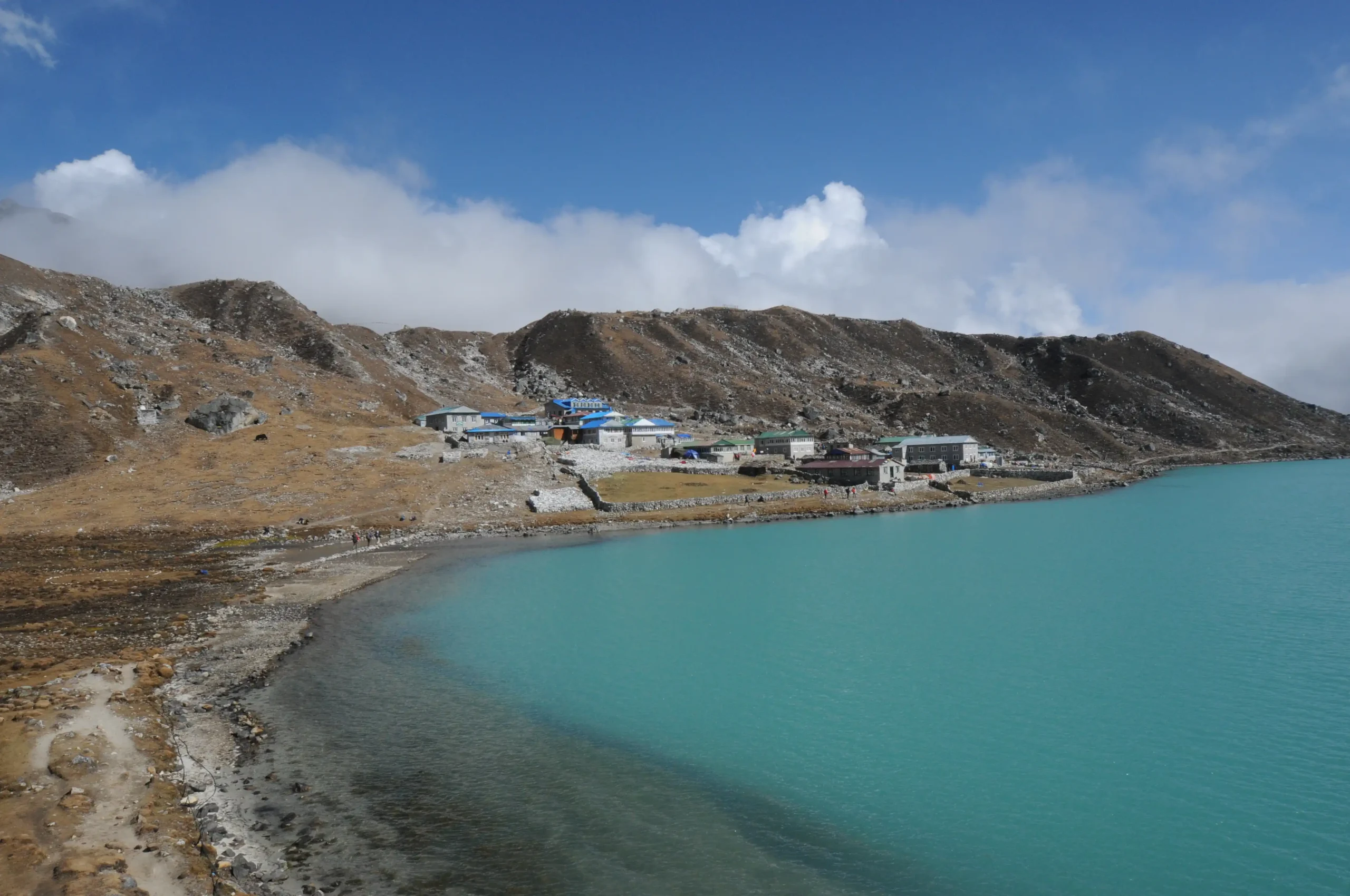
If you dream of standing above a chain of sparkling turquoise lakes while gazing at Mount Everest and some...
Duration:
14 days
Max altitude:
5,357 meters at Gokyo Ri
Do Solo Trekkers Need Different Permits?
No, solo trekkers and group trekkers require the same permits for the Everest Base Camp route. The requirements are based on the trekking area rather than whether you are traveling independently or with a company.
However, managing permits alone means you must handle the paperwork, payments, and checkpoint requirements yourself. Many travelers choose a professional trekking company because it makes the permit process easier and reduces preparation stress.
At Silver Moon Adventure and Tour, we assist travelers with necessary trekking arrangements, including permit guidance, itinerary planning, accommodation, and other essential preparations for a smooth Everest Base Camp experience.
Having the correct permits before starting your journey allows you to focus on enjoying the incredible Himalayan scenery and the unforgettable adventure ahead.

Starts from
USD 1,250
Everest Panorama Trek – 09 days
The Everest Panorama Trek – 09 Days is the perfect choice if you want to experience the beauty of...
Duration:
09 days
Max altitude:
3,860 meters at Hotel Everest View
Challenges of Solo Trekking to Everest Base Camp
Although solo trekking to Everest Base Camp can be an incredible and rewarding experience, traveling alone in the Himalayas comes with several challenges that every trekker should understand before starting the journey. The Everest region is remote, the altitude is high, and conditions can change quickly, making preparation one of the most important parts of a successful trek.
High Altitude and Acclimatization Challenges
The biggest challenge during the Everest Base Camp Trek is adjusting to the increasing altitude. The trail gradually climbs from Lukla at around 2,860 meters to Everest Base Camp at approximately 5,364 meters. As the elevation rises, the amount of oxygen decreases, which can affect the body.
Solo trekkers need to be extra careful because there may not always be someone immediately available to notice symptoms or provide assistance. Headache, tiredness, dizziness, loss of appetite, and difficulty sleeping can be signs of altitude-related problems. Walking slowly, staying hydrated, and following proper acclimatization schedules are essential for safety.
Changing Himalayan Weather Conditions
Mountain weather is unpredictable, especially in the Everest region. Clear mornings can quickly turn into cloudy, windy, or snowy conditions. Weather changes can affect trekking speed, visibility, and flight schedules.
For solo trekkers, checking weather updates regularly and carrying proper clothing and equipment is extremely important. Warm layers, waterproof jackets, and suitable trekking gear help you stay comfortable in changing conditions.
Navigation and Trail Awareness
The Everest Base Camp route is popular and well-established, but solo trekkers still need to pay attention to trail directions. During busy seasons, following other trekkers is easy, but during quieter periods, some sections can become confusing due to weather or limited visibility.
Carrying a map, offline navigation tools, and understanding the daily route can help prevent unnecessary difficulties.
Emergency Situations
When trekking alone, managing unexpected situations becomes your own responsibility. Injuries, illness, severe altitude symptoms, or sudden weather problems can become more challenging without a companion or guide.
Travel insurance that covers high-altitude trekking and helicopter evacuation is strongly recommended. Having emergency contacts and knowing where medical facilities are available along the route can provide extra confidence.
Communication Challenges
Mobile networks and internet services are available in many parts of the Everest region, but connectivity can be limited in higher areas. Solo trekkers should not depend completely on digital communication and should be prepared for periods with limited access.
Despite these challenges, thousands of travelers successfully complete the Everest Base Camp Trek every year. With proper preparation, physical fitness, and responsible decision-making, solo trekking can become one of the most memorable adventures of your life.
For travelers who want additional safety and local expertise, Silver Moon Adventure and Tour provides professional trekking support, experienced guides, and complete trip planning to make your Everest journey more comfortable and enjoyable.

Starts from
USD 1,717
Everest Base Camp with Cho la Pass Trek – 18 days
The Everest Base Camp with Cho La Pass Trek – 18 Days is the perfect adventure if you want...
Duration:
18 days
Max altitude:
5,555 meters at Kala Patthar
Is Everest Base Camp Safe Without a Guide?
Many adventure seekers ask whether Everest Base Camp Trek without a guide is safe or whether they should hire professional support. The answer depends on your trekking experience, physical fitness, preparation level, and ability to handle unexpected situations in a high-altitude environment.
The Everest Base Camp route is one of the most popular trekking trails in Nepal, which means the path is well-developed, and many trekkers travel independently every year. The availability of tea houses, restaurants, shops, and other trekkers along the route makes solo trekking more accessible compared with remote Himalayan regions.
However, safety in the Everest region requires careful planning. Even though the trail is established, altitude remains the biggest concern. As you move above 3,000 meters, your body needs time to adjust to lower oxygen levels. Without a guide, you are responsible for recognizing altitude sickness symptoms, managing your walking pace, and deciding when to rest or stop.
A guide provides more than just navigation support. Local guides have valuable knowledge about weather conditions, mountain culture, accommodation availability, and emergency procedures. They can also communicate with local communities, arrange assistance during difficult situations, and provide support if unexpected problems occur.
Solo trekking also means handling all responsibilities yourself, including permits, daily route planning, finding accommodation during busy seasons, and making decisions during emergencies. For experienced trekkers, this independence can be rewarding, but beginners may find professional guidance more comfortable.
For first-time visitors to Nepal or travelers unfamiliar with high-altitude trekking, choosing an experienced trekking company can provide extra confidence. Silver Moon Adventure and Tour offers professional Everest trekking services with experienced local guides, organized itineraries, permit assistance, and complete support throughout the journey.
Ultimately, Everest Base Camp can be a safe and unforgettable experience whether you choose to trek independently or with support. The most important factors are preparation, responsible decisions, and respecting the challenges of the Himalayan environment.

Starts from
USD 1,565
Everest Base Camp with Gokyo Lake Trek- 16 days
The Everest Base Camp with Gokyo Lake Trek is one of the most beautiful and rewarding trekking experiences in...
Duration:
16 days
Max altitude:
5,555 meters at Kala Patthar
Cost of Solo Trekking to Everest Base Camp
The cost of solo trekking to Everest Base Camp depends on your travel style, trekking season, and the level of comfort you choose during the journey. Although traveling alone can reduce some expenses because you do not have to pay for a guide or porter, you still need to manage important costs such as flights, permits, accommodation, food, equipment, and emergency preparation.
The journey usually begins with a flight from Kathmandu to Lukla, which is one of the major expenses of the Everest adventure. Since Lukla is located in a remote Himalayan area, flight costs can vary depending on the trekking season and availability. During the popular months, especially October, advance booking is recommended because many trekkers travel through this route.
Another important expense is trekking permits. Every traveler entering the Everest region needs valid permits, including the Sagarmatha National Park Entry Permit and the Khumbu Pasang Lhamu Rural Municipality Permit. These permits help protect the natural environment and support the development of the Everest region.
During the trek, accommodation and food costs gradually increase as you move toward higher elevations. Tea houses along the Everest Base Camp route provide comfortable places to stay and serve meals, although prices become higher in remote areas because transportation is difficult. Basic meals, warm drinks, and accommodation are easily available throughout the trekking route.
Solo trekkers should also keep an additional budget for personal expenses such as charging electronic devices, internet services, hot showers, snacks, trekking equipment, and possible emergency situations. Having travel insurance that covers high-altitude trekking is also highly recommended.
On average, a solo Everest Base Camp Trek may cost around USD 1,200 to USD 2,000 depending on your choices and trekking style. While independent trekking gives you more freedom, it also requires more responsibility for planning and safety.
For travelers who want a comfortable and well-managed Everest experience, Silver Moon Adventure and Tour provides complete trekking support, including itinerary planning, permits, accommodation arrangements, and experienced local guidance to make your Himalayan journey smoother.
Best Month for Solo Trekking to Everest Base Camp: Why October Is Ideal
Choosing the right month is one of the most important decisions when planning solo trekking to Everest Base Camp. Although the Everest region can be visited throughout the year, October is considered one of the best months because it offers a perfect combination of stable weather, clear mountain views, and comfortable trekking conditions.
After the monsoon season ends, the skies in the Everest region become much clearer, creating excellent visibility throughout the trail. During October, solo trekkers can enjoy breathtaking views of some of the world’s highest peaks, including Mount Everest, Lhotse, Ama Dablam, and Nuptse. The clean mountain atmosphere also makes the journey more enjoyable because every viewpoint along the route offers spectacular scenery.
Another major advantage of trekking in October is the more stable weather conditions. Since solo trekking to Everest Base Camp requires careful planning, having fewer weather disruptions makes the journey easier to manage. The chances of heavy rainfall are low, trails are generally dry, and flight operations between Kathmandu and Lukla are usually more reliable compared with challenging weather periods.
October also provides a safer environment for independent trekkers because the trail is active with many travelers from different parts of the world. If any small difficulty occurs, such as needing directions or local assistance, there are usually other trekkers and open tea houses along the route.
The temperature during October is also suitable for trekking. Days are comfortable for walking, while mornings and nights become colder as you gain altitude. With proper layering and suitable trekking equipment, solo travelers can enjoy the journey without extreme weather difficulties.
However, October is also a popular trekking month, so accommodations and flights can become busy. Planning your journey in advance helps avoid unnecessary problems and allows you to focus on enjoying the Himalayan adventure.
At Silver Moon Adventure and Tour, we help trekkers prepare for their Everest Base Camp journey with proper planning, flight coordination, accommodation support, and local expertise to make your experience safe and memorable.
Essential Packing List for Solo Trekking to Everest Base Camp
Proper preparation is one of the most important parts of a successful solo trekking to Everest Base Camp journey. Since you will be responsible for managing your own equipment, carrying the right items helps you stay comfortable, safe, and prepared for changing Himalayan conditions.
The Everest region includes different weather zones, from mild temperatures in lower areas to freezing conditions near Everest Base Camp. Therefore, your packing list should include warm clothing, trekking equipment, personal safety items, and essential documents.
Clothing and Personal Gear
- Base layers (thermal inner wear): Helps keep your body warm in cold conditions.
- Fleece jacket or warm mid-layer: Provides insulation during colder days.
- Down jacket: Essential for high-altitude areas where temperatures can drop significantly.
- Waterproof jacket and pants: Protects you from rain, wind, and unexpected weather changes.
- Trekking pants: Comfortable and suitable for long walking days.
- Trekking T-shirts: Lightweight and quick-drying clothes for lower-altitude trekking.
- Warm gloves: Protects hands from cold temperatures.
- Woolen hat and neck warmer: Keeps your head and neck warm.
- Trekking socks: Carry multiple pairs to keep feet dry and comfortable.
Footwear
- Waterproof trekking boots: Provides support and grip on rocky mountain trails.
- Camp shoes or sandals: Useful for relaxing after daily trekking.
- Extra shoelaces: Helpful in case of damage during the trek.
Trekking Equipment
- Trekking backpack (40–50 liters): Suitable for carrying essential personal items.
- Rain cover for backpack: Protects your belongings from rain and moisture.
- Sleeping bag: Important for cold nights in mountain tea houses.
- Trekking poles: Provides support during uphill and downhill sections.
- Headlamp with extra batteries: Useful during early morning walks and emergencies.
- Water bottle or hydration system: Helps maintain hydration throughout the trek.
Health and Safety Items
- Personal first aid kit
- Altitude sickness medicine (consult a doctor before use)
- Personal medicines
- Blister treatment supplies
- Sunscreen and lip balm
- Sunglasses with UV protection
- Hand sanitizer and personal hygiene items
Electronic Items
- Power bank
- Charging cables and adapters
- Mobile phone
- Camera (optional)
- Offline maps or trekking apps
Important Documents
- Passport
- Trekking permits
- Travel insurance documents
- Emergency contact details
- Extra passport-size photos
Other Useful Items
- Snacks such as energy bars and chocolates
- Small towel
- Reusable water purification tablets
- Dry bags for protecting electronics
- Notebook and pen for personal travel notes
Packing smartly is especially important during solo trekking to Everest Base Camp because you need to balance having enough equipment while avoiding unnecessary weight. Carrying only essential items makes daily walking easier and allows you to enjoy the Himalayan journey more comfortably.
At Silver Moon Adventure and Tour, we help trekkers understand the right equipment requirements and preparation needed for a successful Everest Base Camp adventure.
Solo Trek vs Guided Everest Base Camp Trek
Why Choose Silver Moon Adventure and Tour for Everest Base Camp Trek?
Choosing the right trekking partner plays an important role in making your Everest Base Camp Trek safe, comfortable, and memorable. Although the Everest region offers breathtaking landscapes and incredible experiences, trekking at high altitude requires careful planning, local knowledge, and proper support. A reliable trekking company helps you manage important arrangements while allowing you to fully enjoy the beauty of the Himalayas.
At Silver Moon Adventure and Tour, we focus on creating well-organized Everest trekking experiences based on the needs and expectations of our travelers. Our team understands the challenges of the Everest region, including Lukla flight arrangements, permit procedures, accommodation planning, and altitude-related concerns. Therefore, we carefully prepare every part of the journey to provide a smooth and enjoyable trekking experience.
Our experienced local guides are one of the most valuable parts of the trek because they have deep knowledge of the Everest region, Sherpa culture, mountain trails, and local conditions. They not only guide you through the route but also provide support during difficult situations, help you understand the local lifestyle, and make your journey more meaningful.
We also believe that proper acclimatization and a comfortable pace are essential for a successful Everest adventure. Our itineraries are designed with enough time for adjustment to higher elevations, allowing trekkers to enjoy the journey without rushing. Whether you are planning a solo trek, private adventure, or group expedition, we provide professional assistance according to your travel requirements.
From arranging permits and flights to managing accommodation and providing trekking support, Silver Moon Adventure and Tour takes care of the important details so you can focus on the incredible experience of walking through the Everest region. Our goal is to help every traveler create unforgettable memories while exploring the world’s most famous Himalayan destination safely and confidently.
FAQS
1. Can I do solo trekking to Everest Base Camp?
Yes, solo trekking to Everest Base Camp is possible for travelers who are physically prepared, have proper knowledge about high-altitude trekking, and understand the challenges of the Himalayan environment. The Everest region has a well-established trail, tea houses, and many trekkers, making independent trekking possible.
2. Is Everest Base Camp safe without a guide?
Everest Base Camp can be completed without a guide by experienced trekkers, but traveling without professional support requires more responsibility. Solo trekkers must manage navigation, altitude awareness, permits, accommodation, and emergency decisions by themselves.
3. How difficult is solo trekking to Everest Base Camp?
Solo trekking to Everest Base Camp is considered a moderate to challenging adventure because of long walking days, steep trails, and high altitude. The biggest challenge is not technical climbing but adapting to reduced oxygen levels and changing mountain conditions.
4. Do I need permits for solo Everest Base Camp Trek?
Yes, every trekker needs the required permits before entering the Everest region. The main permits include the Sagarmatha National Park Entry Permit and the Khumbu Pasang Lhamu Rural Municipality Permit.
5. How much does solo trekking to Everest Base Camp cost?
The cost depends on your travel style, accommodation choices, food expenses, equipment, and additional services. Generally, a solo Everest Base Camp Trek can cost around USD 1,200–2,000 or more, depending on personal preferences.
6. What is the best month for solo trekking to Everest Base Camp?
October is considered one of the best months for solo trekking because of stable weather, clear mountain views, comfortable trekking conditions, and better visibility throughout the Everest region.
7. Can beginners do Everest Base Camp Trek alone?
Beginners can complete Everest Base Camp, but solo trekking requires extra preparation and confidence. First-time high-altitude trekkers may find a guided trek more comfortable because of professional support and safety assistance.
8. How many days are required for solo Everest Base Camp Trek?
A typical Everest Base Camp Trek takes around 12–14 days, including acclimatization days. The exact duration depends on your route, walking speed, and personal trekking plan.
9. Is a porter necessary for solo Everest Base Camp Trek?
A porter is not mandatory, but hiring one can make the journey more comfortable by reducing the physical burden of carrying heavy luggage. This allows trekkers to focus more on enjoying the trail and scenery.
10. What should I pack for solo trekking to Everest Base Camp?
Essential items include trekking boots, warm clothing layers, a sleeping bag, trekking poles, a first aid kit, personal medicines, sunscreen, water bottles, travel documents, and suitable high-altitude trekking equipment.
11. How do I handle altitude sickness while trekking alone?
To reduce altitude risks, walk slowly, take proper acclimatization days, stay hydrated, avoid overexertion, and understand early symptoms of altitude sickness. If symptoms become serious, descending to a lower altitude is the safest option.
12. Is internet available during Everest Base Camp Trek?
Yes, internet services are available at many tea houses along the route, although connectivity can become weaker at higher elevations. Solo trekkers should also carry offline maps and avoid depending completely on internet access.
13. Can I find accommodation easily during solo trekking?
Accommodation is available throughout the Everest Base Camp route, especially during popular trekking seasons. However, during busy months like October, booking or arriving earlier is recommended to secure a comfortable place.
14. What happens if I face an emergency during solo trekking?
In emergencies, assistance can come from local communities, nearby trekkers, tea houses, or rescue services. Travel insurance covering high-altitude trekking and helicopter evacuation is highly recommended for solo travelers.
15. Should I choose solo trekking or a guided Everest Base Camp Trek?
The choice depends on your experience and comfort level. Experienced trekkers may enjoy the freedom of solo trekking, while beginners and travelers seeking extra safety often prefer a guided trek with professional support from a reliable company like Silver Moon Adventure and Tour.
Similar Blogs
View all
13/10/2026
Manaslu Circuit Trek After the October 2026 Floods: Trail Conditions, Safety and Travel Updates
The Manaslu Circuit Trek is one of Nepal’s most rewarding Himalayan journeys, taking trekkers through traditional...
Read more
13/10/2026
Your Nepal Trek Is Booked, but the Trail Is Closed: What Now?
Imagine arriving in Nepal with your trekking boots ready, your flights booked, your bags packed, and...
Read more