

Annapurna Mountain Range: The Majestic Himalayan Treasure of Nepal
Share:

 Read Time
This blog has 7184 words .This blog has 49950 characters.This blog take 24 minutes to read.
The Annapurna Mountain Range is one of the most iconic and breathtaking Himalayan regions of Nepal, attracting adventure seekers, trekkers, and nature lovers from every corner of the world. Located in the north-central part of Nepal, this incredible mountain massif is famous for its towering peaks, dramatic landscapes, rich mountain culture, and unforgettable trekking experiences. The region combines everything that makes Nepal special snow-covered mountains, peaceful villages, ancient traditions, diverse wildlife, and some of the most beautiful trekking routes on Earth.
The Annapurna range is home to Annapurna I, which rises to an elevation of 8,091 meters and stands as the 10th highest mountain in the world. This legendary peak holds a special place in mountaineering history because it became the first mountain above 8,000 meters to be successfully climbed in 1950. Since then, the Annapurna region has continued to inspire climbers and trekkers with its incredible beauty and challenging Himalayan environment.
The entire Annapurna massif lies within the Annapurna Conservation Area, Nepal’s largest protected area, covering around 7,629 square kilometers across districts including Kaski, Lamjung, Manang, Myagdi, and Mustang. Because of its huge variation in altitude and landscape, the area protects a wide range of ecosystems, from subtropical forests and farmland to alpine landscapes and high Himalayan deserts.
Unlike many mountain destinations that only focus on high peaks, the Annapurna Mountain Range offers a complete Himalayan experience. Trekkers can walk through beautiful rhododendron forests, cross suspension bridges over mountain rivers, explore traditional Gurung and Magar villages, and enjoy spectacular views of peaks like Annapurna South, Annapurna II, Gangapurna, and Machhapuchhre (Fishtail).
The region is especially famous for world-renowned trekking routes such as the Annapurna Base Camp Trek, Annapurna Circuit Trek, Mardi Himal Trek, and Ghorepani Poon Hill Trek. These trails provide different experiences depending on travelers’ interests, from short scenic hikes to challenging high-altitude adventures. Whether someone is a beginner looking for their first Himalayan journey or an experienced trekker searching for a rewarding challenge, Annapurna has something to offer.
Beyond the mountains, the Annapurna region is also a place of culture and tradition. Local communities have preserved their unique lifestyles, festivals, architecture, and hospitality for generations. Villages along the trekking routes provide travelers with opportunities to experience authentic Nepalese mountain life while enjoying traditional food and warm local interactions.
With its perfect combination of natural beauty, adventure, and cultural richness, the Annapurna Mountain Range remains one of Nepal’s most unforgettable destinations. At Silver Moon Adventure and Tour, we help travelers explore this Himalayan paradise through carefully designed trekking experiences, professional local guides, and safe journeys that create lifelong memories.
Overview of Annapurna Mountain Range
The Annapurna Mountain Range is a spectacular Himalayan massif located in Gandaki Province of Nepal. Stretching approximately 55 kilometers, this mountain system includes several magnificent peaks above 7,000 meters, with Annapurna I being the highest point of the entire range. The massif is surrounded by some of Nepal’s most dramatic geographical features, including the Kali Gandaki Gorge to the west and the Marshyangdi River valley to the north and east.
The name“Annapurna” comes from Sanskrit and is commonly translated as “Goddess of Harvest” or “full of grains.” This name reflects the deep connection between the mountains and local beliefs, where nature is respected as a source of life and prosperity.

One of the biggest attractions of the Annapurna Mountain Range is its incredible diversity. Within a single journey, travelers can experience different environments, starting from the lower green hills near Pokhara and gradually reaching high Himalayan areas surrounded by snow-covered peaks. This unique variation makes Annapurna one of the most diverse trekking destinations in Nepal.
The Annapurna Conservation Area protects this fragile mountain environment and provides a home for many rare species, including Himalayan wildlife and hundreds of bird species. The conservation area also plays an important role in preserving natural resources and supporting local communities living in the region.
For travelers, the Annapurna Mountain Range is not only about reaching high elevations; it is about experiencing the complete journey. From sunrise views over Himalayan peaks to peaceful mountain villages and ancient cultural traditions, every part of the Annapurna region offers a unique story.
History and Discovery of Annapurna Mountain Range
The Annapurna Mountain Range holds a remarkable place in the history of Himalayan exploration and mountaineering. Although the region was known locally for generations through the communities living around the mountains, it gained worldwide attention during the early years of Himalayan expeditions. The beauty, mystery, and challenging landscapes of Annapurna attracted explorers who wanted to understand and climb these magnificent peaks.
The most significant moment in Annapurna’s history came in 1950, when Annapurna I (8,091 meters) became the first mountain above 8,000 meters to be successfully climbed. A French expedition led by Maurice Herzog reached the summit along with Louis Lachenal on 3 June 1950 through the north face route. This historic achievement opened a new chapter in high-altitude mountaineering and made Annapurna one of the most famous mountains in the world.
The first ascent of Annapurna I was not an easy achievement. The expedition faced extreme weather, difficult terrain, and serious challenges during their return journey. Despite these hardships, the successful climb proved that humans could reach the highest and most difficult peaks on Earth, inspiring future generations of climbers to explore the Himalayas.

Before becoming famous among international climbers, the Annapurna region had already been home to local communities such as the Gurung, Magar, and Thakali people. These communities have lived around the mountain valleys for centuries, developing unique traditions, farming practices, and cultural connections with the Himalayas.
Over the years, the Annapurna region has transformed from a mountaineering destination into one of Nepal’s most popular trekking areas. The development of trekking routes such as the Annapurna Circuit Trek and Annapurna Base Camp Trek has allowed travelers to experience the beauty of these mountains without requiring technical climbing skills.
Today, the Annapurna Mountain Range represents more than just a collection of high peaks. It symbolizes adventure, exploration, cultural discovery, and the timeless beauty of Nepal’s Himalayas. Through Silver Moon Adventure and Tour, travelers can explore this legendary region while experiencing its history, natural wonders, and authentic mountain lifestyle with the support of experienced local guides.
Major Peaks of Annapurna Mountain Range
The Annapurna Mountain Range is a collection of several magnificent Himalayan peaks, each offering a unique identity and breathtaking beauty. Although Annapurna I is the most famous peak of the massif, the entire range includes many impressive mountains that create the spectacular Himalayan landscape seen throughout the Annapurna region.
Major peaks of the Annapurna Mountain Range:
1. Annapurna I – 8,091 meters
Annapurna I is the highest peak of the Annapurna massif and the 10th highest mountain in the world. It gained global recognition in 1950 when it became the first mountain above 8,000 meters to be successfully climbed. With its massive glaciers, steep slopes, and dramatic appearance, Annapurna I remains one of the most legendary peaks in Himalayan mountaineering history.
2. Annapurna II – 7,937 meters
Annapurna II is one of the most beautiful peaks in the eastern section of the Annapurna massif. Its sharp ridges and impressive height make it one of the most admired mountains during the Annapurna Circuit Trek. The peak provides incredible views from several viewpoints along the trekking route.
3. Annapurna III – 7,555 meters
Annapurna III is another major summit of the range, known for its stunning shape and surrounding glaciers. The mountain adds incredible beauty to the Himalayan scenery, especially around the Manang Valley and Annapurna Sanctuary areas.
4. Annapurna IV – 7,525 meters
Annapurna IV is located near Annapurna III and is recognized for its beautiful mountain structure. Although it is not as famous as Annapurna I, it plays an important role in creating the spectacular views of the Annapurna massif.
5. Gangapurna – 7,455 meters
Gangapurna is one of the most recognizable peaks near Manang Village. The mountain is famous for its beautiful glacier and dramatic views that attract trekkers exploring the Annapurna Circuit. The sight of Gangapurna rising above the valley is one of the memorable highlights of the journey.
6. Annapurna South – 7,219 meters
Annapurna South is one of the most photographed peaks in the region. It offers stunning views from trekking routes such as Annapurna Base Camp and Ghorepani Poon Hill. Its impressive snow-covered slopes create a beautiful backdrop throughout the southern Annapurna region.
7. Machhapuchhre (Fishtail Mountain) – 6,993 meters
Although Machhapuchhre is not officially above 7,000 meters, it is one of Nepal’s most iconic mountains. Its unique double summit resembles a fish tail, which gives the mountain its famous name. Considered sacred by local communities, climbing Machhapuchhre has been restricted for many years.
8. Hiunchuli – 6,441 meters
Hiunchuli is located near Annapurna South and is a popular climbing peak in the Annapurna region. It can be seen clearly during the Annapurna Base Camp Trek and adds more beauty to the Himalayan panorama.
9. Nilgiri Himal – 7,061 meters
Nilgiri Himal is a beautiful mountain located on the western side of the Annapurna region near Mustang. Its white slopes and elegant shape make it one of the most attractive peaks visible from areas around Jomsom and the Kali Gandaki Valley.
Location and Geography of Annapurna Mountain Range
The Annapurna Mountain Range is located in the north-central part of Nepal, within the Gandaki Province. The region lies north of the beautiful city of Pokhara, which serves as the main gateway for most Annapurna trekking adventures. Because of its easy accessibility, incredible landscapes, and variety of trekking routes, the Annapurna region has become one of the most popular Himalayan destinations in Nepal.
The Annapurna massif extends across several districts, including Kaski, Lamjung, Manang, Myagdi, and Mustang. The entire region is protected under the Annapurna Conservation Area, which is Nepal’s largest protected area. This conservation area covers a wide range of landscapes, from lower green hills and forests to high-altitude Himalayan valleys and mountain deserts.
The geography of the Annapurna Mountain Range is extremely diverse. Within a single journey, travelers can experience dramatic changes in climate, vegetation, and scenery. The lower regions are filled with terraced farmlands, rivers, waterfalls, and dense forests, while the higher areas feature rocky landscapes, glaciers, and snow-covered mountains.
Major Geographical Features of Annapurna Region:
1. Annapurna Massif
The Annapurna massif is the central mountain system that includes Annapurna I, Annapurna II, Annapurna III, Annapurna IV, Annapurna South, and several other surrounding peaks. This massive Himalayan formation creates some of the most breathtaking mountain views in Nepal.
2. Kali Gandaki Gorge
The Kali Gandaki Gorge is one of the deepest river gorges in the world and lies between the Annapurna and Dhaulagiri mountain ranges. This dramatic valley provides a unique landscape where travelers can witness huge Himalayan peaks rising above the river valley.
3. Manang Valley
Located on the northern side of the Annapurna region, Manang Valley is famous for its dry Himalayan landscape, traditional villages, and spectacular mountain views. It is an important acclimatization point for trekkers heading toward Thorong La Pass during the Annapurna Circuit Trek.
4. Annapurna Sanctuary
The Annapurna Sanctuary is a natural amphitheater surrounded by high Himalayan peaks. The area is the final destination of the Annapurna Base Camp Trek and offers close-up views of Annapurna I, Annapurna South, Hiunchuli, and Machhapuchhre.
5. Thorong La Pass
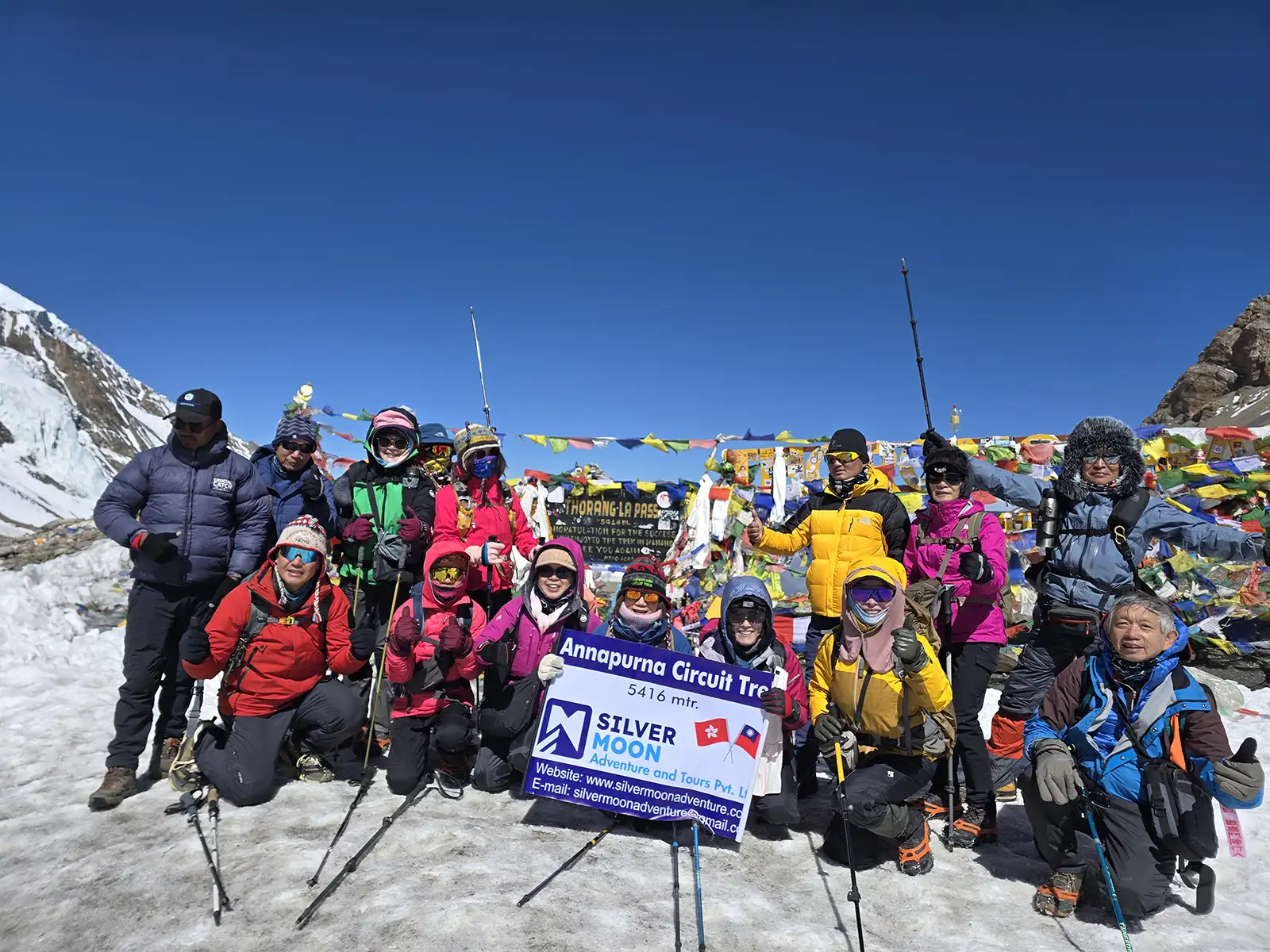
Thorong La Pass, located at an altitude of 5,416 meters, is one of the highest trekking passes in Nepal. It is the most challenging and rewarding section of the Annapurna Circuit Trek, offering incredible views of the surrounding Himalayan landscapes.
6. Tilicho Lake
Tilicho Lake, situated at approximately 4,919 meters, is one of the highest lakes in the world. Surrounded by impressive Himalayan peaks, this turquoise-colored lake is one of the major attractions in the Annapurna region.
The unique geography of the Annapurna Mountain Range is what makes it different from many other Himalayan destinations. From tropical valleys to high mountain landscapes, the region provides a complete journey through Nepal’s natural diversity. With the guidance of Silver Moon Adventure and Tour, travelers can explore these incredible landscapes safely while experiencing the beauty and culture of the Annapurna region.
Famous Trekking Routes Around Annapurna Mountain Range
The Annapurna Mountain Range is famous worldwide because of its incredible variety of trekking experiences. Unlike some Himalayan regions that mainly focus on high-altitude adventures, Annapurna offers a perfect combination of dramatic mountain scenery, traditional villages, cultural experiences, and diverse landscapes. From short and easy walking routes to challenging high-altitude journeys, the Annapurna region has trekking options for almost every type of traveler.
The trekking trails around Annapurna take visitors through beautiful forests, terraced farmland, rivers, waterfalls, ancient villages, and high mountain landscapes. Along the way, trekkers can enjoy breathtaking views of peaks such as Annapurna I, Annapurna South, Machhapuchhre (Fishtail), Gangapurna, and Dhaulagiri. Because of this incredible diversity, the Annapurna region remains one of the most popular trekking destinations in Nepal.
Annapurna Base Camp Trek

Starts from
USD 800
Annapurna Base Camp Trek from Pokhara to Pokhara- 08 days
The Annapurna Base Camp Trek from Pokhara to Pokhara is a well-balanced journey that takes you from lowland villages...
Duration:
08 days
Max altitude:
4,130 meters at Annapurna Base Camp
The Annapurna Base Camp Trek is one of the most popular trekking journeys in Nepal, taking travelers into the heart of the Annapurna Sanctuary. This trek provides a close and unforgettable view of some of the world’s most beautiful Himalayan peaks, including Annapurna I, Annapurna South, Hiunchuli, and Machhapuchhre.
The trail passes through charming Gurung and Magar villages, green rhododendron forests, peaceful rivers, and beautiful mountain landscapes before reaching Annapurna Base Camp at an altitude of 4,130 meters. Standing among giant Himalayan peaks at the base camp is the main highlight of this journey.
This trek is suitable for travelers who want to experience the beauty of the Himalayas without extreme technical challenges. With proper preparation and a well-planned itinerary, the Annapurna Base Camp Trek can be completed by beginners as well as experienced trekkers.
Annapurna Circuit Trek
Starts from
USD 740
Annapurna Circuit Trek – 13 days
The Annapurna Circuit is one of the most popular trekking routes in Nepal. It is perfect for people who...
Duration:
13 days
Max altitude:
5,416m at Thorong La Pass
The Annapurna Circuit Trek is one of the most legendary trekking routes in the world. This journey takes travelers around the entire Annapurna massif and provides an incredible change of scenery throughout the adventure.
The trek begins from the lower hills with green forests and gradually moves toward the dry Himalayan landscapes of Manang and Mustang. The biggest challenge and attraction of this trek is crossing Thorong La Pass at 5,416 meters, one of the highest trekking passes in Nepal.
Along the route, trekkers experience a unique combination of natural beauty and culture, including traditional villages, Buddhist monasteries, ancient trading routes, and spectacular mountain views. The Annapurna Circuit Trek is ideal for those looking for a longer and more adventurous Himalayan experience.
Mardi Himal Trek

Starts from
USD 550
Mardi Himal Trek- 09 days
The Mardi Himal Trek is a beautiful short trekking journey in the Annapurna region that offers a perfect balance...
Duration:
09 days
Max altitude:
4,500 meters at Mardi Himal Base Camp
The Mardi Himal Trek is a peaceful and scenic trekking route located in the eastern part of the Annapurna region. It has become increasingly popular among travelers who want to enjoy amazing Himalayan views while avoiding some of the crowds found on more famous trails.
The trek offers stunning views of Machhapuchhre, Annapurna South, Hiunchuli, and the surrounding mountains. The trail passes through beautiful forests, traditional settlements, and high ridges where trekkers can enjoy panoramic views of the Annapurna Mountain Range.
Because of its shorter duration and moderate difficulty level, Mardi Himal Trek is a great option for beginners and travelers with limited time who still want a true Himalayan experience.
Ghorepani Poon Hill Trek

Starts from
USD 665
Annapurna Base Camp Trek via Poon Hill – 12 days
The Annapurna Base Camp Trek via Poon Hill is the kind of journey that unfolds naturally over time. This...
Duration:
12 days
Max altitude:
4,130 meters at Annapurna Base Camp
The Ghorepani Poon Hill Trek is one of the best short trekking experiences in Nepal. It is especially popular among beginners, families, and travelers who want to enjoy Himalayan beauty without spending many days at high altitude.
The main attraction of this trek is the sunrise view from Poon Hill (3,210 meters), where visitors can witness spectacular golden views of Annapurna and Dhaulagiri mountain ranges. The journey also provides an opportunity to explore traditional Gurung and Magar villages and experience the warm hospitality of local communities.
The trail passes through beautiful rhododendron forests and peaceful mountain settlements, making it a perfect introduction to trekking in Nepal.
Khopra Ridge Trek
The Khopra Ridge Trek is a less crowded but equally beautiful trekking route in the Annapurna region. It offers a peaceful alternative for travelers who want to explore the Himalayas away from busy trekking trails.
From Khopra Ridge, trekkers can enjoy incredible views of Annapurna South, Dhaulagiri, Nilgiri, and other Himalayan peaks. The route also includes beautiful natural attractions such as Khayer Lake and provides a deeper connection with local mountain life.
With its combination of stunning views, quiet trails, and authentic cultural experiences, Khopra Ridge has become a favorite choice for travelers seeking a unique Annapurna adventure.
The wide variety of trekking routes around the Annapurna Mountain Range makes this region one of Nepal’s greatest adventure destinations. Whether you prefer a short scenic journey or a challenging Himalayan expedition, Silver Moon Adventure and Tour helps travelers explore the Annapurna region with experienced local guides, carefully designed itineraries, and a focus on safety and unforgettable experiences.
Wildlife and Biodiversity in Annapurna Mountain Range
The Annapurna Mountain Range is not only famous for its stunning Himalayan peaks and trekking routes but also for its incredible biodiversity. Protected under the Annapurna Conservation Area, the region is home to a wide variety of plants, animals, and bird species. The dramatic changes in altitude, from lowland forests to high mountain landscapes, create different natural habitats that support diverse ecosystems.
The Annapurna Conservation Area is Nepal’s largest protected area and plays an important role in protecting Himalayan wildlife and preserving the natural environment. While trekking through the region, travelers can experience different landscapes, including subtropical forests, alpine meadows, rocky valleys, and high-altitude areas where rare mountain species survive.
The region’s biodiversity adds another special element to the trekking experience because visitors may encounter unique wildlife while exploring the trails. Although some animals are difficult to spot because they live in remote areas, the possibility of seeing Himalayan wildlife makes the journey even more exciting.
Himalayan Wildlife Found in Annapurna Region
Snow Leopard
The snow leopard is one of the rarest and most fascinating animals found in the high Himalayan areas of the Annapurna region. These elusive cats live in remote mountain environments and are specially adapted to survive in harsh conditions. Although sightings are extremely rare, their presence represents the importance of conservation efforts in the region.
Himalayan Thar
The Himalayan thar is a wild mountain goat commonly found on rocky slopes and alpine areas of the Annapurna region. They are well adapted to high-altitude environments and can sometimes be seen grazing on hillsides during trekking journeys.
Blue Sheep (Bharal)
The blue sheep, also known as Bharal, is another important Himalayan animal found in the higher areas of Annapurna. These animals are excellent climbers and can move easily across steep mountain landscapes.
Musk Deer
The musk deer is a small but unique Himalayan animal found in forested areas of the Annapurna region. It is known for its shy nature and ability to survive in mountainous environments.
Birds of Annapurna Region
The Annapurna Mountain Range is also a paradise for bird lovers. The region is home to hundreds of bird species because of its wide range of habitats. Trekkers may observe colorful Himalayan birds while walking through forests and mountain villages.
Some notable bird species found in the area include:
The vegetation of the Annapurna Mountain Range changes dramatically with altitude. Lower areas are covered with green forests, while higher regions contain alpine vegetation adapted to cold conditions.
The region is especially famous for its rhododendron forests, which bloom beautifully during spring. These colorful forests create one of the most attractive landscapes along trekking routes such as Annapurna Base Camp and Ghorepani Poon Hill.
Other important vegetation includes oak forests, pine trees, bamboo, and various medicinal plants used by local communities.
The rich wildlife and natural diversity of the Annapurna Mountain Range make trekking here a complete experience beyond mountain views. Travelers can enjoy not only spectacular Himalayan scenery but also the chance to explore one of Nepal’s most valuable natural ecosystems. With Silver Moon Adventure and Tour, visitors can discover the Annapurna region responsibly while appreciating its wildlife, landscapes, and conservation importance.
Culture and Local Lifestyle Around Annapurna Mountain Range
The Annapurna Mountain Range is not only famous for its incredible Himalayan scenery but also for its rich cultural diversity and traditional mountain lifestyle. The villages located around the Annapurna region have preserved their unique customs, traditions, languages, and ways of living for generations. While trekking through this region, travelers get the opportunity to experience more than just mountains; they can connect with local communities, understand their daily lives, and discover the cultural beauty that makes Annapurna truly special.
The Annapurna region is mainly inhabited by communities such as Gurung, Magar, and Thakali people, who have a deep relationship with the mountains and nature. These communities have developed their lifestyles according to the Himalayan environment, where farming, animal husbandry, tourism, and local trade remain important parts of their daily activities. The traditional stone houses, prayer flags, monasteries, terraced fields, and welcoming villages create a unique atmosphere that reflects authentic Himalayan life.
The Gurung community is one of the most recognized ethnic groups in the Annapurna region. Many famous trekking villages, including Ghandruk and nearby settlements, are home to Gurung people. Their culture is known for traditional music, dances, festivals, and warm hospitality. Travelers trekking through Gurung villages can experience local food, stay in family-run tea houses, and learn about their history and traditions.
The Magar community also plays an important role in the cultural identity of the Annapurna region. Villages around areas such as Ghorepani and Ulleri are known for their Magar heritage, traditional lifestyle, and peaceful mountain environment. Their connection with agriculture and nature has helped preserve a simple yet meaningful way of life in the Himalayan foothills.
In the northern part of the Annapurna region, especially around the Mustang and Kali Gandaki Valley areas, travelers can experience the unique culture of the Thakali community. The Thakali people are known for their traditional cuisine, trading history, and strong cultural values. Their famous Thakali food has become a favorite among trekkers who want to experience authentic local flavors during their Himalayan journey.
Religion and spirituality are also important parts of life in the Annapurna region. Many villages have ancient Buddhist monasteries, prayer wheels, and colorful prayer flags that represent the spiritual connection between local people and the mountains. Hindu and Buddhist traditions exist together in many areas, creating a unique cultural harmony throughout the region.
Festivals are another important part of Annapurna’s cultural identity. Local communities celebrate festivals such as Lhosar, Dashain, and Tihar with traditional rituals, music, and gatherings. These celebrations allow visitors to experience the happiness, unity, and traditions that have been passed down through generations.
The culture and lifestyle around the Annapurna Mountain Range add a deeper meaning to every trekking experience. The mountains may attract travelers from around the world, but the kindness of local people, traditional villages, and authentic Himalayan lifestyle make the journey unforgettable. With Silver Moon Adventure and Tour, travelers can explore Annapurna not only as a natural wonder but also as a place filled with history, culture, and genuine mountain hospitality.
Best Time to Visit Annapurna Mountain Range
The best time to visit the Annapurna Mountain Range is October, when the weather conditions are at their most favorable for trekking and exploring the Himalayan landscapes. During this month, the monsoon season has already ended, leaving behind clear skies, fresh landscapes, and excellent visibility of the surrounding mountains. Trekkers can enjoy spectacular views of peaks such as Annapurna I, Annapurna South, Machhapuchhre (Fishtail), Gangapurna, and Dhaulagiri without frequent weather disturbances.
October is considered an ideal month because the temperatures are comfortable for long days of walking, while the trails remain dry and safer compared to the rainy season. The lower areas of the Annapurna region become beautifully refreshed after the monsoon, with green forests, flowing rivers, and colorful landscapes creating a perfect trekking environment. Although the daytime weather is pleasant, higher areas such as Annapurna Base Camp and Thorong La Pass can become cold, especially during mornings and nights, so proper warm clothing is necessary.
Another reason October is highly recommended is the incredible mountain visibility. The stable weather allows trekkers and photographers to capture clear panoramic views of the Annapurna Mountain Range. Whether you are exploring the Annapurna Base Camp Trek, Annapurna Circuit Trek, Mardi Himal Trek, or Ghorepani Poon Hill Trek, October provides some of the best conditions to enjoy the natural beauty of the region.
Apart from the landscapes, October is also a wonderful time to experience the local culture of the Annapurna region. Mountain villages become lively with trekkers from different parts of the world, while local communities welcome visitors with their traditional hospitality, food, and cultural experiences.
For travelers planning an Annapurna adventure, Silver Moon Adventure and Tour recommends October as the perfect month to explore the Annapurna Mountain Range. With clear mountain views, comfortable trekking conditions, and unforgettable Himalayan scenery, this month offers one of the best experiences for discovering the beauty of Nepal’s legendary Annapurna region.
Difficulty Level of Annapurna Trekking
The difficulty level of trekking in the Annapurna Mountain Range depends on the trekking route, altitude, duration, weather conditions, and the physical preparation of the traveler. One of the biggest advantages of the Annapurna region is that it offers a wide range of trekking experiences, from easy short hikes to challenging high-altitude adventures. Because of this variety, both beginners and experienced trekkers can find a suitable journey according to their fitness level and adventure goals.
Trekking routes such as the Ghorepani Poon Hill Trek and Mardi Himal Trek are considered moderate and suitable for travelers who have basic fitness and a willingness to walk several hours each day. These trails involve uphill and downhill sections, but they do not require advanced trekking experience. With regular walking practice and proper preparation, many first-time trekkers can successfully complete these routes.
The Annapurna Base Camp Trek is considered a moderate-level trek. Although the trail does not involve technical climbing, trekkers need to be prepared for long walking days, changing elevations, and mountain weather conditions. The journey reaches an altitude of 4,130 meters, so gradual acclimatization and a comfortable pace are important to reduce the risk of altitude-related problems.
Among Annapurna trekking routes, the Annapurna Circuit Trek is considered more challenging because of its longer duration, higher altitude, and the crossing of Thorong La Pass at 5,416 meters. The pass is the most demanding section of the trek, where trekkers may face cold temperatures, strong winds, and thinner air. However, with proper acclimatization, physical preparation, and guidance from experienced trekking professionals, it is achievable for many adventure seekers.
Several factors can influence the difficulty of an Annapurna trek, including weather conditions, personal fitness level, trekking experience, walking speed, and backpack weight. Travelers who regularly exercise, practice walking on uneven terrain, and prepare their bodies before the journey usually find the experience more comfortable and enjoyable.
The Annapurna Mountain Range offers adventures for different types of travelers, but preparation is the key to a successful trek. Choosing the right route according to your experience and trekking with reliable support can make the journey safer and more enjoyable. Silver Moon Adventure and Tour provides carefully planned Annapurna trekking packages with experienced local guides, proper itineraries, and safety-focused arrangements to help travelers enjoy the Himalayas with confidence.
How to Reach Annapurna Mountain Range
Reaching the Annapurna Mountain Range is a comfortable and scenic journey compared to many other Himalayan destinations in Nepal. The main gateway to the Annapurna region is Pokhara, a beautiful lakeside city located in western Nepal. Most trekking routes around Annapurna begin from different locations near Pokhara, making the city an important starting point for travelers exploring this spectacular mountain region.
For international travelers, the journey usually begins with arrival at Tribhuvan International Airport in Kathmandu. After completing immigration and other necessary procedures, travelers can reach Pokhara by domestic flight or road transportation. The flight from Kathmandu to Pokhara takes around 25 to 30 minutes and provides beautiful views of Nepal’s hills and mountain landscapes. Alternatively, travelers can choose a tourist bus or private vehicle, which takes several hours but offers opportunities to enjoy the changing scenery of Nepal’s countryside.
Once in Pokhara, trekkers can prepare for their journey and travel toward the starting points of their selected trekking routes. For the Annapurna Base Camp Trek, many itineraries begin from places such as Nayapul, Ghandruk, or Jhinu Danda depending on the chosen route. The Ghorepani Poon Hill Trek commonly starts from Nayapul or nearby areas, while the Mardi Himal Trek usually begins from Kande or similar trailheads around Pokhara.
For the Annapurna Circuit Trek, the starting point is different from other Annapurna routes. Traditionally, trekkers begin from areas such as Besisahar in Lamjung district and gradually move toward Manang before crossing Thorong La Pass. Modern road access has changed some sections of the route, allowing trekkers to customize their starting points according to their preferred itinerary and trekking style.
Transportation conditions in the Annapurna region have improved significantly over recent years, but many trekking areas still require walking through mountain trails after reaching the road-accessible points. The combination of road journeys, local transportation, and trekking creates a complete Himalayan travel experience.
With proper planning, reaching the Annapurna Mountain Range is straightforward and enjoyable. Silver Moon Adventure and Tour arranges transportation, trekking logistics, and complete travel support so that visitors can focus on enjoying the incredible landscapes, local culture, and unforgettable adventure of the Annapurna region.
Permits Required for Annapurna Mountain Range Trekking
Before starting any trekking adventure in the Annapurna Mountain Range, travelers need to obtain certain permits required by the Nepal government and conservation authorities. These permits help manage tourism activities, protect the natural environment, support conservation projects, and maintain trekking facilities throughout the region.
The main permit required for trekking in the Annapurna region is the Annapurna Conservation Area Permit (ACAP). Since most Annapurna trekking routes pass through the Annapurna Conservation Area, every foreign trekker must have this permit before entering the protected region. The fee collected from ACAP helps support environmental protection, wildlife conservation, trail maintenance, and community development programs in the Annapurna area.
Another important requirement is the Trekkers’ Information Management System (TIMS) Card. TIMS helps authorities maintain records of trekkers traveling in Nepal’s trekking regions and provides additional safety support during emergencies. It also helps improve coordination and security along popular trekking routes.
The required permits may vary depending on the trekking route and the latest regulations introduced by Nepal’s tourism authorities. For example, travelers trekking through the Annapurna Circuit, Annapurna Base Camp, Mardi Himal, or Ghorepani Poon Hill routes generally require ACAP and TIMS-related documentation. However, permit rules can change, so checking updated requirements before departure is always recommended.
Obtaining permits is a simple process when proper documents are prepared. Trekkers usually need a valid passport copy, passport-size photographs, and required fees. Permits can be arranged through authorized trekking agencies, tourism offices, or registered guides before starting the journey.
For international travelers, managing permits correctly is an important part of a smooth trekking experience. Silver Moon Adventure and Tour helps guests with all necessary permit arrangements, documentation, and trekking preparations, allowing travelers to focus on enjoying the incredible landscapes, mountain views, and cultural experiences of the Annapurna Mountain Range without unnecessary difficulties.
Accommodation and Food During Annapurna Trek
Accommodation and food are important parts of the trekking experience in the Annapurna Mountain Range. Unlike remote Himalayan regions with limited facilities, Annapurna has a well-developed trekking infrastructure that provides comfortable options for travelers along most popular routes. From simple mountain tea houses to more comfortable lodges, trekkers can find places to rest after a long day of walking while enjoying the unique atmosphere of Himalayan villages.
During trekking in the Annapurna region, most travelers stay in tea houses, which are small family-run lodges operated by local communities. These tea houses provide basic but comfortable facilities, including a private or shared room, bed, blanket, and common dining areas. Although facilities become more basic at higher elevations, staying in tea houses allows travelers to experience authentic mountain hospitality and connect with local people.
In popular trekking areas such as Ghandruk, Manang, Ghorepani, and Muktinath, accommodation facilities are generally more developed because these places receive many visitors throughout the year. Some lodges offer additional services such as hot showers, charging facilities, Wi-Fi, and comfortable dining spaces. However, as trekkers move into higher and more remote areas, facilities may become limited due to the challenging mountain environment.
Food during the Annapurna trek includes a combination of traditional Nepali meals and international options. The most common and recommended meal is Dal Bhat, a traditional Nepali dish consisting of rice, lentils, vegetables, and other side dishes. It is popular among trekkers because it provides enough energy for long walking days and is usually available throughout the trekking routes.
Besides Dal Bhat, travelers can enjoy other foods such as noodles, soups, momos, pasta, Tibetan bread, pancakes, potatoes, eggs, and various hot drinks. Local tea, coffee, and ginger lemon honey drinks are especially popular because they help trekkers stay warm in the colder mountain areas.
Food availability can become more limited at higher altitudes because supplies need to be transported through difficult mountain terrain. Therefore, trekkers are encouraged to carry personal snacks such as energy bars, dry fruits, or chocolates for additional energy during long trekking days.
The combination of comfortable tea house stays, local cuisine, and warm hospitality makes the Annapurna trekking experience even more special. With proper planning and support from Silver Moon Adventure and Tour, travelers can enjoy safe accommodation, suitable meals, and a comfortable journey while exploring the incredible beauty of the Annapurna Mountain Range.
Packing List for Annapurna Mountain Range Trek
Packing properly for the Annapurna Mountain Range Trek is essential because weather conditions, altitude, and trail environments can change quickly. The required items may vary depending on the trekking route and season, but the following equipment covers the basic needs for a comfortable and safe Himalayan journey.
Clothing
- Moisture-wicking base layers
- Warm fleece jacket
- Down jacket for cold mountain areas
- Waterproof and windproof jacket
- Trekking pants
- Thermal innerwear
- Comfortable trekking T-shirts
- Warm hat and sun hat
- Gloves
- Trekking socks
- Comfortable underwear
- Lightweight sleepwear
Footwear
- Comfortable trekking boots with good grip
- Extra trekking socks
- Lightweight sandals or camp shoes
- Gaiters (especially for snowy or muddy trails)
Trekking Equipment
- Comfortable trekking backpack
- Rain cover for backpack
- Sleeping bag suitable for cold temperatures
- Trekking poles
- Headlamp with extra batteries
- Water bottle or hydration system
- Sunglasses with UV protection
- Duffel bag (if using porter service)
Personal Items
- Passport and required trekking permits
- Travel documents
- Personal toiletries
- Quick-dry towel
- Sunscreen and lip balm
- Hand sanitizer
- Toilet paper and wet wipes
- Personal medicine
- Basic first-aid kit
Electronics
- Mobile phone
- Power bank
- Charging cables
- Camera
- Universal travel adapter
Health and Safety Items
- Water purification tablets or filter
- Energy bars and dry snacks
- Electrolyte packets
- Blister treatment supplies
- Altitude-related medicines recommended by a health professional
Optional Items
- Binoculars
- Book or journal
- Small daypack for short hikes
- Reusable shopping bag
- Trekking map
Carrying the right equipment helps make the Annapurna trekking experience more comfortable and enjoyable. Silver Moon Adventure and Tour provides proper guidance about required gear according to the chosen route, season, and trekking duration so travelers can prepare confidently for their Himalayan adventure.
Why Trek With Silver Moon Adventure and Tour?
Choosing the right trekking partner is an important part of creating a safe and memorable Himalayan adventure. The Annapurna Mountain Range offers incredible beauty and unforgettable experiences, but proper planning, local knowledge, and professional support help travelers enjoy the journey with greater comfort and confidence. Silver Moon Adventure and Tour focuses on providing well-organized trekking experiences that allow visitors to explore the Annapurna region while enjoying authentic local culture and natural beauty.
As a Nepal-based trekking company, Silver Moon Adventure and Tour understands the landscapes, trails, weather conditions, and challenges of the Annapurna region. Our experienced local guides have valuable knowledge of the trekking routes and mountain environments, helping travelers make informed decisions throughout the journey. From choosing the right itinerary to managing daily trekking plans, every detail is carefully arranged for a smooth experience.
Safety is one of the most important priorities during any Himalayan trek. The Annapurna region includes different altitudes and changing weather conditions, so proper preparation and guidance are essential. Silver Moon Adventure and Tour provides support with trekking arrangements, necessary permits, transportation, accommodation planning, and route management to ensure travelers can focus on enjoying their adventure.
We also believe that trekking is not only about reaching a destination but also about experiencing the people, culture, and environment of the region. Our trekking experiences include opportunities to explore traditional villages, interact with local communities, enjoy authentic Nepalese food, and understand the unique lifestyle of Himalayan people.
Whether you are planning the Annapurna Base Camp Trek, Annapurna Circuit Trek, Mardi Himal Trek, or Ghorepani Poon Hill Trek, Silver Moon Adventure and Tour creates customized experiences based on your interests, available time, and trekking level. We combine local expertise with responsible tourism practices to provide meaningful journeys while respecting the natural and cultural heritage of the Annapurna region.
With Silver Moon Adventure and Tour, your Annapurna adventure becomes more than just a trek; it becomes a lifetime experience filled with breathtaking mountains, unforgettable moments, and genuine Himalayan hospitality.
Conclusion: Experience the Beauty of Annapurna Mountain Range with Silver Moon Adventure and Tour
The Annapurna Mountain Range is truly one of the most remarkable Himalayan destinations in Nepal, offering a perfect combination of natural beauty, adventure, culture, and unforgettable experiences. From the towering peaks of Annapurna I and Machhapuchhre to the peaceful mountain villages and diverse landscapes, every part of this region tells a unique story.
A journey through Annapurna is not only about walking through mountain trails; it is about experiencing the lifestyle, traditions, and hospitality of Himalayan communities. The breathtaking views, ancient villages, beautiful forests, high mountain passes, and sacred places create memories that remain with travelers for a lifetime.
Whether you choose the famous Annapurna Base Camp Trek, the challenging Annapurna Circuit Trek, the peaceful Mardi Himal Trek, or the scenic Ghorepani Poon Hill Trek, the Annapurna region offers an adventure suitable for different types of travelers. Every trail provides a different perspective of Nepal’s natural and cultural richness.
With proper preparation, experienced guidance, and a well-planned itinerary, exploring the Annapurna Mountain Range becomes a safe and rewarding experience. The combination of stunning Himalayan scenery and authentic local experiences makes Annapurna one of the best destinations for anyone looking to discover the true spirit of Nepal.
Silver Moon Adventure and Tour is dedicated to helping travelers experience the magic of the Annapurna region through professionally organized trekking packages, knowledgeable local guides, and personalized services. Our goal is to create meaningful journeys where travelers can explore the Himalayas, connect with local culture, and return home with unforgettable memories.
FAQS
Where is the Annapurna Mountain Range located?
The Annapurna Mountain Range is located in north-central Nepal, mainly within Gandaki Province. The region extends across areas such as Kaski, Lamjung, Manang, Myagdi, and Mustang districts. Pokhara is the main gateway for most Annapurna trekking adventures.
How high is Annapurna I?
Annapurna I stands at an elevation of 8,091 meters above sea level. It is the highest peak of the Annapurna massif and the 10th highest mountain in the world.
What is the best time to visit the Annapurna Mountain Range?
The best time to visit the Annapurna Mountain Range is generally October because the weather is stable, skies are clear, and mountain visibility is excellent. This month provides comfortable trekking conditions and stunning views of the Himalayan peaks.
Which is the most popular trek in the Annapurna region?
The Annapurna Base Camp Trek and Annapurna Circuit Trek are the two most popular trekking routes in the region. Both offer incredible mountain views, cultural experiences, and unforgettable Himalayan landscapes.
Is Annapurna trekking suitable for beginners?
Yes, many Annapurna trekking routes are suitable for beginners. Shorter routes like Ghorepani Poon Hill and Mardi Himal Trek are good options for first-time trekkers, while proper preparation is recommended for longer and higher-altitude routes.
How difficult is the Annapurna Base Camp Trek?
The Annapurna Base Camp Trek is considered a moderate-level trek. It does not require technical climbing skills, but trekkers should be prepared for several hours of walking each day and changing altitude conditions.
Do I need permits for Annapurna trekking?
Yes, trekkers need permits to enter the Annapurna region. The main requirements generally include the Annapurna Conservation Area Permit (ACAP) and other required trekking documents according to the latest regulations.
How many days are required for Annapurna trekking?
The duration depends on the chosen route. Annapurna Base Camp Trek usually takes around 7–12 days, Annapurna Circuit Trek can take around 12–18 days depending on the itinerary, and shorter treks like Ghorepani Poon Hill can be completed within a few days.
Can I trek Annapurna Mountain Range without a guide?
Some experienced trekkers may choose independent trekking, but hiring a local guide is highly recommended because of route knowledge, safety support, weather changes, and better cultural experiences.
What mountains can be seen during Annapurna trekking?
During Annapurna trekking, travelers can enjoy views of many Himalayan peaks, including Annapurna I, Annapurna South, Annapurna II, Annapurna III, Gangapurna, Machhapuchhre (Fishtail), Hiunchuli, and Dhaulagiri.
Is Annapurna trekking safe?
Yes, Annapurna trekking is generally safe when travelers follow proper preparation, choose suitable routes, respect altitude guidelines, and trek with reliable support. Weather awareness and gradual acclimatization are important for a safe journey.
What kind of accommodation is available during Annapurna trekking?
Most Annapurna trekking routes offer tea houses and lodges where trekkers can stay overnight. These provide basic rooms, meals, and essential facilities while allowing travelers to experience authentic Himalayan hospitality.
What food is available during Annapurna trekking?
Trekkers can enjoy traditional Nepali meals such as Dal Bhat along with other options like noodles, soups, momos, pasta, pancakes, and hot drinks. Food availability depends on the location and altitude.
What is the highest point of Annapurna trekking?
The highest point depends on the route. For the Annapurna Circuit Trek, the highest point is Thorong La Pass at 5,416 meters, while Annapurna Base Camp reaches an altitude of 4,130 meters.
Why should I choose Annapurna Mountain Range for my Nepal adventure?
The Annapurna Mountain Range offers a complete Himalayan experience with stunning mountains, diverse landscapes, traditional villages, cultural experiences, and trekking routes for different adventure levels. It is one of the best destinations for discovering the beauty of Nepal.

Similar Blogs
View all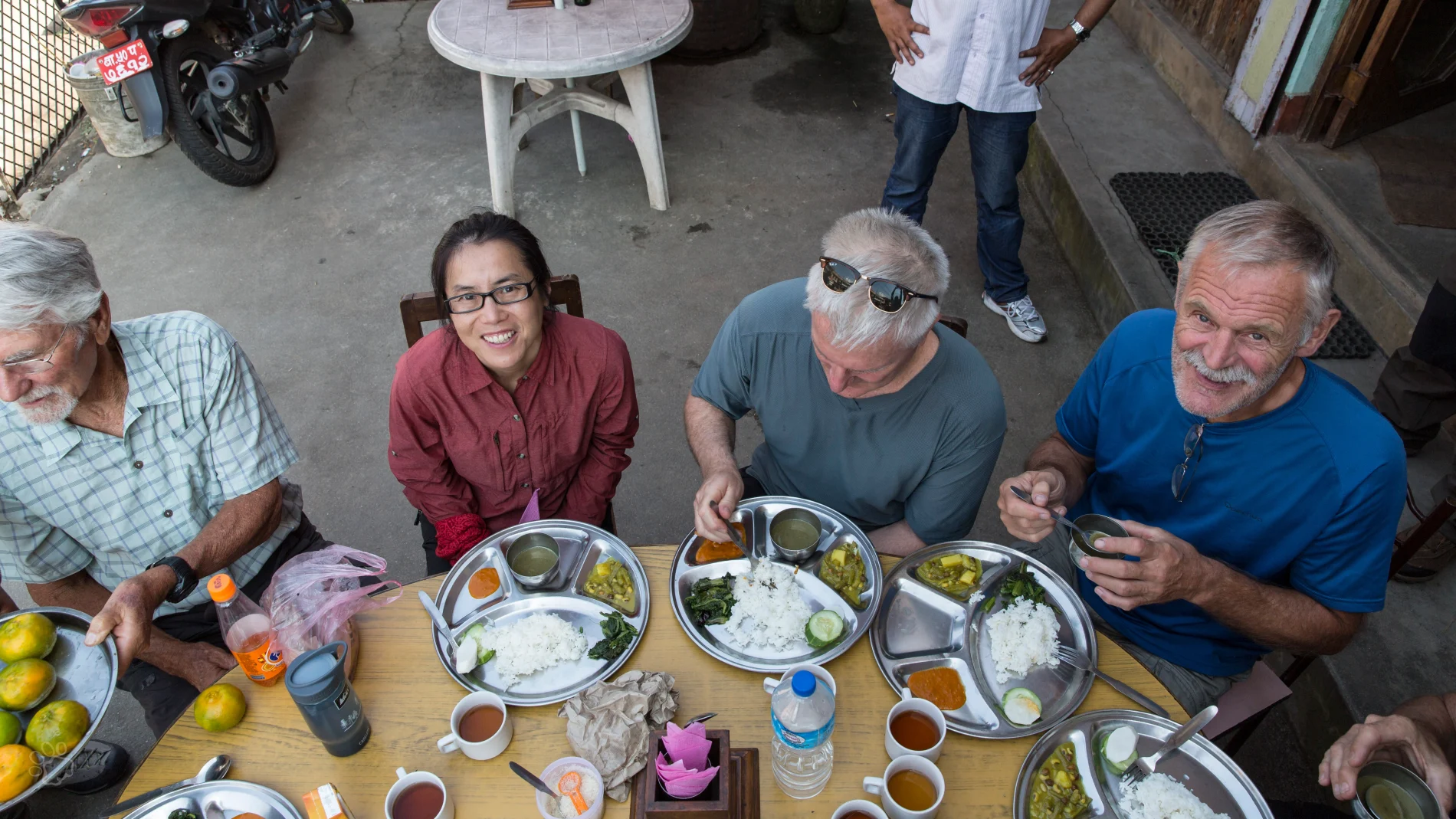
13/10/2026
Manaslu Circuit Trek After the October 2026 Floods: Trail Conditions, Safety and Travel Updates
The Manaslu Circuit Trek is one of Nepal’s most rewarding Himalayan journeys, taking trekkers through traditional...
Read more
13/10/2026
Your Nepal Trek Is Booked, but the Trail Is Closed: What Now?
Imagine arriving in Nepal with your trekking boots ready, your flights booked, your bags packed, and...
Read more