Zipline in Nepal: Experience the Ultimate Adventure
Share:
 Read Time
This blog has 2567 words .This blog has 15682 characters.This blog take 9 minutes to read.
What comes to mind when you think about adventure in Nepal? For many travelers, it is trekking through the Himalayas, standing beneath enormous peaks, or reaching a famous base camp. But what if you could experience Nepal’s mountains without spending days on a trail?
That is where a zipline in Nepal adds something completely different to your trip.
Instead of walking toward the mountains, you can fly across a Himalayan landscape, with hills, valleys and snow-covered peaks stretching around you. The experience combines speed, height and scenery in a way that makes a short activity feel much bigger than its duration.
Among Nepal’s adventure destinations, Pokhara is particularly well known for this experience. The city sits beside Phewa Lake and is surrounded by hills, while the Annapurna range creates an impressive backdrop. Above the city, Sarangkot provides the setting for one of Nepal’s most famous zipline experiences.
But the attraction is not only the ride itself. For travelers already visiting Pokhara, it can easily become one part of a much larger Nepal adventure.
Where Can You Experience Zipline in Nepal?
When travelers search for a zipline in Nepal, Pokhara is usually the first destination that comes to mind.
The city has developed into one of Nepal’s major adventure hubs, with activities ranging from paragliding and boating to hiking and mountain trekking. Sarangkot, located above Pokhara, is particularly famous for its sunrise views and panoramic Himalayan scenery.
It is also the launch point for the well-known Pokhara zipline.
According to Nepal Tourism Board, the zipline has a cable length of approximately 1.8 km, a vertical difference of around 600 m and can reach speeds of up to 140 km/h.
That combination makes the location important.
You are not simply riding a cable between two points. You are starting from a high hillside overlooking one of Nepal’s most scenic valleys and moving rapidly across the landscape.
And before you even reach the launch platform, the journey through Pokhara’s hills gives you an idea of what is coming.
What Makes a Zipline in Nepal Different?
Ziplining is not unique to Nepal. You can find the activity in many countries.
The difference is what surrounds you.
A zipline in Nepal can put you in the middle of a landscape shaped by the Himalayas. Instead of flying above an artificial attraction, you can be surrounded by green hills, deep valleys and distant mountain peaks.
In Pokhara, the Annapurna range provides much of the visual drama.
On a clear day, you may see Machhapuchhre, the distinctive Fishtail Mountain, rising above the surrounding landscape. Looking down, Pokhara Valley spreads beneath you while the city becomes smaller as you move away from the launch point.
The experience therefore has two sides.
There is the adrenaline of the ride, and there is the scenery you are moving through.
That combination is what makes this adventure particularly memorable.
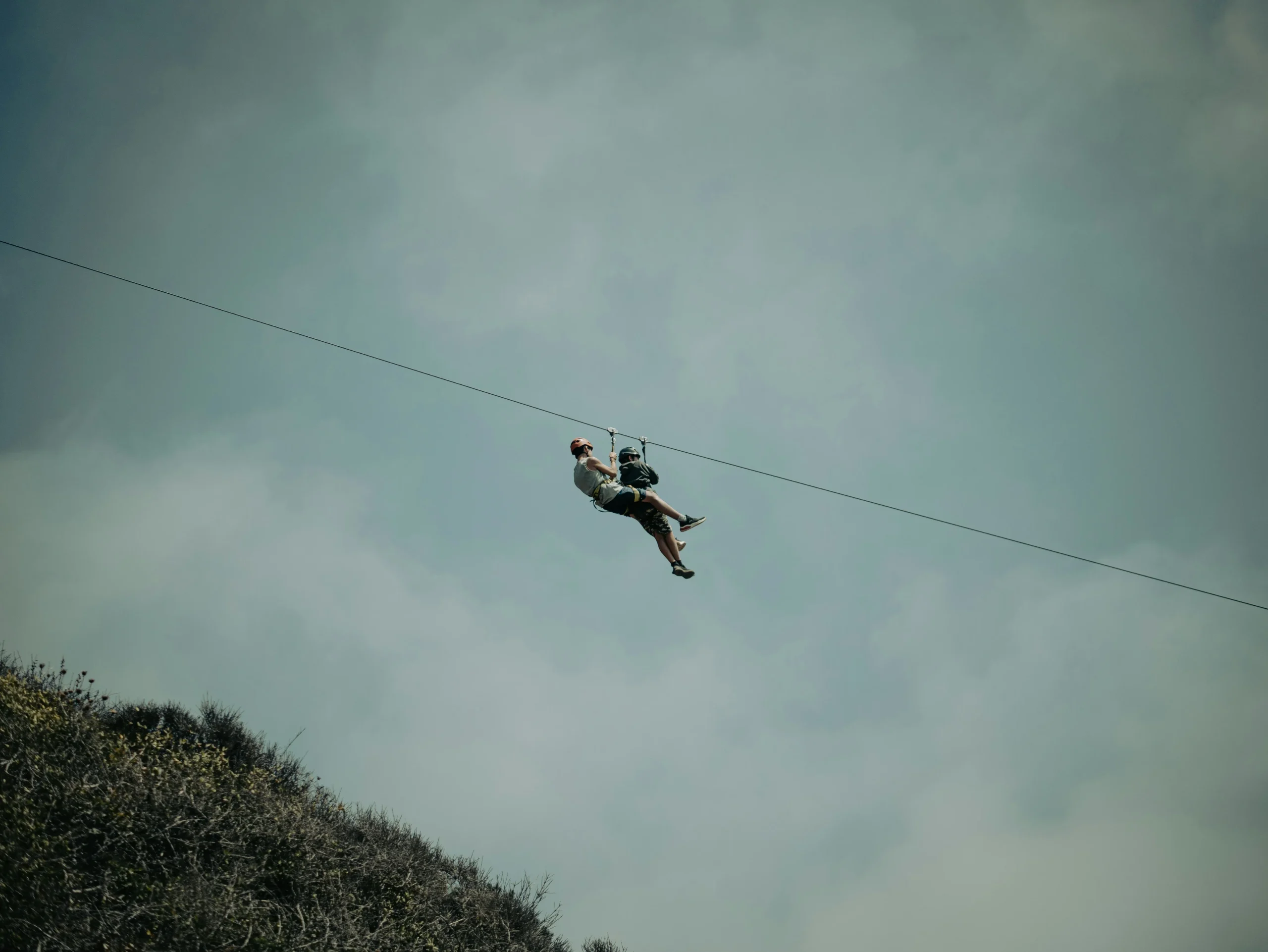
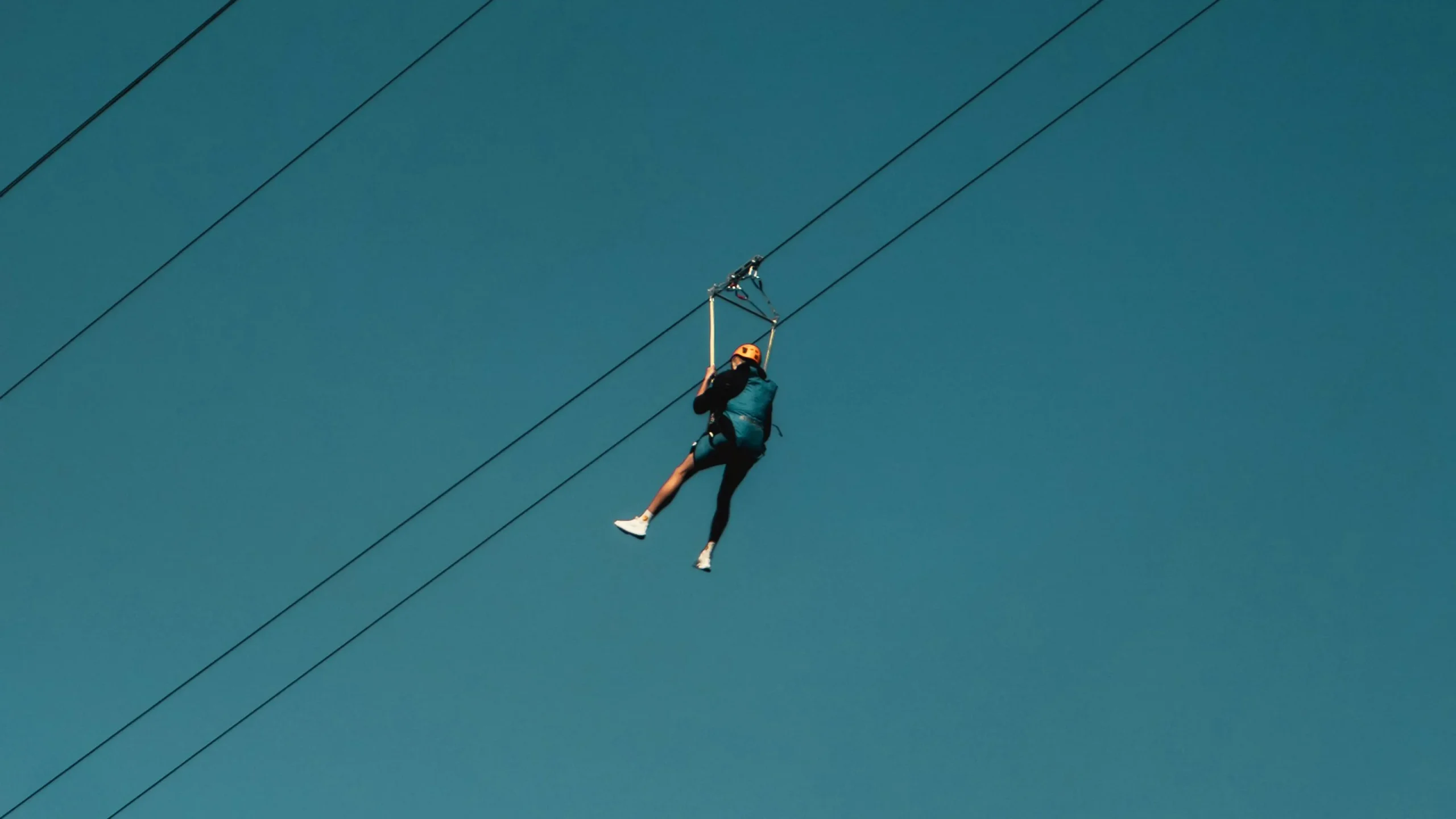
Zipline in Pokhara
Zipline in Pokhara is an unforgettable adventure activity that offers a perfect combination of thrill, speed, and breathtaking natural...
Duration:
1 days
What Is the Zipline Experience Actually Like?
The excitement does not begin when you leave the platform.
It begins when you arrive.
You can see the cable stretching away from the launch point. You know the ride is coming, but standing at the starting platform feels very different from watching someone else do it.
Before the ride, you will be fitted with the necessary equipment and given safety instructions. Once everything has been checked, you wait for the signal.
Then you launch.
The initial acceleration is usually the moment when anticipation turns into adrenaline. The ground drops away, the valley opens in front of you and the scenery begins moving rapidly below.
For a few minutes, there is not much to think about.
You are simply flying.
And this is one reason a zipline in Nepal can work so well in a travel itinerary. You do not need to spend an entire day on the activity, but the experience can still become one of the moments you remember most clearly from Pokhara.
What Can You See During the Ride?
The scenery is arguably just as important as the speed.
From Sarangkot, the views extend across Pokhara Valley toward the Annapurna range. Nepal Tourism Board highlights Sarangkot for its panoramic mountain views and its position overlooking Pokhara.
The perspective changes as you move.
From the ground, mountains appear distant and enormous. From a viewpoint, you can stand still and take them in slowly. During a zipline ride, the landscape changes every second.
Hills move past.
The valley opens below.
The mountains remain on the horizon.
You may even find yourself forgetting about the camera because there is too much happening in front of you.
That is the strange thing about adventure photography: sometimes the best experience is the one where you stop trying to capture everything.
Is Zipline in Nepal Safe?
Safety should always be considered before booking an adventure activity involving height and speed.
A zipline is not something to approach casually. Travelers should use an established operator, listen carefully to the safety briefing and follow all instructions concerning equipment and the ride.
Nepal Tourism Board describes the Pokhara zipline as using advanced technology and identifies safety as an important consideration for the attraction.
However, travelers should still check the current operating requirements before booking.
Age, weight, weather and other operational restrictions may apply, and these requirements can change. If you have any uncertainty about whether you can participate, confirm directly with the operator before arriving.
There is no reason to pretend you understood an instruction when you did not.
Ask.
It takes a few seconds and makes the experience much more comfortable.
Who Should Try a Zipline in Nepal?
One advantage of a zipline is that it does not require the same physical commitment as a multi-day Himalayan trek.
You do not need to walk for several hours to reach the activity, carry a trekking pack for days or sleep at high altitude.
That makes it attractive to travelers who want to add some adrenaline to their Nepal holiday without turning the entire trip into an expedition.
It can also be a good option for people traveling with friends or family members who have different interests. One person may want to spend several days trekking, while another may prefer shorter adventure activities.
Pokhara makes it possible to experience both.
You can spend one day enjoying a zipline in Nepal and later head into the mountains if your itinerary allows.
When Is the Best Time to Go Ziplining?
Weather can make a significant difference to outdoor activities in Nepal.
For a zipline in Nepal, clear conditions are particularly useful because the surrounding mountain scenery is part of the experience. Even if the ride operates in cloudy weather, heavy cloud cover may hide the Himalayan views that you came to see.
Autumn and spring are popular periods for outdoor travel in Nepal, while the monsoon season can bring rain and reduced visibility.
However, mountain weather does not follow a perfect calendar.
A clear morning can become cloudy later in the day, and conditions can change quickly around the hills.
For that reason, check the weather and current operating status before traveling to Sarangkot rather than relying only on a general seasonal recommendation.
How Long Does the Zipline Take?
The actual ride is short compared with most activities travelers plan during a Nepal trip.
But that does not mean you should expect to arrive, ride and immediately leave.
Your total time may include transportation, registration, equipment preparation, safety instructions and waiting.
The ride itself can pass surprisingly quickly.
You spend much longer anticipating it than actually flying.
That is why it makes more sense to place a zipline in Nepal within a wider Pokhara itinerary rather than treating it as an entire day’s activity.
You could combine it with sightseeing around the city, time at Phewa Lake or a visit to Sarangkot.
And if you have several days available, Pokhara offers another possibility that many adventure travelers are interested in: trekking.
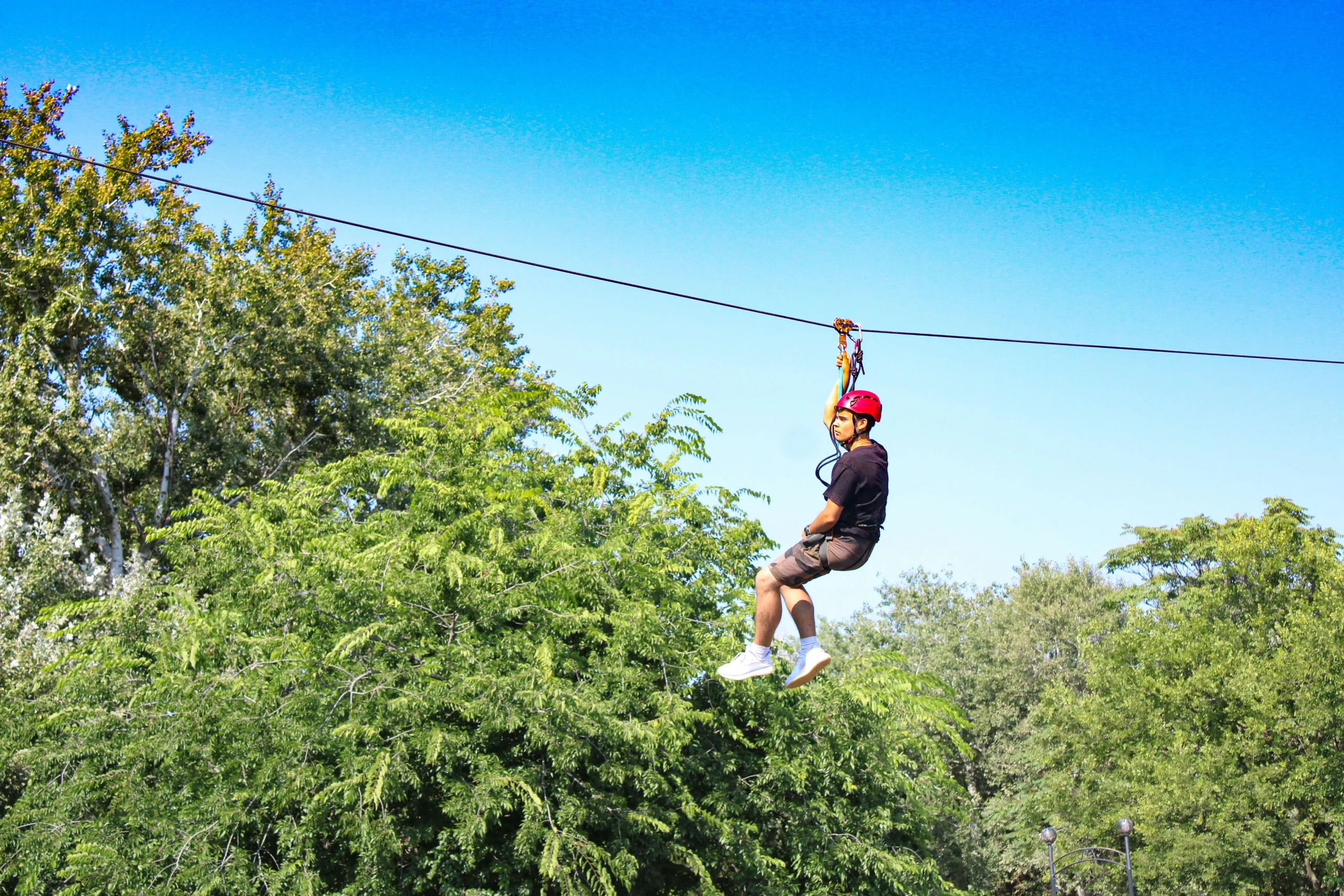
Zipline in Kathmandu
Zipline in Kathmandu is an exciting outdoor adventure experience that gives travelers the opportunity to enjoy the thrill of...
Duration:
1 days
Why Is Pokhara So Good for Combining Adventure and Trekking?
Pokhara is more than a place for short adventure activities.
It is also one of the main gateways to the Annapurna region.
This gives travelers the opportunity to combine completely different experiences without constantly changing destinations.
You might begin your stay with a zipline in Nepal, spend time exploring Pokhara and then continue toward the mountains.
For example, travelers looking for a shorter Himalayan experience can continue with the Poon Hill Trek, while those wanting a higher and more immersive route can consider the Mardi Himal Trek.
The difference between the activities is almost the entire point.
On the zipline, the landscape moves around you.
On a trek, you move through the landscape.
Can You Combine Ziplining With a Himalayan Trek?
Yes, and this is one of the easiest ways to make a Pokhara itinerary more varied.
Suppose you have several days in the city before or after trekking. Instead of spending all your time on sightseeing, you could use one part of the itinerary for a zipline in Nepal and another for a mountain journey.
A shorter route such as the Poon Hill Trek can suit travelers with limited time, while the Mardi Himal Trek provides a longer experience among the Annapurna landscapes.
For travelers planning a more substantial Himalayan journey, the Annapurna Base Camp Trek is another natural extension from Pokhara.
The point is not to turn a zipline article into a trekking guide.
It is simply worth knowing that your adventure does not have to end when the cable ends.
Pokhara can be the connection between a few minutes of adrenaline and several days in the Himalayas.
What Should You Wear for a Zipline?
You do not need a full trekking outfit for the ride.
Comfortable clothing that allows you to move freely is the practical choice. Wear suitable closed footwear and avoid loose items or accessories that could interfere with the harness or equipment.
If you are visiting Sarangkot early in the morning or during cooler weather, bring an extra layer.
The temperature can feel different from the lakeside area, particularly before sunrise.
If you are also preparing for a trek, keep your activity clothing simple. Your full trekking gear can stay packed until you actually need it.
Can You Go Ziplining Before or After Trekking?
Absolutely.
The timing depends on your itinerary.
Some travelers may prefer to enjoy the zipline when they first arrive in Pokhara, before beginning a trek. Others may prefer to return from the mountains first and finish their Pokhara stay with a short adrenaline activity.
Both approaches have advantages.
Doing it before a trek gives you an exciting introduction to the region.
Doing it afterward can provide a lighter activity after several days of walking.
If your schedule includes the Annapurna Base Camp Trek from Pokhara, for example, you can use Pokhara as the transition point between the city and the mountains rather than treating the two experiences as completely separate trips.
What Else Can You Do Around Pokhara?
A zipline in Nepal is only one of many ways to experience Pokhara.
The city is known for Phewa Lake, mountain viewpoints, caves, waterfalls, paragliding and access to trekking routes.
That variety is one of its biggest strengths.
You can spend the morning above the valley, return to the city for lunch, walk around Lakeside in the afternoon and still have time to enjoy the lake before sunset.
If you have more days, the surrounding mountains open up another side of the destination.
A traveler might combine a short Pokhara stay with Poon Hill, choose Mardi Himal for a longer mountain experience or continue toward Annapurna Base Camp.
The important thing is that you do not have to choose only one version of Pokhara.
You can experience the city from the lake, the hills, the sky and eventually the mountain trails.
Is Zipline in Nepal Worth It?
That depends on the kind of traveler you are.
If your entire Nepal trip is built around trekking, you may prefer to spend every available day on the trail.
But if you want a mixture of scenery and adventure, a zipline in Nepal can add something that trekking alone cannot.
It is fast where trekking is slow.
It is airborne where trekking keeps you on the ground.
And it gives you a completely different perspective of the landscape.
The Pokhara experience is especially interesting because you can combine the ride with other parts of your Nepal journey. You can enjoy the adrenaline in Sarangkot, explore the city, and then continue toward the Annapurna mountains if your itinerary allows.
There is also something satisfying about seeing the same landscape twice.
First, you fly across it.
Later, you walk through it.
FAQs About Zipline in Nepal
1. Where is the most popular zipline in Nepal?
Pokhara is one of Nepal’s best-known destinations for ziplining. The major experience is located around Sarangkot, overlooking Pokhara Valley and the Annapurna range.
2. How fast is the zipline in Pokhara?
Nepal Tourism Board currently lists speeds of up to 140 km/h for the Pokhara zipline. Actual conditions can affect the operating speed.
3. How long is the Pokhara zipline?
The cable is approximately 1.8 km long, with a vertical difference of around 600 m, according to Nepal Tourism Board.
4. Where does the Pokhara zipline start?
The zipline starts from the Sarangkot area above Pokhara. Sarangkot is also known for panoramic Himalayan views and sunrise scenery.
5. Can I combine ziplining with trekking in Nepal?
Yes. Pokhara is an important gateway to the Annapurna region, so travelers can combine a short adventure activity with trekking.
6. Can I do the Poon Hill Trek after ziplining?
Yes. The Poon Hill Trek is accessible from the Pokhara area and can be incorporated into a wider itinerary that includes adventure activities.
7. Can I do the Mardi Himal Trek after visiting Pokhara?
Yes. Mardi Himal is one of the trekking options accessible from the Pokhara side of the Annapurna region, making it possible to combine the trek with time in the city.
8. Can I combine a zipline with Annapurna Base Camp?
Yes. Travelers can arrange their Pokhara itinerary around an Annapurna Base Camp journey, allowing them to experience both adventure activities and a multi-day Himalayan trek.
9. Is ziplining suitable for people who do not trek?
Yes. Ziplining does not require the multi-day walking commitment of trekking, although travelers must meet the operator’s current safety and eligibility requirements.
10. What makes ziplining in Nepal special?
The landscape is the main attraction. In Pokhara, the combination of speed, elevation, Pokhara Valley and views toward the Annapurna range makes the experience very different from a conventional zipline.
More Than Just a Few Minutes in the Air
A zipline in Nepal may only take a short time, but the experience can fit into a much larger journey.
You can start your day high above Pokhara, fly across the valley and finish with the mountains in the distance. If you have more time, the same trip can lead toward Poon Hill, Mardi Himal or Annapurna Base Camp, where the experience changes from flying through the landscape to walking through it.
That is what makes Pokhara such an interesting part of a Nepal adventure.
You do not have to experience the mountains in only one way.
Sometimes you climb toward them.
Sometimes you stand and watch them.
And sometimes, for a few unforgettable minutes, you fly.

Similar Blogs
View all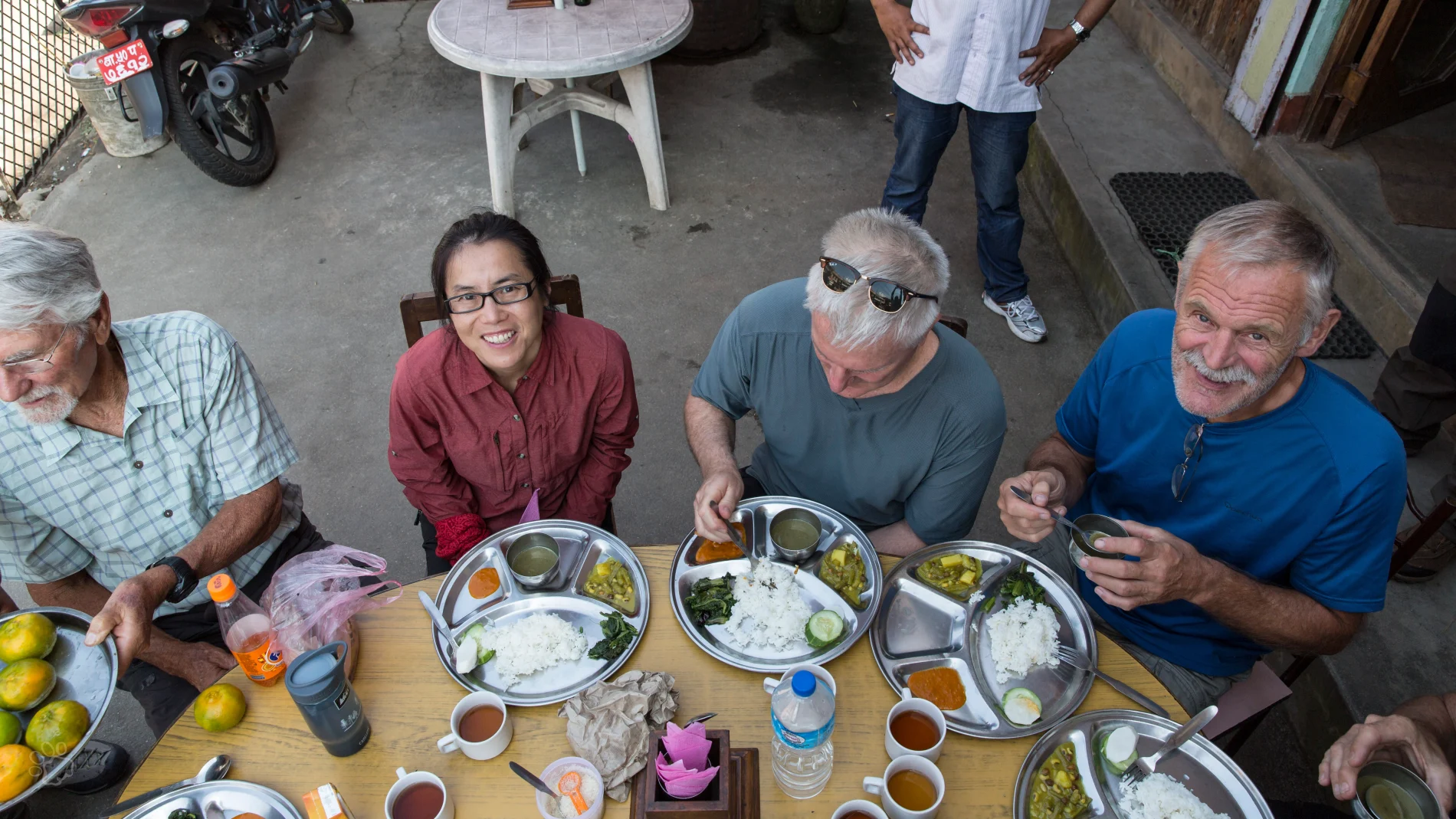
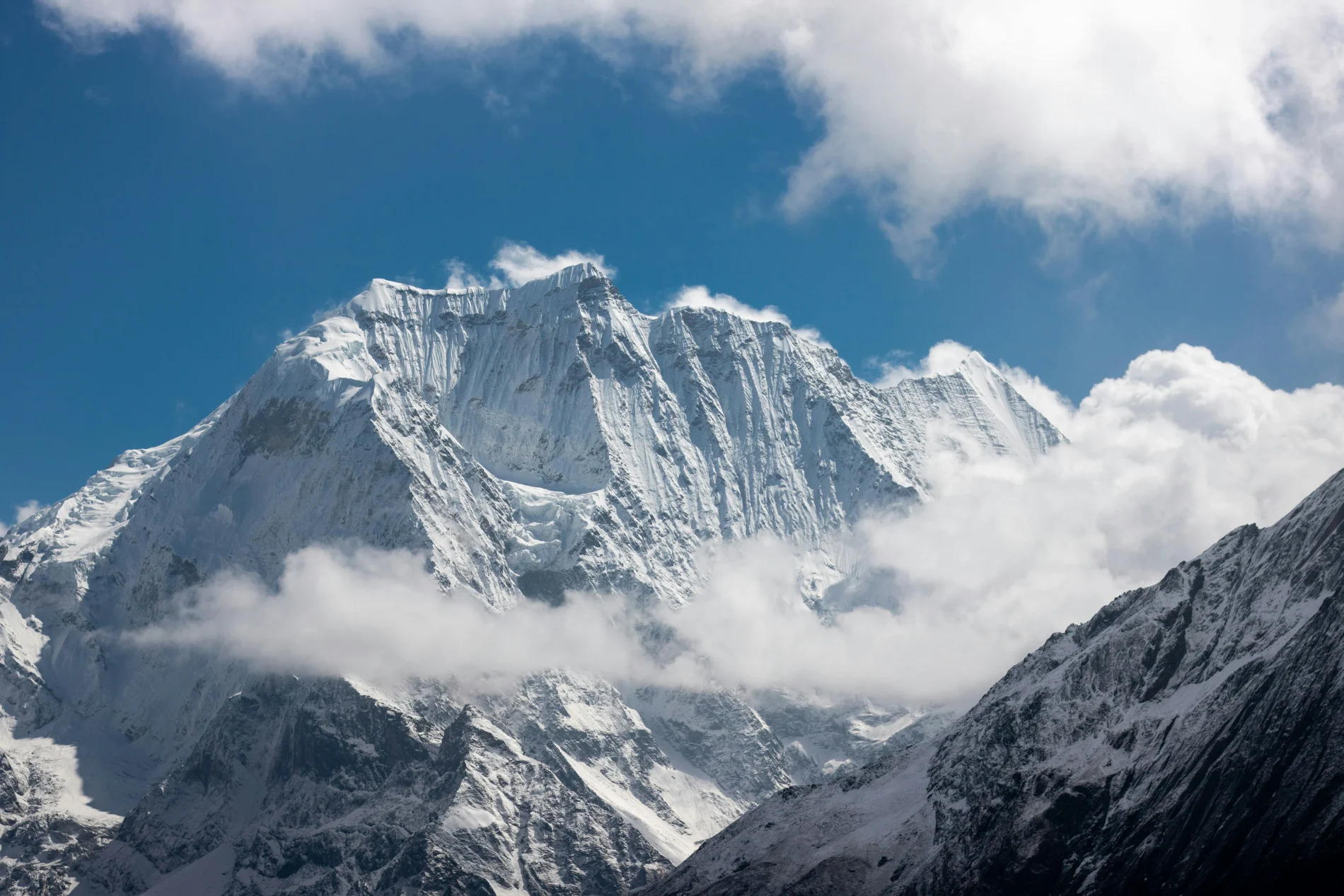
13/10/2026
Manaslu Circuit Trek After the October 2026 Floods: Trail Conditions, Safety and Travel Updates
The Manaslu Circuit Trek is one of Nepal’s most rewarding Himalayan journeys, taking trekkers through traditional...
Read more
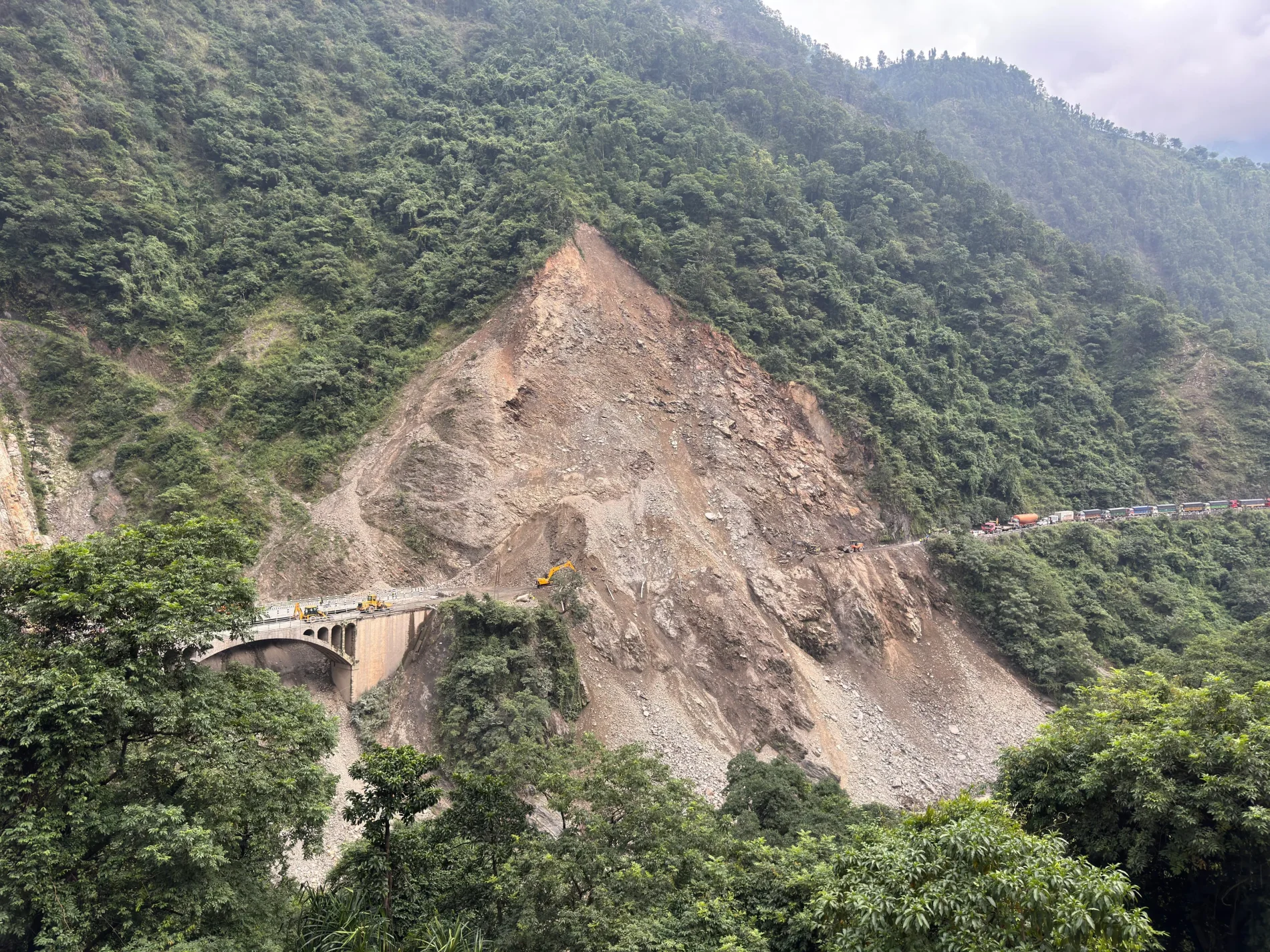
13/10/2026
Your Nepal Trek Is Booked, but the Trail Is Closed: What Now?
Imagine arriving in Nepal with your trekking boots ready, your flights booked, your bags packed, and...
Read more