Top 5 Best Places to Visit in Kathmandu Valley
Share:
 Read Time
This blog has 2484 words .This blog has 16468 characters.This blog take 8 minutes to read.
What if your first day in Nepal could take you from ancient royal courtyards to Buddhist prayer wheels, sacred Hindu temples, and medieval Newari streets all without leaving the Kathmandu Valley?
That is exactly what makes the Places to Visit in Kathmandu Valley so interesting. The valley is not simply the gateway to Nepal’s famous mountains. It is a cultural landscape where temples, stupas, old palaces, traditional neighborhoods, festivals, and everyday city life exist side by side.
The Kathmandu Valley World Heritage property is officially made up of seven monument zones, including the historic Durbar Squares of Kathmandu, Patan and Bhaktapur, along with Swayambhu, Boudhanath, Pashupati and Changu Narayan.
But if you only have limited time, you probably cannot see everything.
So which Places to Visit in Kathmandu Valley should actually make it onto your itinerary?
Here are five that offer very different experiences of the valley.
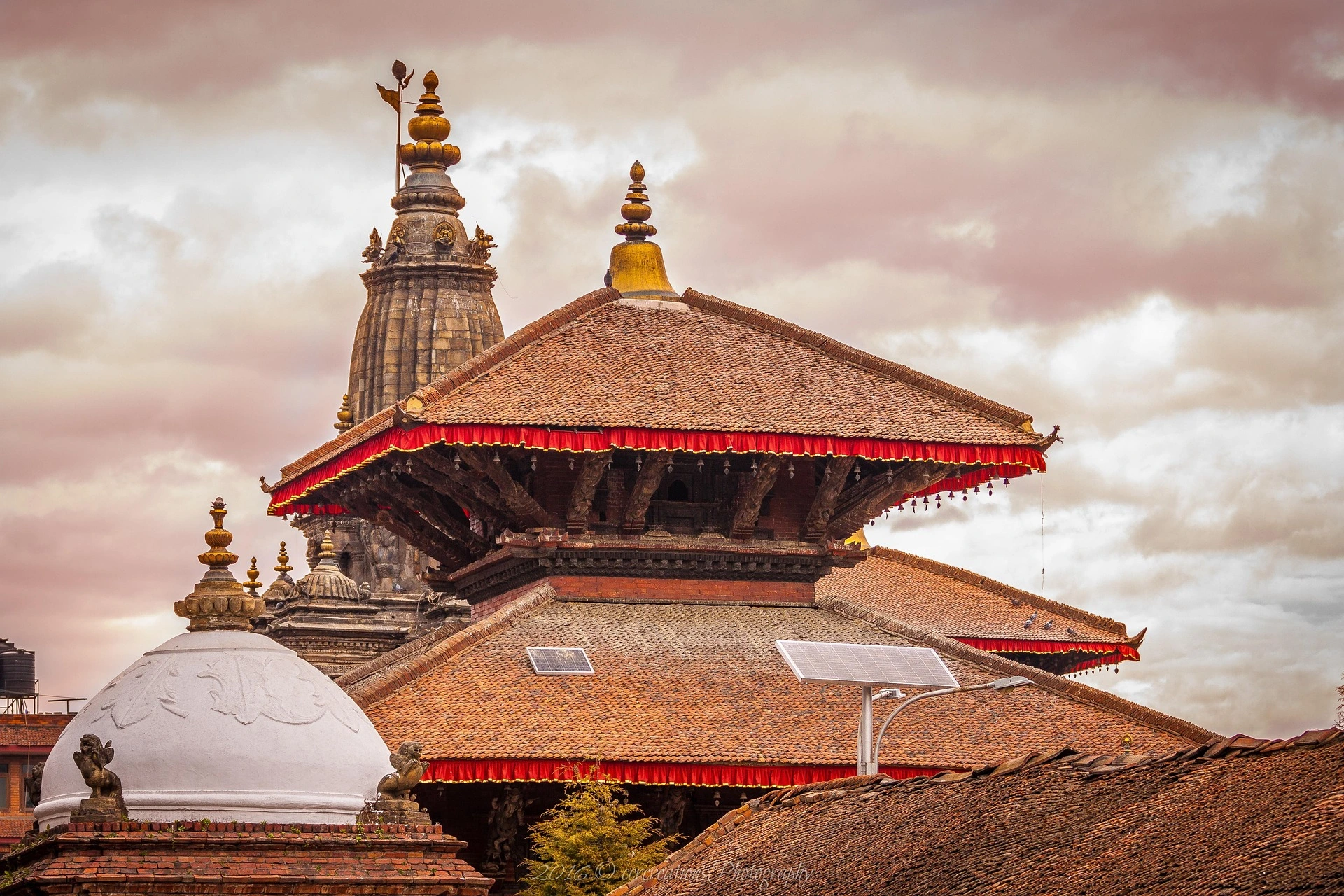
1. Kathmandu Durbar Square: Where the Old City Still Feels Alive
Among the Places to Visit in Kathmandu Valley, Kathmandu Durbar Square is one of the easiest places to begin because it puts you directly inside the historic heart of Kathmandu.
Also known as Hanuman Dhoka and Basantapur Durbar Square, the area contains palaces, courtyards, temples, carved wooden structures, and monuments representing centuries of Kathmandu’s history. Nepal Tourism Board describes it as a historic square in the center of the old city, known for its intricate wood carvings and concentration of historic structures.
But don’t make the mistake of treating Kathmandu Durbar Square as something you simply walk through, photograph, and leave.
Look closely.

Kathmandu UNESCO Heritage Site Day Tour
Discover the rich cultural heritage of Nepal with our Kathmandu UNESCO Heritage Site Day Tour, a perfect one-day sightseeing...
Duration:
1 days
Max altitude:
1,400 m / 4,593 ft
The carved windows are often more interesting than the large buildings. Small shrines appear between larger temples. Courtyards open unexpectedly from narrow streets. Local people pass through spaces that tourists may assume are purely historical.
This is one of the reasons the square feels different from a conventional museum. History here is not completely separated from daily life.
Give yourself at least a couple of hours rather than rushing through it. Walk slowly, look upward at the timber details, and allow time to explore the surrounding old streets.
Best for: History, architecture, photography, traditional Kathmandu and first-time visitors.
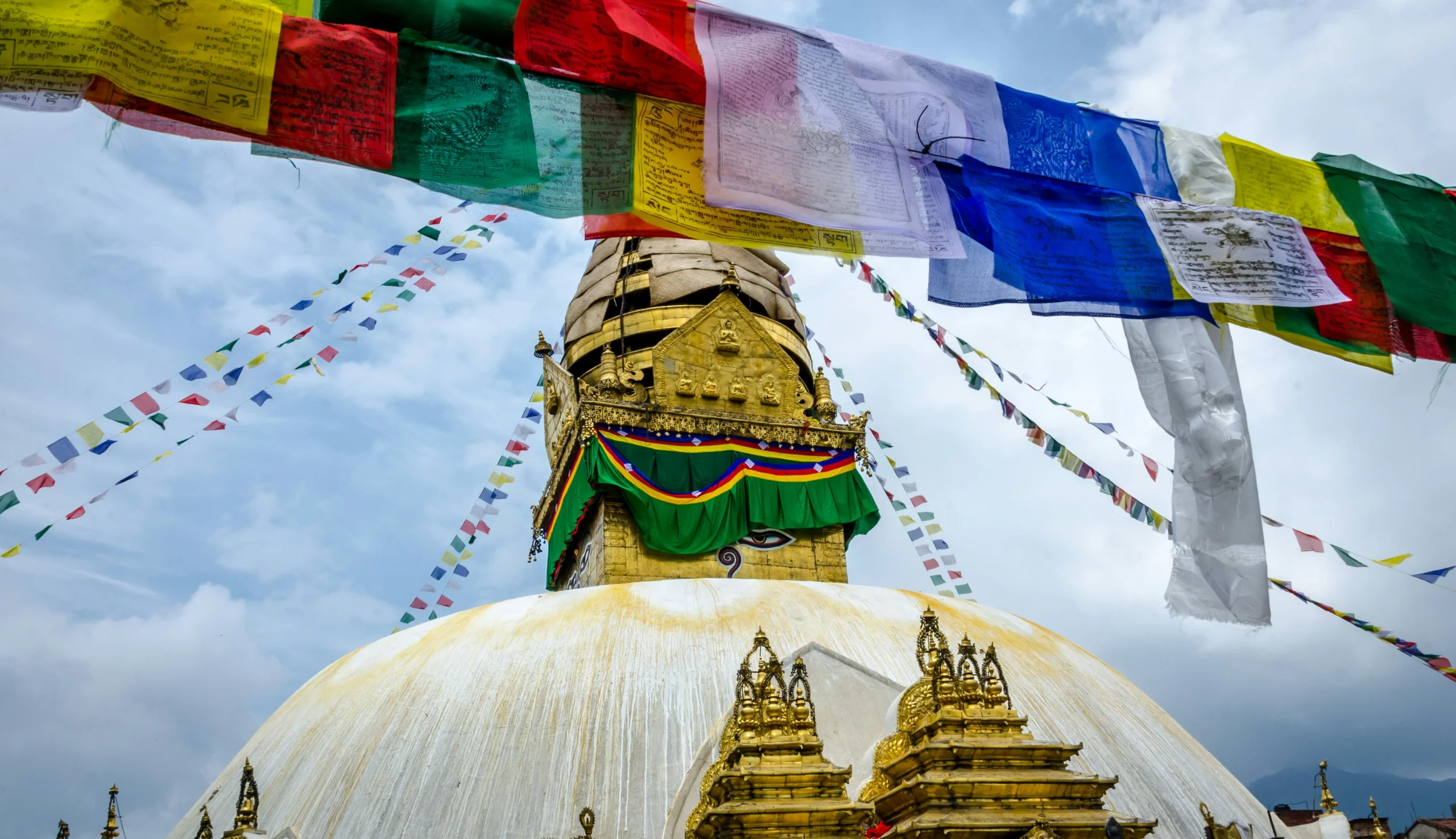
2. Swayambhunath: A Hilltop View With a Deeper Story
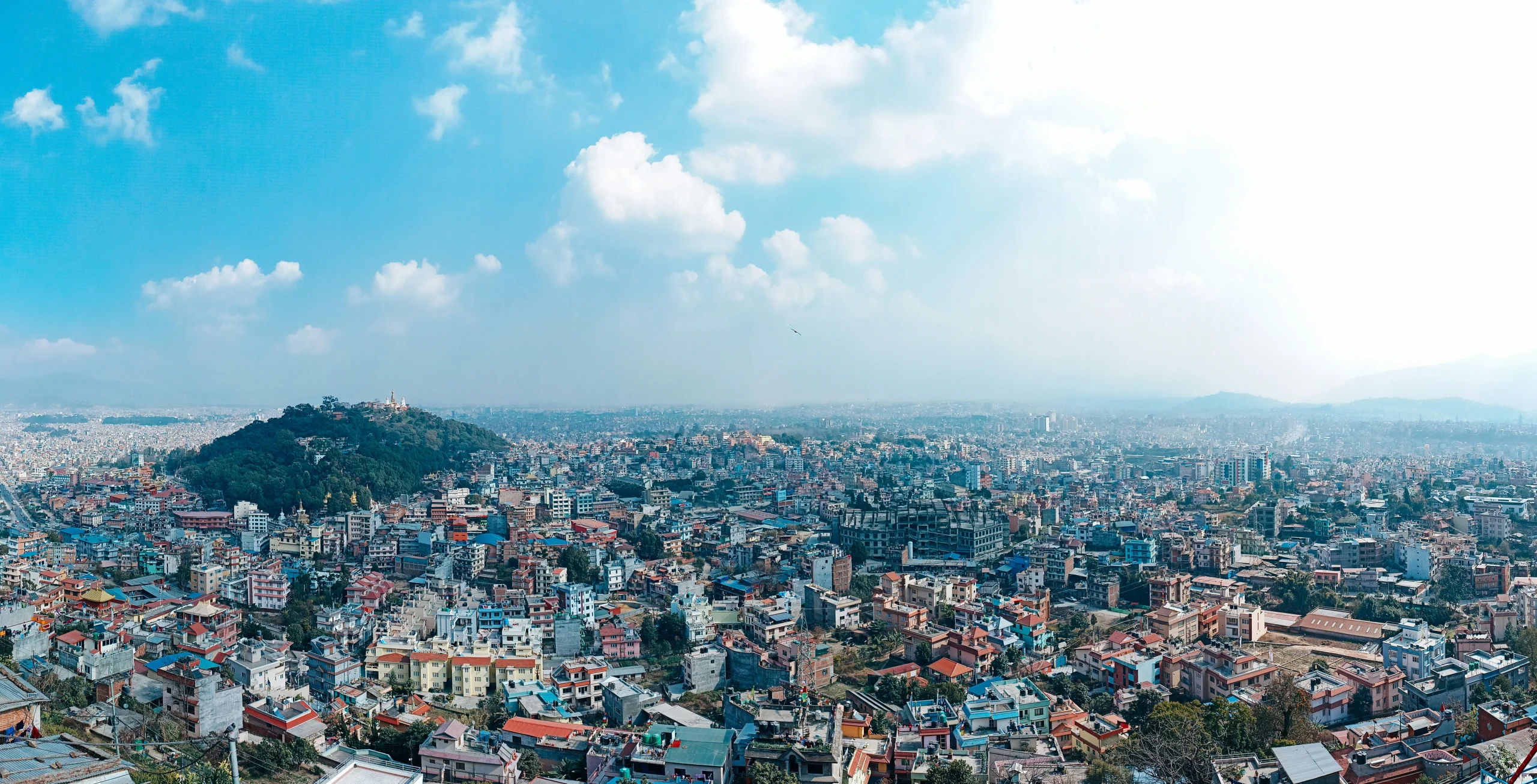
If you want Places to Visit in Kathmandu Valley that combine culture with a panoramic view, Swayambhunath deserves a place near the top of your list.
The famous hilltop stupa is often casually called the Monkey Temple because of the monkeys found around the site. But reducing Swayambhunath to its nickname misses much of what makes the place important.
UNESCO identifies Swayambhu as one of the seven monument zones of the Kathmandu Valley World Heritage property and notes that its religious ensemble includes the valley’s oldest Buddhist monument, a stupa.
The approach itself becomes part of the experience. Prayer flags move in the wind, bells and prayer wheels surround the pathways, and the hill opens toward views across the densely built Kathmandu landscape.
Then there is the stupa itself.
The familiar white dome and golden spire dominate the hilltop, while the famous Buddha eyes look across the valley. It is a place where visitors often become quieter without being told to do so.
The climb can also be part of the experience. If you arrive tired after a long flight, take your time rather than treating the stairs like a fitness challenge.
And stay around sunset if your schedule allows. Watching Kathmandu gradually change as the afternoon light fades can make the visit feel very different from a quick daytime stop.
Best for: Buddhist culture, views, photography, spiritual atmosphere and sunset.
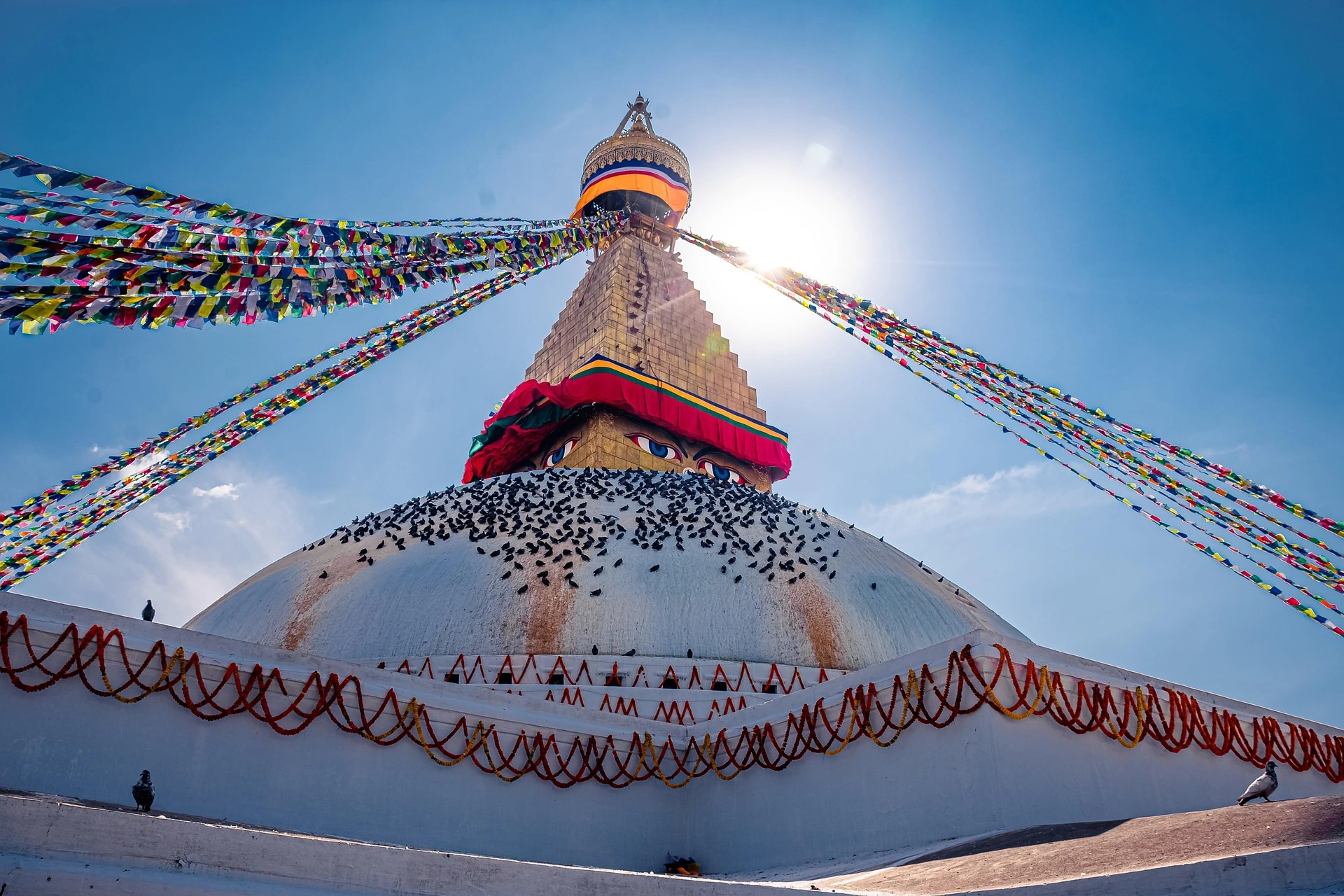
3. Boudhanath: Follow the Rhythm of the Stupa
Some Places to Visit in Kathmandu Valley are memorable because of a particular monument. Boudhanath is memorable because of the atmosphere surrounding it.
The enormous white stupa rises above the surrounding streets, with monasteries, shops, cafés and traditional Buddhist activity forming a living neighborhood around it.
UNESCO recognizes Bauddhanath as one of the seven monument zones of the Kathmandu Valley and describes it as containing the largest stupa in Nepal.
The best way to experience Boudhanath is not to arrive, take one photograph, and immediately leave.
Walk around the stupa.
Watch people turning prayer wheels. Notice the pilgrims moving clockwise around the monument. Look at the details of the painted eyes and the layers rising toward the top. Listen to the bells and the sounds coming from nearby monasteries.
Then step into one of the surrounding streets.
This is where Boudhanath becomes more than a landmark. You can find Buddhist monasteries, traditional shops, restaurants and places where visitors can simply sit and watch the rhythm of the neighborhood.
Morning and late afternoon can both be rewarding, but the character changes throughout the day.
If you are interested in photography, give yourself time to move beyond the obvious central viewpoint. Some of the most interesting photographs come from observing people, architecture and details rather than photographing the stupa from the same angle as everyone else.
Best for: Buddhist culture, photography, monasteries, architecture and relaxed exploration.
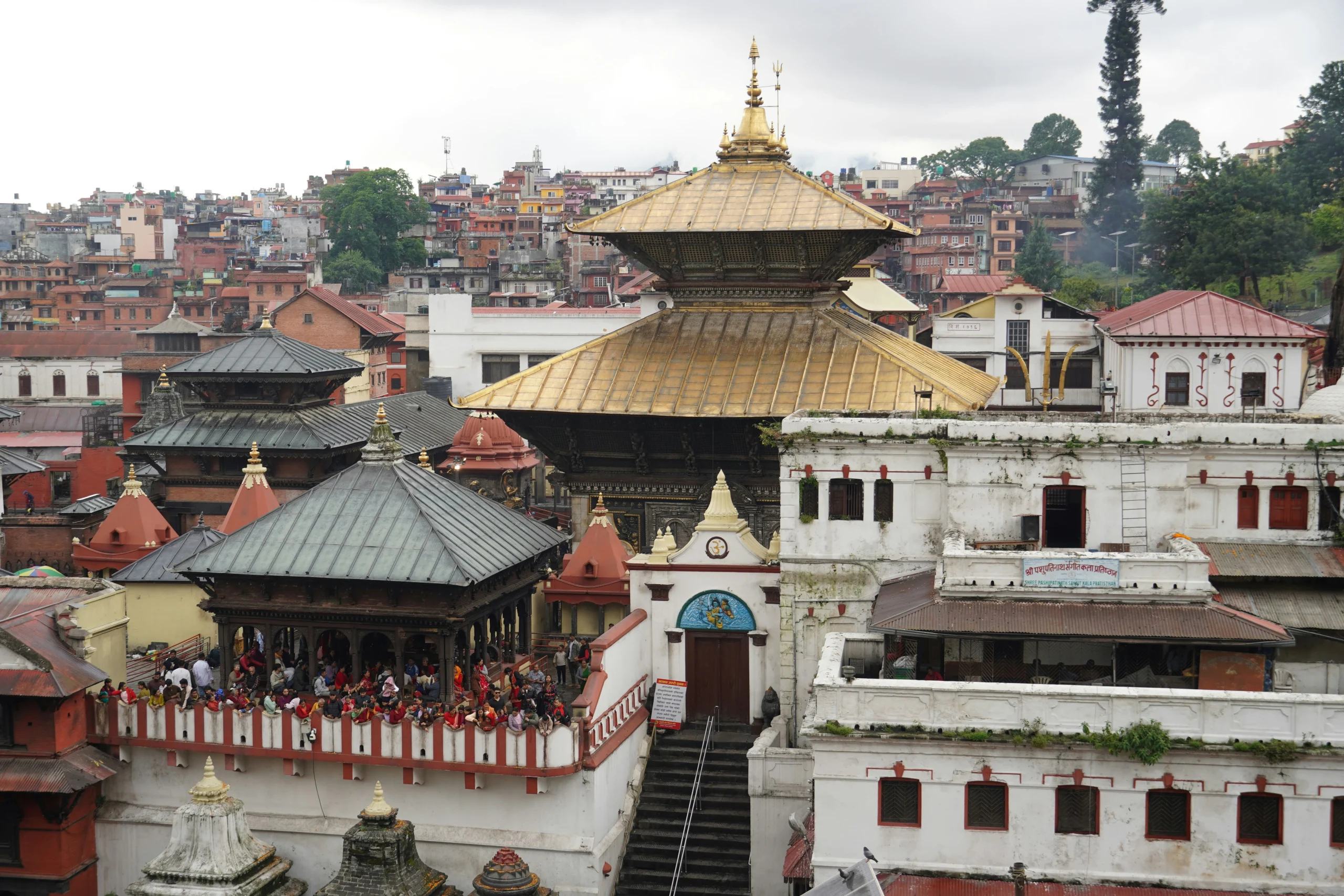
4. Pashupatinath: Experience One of Nepal’s Most Sacred Places
For travelers interested in religion and living traditions, Pashupatinath is among the most significant Places to Visit in Kathmandu Valley.
Located beside the Bagmati River, Pashupatinath is one of the most revered Hindu temple complexes in Nepal. The main temple is reserved for Hindu visitors, while non-Hindu visitors can observe the temple area from designated viewpoints across the river.
This is not a place to approach like an ordinary tourist attraction.
People come here to pray, perform rituals, visit shrines and take part in important religious ceremonies. The Bagmati River also gives the area a particular cultural and spiritual significance.
That means visitors should be especially conscious of local customs.
Dress respectfully, follow photography restrictions and avoid treating religious ceremonies as entertainment. At Pashupatinath, observation should come before photography.
The surrounding complex is extensive, so don’t assume the main temple is the entire experience. Smaller shrines, statues, courtyards and riverside spaces create a much larger cultural landscape.
If you visit around a major religious festival, expect a completely different atmosphere from an ordinary day. Shivaratri and Teej can bring very large numbers of devotees to the temple area.
Best for: Hindu culture, architecture, religious traditions and understanding Nepal’s spiritual heritage.
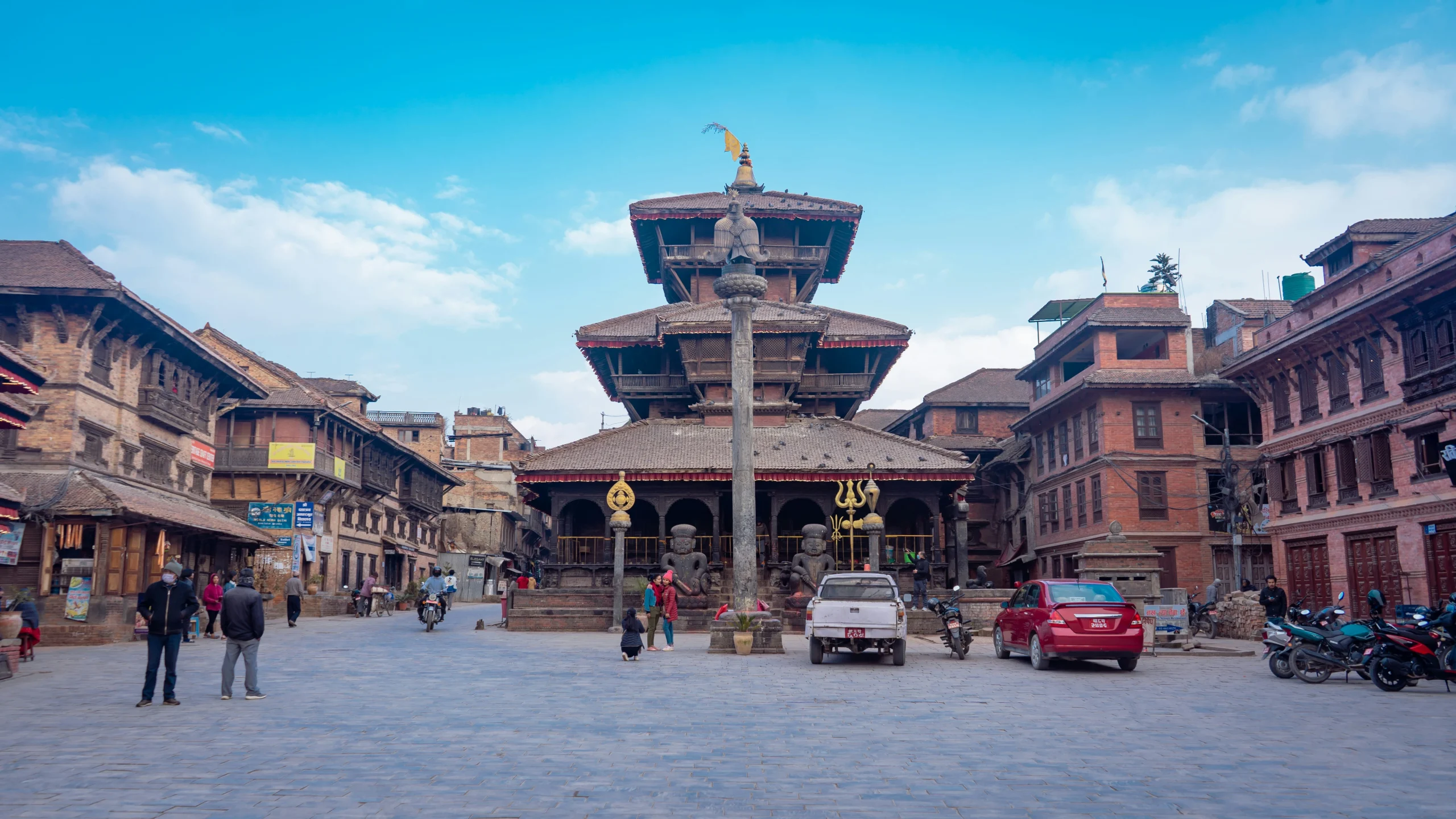
5. Bhaktapur Durbar Square: Step Into the Medieval Valley
If your idea of the Places to Visit in Kathmandu Valley involves old brick streets, traditional architecture and a stronger sense of medieval city life, make time for Bhaktapur.
Bhaktapur lies east of Kathmandu and is known for its traditional brick-paved streets, red-brick buildings, pottery and woodcarving. Nepal Tourism Board describes Bhaktapur Durbar Square as one of the valley’s major heritage attractions, with landmarks including the Palace of 55 Carved Windows, Golden Gate and Nyatapola Temple.
The first thing you may notice is that Bhaktapur feels different from central Kathmandu.
The pace can feel slower. The streets are more closely connected with traditional architecture, and details appear everywhere: carved windows, brick façades, courtyards, temples and pottery displayed around the old city.
Nyatapola Temple is particularly difficult to miss. Its five-tiered structure rises above the square, while the monumental figures along the steps create a dramatic approach.
But don’t spend your entire visit inside the main square.
Walk through the surrounding lanes. Look for pottery being made, traditional homes and quieter courtyards. This is where the historic city begins to feel less like a collection of monuments and more like a place where heritage remains part of everyday life.
If you have more time, Bhaktapur can easily occupy half a day rather than being squeezed between several other attractions.
Best for: Newari architecture, history, pottery, photography and traditional streets.
How Should You Plan These Places?
Knowing the Places to Visit in Kathmandu Valley is one thing. Trying to see all of them in one rushed day is another.
A common mistake is creating an itinerary that looks impressive on paper but leaves you spending most of the day sitting in traffic.
Instead, group locations sensibly.
For example, Kathmandu Durbar Square and Swayambhunath can be combined depending on your route and available time. Boudhanath and Pashupatinath can also work well together because both are important religious sites in the Kathmandu area.
Bhaktapur deserves more breathing room because the old city is worth exploring beyond the main square.
The bigger lesson is simple: don’t measure your sightseeing day by the number of monuments you can photograph.
Measure it by what you actually experience.
What Makes Kathmandu Valley Different?
The most interesting thing about the Places to Visit in Kathmandu Valley is that they do not all tell the same story.
Kathmandu Durbar Square introduces you to royal history and traditional architecture.
Swayambhunath introduces a hilltop Buddhist environment and panoramic views.
Boudhanath shows the continuing rhythm of Tibetan Buddhist culture.
Pashupatinath reveals the depth of Hindu religious traditions.
Bhaktapur brings you closer to Newari architecture and the historic urban character of the valley.
Together, these places give you a much broader understanding of Nepal before you even begin a Himalayan trek.
And that matters.
You may come to Nepal dreaming about Everest, Annapurna or Langtang, but the mountains are only one part of the country. The valley explains something about the culture, history and communities that you will encounter elsewhere.
A Better Way to Explore Kathmandu Before the Mountains
The Places to Visit in Kathmandu Valley can also be a useful introduction to Nepal before a trekking itinerary begins.
After arriving internationally, many travelers need time to adjust to the city, recover from the journey and organize their trekking preparations. A cultural sightseeing day can make that transition more meaningful than simply spending the entire day around your hotel.
If you want a structured introduction to the valley, Kathmandu UNESCO Heritage Site Day Tour is designed around several of the area’s major UNESCO cultural attractions. It is listed as a one-day sightseeing experience with transportation and an easy activity grade.
For travelers who prefer something more active, a One Day Kathmandu Biking Trip combines historic landmarks with countryside and valley trails.
The right choice depends on whether you want a slower cultural day or a more active introduction to Kathmandu.
When Should You Visit Kathmandu Valley?
The Places to Visit in Kathmandu Valley can be explored throughout the year, but the experience can change with weather, festivals and crowds.
Clearer days can be particularly useful if panoramic views from Swayambhunath are important to you. Festival periods can bring extraordinary cultural energy but may also mean larger crowds around major religious sites.
Rather than choosing a date only because someone calls it the “best season,” consider what you actually want from the visit.
Do you want comfortable sightseeing?
Do you want to photograph clear skies?
Do you want to experience a major festival?
Or do you simply want enough time to walk through the old streets without rushing?
Your answer should shape the itinerary.
What Should You Remember While Visiting?
The Places to Visit in Kathmandu Valley are not theme parks. They are active religious, cultural and historical environments.
A few simple habits make a major difference:
* Dress respectfully when visiting religious sites.
* Follow signs and local instructions regarding photography.
* Remove shoes where required.
* Do not touch religious objects or statues unless permitted.
* Ask before photographing people, particularly during ceremonies.
* Give worshippers enough space.
* Keep an eye on your belongings in busy areas.
* Leave enough time between major locations instead of building an unrealistic schedule.
Most importantly, slow down.
You do not need to photograph every temple.
Sometimes the better memory is sitting quietly near a courtyard, watching a prayer wheel turn, hearing a temple bell or seeing everyday life continue around a centuries-old monument.
FAQs About Places to Visit in Kathmandu Valley
1. How many days are enough to explore Kathmandu Valley?
Two to three days gives you considerably more flexibility, although several major attractions can be visited in one well-planned day. More time allows you to explore without rushing between locations.
2. What are the most important Places to Visit in Kathmandu Valley?
Five strong choices are Kathmandu Durbar Square, Swayambhunath, Boudhanath, Pashupatinath and Bhaktapur Durbar Square. They provide different experiences of the valley’s history, religion and architecture.
3. Is Kathmandu Durbar Square worth visiting?
Yes. It offers historic palaces, temples, courtyards and detailed traditional architecture in the center of the old city.
4. Can non-Hindus visit Pashupatinath?
Non-Hindu visitors cannot enter the main temple, but they can observe the temple area from designated viewpoints across the Bagmati River.
5. Is Bhaktapur worth a full day?
If you enjoy architecture, traditional streets, photography and cultural exploration, spending several hours in Bhaktapur allows you to see more than simply the main square.
6. Which place is best for Buddhist culture?
Swayambhunath and Boudhanath are two particularly important choices. Both are among the seven monument zones of the Kathmandu Valley World Heritage property.
7. Can I visit these places before an Everest Base Camp trek?
Yes. Many travelers use their Kathmandu stay to explore cultural attractions before beginning their Himalayan itinerary.
8. Are these places suitable for first-time visitors to Nepal?
Yes. Together, these sites provide a useful introduction to Nepal’s architecture, religion, history and everyday cultural environment.
9. Can I explore Kathmandu Valley without a guide?
You can visit independently, but a knowledgeable local guide can provide historical and cultural context that is difficult to understand from the monuments alone.
10. Are all seven Kathmandu Valley World Heritage monument zones included in this list?
No. The UNESCO property contains seven monument zones, while this article focuses on five major attractions for travelers with limited time. The other two are Patan Durbar Square and Changu Narayan.
Before You Leave Kathmandu
The best Places to Visit in Kathmandu Valley are not simply the ones with the biggest monuments or the most photographs online.
They are the places that help you understand where you are.
Walk through an old royal square. Turn a Buddhist prayer wheel. Watch the city from a hilltop. Observe a sacred riverside tradition. Get lost for a while among the brick lanes of Bhaktapur.
Then, when you finally leave the valley for the mountains, Nepal may feel a little less like a destination you are visiting and more like a place you have started to understand.
And that is probably the best reason to explore it before heading higher.

Similar Blogs
View all
13/10/2026
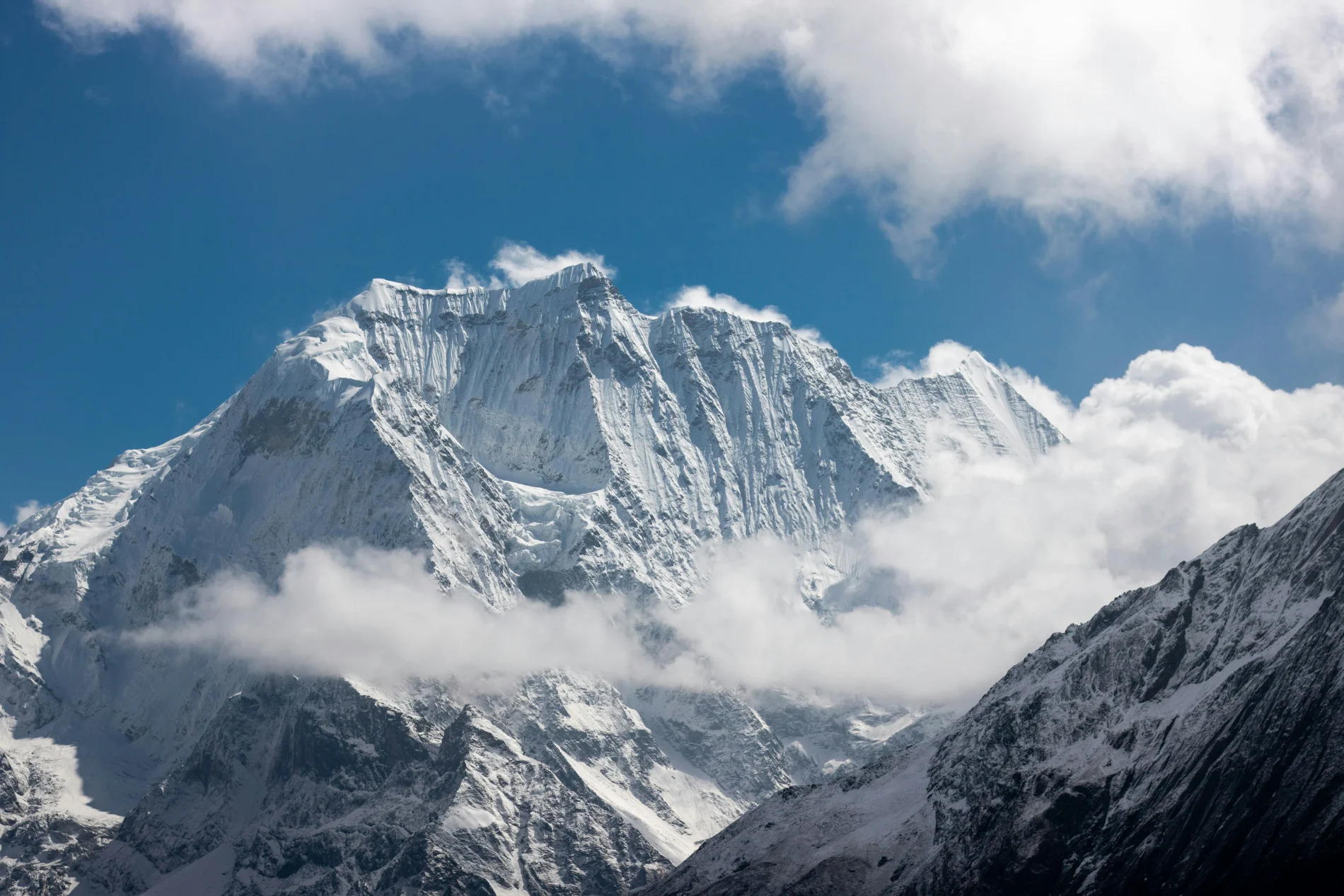
Manaslu Circuit Trek After the October 2026 Floods: Trail Conditions, Safety and Travel Updates
The Manaslu Circuit Trek is one of Nepal’s most rewarding Himalayan journeys, taking trekkers through traditional...
Read more
13/10/2026
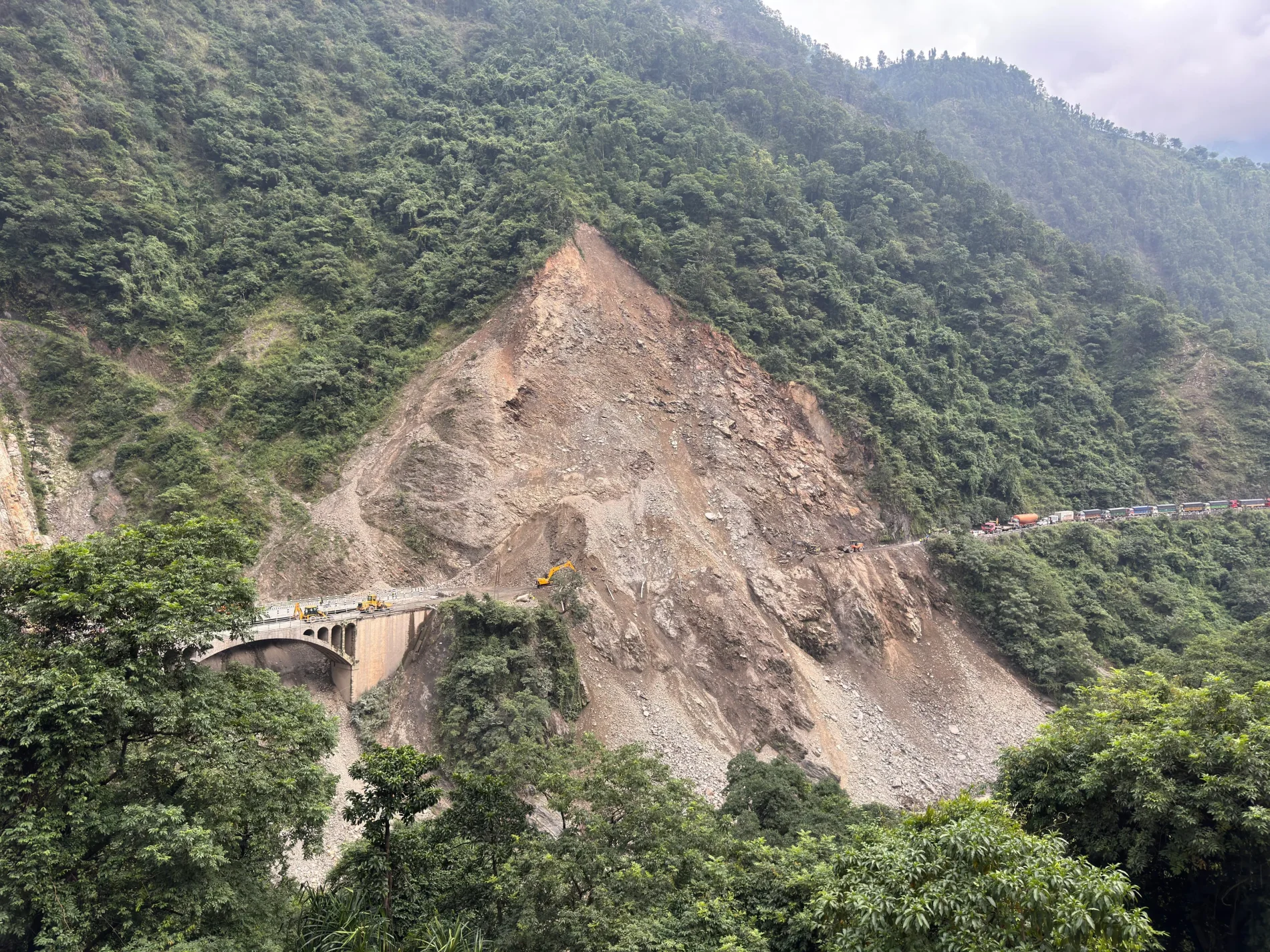
Your Nepal Trek Is Booked, but the Trail Is Closed: What Now?
Imagine arriving in Nepal with your trekking boots ready, your flights booked, your bags packed, and...
Read more