Pikey Peak: A Complete Guide to Nepal’s Quiet Everest Viewpoint
Share:
 Read Time
This blog has 2767 words .This blog has 18524 characters.This blog take 9 minutes to read.
If you want to see Mount Everest without following the crowded trail to Everest Base Camp, Pikey Peak offers a very different Himalayan experience. Located in the lower Solukhumbu region of Nepal, Pikey Peak rises to 4,065 metres and is known for its wide Himalayan panorama, peaceful trails, traditional villages and spectacular sunrise views.
The mountain is not the highest trekking destination in Nepal, but that is part of its appeal. You can experience high-altitude landscapes and impressive views of Everest and other major Himalayan peaks without reaching the extreme elevations found on longer Everest-region treks.
What makes Pikey Peak especially interesting is the combination of mountain scenery and local culture. The trail passes through forests, pastureland, Sherpa settlements, Buddhist monuments and quiet mountain landscapes where the journey can feel much more personal than the better-known Everest routes.
Where Is Pikey Peak?
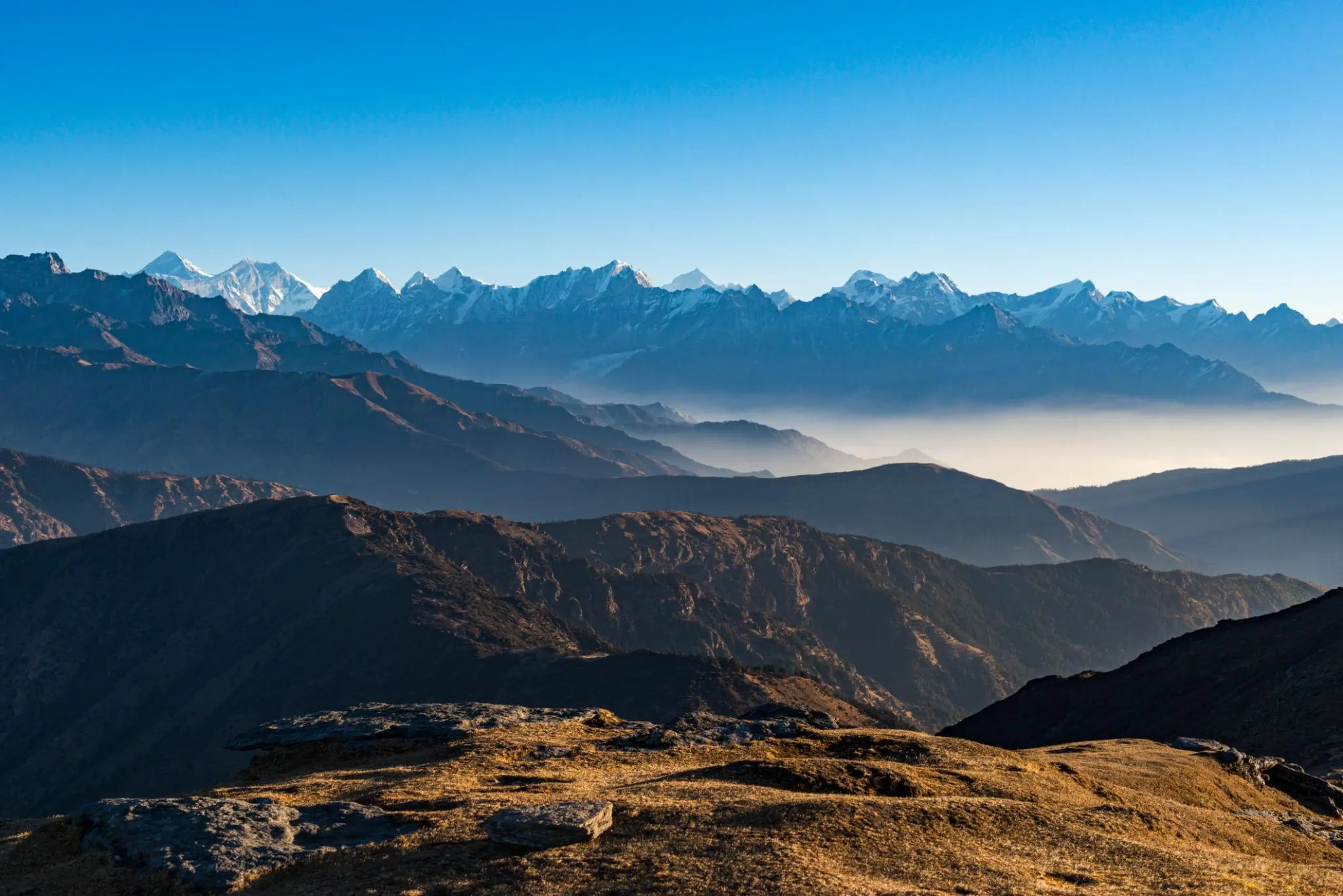
Pikey Peak is located in Solukhumbu district in eastern Nepal, south of the main Everest Base Camp trekking corridor. It belongs to the lower Solu region, an area known for its Sherpa communities, mountain villages, monasteries and forested hills.
Unlike the classic Everest Base Camp route, which takes trekkers deeper into the Khumbu Valley, the Pikey Peak area provides a different perspective of the Everest region. The landscape gradually changes from green hills and forests to high alpine ridges as you gain elevation.
The location also makes the trek accessible by road from Kathmandu. Many current routes use Dhap as a trailhead, meaning trekkers can begin their journey without depending on a flight to Lukla.
This road access is one of the practical reasons the Pikey Peak trek has attracted more attention in recent years. It provides an alternative for travellers who want a Himalayan trekking experience but would rather avoid making their plans around Lukla flights.
How High Is Pikey Peak?
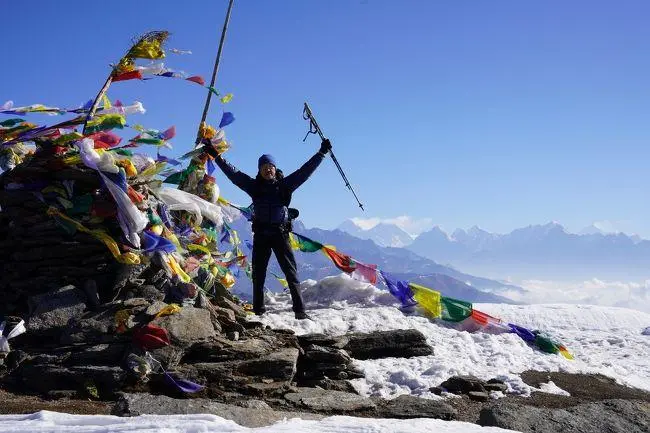
Pikey Peak stands at approximately 4,065 metres (13,337 feet) above sea level. At this elevation, the mountain is high enough to provide a genuine Himalayan environment while remaining considerably lower than destinations such as Everest Base Camp and Kala Patthar.
The altitude should still be taken seriously. Reaching 4,065 metres involves thinner air, colder temperatures and greater physical demands than low-altitude hiking. The fact that Pikey Peak is lower than some famous Everest destinations does not mean altitude preparation can simply be ignored.
One useful feature of the route is that the summit is normally reached as a climb from higher trail accommodation and then followed by a descent. Trekkers therefore do not need to spend a night at the summit elevation itself. The Nepal Tourism Board also highlights Pike Danda as one of the notable trekking routes in the Solu region, with the summit reaching around 4,065 metres and offering views of Everest and other Himalayan peaks.
Why Is Pikey Peak Famous?
The main attraction is the Himalayan panorama.
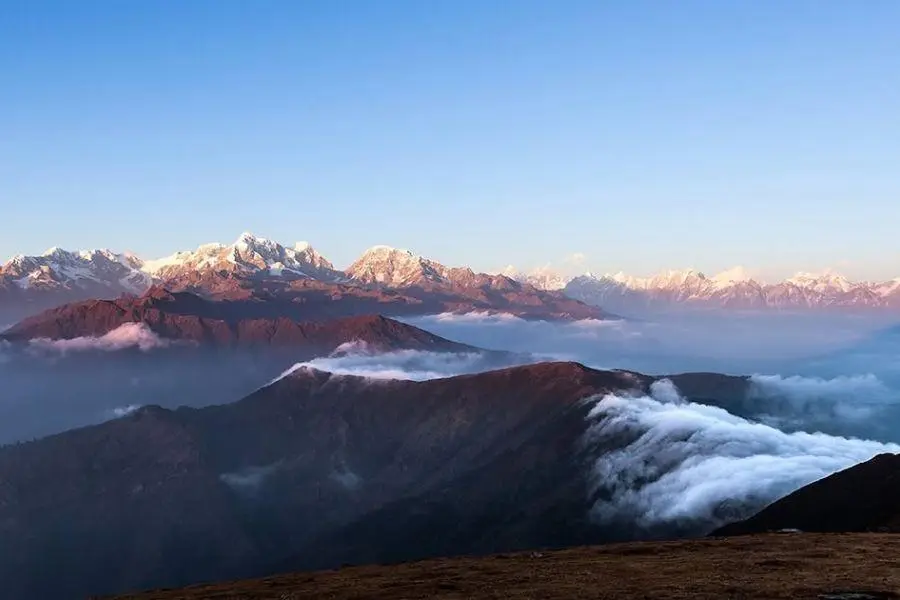
From the summit area, clear weather can reveal an impressive collection of Himalayan peaks, including Mount Everest, Lhotse, Makalu, Numbur and other mountains of the eastern Nepal Himalayas. The broad viewpoint is particularly attractive at sunrise, when the changing light gradually reveals the mountain range.
Pikey Peak is also known for being quieter than the major Everest Base Camp corridor. While the trail has become more popular, it still offers a more peaceful trekking environment than Nepal’s busiest Himalayan routes.
That combination makes the mountain appealing to travellers who care as much about the experience of walking through the landscape as they do about reaching a famous destination.
The Sunrise Experience
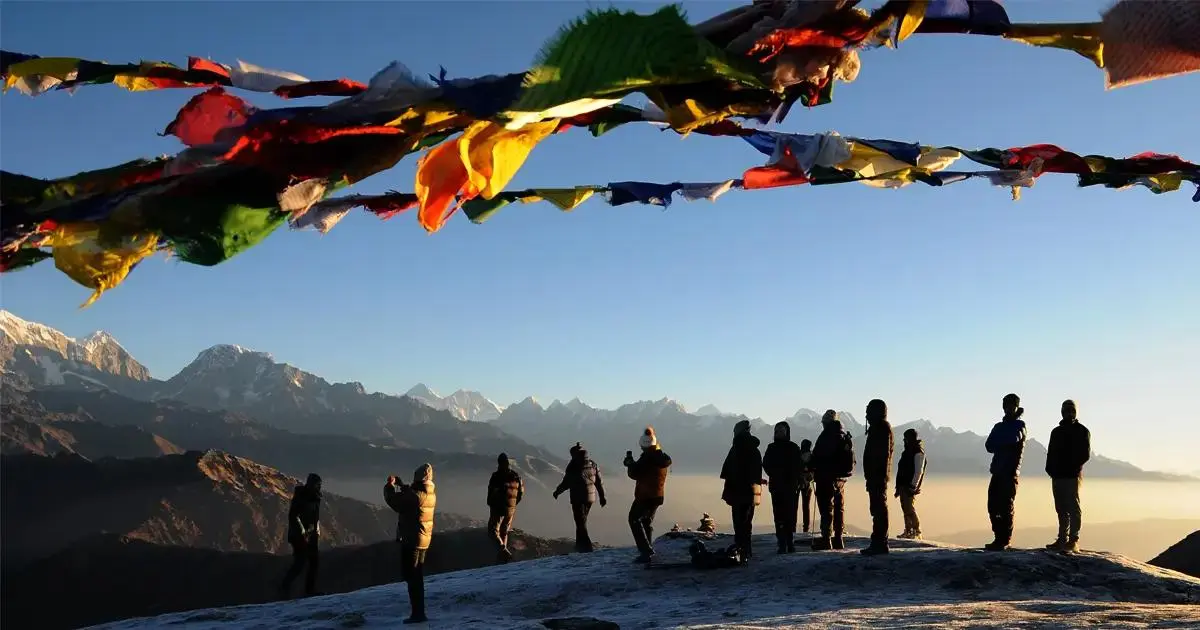
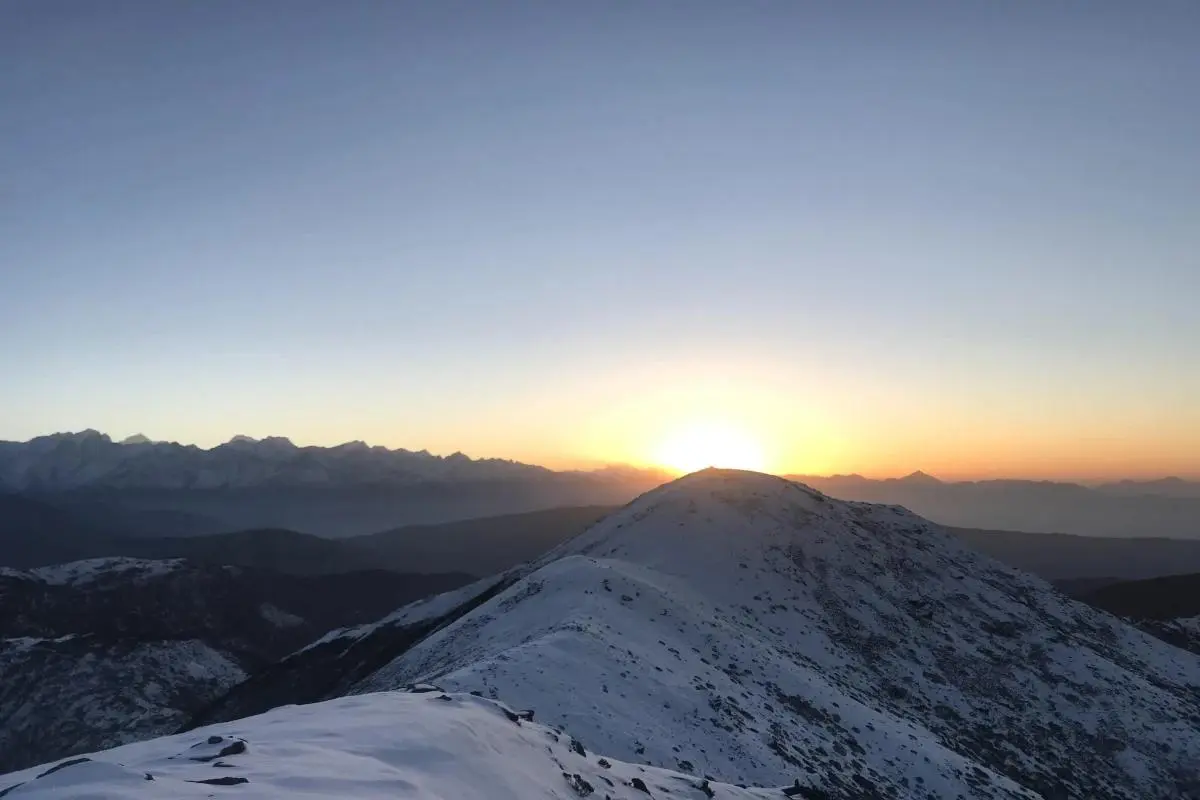
Sunrise is arguably the defining moment of a Pikey Peak trek.
Trekkers normally begin the final climb before dawn. In the darkness, the surrounding mountains are barely visible. As the sky begins to brighten, the horizon slowly changes from black to shades of blue, orange and gold.
Then the mountains begin to appear.
On a clear morning, Everest and the surrounding peaks become visible across the horizon. Because the summit provides a broad viewpoint rather than a narrow valley perspective, the sunrise can feel remarkably expansive.
Weather is naturally important. No Himalayan viewpoint can guarantee a clear sunrise, and clouds can completely change the experience. This is why choosing a suitable trekking season and allowing some flexibility is useful.
For photographers, the early morning also provides excellent natural light. A tripod, spare batteries, gloves and protection from cold conditions can be particularly useful during the summit morning.
Pikey Peak Trek Difficulty
The Pikey Peak trek is generally considered moderate rather than technical. There is no need for mountaineering ropes, glacier travel or advanced climbing skills on the standard trekking route.
However, moderate does not mean effortless.
Trekkers should expect several hours of walking, steady ascents and descents, uneven mountain paths and significant elevation gain. The final climb toward the summit can feel demanding because it is normally undertaken before sunrise, when temperatures are low and the body is still adjusting to the altitude.
Regular walking, hill hiking, stair climbing and cardiovascular exercise before the trip can make the trek considerably more comfortable.
Fitness is only one part of preparation. Walking slowly, drinking enough water, eating properly and paying attention to how your body responds to altitude are equally important.
Current 2026 trekking guides generally place the route in the easy-to-moderate or moderate category, while emphasizing that the 4,065-metre elevation still requires sensible preparation.
What Makes the Trail Different?
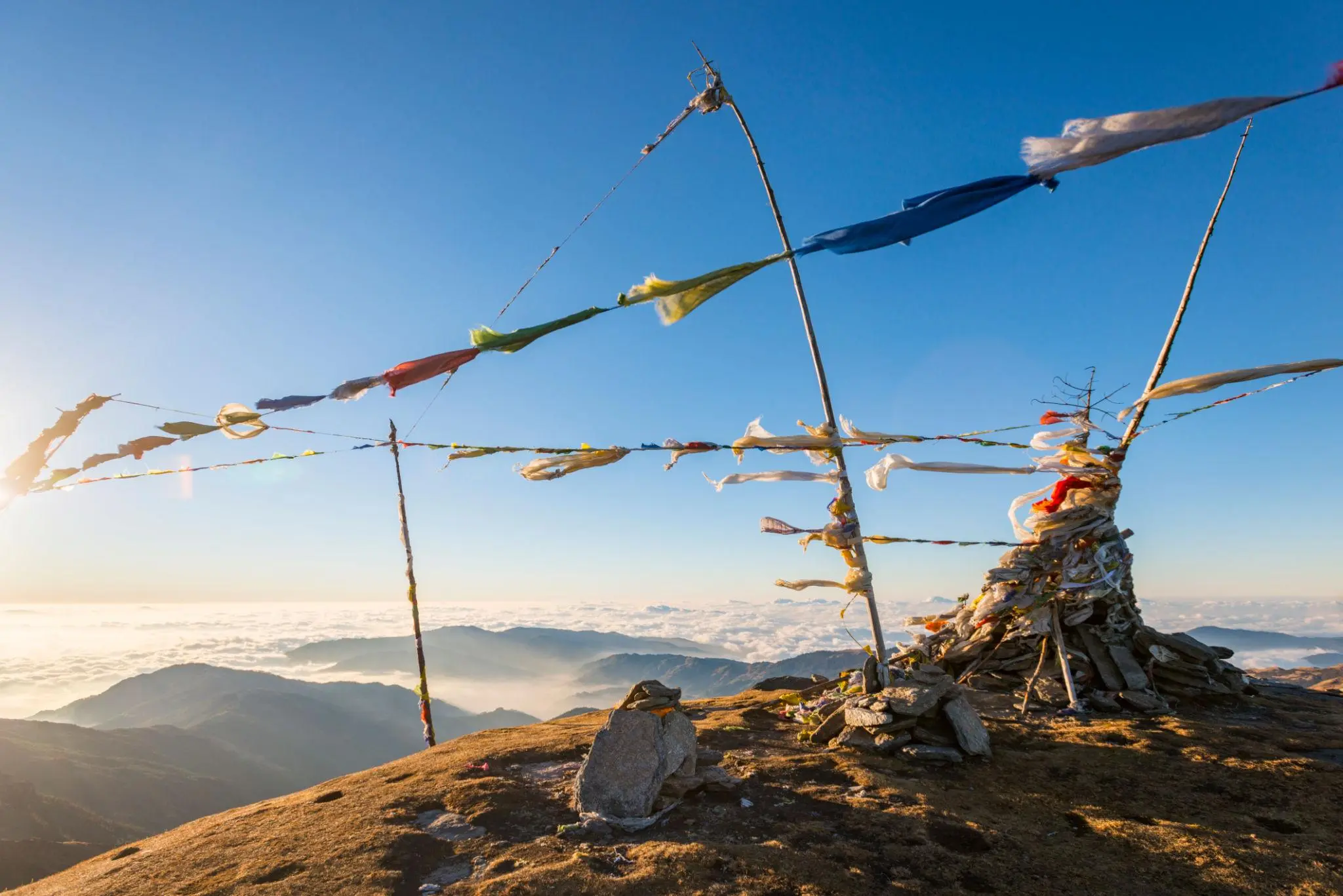
One of the most appealing things about Pikey Peak is the changing landscape.
Lower sections of the trek pass through forests, including rhododendron and other Himalayan vegetation. In spring, blooming rhododendrons can add colour to the trail, while autumn brings clearer skies and crisp mountain scenery.
As the trail climbs higher, forests gradually give way to open hillsides, pastureland and broad ridges. The feeling becomes more alpine as the elevation increases.
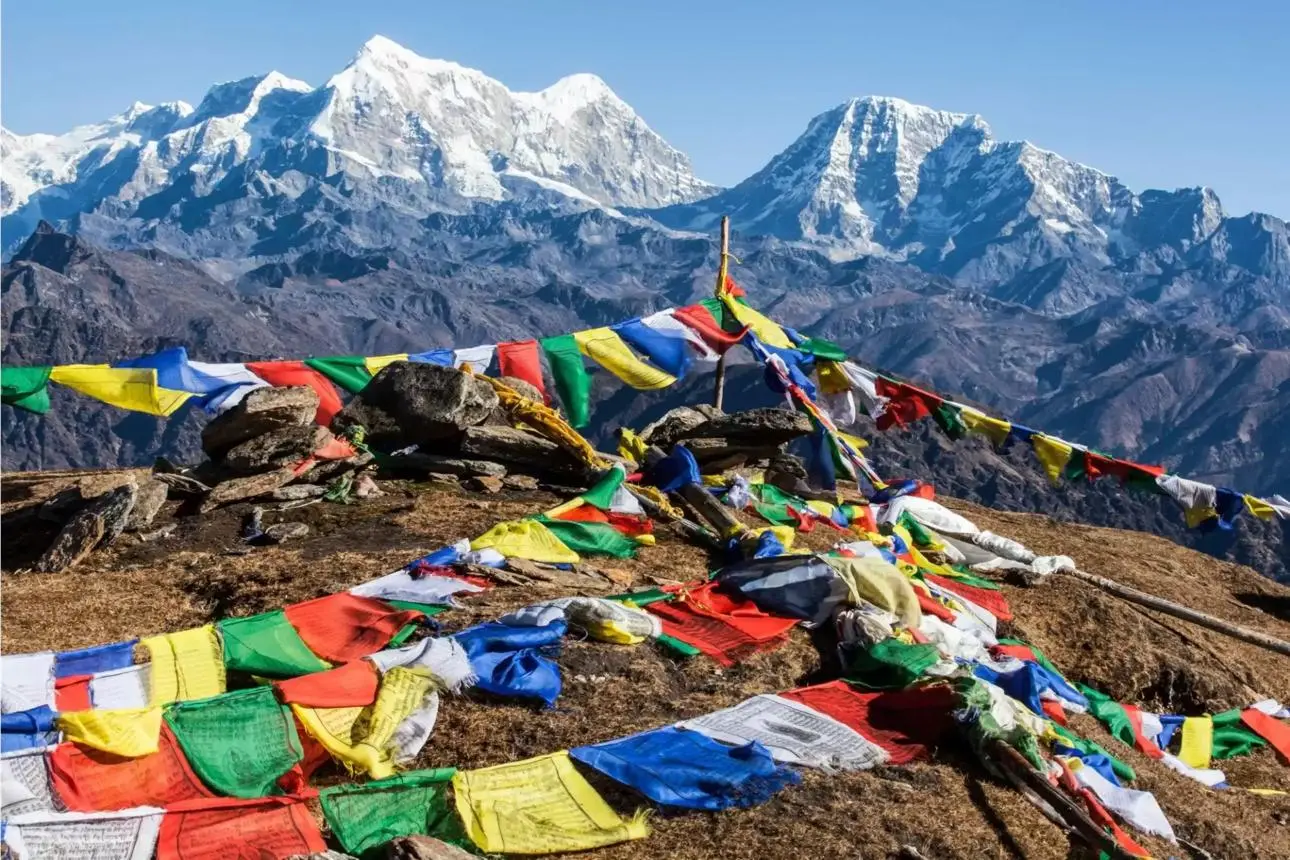
The landscape is also closely connected with local communities. Traditional houses, mani walls, prayer flags, Buddhist monuments and small settlements appear along the route.
Instead of simply walking from one major trekking centre to another, travellers have opportunities to experience the everyday environment of the Solu region.
Sherpa Culture Around Pikey Peak
The mountains are only one part of the attraction.
The lower Solukhumbu region has a strong Sherpa cultural identity, and trekking through the area provides opportunities to see Buddhist traditions and Himalayan village life.
Small settlements along the trail can include stone houses, agricultural fields, prayer flags, mani walls and chortens. These features are not simply scenery for trekkers; they are part of the cultural landscape in which local communities live.
Junbesi is one of the most notable settlements associated with longer versions of the route. The village has strong Buddhist traditions and provides access to important religious sites, including Thupten Chholing Monastery.
Visitors should approach these places respectfully. Religious sites should be treated as active cultural spaces rather than tourist attractions, and travellers should ask permission before photographing people or entering restricted areas.

Pikey Peak Trek – 07 days
The Pikey Peak Trek, located in the lower Everest region, is a beautiful 7-day short trek in Nepal that...
Duration:
07 days
Max altitude:
4,065 meters at Pikey Peak
Best Time to Visit Pikey Peak
The best conditions are generally found during autumn and spring.
October and November are particularly attractive because the post-monsoon atmosphere can provide clear skies and strong mountain visibility. The landscape is also relatively dry, making walking more comfortable.
Spring, especially from March to May, brings warmer conditions and flowering rhododendrons in forest sections. Mountain visibility can still be excellent, although weather gradually becomes less stable as the season progresses.
Winter can also be possible because the summit is considerably lower than many high Himalayan destinations. However, cold temperatures and possible snow mean trekkers need proper winter clothing and should check current trail conditions before travelling.
The monsoon period is generally less attractive for this trek. Rain, clouds, muddy trails and reduced mountain visibility can make the experience less predictable.
Ultimately, the best time depends on what matters most to you. If clear Himalayan views are the priority, autumn is particularly appealing. If forests and rhododendron flowers are more important, spring has its own advantages.
Getting to the Pikey Peak Trail
One of the practical advantages of Pikey Peak is that many trekking routes can be reached by road from Kathmandu.
Dhap is a common starting point for current trekking itineraries, and road access means travellers can avoid making the entire trip dependent on the Kathmandu–Lukla flight sector. Depending on the chosen route, Phaplu and other Solu settlements may also be used as access or exit points.
The road journey itself is part of the adventure. Mountain roads can be long and sometimes rough, particularly compared with normal highway travel. Road conditions can also change with weather and seasonal maintenance.
For this reason, travellers should allow realistic travel time rather than assuming that a road distance will translate directly into a short journey.
Accommodation and Food
Accommodation along the Pikey Peak route is generally provided by local teahouses, lodges and village guesthouses.
Facilities are more basic than those found in larger trekking centres. Rooms are generally simple, and shared facilities are common in smaller settlements. The simplicity is part of the experience, particularly for travellers who prefer community-based trekking rather than heavily developed mountain tourism.
Food is generally straightforward trekking fare. Dal bhat, noodles, rice, potatoes, soups, eggs and other simple meals are common choices.
Because options can become more limited at higher elevations, carrying a few personal snacks can be useful. Energy bars, nuts, dried fruit and chocolate are easy additions to a trekking backpack.
What Should You Pack?
Packing for Pikey Peak requires preparation for changing temperatures rather than simply packing for daytime conditions.
Essential items can include:
* Comfortable trekking shoes
* Warm base layers
* Fleece or insulating layer
* Waterproof jacket
* Warm gloves
* Hat or beanie
* Trekking trousers
* Sunglasses
* Sunscreen
* Reusable water bottle
* Water purification method
* Headlamp
* Personal medication
* Basic first-aid supplies
* Sleeping bag suitable for the season
* Power bank
* Camera and spare batteries
Warm clothing deserves particular attention because the summit climb usually takes place before sunrise.
The weather can feel comfortable during the day and very cold on an exposed ridge before daylight. Good layering allows trekkers to adjust their clothing as conditions change.
Is Pikey Peak Suitable for First-Time Trekkers?
For a reasonably fit first-time Himalayan trekker, Pikey Peak can be a realistic choice.
It does not involve technical climbing, and the maximum elevation is lower than many of Nepal’s famous high-altitude trekking destinations. At the same time, it should not be treated like an ordinary day hike.
A first-time trekker needs to be comfortable walking for several hours on uneven terrain and should prepare for cold conditions and altitude.
The advantage of choosing a sensible pace is that you have more opportunity to enjoy the landscape rather than treating every uphill section as a race.
Pikey Peak or Everest Base Camp?
Pikey Peak and Everest Base Camp offer two very different Himalayan experiences.
Everest Base Camp is a longer and higher journey through the Khumbu Valley, with major landmarks such as Namche Bazaar, Tengboche and the Everest Base Camp itself.
Pikey Peak focuses more on panoramic mountain views, quieter trails, lower Solukhumbu villages and the experience of reaching a Himalayan viewpoint.
The difference in altitude is significant. Pikey Peak reaches approximately 4,065 metres, while Everest Base Camp is above 5,300 metres.
That does not make one experience a replacement for the other. Someone whose goal is to stand at Everest Base Camp will need to choose the Khumbu route. Someone looking for a shorter Himalayan adventure centred around mountain views and sunrise may find the Pikey Peak region more suitable.
Responsible Travel in the Pikey Peak Region
As trekking becomes more popular, responsible travel becomes increasingly important.
The communities along the route depend on the surrounding environment for agriculture, livestock, water and tourism. Trekkers can help protect this environment by reducing single-use plastic, carrying waste until proper disposal facilities are available and avoiding unnecessary damage to vegetation.
Respect for local culture matters just as much.
Ask before taking photographs of people. Follow local customs when visiting monasteries and religious sites. Avoid loud behaviour around sacred places and remember that villages along the trail are homes, not open-air museums.
Choosing locally operated accommodation, guides and services can also help tourism benefits remain within the communities visited along the trail.
Why Pikey Peak Deserves More Attention
There is a reason Pikey Peak continues to appear more frequently in current Nepal trekking guides.
It combines several qualities that are difficult to find together: impressive Himalayan views, a summit above 4,000 metres, a manageable trekking difficulty, traditional mountain communities and road access from Kathmandu.
It also provides a different relationship with Everest.
You are not approaching the mountain through the classic Khumbu route. Instead, you are looking across a broad Himalayan horizon from the Solu side, with forests and villages behind you and enormous snow-covered peaks ahead.
That perspective is what makes the experience memorable.
For travellers who want to explore beyond Nepal’s most famous trekking routes, Pikey Peak offers a quieter way to experience the Everest region. It is not simply a shorter version of Everest Base Camp. It is its own journey, with its own landscape, culture and character.
And when the sky is clear and the first sunlight reaches Everest from the summit ridge, it becomes very easy to understand why this corner of Solukhumbu has become such a compelling destination for Himalayan trekkers.
Frequently Asked Questions About Pikey Peak
1. What is Pikey Peak?
Pikey Peak is a 4,065-metre Himalayan viewpoint in Nepal’s Solukhumbu region. It is known for panoramic views of Everest and other Himalayan peaks, sunrise scenery, Sherpa villages and relatively peaceful trekking trails.
2. How high is Pikey Peak?
Pikey Peak stands at approximately 4,065 metres (13,337 feet) above sea level. Although it is lower than Everest Base Camp, trekkers should still prepare properly for altitude and cold conditions.
3. Where is Pikey Peak located?
Pikey Peak is located in the lower Solukhumbu region of eastern Nepal, south of the main Everest Base Camp trekking corridor. The area is known for Sherpa communities, Buddhist culture, forests and mountain landscapes.
4. Is Pikey Peak difficult?
Pikey Peak is generally considered a moderate trek. It does not require technical climbing, but trekkers need to be prepared for uphill sections, several hours of walking, uneven terrain and an ascent above 4,000 metres.
5. Can beginners trek to Pikey Peak?
Yes, reasonably fit beginners can trek to Pikey Peak with proper preparation. Previous mountaineering experience is not required, but beginners should be comfortable with long walking days and should take altitude, weather and pacing seriously.
6. What is the best time to visit Pikey Peak?
Spring and autumn are generally the most favourable seasons. March to May offers warmer weather and rhododendron blooms, while October and November are often associated with clear skies and excellent mountain visibility.
7. Can you see Mount Everest from Pikey Peak?
Yes. On clear days, Mount Everest is one of the major Himalayan peaks visible from Pikey Peak. The viewpoint can also provide views of other mountains including Lhotse, Makalu, Numbur and peaks farther across the Himalayan range.
8. Do you need to fly to Lukla for Pikey Peak?
No. Many Pikey Peak trekking routes can be reached by road from Kathmandu, with Dhap being a commonly used starting point. This makes the trek an option for travellers who do not want their journey to depend on a Lukla flight.
9. What should you pack for Pikey Peak?
Essential items include good trekking shoes, warm layers, a waterproof jacket, gloves, a warm hat, sunglasses, sunscreen, a reusable water bottle, a headlamp, personal medication and a suitable sleeping bag. Warm clothing is particularly important for the pre-dawn summit climb.
10. How is Pikey Peak different from Everest Base Camp?
Pikey Peak and Everest Base Camp offer different trekking experiences. Pikey Peak focuses on panoramic Himalayan views, sunrise, quieter trails and the culture of lower Solukhumbu, while Everest Base Camp takes trekkers deeper into the Khumbu region and to a substantially higher elevation. Pikey Peak can therefore appeal to travellers looking for a different way to experience the Everest region.

Similar Blogs
View all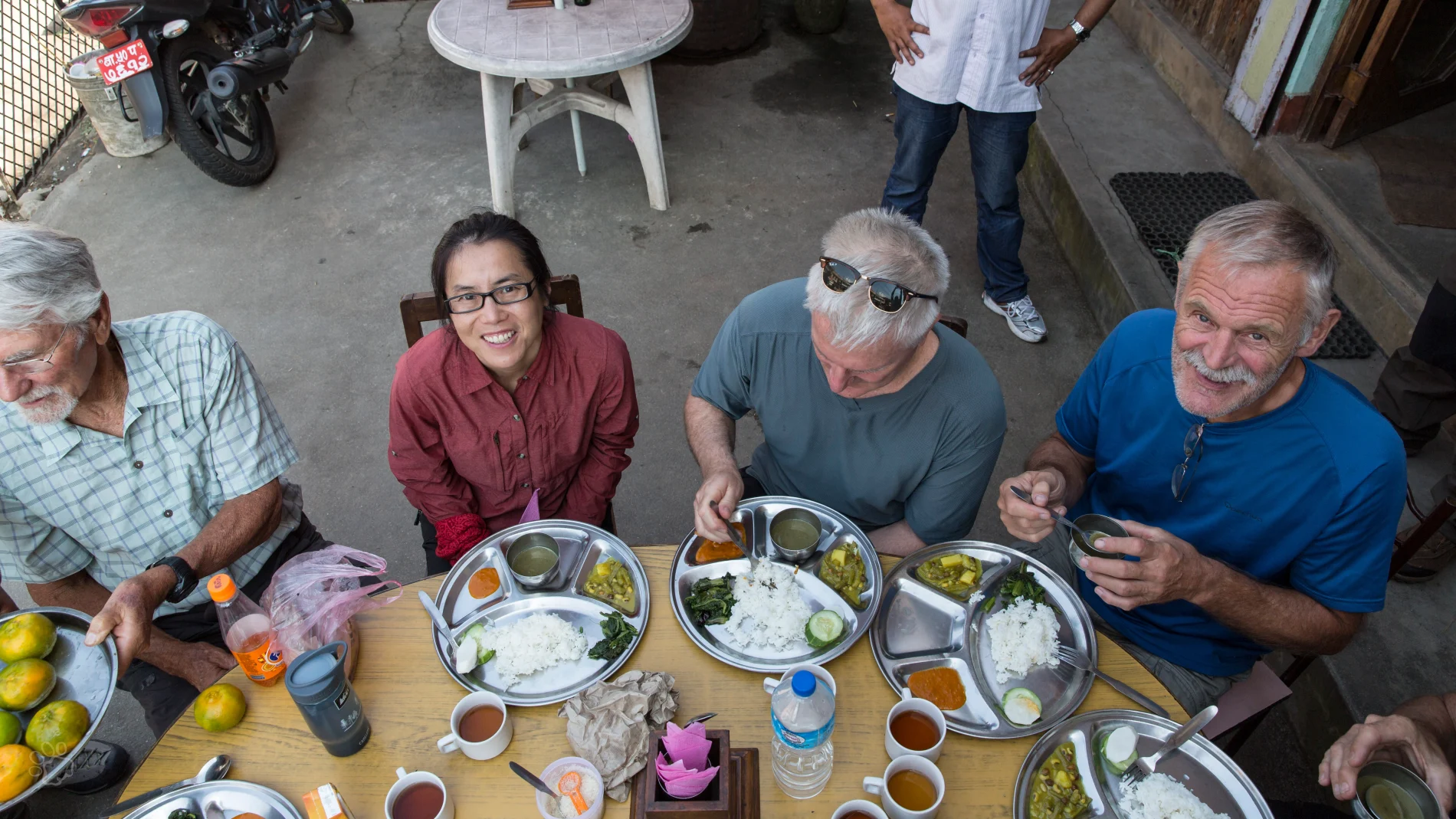
13/10/2026
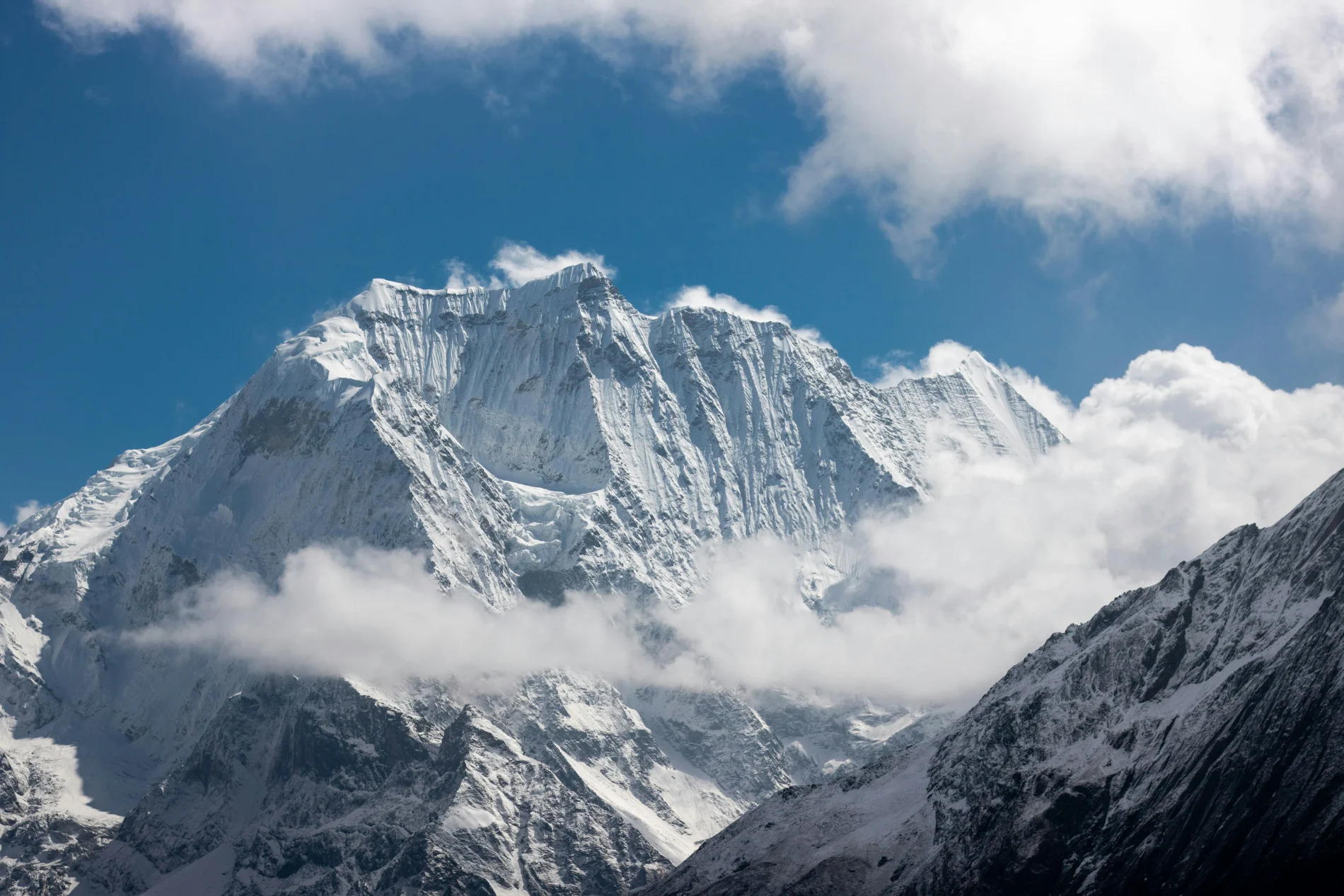
Manaslu Circuit Trek After the October 2026 Floods: Trail Conditions, Safety and Travel Updates
The Manaslu Circuit Trek is one of Nepal’s most rewarding Himalayan journeys, taking trekkers through traditional...
Read more
13/10/2026
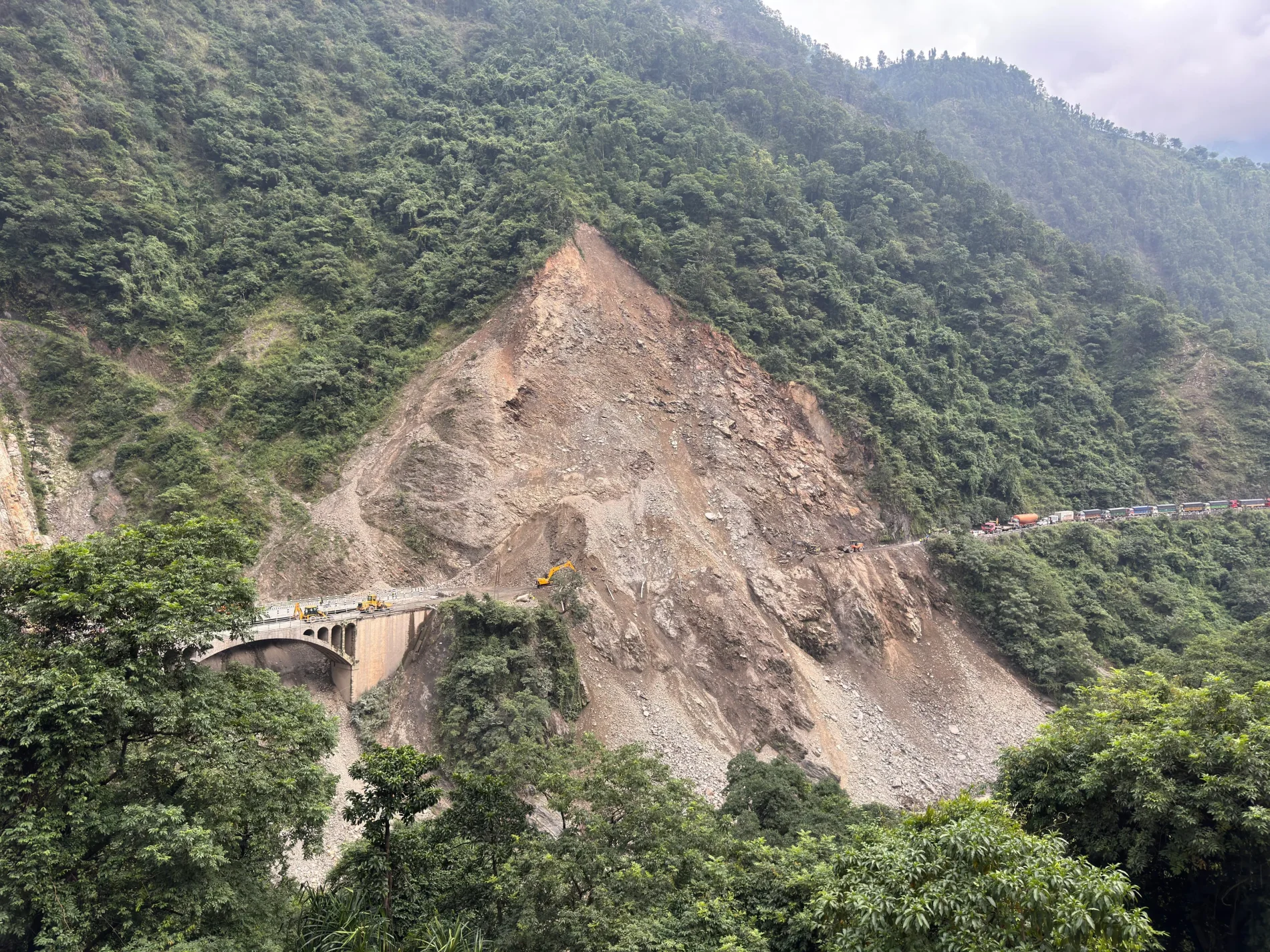
Your Nepal Trek Is Booked, but the Trail Is Closed: What Now?
Imagine arriving in Nepal with your trekking boots ready, your flights booked, your bags packed, and...
Read more