Living Goddess of Nepal: The Sacred Story of Kumari
Share:
 Read Time
This blog has 6415 words .This blog has 43282 characters.This blog take 21 minutes to read.
Nepal is a country where ancient traditions, colorful festivals, and deep spiritual beliefs continue to shape everyday life. While the country is widely recognized for the Himalayas, sacred temples, and UNESCO World Heritage Sites, it is also home to one of the world’s most extraordinary cultural traditions the Living Goddess of Nepal. Known as Kumari, this young girl is worshipped as the living embodiment of the Hindu goddess Taleju while also holding great respect within Buddhist traditions. This remarkable custom has been preserved for centuries and remains one of the most fascinating aspects of Nepal’s cultural identity.
The tradition of the Living Goddess of Nepal is unlike any other in the world. Instead of worshipping only statues or sacred images, Nepalese people honor a living child who is believed to possess divine power. Carefully selected from the Newar Shakya community through an ancient selection process, the Kumari lives in the historic Kumari Ghar at Kathmandu Durbar Square and appears before the public only during special occasions or limited viewing times. Because of this rare tradition, thousands of Nepali devotees, historians, photographers, and international travelers visit Kathmandu every year hoping to witness this unique cultural heritage.
The Kumari of Nepal represents much more than religious devotion. She symbolizes purity, protection, prosperity, and the close relationship between Nepal’s Hindu and Buddhist communities. Throughout history, kings, political leaders, and ordinary citizens have sought the blessings of the Royal Kumari before important ceremonies and national events. Even today, the Kumari tradition continues to play an important role in Nepal’s cultural and spiritual life, preserving customs that have been passed down through generations.
For travelers, learning about the Living Goddess Kumari offers an opportunity to understand Nepal beyond its mountains and trekking routes. Visiting Kumari Ghar, exploring the historic courtyards of Kathmandu Durbar Square, and witnessing the traditions surrounding the Kumari provide a deeper appreciation of Nepal’s living heritage. The combination of ancient architecture, religious ceremonies, and centuries-old customs makes this experience one of the most memorable cultural attractions in the country.
In this complete guide, you will discover who the Living Goddess of Nepal is, how the Kumari is selected, the history behind this sacred tradition, the importance of Kumari Ghar, the major festivals where she appears, whether tourists can visit and see the Kumari, interesting facts, visitor guidelines, and everything else you need to know before experiencing one of Nepal’s most extraordinary cultural treasures.
Who Is the Living Goddess of Nepal?
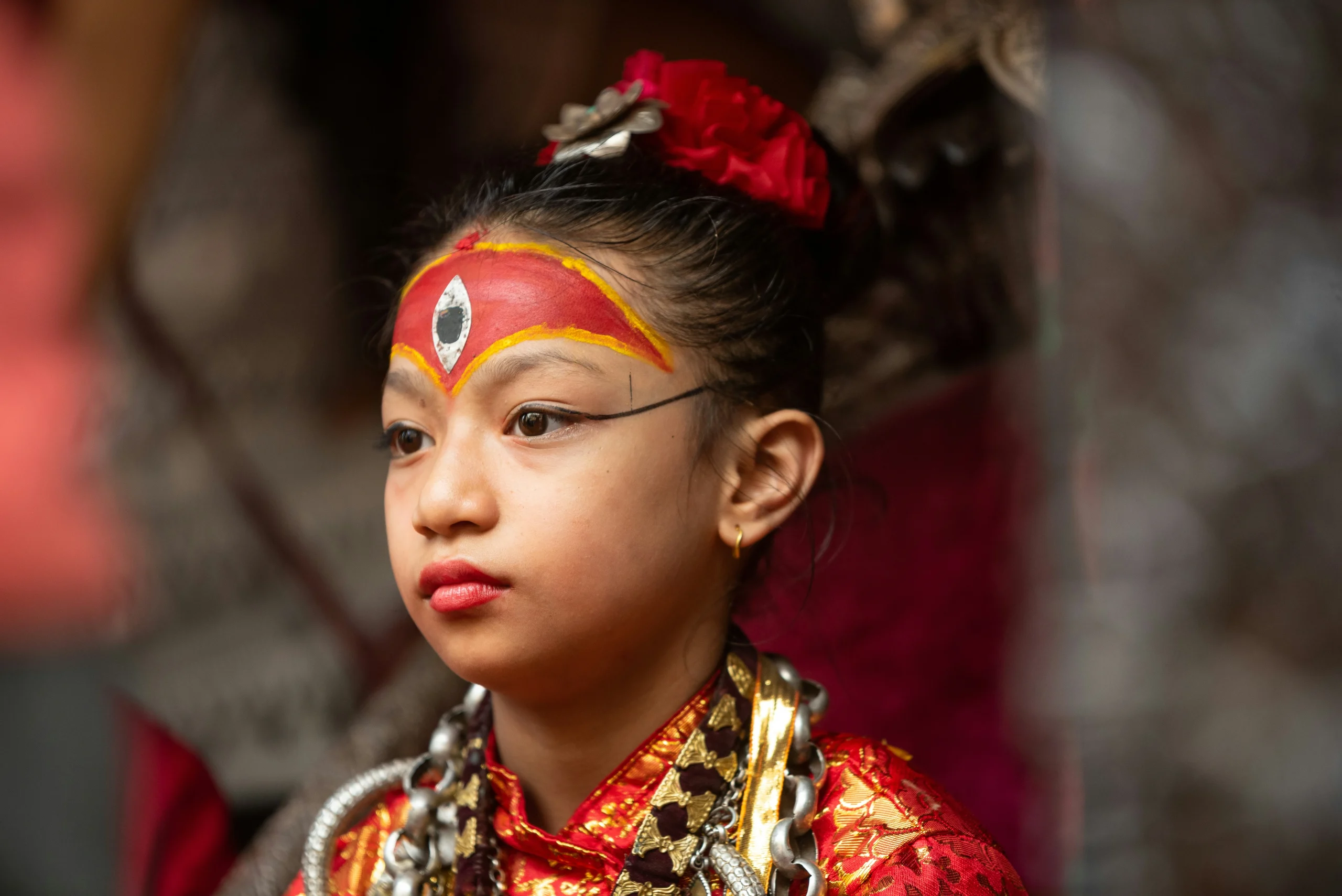
The Living Goddess of Nepal, popularly known as the Kumari, is a young girl who is worshipped as the living embodiment of Goddess Taleju Bhawani, a powerful Hindu deity. Unlike most religious traditions around the world, where gods and goddesses are represented through statues, paintings, or sacred symbols, Nepal follows a centuries-old custom of honoring a living child as a divine figure. This extraordinary tradition has become one of Nepal’s most recognized cultural and spiritual identities, attracting thousands of pilgrims, researchers, and travelers every year.
The Kumari of Nepal is selected from the Newar Shakya community, a Buddhist family lineage in Kathmandu. Although she comes from a Buddhist background, she is worshipped primarily by Hindus while also being respected by Buddhists. This beautiful harmony between the two religions reflects Nepal’s long history of religious coexistence and mutual respect. The Kumari tradition demonstrates how different beliefs can come together while preserving their unique customs and spiritual values.
Once chosen, the young girl officially becomes the Living Goddess Kumari and moves to Kumari Ghar, a historic palace located in Kathmandu Durbar Square. From that moment, she is regarded as a living deity rather than an ordinary child. Devotees visit her to receive blessings for good health, success, prosperity, and protection from misfortune. Many Nepalese believe that receiving a blessing from the Kumari brings positive energy and good fortune to individuals, families, and even the nation.
Unlike many public religious figures, the Kumari lives a quiet and protected life inside Kumari Ghar. She rarely appears before the public except during specific viewing times or important religious festivals. Her most famous appearances take place during Indra Jatra, one of Kathmandu’s largest cultural celebrations, where she rides through the historic streets in a beautifully decorated chariot while thousands of devotees gather to seek her blessings. These rare public appearances make seeing the Living Goddess of Nepal a truly unforgettable experience for visitors.
The Kumari serves as the Living Goddess until she reaches puberty or experiences her first menstruation, which traditionally marks the end of her divine role. Afterward, she returns to normal family life, attends school, and continues her future like any other child. A new Kumari is then selected following the traditional selection process that has been carefully preserved for hundreds of years.
Today, the Living Goddess of Nepal is much more than a religious symbol. She represents Nepal’s rich cultural heritage, ancient traditions, religious harmony, and historical identity. For both local devotees and international visitors, the Kumari remains one of the country’s most extraordinary living traditions, offering a rare opportunity to witness a spiritual practice that exists almost nowhere else in the world.
History and Origin of the Kumari Tradition
The history of the Living Goddess of Nepal dates back several centuries and is closely connected to the Kathmandu Valley’s royal history, religious beliefs, and Newar culture. Although historians continue to discuss the exact beginning of the tradition, most agree that the worship of the Kumari became well established during the Malla period (12th–18th centuries). Since then, the tradition has been carefully preserved and continues to remain one of Nepal’s most remarkable living cultural practices.
According to the most widely known legend, Goddess Taleju Bhawani, the royal guardian deity of the Malla kings, used to visit the king every night inside the royal palace. During these private meetings, the king would receive guidance, blessings, and advice regarding the kingdom. However, one night the king either acted disrespectfully or became curious beyond the accepted boundaries of the sacred meeting. As a result, Goddess Taleju became displeased and decided to stop appearing before him.
Before leaving, the goddess is believed to have told the king that she would continue to bless the kingdom, but only through a young girl chosen from the Newar Shakya community. From that moment onward, the tradition of selecting the Kumari of Nepal as the living representation of Goddess Taleju began. This belief has remained an important part of Nepalese culture for hundreds of years and continues to be respected by both religious communities and the general public.
The tradition became even more significant during the reign of the Malla kings and later continued under the Shah dynasty after the unification of Nepal. Kings traditionally visited the Royal Kumari to receive blessings before important ceremonies and national celebrations. Receiving the Kumari’s blessing was considered a symbol of divine approval, prosperity, and protection for the ruler and the country. Even after Nepal became a republic, the Kumari tradition continued to hold great cultural and religious importance, showing its lasting value beyond political systems.
One of the most remarkable aspects of the Kumari tradition Nepal is the close relationship between Hinduism and Buddhism. Although the Kumari is selected from a Buddhist Shakya family, she is worshipped as a Hindu goddess. This unique practice reflects the religious harmony that has existed in Nepal for centuries. Rather than separating beliefs, the Kumari tradition brings together two major religions through shared respect, faith, and cultural heritage.
Over the years, the Living Goddess Kumari has become a symbol of Nepal’s identity and living history. Festivals such as Indra Jatra continue to celebrate her public appearance, while Kumari Ghar remains one of the most visited cultural landmarks in Kathmandu Durbar Square. Today, the tradition attracts historians, anthropologists, photographers, and travelers from around the world who wish to learn about this extraordinary custom that has survived through generations.
The story of the Living Goddess of Nepal is therefore not only a religious legend but also a reflection of Nepal’s rich history, royal heritage, cultural diversity, and deep spiritual values. Its continued preservation demonstrates how ancient traditions can remain meaningful in the modern world while strengthening the country’s unique cultural identity.
Religious Significance of the Living Goddess
The Living Goddess of Nepal holds deep religious importance because she represents the connection between divine beliefs and human life. The Kumari is believed to be the earthly form of Goddess Taleju Bhawani, a powerful goddess associated with protection, strength, and prosperity. For centuries, devotees have respected the Kumari as a sacred figure whose blessings bring good fortune, peace, and protection to individuals, families, and communities.
In Hindu tradition, Goddess Taleju is considered the guardian deity of the Kathmandu Valley and was especially important to the Malla kings. The belief that the goddess continues to exist through a young girl gives the Kumari of Nepal a unique spiritual position. Devotees visit the Kumari to receive blessings, especially during important life events, religious ceremonies, and festivals. Many people believe that even a brief appearance or blessing from the Kumari carries positive spiritual meaning.
The religious importance of the Living Goddess Kumari is also connected with Buddhist traditions. Although the Kumari is worshipped as a Hindu deity, she is selected from the Newar Shakya community, which has strong Buddhist roots. This unique combination represents the peaceful relationship between Hinduism and Buddhism in Nepal. The tradition shows how two different religious communities have shared cultural practices and respected each other’s beliefs for generations.
One of the most important religious events involving the Kumari is Indra Jatra, a major festival celebrated in Kathmandu. During this festival, the Kumari appears in public on a beautifully decorated chariot and is taken through the streets of Kathmandu Durbar Square. Thousands of devotees gather to receive her blessings, celebrate the festival, and honor the ancient traditions of the Kathmandu Valley. This public appearance is considered a highly sacred moment for many Nepalese people.
The Kumari tradition also represents the idea of purity and divine energy. According to traditional beliefs, the selected girl must remain free from certain physical and spiritual conditions to continue her role as a goddess. The selection process includes various religious rituals and examinations conducted by priests and cultural experts to ensure that the chosen child meets the traditional requirements.
Beyond religious worship, the Nepal Living Goddess has become a symbol of faith, cultural preservation, and spiritual identity. Her presence reminds people of Nepal’s ancient traditions and the importance of protecting cultural heritage. For visitors exploring Kathmandu, learning about the religious significance of the Kumari provides a deeper understanding of Nepal’s unique relationship between history, belief, and everyday life.
How Is the Kumari Chosen?
The selection process of the Living Goddess of Nepal is one of the most fascinating and sacred traditions in Nepal. Choosing a Kumari is not a simple process; it involves ancient religious practices, cultural beliefs, and careful examinations conducted by priests and respected members of the Newar community. The purpose of this process is to identify a young girl who is believed to represent the divine energy of Goddess Taleju Bhawani.
The Kumari of Nepal is traditionally selected from the Newar Shakya community of the Kathmandu Valley. According to tradition, the candidate must meet specific requirements before entering the selection process. She is usually a young girl between the ages of around two and four years old, before reaching puberty. The selection is guided by religious authorities who carefully examine physical, spiritual, and traditional qualities considered important for the role.
One of the main requirements is that the candidate must possess the thirty-two auspicious characteristics mentioned in ancient traditions. These qualities include physical features, personality traits, and symbolic signs that are believed to represent purity and divine presence. Traditional beliefs consider characteristics such as clear skin, beautiful eyes, a calm nature, and a balanced personality as important signs for becoming the Living Goddess Kumari.
After the initial selection, the candidates go through several traditional tests performed by Buddhist and Hindu priests. One of the most famous rituals involves testing the child’s courage and calmness. According to tradition, the candidate may be taken to a dark room where various symbolic objects, masks, and sounds are used to observe her reaction. It is believed that the true Kumari should remain fearless and peaceful because she carries the power of the goddess.
Another important part of the selection process involves checking the horoscope of the candidate and ensuring that it matches traditional requirements. Religious leaders consider astrological factors important because the Kumari is not only seen as a cultural figure but also as a spiritual representative. Once all requirements are fulfilled, the chosen girl is officially declared the new Living Goddess of Nepal through special religious ceremonies.
After selection, the young Kumari moves into Kumari Ghar at Kathmandu Durbar Square, where she begins her life as a living deity. Her family continues to support her, while special caretakers help manage her daily activities and public appearances. Although she receives great respect and devotion, her life becomes very different from that of an ordinary child because of the responsibilities connected with her sacred role.
The ancient selection process of the Kumari Goddess reflects Nepal’s deep respect for tradition, spirituality, and cultural heritage. While the practice has evolved over time, the core belief remains the same: choosing a pure and special child who represents divine blessings and continues one of Nepal’s
Life Inside Kumari Ghar
The life of the Living Goddess of Nepal inside Kumari Ghar is very different from the everyday life of an ordinary child. After being selected as the Kumari, the young girl moves into the historic Kumari Ghar, located at Kathmandu Durbar Square, where she stays under the care of family members, caretakers, and traditional supporters. Her life is guided by ancient customs and religious responsibilities while also balancing her personal growth and education.
Kumari Ghar serves as the official residence of the Kumari of Nepal and is considered a sacred place by many devotees. The beautiful three-story palace is known for its traditional Newar architecture, detailed wooden carvings, and historic importance. Inside this residence, the Kumari follows specific traditions, including wearing special clothing, participating in religious ceremonies, and appearing before visitors during permitted occasions.
Although the Kumari is worshipped as a goddess, she continues to be a young child who requires care, education, and emotional support. Her daily life includes learning activities, studies, and time with her family members. In modern times, arrangements are made to provide education while respecting the cultural responsibilities associated with her role. This allows the Living Goddess Kumari to continue her studies while preserving the traditions connected to the Kumari position.
The public appearance of the Kumari is limited because she is considered a sacred figure. Visitors and devotees usually see her when she appears at the window of Kumari Ghar during specific viewing times or during important festivals. These rare appearances are highly valued because many people believe receiving a glimpse of the Kumari brings blessings and good fortune.
During major cultural events such as Indra Jatra, the Kumari leaves Kumari Ghar for special ceremonies. She is carried through the streets of Kathmandu in a decorated chariot while thousands of devotees gather to celebrate and receive her blessings. These public appearances provide a rare opportunity for people to witness one of Nepal’s oldest traditions and experience the cultural importance of the Nepal Living Goddess.
Despite the respect and admiration she receives, life as a Kumari also comes with unique responsibilities. Traditional customs require her to maintain certain practices and follow specific rules during her time as the Living Goddess. However, once her role ends, usually after reaching puberty, she returns to normal life, continues her education, and builds her future like any other person.
The life inside Kumari Ghar reflects the balance between ancient tradition and modern needs. The story of the Living Goddess of Nepal is not only about religious worship but also about preserving cultural heritage, protecting childhood, and maintaining a centuries-old tradition that continues to represent Nepal’s spiritual identity.
Major Festivals Featuring the Living Goddess
Festivals are an important part of Nepalese culture, and the Living Goddess of Nepal plays a significant role in several traditional celebrations, especially those connected with the Kathmandu Valley. These festivals provide rare opportunities for devotees and visitors to witness the Kumari outside Kumari Ghar and experience the deep connection between ancient rituals, religious beliefs, and community celebrations.
Indra Jatra: The Most Important Festival of Kumari
Indra Jatra is the most famous festival associated with the Kumari of Nepal. Celebrated in Kathmandu Durbar Square, this traditional festival honors Lord Indra, the god of rain and harvest, while also celebrating the living goddess tradition. During this festival, the Kumari appears in public on a beautifully decorated chariot known as the Kumari Rath.
Thousands of devotees and visitors gather around the historic streets of Kathmandu to witness this special ceremony. The procession allows people to receive blessings from the Living Goddess Kumari while enjoying traditional music, masked dances, cultural performances, and religious rituals. For travelers interested in Nepal’s heritage, experiencing Indra Jatra offers a unique opportunity to see one of the country’s oldest living traditions.
Kumari Jatra
Kumari Jatra is another important celebration dedicated to the Living Goddess. During this event, the Kumari is taken through the city in a ceremonial procession, allowing devotees to honor her presence and seek blessings. The festival reflects the strong relationship between the Kumari tradition and the local Newar community of Kathmandu Valley.
The streets become filled with traditional decorations, cultural performances, and religious activities during the celebration. It is a wonderful time for visitors to understand how deeply the Kumari Tradition Nepal is connected with the daily cultural life of local communities.
Dashain Festival
Dashain is Nepal’s biggest Hindu festival, and the Kumari also has an important role during this celebration. Traditionally, the Kumari gives blessings to important figures and devotees during Dashain. Her blessings are considered especially meaningful because Dashain itself celebrates the victory of good over evil and honors powerful forms of the goddess.
During this period, many people visit Kathmandu to participate in religious activities and experience Nepal’s rich festival culture. The connection between Dashain and the Living Goddess of Nepal highlights the importance of goddess worship in Nepalese traditions.
Other Cultural Ceremonies
Apart from major festivals, the Kumari also participates in selected religious and cultural events throughout the year. These appearances are carefully managed according to traditional customs and religious practices. Each ceremony reflects the respect and devotion that Nepalese people have maintained toward the Living Goddess for generations.
For travelers, visiting Kathmandu during festival seasons provides a deeper cultural experience. Seeing the Kumari Goddess during a traditional celebration allows visitors to understand Nepal beyond its natural beauty and explore the living heritage, rituals, and beliefs that make the country unique. The festivals connected with the Kumari continue to preserve a centuries-old tradition while introducing Nepal’s cultural identity to people from around the world.
Kumari Ghar: Home of the Living Goddess
Kumari Ghar is the historic residence of the Living Goddess of Nepal and one of the most important cultural landmarks in Kathmandu. Located at Kathmandu Durbar Square, this beautiful traditional palace represents centuries of Nepalese architecture, religious beliefs, and Newar craftsmanship. For travelers visiting Kathmandu, exploring Kumari Ghar provides a rare opportunity to learn about the ancient Kumari tradition and witness a living part of Nepal’s cultural heritage.
The palace was built in 1757 AD during the Malla period by King Jaya Prakash Malla. The building was specially constructed as the residence of the Kumari and was designed with detailed Newari architectural elements. The exterior walls feature beautiful wooden carvings, traditional windows, and artistic designs that reflect the exceptional skills of Nepalese craftsmen. The famous wooden peacock window, intricate carvings, and historic structure make Kumari Ghar an attraction even beyond its religious importance.
The location of Kumari Ghar adds to its cultural value because it stands inside Kathmandu Durbar Square, one of Nepal’s most important historical areas and a UNESCO World Heritage Site. The surrounding square is filled with ancient temples, royal palaces, courtyards, and monuments that showcase the rich history of the Kathmandu Valley. Visitors exploring the area can experience a combination of architecture, spirituality, and traditional Newari culture in one place.
Inside Kumari Ghar, the Living Goddess follows traditional customs and lives under the care of her family and caretakers. Although the building is open for visitors to explore from the outside and certain areas, access inside the private living spaces is restricted. Visitors usually wait in the courtyard for the opportunity to see the Kumari of Nepal appear briefly at one of the beautifully carved windows. These short appearances are considered special moments for devotees and travelers.
For those planning to visit the Kumari Temple Kathmandu area, the best experience comes from combining the visit with a guided cultural tour of Kathmandu Durbar Square. A knowledgeable guide can explain the history, religious meaning, architecture, and traditions behind the Kumari system, making the experience more meaningful. Travelers can also explore nearby attractions, traditional markets, and ancient temples located around the historic square.
Today, Kumari Ghar remains a powerful symbol of Nepal’s living heritage. It represents the continuation of an ancient tradition where history, religion, art, and community values come together. A visit to this remarkable palace allows travelers to understand why the Living Goddess of Nepal continues to be one of the most fascinating cultural treasures of Kathmandu.
Can Tourists See or Visit the Living Goddess of Nepal?
Yes, tourists can visit Kumari Ghar and may get the opportunity to see the Living Goddess of Nepal during their visit to Kathmandu. The Kumari tradition is one of the most unique cultural experiences in Nepal, and many international travelers visit Kathmandu Durbar Square to learn about this ancient practice. However, visitors should understand that seeing the Kumari is not like visiting a regular tourist attraction because she is a sacred figure respected by local communities.
The main place to see the Kumari of Nepal is Kumari Ghar, located inside Kathmandu Durbar Square. Travelers can enter the courtyard area of the palace and admire its beautiful Newari architecture, traditional wooden carvings, and historical importance. At certain times, the Kumari may appear briefly at one of the palace windows to greet visitors. These appearances are usually short because the Kumari follows traditional customs and does not remain available for public viewing throughout the day.
Many tourists wonder how to see the Living Goddess of Nepal during their Kathmandu visit. The best way is to visit during the daytime when public appearances are more likely, although the timing can vary. Visitors should remain patient because the Kumari appears according to her schedule and cultural practices. During major festivals like Indra Jatra, travelers have a greater chance of witnessing the Kumari during public processions and religious ceremonies.
Visitors are expected to show respect while visiting Kumari Ghar because it is not only a heritage site but also a sacred residence. Photography of the Kumari is generally restricted, especially when she appears at the window, unless permission is provided. Travelers should avoid making loud noises, follow local instructions, dress respectfully, and maintain a peaceful attitude while experiencing this important Nepalese tradition.
There is usually no separate entrance fee to see the Kumari herself, but visitors need an entry ticket to explore Kathmandu Durbar Square, which is a protected heritage area. Many travelers combine their visit to Kumari Ghar with nearby attractions such as Hanuman Dhoka Palace, Taleju Temple, and other historic monuments within the square.
A visit to the Living Goddess Kumari offers more than a simple sightseeing experience. It allows travelers to understand Nepal’s ancient beliefs, religious harmony, and cultural traditions that have continued for centuries. By visiting respectfully, tourists can experience one of Nepal’s most fascinating living heritage traditions and gain a deeper appreciation of the country’s unique identity.
Rules and Traditions Visitors Should Respect
Visiting the Living Goddess of Nepal is a unique cultural experience, but travelers should remember that Kumari Ghar is a sacred place rather than a normal tourist attraction. The Kumari tradition carries deep religious and cultural importance for local communities, so visitors are expected to respect the customs, rules, and traditions while exploring this historic site. Showing proper respect helps preserve this centuries-old heritage and creates a positive experience for both travelers and local devotees.
Maintain Silence and Respectful Behavior
Visitors should maintain a calm and respectful attitude while visiting Kumari Ghar. Since the residence is considered a sacred place, loud conversations, unnecessary disturbance, or disrespectful behavior should be avoided. Travelers should observe the surroundings quietly and follow the instructions provided by local authorities or guides.
Follow Photography Rules
Photography rules around the Kumari of Nepal are important to follow. Visitors may take photographs of Kumari Ghar’s exterior, architecture, and surrounding areas, but taking photos of the Kumari during her appearance may not always be allowed. Travelers should always ask for permission or follow official instructions before using cameras or mobile phones.
Dress Appropriately
Although there is no strict dress code for visiting Kathmandu Durbar Square, wearing respectful clothing is recommended because Kumari Ghar is a religious and cultural site. Visitors should choose comfortable but modest clothing that shows respect for Nepalese traditions and local values.
Avoid Touching Religious Objects
Travelers should avoid touching sacred items, decorations, or religious structures inside and around cultural sites without permission. Many objects around Kumari Ghar have historical and spiritual significance, so observing them respectfully helps protect Nepal’s cultural heritage.
Respect Local Beliefs
The Living Goddess Kumari tradition may be unfamiliar to some visitors, but it is deeply meaningful to Nepalese people. Travelers are encouraged to appreciate the tradition with an open mind rather than judging or comparing it with other cultures. Understanding the historical and spiritual background makes the experience more valuable.
Visit With a Cultural Guide
A local guide can help visitors better understand the history, rituals, and importance of the Kumari tradition. Since many aspects of the practice are connected with ancient beliefs and Newar culture, a guide can provide valuable explanations that make the visit more informative and meaningful.
Following these simple guidelines allows travelers to enjoy their visit to Kumari Ghar while respecting one of Nepal’s most important cultural traditions. The Living Goddess of Nepal represents centuries of history, faith, and heritage, and responsible tourism plays an important role in protecting this unique tradition for future generations.
Interesting Facts About the Living Goddess of Nepal
The Living Goddess of Nepal, also known as the Kumari, is one of the most unique cultural traditions in the world. This ancient practice has continued for centuries and remains an important part of Nepal’s religious and cultural identity. Behind the beautiful traditions surrounding the Kumari of Nepal, there are many interesting facts that make this heritage even more fascinating for visitors and researchers.
The Kumari Is Selected as a Young Girl
One of the most unique facts about the Living Goddess Kumari is that she is selected while she is still a young child. Traditionally, the chosen girl is usually between two and four years old and comes from the Newar Shakya community. After completing the traditional selection process, she begins her role as the living representation of Goddess Taleju Bhawani.
The Kumari Tradition Combines Hindu and Buddhist Beliefs
Although the Kumari is worshipped as a Hindu goddess, she is selected from a Buddhist Shakya family. This makes the tradition a beautiful example of religious harmony in Nepal. The Kumari Tradition Nepal reflects how Hindu and Buddhist communities have shared cultural practices and respected each other’s beliefs for generations.
The Kumari Lives in Kumari Ghar
After being selected, the Kumari moves into Kumari Ghar, the historic palace located at Kathmandu Durbar Square. This traditional residence becomes her official home during her time as the Living Goddess. The building itself is a masterpiece of Newari architecture, featuring detailed wooden carvings and traditional designs.
The Kumari Appears During Special Occasions
The Kumari does not appear publicly every day. She usually appears during specific viewing times, religious ceremonies, and major festivals. One of the most famous occasions is Indra Jatra, where she is carried through Kathmandu in a decorated chariot while thousands of people gather to receive her blessings.
The Role Ends After Certain Life Changes
According to traditional beliefs, the Kumari remains in her divine role until she reaches puberty or experiences certain physical changes. After her tenure ends, she returns to normal life, continues her education, and follows her personal goals. A new Kumari is then selected through the traditional process.
The Kumari Was Once Connected With Nepalese Kings
Historically, Nepalese kings considered the Kumari’s blessings highly important. During the monarchy period, kings visited the Royal Kumari to receive blessings before major events and ceremonies. This shows the significant position the Nepal Living Goddess held within Nepal’s royal and religious history.
Kumari Ghar Is a Major Cultural Attraction
Located in Kathmandu Durbar Square, Kumari Ghar attracts thousands of visitors every year. Travelers come not only to see the residence of the Living Goddess but also to explore the surrounding historical temples, palaces, and traditional Newar architecture.
The Kumari Tradition Is a Living Heritage of Nepal
Unlike many historical traditions that exist only in books or museums, the Kumari tradition continues in everyday Nepalese society. The Living Goddess of Nepal represents a rare example of living cultural heritage where ancient beliefs, religious practices, and community traditions continue to exist in the modern world.
Learning these facts helps visitors understand that the Kumari is not only a religious figure but also a powerful symbol of Nepal’s history, identity, and cultural preservation. A visit to experience this tradition offers travelers a deeper connection with the rich heritage of Kathmandu Valley.
Why Visit the Living Goddess of Nepal?
Visiting the Living Goddess of Nepal offers a unique opportunity to experience one of the country’s most extraordinary cultural traditions. Unlike typical sightseeing attractions, the Kumari tradition allows travelers to witness a living heritage that has continued for centuries. A visit to Kumari Ghar provides a deeper understanding of Nepal’s ancient beliefs, religious harmony, and the cultural practices that make the Kathmandu Valley special.
One of the main reasons to visit the Kumari of Nepal is to discover the fascinating connection between history and spirituality. The tradition represents centuries-old beliefs related to Goddess Taleju Bhawani and shows how religious practices have been preserved through generations. Travelers can learn about the unique selection process, the role of the Kumari, and the importance of this tradition in Nepalese society.
The experience also allows visitors to explore the beautiful architecture and heritage of Kathmandu Durbar Square. Kumari Ghar is surrounded by ancient palaces, temples, courtyards, and traditional Newar buildings that reflect the artistic excellence of Nepal’s past. Exploring this historic area along with a visit to the Living Goddess creates a complete cultural journey through the heart of Kathmandu.
For international travelers, the Living Goddess Kumari provides a chance to experience Nepal beyond mountains and trekking routes. While Nepal is famous for Himalayan adventures, its festivals, traditions, and spiritual practices reveal another important side of the country. Witnessing the Kumari tradition helps visitors understand the diversity and depth of Nepalese culture.
The visit is also a meaningful experience for those interested in photography, history, anthropology, and cultural tourism. The traditional ceremonies, ancient architecture, and local customs surrounding the Kumari create memorable moments that cannot be found anywhere else in the world. However, visitors should always approach the experience with respect because the Kumari is a sacred figure rather than only a tourist attraction.
A journey to see the Living Goddess of Nepal is therefore more than a simple visit; it is an opportunity to connect with Nepal’s living heritage, spiritual traditions, and historical identity. By exploring Kumari Ghar and Kathmandu Durbar Square, travelers can gain a deeper appreciation of the customs and beliefs that continue to shape Nepal’s unique cultural landscape.
Why Choose Silver Moon Adventure and Tour?
Choosing the right travel partner helps make your cultural journey more meaningful, comfortable, and well-organized. Exploring the Living Goddess of Nepal requires more than simply visiting Kumari Ghar because understanding the history, traditions, and cultural importance behind the Kumari system makes the experience much more valuable. With proper planning and local knowledge, travelers can discover the hidden stories, heritage sites, and traditions of Kathmandu in a more authentic way.
Silver Moon Adventure and Tour focuses on creating memorable travel experiences by combining cultural exploration with comfortable arrangements. From organizing transportation and sightseeing schedules to providing helpful guidance about local customs, the team ensures that visitors can explore Nepal’s heritage destinations with ease and confidence.
A cultural journey in Kathmandu includes many historical places, and having proper guidance helps travelers understand their importance. Experienced support allows visitors to explore Kathmandu Durbar Square, Kumari Ghar, ancient temples, and local communities while learning about Nepal’s traditions, architecture, and spiritual practices.
Whether you are interested in Nepalese culture, historical landmarks, or unique experiences like visiting the Living Goddess Kumari, Silver Moon Adventure and Tour helps you enjoy a smooth and memorable journey. With attention to detail, reliable service, and destination knowledge, your cultural exploration becomes a meaningful experience filled with history, tradition, and unforgettable moments.
Conclusion
The Living Goddess of Nepal is one of the most unique and fascinating cultural traditions that reflects the deep spiritual values, history, and heritage of the Kathmandu Valley. The Kumari tradition is not only a religious practice but also a living symbol of Nepal’s connection between ancient beliefs, art, architecture, and community traditions. From the sacred selection process to the historic Kumari Ghar, every part of this tradition carries a story that has been preserved for generations.
A visit to see the Kumari of Nepal offers travelers a different perspective of Nepal beyond mountains and adventure activities. Exploring Kumari Ghar, Kathmandu Durbar Square, and the surrounding heritage sites allows visitors to understand the country’s rich culture, traditional lifestyle, and religious harmony. The experience becomes even more meaningful when travelers learn the history and importance behind this centuries-old practice.
The Living Goddess Kumari continues to inspire curiosity among visitors from around the world because it represents a rare example of living cultural heritage. Although Nepal has entered the modern era, the Kumari tradition remains an important part of national identity and continues to connect present generations with their historical roots.
For anyone interested in culture, history, and authentic experiences, visiting the Living Goddess of Nepal is a memorable journey into the heart of Nepalese tradition. It is an opportunity to witness a unique custom that beautifully combines spirituality, heritage, and the timeless cultural richness of Nepal.
FAQs
1. Who is the Living Goddess of Nepal?
The Living Goddess of Nepal, also known as the Kumari, is a young girl who is worshipped as the living representation of Goddess Taleju Bhawani. She is selected through an ancient traditional process from the Newar Shakya community and holds great religious and cultural importance in Nepal.
2. Why is the Kumari worshipped in Nepal?
The Kumari is worshipped because devotees believe she represents divine energy and the presence of Goddess Taleju. Many people visit her to receive blessings for prosperity, protection, good health, and spiritual peace.
3. Where does the Living Goddess of Nepal live?
The Living Goddess traditionally lives in Kumari Ghar, a historic palace located at Kathmandu Durbar Square. This traditional building is also an important cultural attraction because of its beautiful Newari architecture.
4. Can tourists visit Kumari Ghar?
Yes, tourists can visit Kumari Ghar at Kathmandu Durbar Square. Visitors can explore the historic building, learn about the Kumari tradition, and may get the opportunity to see the Kumari appear briefly at the window during permitted times.
5. Can tourists take photos of the Living Goddess Kumari?
Photography rules around the Kumari are strict. Visitors may photograph the exterior of Kumari Ghar and the surrounding area, but taking photos of the Kumari herself is generally restricted unless permission is provided.
6. How is the Kumari selected?
The Kumari of Nepal is selected from the Newar Shakya community through a traditional process. Priests and cultural experts examine candidates based on ancient requirements, including physical characteristics, horoscope compatibility, and traditional tests.
7. How old is the Living Goddess when she is selected?
The Kumari is usually selected at a very young age, often between two and four years old. She continues her role until she reaches puberty or experiences certain traditional conditions that mark the end of her tenure.
8. What happens after the Kumari stops being the Living Goddess?
After her role ends, the former Kumari returns to normal life. She can continue her education, spend time with her family, and follow her personal goals like other individuals.
9. Is the Kumari Hindu or Buddhist?
The Kumari tradition represents both Hindu and Buddhist cultural connections. Although she is worshipped as a Hindu goddess, the Kumari is traditionally selected from the Buddhist Newar Shakya community.
10. Which festival is most famous for the Kumari?
Indra Jatra is the most famous festival connected with the Kumari. During this celebration, the Kumari appears in a decorated chariot procession through the streets of Kathmandu, where thousands of devotees gather.
11. What is Kumari Ghar famous for?
Kumari Ghar is famous as the residence of the Living Goddess Kumari and for its beautiful traditional Newari architecture. The palace is located inside Kathmandu Durbar Square, a UNESCO World Heritage Site.
12. Can visitors meet the Living Goddess directly?
Visitors usually cannot meet the Kumari privately because she follows traditional customs and has limited public appearances. However, travelers may see her briefly during permitted viewing times or special cultural events.
13. What is the best time to visit Kumari Ghar?
Kumari Ghar can be visited throughout the year, but many travelers prefer visiting during Nepal’s pleasant seasons, such as spring (March–May) and autumn (September–November). Festival periods like Indra Jatra also provide a special cultural experience.
14. Why is the Living Goddess tradition important for Nepal?
The Living Goddess of Nepal tradition is important because it represents Nepal’s ancient history, religious harmony, cultural identity, and the preservation of centuries-old customs that continue in modern times.

Similar Blogs
View all
13/10/2026
Manaslu Circuit Trek After the October 2026 Floods: Trail Conditions, Safety and Travel Updates
The Manaslu Circuit Trek is one of Nepal’s most rewarding Himalayan journeys, taking trekkers through traditional...
Read more
13/10/2026
Your Nepal Trek Is Booked, but the Trail Is Closed: What Now?
Imagine arriving in Nepal with your trekking boots ready, your flights booked, your bags packed, and...
Read more