

How Many UNESCO World Heritage Sites Are There in Nepal?
Share:

 Read Time
This blog has 5295 words .This blog has 37477 characters.This blog take 18 minutes to read.
Nepal is a country where ancient history, living traditions, breathtaking landscapes, and spiritual heritage come together to create a truly unique travel experience. Although it is best known for the Himalayas and Mount Everest, Nepal is also home to some of South Asia’s most remarkable cultural and natural treasures. Because of their outstanding universal value, several of these places have been recognized as UNESCO World Heritage Sites, attracting millions of visitors, researchers, and pilgrims from around the world each year.
If you have ever wondered, “How many UNESCO World Heritage Sites are there in Nepal?”, the answer can be a little confusing. Officially, Nepal has four UNESCO World Heritage Properties. However, many travel guides and visitors refer to ten UNESCO World Heritage Sites because the Kathmandu Valley property includes seven separate monument zones, each recognized for its exceptional historical, architectural, and religious significance. Together with Lumbini, Chitwan National Park, and Sagarmatha National Park, these sites represent Nepal’s incredible cultural diversity and natural beauty.
From centuries-old temples and royal palaces to peaceful Buddhist stupas, dense jungles, and the world’s highest mountain, Nepal’s UNESCO sites offer something for every traveler. Whether you are interested in history, spirituality, wildlife, photography, or adventure, visiting these remarkable destinations provides a deeper understanding of Nepal’s rich heritage and traditions.
In this complete guide, you will discover how many UNESCO World Heritage Sites Nepal has, learn the difference between the official UNESCO properties and the commonly recognized heritage sites, explore each destination in detail, and find practical travel information, including locations, UNESCO listing dates, categories, and entry fees. At Silver Moon Adventure and Tour, we hope this guide helps you plan an unforgettable journey through Nepal’s most iconic UNESCO World Heritage Sites.
How Many UNESCO World Heritage Sites Are There in Nepal?
Kathmandu UNESCO Heritage Site Day Tour
Discover the rich cultural heritage of Nepal with our Kathmandu UNESCO Heritage Site Day Tour, a perfect one-day sightseeing...
Duration:
1 days
Max altitude:
1,400 m / 4,593 ft
One of the most frequently asked questions by travelers is, “How many UNESCO World Heritage Sites are there in Nepal?” The answer depends on whether you are referring to UNESCO’s official listings or the individual heritage sites that visitors can explore.
Officially, Nepal has four UNESCO World Heritage Properties. These include Kathmandu Valley, Lumbini, Chitwan National Park, and Sagarmatha National Park. Each property has been recognized by UNESCO for its outstanding cultural or natural value and its importance to humanity.
However, many travel websites, guidebooks, and tourism professionals mention 10 UNESCO World Heritage Sites in Nepal. This is because the Kathmandu Valley property is made up of seven separate monument zones, each with its own historical, architectural, and religious significance. When these seven monument zones are counted individually along with Lumbini, Chitwan National Park, and Sagarmatha National Park, the total becomes 10 famous UNESCO heritage sites.
This distinction often creates confusion, but both answers are correct in different contexts. If you are discussing UNESCO’s official World Heritage listings, Nepal has 4 World Heritage Properties. If you are talking about the individual destinations that travelers can visit, Nepal is home to 10 UNESCO-recognized heritage sites.
UNESCO World Heritage Sites in Nepal
These UNESCO sites showcase the very best of Nepal. From the ancient royal palaces of the Kathmandu Valley and the sacred birthplace of Lord Buddha in Lumbini to the wildlife-rich forests of Chitwan National Park and the majestic Himalayan landscapes of Sagarmatha National Park, each destination offers a unique glimpse into the country’s rich cultural traditions and extraordinary natural beauty.
In the following sections, we’ll explore all 10 UNESCO World Heritage Sites in Nepal, including their location, UNESCO listing year, heritage category, entry fees for foreign visitors, and the highlights that make each site worth visiting.
Types of UNESCO World Heritage Sites in Nepal
UNESCO classifies World Heritage Sites into different categories based on their significance. In Nepal, these sites fall into two main categories: Cultural Heritage Sites and Natural Heritage Sites. Together, they highlight the country’s rich history, religious traditions, unique architecture, diverse wildlife, and breathtaking Himalayan landscapes.
Cultural Heritage Sites
Nepal has eight cultural UNESCO World Heritage Sites, each representing the country’s artistic achievements, spiritual beliefs, and centuries-old civilizations. Most of these sites are located within the Kathmandu Valley, while Lumbini, the birthplace of Lord Buddha, is situated in the southern plains of Nepal.
These cultural heritage sites include:
- Kathmandu Durbar Square
- Patan Durbar Square
- Bhaktapur Durbar Square
- Pashupatinath Temple
- Boudhanath Stupa
- Swayambhunath Stupa
- Changu Narayan Temple
- Lumbini
From magnificent palaces and intricately carved temples to sacred Hindu shrines and Buddhist stupas, these landmarks preserve Nepal’s rich cultural identity and continue to serve as important places of worship, celebration, and historical significance.
Natural Heritage Sites
In addition to its cultural treasures, Nepal is home to two natural UNESCO World Heritage Sites that showcase the country’s extraordinary biodiversity and dramatic mountain scenery.
These natural heritage sites are:
- Chitwan National Park
- Sagarmatha National Park
Chitwan National Park is famous for its dense forests, rare wildlife, and exciting jungle safaris, while Sagarmatha National Park protects the world’s highest peak, Mount Everest, along with glaciers, alpine landscapes, and traditional Sherpa villages. These protected areas play a vital role in conserving Nepal’s unique ecosystems and attracting nature lovers and adventure seekers from around the globe.
Kathmandu Durbar Squar
Located in the heart of Nepal’s capital, Kathmandu Durbar Square is one of the country’s most iconic UNESCO World Heritage Sites. Once the royal palace of the Malla and Shah kings, the square served as the political, cultural, and religious center of Kathmandu for centuries. Today, it remains one of the most visited historical landmarks in Nepal, attracting travelers with its magnificent temples, courtyards, and traditional Newari architecture.
The square is home to several important monuments, including the Hanuman Dhoka Palace, Taleju Temple, Kumari Ghar (Home of the Living Goddess Kumari), and numerous beautifully carved wooden temples that showcase the craftsmanship of ancient Nepal. Although parts of the square were damaged during the 2015 earthquake, extensive restoration work has preserved its historical charm while maintaining its cultural significance.
Visitors can explore narrow alleys, observe traditional festivals, admire centuries-old sculptures, and experience the vibrant atmosphere of Basantapur. Because the square is surrounded by local markets, cafés, and historic streets, it is an excellent place to experience both Nepal’s rich history and everyday local life.
Whether you are interested in architecture, photography, or Nepalese history, Kathmandu Durbar Square offers an unforgettable glimpse into the country’s royal past. It is also an ideal starting point for exploring the other UNESCO World Heritage Sites located within the Kathmandu Valley.
Patan Durbar Square
Located in the historic city of Lalitpur, just south of Kathmandu, Patan Durbar Square is one of the finest examples of traditional Newari architecture and craftsmanship in Nepal. Recognized as a UNESCO World Heritage Site in 1979, the square was once the royal palace of the Malla kings and remains one of the country’s most important cultural and historical landmarks.
Patan Durbar Square is renowned for its beautifully carved temples, elegant courtyards, and centuries-old monuments that reflect Nepal’s rich artistic heritage. Among its most famous attractions are the Krishna Temple, built entirely of stone in the Shikhara style, the Golden Temple (Hiranya Varna Mahavihar), the Royal Palace, and the Patan Museum, which houses an outstanding collection of traditional Nepalese art and religious artifacts.
Walking through the square feels like stepping back in time. Every corner features detailed wood carvings, bronze statues, and intricately decorated temples that showcase the exceptional skills of Newari artisans. Unlike many modern cities, Patan has preserved much of its traditional character, making it a favorite destination for history enthusiasts, photographers, and architecture lovers.
Besides its historical importance, Patan Durbar Square is also a vibrant cultural center where visitors can witness local festivals, religious ceremonies, and everyday life. Small cafés, handicraft shops, and art galleries surrounding the square provide an excellent opportunity to experience the city’s unique atmosphere while supporting local artisans.
If you are exploring the UNESCO World Heritage Sites in Nepal, Patan Durbar Square is a destination you should not miss. Its remarkable architecture, living traditions, and artistic heritage offer an authentic glimpse into Nepal’s rich cultural legacy.
Bhaktapur Durbar Square
Located about 13 kilometers east of Kathmandu, Bhaktapur Durbar Square is one of Nepal’s best-preserved historical sites and a highlight among the UNESCO World Heritage Sites in Nepal. Once the royal palace of the Malla kings, this ancient square is famous for its magnificent temples, beautifully carved wooden windows, traditional brick buildings, and rich Newari culture that has been preserved for centuries.
The square is home to several remarkable landmarks, including the 55-Window Palace, Nyatapola Temple, Vatsala Temple, and the Golden Gate, which is widely regarded as one of the finest examples of metal craftsmanship in Nepal. As you walk through the cobbled streets, you’ll discover centuries-old courtyards, pottery workshops, local markets, and artisans creating traditional wood carvings and ceramics using techniques passed down through generations.
Unlike the busy streets of Kathmandu, Bhaktapur offers a peaceful and authentic atmosphere where visitors can experience Nepal’s cultural heritage at a relaxed pace. Throughout the year, the city hosts colorful festivals such as Bisket Jatra, attracting both local devotees and international travelers. Its traditional architecture and vibrant local lifestyle make it one of the most photogenic destinations in the Kathmandu Valley.
Whether you are passionate about history, architecture, photography, or local culture, Bhaktapur Durbar Square provides a fascinating journey into Nepal’s medieval past. It is an essential stop for anyone exploring the country’s UNESCO-listed heritage and one of the finest places to witness the timeless beauty of Newari civilization.
Pashupatinath Temple
Situated on the sacred banks of the Bagmati River, Pashupatinath Temple is Nepal’s most revered Hindu temple and one of the country’s most significant UNESCO World Heritage Sites. Dedicated to Lord Shiva, this ancient temple attracts hundreds of thousands of devotees and pilgrims every year, especially during the festival of Maha Shivaratri, when visitors from across the world gather to celebrate one of Hinduism’s most important religious events.
Although the main temple is accessible only to practicing Hindus, international visitors can explore the surrounding temple complex, admire its stunning pagoda-style architecture, and observe the spiritual atmosphere from across the Bagmati River. The complex is home to hundreds of smaller shrines, statues, monasteries, and sacred cremation ghats, where traditional Hindu funeral ceremonies are performed according to centuries-old customs.
One of the most fascinating aspects of Pashupatinath is its blend of spirituality, history, and daily life. Visitors may encounter saffron-clad sadhus (holy men), witness evening Bagmati Aarati ceremonies, and observe devotees offering prayers throughout the day. The peaceful riverbanks and beautifully crafted temples provide a unique insight into Nepal’s religious traditions and cultural heritage.
As one of the oldest and most sacred pilgrimage sites in South Asia, Pashupatinath Temple holds immense spiritual and historical importance. Whether you are interested in religion, architecture, or cultural experiences, a visit to this UNESCO-listed site offers an unforgettable glimpse into Nepal’s living Hindu traditions.
Boudhanath Stupa
Boudhanath Stupa is one of the largest and most important Buddhist stupas in the world. Located about 11 kilometers northeast of Kathmandu’s city center, this magnificent monument has been a major center of Tibetan Buddhism for centuries. Recognized as a UNESCO World Heritage Site in 1979, Boudhanath is a place of peace, spirituality, and cultural significance that attracts pilgrims, monks, and travelers from around the globe.
The stupa is instantly recognizable by its massive white dome and the iconic all-seeing eyes of Buddha, which symbolize wisdom and compassion. Surrounding the stupa are numerous Tibetan monasteries, prayer wheels, colorful prayer flags, souvenir shops, and rooftop cafés, creating a vibrant yet peaceful atmosphere. Every day, hundreds of devotees walk clockwise around the stupa while spinning prayer wheels and chanting Buddhist mantras, a ritual known as kora.
One of the best times to visit Boudhanath is during the early morning or evening when local worshippers gather to offer prayers and light butter lamps. The calm environment, combined with the scent of incense and the sound of monks chanting, provides visitors with a truly unforgettable cultural and spiritual experience.
Beyond its religious importance, Boudhanath is also an excellent place to learn about Tibetan culture, Buddhist traditions, and local craftsmanship. Whether you are seeking spiritual reflection, cultural exploration, or stunning photography opportunities, Boudhanath Stupa is a must-visit destination and one of the most iconic UNESCO World Heritage Sites in Nepal.
Swayambhunath Stupa (Monkey Temple)
Perched atop a hill overlooking Kathmandu Valley, Swayambhunath Stupa, popularly known as the Monkey Temple, is one of the oldest and most sacred religious sites in Nepal. Recognized as a UNESCO World Heritage Site in 1979, this ancient Buddhist stupa has stood for more than 1,500 years and is revered by both Buddhists and Hindus. Its hilltop location also offers one of the best panoramic views of Kathmandu Valley.
According to local legend, Swayambhunath was formed from a self-created lotus that emerged from an ancient lake which once covered the Kathmandu Valley. Today, the site is famous for its gleaming white dome, golden spire, colorful prayer flags, and the iconic Eyes of Buddha, symbolizing wisdom and awareness in all directions.
Visitors can reach the stupa by climbing 365 stone steps, which lead through a forest inhabited by playful monkeys—earning the site its popular nickname. At the top, you’ll find beautiful shrines, monasteries, prayer wheels, and traditional Tibetan temples that create a peaceful spiritual atmosphere. The hill is especially popular at sunrise and sunset, when visitors can enjoy breathtaking views while watching monks and devotees perform their daily rituals.
Besides its religious significance, Swayambhunath Stupa is a favorite destination for photographers, history enthusiasts, and travelers looking to experience Nepal’s rich Buddhist heritage. Whether you’re admiring the ancient architecture, exploring the surrounding temples, or simply taking in the spectacular city views, a visit to Swayambhunath is an unforgettable part of any trip to Kathmandu.
Changu Narayan Temple
Located on a peaceful hilltop about 12 kilometers east of Kathmandu, Changu Narayan Temple is considered the oldest Hindu temple in Nepal. Dedicated to Lord Vishnu, this remarkable temple is believed to date back to the 4th century, making it one of the country’s most historically significant religious monuments. It was inscribed as part of the Kathmandu Valley UNESCO World Heritage Property in 1979 and continues to attract pilgrims, historians, and architecture enthusiasts from around the world.
The temple is renowned for its beautifully preserved pagoda-style architecture, intricate wood carvings, and ancient stone sculptures. One of its most valuable treasures is the Changu Narayan Stone Inscription, created in 464 AD during the reign of King Manadeva. It is the oldest known inscription in Nepal and provides important historical information about the country’s early civilization and rulers.
Surrounded by a traditional Newari village, Changu Narayan offers a peaceful atmosphere that is quite different from the busier UNESCO sites in Kathmandu. Visitors can explore narrow stone-paved streets, admire centuries-old houses, interact with local residents, and enjoy scenic views of the Kathmandu Valley. The quiet surroundings make it an ideal destination for those seeking history, culture, and a more authentic local experience.
Whether you are interested in ancient history, religious architecture, or Nepal’s rich cultural heritage, Changu Narayan Temple is a must-visit destination. Its remarkable craftsmanship, historical importance, and tranquil setting make it one of the most fascinating UNESCO World Heritage Sites in Nepal.
Lumbini – The Birthplace of Lord Buddha
Located in the southern plains of Nepal, Lumbini is one of the world’s most important pilgrimage destinations and a revered UNESCO World Heritage Site. Recognized by UNESCO in 1997, Lumbini is celebrated as the birthplace of Siddhartha Gautama (Lord Buddha), the founder of Buddhism. Every year, thousands of pilgrims, monks, scholars, and travelers from around the world visit this sacred site to experience its peaceful atmosphere and profound spiritual significance.
The centerpiece of Lumbini is the Maya Devi Temple, which marks the exact location where Queen Maya Devi is believed to have given birth to Prince Siddhartha around the 6th century BC. Inside the temple, visitors can view ancient archaeological remains and the sacred Marker Stone, believed to indicate Buddha’s birthplace. Nearby, the Ashoka Pillar, erected by Emperor Ashoka in 249 BC, stands as one of the earliest historical records confirming Lumbini’s significance.
Beyond the sacred garden, Lumbini features the impressive Monastic Zone, where monasteries built by different countries showcase a wide variety of Buddhist architectural styles. Visitors can also enjoy peaceful walks along the canals, meditation centers, museums, and beautifully landscaped gardens, making the area ideal for both spiritual reflection and cultural exploration.
Whether you follow Buddhism or simply appreciate history and culture, Lumbini offers a unique opportunity to visit one of the most sacred places in the world. Its historical importance, tranquil surroundings, and global spiritual significance make it an essential destination for anyone exploring the UNESCO World Heritage Sites in Nepal.
Chitwan National Park
Chitwan National Park is Nepal’s first national park and one of the country’s most remarkable UNESCO World Heritage Sites. Located in the subtropical lowlands of southern Nepal, the park was designated as a UNESCO World Heritage Site in 1984 because of its exceptional biodiversity and successful wildlife conservation efforts. Covering an area of more than 950 square kilometers, it is one of the best places in Asia to experience wildlife in its natural habitat.
The park is famous for protecting several endangered species, including the greater one-horned rhinoceros, Royal Bengal tiger, Asian elephant, gharial crocodile, and sloth bear. It is also home to more than 540 species of birds, making it a paradise for birdwatchers and nature enthusiasts.
One of the biggest attractions in Chitwan National Park is the variety of jungle activities available to visitors. Popular experiences include jeep safaris, canoe rides on the Rapti River, guided jungle walks, birdwatching tours, and visits to the Elephant Breeding Center. These activities allow travelers to explore the park while learning about its unique ecosystem and conservation efforts.
In addition to its incredible wildlife, Chitwan offers visitors the opportunity to experience the rich culture of the Tharu community, the indigenous people of the region. Traditional Tharu villages, cultural performances, and local cuisine provide a deeper understanding of life in Nepal’s Terai region.
Whether you are a wildlife lover, photographer, or adventure seeker, Chitwan National Park offers an unforgettable experience that perfectly complements Nepal’s cultural attractions. Its rich biodiversity, scenic landscapes, and world-class safari experiences make it one of the top natural destinations and a must-visit UNESCO World Heritage Site in Nepal.
Sagarmatha National Park
Home to Mount Everest (Sagarmatha), the highest mountain on Earth at 8,848.86 meters, Sagarmatha National Park is one of Nepal’s most iconic natural attractions and a renowned UNESCO World Heritage Site. Established in 1976 and inscribed on the UNESCO World Heritage List in 1979, the park protects some of the world’s most spectacular Himalayan landscapes, glaciers, forests, and alpine ecosystems.
Covering an area of over 1,148 square kilometers, the national park is famous not only for Mount Everest but also for other towering Himalayan peaks, including Lhotse, Nuptse, Ama Dablam, Thamserku, and Pumori. The park’s dramatic scenery, crystal-clear rivers, deep valleys, and ancient glaciers make it one of the most breathtaking mountain destinations in the world.
Sagarmatha National Park is also home to the Sherpa community, whose unique culture, traditions, and hospitality have become an integral part of the Everest region. Visitors can explore famous villages such as Namche Bazaar, Khumjung, and Tengboche, where centuries-old monasteries, traditional stone houses, and vibrant Buddhist culture create an unforgettable cultural experience alongside the stunning natural beauty.
The park supports a wide variety of wildlife adapted to high-altitude environments, including the snow leopard, Himalayan tahr, musk deer, red panda, Himalayan monal (Danphe), and several species of birds. These rare animals, combined with the region’s extraordinary landscapes, make the park a paradise for wildlife enthusiasts, trekkers, and photographers.
Most visitors explore Sagarmatha National Park while undertaking the world-famous Everest Base Camp Trek, one of the most popular trekking adventures in Nepal. Whether your goal is to witness Mount Everest up close, experience Sherpa culture, or trek through the breathtaking Himalayas, Sagarmatha National Park offers a once-in-a-lifetime journey and stands as one of the finest UNESCO World Heritage Sites in Nepal.
Best Time to Visit UNESCO World Heritage Sites in Nepal
Nepal’s UNESCO World Heritage Sites can be visited throughout the year, but your experience may vary depending on the season. While cultural landmarks such as temples, stupas, and ancient palace squares are accessible in every season, weather conditions can influence sightseeing, photography, wildlife viewing, and overall comfort. Therefore, choosing the right time to visit can help you make the most of your journey.
Season Months Why Visit
Spring March – May Pleasant temperatures, blooming flowers, clear skies, and vibrant festivals make it one of the best times for sightseeing.
Summer/Monsoon June – August Lush green landscapes and fewer tourists, although heavy rainfall may affect travel plans and outdoor exploration.
Autumn September – November Clear mountain views, comfortable weather, major festivals, and ideal conditions for visiting both cultural and natural heritage sites.
Winter December – February Cool and dry weather with fewer crowds. Perfect for exploring Kathmandu Valley and Lumbini, although Himalayan regions can be very cold.
Among all seasons, spring (March to May) and autumn (September to November) are considered the best times to explore Nepal’s UNESCO World Heritage Sites. During these months, the weather is generally stable, temperatures are comfortable, and visibility is excellent. Travelers can comfortably visit historical monuments in the Kathmandu Valley, enjoy peaceful walks around Lumbini, experience exciting jungle safaris in Chitwan National Park, or combine their heritage tour with a trek in the Everest region.
If you are mainly interested in cultural heritage sites, they remain open throughout the year, making them suitable for visits in every season. However, if your itinerary includes Sagarmatha National Park or Chitwan National Park, spring and autumn provide the most favorable weather for trekking, wildlife viewing, and outdoor activities.
To enjoy a more relaxed experience, consider visiting popular sites early in the morning. This not only helps you avoid large crowds but also provides better lighting for photography and a more peaceful atmosphere at temples, monasteries, and historical landmarks. Whether you visit for history, spirituality, wildlife, or adventure, choosing the right season will make your journey through Nepal’s UNESCO World Heritage Sites even more memorable.
Travel Tips for Visiting UNESCO World Heritage Sites in Nepal
Exploring the UNESCO World Heritage Sites in Nepal is an unforgettable experience, but a little preparation can make your trip even more enjoyable. Whether you are visiting ancient temples in Kathmandu, discovering the birthplace of Lord Buddha in Lumbini, or exploring the natural beauty of Chitwan and Sagarmatha National Parks, following these practical travel tips will help you have a smooth and respectful journey.
1. Dress Respectfully
Many UNESCO sites in Nepal are active religious places where locals come to worship every day. When visiting temples, monasteries, and sacred sites, wear modest clothing that covers your shoulders and knees. Removing your shoes before entering certain religious buildings is also a common practice.
2. Carry Cash for Entry Fees
Although some locations accept digital payments, many ticket counters still prefer cash. Carrying enough Nepalese Rupees (NPR) will save time and make purchasing entrance tickets easier.
3. Visit Early in the Morning
Popular attractions such as Pashupatinath Temple, Boudhanath Stupa, and Kathmandu Durbar Square become crowded later in the day. Visiting early allows you to enjoy a quieter atmosphere, cooler temperatures, and better opportunities for photography.
4. Respect Local Customs
Always be mindful of local traditions and religious practices. Avoid touching sacred statues, speak quietly inside temples and monasteries, and ask for permission before photographing monks, worshippers, or religious ceremonies.
5. Hire a Local Guide
While you can explore many sites on your own, a knowledgeable local guide can help you understand the history, architecture, legends, and cultural significance behind each monument. Their insights often make your visit much more meaningful.
6. Allow Enough Time
Some travelers try to visit several UNESCO sites in a single day. However, each destination has its own unique history and attractions that deserve your attention. Planning enough time for each site allows you to appreciate its beauty without feeling rushed.
7. Combine Nearby Attractions
Many UNESCO heritage sites in the Kathmandu Valley are located within a short driving distance of one another. You can easily combine visits to Kathmandu Durbar Square, Swayambhunath Stupa, Pashupatinath Temple, and Boudhanath Stupa in a one- or two-day sightseeing itinerary.
8. Travel with a Trusted Local Operator
If you want a hassle-free experience, consider booking a guided heritage tour with an experienced local company like Silver Moon Adventure and Tour. Professional guides, comfortable transportation, and well-planned itineraries allow you to explore Nepal’s UNESCO World Heritage Sites with greater convenience while learning about the country’s fascinating history and culture.
Why Visit UNESCO World Heritage Sites in Nepal?
Nepal’s UNESCO World Heritage Sites are much more than popular tourist attractions—they are living symbols of the country’s history, culture, spirituality, and natural beauty. From centuries-old temples and royal palaces to dense jungles and the world’s highest mountain, these remarkable destinations showcase the incredible diversity that makes Nepal one of the most fascinating travel destinations in the world.
One of the main reasons to visit Nepal’s UNESCO sites is their rich cultural heritage. Ancient landmarks such as Kathmandu Durbar Square, Patan Durbar Square, and Bhaktapur Durbar Square preserve the remarkable architecture and craftsmanship of the Malla period. Likewise, sacred sites including Pashupatinath Temple, Boudhanath Stupa, Swayambhunath Stupa, and Lumbini offer visitors a unique opportunity to experience Nepal’s deep-rooted Hindu and Buddhist traditions.
Nature lovers will also find plenty to explore. Chitwan National Park provides exciting jungle safaris where visitors may encounter the endangered one-horned rhinoceros, Bengal tiger, elephants, and hundreds of bird species. Meanwhile, Sagarmatha National Park, home to Mount Everest, offers breathtaking Himalayan scenery, Sherpa culture, and some of the world’s most famous trekking routes.
Another reason to visit these UNESCO sites is their accessibility. Seven of Nepal’s ten famous UNESCO heritage sites are located within the Kathmandu Valley, making it possible to visit several iconic landmarks in just a few days. Whether you are a history enthusiast, photographer, wildlife lover, spiritual traveler, or adventure seeker, there is a UNESCO site that matches your interests.
Beyond sightseeing, these heritage sites help visitors understand Nepal’s identity and traditions. Exploring ancient temples, walking through medieval palace squares, participating in local festivals, or observing daily religious rituals provides meaningful experiences that go far beyond taking photographs.
If you are planning a trip to Nepal, including these UNESCO World Heritage Sites in your itinerary is highly recommended. At Silver Moon Adventure and Tour, we offer expertly guided cultural tours that allow you to discover Nepal’s most treasured landmarks while gaining a deeper appreciation of the country’s remarkable history, living traditions, and spectacular natural landscapes.
Conclusion
Nepal may be a relatively small country, but it is home to an extraordinary collection of cultural and natural treasures that have earned global recognition. Officially, Nepal has four UNESCO World Heritage Properties, while travelers commonly refer to ten UNESCO World Heritage Sites because the Kathmandu Valley property includes seven individually recognized monument zones. Together, these remarkable destinations reflect the country’s rich history, diverse traditions, stunning architecture, abundant wildlife, and breathtaking Himalayan landscapes.
From exploring the ancient palace squares of Kathmandu, Patan, and Bhaktapur to experiencing the spiritual atmosphere of Pashupatinath Temple, Boudhanath Stupa, Swayambhunath Stupa, and Lumbini, every site tells a unique story of Nepal’s cultural heritage. Likewise, adventures in Chitwan National Park and Sagarmatha National Park allow visitors to witness rare wildlife, spectacular mountain scenery, and the natural beauty that makes Nepal one of the world’s most remarkable travel destinations.
Whether you are visiting Nepal for the first time or returning to discover more of its history and culture, these UNESCO World Heritage Sites deserve a place on your travel itinerary. They offer unforgettable experiences for history lovers, photographers, pilgrims, wildlife enthusiasts, and adventure seekers alike.
At Silver Moon Adventure and Tour, we are passionate about helping travelers experience the very best of Nepal. From guided cultural sightseeing tours in the Kathmandu Valley to customized journeys that combine UNESCO heritage sites with trekking and wildlife adventures, our experienced local team is here to make your trip memorable, comfortable, and truly authentic.
Start planning your journey today and discover why Nepal’s UNESCO World Heritage Sites continue to inspire visitors from around the world.
FAQs
1. How many UNESCO World Heritage Sites are there in Nepal?
Nepal has 4 official UNESCO World Heritage Properties. However, these are commonly counted as 10 individual UNESCO heritage sites because Kathmandu Valley contains seven monument zones.
2. How many cultural UNESCO sites are in Nepal?
Nepal has 8 cultural heritage sites when the seven Kathmandu Valley monument zones are counted individually, along with Lumbini.
3. How many natural UNESCO sites are in Nepal?
Nepal has 2 natural UNESCO World Heritage Sites: Chitwan National Park and Sagarmatha National Park.
4. Which UNESCO site is the birthplace of Buddha?
Lumbini in Rupandehi District is recognized as the birthplace of Siddhartha Gautama, Lord Buddha. It was added to the UNESCO World Heritage List in 1997.
5. Is Mount Everest a UNESCO World Heritage Site?
Mount Everest itself is not listed as a separate UNESCO World Heritage Site. However, Sagarmatha National Park, which includes Mount Everest and its surrounding Himalayan landscape, was listed as a UNESCO World Heritage Site in 1979.
6. Which UNESCO World Heritage Sites are in Kathmandu Valley?
The seven commonly recognized UNESCO monument zones of Kathmandu Valley are Kathmandu Durbar Square, Patan Durbar Square, Bhaktapur Durbar Square, Pashupatinath Temple, Boudhanath Stupa, Swayambhunath Stupa, and Changu Narayan Temple.
7. What is the oldest UNESCO World Heritage Site in Nepal?
Several of Nepal’s UNESCO sites were listed in 1979, including the Kathmandu Valley property and Sagarmatha National Park. Changu Narayan is also regarded as one of Nepal’s oldest surviving Hindu temples.
8. What is the best time to visit UNESCO sites in Nepal?
Spring (March–May) and autumn (September–November) are generally the most comfortable seasons because of pleasant weather and good visibility. However, cultural sites can be visited throughout the year.
9. Can I visit several UNESCO sites in one day?
Yes. Several UNESCO monument zones are relatively close to one another in the Kathmandu Valley. With good planning, you can visit multiple sites in a single day, although spending more time at each location provides a better experience.
10. Are UNESCO World Heritage Sites worth visiting in Nepal?
Absolutely. These sites offer a combination of ancient architecture, religion, history, wildlife, traditional culture, and Himalayan landscapes. They are an excellent way to understand Nepal beyond its famous trekking routes.

Similar Blogs
View all
13/10/2026
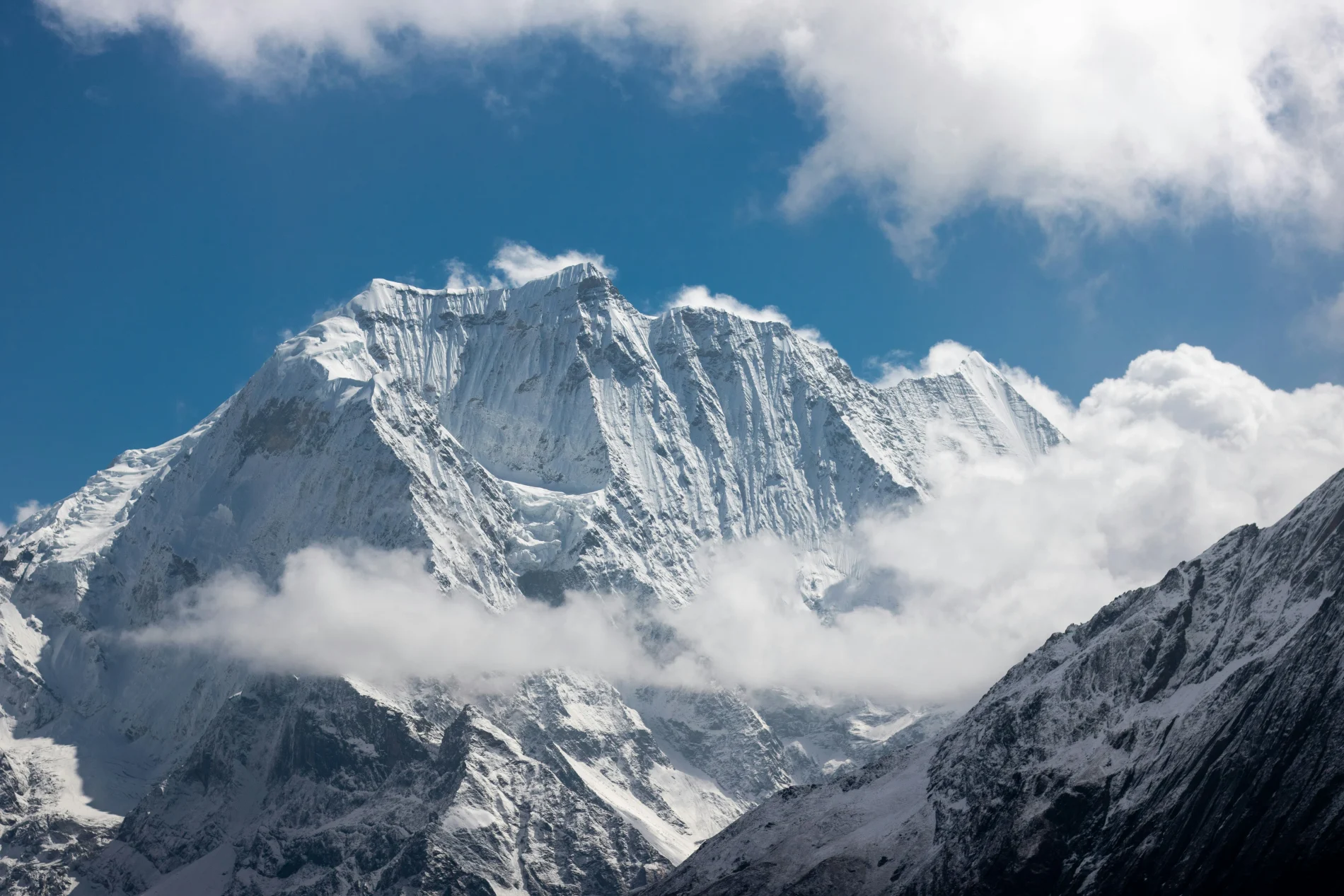
Manaslu Circuit Trek After the October 2026 Floods: Trail Conditions, Safety and Travel Updates
The Manaslu Circuit Trek is one of Nepal’s most rewarding Himalayan journeys, taking trekkers through traditional...
Read more
13/10/2026
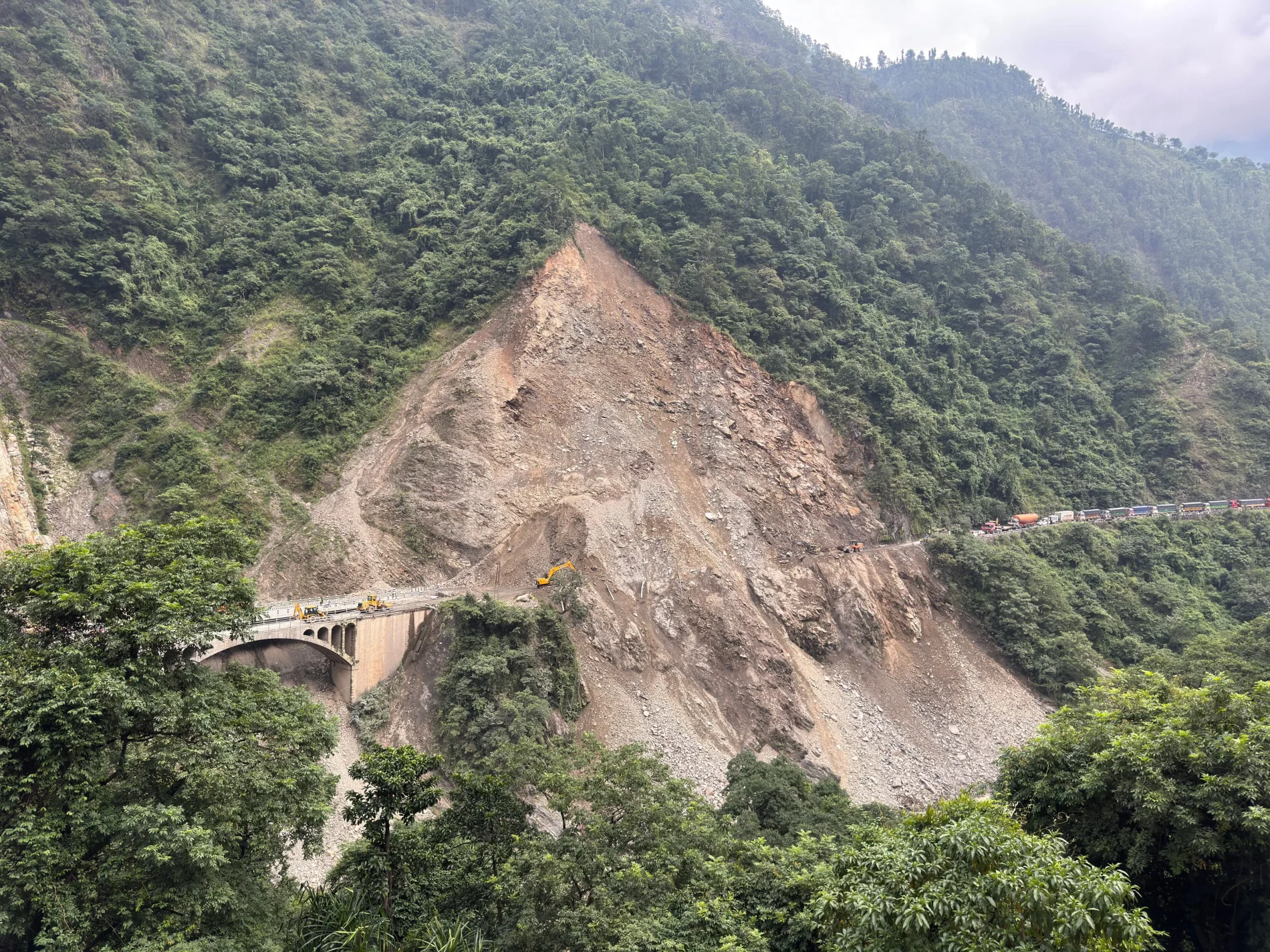
Your Nepal Trek Is Booked, but the Trail Is Closed: What Now?
Imagine arriving in Nepal with your trekking boots ready, your flights booked, your bags packed, and...
Read more