Rara Lake: The Largest Lake in Nepal
Share:
 Read Time
This blog has 2035 words .This blog has 13680 characters.This blog take 7 minutes to read.
Introduction to Rara Lake
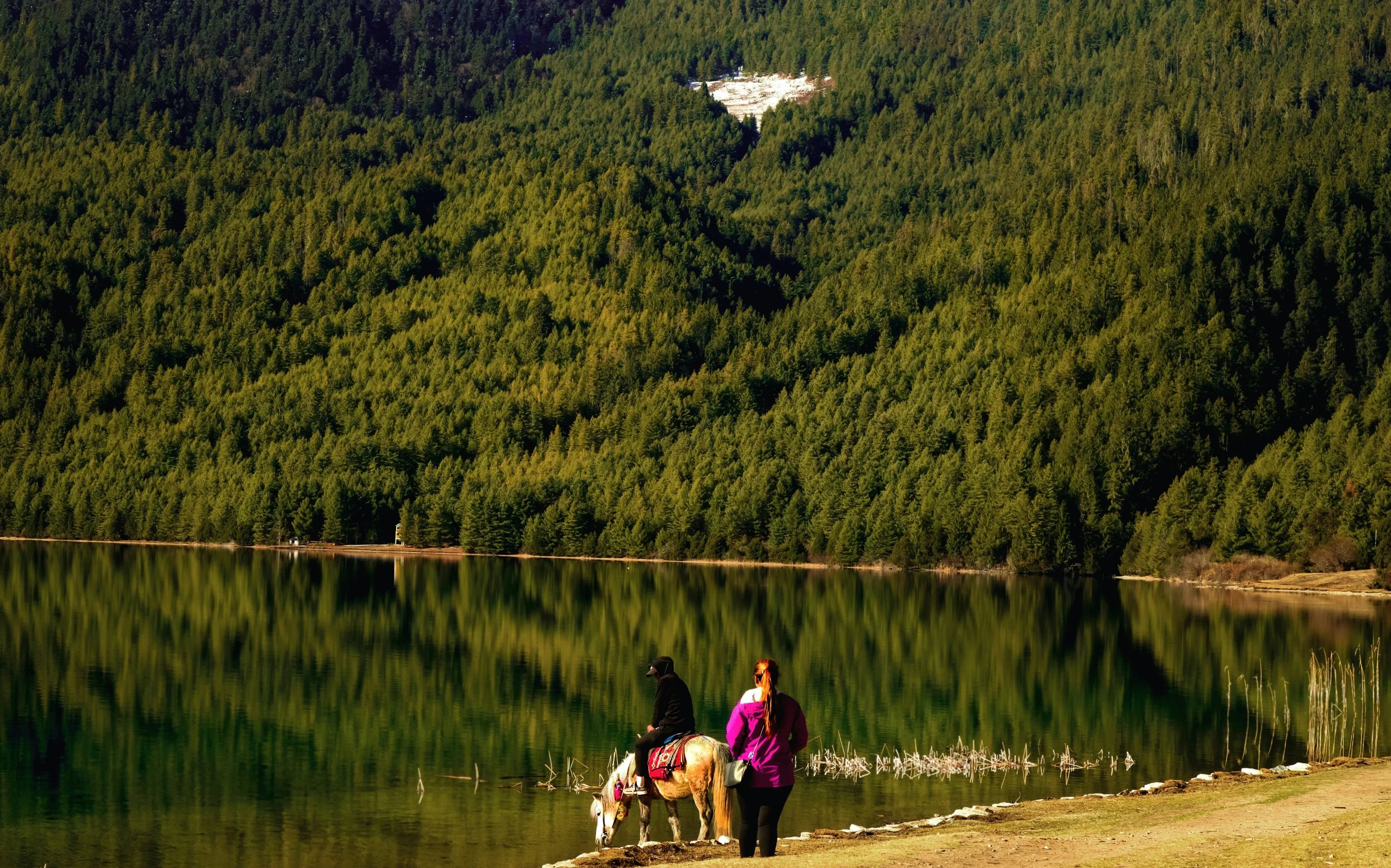
Rara Lake is the largest lake in Nepal, located in the remote Mugu District of Karnali Province in the country’s northwestern region. Resting at an altitude of approximately 2,990 meters (9,810 feet) above sea level, this breathtaking lake covers around 10.8 square kilometers and stretches for nearly 5 kilometers in length. Because of its crystal-clear blue water, untouched forests, and peaceful mountain setting, Rara Lake is widely regarded as one of Nepal’s most beautiful natural destinations. It has also earned the title “Queen of Lakes”, reflecting its unmatched beauty and tranquil atmosphere.
Unlike many of Nepal’s famous tourist destinations, Rara Lake remains relatively untouched by mass tourism. As a result, visitors can experience a quieter and more authentic side of the Himalayas. The journey itself is part of the adventure, taking travelers through traditional villages, dense pine, spruce, fir, and juniper forests, rolling alpine meadows, and scenic mountain trails. Every season offers a different charm because the landscape constantly changes with nature. During spring, colorful wildflowers bloom throughout the surrounding hills, while autumn provides crystal-clear skies and spectacular reflections of the surrounding mountains on the calm lake surface. Even in winter, when snow blankets the surrounding forests, Rara transforms into a peaceful wonderland.
The lake lies at the heart of Rara National Park, Nepal’s smallest national park, which was established to protect the unique ecosystem of the region. The park is home to diverse wildlife, including Himalayan black bears, musk deer, red pandas, Himalayan goral, yellow-throated martens, and more than 200 species of birds. Therefore, visitors not only enjoy the beauty of the lake but also have the opportunity to experience Nepal’s rich biodiversity while exploring the surrounding forests and nature trails. Birdwatchers, wildlife enthusiasts, and nature photographers often consider Rara one of the finest places in Nepal for observing untouched Himalayan ecosystems.
One of the most remarkable features of Rara Lake is its ever-changing colors. Throughout the day, the water shifts from deep sapphire blue to emerald green and brilliant turquoise, depending on the sunlight, weather conditions, and season. Early mornings are especially magical because the calm surface reflects the surrounding pine-covered hills and snow-capped Himalayan peaks like a natural mirror. As the sun sets behind the mountains, golden light spreads across the lake, creating an unforgettable view that attracts photographers and nature lovers from around the world.
Beyond its natural beauty, Rara Lake also offers visitors a chance to experience the culture and hospitality of the local communities living nearby. Small villages around the region preserve traditional lifestyles that have remained largely unchanged for generations. Travelers can interact with local people, learn about their customs, taste authentic local cuisine, and gain insight into daily life in Nepal’s remote Himalayan region. This cultural connection makes a visit to Rara more meaningful than simply sightseeing.
Whether you are looking for a peaceful escape, an unforgettable trekking adventure, stunning landscape photography, wildlife exploration, or simply a chance to reconnect with nature, Rara Lake offers an experience unlike any other destination in Nepal. Its pristine environment, breathtaking scenery, rich biodiversity, and peaceful atmosphere make it a true hidden gem of the Himalayas and a destination that leaves lasting memories for every traveler who visits.
Rara Facts
These facts make Rara Lake a unique destination in Nepal. In addition to being the country’s largest lake by surface area, it is also known for its considerable depth, beautiful surroundings, and peaceful Himalayan setting.
Location of Rara Lake
Rara Lake is located in Mugu District of Karnali Province, western Nepal, within Rara National Park. The lake sits among forest-covered hills and Himalayan landscapes, creating a peaceful natural setting away from Nepal’s busier tourist areas. Although Mugu is a remote region, the journey itself offers beautiful views of rural villages, dense forests, rolling hills, rivers, and spectacular mountain scenery. Moreover, Rara’s remote location is one of the main reasons the area has remained quiet, clean, and largely untouched by commercial tourism.
Situated at an altitude of approximately 2,990 meters (9,810 feet), Rara Lake provides visitors with fresh mountain air and breathtaking panoramic views throughout the year. Because the region is protected as part of Rara National Park, its natural beauty and rich biodiversity have been carefully preserved. As a result, travelers can enjoy a peaceful environment, experience authentic Himalayan landscapes, and discover one of Nepal’s most pristine and rewarding travel destinations.
Altitude of Rara Lake
Rara Lake is situated at an altitude of approximately 2,990 meters (9,810 feet) above sea level, making it one of Nepal’s highest and most beautiful freshwater lakes. Because of its elevation, the region enjoys a cool alpine climate throughout the year, with pleasant summers, crisp autumn days, and cold, snowy winters. The higher altitude also creates fresh mountain air, lush forests, and spectacular views that enhance the lake’s peaceful atmosphere.
Although Rara Lake is lower than many of Nepal’s famous trekking destinations, visitors may still notice the thinner air, particularly if they travel directly by flight from Nepalgunj or Surkhet. Therefore, taking it easy during the first few hours and staying well hydrated is recommended. Moreover, the elevation plays a vital role in shaping Rara’s unique ecosystem, supporting diverse alpine vegetation, rich wildlife, and the crystal-clear blue waters that have made it one of Nepal’s most treasured natural destinations.
Why Is Rara Lake Famous?
Rara Lake is famous for being the largest freshwater lake in Nepal and one of the country’s most breathtaking natural attractions. Often referred to as the “Queen of Lakes,” it is admired for its crystal-clear blue water, which changes shades throughout the day depending on the sunlight, weather, and seasons. Surrounded by dense pine, spruce, fir, and juniper forests, along with rolling green hills and distant Himalayan peaks, the lake offers a picture-perfect landscape that attracts nature lovers, photographers, and adventure travelers from around the world.
Moreover, Rara Lake lies within Rara National Park, allowing visitors to experience not only the lake itself but also Nepal’s rich biodiversity. The park is home to rare wildlife, hundreds of bird species, and beautiful forest trails, making every visit more rewarding. Although Rara is located in a remote part of western Nepal, this isolation has helped preserve its untouched beauty and peaceful atmosphere. As a result, travelers can enjoy quiet lakeside walks, boating, hiking, wildlife observation, and breathtaking sunrise and sunset views without the large crowds often found at Nepal’s more popular tourist destinations.
Best Time to Visit Rara Lake
The best time to visit Rara Lake is generally during spring (March–May) and autumn (September–November). During these months, the weather is usually more stable, the skies are clearer, and mountain views are better. However, each season offers a different experience.
How to Reach Rara Lake
There are several ways to reach Rara Lake, although the journey is more remote and adventurous compared with Nepal’s popular tourist destinations. The fastest and most convenient option is usually to take a flight from Kathmandu to Nepalgunj and then continue with another flight to Talcha Airport in Mugu. After reaching Talcha, travelers need to continue the remaining distance by local transportation and walking trails to reach the beautiful lakeside area. This route saves time and allows visitors to experience the stunning landscapes of western Nepal within a shorter travel period.
Alternatively, travelers can choose an overland journey from Kathmandu through Nepalgunj, Surkhet, and Kalikot before reaching Mugu. Although the road trip takes more time and includes long hours of travel, it offers a unique opportunity to witness the changing landscapes of Nepal, from busy cities and river valleys to remote hills, forests, and traditional mountain villages. Along the way, visitors can observe the lifestyle of local communities and experience the authentic beauty of western Nepal.
Because Rara Lake is located in a remote Himalayan region, reaching the destination itself becomes an important part of the adventure. The challenging roads and distant location have helped preserve the area’s natural charm and peaceful environment. Therefore, the journey to Rara is not only about reaching the lake but also about enjoying the scenic routes, cultural experiences, and untouched landscapes that make the destination truly special.
Things to Do at Rara Lake
Although Rara Lake is known for its peaceful atmosphere and untouched natural beauty, there are several memorable activities that visitors can enjoy during their stay. One of the most popular experiences is taking a boat ride on Rara Lake, where travelers can gently explore the calm blue water while enjoying breathtaking views of the surrounding green hills, dense forests, and distant mountain landscapes. The peaceful movement of the boat across the lake creates a relaxing experience that allows visitors to fully appreciate the beauty of this Himalayan gem.
Likewise, hiking around the lake is another rewarding activity for adventure lovers and nature enthusiasts. The trails around Rara offer stunning views of the lake from different viewpoints while passing through beautiful forests and quiet natural surroundings. These walking routes are perfect for photography because every corner provides opportunities to capture the changing colors of the water, mountain scenery, wildlife, and peaceful landscapes.
Visitors can also explore Rara National Park, which surrounds the lake and protects a diverse range of plants, birds, and wildlife. Bird watching is especially enjoyable in this region, as the park is home to many Himalayan bird species. Moreover, travelers can experience the local lifestyle by visiting nearby villages, interacting with local communities, and learning about the traditional culture of the remote Mugu region.
One of the most unforgettable moments at Rara Lake is watching the sunrise and sunset. During early morning and evening hours, the sunlight creates beautiful reflections on the calm surface of the lake, while the surrounding hills glow with golden colors. Therefore, whether you are interested in photography, hiking, wildlife, or simply enjoying a peaceful natural environment, Rara Lake offers a variety of experiences that make every visit special.
Conclusion
Rara Lake is much more than the largest freshwater lake in Nepal; it is a destination where nature, tranquility, and breathtaking Himalayan scenery come together to create an unforgettable travel experience. Surrounded by lush forests, rolling hills, and the protected landscapes of Rara National Park, the lake offers visitors a rare opportunity to escape the noise of everyday life and reconnect with nature. Whether you enjoy hiking, boating, wildlife watching, photography, or simply relaxing beside crystal-clear water, Rara provides a peaceful setting that few places in Nepal can match.
Although reaching Mugu requires a longer journey compared to other popular destinations, every step of the adventure is rewarded with spectacular landscapes, authentic local culture, and an atmosphere that remains untouched by mass tourism. The changing colors of the lake, the fresh mountain air, and the quiet surroundings create memories that stay with visitors long after they return home. Therefore, if you are looking to discover one of Nepal’s most beautiful hidden gems and experience the country’s untouched natural beauty, Rara Lake deserves a place at the top of your travel bucket list.
FAQs
What is the largest lake in Nepal?
Rara Lake is the largest lake in Nepal by surface area, covering about 10.6 square kilometers.
Where is Rara Lake located?
Rara Lake is located in Mugu District, Karnali Province, inside Rara National Park.
How high is Rara Lake?
Rara Lake lies at an altitude of approximately 2,990 meters (9,810 feet) above sea level.
What is the best time to visit Rara Lake?
Spring (March–May) and autumn (September–November) are generally considered the best seasons because of pleasant weather and clearer mountain views.
Why is Rara Lake famous?
Rara Lake is famous for being Nepal’s largest lake, its beautiful blue water, peaceful surroundings, and scenic Himalayan landscape.

Similar Blogs
View all
13/10/2026
Manaslu Circuit Trek After the October 2026 Floods: Trail Conditions, Safety and Travel Updates
The Manaslu Circuit Trek is one of Nepal’s most rewarding Himalayan journeys, taking trekkers through traditional...
Read more
13/10/2026
Your Nepal Trek Is Booked, but the Trail Is Closed: What Now?
Imagine arriving in Nepal with your trekking boots ready, your flights booked, your bags packed, and...
Read more