Indra Jatra in Nepal: Experience the Grand Cultural Festival of Kathmandu Valley
Share:
 Read Time
This blog has 7086 words .This blog has 48725 characters.This blog take 24 minutes to read.
Nepal is widely known for its mountains, trekking routes, and natural beauty, but the country’s cultural richness is equally fascinating. Every year, different communities celebrate traditional festivals that carry stories of history, spirituality, and local identity. Among these celebrations, Indra Jatra in Nepal holds a special place because it represents the ancient traditions of Kathmandu Valley and offers visitors a chance to experience the authentic lifestyle of the local people. This colorful festival combines religious ceremonies, traditional performances, music, and public celebrations that have continued for hundreds of years.
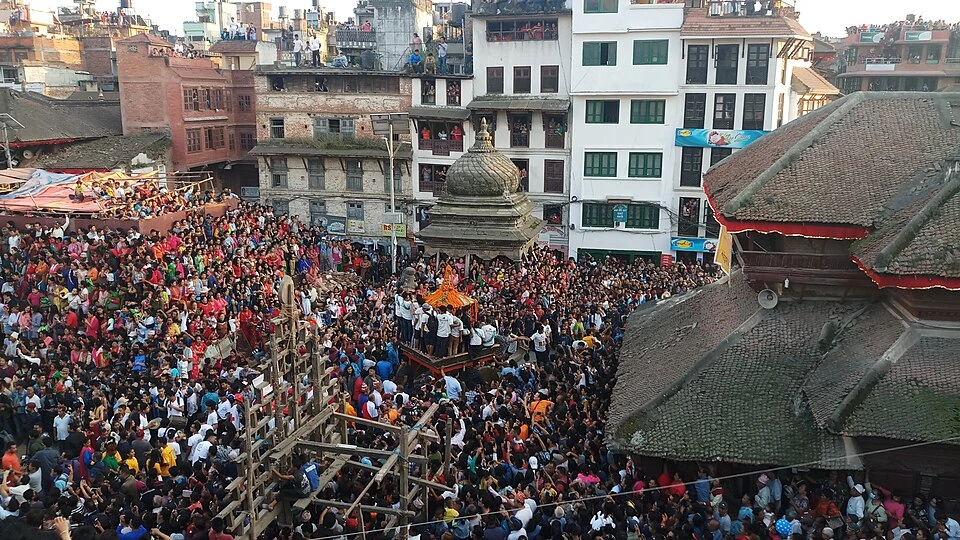
The Indra Jatra festival is one of the biggest cultural events celebrated in Kathmandu, especially among the Newar community. During this festival, the historic areas around Kathmandu Durbar Square become full of energy as thousands of people gather to observe sacred rituals and cultural programs. Streets decorated with traditional symbols, the sound of drums, masked dances, and beautifully decorated chariots create a unique atmosphere that cannot be experienced during normal city tours.
Unlike ordinary sightseeing activities, experiencing this Kathmandu cultural festival allows travelers to understand the deep connection between Nepalese society, religion, and ancient customs. The celebration is not limited to worship; rather, it represents unity, respect for traditions, and the preservation of cultural heritage. Visitors can witness how generations of communities have protected their rituals while adapting to the changing modern world.
The festival is celebrated in honor of Lord Indra, the Hindu god of rain and the ruler of heaven. Traditionally, people believed that worshipping Lord Indra would bring enough rainfall, better agricultural production, and prosperity for the community. Although the festival has religious roots, today it has become a major attraction for cultural explorers, photographers, and travelers who want to discover the historical side of Nepal beyond trekking and adventure activities.
Visiting Nepal during this period provides a rare opportunity to observe living traditions that are still practiced in their original form. From the famous Kumari chariot procession to traditional Lakhey dances and ancient rituals, every part of the celebration tells a story about Kathmandu’s past. Therefore, Indra Jatra in Kathmandu is not only a festival but also a journey into Nepal’s history, art, and cultural identity.
What is Indra Jatra in Nepal?
Indra Jatra in Nepal is a traditional religious and cultural festival celebrated mainly in Kathmandu Valley, especially around Kathmandu Durbar Square and the old settlements of the city. Locally known as Yenya Punhi, the festival is one of the most important celebrations of the Newar community. The word “Yenya” refers to Kathmandu, while “Punhi” means a full moon day in the Nepal Bhasa language. The festival begins on the full moon day of Bhadra according to the lunar calendar and continues for around eight days with different rituals and cultural programs.
The main purpose of this Kathmandu festival is to honor Lord Indra, the Hindu god associated with rain, clouds, and agriculture. According to traditional beliefs, Lord Indra plays an important role in providing rainfall that supports farming and natural balance. Because Nepal has historically been an agricultural society, people celebrated this occasion to express gratitude and pray for good weather, successful harvests, and prosperity. Even today, the festival carries the same spiritual importance while also representing the cultural identity of Kathmandu Valley.
One of the unique aspects of this Nepal cultural festival is the combination of religious ceremonies and public celebrations. Unlike many private religious events, Indra Jatra is celebrated openly in the streets, allowing everyone to participate and experience the traditions. During the festival period, ancient courtyards, temples, and historic streets become gathering places where locals perform traditional dances, play cultural instruments, and take part in various ceremonies. This creates an atmosphere where history and modern city life come together.
The celebration is also famous for bringing together different aspects of Nepalese culture in a single event. Hindu and Buddhist traditions exist side by side during the festival, showing the religious harmony that has existed in Kathmandu Valley for centuries. The presence of sacred figures, traditional masks, chariot processions, and cultural performances reflects the artistic skills and spiritual beliefs of the local communities.
For travelers, experiencing Indra Jatra festival provides a deeper understanding of Nepal’s heritage and traditions. It offers a chance to see the customs that are rarely visible during regular city tours. From observing ancient rituals at Kathmandu Durbar Square to watching traditional performances in crowded streets, visitors can feel the historical charm of the valley. This makes Indra Jatra one of the most meaningful cultural experiences for anyone exploring Nepal.
History of Indra Jatra Festival
The history of Indra Jatra festival is deeply connected with the ancient civilization of Kathmandu Valley and the traditions that have been passed down through many generations. The festival has been celebrated for hundreds of years and holds an important place in Nepal’s cultural history. Although the exact beginning of the celebration is linked with traditional beliefs and legends, historical records show that the festival became highly organized and popular during the Malla period, when Kathmandu’s kings played a major role in promoting art, architecture, and religious ceremonies.
According to an old legend, the origin of Indra Jatra in Kathmandu is connected with Lord Indra, the god of rain and heaven. It is believed that Lord Indra came to the Kathmandu Valley in human form while searching for a special flower called Parijat for his mother. However, local people captured him because they did not recognize him as a divine being. After discovering his true identity, the residents realized their mistake and honored him with respect. This traditional story became an important part of the festival’s history and explains why Lord Indra is worshipped during this celebration.
In ancient times, rainfall was extremely important for the people of Kathmandu Valley because farming was one of the main sources of livelihood. Therefore, the traditional festival of Indra Jatra was connected with prayers for timely rain, healthy crops, and community prosperity. People believed that honoring Lord Indra would maintain a positive relationship between humans and nature. Over the years, the festival expanded beyond agricultural beliefs and became a symbol of social unity, cultural preservation, and religious devotion.
During the Malla era, rulers of Kathmandu Valley supported the development of temples, public celebrations, and artistic performances. The kings introduced and encouraged many traditions that are still followed today, including the famous chariot processions and public ceremonies. The involvement of royal families made the festival even more significant because it became a major event where rulers and citizens gathered together to celebrate their shared culture.
Today, the history of Indra Jatra in Nepal continues to inspire locals and visitors because it represents the survival of ancient traditions in a modern world. Despite changes in society and lifestyle, the festival has maintained its original charm through traditional music, masked dances, religious rituals, and community participation. For travelers interested in Nepal’s history and culture, witnessing this celebration provides a rare opportunity to see a centuries-old tradition still alive on the streets of Kathmandu.
When is Indra Jatra Celebrated?
Indra Jatra in Nepal is celebrated every year according to the lunar calendar, which means the exact date changes from year to year. The festival usually falls during August or September, on the full moon day of the month of Bhadra in the Nepal Sambat calendar. This period marks the beginning of one of the busiest festival seasons in Nepal, when different communities across the country start preparing for major cultural celebrations.
The festival generally continues for around eight days, with each day carrying its own religious and cultural importance. The opening ceremony begins with the raising of the sacred Yosin (Indra Pole) at Basantapur Durbar Square, which officially announces the start of the celebration. After this, various rituals, traditional dances, and public events take place throughout the old areas of Kathmandu. The final day is also significant because the sacred pole is taken down, marking the end of the festival.
For travelers planning to experience this Kathmandu cultural celebration, checking the exact festival date before visiting Nepal is important because the schedule changes every year. Since the celebration follows the lunar system, it does not have a fixed date like many international festivals. However, the festival atmosphere usually remains active throughout the eight-day period, allowing visitors enough time to explore different events and ceremonies.
The evening is considered one of the best times to experience Yenya Punhi festival because Kathmandu’s historic streets become more lively after sunset. Traditional music, masked performances, decorated chariots, and gatherings of devotees create a memorable environment around Kathmandu Durbar Square and nearby areas. Although the streets can become crowded, the energy and excitement of the celebration make the experience even more special.
Visitors who want to combine cultural exploration with sightseeing can plan their Nepal trip around this period. Experiencing Indra Jatra festival in Kathmandu allows travelers to witness ancient traditions while also exploring nearby historical attractions. The combination of old palaces, temples, local communities, and traditional performances makes this time of the year a perfect opportunity to understand the cultural heart of Nepal.
Where is Indra Jatra Celebrated?
The main celebration of Indra Jatra in Nepal takes place in the historic areas of Kathmandu Valley, especially around Kathmandu Durbar Square and the surrounding old city neighborhoods. This area has been the center of the festival for centuries because it contains many ancient temples, royal courtyards, and cultural landmarks connected with the rituals. During the festival period, these historic streets become the main stage where traditional ceremonies, processions, and performances take place.
Kathmandu Durbar Square is considered the heart of the Indra Jatra festival because many important rituals begin and continue from this location. The famous Yosin (Indra Pole) raising ceremony is performed near Basantapur Durbar Square, marking the official beginning of the celebration. The area around Hanuman Dhoka Palace becomes crowded with devotees, locals, photographers, and travelers who gather to observe the traditional activities and experience the festival atmosphere.
Apart from Basantapur, the celebration spreads through many old settlements of Kathmandu. Places such as Indra Chowk, Ason, Makhan, and other traditional streets become part of the festival route. During the chariot procession, thousands of people line these narrow streets to see the Living Goddess Kumari, Bhairav, and Ganesh being carried through the city. The movement of the chariots through ancient neighborhoods creates a strong connection between the festival and the historic lifestyle of Kathmandu.
The surrounding temples and courtyards also play an important role during this Kathmandu cultural festival. Many local communities organize traditional dances, religious activities, and musical performances in their respective areas. The sounds of traditional drums, decorated streets, and crowds of people create a unique environment that reflects the cultural identity of the valley.
For travelers, exploring Indra Jatra is not limited to watching a single event at one location. It is an opportunity to walk through the old city, discover hidden courtyards, observe local traditions, and experience the historic charm of Kathmandu. The combination of ancient architecture and living culture makes the festival area one of the most fascinating places to visit in Nepal during the celebration period.
Major Highlights of Indra Jatra Festival
The Indra Jatra festival is famous for its unique combination of religious rituals, traditional performances, and public celebrations. Throughout the eight-day festival, different ceremonies take place in the historic areas of Kathmandu, attracting thousands of locals and visitors. Each activity has its own meaning and reflects the deep cultural values of Kathmandu Valley. From sacred processions to colorful dances, every part of the celebration offers a different experience for those who want to explore Nepal’s heritage.
One of the main attractions of Indra Jatra in Nepal is the traditional chariot procession, which brings together some of the most important figures of Kathmandu’s religious culture. The beautifully decorated chariots carrying the Living Goddess Kumari, Lord Ganesh, and Lord Bhairav move through the streets of the old city. Large crowds gather around Kathmandu Durbar Square and nearby areas to receive blessings and witness this centuries-old tradition. The procession creates a powerful connection between the local community, ancient beliefs, and the history of Kathmandu.
Another important highlight of the festival is the raising of the Yosin (Indra Pole) at Basantapur Durbar Square. This ceremony officially begins the celebration and is considered a symbolic invitation to Lord Indra. A tall wooden pole is carefully raised with the participation of local communities, marking the start of several days of rituals and cultural events. This ancient practice continues to be one of the most respected ceremonies during the Kathmandu cultural festival.
The festival is also well known for its traditional masked dances, especially the famous Lakhey Dance. Lakhey is a traditional mythical character that is believed to protect children and bring good fortune. During the performance, dancers wearing large colorful masks move through the streets accompanied by traditional drums and music. The energetic movements, unique costumes, and cultural storytelling make these performances one of the most exciting parts of the celebration.
Besides these major ceremonies, visitors can also observe different religious displays, traditional music performances, and local gatherings throughout Kathmandu’s old neighborhoods. The festival represents the harmony between Hindu and Buddhist traditions while preserving the artistic skills of the Newar community. For travelers, witnessing these activities during Indra Jatra festival in Kathmandu provides a rare opportunity to experience Nepal’s living culture, where ancient traditions continue to be celebrated with the same enthusiasm as they were centuries ago.
1. Yosin (Indra Pole) Raising Ceremony: The Beginning of Indra Jatra Celebration
The Yosin (Indra Pole) raising ceremony is one of the most important rituals that marks the official beginning of Indra Jatra in Nepal. This sacred ceremony takes place at Basantapur Durbar Square, near the historic Hanuman Dhoka Palace area in Kathmandu. A tall wooden pole, known as Yosin or Lingo, is carefully selected, prepared, and raised with the participation of local communities. This traditional practice represents the arrival of Lord Indra and announces the start of the grand festival.
The preparation of the Yosin pole itself is a significant cultural process. The large wooden pole is brought from a specific forest area and transported to Kathmandu through traditional methods. Local communities take part in various rituals before it is placed at Basantapur. The process reflects the strong connection between nature, religion, and the cultural practices of the people living in Kathmandu Valley.
During the ceremony, thousands of people gather around Kathmandu Durbar Square to observe the raising of the sacred pole. Priests perform religious rituals while traditional musicians create a festive atmosphere with drums and cultural instruments. Once the pole is successfully raised, it signals the official start of the Kathmandu cultural festival, and different events continue throughout the following days.
The Yosin pole carries deep symbolic meaning in the traditional beliefs of the Newar community. It is associated with Lord Indra and is considered a representation of divine protection, rainfall, and prosperity. Since agriculture was historically an important part of life in Kathmandu Valley, people believed that honoring Lord Indra would bring favorable weather conditions and support a successful harvest.
For visitors, witnessing the Yosin raising ceremony offers a chance to see one of Nepal’s oldest cultural traditions in its original form. The combination of ancient rituals, historic architecture, traditional music, and large community participation creates a memorable experience. As the first major event of Indra Jatra festival in Kathmandu, this ceremony provides a perfect introduction to the rich heritage and traditions that make this celebration unique.
2. Kumari Jatra – The Living Goddess Procession
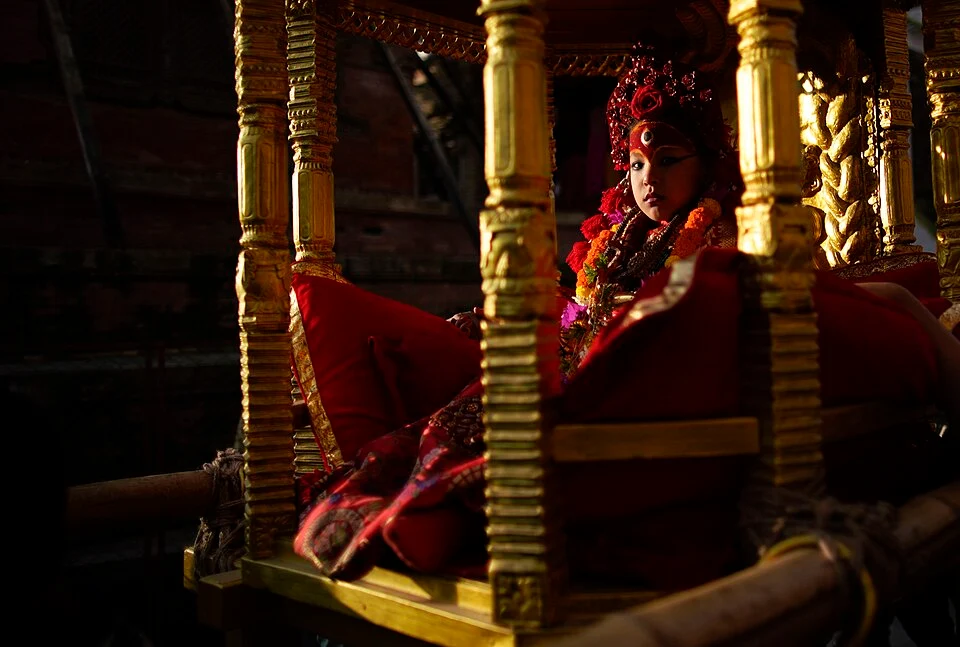
One of the most famous and meaningful attractions of Indra Jatra in Nepal is the Kumari Jatra, a grand chariot procession featuring the Living Goddess Kumari of Kathmandu. This sacred event attracts thousands of devotees, photographers, and travelers who gather around the historic streets of Kathmandu to witness this rare cultural tradition. The procession is considered one of the most important parts of the festival because it represents the connection between Nepal’s ancient religious beliefs and the living heritage of the Kathmandu Valley.
The Kumari is worshipped as a living representation of Goddess Taleju, a powerful deity who holds great importance in Newar culture. During Indra Jatra festival, the Kumari is brought out of the Kumari Ghar, located near Kathmandu Durbar Square, and placed inside a beautifully decorated chariot. The chariot is then pulled through the traditional streets of Kathmandu, allowing people to receive blessings from the Living Goddess. This public appearance happens only on special occasions, making the event highly significant for both locals and visitors.
Along with the Kumari’s chariot, two other important chariots carrying representations of Ganesh and Bhairav also participate in the procession. These three chariots move through different parts of old Kathmandu, including areas around Basantapur, Indra Chowk, and Ason. Thousands of people gather along the narrow streets, creating a lively atmosphere filled with traditional music, prayers, cultural performances, and celebrations.
The Kumari Jatra procession is not only a religious ceremony but also a reflection of Kathmandu’s artistic and cultural identity. The beautifully crafted wooden chariots, traditional costumes, ancient architecture, and community participation showcase the craftsmanship and traditions preserved by generations. Even in modern times, this ceremony continues to maintain its original importance because local communities actively participate in protecting their heritage.
For travelers visiting Nepal, witnessing the Living Goddess procession during Kathmandu cultural festival provides an unforgettable cultural experience. Unlike regular sightseeing, this event allows visitors to observe a tradition that has remained alive for centuries. The combination of spirituality, history, and local celebration makes Kumari Jatra one of the most memorable highlights of Indra Jatra and a must-see experience for anyone exploring the cultural side of Kathmandu.
3. Lakhey Dance and Traditional Performances
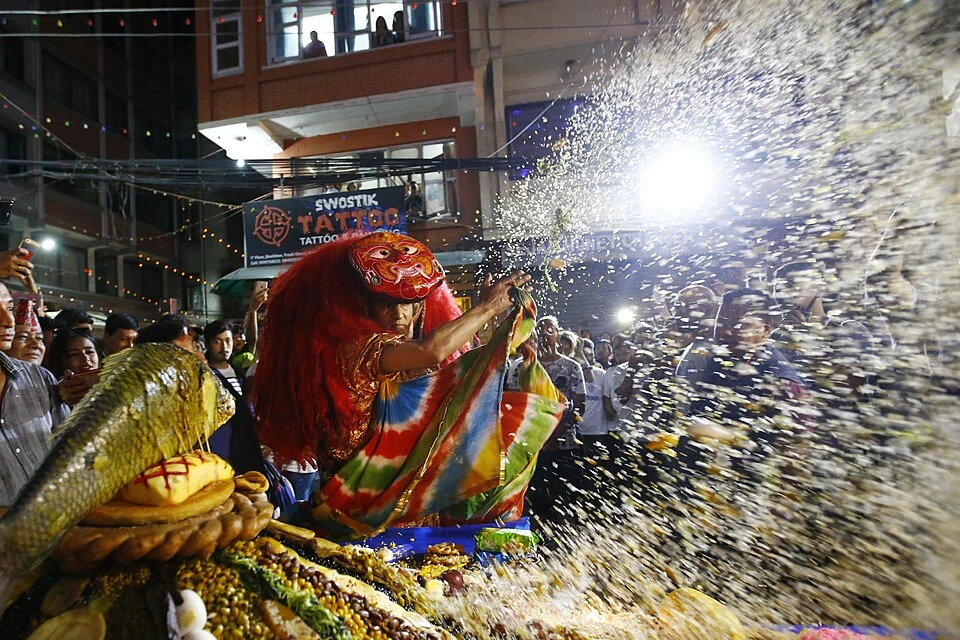
The Lakhey Dance is one of the most exciting and visually impressive attractions of Indra Jatra in Nepal. This traditional masked dance performance represents the unique art, mythology, and cultural traditions of the Newar community. During the festival period, the streets of Kathmandu become lively with the appearance of Lakhey, a mythical character known as a protector figure. With its powerful movements, colorful costume, and energetic performance, Lakhey Dance has become one of the most recognizable symbols of Kathmandu’s cultural heritage.
According to traditional beliefs, Lakhey is considered a demon-like figure who protects children and brings good fortune to the community. Although the character appears frightening because of its large mask and dramatic appearance, Lakhey is viewed positively in Newar culture. The performance represents the balance between powerful spiritual forces and human society. During Indra Jatra festival, dancers wearing traditional Lakhey masks perform on the streets while surrounded by crowds enjoying the music and celebrations.
The performance is accompanied by traditional Newar musical instruments, especially drums that create a powerful rhythm throughout the streets. The dancer’s fast movements, unique expressions, and carefully designed costumes make the performance visually attractive. Along with Lakhey, other traditional masked dances and cultural performances are also organized during the festival, showcasing the artistic skills that have been preserved for generations.
These performances are not only entertainment but also a way of passing cultural stories from one generation to another. Through dance, music, and costumes, local communities preserve ancient beliefs and share their history with younger generations as well as visitors. This makes the Kathmandu cultural festival an important platform for protecting Nepal’s traditional arts and encouraging cultural awareness.
For travelers, watching Lakhey Dance during Indra Jatra in Kathmandu is a memorable experience because it allows them to witness Nepal’s living traditions in their original environment. The combination of traditional music, historic streets, decorated temples, and energetic performances creates a festival atmosphere that cannot be found in ordinary city tours. It provides a deeper understanding of how art and culture remain an essential part of everyday life in Kathmandu Valley.
4. Bhairav Display and Religious Activities During Indra Jatra
Another important attraction of Indra Jatra in Nepal is the display of sacred Bhairav figures and the various religious activities performed throughout the festival period. Bhairav is considered a powerful form of Lord Shiva and holds great importance in Newar religious traditions. During the celebration, large images of Bhairav are displayed in different areas of Kathmandu, attracting thousands of devotees who come to offer prayers and seek blessings.
One of the most famous displays during the Indra Jatra festival is the image of Akash Bhairav, which is placed at Indra Chowk. This sacred figure becomes a major center of worship during the festival days. Devotees gather around the area to perform prayers, make offerings, and receive blessings. The presence of Bhairav adds a strong spiritual atmosphere to the celebration and represents the deep religious connection maintained by the communities of Kathmandu Valley.
Another important religious activity during the festival is the offering of traditional rituals by local families and communities. People visit temples, prepare special offerings, and participate in ceremonies that have been followed for generations. These activities show the importance of family traditions and community participation in preserving the cultural identity of the valley.
The religious events during Kathmandu’s traditional festival also highlight the harmony between Hindu and Buddhist practices. Kathmandu Valley has a long history of different religious traditions existing together, and Indra Jatra reflects this unique cultural relationship. The involvement of various communities, priests, artists, and local residents makes the celebration a shared experience rather than only a religious ceremony.
For visitors, observing Bhairav displays and religious activities provides a deeper look into Nepal’s spiritual heritage. While the colorful processions and dances attract attention, these sacred rituals reveal the deeper meaning behind the festival. Experiencing these traditions during Indra Jatra in Kathmandu allows travelers to understand how ancient beliefs, community values, and cultural practices continue to shape the identity of Nepal.
Cultural Importance of Indra Jatra
The cultural importance of Indra Jatra in Nepal goes far beyond its religious ceremonies. This festival represents the history, traditions, and social values of Kathmandu Valley that have been protected for hundreds of years. It is a celebration where ancient beliefs, traditional arts, and community participation come together. Even in today’s modern society, the festival continues to remind people about the importance of preserving their cultural roots and passing them to future generations.
One of the main reasons the Indra Jatra festival is significant is because it helps preserve the unique identity of the Newar community. Through traditional dances, music, rituals, and processions, the festival keeps ancient customs alive. Many cultural practices that might have disappeared over time are still performed during this celebration because local communities actively participate and teach these traditions to younger generations.
The festival also represents the strong relationship between people and nature. Since Lord Indra is associated with rain and agriculture, the celebration historically expressed gratitude for rainfall and successful harvests. Although lifestyles have changed, this connection with nature remains an important part of the festival’s meaning. It reflects the traditional belief that human life depends on maintaining harmony with the natural environment.
Another important aspect of Kathmandu cultural festival is the unity it creates among different groups of people. During Indra Jatra, people from different backgrounds gather together to participate in the celebrations. Hindu and Buddhist traditions come together, while local communities, visitors, and cultural performers share the same public spaces. This sense of togetherness makes the festival an important symbol of social harmony in Nepal.
For travelers, experiencing Indra Jatra festival in Kathmandu offers much more than watching a celebration. It provides an opportunity to understand Nepal’s living heritage, where history and modern life exist together. The ancient rituals, traditional performances, and community involvement show why Nepal is known as a country with rich cultural diversity. Through this festival, visitors can experience the true spirit of Kathmandu and discover a side of Nepal that goes beyond its mountains and adventure destinations.
Indra Jatra Experience for Travelers
Experiencing Indra Jatra in Nepal is a unique opportunity for travelers who want to explore the cultural side of Kathmandu beyond the usual sightseeing destinations. While many visitors come to Nepal for trekking, mountains, and adventure activities, this traditional celebration offers a completely different experience filled with history, spirituality, and local lifestyle. During the festival period, the ancient streets of Kathmandu become a vibrant place where travelers can witness centuries-old traditions continuing in their original form.
One of the most memorable experiences for visitors is walking through the historic areas around Kathmandu Durbar Square during the celebration. The sound of traditional drums, decorated temples, colorful costumes, and large gatherings create a special atmosphere throughout the city. Travelers can observe local people participating in rituals, enjoying cultural performances, and celebrating together with great enthusiasm. This allows visitors to understand the daily connection between culture and community in Kathmandu Valley.
The Indra Jatra festival also provides excellent opportunities for photography and cultural exploration. The beautifully decorated chariots, traditional masks, ancient architecture, and energetic street performances create countless moments to capture. However, visitors should always remember that many activities are sacred rituals, so taking photographs respectfully and following local customs is important. Respecting the traditions makes the experience more meaningful for both travelers and local communities.
Another interesting part of experiencing this Kathmandu cultural festival is exploring the hidden corners of the old city. The festival route passes through traditional neighborhoods where visitors can discover historic courtyards, small temples, local markets, and centuries-old buildings. Instead of only observing from a distance, travelers can feel the atmosphere of Kathmandu by walking through the same streets where generations of people have celebrated this festival.
For international visitors, Indra Jatra in Kathmandu creates a deeper connection with Nepal’s culture and heritage. The festival shows how ancient traditions continue to influence modern life and how communities work together to preserve their identity. By experiencing the celebrations, travelers can take home not only beautiful memories but also a better understanding of Nepal’s history, beliefs, and cultural diversity.
8 Days of Indra Jatra Festival in Nepal: Day-by-Day Celebration
One of the unique aspects of Indra Jatra in Nepal is that it is not limited to a single celebration day. The festival continues for around eight days, and each day includes different religious ceremonies, traditional performances, and cultural activities. Every ritual during this period has its own meaning and reflects the ancient beliefs and traditions of Kathmandu Valley. From the raising of the sacred Yosin pole to the famous Kumari chariot procession, each day provides a different experience for locals and visitors.
Day 1: Yosin (Indra Pole) Raising Ceremony – The Beginning of Indra Jatra
The first day officially marks the beginning of the Indra Jatra festival with the raising of the sacred Yosin, also known as the Indra Pole, at Basantapur Durbar Square. This important ceremony is performed through traditional rituals with the involvement of priests and local communities. The raising of the pole symbolizes the arrival of Lord Indra and announces the start of several days of cultural celebrations throughout Kathmandu.
After this ceremony, the historic areas around Kathmandu Durbar Square become active with traditional music, religious activities, and cultural performances. Locals begin preparing for the upcoming events, creating a festive atmosphere throughout the old city.
Day 2: Religious Worship and Cultural Activities
The second day continues with various religious practices dedicated to Lord Indra and other important deities connected with the festival. Local communities visit temples, perform traditional rituals, and participate in cultural activities held in different parts of Kathmandu.
During this time, visitors can explore the old streets of Kathmandu and observe how local people prepare for the major events ahead. Traditional music, small gatherings, and community activities make the festival atmosphere more lively.
Day 3: Bhairav Worship and Sacred Displays
The third day of Indra Jatra in Kathmandu focuses on the worship of Bhairav, a powerful form of Lord Shiva. One of the major attractions during this period is the display of sacred Bhairav images, especially Akash Bhairav at Indra Chowk.
Many devotees gather to offer prayers and receive blessings. The combination of religious devotion, historic surroundings, and traditional activities makes this day an important part of the festival experience.
Day 4: Lakhey Dance and Traditional Performances
The fourth day brings more excitement through traditional masked dances and cultural performances. The famous Lakhey Dance becomes one of the main attractions as dancers wearing colorful masks perform through the streets of Kathmandu.
Accompanied by traditional drums and music, these performances represent ancient stories and beliefs of the Newar community. For visitors, this day provides a chance to experience the artistic side of Kathmandu cultural festival.
Day 5: Kumari Jatra – The Living Goddess Procession
The fifth day is considered one of the most significant days of Indra Jatra festival in Nepal because of the famous Kumari Jatra. During this special event, the Living Goddess Kumari is carried through the streets of Kathmandu in a beautifully decorated chariot.
Along with Kumari, the chariots of Ganesh and Bhairav also join the procession. Thousands of devotees and visitors gather around Basantapur, Kathmandu Durbar Square, Indra Chowk, and Ason to witness this sacred ceremony.
Day 6: Chariot Procession and Community Celebration
The sixth day continues with chariot movements through different traditional areas of Kathmandu. Local communities participate in prayers, cultural performances, and celebrations throughout the old city.
The streets remain filled with traditional music, decorated houses, and enthusiastic crowds. This day allows visitors to experience how deeply the festival is connected with the daily life of Kathmandu residents.
Day 7: Traditional Rituals and Cultural Events
The seventh day includes various religious ceremonies and community activities that continue the spirit of the festival. People visit temples, participate in worship, and enjoy traditional performances held in different areas.
For travelers, this is a great opportunity to explore the less crowded parts of the celebration and observe the cultural practices followed by local communities.
Day 8: Yosin Pole Lowering Ceremony – Closing of the Festival
The final day marks the official ending of Indra Jatra in Nepal with the lowering of the Yosin pole at Basantapur Durbar Square. This ceremony represents the completion of the festival and the conclusion of the religious rituals.
After the pole is removed, the major celebrations come to an end, and Kathmandu slowly returns to its regular daily activities. However, the memories, traditions, and cultural importance of the festival continue for generations.
Best Tips for Visiting Indra Jatra
Visiting Indra Jatra in Nepal can be an unforgettable cultural experience, but proper preparation helps travelers enjoy the festival more comfortably. Since the celebration attracts thousands of locals and visitors, the streets around Kathmandu Durbar Square and other festival areas can become extremely crowded. Planning your visit in advance allows you to experience the important ceremonies while also respecting the local traditions and community activities.
One of the most important tips is to arrive early, especially if you want a good view of major events such as the Kumari chariot procession and traditional performances. Popular locations like Basantapur Durbar Square, Indra Chowk, and nearby streets become packed during important ceremonies. Reaching the area before the crowds arrive gives you more time to explore the surroundings and find suitable viewing spots.
Comfortable clothing and footwear are highly recommended when attending this Kathmandu cultural festival. Visitors usually spend several hours walking through crowded streets, historic areas, and narrow lanes. Wearing comfortable shoes, carrying a small bag, and keeping personal belongings secure will make your experience easier. Since the festival takes place during the monsoon season in Nepal, carrying a light raincoat or umbrella can also be useful.
Respecting local customs is another important part of enjoying Indra Jatra festival in Kathmandu. Many ceremonies are religious and meaningful to the local community, so visitors should observe quietly and avoid disturbing rituals. Asking for permission before taking close-up photographs of people or sacred activities is a good practice. Showing respect toward traditions allows travelers to experience the festival in a more authentic way.
Travelers should also keep in mind that transportation around Kathmandu can be affected during major festival days. Some roads near Kathmandu Durbar Square may have restrictions because of large crowds and processions. Using walking routes, hiring a taxi from a suitable distance, or staying near the city center can make transportation easier. With proper planning and respect for local culture, experiencing Indra Jatra in Nepal becomes a memorable journey into the heart of Kathmandu’s traditions.
Nearby Places to Visit During Indra Jatra
While experiencing Indra Jatra in Nepal, travelers can also explore several historic and cultural attractions located around Kathmandu Valley. Since the festival mainly takes place in the old areas of Kathmandu, visitors have a great opportunity to combine the celebration with sightseeing. The nearby destinations offer a deeper understanding of Nepal’s history, architecture, religion, and traditional lifestyle.
Kathmandu Durbar Square
The first place to explore during the Indra Jatra festival is Kathmandu Durbar Square itself, which is the main center of the celebration. This UNESCO World Heritage Site is surrounded by ancient palaces, temples, courtyards, and traditional Newar architecture. During the festival, the square becomes even more special because many important rituals, including the Yosin pole raising ceremony and Kumari procession, take place in this area.
Visitors can explore historic structures such as Hanuman Dhoka Palace, Kumari Ghar, and various temples while experiencing the festival atmosphere. The combination of ancient architecture and cultural activities makes Kathmandu Durbar Square one of the best places to understand the heritage of the valley.
Swayambhunath Stupa
Located on a hilltop west of Kathmandu, Swayambhunath Stupa is another important cultural attraction that travelers can visit during their stay. Also known as the Monkey Temple, this ancient Buddhist site offers beautiful views of Kathmandu Valley along with a peaceful spiritual environment. The combination of Buddhist traditions and historical importance makes it one of the most visited landmarks in Nepal.
Visiting Swayambhunath after experiencing Kathmandu cultural festival allows travelers to see another important part of Nepal’s religious diversity. The prayer flags, monasteries, and ancient statues provide a different cultural experience compared to the busy festival streets.
Thamel
For travelers looking for restaurants, shopping, and a lively atmosphere, Thamel is one of the best places to visit near the festival area. This popular tourist district offers traditional handicrafts, local products, cafes, and travel services. After spending time at Indra Jatra in Kathmandu, visitors can relax in Thamel while exploring its colorful streets.
Asan Market and Indra Chowk
The traditional markets of Asan and Indra Chowk are also worth visiting during the festival period. These areas are closely connected with the celebration route and provide an authentic look into local Kathmandu life. Travelers can observe traditional shops, local foods, and daily activities while walking through these historic streets.
Exploring these nearby attractions along with Indra Jatra in Nepal creates a complete cultural journey. Instead of only attending the festival events, visitors can discover the history, lifestyle, and traditions that make Kathmandu Valley one of the most fascinating cultural destinations in the world.
Why Experience Indra Jatra in Nepal?
Experiencing Indra Jatra in Nepal is a perfect choice for travelers who want to discover the authentic cultural side of the country. Nepal is not only famous for the Himalayas and adventure activities, but it is also home to centuries-old traditions that continue to shape the lifestyle of local communities. This festival provides a rare opportunity to witness ancient rituals, traditional performances, and community celebrations that have remained alive for generations.
One of the main reasons to visit this Kathmandu cultural festival is the chance to observe Nepal’s living heritage. Many festivals around the world have become modern celebrations, but Indra Jatra still maintains its original connection with religion, history, and local customs. The chariot processions, masked dances, sacred ceremonies, and traditional music allow visitors to experience a culture that is deeply connected with its past.
Another reason to experience Indra Jatra festival in Kathmandu is the unique atmosphere created throughout the historic city. During the celebration, the old streets around Kathmandu Durbar Square become full of energy and excitement. The combination of ancient temples, traditional architecture, colorful decorations, and thousands of participants creates a memorable environment that cannot be found during normal sightseeing tours.
The festival is also an excellent opportunity to understand the diversity of Nepalese traditions. Through the participation of different communities and the combination of Hindu and Buddhist practices, Indra Jatra represents the cultural harmony of Kathmandu Valley. Travelers can learn how local people preserve their identity while sharing their traditions with visitors from around the world.
For those searching for a meaningful travel experience, Indra Jatra in Kathmandu offers something beyond photographs and sightseeing. It allows visitors to connect with local people, understand Nepal’s history, and witness a celebration that represents the heart of Kathmandu’s culture. By including this festival in a Nepal journey, travelers can create unforgettable memories and discover a side of Nepal that goes beyond its famous mountains and natural beauty.
Conclusion: Experience the Cultural Beauty of Indra Jatra in Nepal
Indra Jatra in Nepal is more than just a traditional celebration; it is a living representation of Kathmandu Valley’s history, spirituality, and cultural identity. The festival brings together ancient rituals, sacred ceremonies, traditional dances, and community participation, creating a unique atmosphere that reflects the true spirit of Nepal. From the raising of the Yosin pole to the grand Kumari chariot procession and energetic Lakhey performances, every part of the festival carries a story that has been preserved for generations.
For travelers, visiting Nepal during the Indra Jatra festival provides an opportunity to experience the country from a different perspective. While Nepal is globally recognized for trekking, mountains, and adventure activities, festivals like this reveal the deep cultural traditions that make the country special. Walking through the historic streets of Kathmandu, observing local rituals, and interacting with communities allows visitors to create a stronger connection with Nepal’s heritage.
The beauty of this Kathmandu cultural festival lies in its ability to bring the past and present together. Although Kathmandu has developed into a modern city, Indra Jatra continues to maintain its traditional values and importance. The active involvement of local communities ensures that these ancient practices remain meaningful and continue to inspire future generations.
Whether you are a culture enthusiast, photographer, history lover, or traveler looking for an authentic Nepal experience, Indra Jatra in Kathmandu is a festival worth experiencing. The combination of religious devotion, artistic performances, historic landmarks, and joyful celebrations makes it one of the most memorable cultural events in Nepal.
A journey to Nepal during Indra Jatra is not only a visit to a festival but also an exploration of the country’s soul. It offers a rare chance to witness traditions that have survived for centuries and understand why Kathmandu Valley remains one of the world’s most fascinating cultural destinations.
FAQs
1. What is Indra Jatra in Nepal?
Indra Jatra in Nepal is one of the biggest cultural festivals celebrated in Kathmandu Valley, especially by the Newar community. The festival is dedicated to Lord Indra, the Hindu god of rain and heaven. It includes traditional rituals, chariot processions, masked dances, music, and various cultural activities that showcase the ancient heritage of Kathmandu.
2. How many days is Indra Jatra celebrated?
Indra Jatra festival is celebrated for around eight days. Each day has different religious and cultural activities, including the Yosin pole raising ceremony, Bhairav worship, Lakhey dances, Kumari Jatra, and the closing ceremony. The duration makes it one of the most important extended festivals of Kathmandu Valley.
3. When is Indra Jatra celebrated in Nepal?
The festival is usually celebrated during August or September according to the lunar calendar. The exact date changes every year because it follows the traditional Nepalese calendar system. Visitors should check the yearly festival schedule before planning their trip to Kathmandu.
4. Where is Indra Jatra celebrated?
The main celebration of Indra Jatra in Kathmandu takes place around Kathmandu Durbar Square, Basantapur, Hanuman Dhoka Palace, Indra Chowk, and nearby old city areas. These historic locations become the center of rituals, processions, and cultural performances during the festival.
5. What are the main attractions of Indra Jatra festival?
The major attractions of Indra Jatra festival in Nepal include the Yosin (Indra Pole) raising ceremony, Kumari Jatra procession, Lakhey Dance, Bhairav displays, traditional music, and masked performances. These activities provide visitors with a chance to experience Nepal’s ancient culture and traditions.
6. Why is Kumari Jatra important during Indra Jatra?
Kumari Jatra is one of the most important events because it features the public appearance of the Living Goddess Kumari. During this procession, Kumari is carried through Kathmandu streets in a decorated chariot along with Ganesh and Bhairav chariots. Thousands of devotees gather to receive blessings and witness this sacred tradition.
7. Can tourists attend Indra Jatra in Nepal?
Yes, tourists can attend and observe Indra Jatra festival in Kathmandu. Visitors are welcome to experience the cultural performances, processions, and celebrations. However, they should respect local traditions, avoid disturbing religious rituals, and ask permission before taking close photographs.
8. What is the best place to watch Indra Jatra?
The best places to experience the festival include Kathmandu Durbar Square, Basantapur, Indra Chowk, and Ason areas. These locations host major events and provide excellent opportunities to observe the chariot processions and traditional performances.
9. What should visitors wear during Indra Jatra?
Visitors should wear comfortable clothing and walking shoes because the festival involves exploring crowded streets and historic areas. Since the festival usually takes place during the monsoon season, carrying a light raincoat or umbrella can also be helpful.
10. Is Indra Jatra only a religious festival?
No, Indra Jatra in Nepal is both a religious and cultural festival. Although it is connected with worship and traditional beliefs, it also celebrates Nepal’s history, art, music, dance, and community unity. It represents the cultural identity of Kathmandu Valley.
11. What makes Indra Jatra different from other festivals in Nepal?
Indra Jatra is unique because it combines ancient rituals, royal history, chariot processions, masked dances, and public celebrations in one event. The participation of the Living Goddess Kumari and traditional performances makes it one of the most distinctive festivals in Nepal.
12. How can visitors reach the Indra Jatra festival area?
Visitors can reach Kathmandu Durbar Square by taxi, local transportation, or walking from nearby areas like Thamel. During the festival, roads near Basantapur may become crowded, so walking from a nearby location is often the easiest option.

Similar Blogs
View all
27/10/2026
Pokhara
Pokhara is one of Nepal’s most popular travel destinations, known for its beautiful lakes, Himalayan views,...
Read more
14/10/2026
What Happens If You Don’t Like Nepali Food During a Trek?
Imagine spending months planning your dream trek in Nepal. You have chosen your route, bought your...
Read more