Tadapani
Share:
 Read Time
This blog has 1840 words .This blog has 12310 characters.This blog take 6 minutes to read.
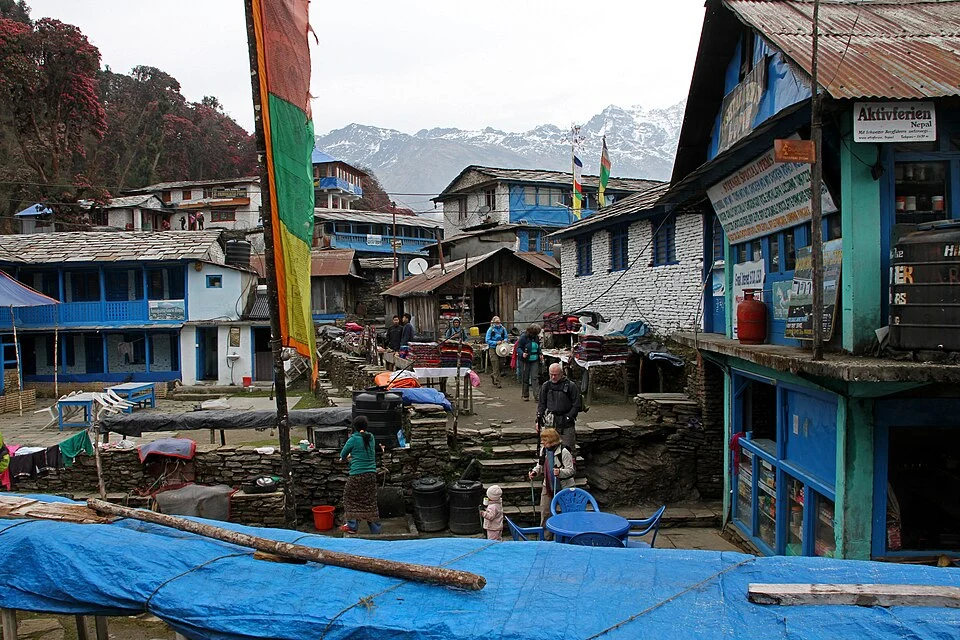
Tadapani is a small mountain settlement in Nepal’s Annapurna region, surrounded by dense rhododendron and oak forests. Located at approximately 2,630 metres above sea level, it is a popular overnight stop for trekkers travelling between Ghorepani, Ghandruk and the Annapurna Base Camp trekking routes.
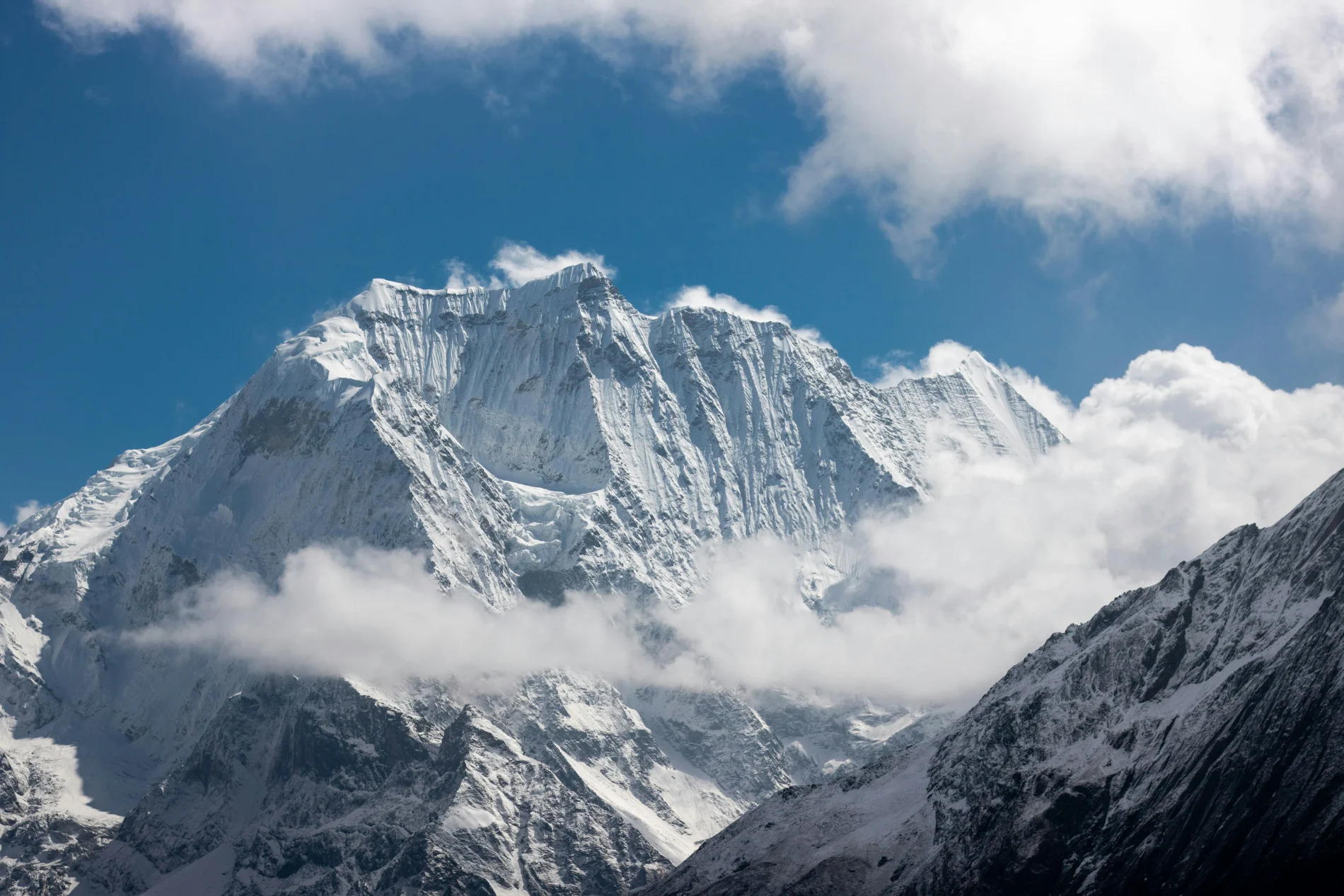
What makes Tadapani special is the combination of forest scenery, mountain views and peaceful surroundings. On a clear day, trekkers can see Annapurna South, Hiunchuli and Machhapuchhre, also known as Fishtail Mountain. In spring, the surrounding hills become even more beautiful as rhododendron flowers appear among the trees.
For many visitors, Tadapani is more than a place to spend the night. It is an opportunity to slow down, enjoy the Himalayan landscape and experience the quieter side of trekking in Nepal.
Quick Facts Preview
Where Is Tadapani?
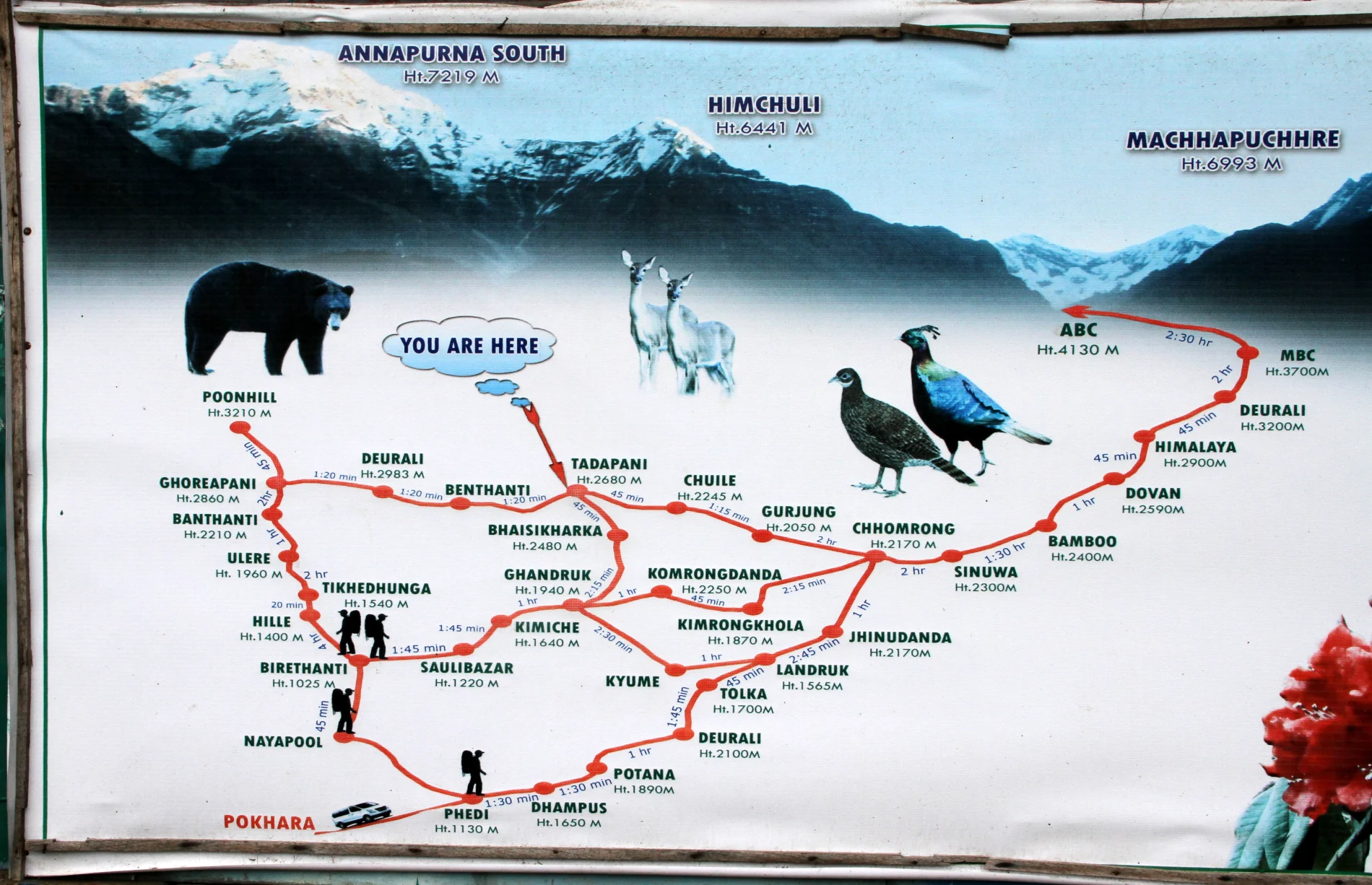
Tadapani lies within the Annapurna Conservation Area in western Nepal. It sits along a forested mountain ridge between Ghorepani and Ghandruk, making it an important stop on several trekking routes in the Annapurna foothills.
The settlement is accessible on foot rather than by a regular road journey. Most trekkers reach Tadapani as part of a multi-day trek beginning around Pokhara, with the exact route depending on their itinerary.
The surrounding landscape changes as you approach the village. Terraced hillsides gradually give way to thicker forests, winding trails and occasional openings through which the Himalayan peaks become visible.
Tadapani is also a useful junction for trekkers who want to combine the Ghorepani–Poon Hill area with a longer journey towards Annapurna Base Camp. Its location makes it possible to plan different routes according to available time, walking ability and travel preferences.
What Makes Tadapani Special?
Close-Up Views of the Annapurna Mountains
One of Tadapani’s main attractions is its mountain scenery. The surrounding forests open in places to reveal views of Annapurna South, Hiunchuli and the distinctive pyramid-shaped summit of Machhapuchhre.
The mountains can look especially impressive in the early morning, when the air is often clearer and sunlight begins illuminating the snowy peaks. Depending on the weather and cloud cover, visitors may also enjoy beautiful views in the late afternoon.
Unlike viewpoints that require a separate climb, some of Tadapani’s mountain scenery can be enjoyed from the village and its surrounding clearings. This makes it a rewarding stop for trekkers who want to appreciate the landscape without adding another demanding excursion to their itinerary.
However, mountain views are never guaranteed. Clouds, rain and changing weather conditions can obscure the peaks, even during the main trekking seasons.
Rhododendron and Oak Forests
The forests surrounding Tadapani are among its most memorable natural features. The trekking trails pass through a landscape of rhododendron, oak and other mountain vegetation, creating a refreshing contrast to the exposed ridges and open viewpoints found elsewhere in the Annapurna region.
Spring is particularly attractive because rhododendrons, known locally as laligurans, bloom across many sections of the surrounding hills. Depending on elevation and weather, the flowers can appear in shades of red, pink and white.
Walking through these forests during the flowering season offers excellent opportunities for nature photography. Even outside spring, the shaded paths, moss-covered trees and changing forest light make the journey enjoyable.
The forest is not simply a backdrop for photographs. It is an important part of the area’s natural environment, providing habitat for birds and other wildlife.
A Peaceful Mountain Stop
Tadapani offers a different experience from the more developed trekking settlements along the popular Annapurna routes. Its forested setting gives the village a distinctive mountain atmosphere, particularly in the quieter hours of the morning and evening.
After a day of walking, visitors can settle into a teahouse, enjoy a warm meal and watch the changing light on the surrounding mountains. On clear nights, the cooler air and dark mountain sky provide a welcome change from busy towns and cities.
The village can become busy during peak trekking periods, so it should not be described as completely secluded. Nevertheless, its natural surroundings remain a major part of its appeal.
Birdwatching and Nature Photography
The forests around Tadapani offer opportunities to observe Himalayan birdlife. Patient visitors may spot birds moving between branches, calling from the forest canopy or appearing along quieter sections of the trail.
Early mornings are often a good time for birdwatching, when the forest becomes active before the day’s trekking traffic increases.
Photographers can also capture forest trails, seasonal flowers, village life and mountain panoramas. A camera with a zoom lens can be useful for distant peaks and birds, while a wider lens works well for landscape scenes.
Always observe wildlife from a respectful distance and avoid disturbing animals or damaging vegetation to get a photograph.
How to Reach Tadapani
Tadapani is reached by trekking through the Annapurna region. The walking time depends on the starting point, trail conditions, pace and the amount of time spent taking breaks.
From Ghorepani
Trekkers following the Ghorepani–Poon Hill route commonly continue towards Tadapani after visiting Poon Hill for sunrise.
The trail passes through forested sections and undulating terrain, with both uphill and downhill walking. Some parts involve uneven stone steps and potentially slippery ground, particularly after rain.
Allow approximately four to five hours for the walk from Ghorepani as a general planning estimate, while checking the route and conditions with your guide.
From Ghandruk
Ghandruk is another common starting point for reaching Tadapani. The trail climbs away from the village through forested terrain towards the higher settlement.
Although the distance may look manageable on a map, the ascent can feel demanding because of the elevation gain. A steady pace, suitable footwear and regular short breaks make the walk more comfortable.
Depending on the exact route and walking pace, allow roughly three to five hours.
As Part of the Annapurna Base Camp Trek
Tadapani is relevant to some itineraries connecting the Ghorepani and Ghandruk areas with the Annapurna Base Camp trekking region. However, it is not included in every Annapurna Base Camp itinerary.
If you want to visit Tadapani during a longer Himalayan journey, check the planned route before booking. You can also explore our Annapurna Base Camp Trek via Ghandruk for a route that connects with the Ghandruk side of the Annapurna region.
Best Time to Visit Tadapani
Tadapani can be visited in different seasons, but spring and autumn are generally the most attractive periods for trekking.
Spring (March to May)
Spring is an excellent time to visit if you enjoy forests, flowers and changing mountain landscapes. Rhododendrons bloom at different elevations throughout the season, although the exact timing varies with weather and local conditions.
The trails can be particularly colourful, and daytime walking is often pleasant. Carry warm clothing because mornings and evenings can still be cold at this elevation.
Autumn (September to November)
Autumn is one of Nepal’s main trekking seasons. Following the monsoon, improving weather often brings clearer mountain views and favourable conditions for walking.
October and November are popular months, so teahouses and trails may be busy. Booking arrangements in advance can help, particularly if your itinerary follows a well-travelled route.
Winter (December to February)
Winter brings colder mornings and nights, with the possibility of frost, snow or icy sections during suitable weather conditions.
The forests can be quieter, but conditions may make walking more challenging. Bring adequate insulation and check the forecast and trail conditions before setting out.
Monsoon (June to September)
The monsoon season brings rainfall, lush vegetation and frequent cloud cover. Trails may become muddy, slippery and more difficult to navigate, while leeches can be present in wet forest sections.
Mountain views may be limited, and heavy rainfall can affect trail conditions. If travelling during this period, seek current advice from a local guide and remain flexible with your itinerary.
Accommodation and Facilities in Tadapani
Tadapani has mountain teahouses and lodges serving trekkers who stay overnight along the route. Accommodation is generally simple and practical, with facilities varying between properties.
Rooms commonly have basic beds and bedding, while bathrooms may be shared or private depending on the lodge. Dining areas provide a place to eat, warm up and rest after walking.
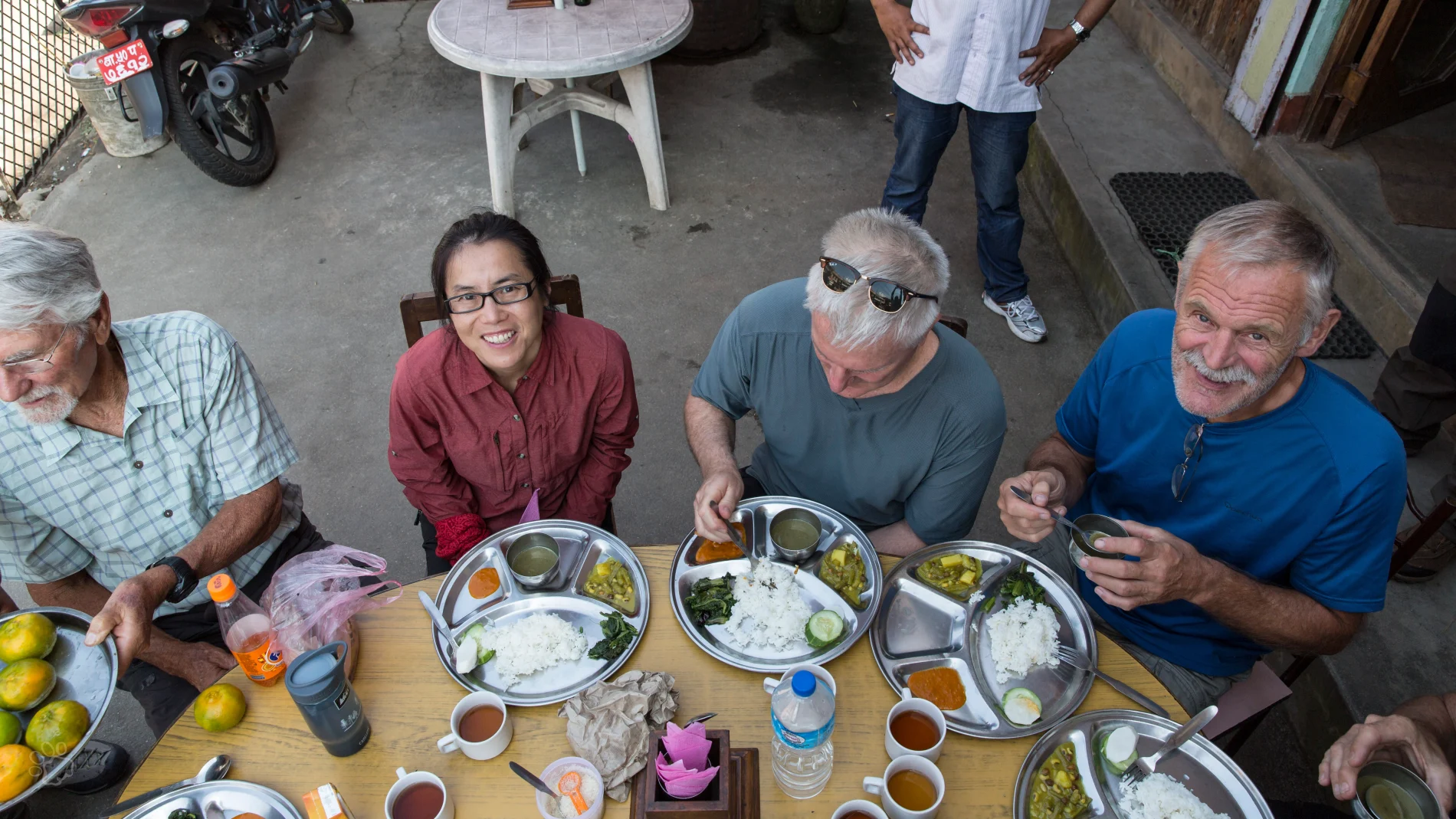
Typical trekking meals may include dal bhat, noodles, soup, fried rice, eggs and other familiar teahouse dishes. Availability depends on the lodge and the season.
Electricity, device charging, hot showers and mobile connectivity may vary. Some services may cost extra, and connectivity should not be relied on for urgent communication.
There is no reason to expect the same facilities available in Pokhara or Kathmandu. Carry essential medication, personal toiletries, a power bank and enough cash for the trek.
Useful Tips for Visiting Tadapani
A little preparation can make your stay and the walk to Tadapani much more comfortable.
- Wear sturdy trekking shoes with good grip, particularly for steep steps and wet forest paths.
- Carry a warm jacket, fleece and extra layers for cold mornings and evenings.
- Bring a waterproof jacket and a rain cover for your backpack.
- Start walking early when possible, allowing enough time for breaks and changing weather.
- Carry drinking water and use appropriate treatment or purification when needed.
- Keep some cash available because reliable ATM access should not be expected in the village.
- Respect local customs, follow your guide’s advice and avoid leaving rubbish along the trail.
- Check current trail conditions and accommodation availability during busy trekking seasons.
Tadapani is not an extreme-altitude destination compared with Nepal’s highest trekking settlements, but the steep terrain can still be physically demanding. Walk at a comfortable pace and let your guide know if you feel unwell or need a break.
Frequently Asked Questions
1. Where is Tadapani in Nepal?
Tadapani is a mountain settlement in the Annapurna region of Gandaki Province, surrounded by forest and located along popular trekking routes connecting Ghorepani, Ghandruk and parts of the Annapurna Base Camp trekking area.
2. How high is Tadapani?
Tadapani is approximately 2,630 metres (8,629 feet) above sea level. The elevation is high enough for cold mornings and evenings, so warm clothing is advisable.
3. What is Tadapani famous for?
Tadapani is known for its views of the Annapurna mountains, rhododendron and oak forests, natural surroundings and its position on popular Annapurna trekking routes.
4. What is the best time to visit Tadapani?
Spring, from March to May, is a good choice for rhododendron blooms. Autumn, from September to November, is also popular for trekking and often offers clearer mountain views. Actual conditions vary from year to year.
5. Can you see Machhapuchhre from Tadapani?
Yes. Machhapuchhre, also called Fishtail Mountain, can be seen from suitable viewpoints around Tadapani when the weather is clear. Cloud cover may hide the mountain at times.

Similar Blogs
View all
14/10/2026
What Happens If You Don’t Like Nepali Food During a Trek?
Imagine spending months planning your dream trek in Nepal. You have chosen your route, bought your...
Read more
13/10/2026
Manaslu Circuit Trek After the October 2026 Floods: Trail Conditions, Safety and Travel Updates
The Manaslu Circuit Trek is one of Nepal’s most rewarding Himalayan journeys, taking trekkers through traditional...
Read more