Pokhara
Share:
 Read Time
This blog has 2636 words .This blog has 17941 characters.This blog take 9 minutes to read.
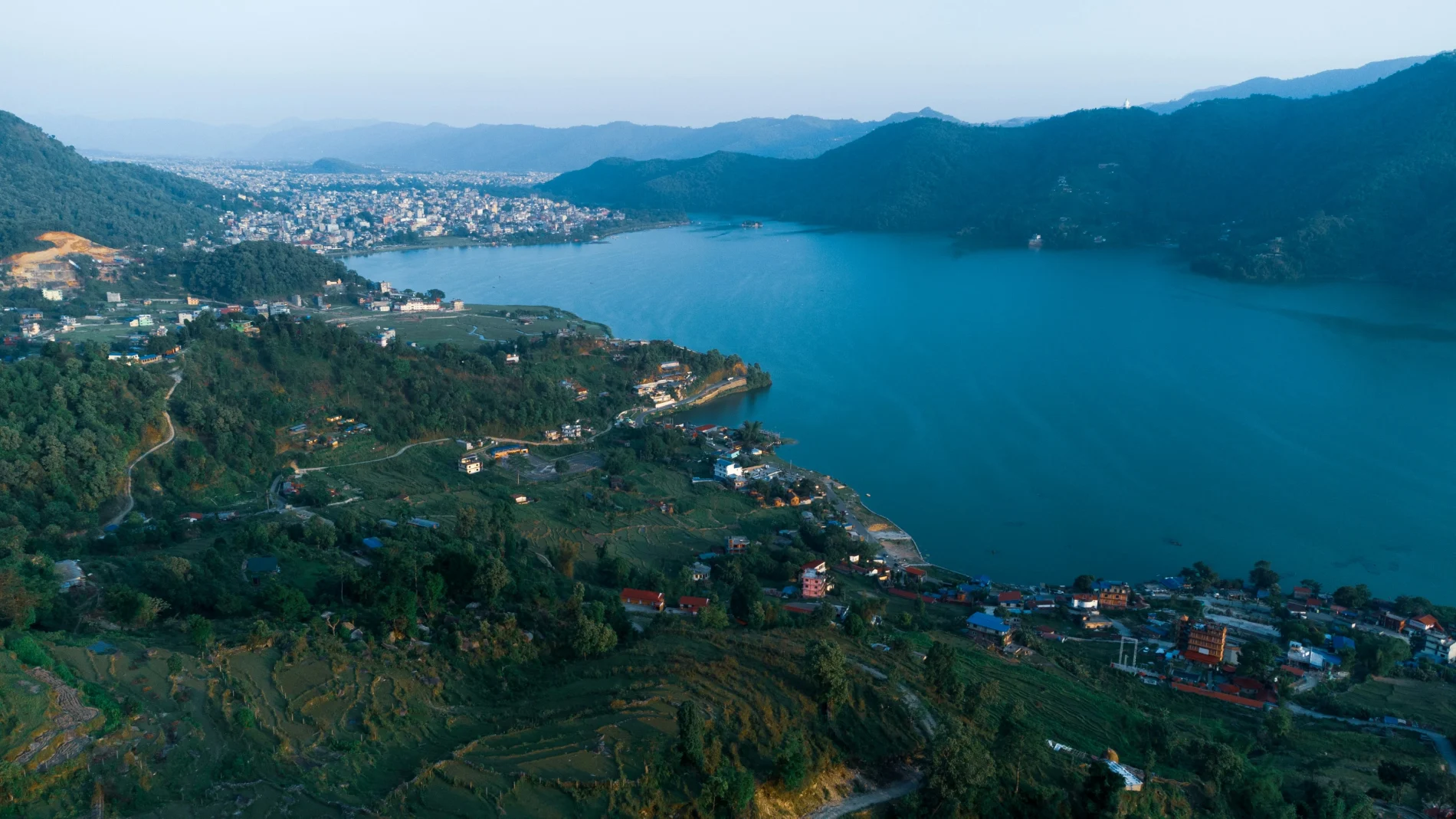
Pokhara is one of Nepal’s most popular travel destinations, known for its beautiful lakes, Himalayan views, natural attractions and outdoor adventures. Located in Gandaki Province, the city is an important gateway to the Annapurna region and a convenient place to relax before or after a trek.
On a clear day, the Annapurna range and Machhapuchhre, also known as Fishtail Mountain, create a dramatic backdrop to the valley. Visitors can enjoy a boat ride on Phewa Lake, watch the sunrise from Sarangkot, explore underground caves, visit Buddhist and Hindu religious sites, or spend an afternoon at a lakeside café.
Pokhara is not only for trekkers. Its mix of nature, culture and adventure makes it suitable for couples, families, solo travellers and visitors exploring Nepal for the first time.
Pokhara Quick Facts
Where Is Pokhara?
Pokhara lies in central Nepal, west of Kathmandu, and serves as a major tourism centre for the Annapurna region. It sits at a much lower elevation than the high Himalayan trekking destinations, making it a comfortable place to spend time before heading into the mountains.
The city is particularly popular with travellers planning the Annapurna Base Camp Trek, Ghorepani Poon Hill Trek and Mardi Himal Trek. However, Pokhara also has enough attractions to fill a separate holiday without requiring a multi-day trek.
Most visitors stay around Lakeside, the main tourist area beside Phewa Lake. This neighbourhood has hotels, restaurants, cafés, shops, boat services and tour operators, making it a convenient base for exploring the city.
Top Attractions in Pokhara
Phewa Lake
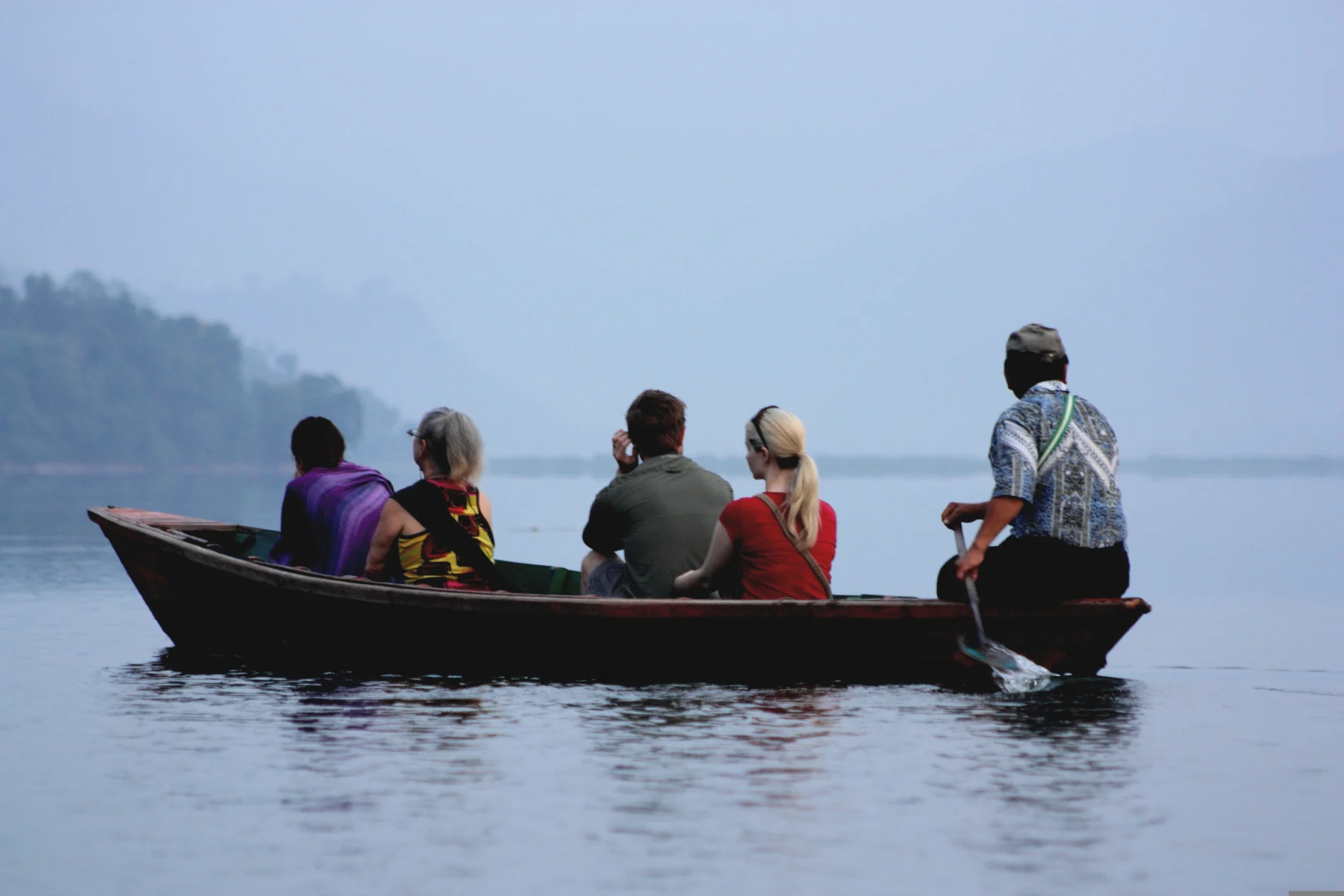
Phewa Lake is one of Pokhara’s most recognisable landmarks. Surrounded by green hills, the lake offers a peaceful setting for boating, photography and relaxing beside the water. On clear mornings, the surrounding mountain scenery can create beautiful reflections on its surface.
Visitors can hire a boat to explore the lake or travel to Tal Barahi Temple, which stands on a small island. The eastern lakeshore, commonly known as Lakeside, is also a pleasant place to walk, enjoy a meal or watch the evening light change across the water.
The experience changes throughout the day. Early mornings are often quieter, while afternoons and evenings bring more activity around the lakeshore.
Best for: Boating, photography, relaxed walks and lakeside dining.
Suggested time: 2–3 hours.
Sarangkot
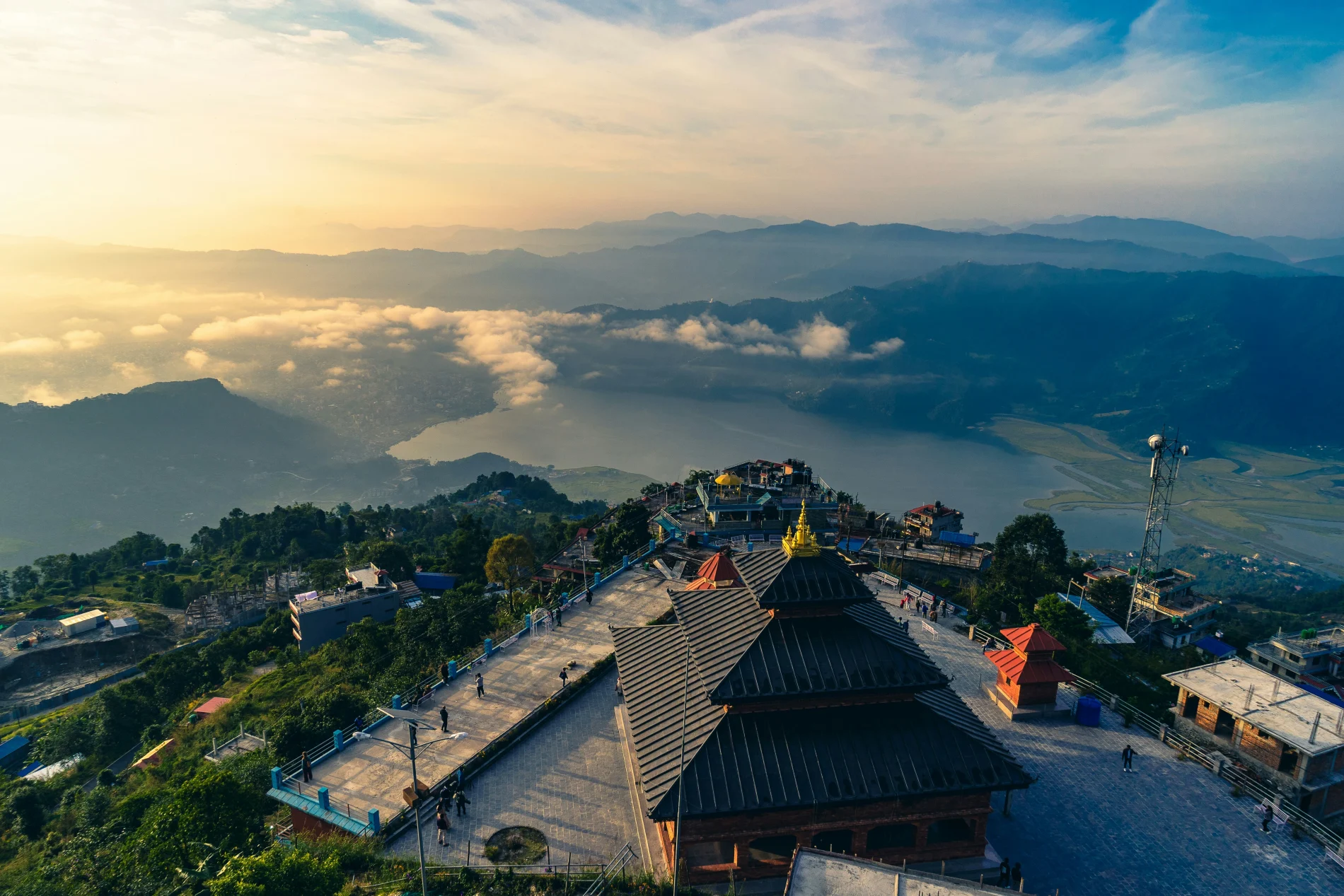
Sarangkot is a popular hilltop viewpoint overlooking Pokhara Valley. It is especially well known for sunrise views and as a starting point for paragliding.
On a clear morning, visitors may see the Annapurna range, Machhapuchhre and other Himalayan peaks illuminated by the first sunlight. The view depends on weather and cloud cover, so arriving before sunrise does not guarantee clear mountain scenery.
Sarangkot can be reached by road, and some travellers choose to hike depending on their available time and fitness. If you plan to paraglide, book with a reputable operator and confirm the weather, safety procedures and flight arrangements.
Best for: Sunrise, mountain photography and paragliding.
Suggested time: 2–4 hours, depending on activities.
World Peace Pagoda
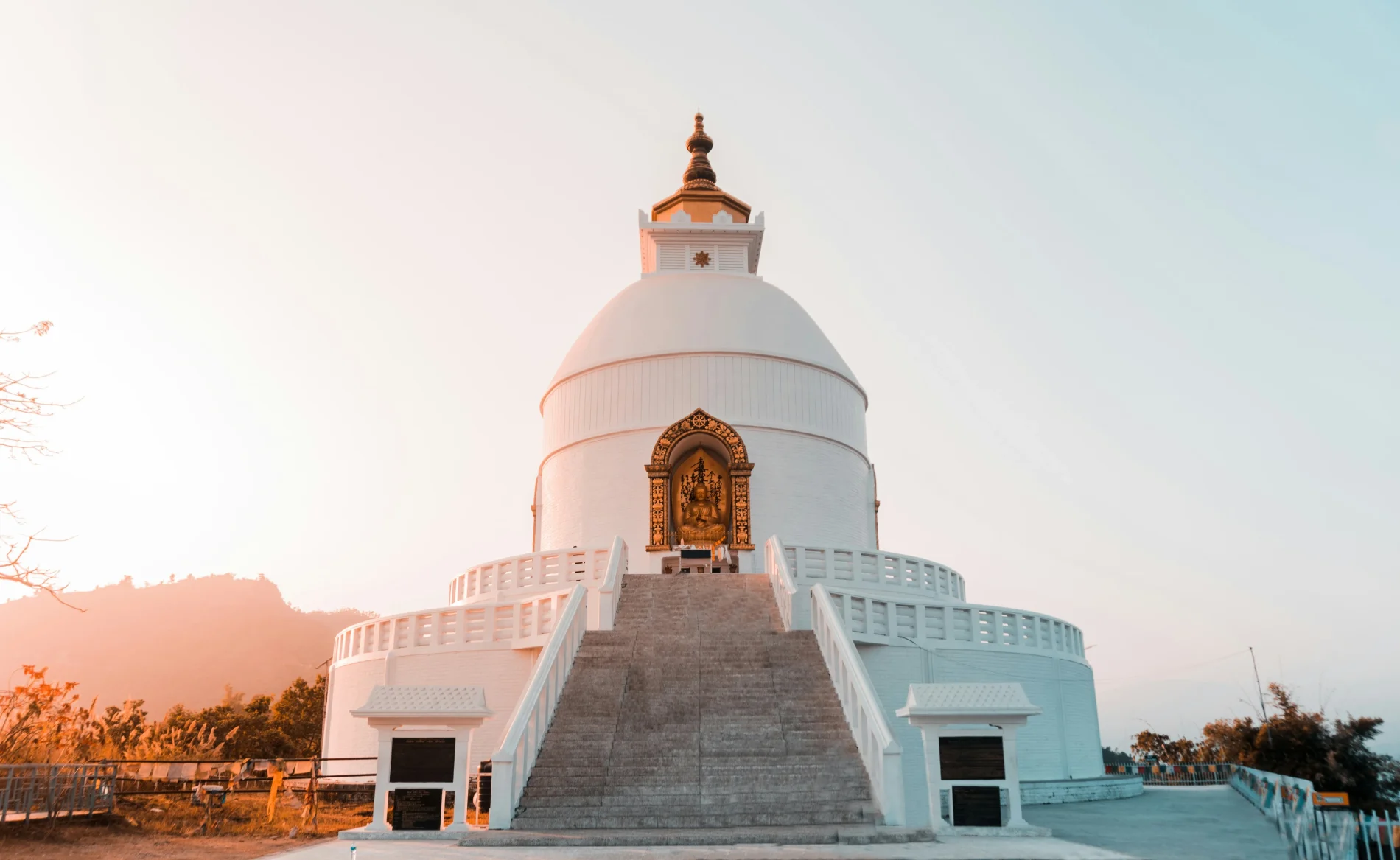
The World Peace Pagoda, also known as Shanti Stupa, is a white Buddhist monument situated on a hill above Phewa Lake. Its elevated position provides wide views of the lake, Pokhara Valley and the surrounding mountains when visibility is good.
Visitors can reach the area by road or combine a visit with a boat ride and a walk uphill. The walk can be enjoyable for travellers who want a little outdoor activity without committing to a full trekking day.
The pagoda is also a religious site, so visitors should behave respectfully, follow local instructions and avoid disturbing worshippers.
Best for: Panoramic views, peaceful surroundings and photography.
Suggested time: 2–3 hours.
Devi’s Fall
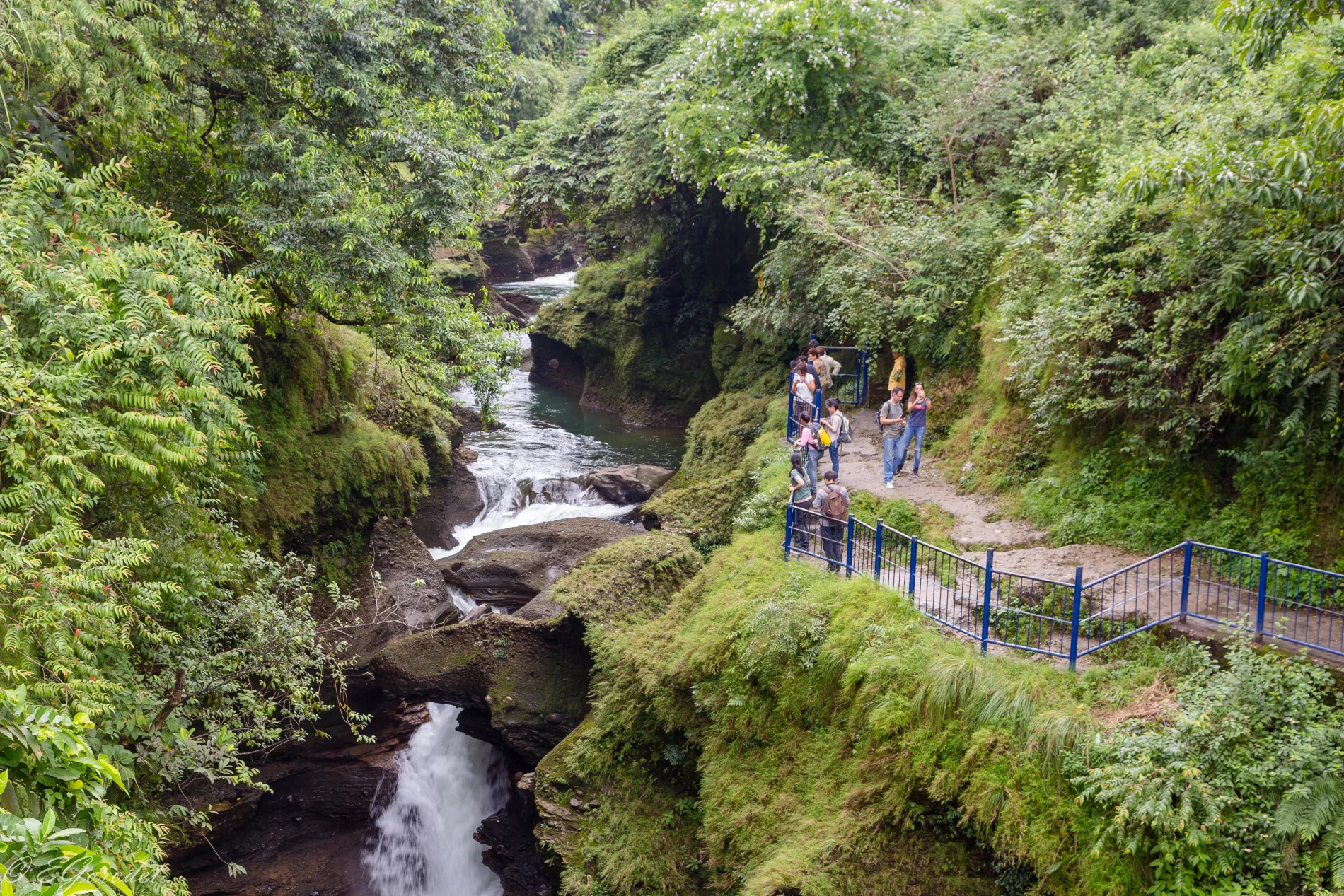
Devi’s Fall, locally known as Patale Chhango, is a well-known waterfall in Pokhara. Its water flows into an underground channel, giving the site a distinctive natural feature.
The waterfall changes considerably with the season. During the monsoon, the flow can become much stronger, while water levels may be lower during drier periods. Visitors should stay within designated viewing areas and avoid climbing over barriers, especially when the ground is wet.
Devi’s Fall is easy to combine with nearby Gupteshwar Mahadev Cave, making both attractions practical stops on the same sightseeing trip.
Best for: Nature sightseeing and short visits.
Suggested time: 30–60 minutes.
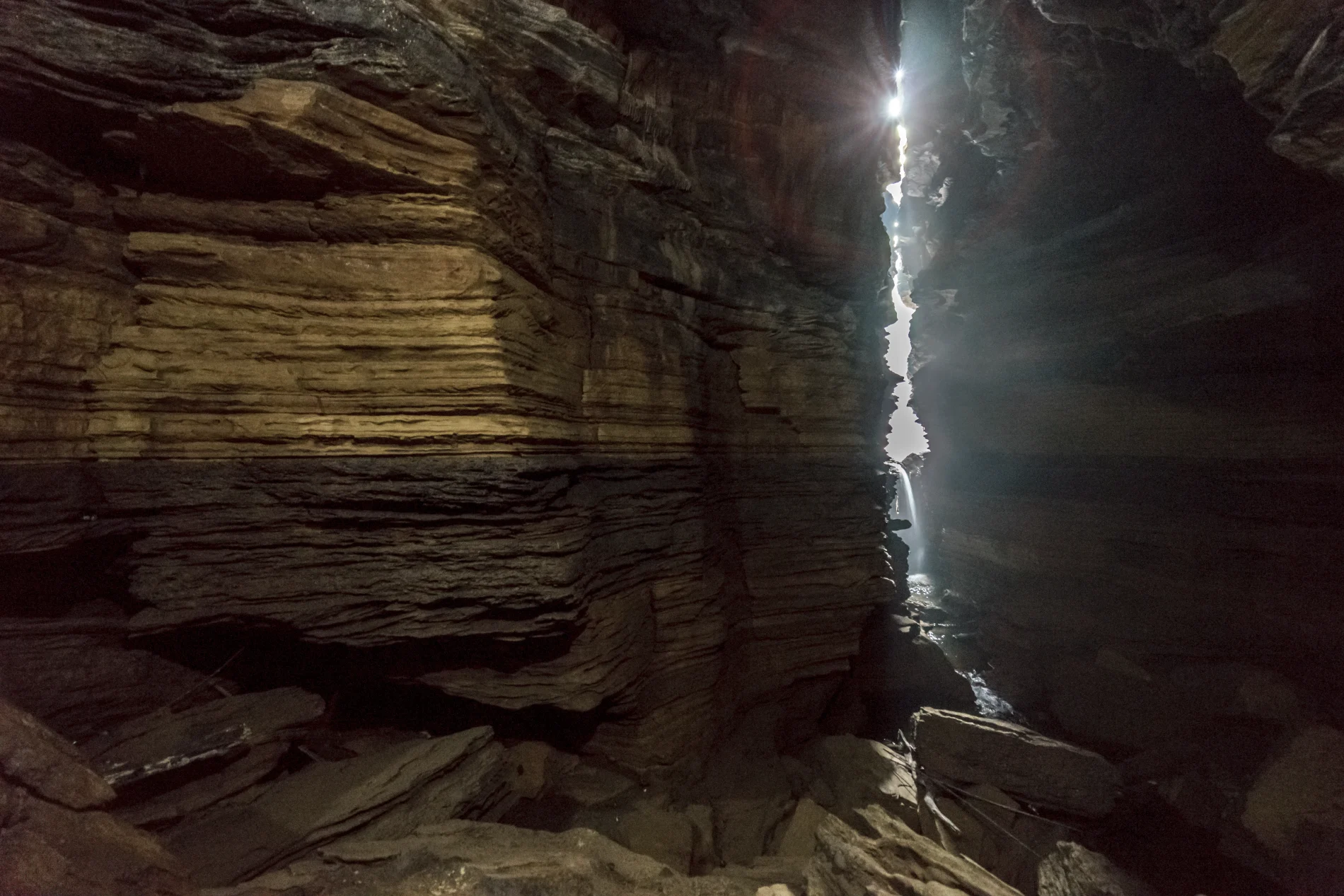
Gupteshwar Mahadev Cave
Located near Devi’s Fall, Gupteshwar Mahadev Cave is a natural cave with religious significance. It contains a shrine dedicated to Lord Shiva and sections where visitors can observe the cave’s underground formations.
The cave provides a different experience from Pokhara’s open viewpoints and lakes. However, some sections involve stairs, uneven ground and damp surfaces. Comfortable footwear is useful, and visitors should follow the site’s safety instructions.
Because it is a place of worship as well as a natural attraction, respectful behaviour is important.
Best for: Cave exploration and religious heritage.
Suggested time: 30–60 minutes.
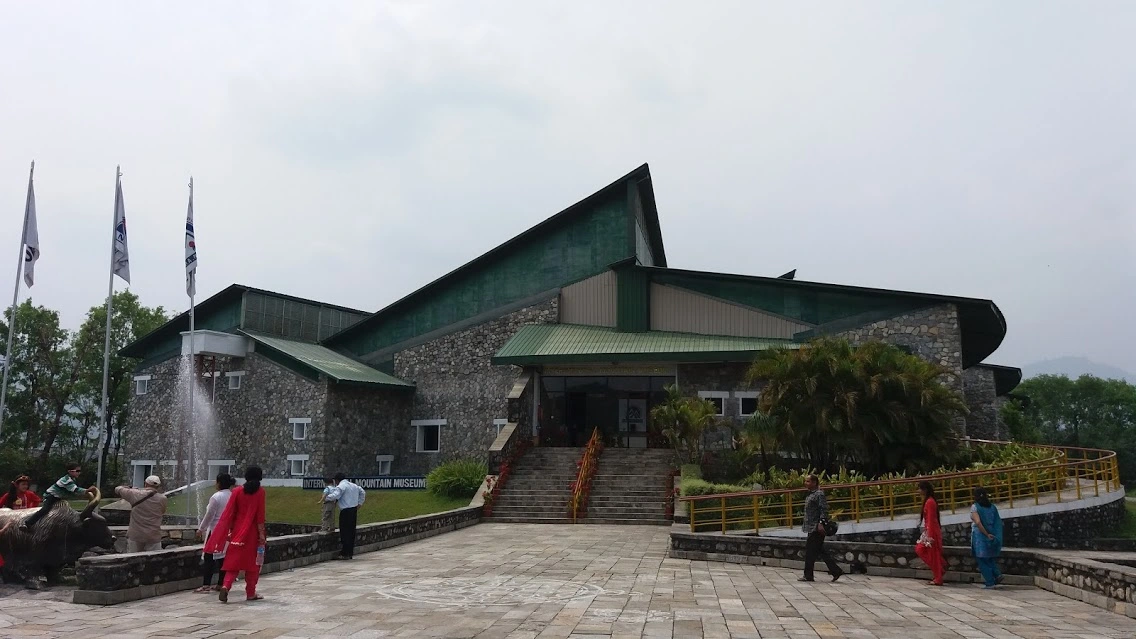
International Mountain Museum
The International Mountain Museum offers an introduction to Nepal’s mountains, mountaineering history and Himalayan communities. Exhibits cover mountain environments, climbing expeditions, equipment and aspects of the lives of people who live in the highlands.
It is particularly worthwhile for travellers preparing for a Himalayan trek. Understanding the region’s mountain culture and mountaineering history can add context to the landscapes they will later experience on the trail.
The museum is also a good choice when cloudy weather makes mountain viewpoints less rewarding.
Best for: Culture, history and learning about the Himalayas.
Suggested time: 1–2 hours.
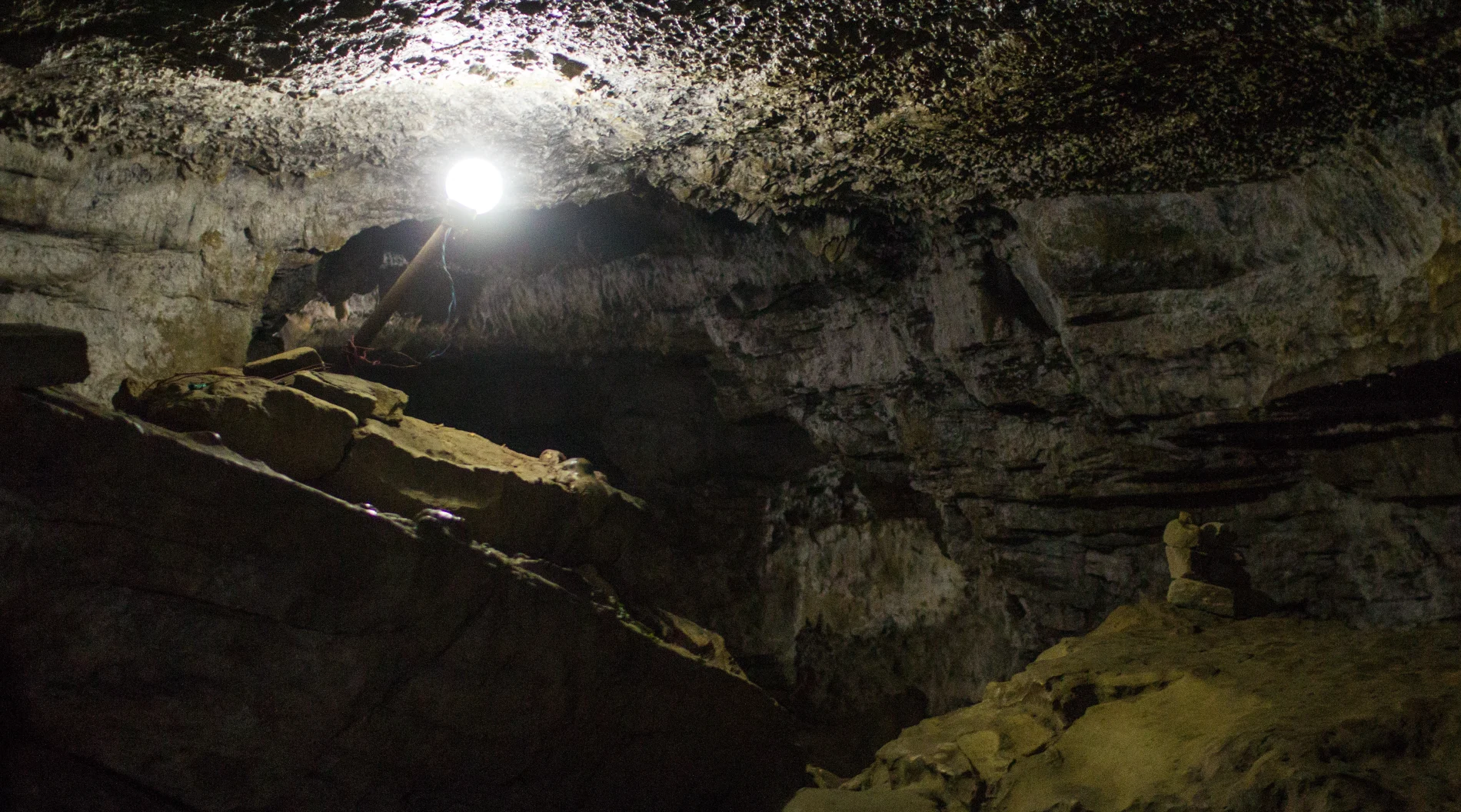
Mahendra Cave
Mahendra Cave is a limestone cave in northern Pokhara, known for its underground passages and rock formations. It offers a different type of sightseeing from the city’s lakes, temples and mountain viewpoints.
The cave can be visited alongside Bat Cave and other attractions in the northern part of the city. If you include several stops in one trip, allow enough time for transport between them.
Some areas may be dark or slippery, so walk carefully and follow local guidance. Access conditions and opening arrangements should be checked before visiting.
Best for: Cave exploration and nature sightseeing.
Suggested time: 30–60 minutes.
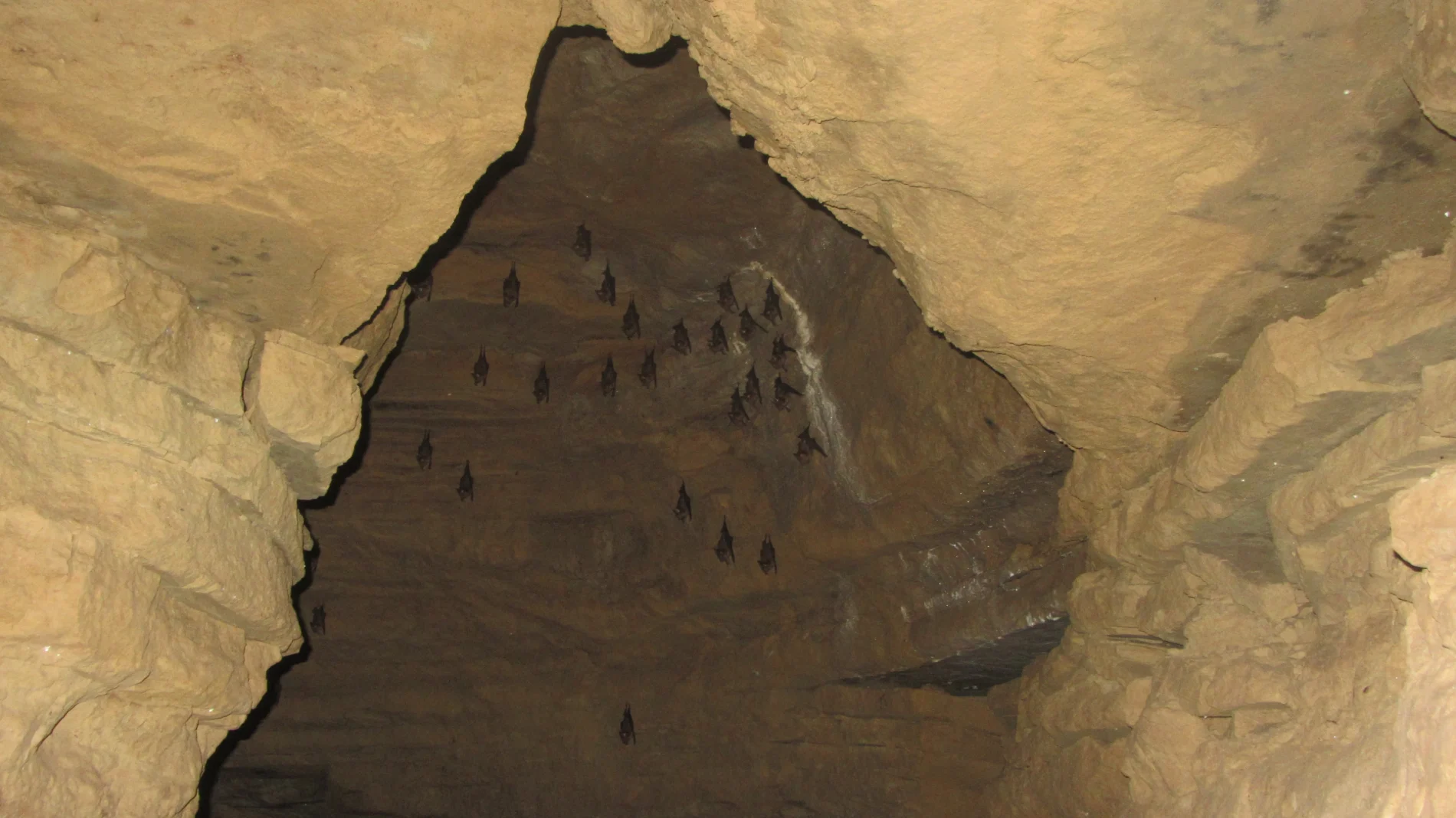
Bat Cave
Bat Cave, known locally as Chamero Gupha, is another natural attraction in northern Pokhara. It is known for bats inhabiting parts of the cave and provides an interesting stop for visitors who enjoy exploring natural features.
Conditions inside can be dark and uneven. Visitors should use only permitted routes and avoid disturbing the bats or other wildlife.
Bat Cave and Mahendra Cave can be included in the same half-day sightseeing plan, depending on transport and the time spent at each location.
Best for: Nature enthusiasts and cave exploration.
Suggested time: 30–60 minutes.
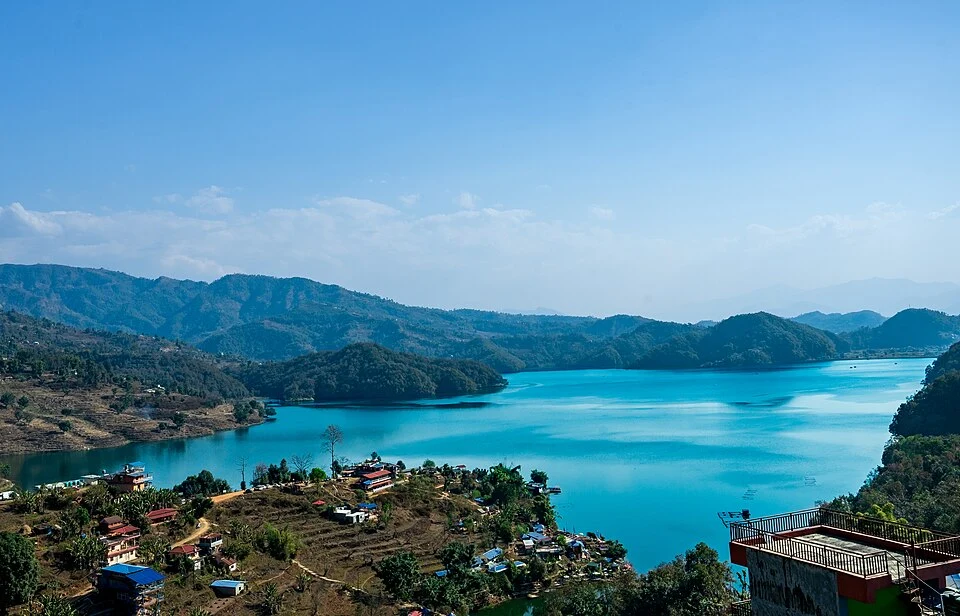
Begnas Lake
Begnas Lake is located outside central Pokhara and generally offers a quieter atmosphere than the busy Lakeside area around Phewa Lake. Surrounded by hills and countryside, it is a good destination for visitors who want a slower day away from the main tourist centre.
Visitors can enjoy the scenery, spend time beside the water or look for local boating options. The surrounding area also offers opportunities to observe rural life and enjoy the landscape at a more relaxed pace.
Because Begnas Lake is farther from central Lakeside, allow extra time for transport rather than squeezing it into an already busy sightseeing schedule.
Best for: Relaxation, nature photography and a quieter lakeside visit.
Suggested time: Half a day.
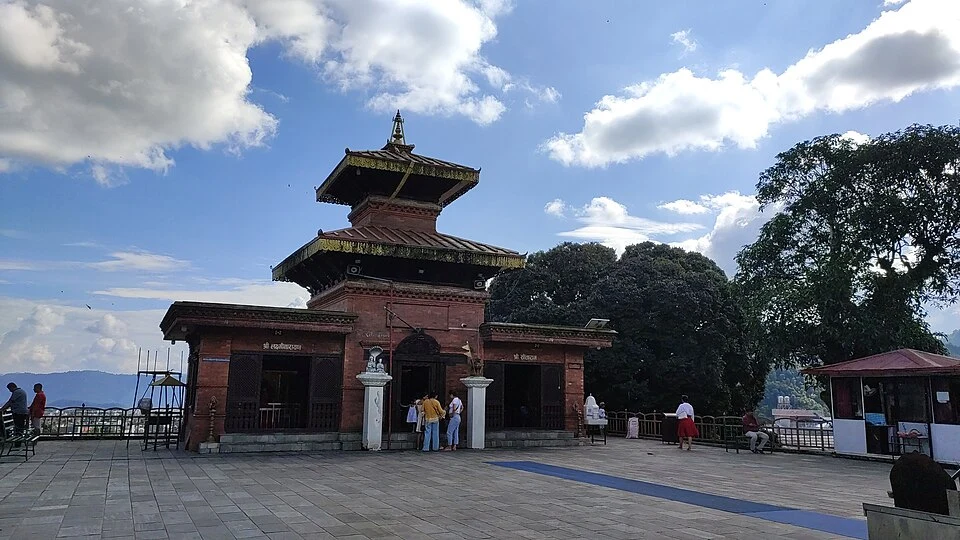
Bindhyabasini Temple
Bindhyabasini Temple is one of Pokhara’s important Hindu religious sites. Located on a small hill, it attracts local worshippers and visitors interested in the city’s religious traditions.
A visit offers a glimpse of local spiritual life beyond the lakeside tourism area. Religious festivals and special occasions can bring larger crowds, so visitors should be prepared for busier conditions at those times.
Dress respectfully, follow local customs and ask permission before photographing people during worship.
Best for: Cultural sightseeing and religious heritage.
Suggested time: 30–60 minutes.
Best Things to Do in Pokhara
Beyond visiting individual attractions, Pokhara offers several activities that can shape your trip around your interests.
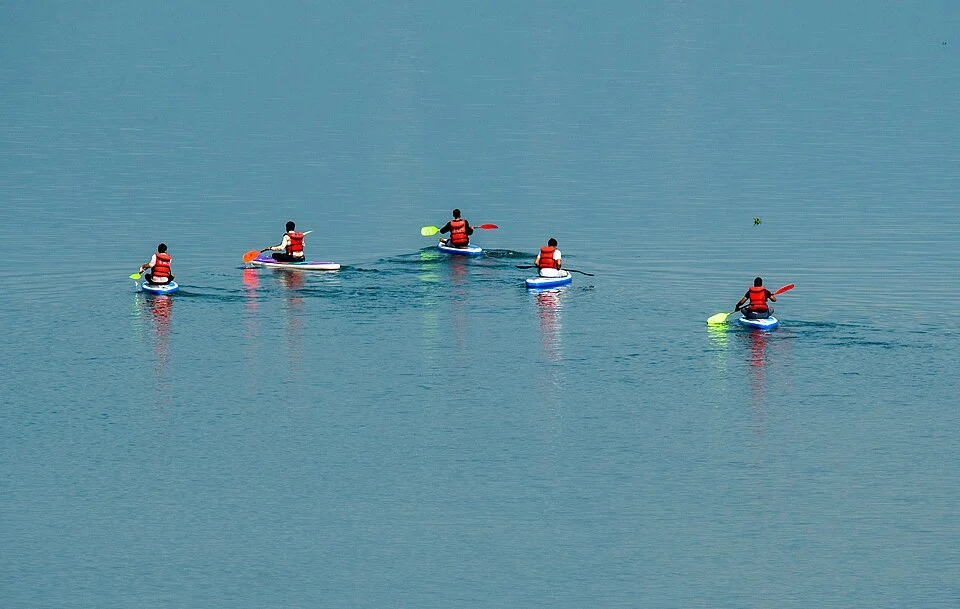
Boating and kayaking
Phewa Lake is a popular place for boating, and kayaking may also be available through local operators. These activities offer a closer view of the lakeshore and surrounding hills. Follow local instructions, use appropriate safety equipment and check conditions before going onto the water.
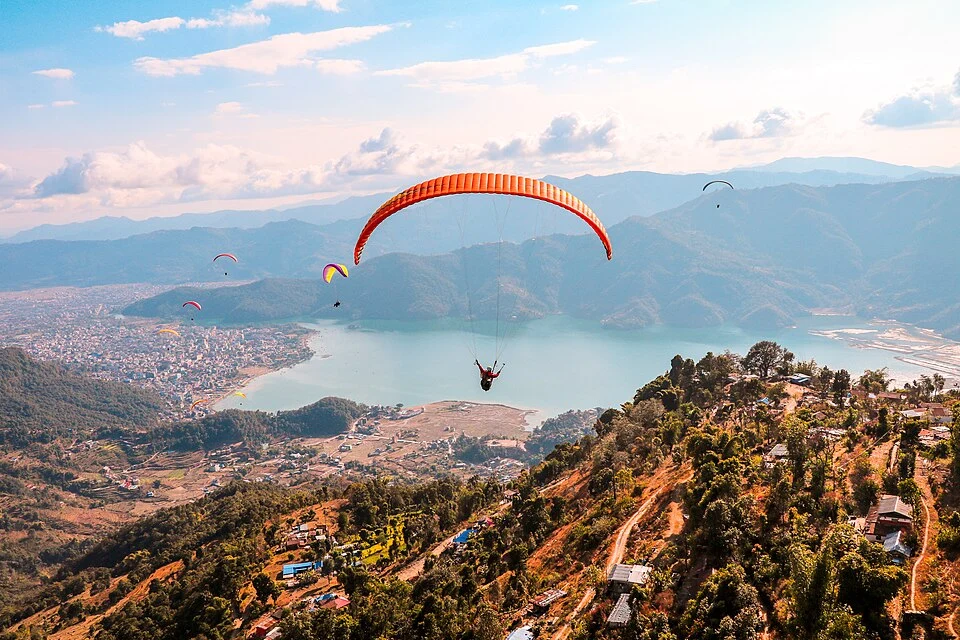
Paragliding
Paragliding from the Sarangkot area gives visitors an aerial view of Pokhara Valley and Phewa Lake. Flights depend on weather and operational conditions, so choose a reputable operator and confirm the details before booking.
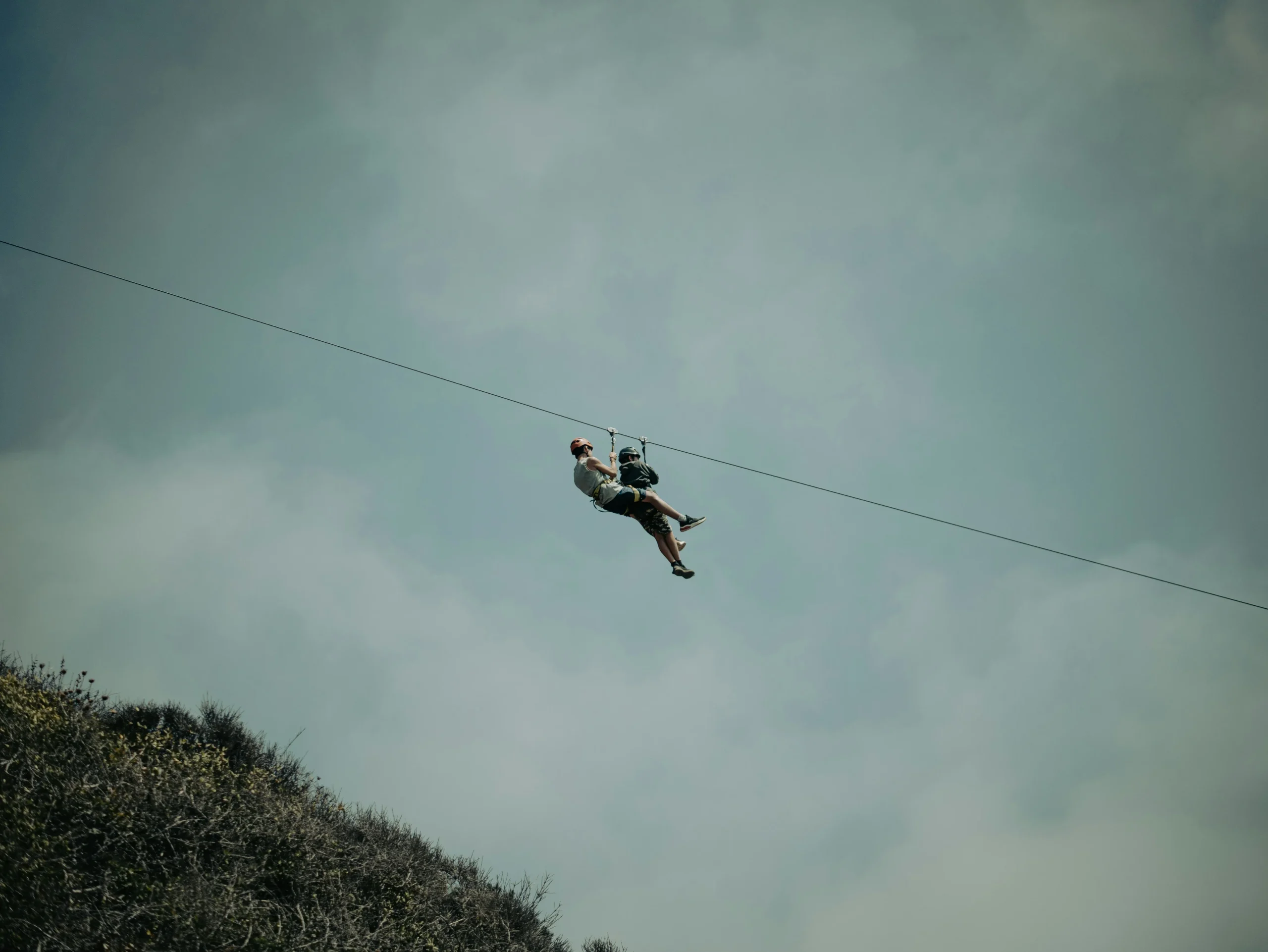
Zipline in Pokhara
Zipline in Pokhara is an unforgettable adventure activity that offers a perfect combination of thrill, speed, and breathtaking natural...
Duration:
1 days
Ziplining
Pokhara offers zipline experiences for travellers seeking an adrenaline-filled activity. Before booking, confirm the current operating arrangements, safety equipment, weight restrictions and any age or health requirements.
Walk around Lakeside
Lakeside is ideal for an unhurried afternoon or evening. Visitors can browse shops, stop at cafés, enjoy a meal and walk along sections of the lakeshore. It is also a convenient place to arrange transport and activities.
Pokhara as the Gateway to the Annapurna Region
Pokhara is an important starting point for many journeys into the Annapurna region. Travellers use the city to arrange transport, organise trekking equipment, meet guides and spend a night before heading towards their chosen trailhead.
Popular trekking routes connected with Pokhara include:
- Annapurna Base Camp Trek: A journey into the Annapurna Sanctuary, surrounded by dramatic mountain scenery.
- Ghorepani Poon Hill Trek: A popular route known for its sunrise viewpoint and mountain panoramas.
- Mardi Himal Trek: A trekking route offering forest trails and increasingly close views of the Annapurna range and Machhapuchhre.
- Annapurna Circuit Trek: A longer journey through changing landscapes, traditional settlements and high mountain terrain.
These routes differ in duration, difficulty, altitude and scenery. Travellers should choose according to their available time, fitness, experience and interests.
If you want to combine Pokhara with a Himalayan trek, explore Silver Moon Adventure & Tours Annapurna Base Camp Trek from Pokhara to Pokhara. You can also consider the Mardi Himal Trek or the Annapurna Base Camp Trek via Ghandruk Village.
Best Time to Visit Pokhara
Pokhara can be visited throughout the year, but the experience changes with the seasons.
Autumn, generally from September to November, is a popular period for sightseeing and trekking. Conditions often become clearer after the monsoon, although clouds and rain can still occur.
Spring, from March to May, brings warmer weather and green hills. It is also a popular trekking season, particularly for travellers hoping to see rhododendron forests in bloom on suitable mountain routes.
The monsoon, usually from June to August, brings heavier rainfall and lush landscapes. Waterfalls can be more impressive, but rain may affect road conditions, outdoor activities and mountain visibility.
Winter, from December to February, often brings cooler mornings and evenings. Pokhara can still be pleasant for sightseeing, although mountain visibility and temperatures vary.
For travellers combining Pokhara sightseeing with an Annapurna trek, autumn and spring are generally practical choices. Always check current weather and trail conditions before departure.
How to Reach Pokhara
Pokhara is connected to Kathmandu by domestic flights and road transport. Flights are much shorter, while road travel offers views of Nepal’s hills, rivers and settlements. Actual road journey times can vary considerably depending on traffic, roadworks and conditions along the route.
Pokhara also serves as a transport hub for journeys towards Annapurna trekking areas. Depending on the chosen route, travellers may need a further drive to a village or trailhead before beginning their trek.
If you have a fixed trekking departure, leave enough time for travel delays and confirm your transport arrangements in advance.
How Many Days Do You Need in Pokhara?
The amount of time you need depends on how many attractions you want to visit and whether you plan to include adventure activities.
One day is enough for a selection of major sights, such as Pumdikot, the World Peace Pagoda, the International Mountain Museum, Devi’s Fall and Gupteshwar Mahadev Cave. It will be a fairly full day, so transport planning matters.
Two days allow a more relaxed combination of lakeside time, a sunrise visit to Sarangkot, cultural attractions and adventure activities.
Three days or more give you greater flexibility to visit Begnas Lake, explore the Old Bazaar, try additional activities or spend time outside the main tourist area.
If you are trekking in the Annapurna region, plan your Pokhara stay around your transport and trekking schedule rather than trying to visit every attraction.
Suggested Pokhara Sightseeing Plan
If you have one full day, a practical route could include:
Morning: Visit Pumdikot Viewpoint and the World Peace Pagoda for elevated views of the valley and lake.
Midday: Explore the International Mountain Museum and stop for lunch.
Afternoon: Visit Devi’s Fall and Gupteshwar Mahadev Cave, allowing time for walking between the sites.
Evening: Return to Lakeside for a meal and a relaxed walk beside Phewa Lake.
This is a suggested outline rather than a fixed itinerary. Travel times, opening arrangements, weather and how long you spend at each attraction will affect the schedule. If you prefer a more relaxed day, choose fewer stops.
Travellers who would rather arrange transport and sightseeing together can view Silver Moon Adventure & Tours’ Pokhara Day Tour.
Frequently Asked Questions
1. What is Pokhara, Nepal, famous for?
Pokhara is famous for Phewa Lake, Himalayan views, Sarangkot, caves, waterfalls, adventure activities and its role as a gateway to the Annapurna trekking region.
2. How many days are enough to visit Pokhara?
One day is enough for a selection of major attractions. Two to three days allow more time for lakeside activities, viewpoints, cultural sites and nearby destinations.
3. What is the best time to visit Pokhara?
Autumn and spring are popular because conditions are often favourable for sightseeing and mountain views. Pokhara can be visited year-round, but rain, clouds and winter temperatures may affect some activities.
4. Can I visit Pokhara before the Annapurna Base Camp Trek?
Yes. Pokhara is a convenient place to prepare for the trek, arrange transport and spend time before heading towards the trailhead. Confirm your itinerary and transport schedule in advance.
5. Is Pokhara suitable for travellers who do not want to trek?
Yes. You can enjoy boating, lakeside walks, museums, temples, caves, viewpoints, food and adventure activities without undertaking a multi-day trek.

Similar Blogs
View all
14/10/2026
What Happens If You Don’t Like Nepali Food During a Trek?
Imagine spending months planning your dream trek in Nepal. You have chosen your route, bought your...
Read more
13/10/2026
Manaslu Circuit Trek After the October 2026 Floods: Trail Conditions, Safety and Travel Updates
The Manaslu Circuit Trek is one of Nepal’s most rewarding Himalayan journeys, taking trekkers through traditional...
Read more