Ultimate Guide to Choosing a High-Quality Trek in Nepal
Share:
 Read Time
This blog has 2781 words .This blog has 18310 characters.This blog take 9 minutes to read.
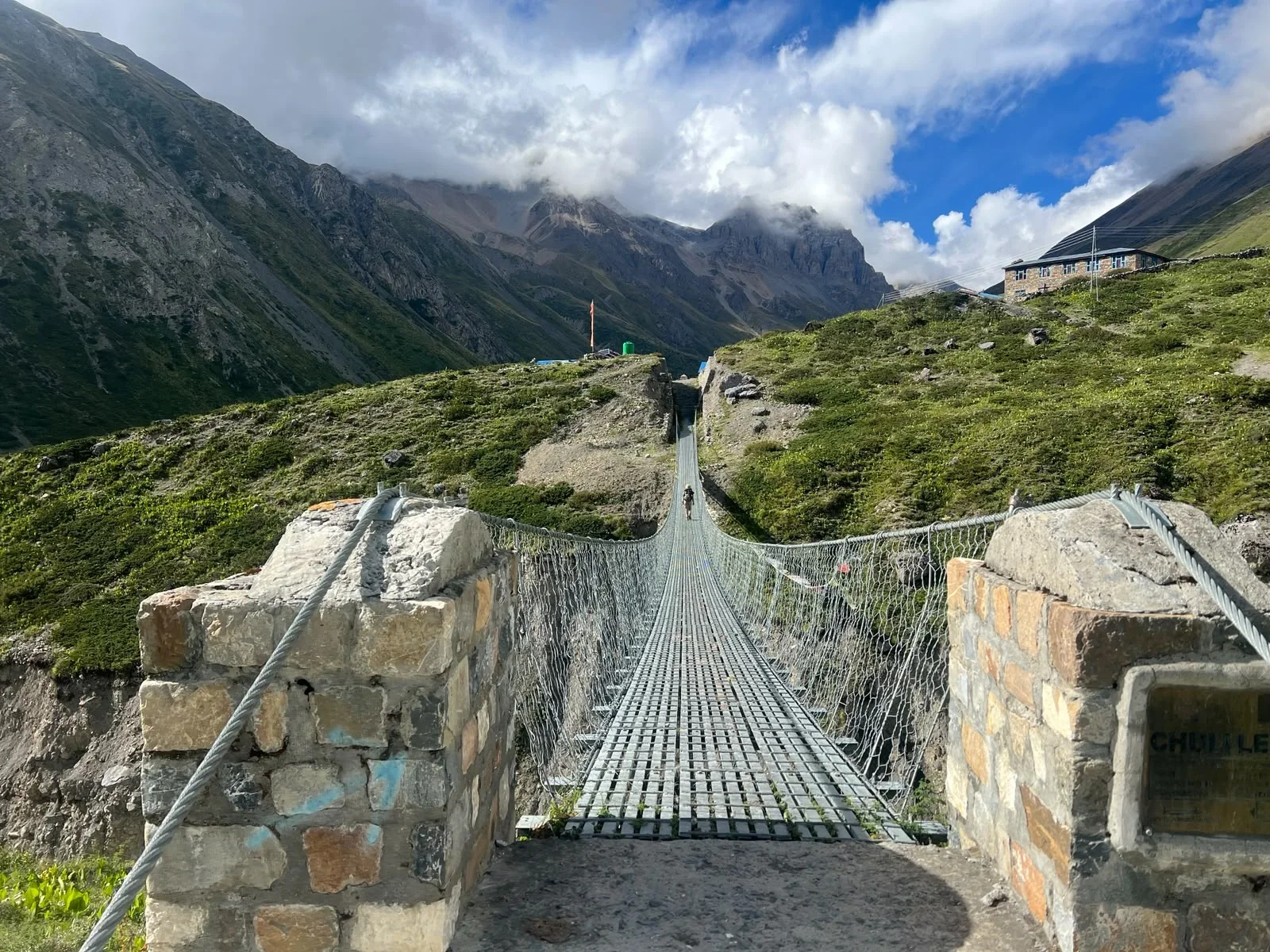
You have probably seen it before: a photograph of a Himalayan trail, a huge mountain in the background, prayer flags moving in the wind, and someone standing there looking like they have just discovered the meaning of life.
Then you look at the trekking package and think, “That looks amazing. I want to do that.”
But there is one problem. A beautiful photograph does not tell you whether that trek is actually right for you.
Nepal has trekking routes ranging from relatively short Himalayan adventures to demanding journeys that take you above 5,000 metres. The Everest, Annapurna and Langtang regions are among the country’s best-known trekking areas, but each offers a very different experience.
So before choosing a route because it looks impressive on Instagram, there is a better question to ask:
What actually makes a trek a high-quality trek in Nepal?
It is not simply the height of the mountain, the number of days, or how famous the route is. A good trek is one where the itinerary, altitude, walking hours, season, accommodation, safety arrangements and level of support make sense for the person actually doing it.
And that is where choosing your trek becomes much more interesting.
What Makes a High-Quality Trek in Nepal?
A high-quality trek in Nepal should begin with a realistic plan rather than a beautiful photograph.
The itinerary should tell you what each trekking day actually looks like, including where you will walk, approximately how long you will walk, how much altitude you will gain and where you will sleep. It should also account for acclimatization when the route reaches significant elevations.
This matters because two treks can both be advertised as “10-day Himalayan adventures” while feeling completely different. One might have comfortable walking days and sensible acclimatization, while another could pack too much distance into too little time.
The number of days alone does not tell you the quality of the itinerary.
So the first thing you should ask is not “How beautiful is this trek?”
Ask: “Does this itinerary make sense for my body and my travel style?”
Start With Yourself Before Choosing the Mountain
This is probably the part trekkers think about least.
People usually begin by searching for the best trek in Nepal and only later ask whether they are actually prepared for it. That is slightly like buying hiking boots first and checking your foot size afterward.
Your fitness, previous hiking experience, walking pace and comfort with long uphill sections should influence your decision. A trek described as “moderate” may feel comfortable to one person and exhausting to another, particularly when altitude becomes part of the equation.
If you regularly hike and are comfortable walking for several hours, you will naturally have more options. If you are new to multi-day trekking, that does not mean you cannot experience the Himalayas; it simply means you should pay closer attention to the itinerary and choose a route that gives you enough time to adapt.
This is why choosing a trek in Nepal should always begin with an honest assessment of yourself rather than a ranking of famous mountains.
How High Will You Actually Sleep?
Here is a question that deserves much more attention:
How high will you sleep each night?
Many people look at the highest point of a trek and stop there. However, your body experiences the entire process of gaining altitude, not just the final viewpoint.
Nepal’s trekking routes can range from lower-elevation trails to areas exceeding 5,000 metres. The Nepal Tourism Board specifically identifies high-altitude trekking as an activity where altitude and route planning matter.
Look at the overnight elevations in your itinerary and notice how quickly they increase. A sensible itinerary should give trekkers time to adjust when necessary instead of treating acclimatization as something that can be squeezed into the schedule if there happens to be an empty afternoon.
The Everest Base Camp itinerary offered by Silver Moon, for example, includes acclimatization days at Namche Bazaar and Dingboche before reaching Everest Base Camp and Kala Patthar. The itinerary reaches 5,555 metres at Kala Patthar.
That tells you something important: altitude should be part of the itinerary, not a footnote at the bottom of the page.
How Many Hours Will You Actually Walk?
Now look at something else that promotional photographs rarely mention:
Your feet.
A trek can sound easy when described as “eight days in the Himalayas,” but what happens during those eight days?
Are you walking four hours a day, or seven? Are there steep ascents? Long descents? Difficult sections? Shorter acclimatization days?
A proper Nepal trek itinerary should make these details reasonably clear.
For example, the current Langtang Trek offered by Silver Moon is a 10-day itinerary with a moderate grade, reaching up to around 4,800 metres at Kyanjin Ri. The route combines forests, villages, mountain landscapes and high-altitude walking rather than simply taking trekkers straight toward the highest point.
This is why you should never judge a trek only by its total duration.
Sometimes the difference between an enjoyable trekking day and a day where your legs begin negotiating with your brain is simply how the itinerary was designed.
A Beautiful Itinerary Can Still Be a Bad Itinerary
This is one of the easiest mistakes to make when comparing trekking companies.
A shorter itinerary may look attractive because you save time. However, if the schedule has been compressed too aggressively, you may end up with longer walking days, faster elevation gain or less flexibility.
A good itinerary should have a reason behind its structure.
Why are you staying here?
Why is there an acclimatization day?
Why does one day have five hours of walking while another has eight?
These details are not unnecessary technical information. They tell you whether the itinerary was designed around the trekking experience or simply around making the package look convenient.
A high-quality trek in Nepal should make the journey itself part of the experience, rather than treating every day as a race toward the final destination.
What Do You Actually Want to See?
Now comes another important question:
What kind of Himalayan experience are you looking for?
If you want the iconic high-altitude Everest experience, the Everest Base Camp route offers Sherpa villages, monasteries, glaciers and some of the world’s most famous mountain scenery. The current Silver Moon itinerary follows the classic route through places including Namche Bazaar, Tengboche, Dingboche, Lobuche and Gorak Shep.
But perhaps you do not need Everest.
Mardi Himal offers a shorter experience with forest trails, ridgelines and close mountain views. Langtang combines Himalayan scenery with Tamang culture, forests and alpine landscapes. Annapurna Base Camp takes trekkers into the Annapurna Sanctuary, while longer routes such as Manaslu provide a more demanding and remote experience.
This is why there is no universal answer to “What is the best trek in Nepal?”
The better question is:
“Which trek gives me the experience I actually came to Nepal for?”
If you want a shorter adventure, explore Mardi Himal Trek. If you want dramatic mountain scenery combined with a classic base-camp experience, consider Annapurna Base Camp Trek. If culture, accessibility and Himalayan scenery are equally important, Langtang Valley Trek may deserve your attention.
The right answer depends on what you want to remember when the trek is over.
When Are You Going?
The same trekking route can feel completely different depending on the season.
Spring and autumn are widely used seasons for many popular Himalayan routes because they generally offer favourable trekking conditions. However, that does not mean every route behaves exactly the same way throughout the year.
Your choice should consider rainfall, visibility, temperature, trail conditions and how much solitude or activity you prefer.
For example, the experience of a route during monsoon can be dramatically different from the classic spring or autumn version. Some trails become greener and quieter, while rain, clouds and slippery sections become part of the experience.
So instead of asking “When is the best time to trek in Nepal?”, ask:
“When is the best time for the specific trek I want to do?”
That small change in the question can lead to a much better decision.
What Happens After the Sun Goes Down?
There is another side of trekking that photographs conveniently forget.
You eventually have to sleep.
Accommodation varies considerably between trekking regions and elevations. On many popular routes, teahouses and lodges are part of the experience, while hotels are generally used in Kathmandu and other lower-elevation locations.
Before booking, check what kind of accommodation is included, whether rooms are private or shared, what meals are provided and what facilities are realistically available at higher elevations.
You do not need a five-star hotel in the middle of the Himalayas.
But you should know what you are getting before you arrive and discover that “mountain luxury” apparently means a blanket that has survived three generations.
Who Is Actually Looking After You?
A trekking company is not only selling you a route.
It is also responsible for organizing the moving parts that make the route possible.
Guides, porters, transportation, permits, accommodation and communication all matter, particularly when you are travelling through remote areas.
Nepal Tourism Board currently states that licensed guides and agency-issued TIMS cards are mandatory on specified trekking routes, including Everest, Gokyov, Kanchenjunga and several other protected areas.
Therefore, before booking, find out who will actually accompany you.
Ask about the guide’s experience, group size, porter arrangements and what happens if weather or trail conditions force the itinerary to change.
The mountains are unpredictable enough. Your trekking company’s planning should not be.
What Happens If Something Goes Wrong?
Nobody starts a trek thinking, “Hopefully something goes terribly wrong.”
But good planning means asking the question anyway.
Flights can be delayed. Weather can change. Trails can become difficult. A trekker may become unwell or realize that continuing at the planned pace is not realistic.
A reliable trekking company should have a process for handling unexpected situations, including communication, itinerary changes and emergency assistance.
This is one of the biggest differences between simply buying a trekking package and choosing a properly organized trekking experience.
You may never need the emergency plan.
That is exactly why you should still know it exists.
What Are You Actually Paying For?
When comparing trekking companies, do not compare only the headline price.
One company may include accommodation, meals, permits, guide, porter and transportation, while another may advertise a lower price and leave several of those costs outside the package.
Read the inclusions and exclusions carefully.
Then ask yourself whether you are comparing the same thing.
The cheapest package is not necessarily the cheapest trip once additional expenses appear later. At the same time, a higher price does not automatically mean better service.
The useful question is:
“What exactly am I receiving for this price?”
That question is far more valuable than simply asking which package has the lowest number.
Don’t Choose a Trek Just Because Everyone Else Does
Everest Base Camp is famous for a reason, but fame does not make it the correct choice for every traveller.
Someone with limited time may prefer Mardi Himal or Langtang. Someone who wants a longer and more demanding Himalayan journey may be interested in Manaslu. Another traveller may care more about mountain scenery, local culture or comfortable walking days than reaching a famous base camp.
The Nepal Tourism Board itself highlights the country’s variety of trekking regions and routes rather than presenting trekking as one single type of experience.
Your decision should therefore come from your time, fitness, interests, budget and expectations, rather than simply choosing the route you have seen most often online.
A Quick Comparison:
The Questions You Should Ask Before Booking
Before confirming your trek, take a few minutes to ask the trekking company some very simple questions: How high will I sleep each night? How many hours will I walk each day? Where are the acclimatization days? What happens if the weather changes? Who will guide me? What accommodation is included? Which permits are included? What happens during an emergency? And, most importantly, what exactly is included in the price?
If a company cannot clearly explain its own itinerary, that is worth noticing.
A detailed answer does not guarantee that everything will go perfectly, but an unclear answer makes it much harder for you to know what you are actually booking.
Why Choose Silver Moon Adventure?
Silver Moon Adventure organizes Himalayan trekking experiences across several of Nepal’s major trekking regions, including Everest, Annapurna, Mardi Himal and Langtang. Its current packages provide detailed information about trekking duration, maximum altitude, transportation, accommodation, meals and itinerary structure, allowing travellers to understand the journey before booking.
For travellers comparing different Nepal trekking routes, the most important thing is not simply choosing a company. It is choosing a company and itinerary that clearly match the experience you want.
In Summary
Choosing a high-quality trek in Nepal starts long before you put on your hiking boots.
Look beyond the mountain photograph and examine the actual journey. Consider your fitness, walking hours, sleeping altitude, acclimatization, season, accommodation, support and emergency arrangements. Then compare what different trekking packages actually include rather than judging them only by price or popularity.
Most importantly, do not ask only, “Which trek is the best?”
Ask a better question:
“Which trek is best for me?”
Once you answer that honestly, choosing between Nepal’s many trekking routes becomes much easier.
And when you finally reach the mountain viewpoint, you can spend your energy enjoying the Himalayas instead of wondering why you voluntarily paid money to make your legs suffer.
FAQs About Choosing a High-Quality Trek in Nepal
1. What is a high-quality trek in Nepal?
A high-quality trek combines a realistic itinerary, appropriate altitude progression, suitable accommodation, reliable guides and support, necessary permits and an experience that matches the trekker’s fitness and expectations.
2. How do I choose the right trek in Nepal?
Consider your available time, fitness, previous hiking experience, preferred scenery, altitude tolerance, budget and the level of comfort you want during the journey.
3. Which trek is suitable for beginners in Nepal?
Several moderate trekking routes can suit beginners, depending on their fitness and preparation. Mardi Himal, Langtang and other shorter routes can be considered, but the itinerary and altitude should always be checked first.
4. How difficult is trekking in Nepal?
Difficulty varies considerably. Some routes involve moderate walking and lower elevations, while others include long days, high-altitude passes and challenging terrain.
5. Do I need a guide for trekking in Nepal?
Certain trekking routes currently require licensed guides and agency-issued TIMS cards. Requirements depend on the region and route, so check the current regulations before travelling.
6. What should a Nepal trekking itinerary include?
A useful itinerary should explain daily destinations, approximate walking hours, overnight elevations, acclimatization days, transportation and major highlights.
7. What is the best time for trekking in Nepal?
Spring and autumn are commonly preferred for many popular routes, but the best season depends on the specific trekking region and the experience you want.
8. Is a shorter trek always easier?
No. A shorter trek can still contain steep climbs, long walking days or significant altitude gain. Duration alone does not determine difficulty.
9. What should I check before booking a trekking package?
Check the itinerary, walking hours, altitude, accommodation, meals, permits, guide arrangements, transportation, emergency support and package inclusions.
10. Why is acclimatization important?
Acclimatization allows the body time to adjust to increasing altitude. It is particularly important on high-altitude trekking routes.
11. How many hours do you walk during a Nepal trek?
Walking time varies by route and day. Many trekking days involve several hours of walking, while acclimatization days are generally structured differently.
12. Is Everest Base Camp suitable for everyone?
Everest Base Camp involves sustained walking and significant altitude. Travellers should consider their fitness, preparation, itinerary and ability to handle high elevations before booking.
13. What happens if I cannot continue my trek?
The response depends on the trekking company, route, location and circumstances. Ask about emergency procedures, communication, evacuation arrangements and itinerary changes before departure.
14. Can I customize a trek in Nepal?
Many trekking itineraries can be adjusted according to available time, fitness, interests and preferred travel style, although route conditions and permit requirements may limit certain changes.
15. How can I choose a reliable trekking company?
Look for clear itineraries, transparent inclusions, experienced guides, current information, genuine reviews and clear answers about safety, permits and emergency arrangements.
Similar Blogs
View all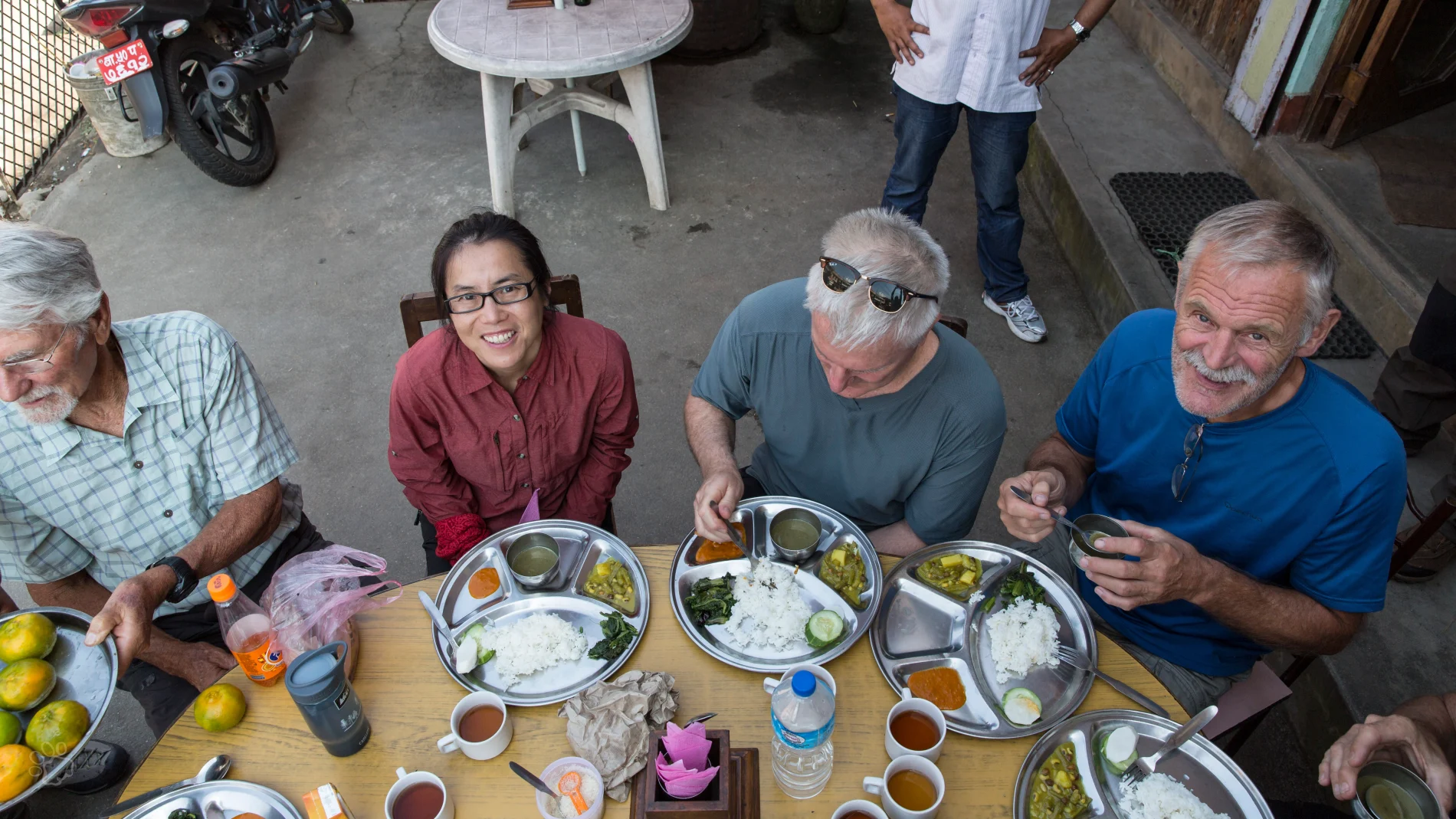
13/10/2026
Manaslu Circuit Trek After the October 2026 Floods: Trail Conditions, Safety and Travel Updates
The Manaslu Circuit Trek is one of Nepal’s most rewarding Himalayan journeys, taking trekkers through traditional...
Read more
13/10/2026
Your Nepal Trek Is Booked, but the Trail Is Closed: What Now?
Imagine arriving in Nepal with your trekking boots ready, your flights booked, your bags packed, and...
Read more