Drone Permit in Nepal: Complete Guide for Tourists, Trekkers, and Filmmakers
Share:
 Read Time
This blog has 6139 words .This blog has 44078 characters.This blog take 20 minutes to read.
Nepal is a dream destination for travelers who love mountains, adventure, culture, and photography. With the rise of drone technology, many tourists, vloggers, photographers, and filmmakers now bring drones to capture the incredible beauty of the Himalayas, ancient cities, lakes, and natural landscapes from a unique aerial perspective. However, flying a drone in Nepal requires proper knowledge and permission because the country has specific aviation rules to maintain safety and protect sensitive areas.
Understanding the Drone Permit in Nepal process is important before planning any aerial photography or video project. Although drones can capture stunning views of destinations like Everest, Annapurna, Mustang, Pokhara, and Kathmandu Valley, operating them without proper approval can create legal issues. Therefore, every visitor should learn about registration procedures, required documents, restricted areas, and flight regulations before using a drone.
The Nepal Drone Permit system is mainly managed through aviation authorities, while additional approvals may be required when flying in conservation areas, national parks, heritage sites, or restricted locations. Because many popular trekking routes pass through protected regions, travelers should carefully check the requirements before carrying a drone on their adventure.
Whether you are visiting Nepal for trekking, a cultural tour, wildlife exploration, or professional filming, following the correct Drone Regulations in Nepal will help you enjoy your journey without unnecessary difficulties. Proper planning allows travelers to safely capture Nepal’s extraordinary landscapes while respecting local laws and environmental guidelines.
What Is a Drone Permit in Nepal?
A Drone Permit in Nepal is an official authorization that allows individuals or organizations to operate an unmanned aerial vehicle (UAV) within Nepal’s airspace. This permission system is created to ensure that drone flights are conducted safely without affecting commercial aircraft, public security, personal privacy, or restricted locations.
Although drones are widely used for travel photography, filmmaking, research, and adventure documentation, Nepal considers them an aviation device that needs proper control. Therefore, drone operators must follow the rules established by the Civil Aviation Authority of Nepal (CAAN) and obtain approval before flying in many locations.
The main purpose of a Nepal Drone Permit is to monitor drone activities and prevent possible risks. Nepal has many sensitive areas, including airports, military zones, government facilities, border areas, national parks, and conservation regions. Because of this, authorities regulate drone operations to protect both people and important locations.
For tourists, drone registration and permission are especially important when visiting popular destinations such as Everest Base Camp, Annapurna Region, Upper Mustang, Langtang, and other Himalayan trekking areas. Many of these regions have special environmental and security considerations, so additional permissions may be needed depending on the flight location and purpose.
It is also important to understand that registering a drone does not always mean unlimited flying permission. A registered drone owner must still follow the latest Drone Regulations in Nepal, including altitude limits, restricted zones, safety requirements, and location-specific approvals.
By completing the correct permit process before flying, travelers can enjoy Nepal’s incredible landscapes through aerial photography while avoiding fines, drone confiscation, or other legal complications. Proper preparation makes drone use in Nepal safer, easier, and more enjoyable.
Can Foreign Tourists Bring a Drone to Nepal?
Yes, foreign tourists can bring drones to Nepal for personal photography, travel videos, research, or professional projects. Nepal welcomes many visitors who use drones to capture the beauty of the Himalayas, cultural heritage sites, and natural landscapes. However, carrying a drone into the country does not automatically mean you can fly it anywhere without permission.
Before operating a drone, international travelers should understand the Drone Permit in Nepal requirements and complete the necessary registration process. When arriving in Nepal, visitors should be prepared to provide details about their drone, such as its model, serial number, weight, and purpose of use. Keeping documents related to the drone can make the approval process smoother.
Many trekkers bring drones to famous destinations like Everest Base Camp, Annapurna Base Camp, Manaslu, Mustang, and Langtang because aerial views of these regions are truly spectacular. However, several trekking areas fall under conservation areas or protected zones, where additional approvals may be required before flying.
Although small travel drones are popular among tourists, they are still regulated under Nepal’s aviation rules. Therefore, travelers should avoid flying immediately after arrival without completing the required procedures. Following the correct Nepal Drone Permit process helps visitors enjoy drone photography while respecting Nepal’s airspace regulations.
Foreign visitors should also remember that drone rules can vary depending on the purpose of use. A tourist capturing personal memories may have different requirements compared to a filmmaker, commercial photographer, or organization creating promotional content. Checking the latest Drone Regulations in Nepal before traveling is the best way to avoid delays, penalties, or problems during your trip.
With proper planning, international travelers can safely bring their drones to Nepal and capture some of the most breathtaking aerial views in the world while following local laws.
Drone Categories in Nepal as per CAAN
Before applying for a Drone Permit in Nepal, it is important to understand that drones are classified into different categories based on their weight and operational risk. The Civil Aviation Authority of Nepal (CAAN) has categorized drones to manage their safe operation and ensure that each type of drone follows suitable rules.
The category of a drone mainly depends on its maximum takeoff weight (MTOW). Heavier drones usually require more attention because they can create greater safety risks compared to lightweight models. Therefore, the registration process, approval requirements, and operating conditions may differ according to the drone category.
Category A: Very Low-Risk Drones
Category A includes lightweight drones with a maximum takeoff weight of up to 250 grams. These drones are generally considered lower-risk devices because of their small size and limited operational capability. Many compact travel drones fall under this category.
Even though these drones are small, users should still follow basic safety guidelines and respect restricted areas. Flying near airports, military zones, government buildings, or crowded places without permission is not allowed.
Category B: Low-Risk Drones
Category B covers drones weighing more than 250 grams and up to 2 kilograms. Many popular consumer drones used by travelers and photographers fall into this category.
Operators using these drones need to follow the required Nepal Drone Permit procedures and operate them according to CAAN regulations. These drones are commonly used for travel photography, trekking videos, and personal content creation.
Category C: Medium-Risk Drones
Category C includes drones weighing more than 2 kilograms and up to 25 kilograms. These drones are often used for professional photography, filmmaking, surveying, mapping, and commercial purposes.
Because of their larger size and higher capability, operators may need additional approvals and must follow stricter operating conditions before flying.
Category D: High-Risk Drones
Category D includes drones above 25 kilograms. These types of drones are generally used for specialized activities and require more detailed evaluation and authorization from relevant authorities.
For most tourists visiting Nepal, lightweight drones are the most common choice. However, regardless of the drone size, every operator must understand the latest Drone Regulations in Nepal and confirm whether additional permits are required for their planned location.
Knowing your drone category before traveling helps you prepare the correct documents, complete registration smoothly, and avoid unexpected issues while capturing Nepal’s beautiful landscapes.
Who Issues Drone Permits in Nepal?
The process of obtaining a Drone Permit in Nepal involves different government authorities depending on where and why you plan to operate your drone. The main authority responsible for managing drone activities and aviation safety in Nepal is the Civil Aviation Authority of Nepal (CAAN). It regulates drone registration, flight safety requirements, and general operating procedures to ensure drones do not affect regular air traffic.
The Civil Aviation Authority of Nepal plays the most important role in the Nepal Drone Permit process. Drone operators need to provide their personal details, drone information, and purpose of operation during the registration process. CAAN reviews these details and manages approvals according to the type of drone and planned activity.
However, CAAN approval alone may not always be enough. Nepal has many protected areas, cultural sites, and restricted locations where additional permission may be required. For example, if you plan to fly a drone during trekking in conservation areas such as Annapurna, Manaslu, or Everest regions, approval from the concerned conservation authority may also be necessary.
For flights inside national parks, additional authorization may be required from the Department of National Parks and Wildlife Conservation. Similarly, filming around UNESCO World Heritage Sites or culturally sensitive locations may require approval from the relevant local authorities.
For commercial filming, documentaries, advertisements, or professional projects, operators may need to provide additional information about the purpose of filming, location, and usage of the footage. These requirements help authorities maintain safety and control drone activities in sensitive areas.
Understanding which authority is responsible for your specific flight location is an important part of following Drone Regulations in Nepal. Proper permission not only protects your equipment from possible issues but also helps preserve Nepal’s natural, cultural, and aviation environments.
How to Register Your Drone in Nepal?
Before capturing aerial views of Nepal’s mountains, cities, or landscapes, drone operators must complete the official registration process. The Drone Permit in Nepal procedure starts with registering the drone with the Civil Aviation Authority of Nepal (CAAN). After successful approval, CAAN provides a Unique Identification Number (UIN), which works as the official identity of the registered drone.
Drone registration is an important step because it helps authorities monitor drone operations and maintain safe airspace. Although many travelers carry lightweight drones for personal photography, they still need to follow the required rules before flying in Nepal.
There are two common ways to register a drone in Nepal:
- Online registration through the CAAN online system
- Offline registration by visiting the Flight Safety Standards Department (FSSD)
- Online Drone Registration Process
Travelers who want to register their drone online can apply through the official CAAN drone registration platform. During the application process, applicants need to enter accurate personal information along with complete details about their drone.
The online application usually requires details such as:
- Owner’s personal information
- Passport or identification details
- Drone brand and model
- Serial number of the drone
- Drone weight category
- Purpose of operation
- Required supporting documents
After submitting the online form, the application is reviewed by the concerned authority. Applicants may be asked for additional information if any details are incomplete or unclear.
Offline Drone Registration Process
Applicants who prefer the traditional method can visit the Flight Safety Standards Department (FSSD) with the required documents. In some cases, the drone may also need to be presented for physical verification, depending on its category and purpose of operation.
The commonly required documents for Nepal Drone Permit registration include:
- Completed drone registration application form
- Purpose of operation and commitment letter
- Recent passport-size photograph
- Copy of passport or citizenship certificate
- Company registration documents (for organizations)
- Drone manual or technical specification document
- Clear photograph showing the drone serial number
- Purchase invoice or VAT bill for drones bought in Nepal
- Customs declaration and clearance documents for imported drones
- Drone Registration Fee and Certificate
Applicants need to pay the required registration charge during the application process. The fee amount may vary according to government regulations and applicable taxes. Payment is generally completed through approved banking channels.
Once all submitted documents are verified, CAAN issues the drone registration certificate along with the Unique Identification Number (UIN). The certificate has a limited validity period, so drone owners should renew it according to the latest requirements before continuing operations.
Extra Requirements for Professional and Heavy Drones
Certain drone categories require additional procedures because they carry higher operational risks. For heavier drones, especially professional equipment used for filming, mapping, or commercial purposes, authorities may require extra verification.
Drones in higher weight categories may need physical inspection at FSSD, and operators may need additional documents such as technical approval certificates or valid insurance coverage.
Completing the registration process before your journey helps you follow the latest Drone Regulations in Nepal and allows you to enjoy aerial photography responsibly. Whether you are visiting Everest, Annapurna, Mustang, or cultural destinations, having proper drone approval makes your travel experience smoother and safer.
Documents Required for Foreign Travelers Bringing Drones to Nepal
Foreign travelers who plan to bring a drone to Nepal should prepare the necessary documents before starting their journey. Having complete paperwork ready can make the registration and approval process easier and help avoid unnecessary delays after arrival.
International visitors are generally required to provide identification documents along with detailed information about their drone. These documents help authorities verify the owner, drone specifications, and intended purpose of operation.
Foreign travelers should keep the following documents ready:
- Copy of a valid passport
- Copy of Nepal visa
- Recent passport-size photograph
- Drone purchase invoice or ownership proof
- Drone brand, model, and serial number details
- Technical specification sheet or user manual of the drone
- Clear photograph of the drone showing its serial number
- Customs declaration documents if the drone is brought from abroad
- Purpose of operation details
- Required registration forms and commitment documents
Travelers planning to use drones for trekking, filmmaking, or commercial purposes should be extra careful because many popular destinations in Nepal fall under conservation areas, national parks, or restricted zones. Additional permissions may be required depending on the location and purpose of the flight.
Preparing these documents before arriving in Nepal makes the Nepal Drone Permit process smoother and allows visitors to focus more on exploring the country. Whether you are capturing Himalayan landscapes, cultural heritage sites, or adventure activities, proper documentation helps ensure responsible and legal drone operation.
Documents Required for Drone Permit in Nepal
Preparing the correct documents is an essential part of applying for a Drone Permit in Nepal. Whether you are a foreign traveler visiting for adventure, a local drone owner, a professional photographer, or a filmmaker, submitting complete and accurate information helps make the registration process smoother and reduces the chance of delays.
The required documents can vary depending on the drone category, purpose of operation, and the location where you plan to fly. However, most applicants need to provide personal identification, drone-related information, ownership details, and documents explaining the purpose of using the drone.
Documents Generally Required for Drone Registration in Nepal
1. Personal Identification Documents
The first requirement is valid identification to confirm the identity of the drone operator. Nepali citizens usually need to provide citizenship documents, while foreign travelers are generally required to submit passport details along with a valid Nepal visa.
These documents help authorities verify the applicant and maintain proper records of drone operators in Nepal.
2. Drone Technical Details
Providing accurate information about the drone is necessary because authorities need to identify the drone category and understand its operational capability. Applicants should prepare technical details such as:
- Drone brand and model
- Drone serial number
- Total weight or category of the drone
- Technical specification sheet
- Manufacturer details or user manual
These details help determine the applicable rules and requirements based on the drone type.
3. Drone Photographs
Clear photographs of the drone may be required during the registration process. The images should clearly show important identification details, especially the serial number of the drone.
Submitting proper drone photographs allows authorities to confirm that the registered equipment matches the information provided in the application.
4. Purchase and Import Documents
Proof of ownership is another important requirement when applying for a Nepal Drone Permit. If the drone was purchased inside Nepal, applicants may need to provide a purchase invoice or VAT bill.
For travelers bringing drones from another country, customs-related documents may be required. These documents help confirm that the drone was legally brought into Nepal and meets the necessary import requirements.
5. Purpose of Drone Operation Details
Applicants must clearly explain why they want to operate a drone in Nepal. The purpose of use helps authorities understand the nature of the flight and whether additional permissions are required.
Common purposes include:
- Personal travel photography
- Trekking and adventure documentation
- Professional photography and filmmaking
- Research and survey activities
- Commercial video production
- Promotional content creation
A clear explanation of the purpose makes the approval process more transparent and helps determine the required permissions.
6. Commitment Letter and Application Forms
Drone operators may need to submit official registration forms and commitment letters confirming that they will follow Nepal’s aviation rules and operate the drone responsibly.
Through these documents, applicants agree to maintain safety standards, avoid restricted areas, respect privacy, and follow the latest Drone Regulations in Nepal while flying.
Having all required documents prepared before applying saves time and creates a smoother experience for travelers. This is especially important for those planning drone photography during trekking adventures, national park visits, conservation area tours, or professional filming projects in Nepal.
Drone Permit Rules for Nepal
Before flying a drone in Nepal, it is important to understand the official rules and safety guidelines. The main purpose of Drone Regulations in Nepal is to maintain aviation safety, protect public privacy, and prevent problems in sensitive areas. Although drones allow travelers to capture amazing views of mountains, landscapes, and cultural sites, they must be operated responsibly.
Having a registered drone does not mean you can fly it anywhere in Nepal. Drone operators must follow location-based restrictions and obtain additional approval if required. For example, areas near airports, military zones, government facilities, and border regions have strict limitations because they are considered sensitive locations.
Drone users should always keep their aircraft within visible range and avoid unsafe operations. Flying during extreme weather, near aircraft, over crowded areas, or close to private properties can create safety risks. Operators should also respect local communities and avoid capturing personal activities without permission.
When traveling to popular trekking destinations like Everest, Annapurna, Manaslu, Langtang, and Mustang, travelers should be more careful because many of these regions are protected areas. A general Nepal Drone Permit may not always be enough, and additional permission from conservation area authorities or national park offices may be required.
Commercial drone users, including filmmakers, documentary creators, and tourism companies, may need extra approval because their activities are different from personal travel photography. They should clearly mention the purpose of filming and follow the required procedures before starting their project.
Following the correct drone rules helps travelers enjoy aerial photography in Nepal without facing unnecessary problems. Proper planning, responsible flying, and respect for local regulations allow visitors to capture Nepal’s incredible beauty while keeping the environment and communities safe.
Drone Permit Requirement for Conservation Areas in Nepal
Nepal is famous for its beautiful trekking destinations, and many of these areas are protected under conservation programs to preserve natural landscapes, wildlife, and local ecosystems. Because of their environmental importance, flying a drone in conservation areas requires extra attention and additional permission beyond the regular Drone Permit in Nepal.
Several popular trekking regions, including the Annapurna, Manaslu, Kanchenjunga, and other protected areas, fall under conservation zones. These destinations attract thousands of travelers every year who want to capture stunning mountain views through photography and videos. However, drone operations in these areas are controlled to reduce disturbance to wildlife, protect local communities, and maintain responsible tourism practices.
Before flying a drone inside a conservation area, operators may need approval from the concerned conservation authority along with the necessary aviation permissions. The requirements can depend on the location, purpose of flying, and type of drone being used.
For example, trekkers visiting areas like the Annapurna Conservation Area or Manaslu Conservation Area should not assume that their general drone registration allows unrestricted flights. These regions have specific environmental guidelines, and travelers should check the latest requirements before operating a drone.
Professional photographers, filmmakers, and commercial operators usually need to provide additional details about their project, including the purpose of filming, planned locations, and how the footage will be used. This helps authorities evaluate whether the activity follows conservation and tourism guidelines.
Travelers planning drone photography during trekking should prepare their permissions before reaching remote areas because approval processes can be more difficult once they are already on the trail. Proper preparation helps avoid interruptions and allows visitors to enjoy Nepal’s incredible Himalayan scenery responsibly.
Following the correct Nepal Drone Permit process and respecting conservation rules ensures that drone photography supports tourism while protecting Nepal’s unique natural environment for future generations.
Extra Permit for National Parks in Nepal
Nepal’s national parks are protected areas that conserve wildlife, forests, and natural landscapes. Because drone flights can disturb animals and affect conservation activities, additional permission may be required before flying a drone inside these areas. A normal Drone Permit in Nepal does not always allow flights inside national parks.
National Parks Where Extra Drone Permission May Be Required
1. Sagarmatha National Park
Sagarmatha National Park is located in the Everest region and is one of Nepal’s most popular trekking destinations. Since it is a protected Himalayan area and a UNESCO World Heritage Site, drone users need to follow strict rules before capturing aerial footage. Additional approval may be required for drone photography around Everest Base Camp, trekking trails, and other protected locations.
2. Chitwan National Park
Chitwan National Park is famous for wildlife experiences, including the one-horned rhinoceros, Bengal tiger, elephants, and many bird species. Drone flights inside the park require special consideration because noise from drones can disturb wildlife. Travelers must obtain proper permission before using drones for photography or filming.
3. Bardiya National Park
Bardiya National Park offers a peaceful jungle experience and is known for its rich biodiversity. Drone operations inside the park need approval because aerial activities must follow wildlife conservation guidelines. Filmmakers and photographers should receive permission before recording aerial videos.
4. Langtang National Park
Langtang National Park covers beautiful Himalayan landscapes, forests, and trekking routes. Since the area protects important wildlife habitats and natural resources, drone users must follow park regulations and obtain necessary approval before flying.
5. Rara National Park
Rara National Park is home to the beautiful Rara Lake and surrounding mountain landscapes. Although the area is popular for photography, drone operators need to respect environmental rules and obtain permission before capturing aerial footage.
6. Shey Phoksundo National Park
Shey Phoksundo National Park is one of Nepal’s most remote and culturally rich protected areas. Due to its sensitive environment, wildlife, and restricted locations, drone flights require careful planning and proper authorization.
Following the correct permission process before flying inside national parks helps protect Nepal’s natural environment while allowing travelers to capture amazing aerial views responsibly. Always check the latest Drone Regulations in Nepal before planning drone activities in protected areas.
Drone Permit Requirement for Conservation Areas in Nepal
Nepal has several conservation areas that protect unique Himalayan landscapes, rare wildlife, forests, and local ecosystems. Many popular trekking destinations are located inside these protected regions, which means drone operators need to follow additional rules before capturing aerial footage. A general Drone Permit in Nepal may not always be enough when flying inside conservation areas.
Conservation areas have special regulations because drone activities can affect wildlife, local communities, and environmental protection programs. Therefore, travelers, photographers, and filmmakers should check the required permissions before operating a drone in these regions.
Conservation Areas Where Extra Drone Permission May Be Required
1. Annapurna Conservation Area
Annapurna Conservation Area is Nepal’s largest protected area and covers famous trekking routes such as Annapurna Base Camp, Annapurna Circuit, and Ghorepani Poon Hill. Since many villages, forests, and wildlife habitats are protected here, drone users should obtain the necessary approval before flying. Travelers planning aerial photography should confirm permission requirements before starting their trek.
2. Manaslu Conservation Area
Manaslu Conservation Area is a remote Himalayan region known for Mount Manaslu, traditional villages, and less crowded trekking trails. Because the area has protected landscapes and restricted sections, drone operators need to follow conservation rules and obtain required approvals before capturing aerial views.
3. Kanchenjunga Conservation Area
Kanchenjunga Conservation Area is located in eastern Nepal and protects one of the world’s highest mountain regions. Due to its remote location, sensitive ecosystems, and important wildlife habitats, drone flights require careful planning and proper permission from concerned authorities.
4. Gaurishankar Conservation Area
Gaurishankar Conservation Area lies in the eastern Himalayan region and includes important natural and cultural sites. Drone users should follow conservation guidelines and obtain approval before flying, especially for commercial filming or professional photography.
5. Api Nampa Conservation Area
Api Nampa Conservation Area in far-western Nepal is known for untouched landscapes, mountains, and unique biodiversity. Since it is a protected region, drone operations must follow environmental regulations and require proper authorization.
Flight Rules You Cannot Ignore While Flying a Drone in Nepal
Flying a drone in Nepal allows travelers to capture incredible views of the Himalayas, cultural landmarks, and natural landscapes from a unique aerial perspective. However, drone operators must follow specific safety rules and legal requirements to ensure responsible operation. The purpose of Drone Regulations in Nepal is to maintain aviation safety, protect privacy, and prevent risks to people, wildlife, and sensitive locations.
One of the most important rules is avoiding flights near airports and aircraft routes. Nepal has several busy aviation areas, including Tribhuvan International Airport in Kathmandu and other domestic airports, where unauthorized drone flights can create serious safety concerns. Similarly, drones should not be operated near military areas, government buildings, border regions, or other restricted locations without proper approval.
Drone operators should always keep their drone within visual range and maintain full control during flights. Flying beyond the operator’s sight can increase the possibility of accidents, loss of equipment, or interference with other activities. It is also important to avoid flying over crowded places, busy streets, religious gatherings, and public events because unexpected technical issues could put people at risk.
Respecting local communities and personal privacy is another important part of responsible drone use in Nepal. Travelers should avoid recording people, private properties, or cultural activities without permission. Nepal has many traditional villages and religious sites where visitors should operate drones carefully and respectfully.
When flying in national parks, conservation areas, or trekking regions, drone users must take extra care to protect the environment. The noise and movement of drones can disturb wildlife, especially in protected areas. Therefore, operators should follow local guidelines and obtain additional approval where required before capturing aerial footage.
Weather conditions also play an important role in safe drone operation. Mountain regions of Nepal can experience sudden changes in weather, including strong winds, fog, and rain. Checking weather conditions before flying helps prevent accidents and protects both the drone and surrounding areas.
Finally, drone registration does not provide unlimited permission to fly everywhere in Nepal. Different locations may have different requirements depending on their environmental, cultural, or security importance. Following the correct rules and obtaining necessary approvals allows travelers, photographers, and filmmakers to enjoy drone photography while respecting Nepal’s aviation laws and natural heritage.
Penalties for Flying a Drone Without Permission in Nepal
Flying a drone without following the required rules can create legal problems in Nepal. Although drones are widely used for travel photography, trekking videos, and filmmaking, operating them without proper registration or permission is considered a violation of aviation regulations. The authorities have established rules to ensure that drone activities do not affect aircraft safety, public security, privacy, or protected areas.
The penalties for illegal drone operation can vary depending on the seriousness of the violation, location, purpose of use, and possible safety risks created by the flight. Travelers and operators who ignore the Drone Regulations in Nepal may face consequences from the concerned authorities.
Some common situations that may lead to penalties include:
Flying a Drone Without Registration or Permit
Operating a drone without completing the required registration process or without obtaining necessary approval can result in legal action. Authorities may stop the operation, request documentation, or take further action depending on the circumstances.
Flying in Restricted Areas Without Approval
Using a drone near airports, military zones, government facilities, border areas, or other restricted locations without permission is considered a serious violation. Such activities may create security concerns and can lead to investigation by relevant authorities.
Drone Confiscation
In cases where a drone is operated illegally or creates safety concerns, authorities may temporarily seize the equipment for verification and further investigation.
Fines and Legal Action
Operators who violate drone rules may be subject to fines or other legal procedures depending on the nature of the offense. The severity of the penalty can increase if the drone activity affects public safety or aviation operations.
Problems During Commercial Filming
Professional photographers, filmmakers, and companies using drones for commercial purposes without proper approval may face additional restrictions. Commercial projects usually require more detailed permissions because the footage may be used publicly or for business purposes.
Violation of Privacy or Safety Rules
Flying a drone over private property, crowded areas, or sensitive locations without permission can create privacy and safety issues. Such actions may result in complaints and possible legal consequences.
To avoid these problems, travelers should complete the required registration, understand location-specific requirements, and check the latest Nepal Drone Permit rules before flying. Proper preparation allows visitors to enjoy aerial photography in Nepal while avoiding unnecessary delays, fines, or equipment-related issues.
Why Choose Silver Moon Adventure and Tour for Drone Permit Assistance?
Planning a drone photography trip in Nepal can be exciting, but understanding the permit process, location restrictions, and approval requirements can sometimes be confusing, especially for international travelers. Since many popular trekking destinations and adventure routes pass through protected areas, having proper guidance can help you avoid unnecessary complications during your journey.
Silver Moon Adventure and Tour helps travelers understand the important requirements related to drone use during trekking and tour activities in Nepal. With experience in organizing Himalayan adventures, cultural tours, and outdoor experiences, the team can provide practical guidance about destinations where drone permission may be required and help travelers plan their activities more effectively.
When you travel with a drone, choosing the right itinerary is also important because different regions have different rules. Popular destinations like Everest, Annapurna, Manaslu, Mustang, and Langtang include areas with conservation or national park regulations. Proper planning before reaching these destinations helps travelers prepare the necessary documents and avoid unexpected issues.
Silver Moon Adventure and Tour focuses on creating smooth travel experiences by helping guests understand local requirements, trekking procedures, and responsible tourism practices. Whether you are a photographer, filmmaker, content creator, or adventure traveler, having local travel support can make your journey more comfortable.
Drone photography is a great way to capture Nepal’s incredible landscapes, from snow-covered Himalayan peaks to traditional mountain villages and natural wonders. However, responsible flying is essential to protect the environment, respect local communities, and follow Nepal’s aviation guidelines.
By combining adventure planning with proper information about the Drone Permit in Nepal, travelers can enjoy their journey with better preparation and confidence while capturing memorable aerial views of Nepal.
Conclusion
Nepal is one of the most beautiful destinations in the world for drone photography, offering incredible views of the Himalayas, traditional villages, lakes, forests, and cultural landmarks. However, capturing these stunning landscapes from the sky requires proper planning and awareness of the rules. Understanding the Drone Permit in Nepal process is essential for every traveler, photographer, and filmmaker who wants to operate a drone legally.
Before flying a drone, visitors should complete the required registration process, prepare necessary documents, and understand the restrictions related to different locations. Popular destinations such as Everest, Annapurna, Mustang, Langtang, national parks, and conservation areas may have additional requirements because they are protected or sensitive regions.
Following the latest Drone Regulations in Nepal not only helps avoid penalties but also supports responsible tourism. Respecting local communities, protecting wildlife, and maintaining aviation safety are important parts of using drone technology in Nepal.
With proper preparation, travelers can enjoy the unique experience of capturing Nepal’s natural beauty through aerial photography while staying within legal guidelines. Whether you are visiting Nepal for trekking, adventure, cultural exploration, or professional filmmaking, responsible drone operation will help make your journey safer and more memorable.
By planning ahead and understanding the Nepal Drone Permit requirements, you can focus on exploring the incredible landscapes of Nepal while creating unforgettable aerial memories.
FAQs
1. Do I need a permit to fly a drone in Nepal?
Yes, travelers need to follow the required registration and approval process before flying a drone in Nepal. The requirements depend on the drone category, purpose of use, and location where you plan to operate the drone. Completing the proper Drone Permit in Nepal process helps ensure safe and legal drone operation.
2. Can foreigners bring drones to Nepal?
Yes, foreign travelers can bring drones to Nepal for personal photography, trekking videos, or professional projects. However, they must follow the required registration procedures and carry necessary documents such as passport details, visa information, and drone specifications.
3. Where can I register my drone in Nepal?
Drone registration is managed through the Civil Aviation Authority of Nepal (CAAN). Applicants can complete the registration process through the available online system or by visiting the concerned office for further procedures.
4. Can I fly a drone at Everest Base Camp?
Flying a drone in the Everest region requires careful planning because the area falls under Sagarmatha National Park and a protected Himalayan environment. Travelers may need additional permission along with the regular Nepal Drone Permit before operating a drone around Everest Base Camp.
5. Do I need extra permission to fly drones in national parks?
Yes, additional approval may be required for drone flights inside national parks. Protected areas such as Sagarmatha National Park, Chitwan National Park, Bardiya National Park, and Langtang National Park have special conservation rules to protect wildlife and natural environments.
6. Can I fly a drone in conservation areas of Nepal?
Yes, but additional permission may be required depending on the location. Popular trekking regions like Annapurna Conservation Area, Manaslu Conservation Area, and Kanchenjunga Conservation Area have specific guidelines because they protect important natural and cultural resources.
7. What documents are required for drone registration in Nepal?
The required documents generally include identification documents, drone technical details, drone photographs, ownership proof, and information about the purpose of operation. Foreign travelers may also need passport and visa documents.
8. How long does drone registration take in Nepal?
The processing time depends on document verification and the type of drone application. Travelers should complete the process early before their planned flight to avoid delays during their trip.
9. Can I use a drone for commercial filming in Nepal?
Yes, commercial drone activities such as documentaries, advertisements, and professional filmmaking are possible, but they usually require additional approval. Operators should provide project details and follow the required procedures before filming.
10. What happens if I fly a drone without permission in Nepal?
Flying a drone without proper approval can result in problems such as warnings, investigation, equipment confiscation, fines, or other legal action depending on the seriousness of the violation.
11. Can I fly a drone near Kathmandu city?
Drone flights in Kathmandu require extra caution because the valley contains airports, heritage sites, government buildings, and other sensitive locations. Travelers should confirm permission requirements before flying.
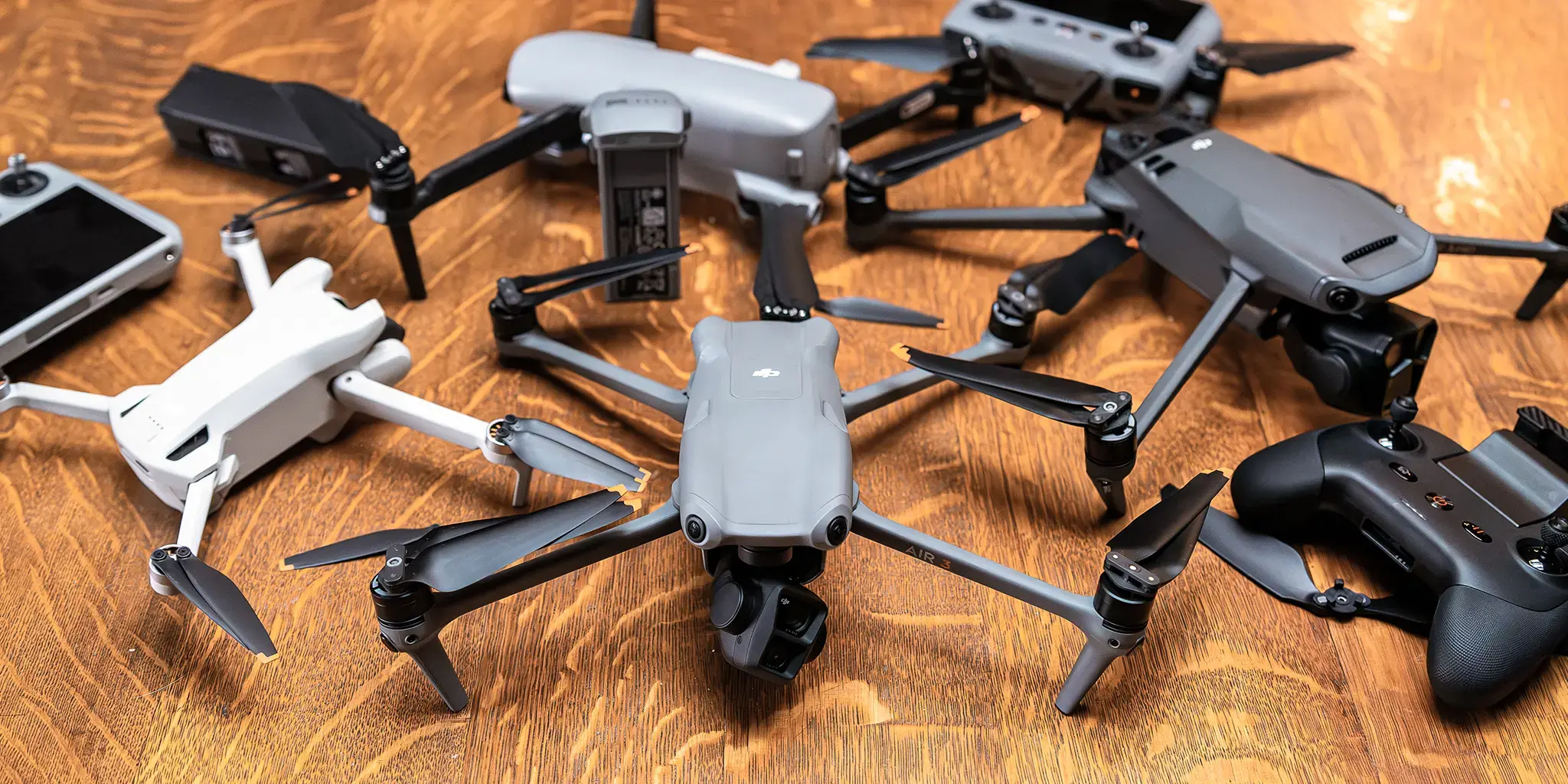
12. Are DJI Mini drones allowed in Nepal?
Small drones such as DJI Mini models are commonly used by travelers, but they are still subject to Nepal’s drone rules. Operators should check the latest registration and flying requirements before using them.
13. Can I carry a drone during trekking in Nepal?
Yes, many trekkers carry drones for photography, but they should understand that trekking permits do not automatically include drone permission. Additional approvals may be required depending on the trekking region.
14. Is drone insurance required in Nepal?
Insurance requirements depend on the drone category and purpose of operation. Professional or heavier drones may require additional documentation, so operators should confirm the latest requirements before flying.
15. What is the best advice for tourists bringing drones to Nepal?
The best approach is to complete registration early, prepare all necessary documents, understand location restrictions, and follow responsible flying practices. Proper preparation helps you capture Nepal’s beautiful landscapes while following the latest Drone Regulations in Nepal.

Similar Blogs
View all
13/10/2026
Manaslu Circuit Trek After the October 2026 Floods: Trail Conditions, Safety and Travel Updates
The Manaslu Circuit Trek is one of Nepal’s most rewarding Himalayan journeys, taking trekkers through traditional...
Read more
13/10/2026
Your Nepal Trek Is Booked, but the Trail Is Closed: What Now?
Imagine arriving in Nepal with your trekking boots ready, your flights booked, your bags packed, and...
Read more