7 Beginner-Friendly Mountaineering Peaks in Nepal
Share:
 Read Time
This blog has 1826 words .This blog has 13044 characters.This blog take 6 minutes to read.
Nepal is famous for the world’s highest mountains, but you do not need to begin with an extreme expedition to experience Himalayan mountaineering. Several peaks offer a practical introduction to climbing, especially for trekkers who already have good fitness and some high-altitude experience. The beginner-friendly mountaineering peaks in Nepal range from lower introductory summits to demanding 6,000-meter objectives, so choosing the right mountain matters.
A beginner-friendly peak should not be confused with an easy mountain. Above 5,000 meters, altitude, cold, changing weather, snow, ice, and long summit days can create serious challenges. Therefore, the best beginner-friendly mountaineering peaks in Nepal are mountains where a first-time climber can develop skills with proper preparation, acclimatization, and experienced support.
What Makes a Peak Suitable for Beginners?
When people search for beginner-friendly mountaineering peaks in Nepal, they are usually looking for a mountain that combines an established route with an opportunity to learn real climbing skills. That does not mean the mountain has no technical sections.
A suitable first peak normally has a known approach, established camps, experienced guides, and a route that can be attempted after proper acclimatization. Previous trekking experience is valuable because walking at altitude is very different from climbing at sea level.
Some peaks are mainly challenging because of elevation and endurance, while others require more rope work, glacier travel, or movement on steep snow. For that reason, a climber should consider previous experience rather than choosing a mountain only because it appears on a beginner list.
1. Mera Peak – 6,476 m
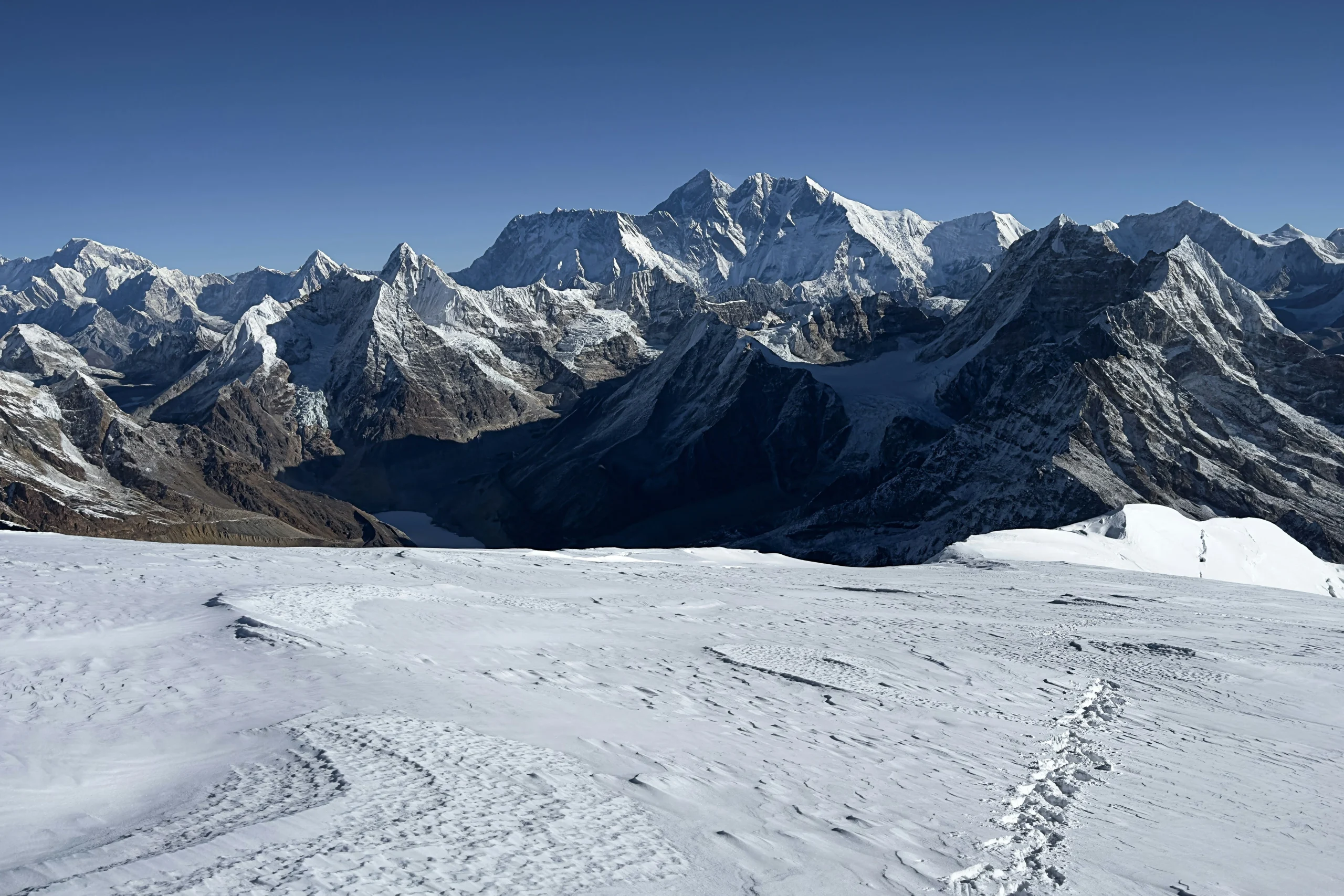
Mera Peak is one of the most recognized beginner-friendly mountaineering peaks in Nepal. At about 6,476 meters, it is a serious high-altitude objective, but its normal route is often considered less technically demanding than several other popular 6,000-meter peaks.
The main challenge is altitude. Climbers spend a long time above 5,000 meters, while summit day can be physically demanding. The approach through the Hinku Valley also allows gradual elevation gain.
Mera suits people who want a first 6,000-meter summit focused on endurance, acclimatization, and basic glacier skills. Crampons, an ice axe, harness, and rope systems may be required.
2. Island Peak – 6,189 m
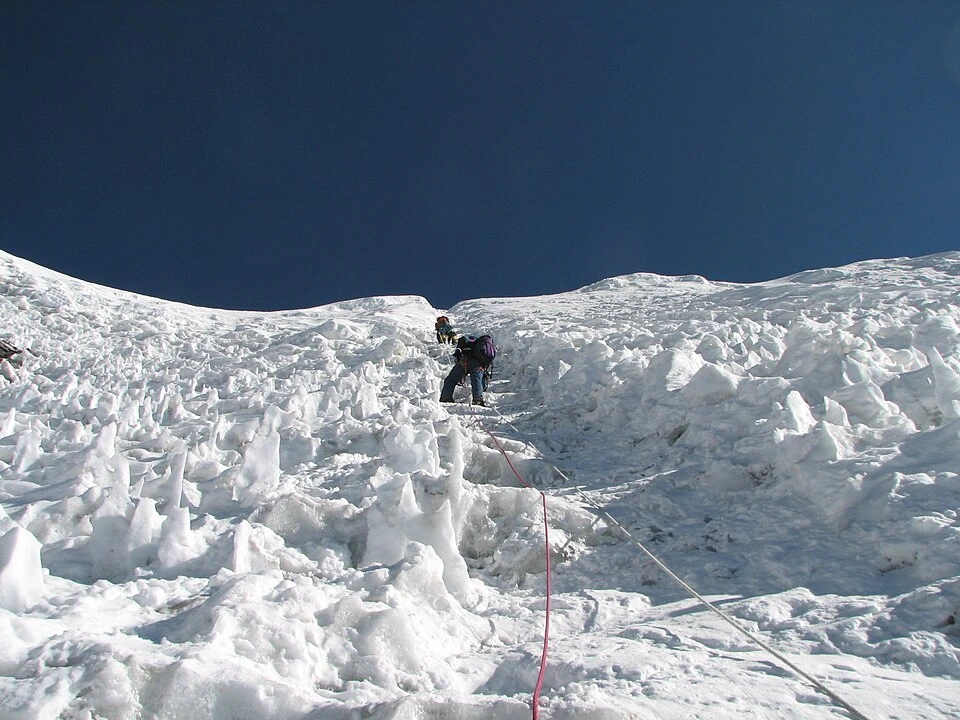
Island Peak, also known as Imja Tse, is another famous choice among beginner-friendly mountaineering peaks in Nepal. It reaches approximately 6,189 meters and lies in the Everest region near Chhukung.
The mountain offers a more technical experience than Mera Peak. Climbers may encounter glacier terrain, fixed ropes, steep snow or ice, and exposed sections. Because of this, Island Peak can suit trekkers who want to learn practical mountaineering techniques during their first summit attempt.
The approach provides useful acclimatization time in the Khumbu, and the climb can be combined with Everest-region trekking.
First-time climbers should practice using crampons, harnesses, ascenders, and an ice axe before summit day.
3. Lobuche East – 6,119 m
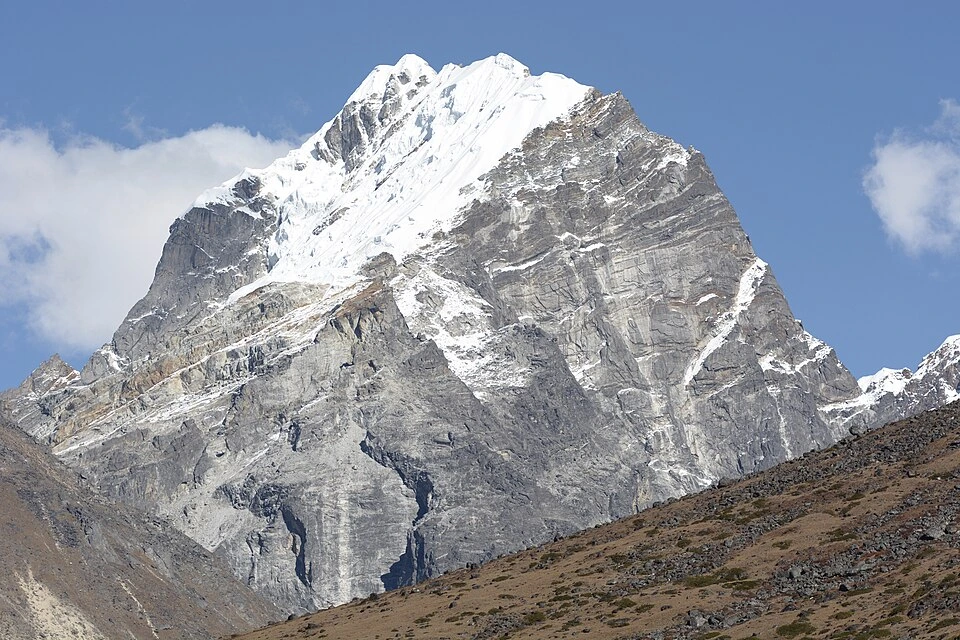
Lobuche East is frequently considered when comparing beginner-friendly mountaineering peaks in Nepal because it combines a popular trekking route with a genuine climbing objective. The mountain rises to roughly 6,119 meters in the Everest region.
Its location near the Everest Base Camp route makes it convenient for travelers who want to combine trekking and climbing. The journey also supports gradual acclimatization.
Lobuche East can involve steeper snow, rock, and ice than a normal trail, so climbers should learn basic rope techniques before the summit. It can suit fit trekkers seeking more technical experience.
4. Pisang Peak – 6,091 m
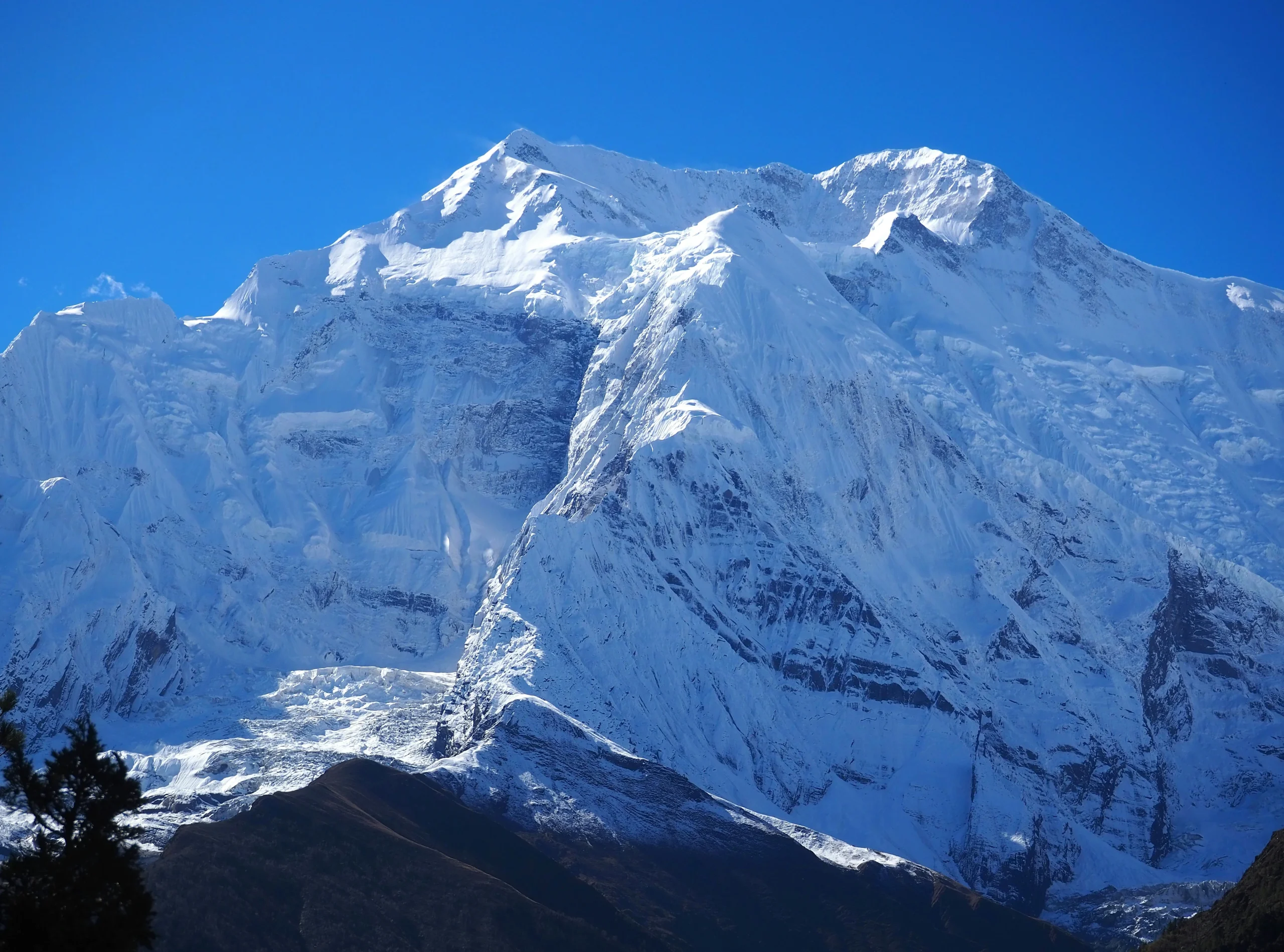
Pisang Peak provides a different setting for people exploring beginner-friendly mountaineering peaks in Nepal. Located in the Annapurna region, it rises to approximately 6,091 meters and can be combined with trekking through the Annapurna landscape.
The approach passes through forests, traditional settlements, dry mountain valleys, and high alpine terrain.
Pisang Peak is not simply a high trek. Depending on conditions, climbers may encounter steep sections requiring climbing equipment and rope techniques. Previous trekking experience, fitness, and instruction are important.
5. Yala Peak – 5,732 m
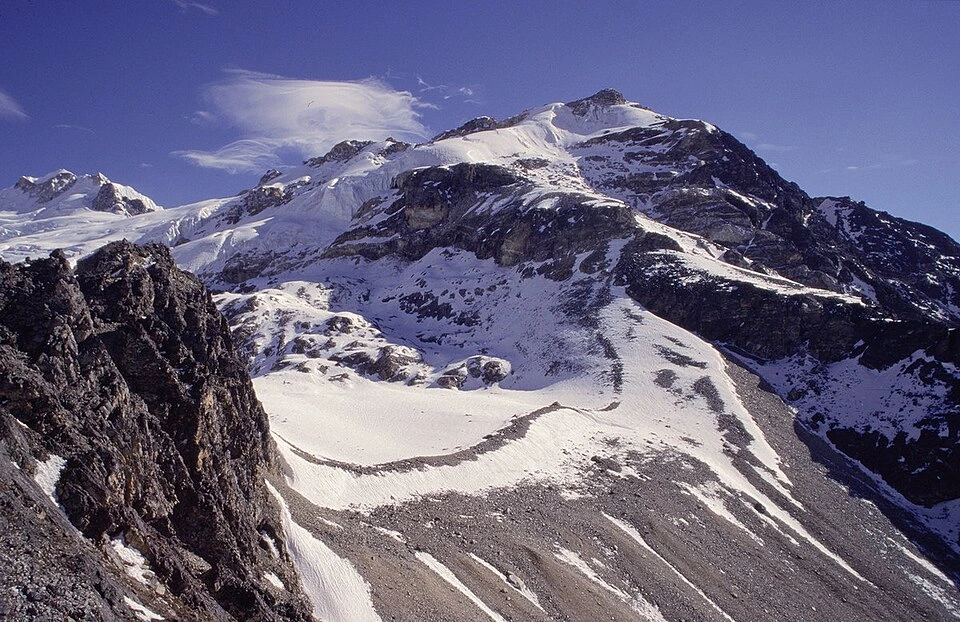
Yala Peak is one of the lower options among beginner-friendly mountaineering peaks in Nepal, reaching around 5,732 meters in the Langtang region. Its lower elevation can make it an appealing introduction for people who want to experience mountaineering without immediately targeting a 6,000-meter summit.
The route combines Langtang’s valleys, forests, villages, and alpine landscapes with a climbing objective.
Although Yala Peak is lower, it still requires suitable clothing, footwear, climbing equipment, and acclimatization. Weather and snow conditions can affect difficulty.
6. Chulu West – 6,419 m
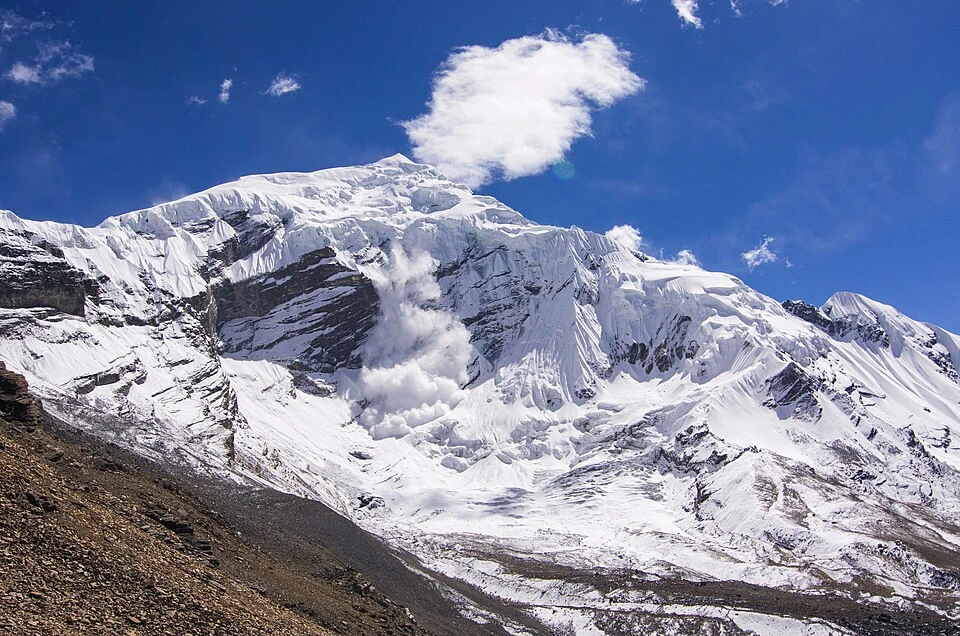
Chulu West is a higher and more demanding option among beginner-friendly mountaineering peaks in Nepal. It stands at about 6,419 meters in the Annapurna region and offers a more serious introduction to high-altitude climbing.
The approach crosses the Annapurna landscape before entering a colder and more technical environment. Depending on conditions, the route can involve snow, ice, steep terrain, and rope work.
A strong newcomer may consider Chulu West, but fitness, altitude experience, technical training, and available time all matter. It is better suited to someone who has already completed demanding treks.
7. Naya Kanga – 5,844 m
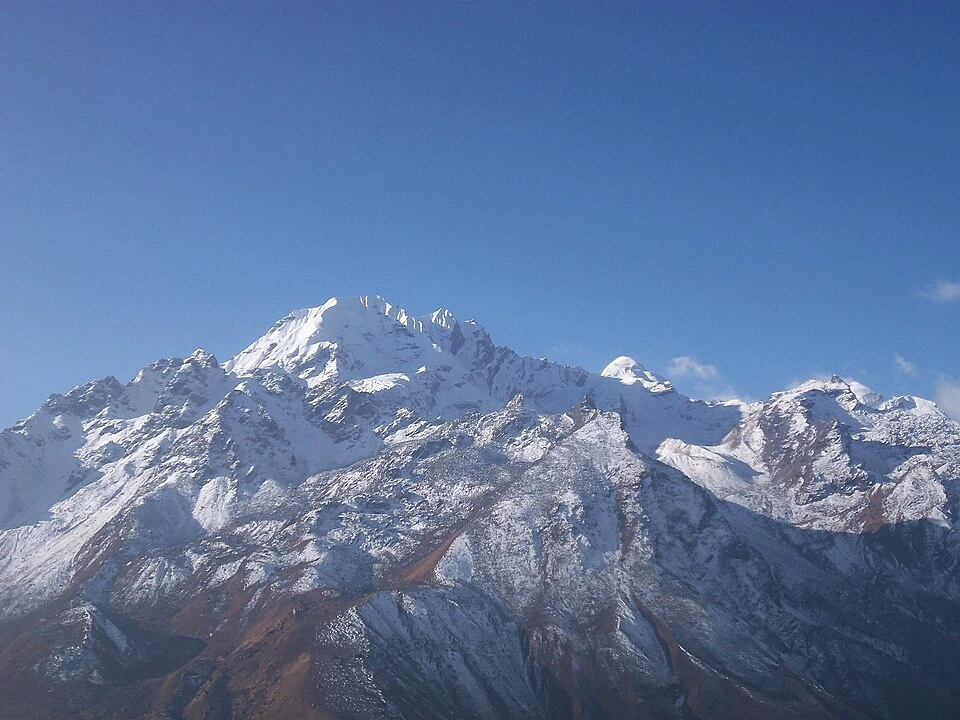
Naya Kanga is another option for travelers researching beginner-friendly mountaineering peaks in Nepal. Located in the Langtang region, it reaches approximately 5,844 meters and provides an interesting combination of trekking and climbing.
The Langtang Valley offers a cultural and natural experience before the route enters the high alpine environment.
Naya Kanga can involve steeper terrain and technical movement, so it should be approached as a real climbing expedition. Proper equipment, training, acclimatization, and professional guidance remain important.
Training for Your First Peak
Preparing for beginner-friendly mountaineering peaks in Nepal means building both endurance and practical climbing skills.
Build endurance through hiking, uphill walking, running, stair training, and strength exercises. Long uphill sessions are useful because summit days can involve many hours of continuous movement.
Technical preparation is equally important. If your route includes glaciers or fixed ropes, learn to use crampons, an ice axe, a harness, carabiners, and an ascender. Also practice while carrying a backpack, because a manageable load can feel much heavier at high altitude.
Acclimatization and Altitude
Altitude is one of the biggest concerns on beginner-friendly mountaineering peaks in Nepal. Your body needs time to adapt as elevation increases, so responsible itineraries include gradual ascent and acclimatization days.
Do not think of an acclimatization day as wasted time. It gives your body an opportunity to adjust before moving higher. You should also understand common symptoms of altitude sickness, including headache, nausea, dizziness, unusual fatigue, and breathing difficulties.
If serious symptoms develop, descending can be necessary. Reaching the summit is never more important than returning safely.
Best Time to Climb
Seasonal planning matters when preparing for beginner-friendly mountaineering peaks in Nepal because mountain conditions can change quickly.
Spring and autumn are generally the main seasons for climbing in Nepal. Spring often provides favorable climbing conditions and longer daylight, while autumn follows the monsoon and can bring clearer mountain views.
However, Himalayan weather is unpredictable even during preferred seasons. Snowfall, strong winds, cloud, and temperature changes can affect a summit attempt.
For that reason, itineraries should include flexibility rather than relying on a fixed summit date.
Permits, Guides, and Safety
Anyone planning beginner-friendly mountaineering peaks in Nepal should confirm current permit requirements before departure.
Nepal’s tourism authorities publish regulations and guidance concerning mountaineering and low-altitude expedition permits, while government tourism statistics also record climbing activity on peaks such as Mera, Island Peak, Lobuche, Chulu West, Pisang Peak, and Naya Kanga.
Professional mountain support is particularly valuable for first-time climbers. An experienced team can assist with route planning, acclimatization, equipment, weather decisions, and emergency response.
The right guide is not simply someone who knows the trail. A good climbing team should understand the mountain environment and know when conditions require a change of plan.
Why Choose Silver Moon Adventure?
Silver Moon Adventure can organize a Himalayan journey around your experience level, available time, and climbing objective. For first-time climbers, having one team coordinate transportation, trekking, acclimatization, climbing support, and return logistics can simplify the overall trip.
The important point is to choose the mountain first and then build the itinerary around it. A responsible plan should consider your previous trekking experience, fitness, technical ability, and comfort with altitude.
How to Choose Your First Mountain
When comparing beginner-friendly mountaineering peaks in Nepal, start with your own experience rather than the mountain’s popularity.
If you have strong trekking fitness and want a first 6,000-meter objective, Mera Peak may be worth considering. If learning fixed-rope and glacier techniques is more important, Island Peak or Lobuche East may suit your goals.
If you prefer Annapurna, Pisang Peak provides a different setting. Yala Peak and Naya Kanga are alternatives in Langtang, while Chulu West is a more demanding option for well-prepared climbers.
Before deciding, consider your previous altitude experience, technical skills, available time, training level, and the season of your trip.
Frequently Asked Questions
1. What are the best beginner-friendly mountaineering peaks in Nepal?
Mera Peak, Island Peak, Lobuche East, Pisang Peak, Yala Peak, Naya Kanga, and Chulu West are commonly considered options, although their technical and altitude demands differ.
2. Is Mera Peak suitable for a first climb?
Mera Peak can suit fit trekkers without previous summit experience, particularly those prepared for high altitude and long summit days. Technical preparation is still necessary.
3. Is Island Peak harder than Mera Peak?
They present different challenges. Mera emphasizes altitude and endurance, while Island Peak includes more obvious technical sections such as fixed ropes and glacier terrain.
4. Which peak is below 6,000 meters?
Yala Peak and Naya Kanga are below 6,000 meters and may appeal to people seeking a lower first climbing objective.
5. Do beginners need climbing training?
Yes. Basic rope, crampon, ice-axe, and glacier-safety skills are strongly recommended before a climbing expedition.
6. What equipment is required?
Typical equipment includes mountaineering boots, crampons, an ice axe, harness, helmet, ascender, carabiners, warm layers, gloves, and suitable high-altitude gear.
7. When is peak climbing possible in Nepal?
Spring and autumn are generally the main climbing seasons, although the best period depends on the mountain and current conditions.
8. Can I combine trekking and peak climbing?
Yes. Several climbing objectives can be incorporated into longer trekking itineraries in the Everest, Annapurna, and Langtang regions.
9. Is previous high-altitude trekking necessary?
It is not always mandatory, but previous high-altitude trekking can help you understand how your body responds to elevation and prolonged mountain travel.
10. Are these peaks completely safe for beginners?
No mountain is completely risk-free. Weather, altitude, snow, ice, falls, and exhaustion can occur, so preparation and professional support are important.

Similar Blogs
View all
13/10/2026
Manaslu Circuit Trek After the October 2026 Floods: Trail Conditions, Safety and Travel Updates
The Manaslu Circuit Trek is one of Nepal’s most rewarding Himalayan journeys, taking trekkers through traditional...
Read more
13/10/2026
Your Nepal Trek Is Booked, but the Trail Is Closed: What Now?
Imagine arriving in Nepal with your trekking boots ready, your flights booked, your bags packed, and...
Read more