Guide to Annapurna Base Camp Trek Elevation and Altitude
Share:
 Read Time
This blog has 2524 words .This blog has 17237 characters.This blog take 8 minutes to read.
The Annapurna Base Camp Trek is one of Nepal’s most rewarding mountain journeys, taking trekkers from green hills and traditional villages into the heart of the Annapurna Sanctuary. However, understanding the Annapurna Base Camp Trek Elevation is important before starting the journey because the trail rises steadily from the lower hills to 4,130 meters (13,549 feet) at Annapurna Base Camp.
Unlike some longer Himalayan treks, the ABC Trek does not require weeks of walking at extreme altitude. Nevertheless, the change in elevation is noticeable, especially during the final section from Deurali toward Machhapuchhre Base Camp and Annapurna Base Camp. Therefore, knowing the Annapurna Base Camp Trek Elevation at different stops can help you understand how your body will adjust during the journey.
The trail also passes through forests, villages, rivers, waterfalls and high mountain landscapes. Because the scenery changes quickly, trekkers often feel that every day brings something different. The official Nepal government tourism information lists Annapurna Base Camp at 4,130 meters and provides a route through places including Ghandruk, Chhomrong, Bamboo and Deurali.
How High Is Annapurna Base Camp?
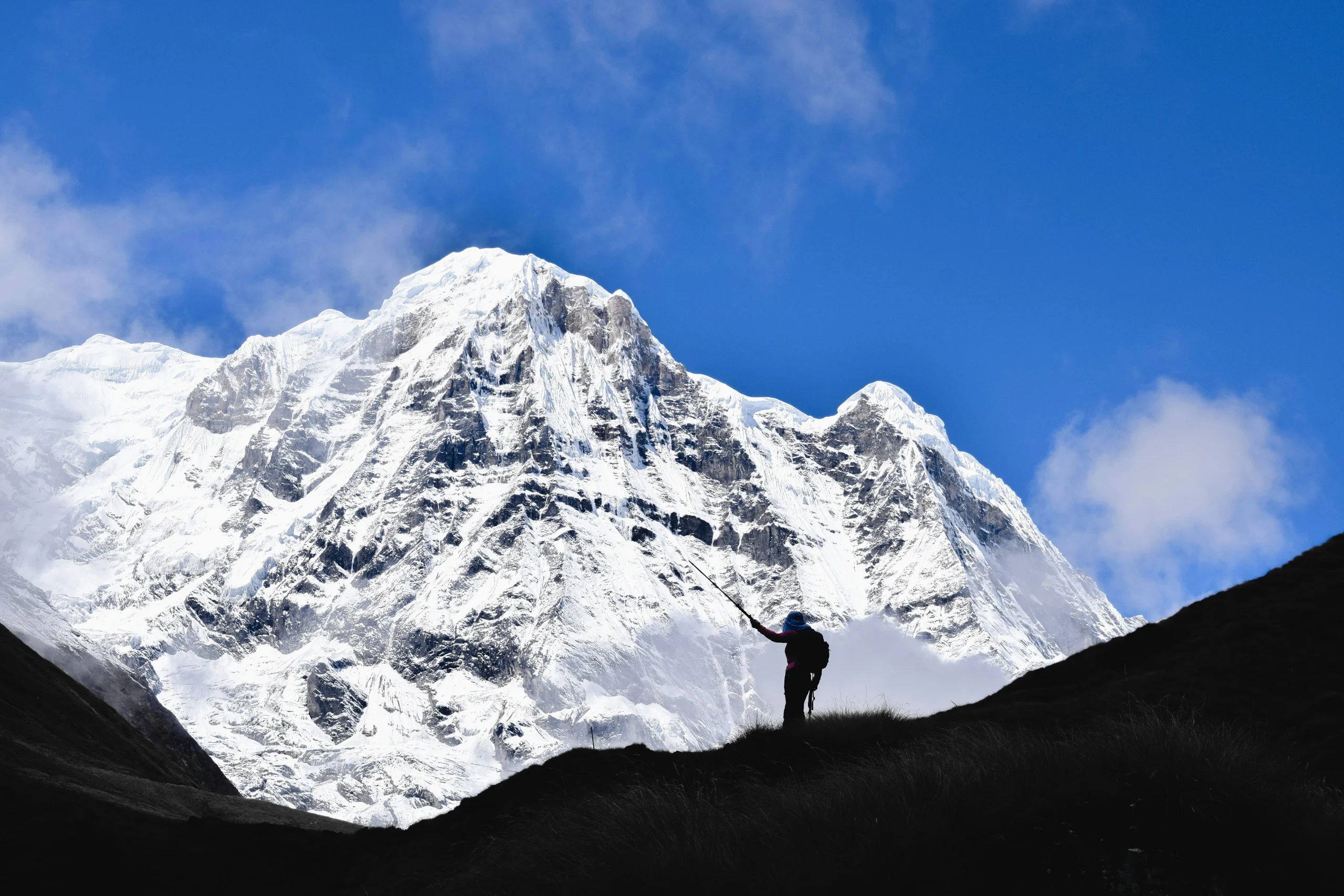
Annapurna Base Camp stands at 4,130 meters (13,549 feet) above sea level. This is the highest overnight point on the standard ABC Trek, although the exact itinerary can vary depending on the starting point and route.
The Annapurna Base Camp Trek Elevation begins much lower in the foothills around Pokhara. From there, the trail gradually climbs through villages and forests before entering the high alpine environment around Machhapuchhre Base Camp and Annapurna Base Camp.
The difference between the lower starting areas and the base camp is what makes the Annapurna Base Camp Trek Elevation particularly interesting. You do not suddenly arrive at 4,130 meters. Instead, your body has several days to experience progressively higher elevations.
At the destination, trekkers are surrounded by some of the major peaks of the Annapurna range. The Nepal Film Development Board also identifies Annapurna Base Camp as being at 4,130 meters and notes the surrounding mountain landscape, glacier and Modi River source.
Annapurna Base Camp Trek Elevation Profile
Understanding the elevation profile makes it easier to visualize how the trek develops.
These figures can vary slightly between maps and individual itineraries, but the overall pattern remains the same: the trail gains elevation gradually before reaching the high sanctuary. The government-published itinerary gives Pokhara at 830 meters, Ghandruk at 1,940 meters, Chhomrong at 2,170 meters, Bamboo at 2,310 meters, Deurali at 3,230 meters and Annapurna Base Camp at 4,130 meters.
Annapurna Base Camp Trek Elevation by Major Stop
Pokhara – 830 Meters
Pokhara is generally the gateway to the Annapurna region. At around 830 meters, it is far below the final elevation of the trek.
Spending time in Pokhara before the trek gives travelers an opportunity to organize their equipment, rest after traveling and prepare for the walking days ahead. The difference between Pokhara and ABC is more than 3,000 meters, which shows how dramatically the landscape and climate change during the trek.
Ghandruk – 1,940 Meters
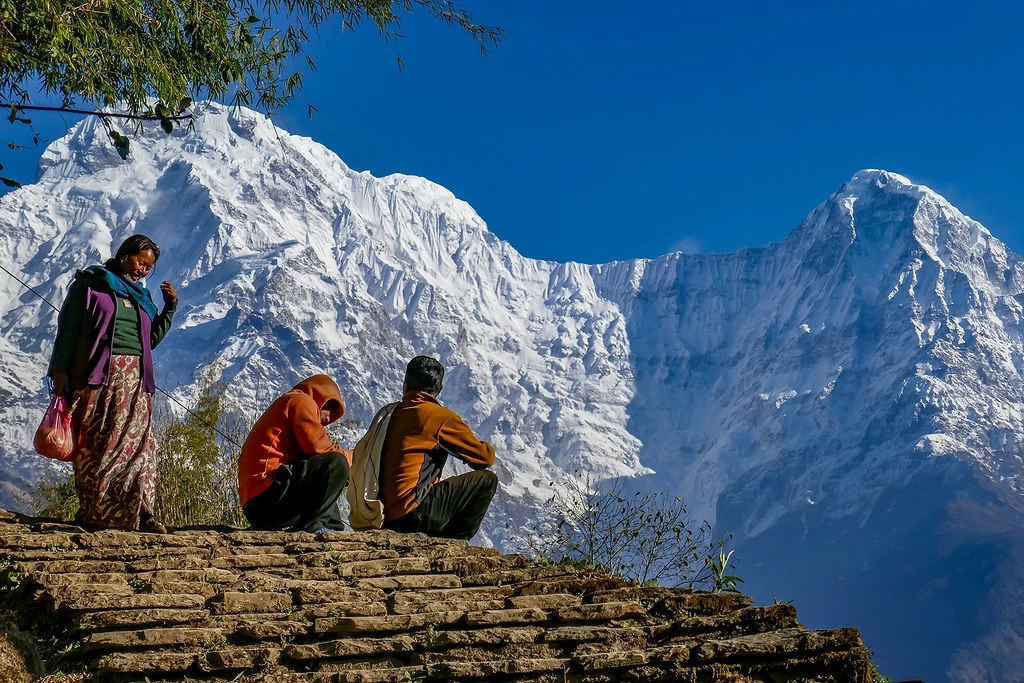
Ghandruk is one of the best-known villages on the ABC route. At approximately 1,940 meters, it is significantly higher than Pokhara but still within a relatively moderate elevation range.
The village is surrounded by mountain scenery and traditional settlements, making it an enjoyable first major stop. The gradual increase in the Annapurna Base Camp Trek Elevation starts becoming more noticeable from this point onward.
Chhomrong – 2,170 Meters
Chhomrong sits at approximately 2,170 meters and is an important settlement on the trail. From here, the route continues toward the deeper part of the Annapurna Sanctuary.
Although 2,170 meters is not considered extreme altitude, trekkers may notice increased breathing effort during uphill sections. Therefore, maintaining a comfortable walking rhythm becomes increasingly useful.

Starts from
USD 550
Mardi Himal Trek- 09 days
The Mardi Himal Trek is a beautiful short trekking journey in the Annapurna region that offers a perfect balance...
Duration:
09 days
Max altitude:
4,500 meters at Mardi Himal Base Camp
Bamboo – 2,310 Meters
Bamboo is located at approximately 2,310 meters and is surrounded by dense forest. The trail between Chhomrong and Bamboo includes numerous stone steps and changes in elevation.
At this stage, the Annapurna Base Camp Trek Elevation is still below 2,500 meters, but the trail is moving steadily upward. Good hydration, regular meals and adequate rest remain important.
Deurali – 3,230 Meters
Deurali marks a more significant change in altitude. At around 3,230 meters, trekkers are entering an environment where altitude deserves greater attention.
The landscape also starts to feel more alpine as the forest becomes less dense. Because the elevation is increasing, walking too quickly can make the final part of the day unnecessarily tiring.
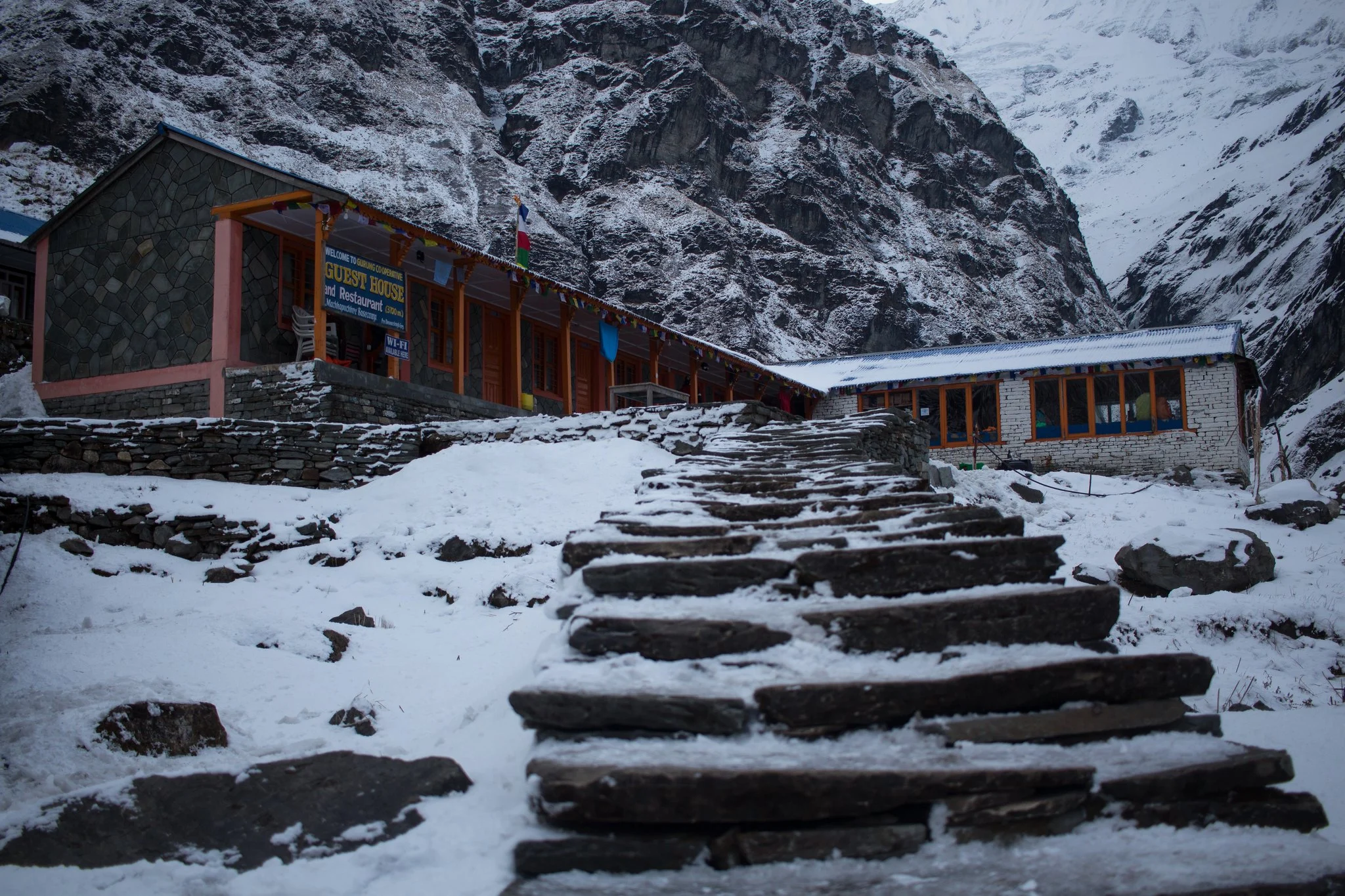
Machhapuchhre Base Camp – Around 3,700 Meters
Machhapuchhre Base Camp, commonly called MBC, is an important point before Annapurna Base Camp. At approximately 3,700 meters, it provides a clear indication that the trek has entered high mountain terrain.
From MBC, the trail continues toward Annapurna Base Camp through the sanctuary. The mountain walls become increasingly dramatic, and the landscape feels very different from the forests around Ghandruk.
Annapurna Base Camp – 4,130 Meters
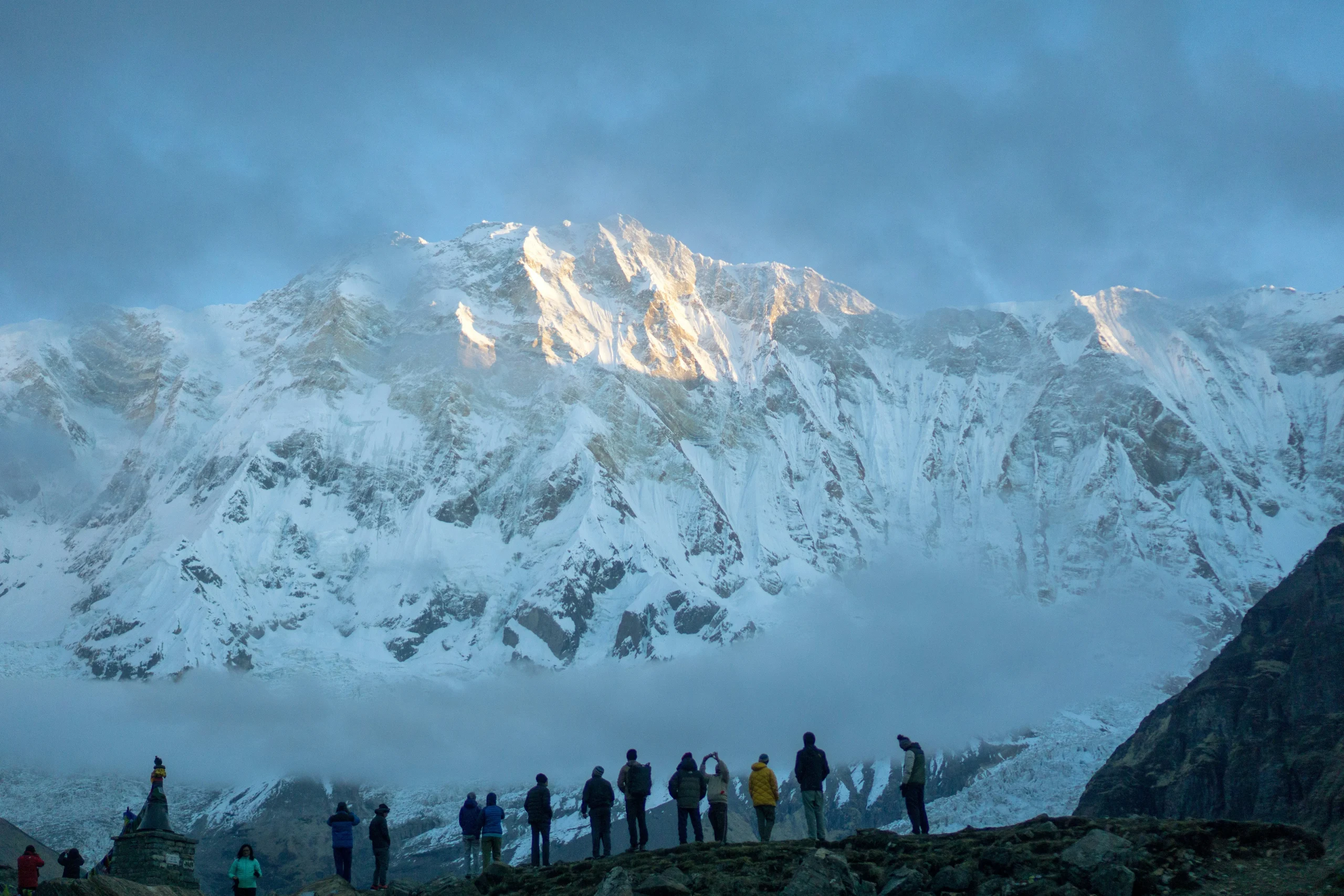
The highest point of the standard trek is Annapurna Base Camp at 4,130 meters (13,549 feet). This is the key figure to remember when considering the Annapurna Base Camp Trek Elevation.
The base camp sits in a natural mountain amphitheater surrounded by enormous peaks. Reaching 4,130 meters is therefore not only an elevation milestone but also the moment when trekkers experience the full scale of the Annapurna Sanctuary.
Why Does Annapurna Base Camp Elevation Matter?
The Annapurna Base Camp Trek Elevation matters because altitude affects the body differently from ordinary uphill walking. As elevation increases, the available oxygen pressure decreases. Consequently, you may notice that climbing stairs or walking uphill requires more effort than it would at lower elevations.
However, reaching 4,130 meters does not automatically mean that every trekker will experience altitude sickness. Individual responses vary, and previous experience at altitude does not guarantee how someone will feel on a particular trip.
The most useful approach is to pay attention to your body, walk at a manageable speed and communicate with your guide or trekking team if you feel unwell.
Is Annapurna Base Camp Trek Difficult Because of Its Elevation?
The ABC Trek is generally considered a moderate Himalayan trekking journey, but its difficulty is influenced by more than elevation alone.
The trail contains many stone steps, steep uphill sections and downhill sections. In addition, trekking for several consecutive days can create muscular fatigue. Therefore, someone who is comfortable with hiking but not accustomed to long mountain walks should prepare before arriving in Nepal.
The Annapurna Base Camp Trek Elevation becomes more challenging during the higher sections because the air is thinner. Even if your legs feel strong, you may need more time to recover after steep climbs.
A steady pace is usually more useful than trying to walk quickly and finish early.
Altitude Sickness on the Annapurna Base Camp Trek
Altitude sickness can occur when the body does not adjust properly to reduced oxygen availability at higher elevations. It can happen to experienced trekkers as well as first-time hikers.
Common early symptoms can include headache, dizziness, unusual tiredness, nausea and difficulty sleeping. These symptoms should not simply be ignored because conditions can become more serious at high altitude.
As the Annapurna Base Camp Trek Elevation rises above 3,000 meters, trekkers should pay closer attention to how they feel. If symptoms become severe or continue to worsen, descending to a lower elevation is an important part of managing altitude-related illness.
Your trekking guide should also know about any symptoms you experience. Never feel that you have to continue simply because you have already walked a long distance that day.
How to Prepare for the Annapurna Base Camp Elevation
You do not need to be an elite athlete to prepare for the ABC Trek. However, improving your cardiovascular fitness and leg strength several weeks before the journey can make the experience more comfortable.
Regular walking, hiking, stair climbing and moderate cardio exercises can help. If possible, include longer walks on weekends because the trek involves several hours of movement on consecutive days.
Strengthening your legs is also useful because the trail contains repeated ascents and descents. Squats, lunges and step-ups can be included in a basic training routine.
Most importantly, prepare for the actual demands of trekking rather than only focusing on gym workouts. Walking outdoors with a backpack is particularly useful because it combines movement, balance and endurance.
What Should You Do at Higher Elevation?
Once you reach the higher parts of the trek, simple habits can make a meaningful difference.
Drink water regularly, eat properly and avoid rushing uphill. Although you may be excited to reach the next destination, moving too quickly can leave you exhausted.
Sleep is also important. Your body needs time to recover after several hours of walking. Keep warm at night because temperatures can drop significantly at higher elevations.
When considering the Annapurna Base Camp Trek Elevation, remember that altitude is only one part of the experience. Weather, temperature, trail conditions, fitness and individual health can all affect how difficult a particular day feels.
Annapurna Base Camp Elevation Compared With Other Treks
At 4,130 meters, Annapurna Base Camp is high enough to provide a genuine Himalayan altitude experience without reaching the extreme elevations found on some other popular Nepal trekking routes.
For example, Everest Base Camp is around 5,364 meters, while Annapurna Base Camp is 4,130 meters. This means the highest point of the ABC Trek is considerably lower than Everest Base Camp.
That difference can be important when choosing a trek. However, elevation alone should not determine your decision because trail length, daily walking hours, terrain and acclimatization schedule also matter.
Best Way to Handle the Altitude
The safest approach is to treat the Annapurna Base Camp Trek Elevation seriously without becoming unnecessarily worried about it.
Walk slowly when necessary, take short breaks, eat enough food and drink fluids regularly. Do not compete with other trekkers because everyone adjusts to altitude differently.
If you develop concerning symptoms, tell your guide immediately. A good trekking plan should always allow decisions to change according to weather, trail conditions and how trekkers are feeling.
Why Choose Silver Moon Adventure?
Choosing the right trekking company can make the experience easier because logistics, accommodation, transportation and route planning all need to work together.
Silver Moon Adventure provides trekking arrangements for travelers exploring Nepal’s Himalayan routes, with attention to practical planning and the experience of international trekkers.
For an ABC journey, proper preparation is particularly useful because the Annapurna Base Camp Trek Elevation changes significantly from the lower hills to the sanctuary. A well-organized itinerary can help you manage walking days, accommodation and transportation while keeping the focus on enjoying the mountains.
Final Thoughts on Annapurna Base Camp Trek Elevation
The Annapurna Base Camp Trek Elevation rises from the low hills around Pokhara to 4,130 meters at the base camp. Along the way, the trail passes through villages such as Ghandruk and Chhomrong before entering forests, alpine landscapes and the dramatic Annapurna Sanctuary.
Understanding the Annapurna Base Camp Trek Elevation before your journey helps you prepare realistically. Although the highest point is 4,130 meters, the gradual increase in altitude gives your body time to adjust as you move higher.
The most important thing is not simply reaching the highest number on the elevation chart. Instead, it is completing the journey responsibly, listening to your body and enjoying the changing landscapes along the way.
For many trekkers, standing at Annapurna Base Camp after days of walking is what makes the journey memorable. The mountains surrounding the sanctuary provide a spectacular reward for the effort, while the route itself offers a mixture of Himalayan scenery, local villages, forests and mountain culture.
If you prepare well, walk patiently and respect the altitude, the Annapurna Base Camp Trek Elevation becomes part of the adventure rather than something to fear.
Frequently Asked Questions
1. What is the elevation of Annapurna Base Camp?
Annapurna Base Camp is located at 4,130 meters (13,549 feet) above sea level. The Annapurna Base Camp Trek Elevation gradually increases from the lower hills around Pokhara before reaching the base camp.
2. If I am already above the clouds, does that mean I have technically finished the trek?
No. The clouds are not the finish line.
3. What is the elevation of Machhapuchhre Base Camp?
Machhapuchhre Base Camp is approximately 3,700 meters (12,139 feet) above sea level. It is one of the final major stops before Annapurna Base Camp, so the **Annapurna Base Camp Trek Elevation** increases noticeably during this section.
4. How much elevation gain is there on the Annapurna Base Camp Trek?
The total elevation gain depends on the exact route and starting point. From Pokhara at around 830 meters to Annapurna Base Camp at 4,130 meters, the overall difference is about 3,300 meters. However, the trail gains and loses elevation several times rather than climbing continuously.
5. Is Annapurna Base Camp difficult because of the altitude?
The Annapurna Base Camp Trek Elevation can make the trek more demanding, particularly above 3,000 meters. However, difficulty also depends on fitness, walking experience, weather, trail conditions and the daily itinerary. Walking steadily and allowing enough time for rest can make the journey more manageable.
6. Can you get altitude sickness on the Annapurna Base Camp Trek?
Yes. Altitude sickness can occur during the ABC Trek, particularly as the Annapurna Base Camp Trek Elevation rises above 3,000 meters. Headache, dizziness, nausea, unusual tiredness and difficulty sleeping can be warning signs. Trekkers should inform their guide if symptoms appear or become worse.
7. How should I prepare for the Annapurna Base Camp altitude?
Regular hiking, stair climbing, walking and cardiovascular exercise can help you prepare. Because the Annapurna Base Camp Trek Elevation reaches 4,130 meters, it is also useful to practice walking for several hours while carrying a comfortable backpack.
8. How long does it take to adjust to the Annapurna Base Camp elevation?
There is no single adjustment period that applies to everyone. The body responds differently to altitude, so a gradual itinerary, steady walking speed and adequate rest are important. The gradual rise in Annapurna Base Camp Trek Elevation allows trekkers to experience higher elevations progressively rather than reaching 4,130 meters immediately.
9. What is the elevation of Chhomrong on the ABC Trek?
Chhomrong is approximately 2,170 meters (7,119 feet) above sea level. It is an important settlement before the trail continues deeper into the Annapurna Sanctuary, where the Annapurna Base Camp Trek Elevation continues to rise toward Bamboo, Deurali, Machhapuchhre Base Camp and finally ABC.
10. If Annapurna Base Camp is 4,130 meters above sea level, who measured it while standing there?
Probably not someone carrying a 4,130-meter measuring tape. The number is measured using modern surveying methods so thankfully, nobody had to climb up there with a very, very long ruler.

Similar Blogs
View all
13/10/2026
Manaslu Circuit Trek After the October 2026 Floods: Trail Conditions, Safety and Travel Updates
The Manaslu Circuit Trek is one of Nepal’s most rewarding Himalayan journeys, taking trekkers through traditional...
Read more
13/10/2026
Your Nepal Trek Is Booked, but the Trail Is Closed: What Now?
Imagine arriving in Nepal with your trekking boots ready, your flights booked, your bags packed, and...
Read more