

Bhotekoshi, Trishuli River Flood 2026: What Happened, Affected Areas, Travel Advisory & Safety Guide –
Share:

 Read Time
This blog has 2752 words .This blog has 18976 characters.This blog take 9 minutes to read.
A massive flash flood entered Nepal through the Bhotekoshi River in Rasuwa on 26 August 2026, triggering panic among residents and prompting authorities to issue flood alerts for several downstream districts. The powerful surge caused significant damage in Timure and surrounding areas, while water levels in the Trishuli River rose rapidly as the flood moved downstream. Officials immediately urged people living along riverbanks to remain alert and avoid unnecessary travel.
Following the incident, the government and disaster management authorities warned that communities in downstream districts, including areas connected by the Trishuli River corridor, could face increased flood risks. Emergency agencies are closely monitoring river levels, while rescue teams and local authorities continue to assess the situation and respond where necessary. The Department of Hydrology and Meteorology has also advised the public to follow official flood forecasts and safety notices.
This article provides the latest information about the Trishuli River Flood today, including what happened, the affected areas, current travel advisories, highway conditions, and essential safety tips for residents, domestic travelers, and international tourists. As the situation is still developing, the information in this guide will be updated as official reports become available.
When Did the Trishuli River Flood Occur?
The latest Trishuli River flood occurred on Wednesday, 26 August 2026, after a powerful surge of water entered Nepal through the Bhotekoshi River in Rasuwa District. The sudden rise in water level was reported during the early hours of the day, prompting authorities to issue immediate flood alerts for communities living along the Trishuli River and its downstream areas.

As the floodwater moved downstream, emergency warnings were issued for several districts connected to the Trishuli River corridor. Local administrations, security personnel, and disaster response agencies were deployed to monitor river conditions, evacuate residents from high-risk riverbanks, and assess damage in affected areas. Although the water level gradually began to recede later in the day, officials continued to urge the public to remain vigilant because unstable weather and additional upstream rainfall could trigger another sudden rise.
The Department of Hydrology and Meteorology (DHM) advised residents, travelers, and businesses located near the Trishuli River to closely follow official flood forecasts and avoid unnecessary activities near the river until authorities confirmed that conditions had become safe.
How Did the Trishuli River Flood Occur?
As of 26 August 2026, the exact cause of the Trishuli River flood has not yet been officially confirmed. However, authorities reported that a sudden and powerful surge of water entered Nepal through the Bhote Koshi River from the Tibet side, rapidly raising water levels in the Trishuli River. The flood struck without significant rainfall being reported in parts of Rasuwa, leading experts and local officials to investigate whether the event was triggered by an upstream glacial lake outburst, a sudden water release, or another natural phenomenon.
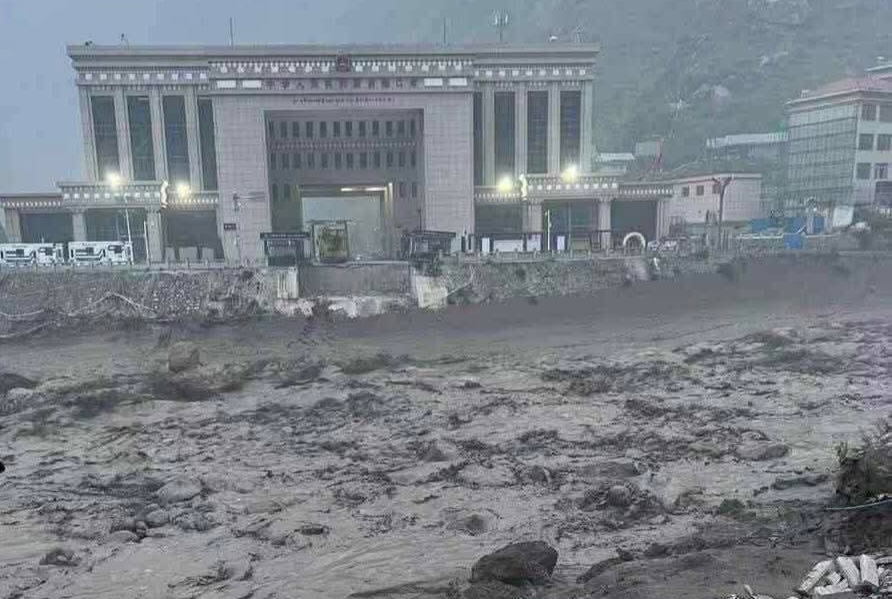
The flood first impacted the Timure and Syabrubesi areas of Rasuwa, where strong currents carrying mud, rocks, trees, and debris damaged settlements, hydropower projects, roads, and other infrastructure. As the floodwater continued downstream through the Trishuli River, authorities issued emergency warnings to communities in Nuwakot, Dhading, and other riverbank areas, advising residents to move to safer locations and stay away from the river.
Government agencies, hydrologists, and disaster response teams are continuing to monitor the situation while investigations are underway to determine the precise source of the flood. Until official findings are released, travelers and residents are strongly advised to rely on verified information from government authorities and follow all safety advisories issued for the Trishuli River corridor.
According to www.earthquaketrack.com
The 4.4 magnitude was hit just above the area where the food had entered Nepal.

Areas Affected by the Trishuli River Flood
The sudden Trishuli River flood on 26 August 2026 has affected several areas along the Bhotekoshi–Trishuli River corridor, beginning from northern Rasuwa District and creating risks for downstream communities. The flood entered Nepal through the Bhote Koshi River from the Tibetan side, causing major damage in Timure and Syabrubesi areas of Rasuwa before moving downstream toward the Trishuli River.
The most affected areas reported so far include Timure, where the sudden flood damaged settlements, markets, and infrastructure near the Nepal–China border. The Timure Customs Office area was also affected, while nearby Syabrubesi experienced damage to hydropower-related infrastructure and other properties. Authorities are still assessing the full extent of the destruction because the flood arrived suddenly and rescue teams have faced difficult conditions.
After affecting Rasuwa, the flood moved downstream through the Trishuli River, raising concerns in districts including Nuwakot, Dhading, Gorkha, and Chitwan. Local administrations in these areas issued alerts for communities living near the riverbanks and requested people to avoid activities such as fishing, collecting firewood, or staying close to the river during this high-risk period.
Major transportation routes connected with the Trishuli corridor are also under risk. Authorities have warned travelers about possible dangers along highways near the river, including sections of the Prithvi Highway, because rising water levels, landslides, and debris flow can create dangerous travel conditions during such emergencies.
As the situation continues to develop, residents and travelers should avoid unnecessary movement near affected river areas and follow updates from local authorities and disaster management agencies. The flood situation may change quickly because Himalayan rivers can rise suddenly due to upstream events.
How to Stay Safe During the Trishuli River Flood
During the Trishuli River Flood and monsoon season in Nepal, safety should always be the first priority. Flash floods in Himalayan rivers can develop very quickly because water may come from upstream areas where rainfall or other natural events have already affected the river system. Therefore, residents, drivers, and travelers should stay alert and follow official warnings instead of taking unnecessary risks.
People living near the Trishuli River, Bhotekoshi River, and other riverbank areas should avoid going close to the water during flood conditions. Do not try to cross flooded roads, bridges, or small streams because strong currents can sweep away vehicles and people within seconds. If authorities advise evacuation, move to safer and higher locations immediately.
Travelers should carefully check weather forecasts, flood alerts, and road conditions before starting any journey. During heavy rainfall or flood warnings, it is better to postpone unnecessary travel because mountain highways in Nepal can be affected by floods, landslides, and falling rocks. Waiting for conditions to improve is safer than getting trapped on risky roads.
Drivers travelling through the Trishuli corridor, Prithvi Highway, and other mountain routes should avoid driving at night during severe weather. Keep emergency supplies such as drinking water, snacks, a power bank, basic medicines, and important documents while travelling. Always maintain communication with family members or travel partners and inform them about your route.
For tourists visiting Nepal, especially those travelling between Kathmandu, Pokhara, Chitwan, and trekking regions, it is important to remain flexible during the monsoon. Check local updates before leaving your hotel or starting a long journey. A short delay in travel is much safer than facing unpredictable flood and landslide risks.
The Trishuli River flood reminds everyone that Himalayan weather can change rapidly. Staying informed, respecting nature, and following safety instructions from local authorities are the best ways to protect yourself during flood emergencies.
Avoid Travelling on Highways During Trishuli River Flood
During the Trishuli River Flood on 26 August 2026, travelers are advised to avoid unnecessary movement on highways connected to the affected river corridors. A sudden flood entered Nepal through the Bhote Koshi River from the Tibetan side, affecting areas of Rasuwa and increasing risks for downstream communities along the Trishuli River. Authorities have warned people in vulnerable areas and advised travelers to remain cautious until the situation becomes stable.
The Prithvi Highway, one of Nepal’s busiest routes connecting Kathmandu, Pokhara, and Chitwan, passes close to the Trishuli River in many sections. During flood situations and heavy monsoon rainfall, this highway can become risky due to sudden water level increases, landslides, road erosion, and falling debris. Authorities have advised avoiding travel through high-risk river corridors while monitoring official updates.
Travelers should especially avoid starting long-distance journeys when there are warnings of heavy rainfall, flash floods, or landslide risks. A journey that normally takes several hours can become dangerous if roads are blocked or vehicles become stranded in remote mountain sections. It is always safer to delay travel for a day rather than take unnecessary risks during an emergency situation.
If you are planning to travel between Kathmandu and Pokhara, check the latest road conditions before departure. Do not depend only on clear weather in your current location because mountain weather can change quickly, and problems may occur many kilometres away from where you are travelling.
For tourists visiting Nepal, flexibility is important during the monsoon season. Keep extra time in your itinerary, stay updated through official sources, and follow instructions from local authorities. Avoid stopping near rivers, bridges, and landslide-prone areas, especially during heavy rainfall.
The Trishuli flood is a reminder that Nepal’s mountain highways require extra caution during extreme weather. Responsible travel decisions can help protect your life and make your journey safer.
Avoid Returning from Pokhara During Severe Weather Conditions
If you are currently in Pokhara and planning to return to Kathmandu during heavy rainfall, flood warnings, or extreme weather conditions, it is safer to delay your journey until the situation improves. The route between Pokhara and Kathmandu mainly follows the Prithvi Highway, which passes through several areas close to rivers, steep hills, and landslide-prone sections. During the monsoon season, sudden floods, landslides, and road damage can create dangerous travel conditions.
Following the Trishuli River flood on 26 August 2026, authorities warned travelers to remain cautious around river corridors and vulnerable highways. The flood risk was not limited only to Rasuwa, as increased water levels in the Trishuli system created concerns for downstream areas, including sections connected toward Dhading, Gorkha, Chitwan, and Muglin.
Travelers should avoid making a rushed return from Pokhara when weather conditions are unstable. Even if Pokhara itself has normal weather, conditions along the highway route may be different. Mountain roads can become blocked due to landslides, debris flow, river erosion, or sudden road damage without much warning.
If your journey is not urgent, waiting for better weather is often the safest choice. Before leaving Pokhara, check the latest highway updates, confirm road conditions with local authorities or your travel company, and avoid travelling at night during periods of heavy rain.
For tourists, a flexible travel plan is extremely important during Nepal’s monsoon season. Adding extra buffer days to your itinerary can prevent unnecessary risks and help you enjoy your journey safely. A delayed trip is always better than being trapped on a dangerous highway.
Safety tips before returning from Pokhara:
- Check the latest weather forecast before departure.
- Confirm Prithvi Highway conditions before starting your journey.
- Avoid travelling during heavy rainfall or flood warnings.
- Do not stop near rivers, bridges, or landslide-prone areas.
- Prefer daytime travel instead of night travel.
- Carry drinking water, snacks, a power bank, and emergency supplies.
- Follow instructions from police and local authorities.
The Trishuli River flood is a reminder that Nepal’s mountain highways are beautiful but can become unpredictable during extreme weather. Staying patient, informed, and prepared is the best way to travel safely.
Additional Safety Tips During the Trishuli River Flood
The Trishuli River Flood is a reminder that Himalayan rivers can change their behaviour very quickly, especially during the monsoon season. A sudden rise in water levels can affect nearby settlements, highways, bridges, and travel routes within a short period. Therefore, everyone living near the river and people travelling through affected areas should take extra precautions until authorities announce that conditions are safe.
Follow Official Updates Regularly
During flood emergencies, always depend on official information from government authorities, local administrations, and weather agencies instead of rumours on social media. River conditions can change quickly, and updates about road closures, evacuation orders, and safety instructions may change throughout the day.
Stay Away from Rivers and Bridges
Avoid visiting riverbanks to watch flood conditions or take photographs. Strong currents can be extremely dangerous because floodwater may carry rocks, trees, and other debris. People should also avoid standing on bridges or near river crossings during high water levels.
Do Not Travel Through Risky Areas
Avoid unnecessary travel through flood-affected corridors, especially routes close to the Trishuli and Bhotekoshi rivers. Authorities have advised caution around areas from Rasuwa to Muglin, including communities in Nuwakot, Dhading, Gorkha, and Chitwan, due to possible downstream flood impacts.
Keep Emergency Items Ready
If you live in a flood-risk area or are travelling during the monsoon, keep essential items prepared:
- Drinking water and dry food
- Mobile phone and power bank
- First-aid supplies
- Important documents
- Flashlight
- Warm clothes and basic medicines
These simple preparations can become very useful during sudden emergencies.
Avoid Driving at Night During Severe Weather
Night travel becomes more dangerous during floods and heavy rainfall because visibility is poor and hazards such as landslides, damaged roads, and debris are harder to notice. Authorities have also issued travel cautions and restrictions on some routes during severe weather conditions.
Stay Calm and Help Others
During natural disasters, panic can create additional risks. Help children, elderly people, and vulnerable community members move to safer places if necessary. Avoid spreading unverified information and cooperate with rescue teams and local authorities.
The safest approach during the Trishuli River Flood is simple: stay informed, avoid risky travel, remain away from rivers, and follow official instructions until the danger has completely passed.
Conclusion: Stay Alert and Travel Responsibly
The Trishuli River Flood has once again shown how unpredictable Himalayan rivers can be during emergency situations. The sudden flood that entered Nepal through the Bhote Koshi River from the Tibetan side affected areas of Rasuwa, including Timure and Syabrubesi, and increased flood risks along the downstream Trishuli River corridor. Authorities have warned communities in several downstream areas to remain alert and avoid unnecessary risks.
For travelers, the most important message during such disasters is to avoid panic and make safe decisions. If you are planning to travel between Kathmandu, Pokhara, Chitwan, or other destinations connected by mountain highways, always check the latest road conditions before starting your journey. Do not travel through risky areas during severe weather warnings, especially near rivers, bridges, and landslide-prone sections.
Nepal is a beautiful country with incredible mountains, rivers, and landscapes; however, nature in the Himalayas can change quickly. A responsible traveler should respect weather conditions, follow local authority instructions, and keep extra flexibility in travel plans during the monsoon season.
A Message from Silver Moon Adventure and Tour
Dear Travelers and Friends,
The recent Trishuli River flood has created difficult conditions in several areas of Nepal, especially along the Trishuli River corridor and nearby highways. We understand that many people may feel worried about their safety, travel plans, and loved ones. Authorities have advised people living near the river and downstream areas to remain alert as water levels can change quickly.
At this moment, our message to everyone is simple: stay safe, stay calm, and do not panic. If you are currently travelling in Nepal, please stay updated with official information, avoid unnecessary movement near affected areas, and follow instructions from local authorities.
If you are on the road, please take extra care. Avoid travelling through risky highway sections during heavy rainfall or flood warnings, especially routes near rivers and landslide-prone areas. Some highway sections have already faced disruptions due to flood and landslide risks, so checking road conditions before travelling is extremely important.
If you are currently in Pokhara, Kathmandu, Chitwan, or other destinations, please do not make rushed decisions. Wait for updated information, confirm road conditions, and travel only when it is safe. Your safety is more important than reaching your destination a few hours earlier.
For those currently affected:
- Stay away from riverbanks and bridges.
- Move to safer and higher areas if authorities advise evacuation.
- Keep your phone charged and maintain communication with family members.
- Do not believe or share unverified information.
- Support each other and remain patient during this difficult time.
From Silver Moon Adventure and Tour, we request everyone to remain safe and responsible. Nepal is a beautiful country, and although natural events can be unpredictable, careful decisions and awareness can help protect lives.
Wherever you are right now, please stay safe, stay alert, and take care of yourself and your loved ones. We are all hoping for everyone’s safety.
Silver Moon Adventure and Tour

Similar Blogs
View all
13/10/2026
Manaslu Circuit Trek After the October 2026 Floods: Trail Conditions, Safety and Travel Updates
The Manaslu Circuit Trek is one of Nepal’s most rewarding Himalayan journeys, taking trekkers through traditional...
Read more
13/10/2026
Your Nepal Trek Is Booked, but the Trail Is Closed: What Now?
Imagine arriving in Nepal with your trekking boots ready, your flights booked, your bags packed, and...
Read more