

Training for the Annapurna Circuit Trek: The Complete Fitness Guide
Share:

 Read Time
This blog has 3699 words .This blog has 24489 characters.This blog take 12 minutes to read.
Are you physically ready to trek for 5 to 8 hours a day through the Himalayas, climb to 5,416 metres at Thorong La Pass, and repeat the challenge for nearly two weeks? If you’re planning the Annapurna Circuit Trek, this is one of the most important questions to ask yourself before booking your adventure. While the trek is achievable for people with average fitness, proper preparation can be the difference between simply completing the journey and truly enjoying every step of it.
The Annapurna Circuit Trek is one of Nepal’s most iconic trekking routes, renowned for its breathtaking mountain panoramas, diverse landscapes, ancient villages, and rich cultural experiences. However, the trail is also physically demanding because it combines long walking days, steep ascents and descents, uneven terrain, and high-altitude conditions where oxygen levels gradually decrease. As you gain elevation, your body works harder, and even routine sections of the trail can feel more challenging than expected.
Fortunately, you don’t need to be a marathon runner or a professional mountaineer to complete the Annapurna Circuit successfully. What you do need is a structured training plan that improves your endurance, strengthens the muscles used during trekking, and prepares your body for consecutive days on the trail. Regular cardio workouts, strength training, flexibility exercises, and practice hikes with a backpack can significantly improve your performance while reducing fatigue and the risk of injury.
This guide will walk you through everything you need to know about training for the Annapurna Circuit Trek. From assessing your current fitness level and following an effective 8–12 week training plan to preparing for high-altitude trekking and avoiding common mistakes, you’ll find practical advice to help you arrive in Nepal confident and well-prepared. Whether this is your first Himalayan adventure or another trek on your list, proper preparation will help you make the most of one of the world’s greatest trekking experiences.
Understanding the Physical Demands of the Annapurna Circuit
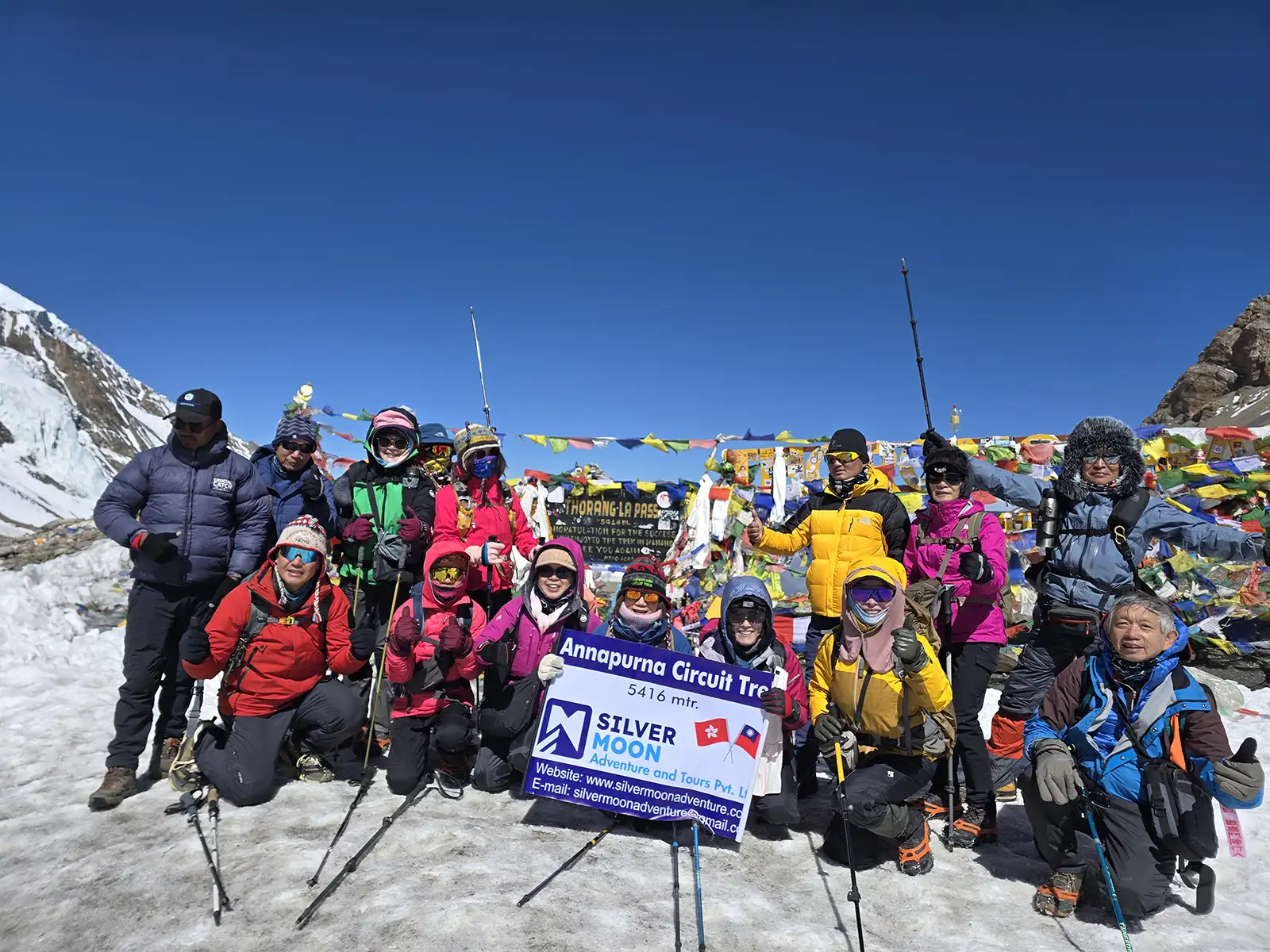
Before you begin your training, it is important to understand what your body will actually face on the Annapurna Circuit Trek. Many people focus only on the trek’s highest point Thorong La Pass (5,416 m) but the real challenge comes from trekking day after day over constantly changing terrain while your body gradually adjusts to higher elevations. Knowing these demands will help you train more effectively and set realistic expectations.
A standard Annapurna Circuit Trek typically lasts 12 to 18 days, depending on your itinerary and chosen route. During this time, you can expect to walk 5 to 8 hours each day, although some days, especially the crossing of Thorong La Pass, may require 8 to 10 hours of continuous trekking. Unlike a single-day hike where you can recover at home afterward, the Annapurna Circuit requires your body to perform consistently for nearly two weeks with limited recovery time.
The trail itself is incredibly diverse. It begins in lush subtropical forests before passing through terraced farmlands, pine forests, deep river valleys, rocky mountain paths, alpine meadows, and finally the barren, high-altitude landscapes of the Himalayas. Along the way, you’ll encounter steep uphill climbs, long downhill descents, uneven stone staircases, loose gravel, suspension bridges, and narrow mountain trails. These changing conditions place continuous demands on your legs, core, balance, and cardiovascular system.
Starts from
USD 740
Annapurna Circuit Trek – 13 days
The Annapurna Circuit is one of the most popular trekking routes in Nepal. It is perfect for people who...
Duration:
13 days
Max altitude:
5,416m at Thorong La Pass
Altitude is another major factor that makes the Annapurna Circuit unique. Most trekkers begin feeling the effects of thinner air after reaching around 3,000 metres, where oxygen levels are significantly lower than at sea level. As you continue toward Manang (3,540 m), Yak Kharka (4,050 m), and eventually Thorong La Pass, your body must work harder to deliver oxygen to your muscles. Even if you’re physically fit, activities that normally feel easy can become much more tiring at high altitude. This is why proper acclimatization and gradual ascent are essential parts of a successful trek.
In addition to the physical effort, trekkers must also cope with changing weather conditions. Temperatures can be warm in the lower valleys during the day, yet near or below freezing at higher elevations, particularly in the morning and at night. Wind, rain, snow, and strong sunlight can all affect your energy levels, making it even more important to build stamina before arriving in Nepal.
By understanding the physical demands of the Annapurna Circuit Trek, you can tailor your training to match the realities of the trail. Instead of preparing for a simple walk, you’ll train for a multi-day mountain expedition that requires endurance, strength, balance, mental resilience, and the ability to perform well in a high-altitude environment. This knowledge lays the foundation for a safer, more enjoyable, and rewarding trekking experience.
Assess Your Current Fitness Level
Can you comfortably walk for 5 to 8 hours a day, climb hundreds of steps, and carry a backpack without feeling exhausted? If the answer is yes, you’re already on the right track. If not, don’t worry—most trekkers successfully prepare for the Annapurna Circuit Trek with a few months of consistent training.
The Annapurna Circuit is more about endurance than speed. You don’t need to be a professional athlete, but your body should be able to handle several consecutive days of walking over steep and uneven trails. Before creating your training plan, it’s helpful to assess your current fitness level honestly.
- A simple self-check includes the following:
- Walk 10–15 km without excessive fatigue.
- Climb stairs continuously for 20–30 minutes.
- Complete a day hike with moderate elevation gain.
- Carry a 6–8 kg backpack comfortably.
- Recover well after long walks without severe muscle soreness.
If these activities feel manageable, you have a solid starting point. If they seem challenging, begin with shorter walks and gradually increase your distance, elevation, and backpack weight over the coming weeks.Remember, every trekker starts at a different fitness level. With a structured training plan, patience, and consistency, you’ll build the endurance and strength needed to enjoy the Annapurna Circuit Trek safely and confidently.
Create an 8–12 Week Annapurna Circuit Trek Training Plan
The best way to prepare for the Annapurna Circuit Trek is to start training 8–12 weeks before your departure. This gives your body enough time to build endurance, strengthen key muscles, and adapt gradually without increasing the risk of injury. Rather than training intensely for a few days, focus on being consistent every week.
Your training plan should combine cardio, strength training, hiking, and recovery. As your fitness improves, gradually increase the duration and intensity of your workouts to match the demands of trekking in the Himalayas.
Cardiovascular Endurance Training
The Annapurna Circuit Trek is an endurance challenge, not a race. Since you’ll be walking 5–8 hours every day at increasing altitudes, your heart and lungs need to work efficiently for long periods. Building cardiovascular fitness before your trek will help you maintain a steady pace, recover faster during breaks, and feel less fatigued on the trail.
Aim for 3–5 cardio sessions each week, gradually increasing the duration as your fitness improves. Choose activities that keep your heart rate elevated for an extended period rather than short bursts of intense exercise.
- Some of the best cardio exercises for trekkers include:
- Brisk walking on flat and uphill terrain
- Hiking on local trails
- Stair climbing or hill repeats
- Jogging or running
- Cycling
- Swimming
- Elliptical or rowing machine workouts
Start with 30–40 minutes per session, then gradually build up to 60–90 minutes. If possible, include at least one long walk or hike every weekend, as this closely mimics the demands of the Annapurna Circuit.
While improving your endurance, remember that consistency is far more important than speed. A steady pace during training will prepare your body for the long trekking days you’ll experience in the Himalayas and make the journey much more enjoyable.
Strength Training: Legs, Core, and Upper Body
Strong muscles make every step on the Annapurna Circuit Trek easier. While endurance helps you walk longer, strength training helps you tackle steep climbs, control downhill sections, and carry your backpack comfortably. It also reduces the risk of common trekking injuries, especially around the knees and lower back.
Aim for 2–3 strength-training sessions each week, focusing on exercises that target the muscles you’ll use most on the trail.
Leg Exercises
Your legs do most of the work during the trek, so they should be your priority. Include:
- Squats
- Lunges
- Step-ups
- Calf raises
- Bulgarian split squats
- Core Exercises
A strong core improves balance and stability, especially on uneven mountain trails. Try:
- Planks
- Side planks
- Mountain climbers
- Bird dogs
- Dead bugs
- Upper Body Exercises
Although your upper body isn’t doing the walking, it supports your backpack and helps maintain good posture throughout the day. Include:
- Push-ups
- Dumbbell or resistance band rows
- Shoulder presses
- Lat pulldowns or assisted pull-ups
Focus on proper form rather than heavy weights. As your strength improves, gradually increase the difficulty of your workouts. Combined with regular cardio and hiking, these exercises will prepare your body for the physical demands of the Annapurna Circuit Trek and help you stay comfortable throughout your adventure.
Hiking-Specific Training with a Backpack
No workout can fully replace actual hiking. If you want to prepare for the Annapurna Circuit Trek, the best training is to spend time walking on trails, hills, or staircases while carrying a backpack. This helps your body adapt to the movements and conditions you’ll experience in the Himalayas.
Start with a light backpack (4–5 kg) and gradually increase the weight to 6–8 kg, which is similar to what you’ll carry during the trek. Focus on maintaining a steady, comfortable pace instead of trying to walk as fast as possible.
- To make your training more effective, include:
- Weekend hikes on local trails or hills.
- Stair climbing to build strength for long ascents.
- Walking on uneven terrain to improve balance and stability.
- Long walks of 3–6 hours to simulate trekking days.
- Practice with trekking poles if you plan to use them in Nepal.
As your fitness improves, gradually increase your hiking distance, elevation gain, and backpack weight. However, avoid making all these changes at once to reduce the risk of injury.
Training under real hiking conditions will build confidence and prepare your muscles, joints, and feet for consecutive days on the trail. By the time you arrive in Nepal, walking with your backpack should feel natural, allowing you to focus on enjoying the breathtaking scenery of the Annapurna Circuit Trek rather than struggling with the physical demands.
Flexibility, Mobility, and Injury Prevention
While endurance and strength are essential, flexibility and mobility are equally important for staying comfortable throughout the Annapurna Circuit Trek. Long hours of walking can tighten your muscles and place extra stress on your knees, hips, ankles, and lower back. Regular stretching helps improve your range of motion, reduces muscle stiffness, and lowers the risk of common trekking injuries.
Spend 10–15 minutes after each workout stretching the muscles you use most during hiking. Pay particular attention to your:
- Hamstrings
- Calves
- Quadriceps
- Hip flexors
- Glutes
- Lower back
You can also include yoga or mobility exercises once or twice a week to improve balance, posture, and overall body control. These exercises are especially helpful when walking on rocky trails, steep descents, and uneven mountain paths.Remember, flexibility isn’t about touching your toes—it’s about helping your body move efficiently and recover faster. By making stretching and mobility part of your training routine, you’ll arrive on the Annapurna Circuit feeling more comfortable, reducing fatigue, and minimizing the chance of injuries during your trek.
Altitude Acclimatization and Thorong La Pass Preparation
Reaching Thorong La Pass (5,416 m) is one of the biggest highlights of the Annapurna Circuit Trek, but it is also the most challenging section because of the high altitude. As you climb higher, the air becomes thinner, meaning your body receives less oxygen with every breath. Even physically fit trekkers can experience the effects of altitude, so acclimatization is just as important as fitness training.
The best way to prepare is to choose an itinerary that allows your body to adjust gradually. Most trekking schedules include an acclimatization day in Manang (3,540 m), where short hikes to higher elevations help your body adapt before continuing towards Thorong La Pass.
Before your trek, you can also improve your chances of a successful acclimatization by:
- Building strong cardiovascular fitness.
- Staying well hydrated every day.
- Avoiding alcohol and smoking at high altitude.
- Walking at a slow, steady pace instead of rushing.
- Listening to your body and informing your guide if symptoms appear.
Remember, no amount of physical training can prevent altitude sickness completely. The key is to ascend gradually, follow your guide’s advice, and give your body enough time to adapt. With proper acclimatization and sensible pacing, you’ll greatly increase your chances of crossing Thorong La Pass safely while enjoying one of the most spectacular sections of the Annapurna Circuit Trek.
Nutrition, Hydration, and Recovery
Your training doesn’t end when your workout is over. Proper nutrition, hydration, and recovery help your body rebuild stronger muscles, improve endurance, and prepare for the long days you’ll spend on the Annapurna Circuit Trek. Even the best training plan will be less effective if your body doesn’t receive the fuel and rest it needs.
Eat a balanced diet that includes lean protein, whole grains, healthy fats, fruits, and vegetables. These foods provide the energy needed for training while supporting muscle recovery. Before longer workouts, choose carbohydrate-rich meals for sustained energy, and after exercise, include protein to help repair your muscles.
Hydration is just as important. Drink water consistently throughout the day rather than waiting until you feel thirsty. During long training hikes, carry a reusable water bottle and get into the habit of drinking regularly—this is a routine you’ll rely on during your trek in Nepal.
Recovery should also be part of your weekly schedule. Aim for 7–9 hours of sleep each night, include at least one full rest day every week, and stretch after your workouts to reduce muscle tightness. Giving your body time to recover allows you to train consistently and arrive on the Annapurna Circuit feeling stronger, healthier, and ready for the adventure ahead.
Mental Preparation for Multi-Day Trekking
Preparing for the Annapurna Circuit Trek isn’t just about building physical strength—your mindset plays an equally important role. There will be days when the trail feels long, the weather changes unexpectedly, or the altitude makes each step more challenging. Staying patient and maintaining a positive attitude can make a significant difference to your overall trekking experience.
One of the best ways to build mental resilience is by training consistently. Complete long walks even when you’re feeling tired, hike in different weather conditions when it’s safe to do so, and gradually push yourself outside your comfort zone. These experiences help you develop the confidence needed for consecutive days on the trail.
It’s also important to set realistic expectations. You don’t need to walk faster than everyone else. Trek at your own pace, take regular breaks, and focus on reaching each destination safely. Remember, the Annapurna Circuit is about enjoying the journey, not rushing to the finish.
A calm, positive mindset, combined with good physical preparation, will help you overcome challenges, appreciate the stunning Himalayan scenery, and make your trek far more enjoyable from start to finish.
Common Training Mistakes to Avoid
Even with the best intentions, many trekkers make mistakes during their preparation that can affect their performance on the Annapurna Circuit Trek. Avoiding these common errors will help you train more effectively and reduce the risk of injury before your adventure begins.
Here are some of the most common training mistakes:
- Starting too late: Begin training 8–12 weeks before your trek to give your body enough time to adapt.
- Focusing only on cardio: Endurance is important, but don’t neglect strength, flexibility, and hiking practice.
- Skipping backpack training: Walking with a loaded backpack prepares your body for real trekking conditions.
- Increasing intensity too quickly: Gradually increase your distance, elevation, and workout intensity to avoid injuries.
- Ignoring rest days: Recovery is essential for muscle growth and preventing overtraining.
- Wearing new boots on the trek: Always break in your footwear during training hikes.
- Overestimating your fitness: Train according to your current ability rather than pushing too hard too soon.
Remember, consistency is far more valuable than occasional intense workouts. A balanced training routine that combines endurance, strength, recovery, and hiking practice will prepare you much better than trying to do everything at the last minute.
Recognizing and Preventing Altitude Sickness
Altitude sickness is one of the biggest challenges on the Annapurna Circuit Trek, especially as you climb above 3,000 metres. Because the amount of oxygen decreases with elevation, your body needs time to adjust. Although good physical fitness improves your overall trekking experience, it does not make you immune to altitude sickness. Even experienced trekkers can develop symptoms if they ascend too quickly.
Learn to recognize the early warning signs, which may include:
- Headache
- Nausea or loss of appetite
- Dizziness
- Unusual tiredness
- Difficulty sleeping
- Shortness of breath while resting
The best way to reduce the risk is to ascend gradually and follow a well-planned itinerary with proper acclimatization days. Stay well hydrated, eat nutritious meals, avoid alcohol, and maintain a slow, steady walking pace. If you begin to feel unwell, inform your trekking guide immediately and avoid climbing to a higher altitude until your symptoms improve.
Never ignore severe symptoms or try to “push through” altitude sickness. Descending to a lower elevation is often the safest and most effective treatment. By understanding the symptoms and respecting the effects of high altitude, you’ll greatly improve your chances of enjoying a safe and memorable Annapurna Circuit Trek.
Conclusion
Training for the Annapurna Circuit Trek is one of the best investments you can make before travelling to Nepal. While the trek doesn’t require technical climbing skills, it does demand endurance, strength, and the ability to hike for several consecutive days at high altitude. By following a structured 8–12 week training plan, improving your cardiovascular fitness, strengthening your muscles, practicing with a backpack, and understanding proper acclimatization, you’ll be well prepared for the challenges ahead.
Remember that every trekker progresses at a different pace. Focus on consistent training rather than perfection, listen to your body, and allow enough time for recovery. Combined with the right gear, a sensible itinerary, and guidance from experienced trekking professionals, your preparation will help you enjoy every stage of the journey with greater confidence and comfort.
The Annapurna Circuit Trek is more than just reaching Thorong La Pass (5,416 m)—it’s an unforgettable adventure through diverse landscapes, traditional Himalayan villages, and some of Nepal’s most spectacular mountain scenery. With the right preparation, you’ll be ready to embrace the experience, create lasting memories, and complete one of the world’s greatest trekking routes safely and successfully.
Frequently Asked Questions (FAQs)
1. How fit do I need to be for the Annapurna Circuit Trek?
You don’t need to be an athlete, but you should have a moderate to good level of fitness. If you can comfortably hike for 5–8 hours a day, climb hills, and carry a 6–8 kg backpack, you’ll be well prepared for the trek.
2. How many weeks should I train before the Annapurna Circuit Trek?
Most trekkers should begin training 8–12 weeks before their departure. This gives you enough time to improve your endurance, strength, and overall fitness without overtraining.
3. Can beginners complete the Annapurna Circuit Trek?
Yes. Many beginners successfully complete the Annapurna Circuit every year. The key is to follow a proper training plan, choose a realistic itinerary, and allow enough time for acclimatization during the trek.
4. What is the best exercise for the Annapurna Circuit Trek?
The most effective training combines brisk walking, hiking, stair climbing, strength training, and long walks with a backpack. These activities closely match the physical demands of the trek.
5. Should I train with a backpack before the trek?
Yes. Training with a 6–8 kg backpack helps your body adapt to carrying weight for long periods and improves your comfort on the trail. Start with a lighter load and gradually increase the weight as your fitness improves.
6. Is running enough to prepare for the Annapurna Circuit Trek?
Running is excellent for improving cardiovascular fitness, but it should be combined with strength training, hiking, flexibility exercises, and backpack training. A balanced training routine provides the best preparation.
7. Can physical fitness prevent altitude sickness?
No. Even very fit trekkers can develop altitude sickness. The best way to reduce the risk is to ascend gradually, acclimatize properly, stay hydrated, and follow your guide’s advice.
8. What muscles should I focus on during training?
Prioritize your legs, core, and back. Strong quadriceps, calves, glutes, abdominal muscles, and lower back help you handle steep climbs, descents, and long trekking days more comfortably.
9. How many hours should I train each week?
Aim for 4–6 hours of training per week, including cardio, strength workouts, hiking, stretching, and recovery. Consistency is more important than intense workouts.
10. What is the biggest mistake people make before the Annapurna Circuit Trek?
One of the most common mistakes is starting training too late. Many trekkers also underestimate the importance of strength training, backpack practice, and acclimatization, which are all essential for a safe and enjoyable trekking experience.

Similar Blogs
View all
13/10/2026
Manaslu Circuit Trek After the October 2026 Floods: Trail Conditions, Safety and Travel Updates
The Manaslu Circuit Trek is one of Nepal’s most rewarding Himalayan journeys, taking trekkers through traditional...
Read more
13/10/2026
Your Nepal Trek Is Booked, but the Trail Is Closed: What Now?
Imagine arriving in Nepal with your trekking boots ready, your flights booked, your bags packed, and...
Read more